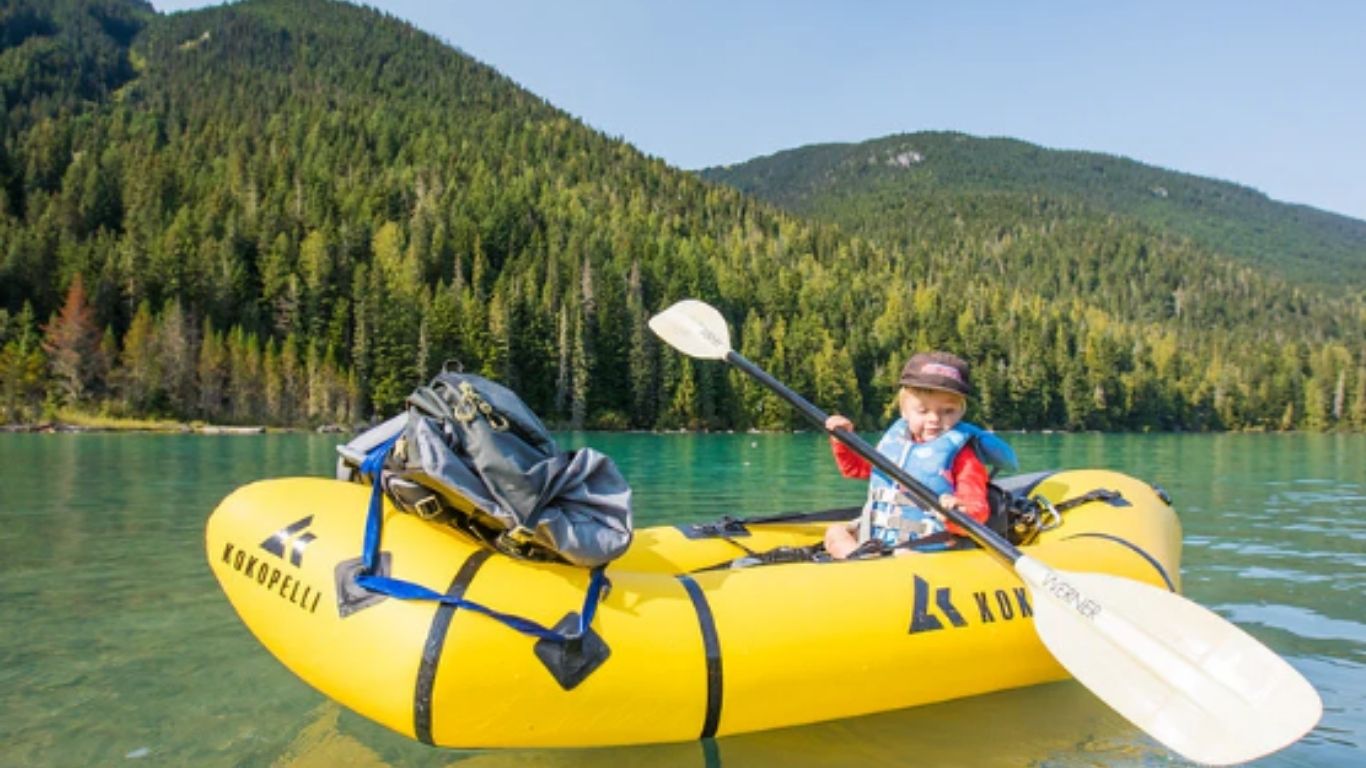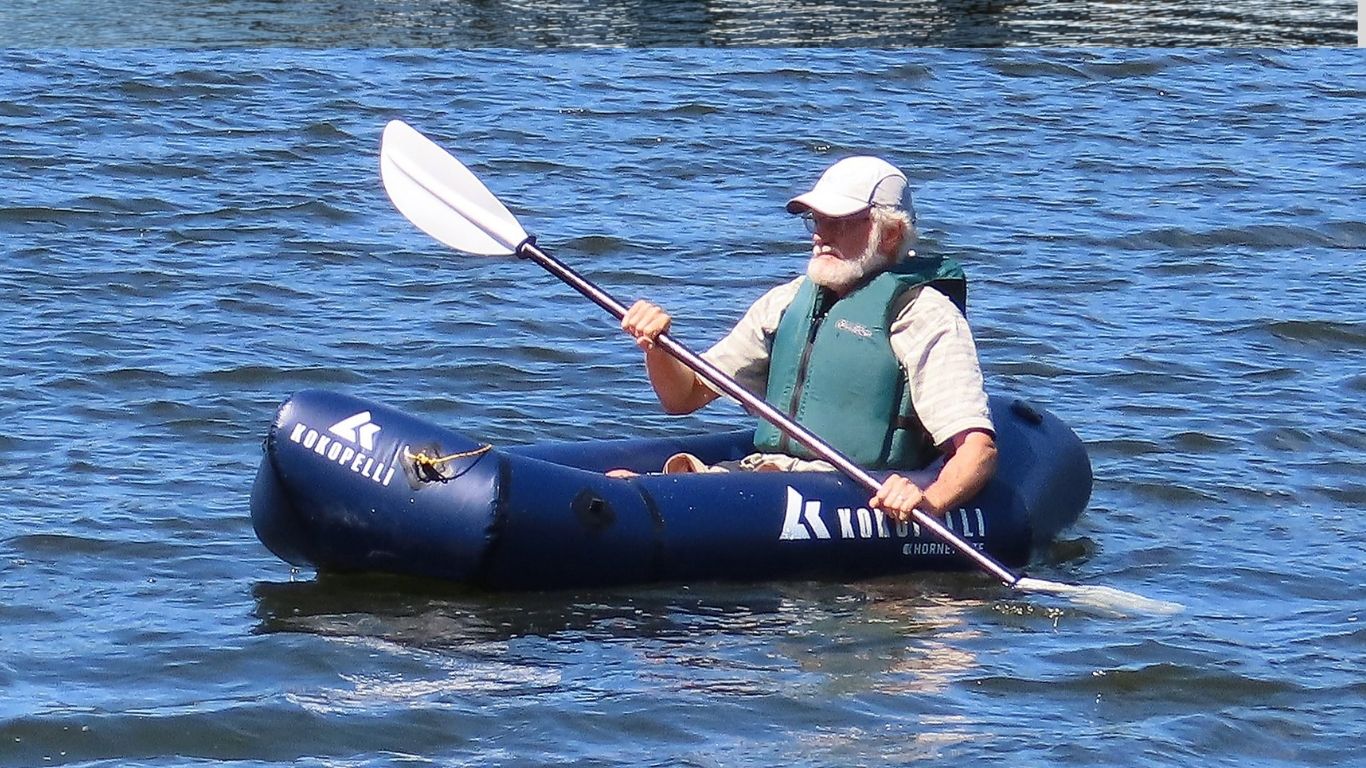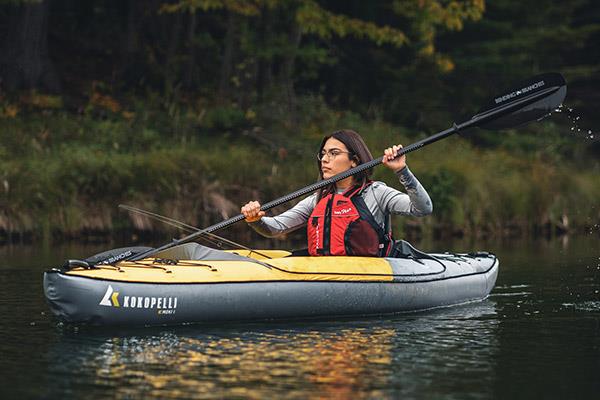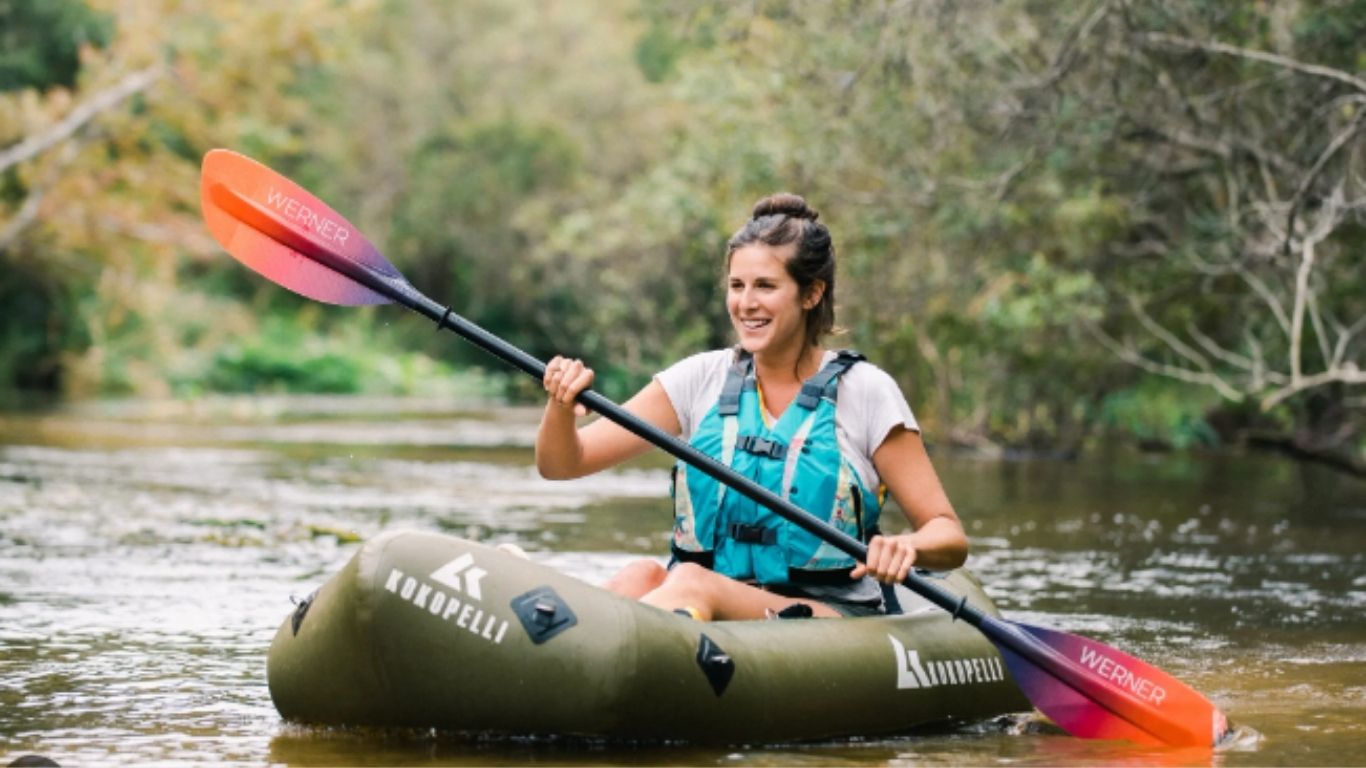
For outdoor enthusiasts who crave adventure on both calm lakes and rugged rivers, a reliable packraft is essential. The Kokopelli XPD is designed for those who need a durable, versatile, and portable watercraft that can handle more punishment than ultralight alternatives. Unlike fragile models, the XPD prioritizes strength, making it a solid choice for weekend explorers, river travelers, and even beginners who want a tough and affordable entry into packrafting.
Overview of the Kokopelli XPD
Quick Background on Kokopelli Packrafts
Kokopelli has built a reputation for creating innovative packrafts that combine lightweight portability with reliable performance. The XPD was introduced as a solution for paddlers who needed something stronger than ultralight TPU-based packrafts. With its heavy-duty PVC material, the XPD aims to bridge the gap between portability and long-lasting durability.
Who the XPD Is Designed For
The Kokopelli XPD is not just for hardcore adventurers—it’s built for a wide range of users:
- Casual paddlers who want to explore lakes, slow-moving rivers, or coastal waters.
- Adventure travelers who need a boat that can be packed into luggage and withstand rugged conditions.
- First-time packrafters looking for a balance of affordability and resilience before committing to higher-end options.
Key Specifications
Dimensions & Weight
The Kokopelli XPD measures approximately 7’6” in length and 37” in width, giving it enough space for a single paddler while maintaining compact portability. When deflated, it packs down to about the size of a medium duffel bag, making it easy to carry in a car or even check as luggage. At around 14 pounds, it’s heavier than ultralight packrafts but still portable enough for short hikes or travel.
Materials & Construction
One of the standout features of the XPD is its construction. Made with 1000d reinforced PVC, it’s designed to withstand scrapes, bumps, and even occasional dragging over rough surfaces. The welded seams enhance durability, reducing the risk of leaks during extended use. Compared to lighter TPU packrafts, the XPD trades weight for toughness—ideal for rocky rivers and rugged environments.
Included Accessories
Kokopelli packs in several useful accessories with the XPD:
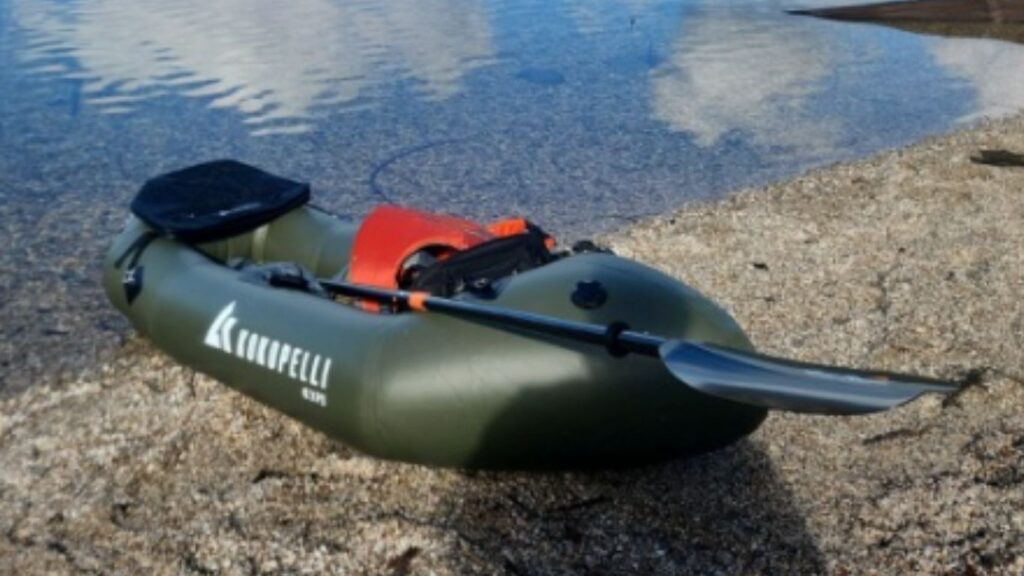
- Inflator bag that helps speed up inflation without needing a pump.
- Inflatable seat, which provides comfort during longer paddles.
- Grab handles and tie-down points, making it easier to carry, secure gear, or transport.
These features ensure paddlers are ready to hit the water right out of the box without needing extra purchases.
Setup and Portability
Inflation Process
Inflating the XPD is straightforward. Using the included inflator bag, most paddlers can get the raft fully inflated in under 10 minutes. The valve system is simple and reliable, minimizing air leaks during setup. While it doesn’t require an electric pump, adding one can save time on longer trips.
Packability
Once deflated, the XPD folds down into a manageable size. Though bulkier than ultralight models, it’s still travel-friendly. It can be strapped onto a backpack for short treks to the river or stowed in the trunk without taking up much space. For travelers who prioritize toughness over extreme lightness, this trade-off works well.
On-Water Performance
Stability and Tracking
The XPD delivers solid stability, making it great for beginners and casual paddlers. Its wide base ensures a steady ride, even for those new to paddling. On calm lakes, it tracks fairly well, though not as efficiently as longer, narrower boats. In Class I–II rapids, it holds its own, giving users confidence without feeling tippy.
Maneuverability
Thanks to its compact size, the XPD is easy to maneuver in tight river bends or shallow waters. Quick turns are manageable, and its responsiveness makes it suitable for exploring narrow creeks or winding streams. While it’s not designed for high-speed paddling, it’s agile enough for recreational use.
Comfort
The inflatable seat provides decent support, and the interior space is adequate for most paddlers. Taller users may find legroom slightly limited, but overall comfort is better than expected for a compact packraft. Trips lasting a few hours remain enjoyable without major fatigue.
Durability and Build Quality
Material Strength
Durability is where the Kokopelli XPD truly shines. The thick PVC material is resistant to punctures and abrasions, making it ideal for rivers with rocks, gravel, or debris. Unlike ultralight options, you don’t need to be overly cautious about scraping against rough surfaces.
Long-Term Use Feedback
Reports from long-term users highlight that the XPD maintains its shape and performance even after repeated trips. Welded seams reduce the risk of leaks, and with proper care, it can last several seasons without major issues. This reliability is one of its biggest advantages, especially for those who don’t want to worry about babying their gear.
Comparison to Other Kokopelli Models
XPD vs Rogue
The Rogue is Kokopelli’s flagship packraft, designed to be lightweight and highly portable. At nearly half the weight of the XPD, it’s ideal for long hikes or expeditions where every ounce matters. However, the Rogue uses TPU fabric, which, while durable, isn’t as tough as the XPD’s PVC. The trade-off is simple: the Rogue is easier to carry, while the XPD is better for riders who want maximum durability at a lower cost.
XPD vs Nirvana
The Nirvana is Kokopelli’s whitewater-focused packraft, equipped with a spray deck and features tailored for Class III–IV rapids. Compared to the Nirvana, the XPD is more of an all-arounder. It lacks advanced whitewater protection but shines in stability and rugged reliability for calmer rivers and lakes. If you’re into serious whitewater, the Nirvana is the better choice; for mixed adventures, the XPD is a safer bet.
Pros and Cons
Pros
- Heavy-duty PVC material ensures excellent puncture and abrasion resistance.
- Stable and beginner-friendly, great for first-time paddlers.
- Affordable price point compared to high-end packrafts.
- Comes with essential accessories, reducing extra costs.
- Handles Class I–II rapids confidently, making it versatile.
Cons
- Heavier than ultralight models, making it less ideal for long treks.
- Not as fast on flat water due to its shorter design.
- Limited for advanced whitewater—not suitable for Class III or higher.
Ideal Use Cases
The Kokopelli XPD isn’t a one-size-fits-all packraft, but it does excel in several scenarios:
- Weekend trips and day paddles where durability is more important than shaving weight.
- Travelers who want to explore new waters without worrying about rocky conditions.
- Beginners who want an affordable, rugged entry-level option that doesn’t require delicate handling.
- Outdoor adventurers who value reliability over ultra-portability.
Price and Value for Money

The Kokopelli XPD typically retails between $749–$799, depending on sales and bundles. For the level of durability and accessories included, it offers solid value. While ultralight packrafts may cost more for less toughness, and whitewater models demand a higher premium, the XPD provides a balance of affordability and rugged build quality. It’s one of the best mid-tier investments for those who want peace of mind in varied conditions.
Final Verdict
The Kokopelli XPD stands out as a durable, stable, and beginner-friendly packraft that bridges the gap between lightweight portability and rugged reliability. While it isn’t the lightest option on the market, its heavy-duty PVC construction makes it a dependable partner for rivers, lakes, and travel adventures. If you value toughness, affordability, and simplicity, the XPD is a smart choice. For serious whitewater or ultralight expeditions, other Kokopelli models may suit better—but for all-around adventure, the XPD holds its ground.
FAQs
Is the Kokopelli XPD good for beginners?
Yes, the XPD is stable and forgiving, making it an excellent choice for new paddlers. Its durable material also means beginners don’t have to worry about damaging it during their first trips.
Can the XPD handle whitewater?
The XPD can comfortably manage Class I–II rapids. For Class III or higher, it’s best to consider Kokopelli’s Nirvana or other advanced whitewater packrafts.
How long does it take to inflate the XPD?
Using the included inflator bag, the XPD typically inflates in under 10 minutes. An electric pump can reduce the time even further.
What’s the difference between XPD and Rogue packrafts?
The XPD is heavier and more durable with PVC construction, while the Rogue is lighter and designed for portability. The Rogue is easier to carry on long hikes, but the XPD is tougher against abrasion.
How compact is the XPD when packed for travel?
When deflated and folded, the XPD packs down to about the size of a medium duffel bag. It can easily fit in a car trunk or be checked as luggage for air travel.