Planning a fishing escape to Florida? Whether you’re chasing trophy tarpon in the Keys, casting for bass in freshwater lakes, or battling snapper offshore, a well-planned 3-day fishing trip can give you the adventure of a lifetime. Florida’s year-round fishing opportunities and diverse ecosystems make it an angler’s paradise.
In this guide, you’ll find a complete step-by-step plan — from choosing the right location and gear to crafting a daily itinerary. Perfect for beginners, solo travelers, or weekend warriors ready to make the most of a short trip.
Why Choose Florida for a 3-Day Fishing Trip?
Florida is one of the most sought-after fishing destinations in the United States — and for good reason. Surrounded by the Atlantic Ocean and Gulf of Mexico, and packed with lakes, rivers, and swamps, it offers an unmatched mix of saltwater and freshwater fishing. Anglers can target dozens of species including tarpon, redfish, snook, largemouth bass, and snapper, all within a short drive or boat ride.
Whether you’re a seasoned fisherman or a weekend hobbyist, Florida’s warm weather, professional charters, and easy-to-access public fishing spots make it the perfect place for a short fishing adventure.
Essential Pre-Trip Planning
A successful fishing trip starts with smart planning. To make the most of your 3-day adventure, you need to define your fishing style, pick the right area, arrange accommodations, and understand local regulations.
Choose Your Fishing Style
- Inshore Fishing: Perfect for redfish, snook, and sea trout.
- Offshore/Deep-Sea Fishing: Great for larger species like grouper, tuna, and mahi-mahi.
- Freshwater Fishing: Lakes like Okeechobee are famous for largemouth bass.
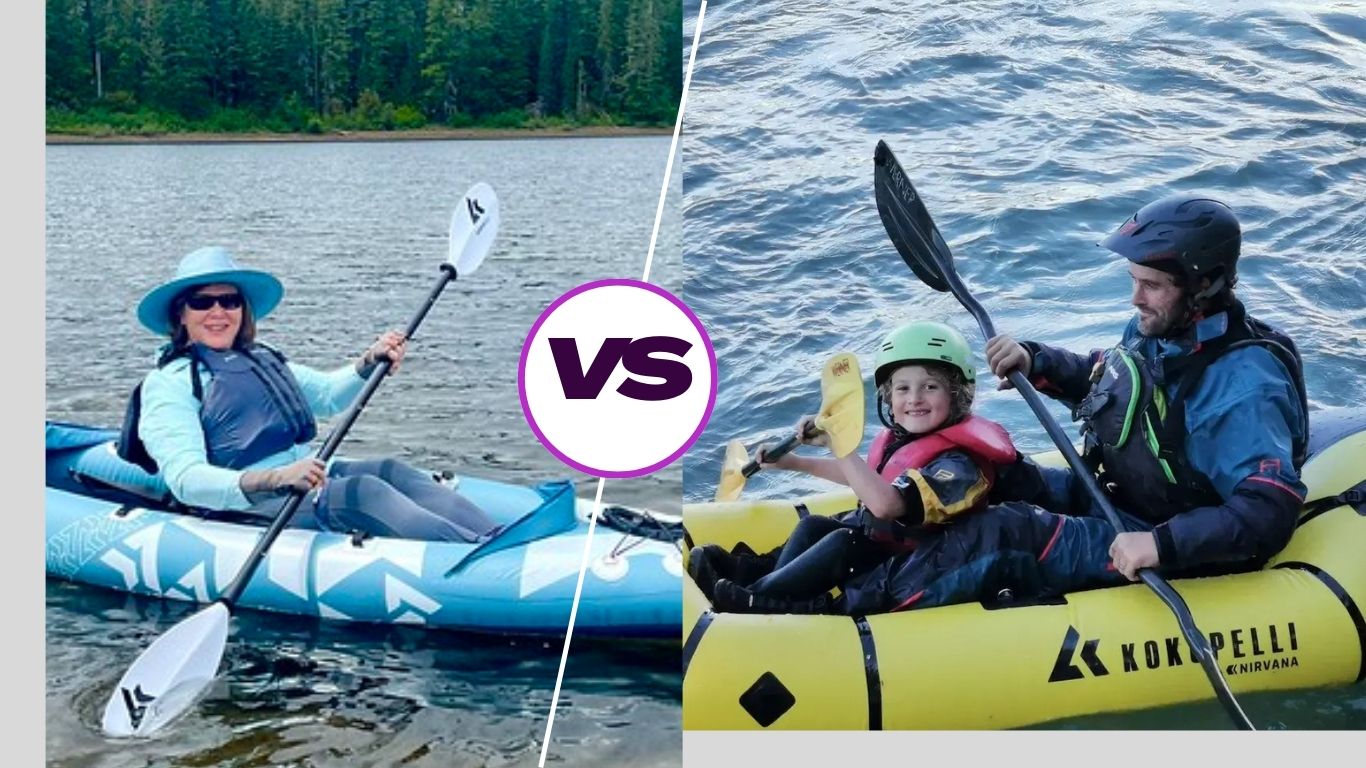
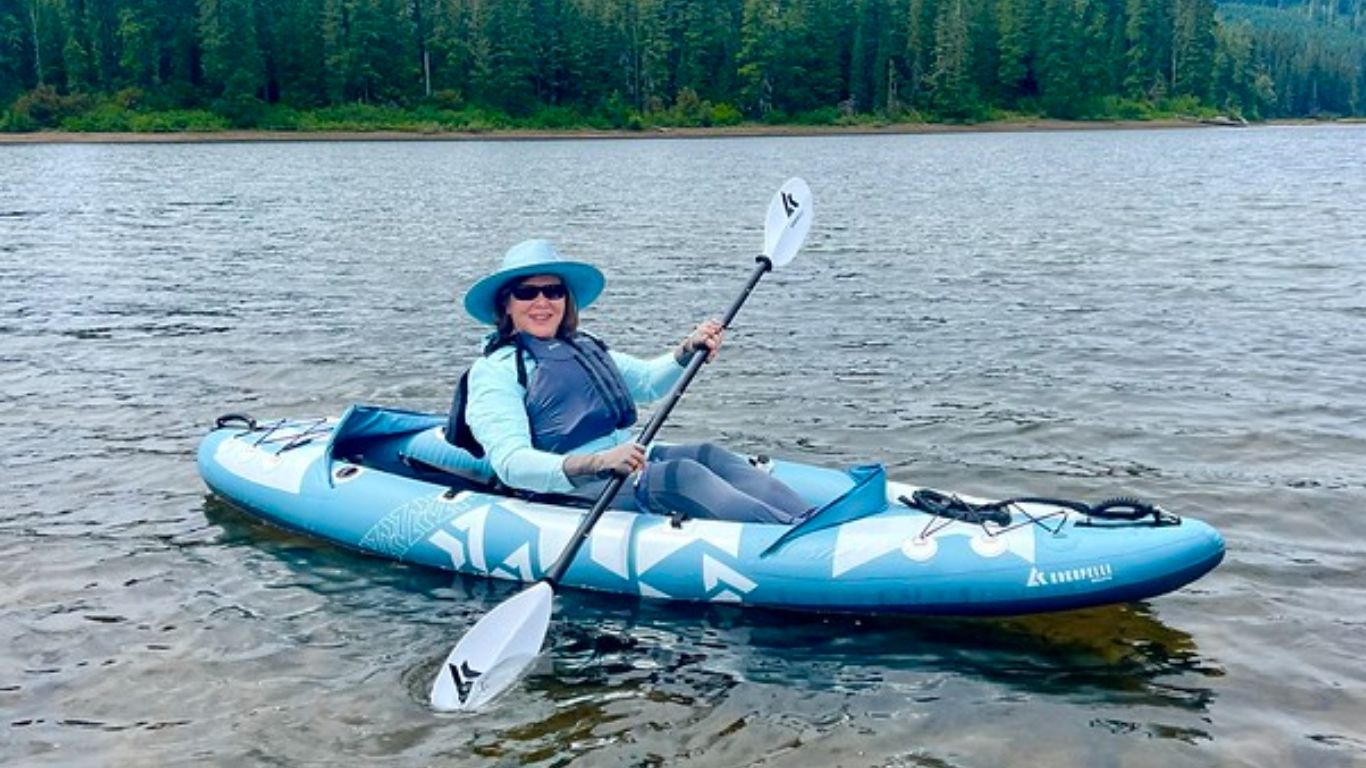
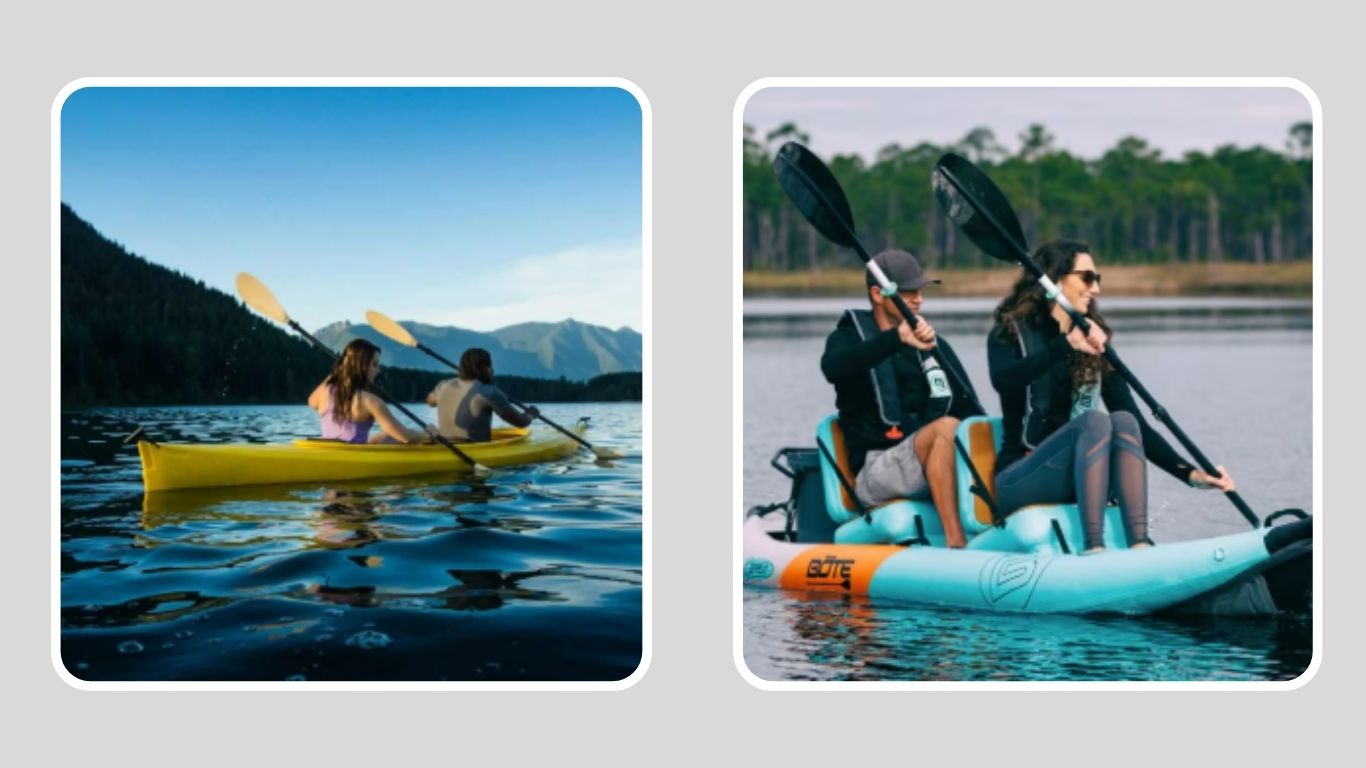
- Kayak or Shoreline Fishing: Ideal for budget-friendly and flexible trips.
Pick Your Region
- Florida Keys: Great for flats and fly fishing.
- Tampa Bay Area: A mix of inshore and pier fishing.
- Central Florida Lakes: Famous for freshwater bass fishing.
- Destin and the Panhandle: Best for deep-sea excursions.
Book Accommodations & Charter (if needed)
Secure your lodging early — especially during peak seasons. Decide whether to hire a professional charter or go DIY depending on your experience and budget.
Check License Requirements
- Freshwater and Saltwater Licenses are required (can be bought online).
- Non-residents and residents have different pricing.
- Some charters include licenses for all guests — check in advance.
Gear & Supplies Checklist
Packing right can make or break your fishing trip. Here’s a quick list of essentials to bring or rent:
Must-Have Fishing Gear
- Rod and reel (matched to your target species)
- Tackle box with hooks, lures, sinkers, leaders
- Live or artificial bait
- Cooler with ice for your catch
Clothing & Protection
- Quick-dry clothing and water shoes
- Polarized sunglasses for better visibility
- Wide-brim hat and neck gaiter
- Sunscreen and insect repellent
Navigation & Safety Tools
- Map or GPS device
- Fish finder (if using a boat)
- Personal flotation device (PFD)
- First-aid kit and emergency contact info
Day-by-Day Itinerary
A 3-day fishing trip in Florida needs to be balanced between action, relaxation, and flexibility. Here’s how to structure your days for maximum enjoyment and success:
Day 1 – Arrival and Local Fishing
Arrive early to settle in, check into your accommodation, and scope out your gear or charter location. Use the afternoon or evening to start with some light fishing at a nearby pier, beach, or lake. It’s a great way to get familiar with the area and warm up without pressure.
Day 2 – Full Fishing Experience
Start early and head out on your main fishing adventure. This could be a full-day deep-sea charter, kayak fishing trip through the mangroves, or tackling bass in a big lake. Bring snacks, stay hydrated, and plan your route with time for mid-day breaks. You can even clean your catch and grill it at your lodging or campsite in the evening.
Day 3 – Sunrise Session & Departure
If you’re not too tired, hit the water at sunrise for a short final session. Early morning often brings active fish and less crowded spots. Pack up before checkout and grab some local seafood or visit a tackle shop before heading home.
Top 5 Fishing Locations in Florida for a 3-Day Trip
1. Florida Keys
- Known for bonefish, tarpon, and permit
- Shallow flats ideal for fly fishing or sight casting
- Full of experienced guides and scenic waters
2. Tampa Bay
- Target snook, redfish, and trout
- Variety of spots: bridges, mangroves, and bays
- Good mix of DIY and charter fishing
3. Lake Okeechobee
- Florida’s most famous bass fishing lake
- Shoreline and boat access available
- Ideal for freshwater fans
4. Destin (Panhandle)
- Known as “The World’s Luckiest Fishing Village”
- Great offshore charters and deep-sea action
- Common catches: grouper, snapper, king mackerel
5. Everglades National Park
- Remote, wild fishing experience
- Best for redfish, snook, and tarpon
- Great for kayakers and nature lovers
Budgeting Your Trip
Fishing in Florida can fit nearly any budget if planned smartly.
Estimated Costs
- Fishing License: $17–$30 for short-term non-resident licenses
- Charter: $350–$1000+ depending on duration and group size
- Accommodation: $100–$250 per night (hotel, Airbnb, or campground)
- Gear/Bait: $50–$200 if renting or restocking
Tips to Save Money
- Book charters in groups or look for half-day options
- Travel during off-season (summer/fall) for lower prices
- Use public fishing spots and bring your own gear
- Look for bundle deals that include lodging and fishing access
Rules, Regulations, and Conservation
Fishing in Florida is exciting — but it comes with responsibilities. Following local laws and practicing sustainable fishing protects both the fish population and the environment.
Size and Bag Limits
Florida has strict rules on the size and number of fish you can keep. These vary by species and location. Common regulations include:
- Slot limits: Minimum and maximum size ranges
- Bag limits: Maximum number of fish you can keep per day
- Closed seasons: Some fish are protected during certain months
You can find the latest updates on the Florida Fish and Wildlife Conservation Commission (FWC) website or mobile app.
Ethical Fishing Practices
- Practice catch and release when needed, especially for breeding-size fish.
- Use circle hooks to reduce injury.
- Avoid disturbing seagrass beds or sensitive habitats.
- Dispose of fishing lines and trash properly.
Respecting these guidelines helps ensure that Florida stays a top-tier fishing destination for years to come.
Tips for a Successful 3-Day Fishing Trip
A great trip isn’t just about the location — it’s about smart decisions and preparation. Use these tips to improve your chances and enjoy the journey:
- Start Early: Dawn and dusk are prime feeding times for many species.
- Mix It Up: Try different spots or techniques each day to explore new fish and habitats.
- Talk to Locals: Bait shops, marina workers, or fellow anglers often have the best advice.
- Watch the Weather: Florida weather can change quickly. Check forecasts before heading out.
- Stay Organized: Keep gear packed neatly, label tackle boxes, and use waterproof bags for valuables.
- Stay Hydrated and Fueled: The sun and salt can wear you down fast — bring water and snacks.
- Capture the Memories: Bring a waterproof camera or phone case to snap photos of your catches and views.
Final Thoughts
A 3-day fishing trip in Florida offers just the right balance of adventure, relaxation, and unforgettable moments on the water. Whether you’re a seasoned angler looking to chase trophy fish or a weekend explorer eager to unplug, Florida’s mix of saltwater and freshwater hotspots ensures a rewarding experience.
With the right planning — from picking your region to packing your gear and following the rules — you can turn a short getaway into a memorable fishing journey. Every cast is a new chance to land the catch of a lifetime. So load up your rods, grab your sunscreen, and get ready for three days of fishing you won’t forget.
FAQs
1. Do I need a separate license for freshwater and saltwater fishing in Florida?
Yes. Florida requires separate licenses for saltwater and freshwater fishing. You can buy them individually or get a combination license online from the Florida Fish and Wildlife Conservation Commission.
2. Can I fish at night during my trip?
In many areas, yes — especially for pier and shoreline fishing. However, always check local regulations or park hours, as some locations close at dusk or restrict night fishing.
3. What is the best time of year for a fishing trip in Florida?
Florida offers year-round fishing, but spring and fall are considered the best for mild weather and active fish. Summer brings more heat and storms, while winter can be cooler but still productive.
4. Are fishing charters worth it for short trips?
Absolutely. A charter can save time, provide all necessary gear, and increase your chances of success, especially if you’re new to the area or fishing offshore.
5. Can I keep the fish I catch?
Yes — but only if they meet size and bag limits. Some species are protected or seasonal. Always check current FWC rules or ask your charter guide to stay compliant.