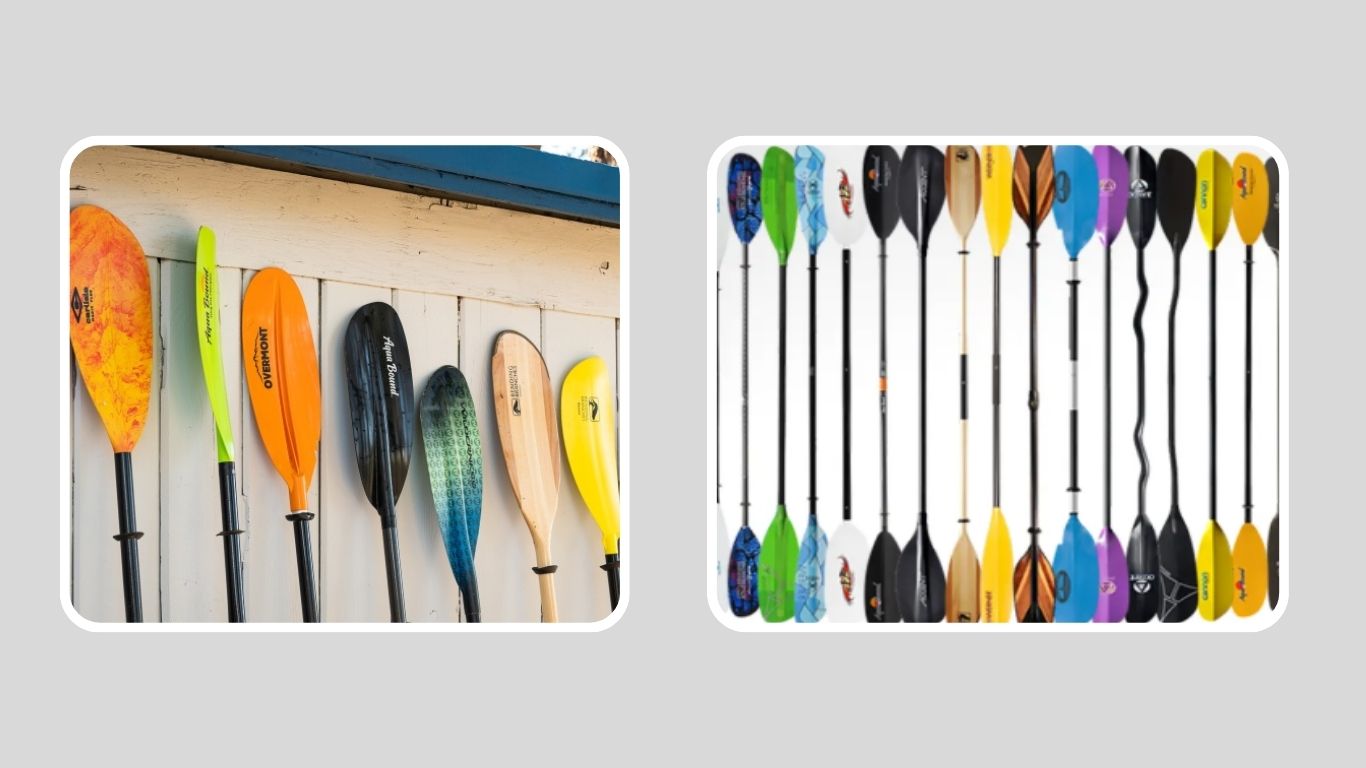
When it comes to kayaking, many people focus on choosing the right kayak but often overlook one of the most important pieces of gear, the paddle. A kayak paddle is more than just a tool to move you through the water; it directly affects your speed, comfort, and overall experience on the water. A paddle that is too heavy can quickly tire you out, while a weak one may not last long in tough conditions. That’s why lightweight and durable paddles are the best choice for both beginners and experienced kayakers. In this guide, we’ll explore what makes a great paddle, review some of the top options, and help you find the perfect balance of strength and ease for your adventures.
Why the Right Kayak Paddle Matters
Choosing the right kayak paddle is just as important as choosing the right kayak itself. Many beginners underestimate this, thinking any paddle will do. But in reality, your paddle is your direct connection to the water; it’s what powers every movement, steers your direction, and determines how enjoyable or exhausting your trip will be. A poorly chosen paddle can make kayaking frustrating, while the right one makes every stroke smooth, efficient, and comfortable.
Connection Between Paddle and Performance
Think of your paddle as the “engine” of your kayak. No matter how good your kayak is, it won’t perform well without a suitable paddle. The weight of the paddle plays a huge role in how long you can comfortably stay on the water. For example, if you go on a two-hour kayaking trip with a heavy paddle, you’ll likely feel sore arms and shoulders by the end. In contrast, a lightweight paddle allows you to paddle longer without tiring quickly, giving you more time to explore.
Durability also matters because kayaking isn’t always smooth sailing. You might scrape your paddle against rocks in shallow rivers, use it to push off muddy banks, or face strong ocean currents. A weak paddle could bend, crack, or even break under pressure, leaving you in a tough spot. Durable paddles built from materials like fiberglass or carbon fiber hold up well in these situations, giving you peace of mind that your paddle can handle unexpected challenges.
In short, the balance between lightness and strength directly impacts your performance on the water. The right paddle keeps you moving efficiently, helps you conserve energy, and ensures your kayaking trips are safe and enjoyable.
Common Mistakes When Choosing Paddles
Many new paddlers make mistakes when selecting a paddle because they don’t realize how much it affects their experience. Here are some common ones:
- Choosing the Wrong Length: Paddle length should match both your height and the width of your kayak. A paddle that’s too short forces you to reach awkwardly, causing splashes and wasted effort. A paddle that’s too long can feel heavy and slow you down. This mistake can make paddling uncomfortable and tiring.
- Focusing Only on Price: It’s tempting to buy the cheapest paddle, but that often leads to frustration later. Budget paddles are usually heavier, made with low-grade materials, and wear out quickly. While they may be fine for short trips, they are not ideal for longer adventures. Investing in a quality paddle saves money in the long run because it lasts longer and makes paddling more enjoyable.
- Ignoring Material Quality: The material of the paddle directly affects both weight and durability. Cheap plastic or thin aluminum might seem okay for calm lakes, but can crack or bend in rough conditions. High-quality paddles made from fiberglass or carbon fiber are stronger, lighter, and much more reliable.
- Not Considering Comfort Features: Some paddlers forget to check features like grip comfort, shaft design, or adjustability. Over time, an uncomfortable grip or stiff shaft can cause blisters, sore wrists, or fatigue.
Avoiding these mistakes helps you find a paddle that feels natural in your hands, keeps you comfortable on long trips, and supports your kayaking adventures for years to come.
Key Features of the Best Kayak Paddles
Not all kayak paddles are created equal. Some are built for casual paddlers who enjoy calm lakes, while others are designed for serious kayakers who spend hours exploring rivers or battling ocean waves. The best paddles stand out because they are both lightweight and durable, but there are also other key features that affect how comfortable and efficient your paddling experience will be. Let’s break down these features one by one.
Lightweight Design
One of the first things to consider is weight. A lighter paddle makes kayaking much easier because it reduces strain on your arms, shoulders, and back. Imagine lifting a heavy stick over and over again for hours; that’s what paddling with a heavy paddle feels like. Now imagine using a paddle that feels almost effortless to move. This allows you to paddle longer distances and enjoy your trip without fatigue.
- Light paddles are best for: long trips, touring, and anyone who wants to conserve energy.
- Heavier paddles may be okay for: short recreational trips, but will tire you out over time.
Most lightweight paddles are made of fiberglass or carbon fiber, while budget paddles often use aluminum, which is heavier.
Durability and Strength
A paddle isn’t just for moving water; it sometimes doubles as a support tool. You might use it to push off from a riverbank, brace yourself in rough waves, or even dig into mud to free your kayak. That’s why durability is key. A strong paddle won’t bend or break under pressure.
Durability also matters for long-term value. A paddle that cracks after a few trips will cost you more in replacements. The best paddles are designed to withstand both calm and challenging conditions, from rocky rivers to windy coastal waters.
Paddle Shaft Design
The shaft is the long part of the paddle you grip, and its design has a big effect on comfort.
- Straight Shaft: This is the most common and affordable design. It’s simple, effective, and easy for beginners.
- Bent Shaft: These are angled slightly to reduce wrist strain. They are more ergonomic and help with longer paddling sessions.
You’ll also find adjustable shafts, which allow you to change the length or feathering angle. This is great if more than one person uses the paddle or if you switch between different kayaks.
Blade Shape and Size
The blade is the flat part of the paddle that moves through the water. Blade shape affects how much power you get with each stroke.
- Wider Blades: Provide more power per stroke, great for quick movements and strong currents. However, they can be tiring over long distances.
- Narrower Blades: Easier on the arms and better for endurance paddling. Perfect for touring and long trips.
Another feature to note is feathering, whether the blades are aligned or angled differently. Feathered blades reduce wind resistance, making paddling easier in windy conditions. Many modern paddles let you adjust between feathered and unfeathered positions.
Adjustable Features
The best paddles often come with flexible designs to suit different paddling styles.
- 2-piece paddles: Easy to transport and store. They can usually adjust the feathering angle.
- 4-piece paddles: Even more compact, perfect for travelers or kayak campers.
- Length adjustments: Some paddles let you change the shaft length to match different kayaks or paddling conditions.
Having adjustable features means you can adapt your paddle to different adventures, whether it’s a short recreational trip or a long multi-day journey.
Paddle Materials
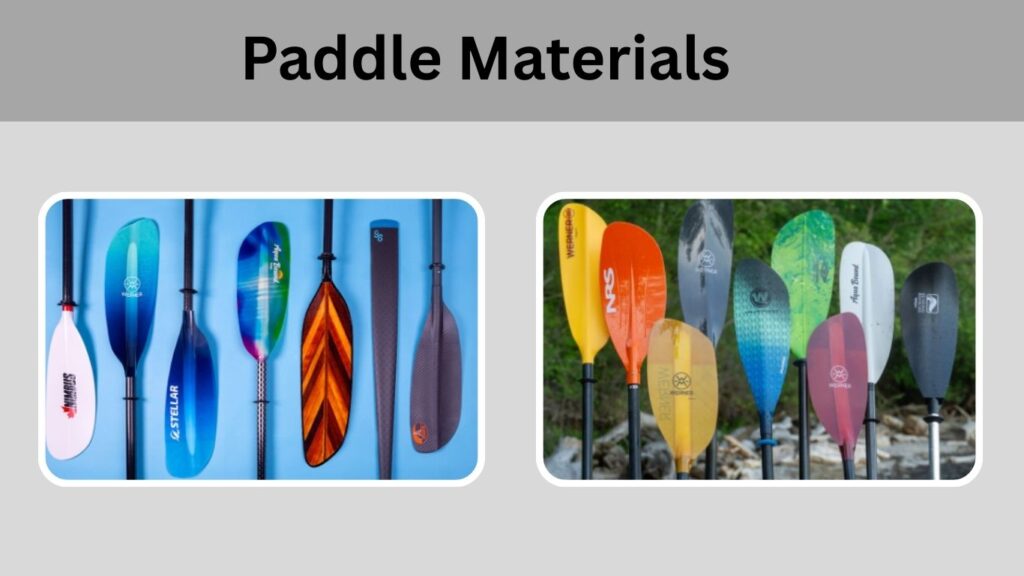
When you’re shopping for a kayak paddle, one of the most important decisions is what material it’s made from. The material affects weight, durability, comfort, price, and overall performance. A paddle made of the wrong material might feel too heavy, wear out too quickly, or simply not match your kayaking style. On the other hand, the right material makes paddling easier, keeps you comfortable on long trips, and lasts for years. Let’s break down the main materials, their advantages and disadvantages, and which type of paddler they’re best suited for.
Aluminum Paddles
Aluminum paddles are often the first option people encounter, especially because they are widely available and very affordable. They typically feature an aluminum shaft with plastic or nylon blades.
Pros of Aluminum Paddles:
- Affordable: Aluminum paddles are usually the cheapest option, which makes them great for beginners or anyone who wants a backup paddle.
- Durable: Aluminum is tough and resistant to bending or breaking under normal use.
- Widely Available: You can find aluminum paddles almost anywhere, from sporting goods stores to kayak rental shops.
- Good for Rentals: Because they are strong and inexpensive, many rental companies use them.
Cons of Aluminum Paddles:
- Heavier: Aluminum is significantly heavier than fiberglass or carbon fiber, which can cause fatigue on long trips.
- Temperature Sensitive: Aluminum shafts get hot in the sun and cold in chilly weather, which can be uncomfortable without gloves.
- Basic Performance: These paddles don’t offer the smooth, efficient strokes of higher-end materials.
Best For: Beginners, casual kayakers who paddle occasionally, and families looking for affordable gear.
Fiberglass Paddles
Fiberglass paddles are a popular middle-ground option. They are lighter than aluminum and offer much better performance without being as expensive as carbon fiber.
Pros of Fiberglass Paddles:
- Lightweight: Much easier to handle than aluminum, reducing arm and shoulder strain.
- Durable: Fiberglass is strong and resistant to cracks, making it suitable for rougher waters.
- Better Performance: Fiberglass blades provide more power and smoother strokes than plastic or aluminum.
- Good Value: Offers a balance of price, durability, and performance.
Cons of Fiberglass Paddles:
- More Expensive: Costs more than aluminum, though still affordable compared to carbon fiber.
- Chipping: Blades can chip if they hit sharp rocks or hard surfaces.
- Not the Lightest: While lighter than aluminum, they still weigh more than carbon paddles.
Best For: Recreational kayakers who paddle often, touring paddlers who want comfort without breaking the bank, and intermediate-level users.
Carbon Fiber Paddles
Carbon fiber paddles are the premium option. They are designed for serious paddlers who want the lightest and strongest paddle possible.
Pros of Carbon Fiber Paddles:
- Ultra-Lightweight: These are the lightest paddles available, often weighing less than 25 ounces (700 grams).
- High Strength: Carbon fiber is incredibly stiff and strong, meaning it won’t flex much and transfers power efficiently.
- Less Fatigue: Because they’re so light, you can paddle for hours with less strain on your body.
- Professional Performance: Ideal for long trips, strong currents, or competitive kayaking.
Cons of Carbon Fiber Paddles:
- High Cost: They are the most expensive paddles on the market.
- Overkill for Beginners: If you’re just paddling once in a while, you probably don’t need to spend this much.
- Potential Damage: Though strong, carbon can crack if it takes a very hard impact.
Best For: Advanced kayakers, touring paddlers, expedition kayakers, or anyone who values performance and paddles often.
Plastic or Nylon Blades
Plastic and nylon blades are commonly paired with aluminum or fiberglass shafts. They are popular for budget paddles and entry-level options.
Pros of Plastic/Nylon Blades:
- Inexpensive: Keeps the overall paddle cost low.
- Durable: Flexible material that resists breaking on impact.
- Beginner-Friendly: Great for casual paddlers who don’t need professional-level performance.
- Low Maintenance: Doesn’t rust or corrode.
Cons of Plastic/Nylon Blades:
- Flexibility Issues: Too much flex reduces efficiency, as energy is lost with each stroke.
- Sun Damage: Prolonged UV exposure can make the plastic brittle.
- Lower Performance: Not as smooth or powerful as fiberglass or carbon blades.
Best For: Recreational paddlers, kids, families, or anyone who wants an affordable paddle for occasional use.
Hybrid Designs
Hybrid paddles combine materials, giving you the benefits of both worlds. For example, a paddle might have a carbon fiber shaft (lightweight) paired with fiberglass blades (durable and affordable).
Pros of Hybrid Paddles:
- Balanced Design: Light enough for comfort but strong enough for durability.
- Mid-Range Price: More affordable than full carbon paddles but better than fiberglass alone.
- Custom Options: Many brands offer different shaft and blade combinations to suit different needs.
Cons of Hybrid Paddles:
- Not the Cheapest: Still more expensive than basic aluminum or plastic paddles.
- Compromise: While they balance features, they may not be the absolute best in either category.
Best For: Intermediate paddlers who want high performance without paying premium carbon fiber prices.
Choosing the Right Paddle for Your Needs
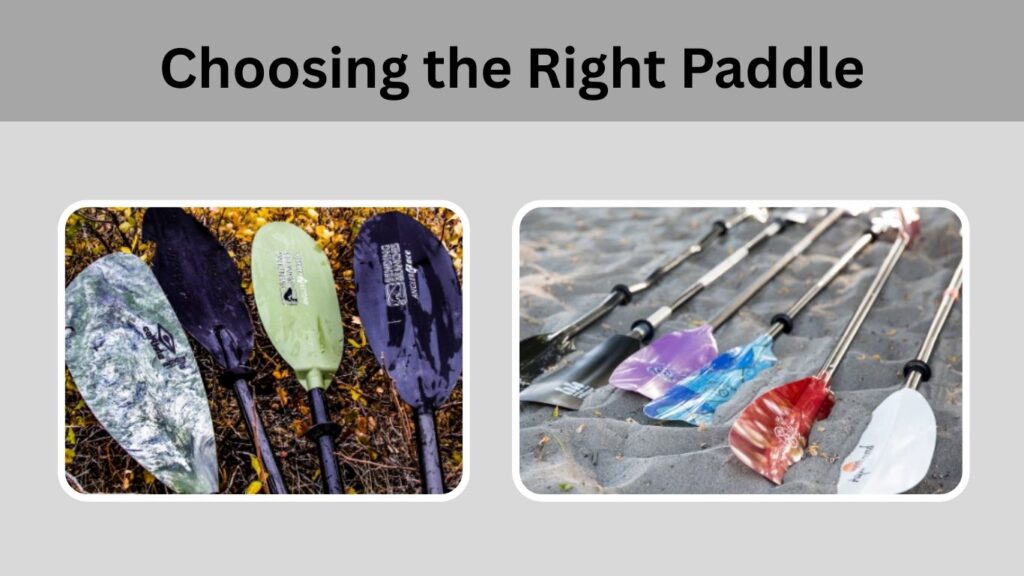
Every kayaker has different needs, which means there’s no single “perfect” paddle for everyone. The right paddle depends on your body size, kayak type, paddling environment, and personal preferences. Choosing carefully can make your paddling experience smoother, more comfortable, and much more enjoyable. Let’s break it down step by step.
Step 1: Consider Your Kayak Type
Different kayaks require different paddles.
- Recreational Kayaks: These are wider and more stable, often used on calm lakes or slow rivers. Because of their width, they need a slightly longer paddle to comfortably reach the water. Aluminum or fiberglass paddles work well here.
- Touring/Sea Kayaks: These are narrower and designed for speed and long distances. A lightweight paddle (fiberglass or carbon) is best, since you’ll be paddling for hours at a time.
- Fishing Kayaks: Fishing kayaks are usually wide and stable, so you’ll need a longer paddle with reinforced durability. Look for paddles with drip rings and extra strength, since you’ll often push off rocks, docks, or shallow areas.
- Whitewater Kayaks: Shorter paddles with strong, durable blades are ideal here, since you need quick strokes and a paddle that can withstand rocks and impacts.
Step 2: Choose the Right Paddle Length
Paddle length is one of the most important factors in comfort and efficiency.
- Your Height Matters: Taller paddlers generally need longer paddles.
- Kayak Width Matters: Wider kayaks require longer paddles, while narrow ones pair best with shorter paddles.
General Guide:
- Kayak under 23” wide → Paddle length: 210–220 cm
- Kayak 24–28” wide → Paddle length: 220–240 cm
- Kayak over 28” wide → Paddle length: 240–260 cm
If you’re unsure, start in the middle of the range for your kayak’s width.
Step 3: Pick the Right Shaft Material
The shaft is the backbone of your paddle, and its material affects both weight and performance.
- Aluminum: Affordable, durable, and strong. However, it can feel heavy over long trips and may get very hot or cold depending on the weather. Best for beginners.
- Fiberglass: Lighter than aluminum, with better shock absorption. A good mid-range option that balances cost and performance.
- Carbon Fiber: The lightest and strongest option. Extremely efficient and ideal for long trips. More expensive, but worth it for serious paddlers.
Step 4: Select the Blade Material and Shape
The paddle blade cuts through the water, so its design directly affects your stroke.
- Plastic/Polypropylene Blades: Affordable and durable, but heavier and less efficient. Good for beginners or casual use.
- Fiberglass Blades: Lighter and stiffer, offering better performance without a huge price jump.
- Carbon Fiber Blades: Ultra-light and stiff, providing maximum efficiency for advanced paddlers.
Blade Shapes:
- Low-Angle Blades: Long and narrow, designed for relaxed paddling at a shallow angle. Best for touring and long-distance trips.
- High-Angle Blades: Shorter and wider, designed for powerful strokes. Best for whitewater or fast paddling.
8.5 Step 5: Think About Shaft Design
- Straight Shaft: The most common, affordable, and simple design. Works well for most kayakers.
- Bent Shaft: Ergonomic bends reduce strain on wrists and arms, making it more comfortable for long trips. Usually more expensive but worth it if you paddle often.
- Two-Piece vs. Four-Piece: Both break down for easy transport, but four-piece paddles pack smaller, making them great for travelers.
Step 6: Match Paddle to Your Paddling Style
- Relaxed Paddlers: If you kayak occasionally on calm lakes, a budget-friendly fiberglass or aluminum paddle is fine.
- Adventurers: If you’re touring for long hours, go for a lightweight fiberglass or carbon paddle.
- Anglers (Fishing): Look for durability and length to reach over wide kayaks. Fiberglass-reinforced blades work best.
- Whitewater Lovers: Go for short, strong paddles that can handle impact. Durability is more important than weight here.
Step 7: Comfort Features
- Drip Rings: Keep water from sliding down the shaft onto your hands.
- Grip Design: Some paddles have oval-shaped shafts for a natural grip.
- Adjustable Ferrules: Allow you to feather blades at different angles for wind resistance and comfort.
Step 8: Balance Price vs. Long-Term Value
It’s tempting to go for the cheapest paddle, but investing in quality can save you money in the long run. A $150 fiberglass paddle might last 5+ years and provide more comfort, while a $50 paddle may need replacing within a season.
Think of your paddle as part of the overall kayaking experience; it can make or break your adventure.
Common Paddle Mistakes and How to Avoid Them
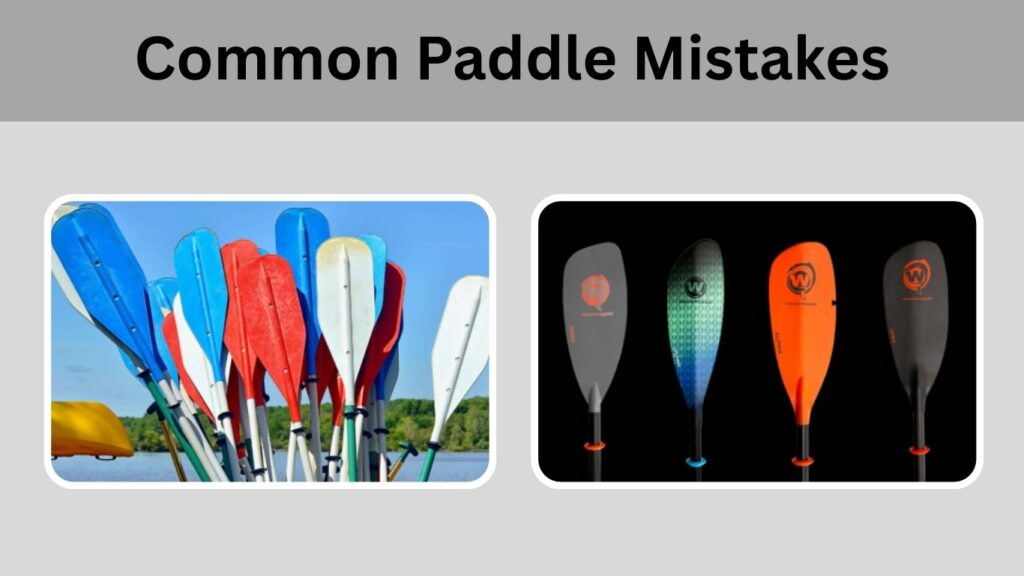
Even experienced kayakers sometimes make mistakes when choosing or using a paddle. These errors can lead to discomfort, fatigue, or even unsafe situations on the water. Knowing what to avoid can save you time, energy, and frustration. Let’s go through the most common mistakes and how to fix them.
Choosing the Wrong Paddle Length
Mistake: Many paddlers pick a paddle that is either too long or too short for their kayak and height.
Problem:
- A paddle that is too short forces you to reach awkwardly, causing splashes and inefficient strokes.
- A paddle that is too long feels heavy, slows you down, and can tire your arms and shoulders quickly.
Solution:
- Measure your height and kayak width before buying.
- Use general length guidelines:
- Narrow kayaks (<23”) → 210–220 cm
- Medium kayaks (24–28”) → 220–230 cm
- Wide kayaks (>28”) → 230–250 cm
- Consider an adjustable paddle if you switch kayaks often.
Ignoring Weight
Mistake: Choosing a cheap aluminum paddle or a heavy two-piece paddle without considering fatigue.
Problem:
- Heavier paddles increase strain on your arms, shoulders, and back, especially on long trips.
Solution:
- For beginners or casual paddlers, aluminum is fine for short trips.
- For touring, long distances, or frequent paddling, choose lightweight fiberglass or carbon fiber paddles.
Using the Wrong Blade Shape
Mistake: Picking a paddle blade without considering paddling style.
Problem:
- High-angle blades used for relaxed paddling cause fatigue because they require more effort.
- Low-angle blades used for fast or whitewater paddling may not provide enough power.
Solution:
- Low-angle (long, narrow) → efficient for calm lakes and long-distance touring.
- High-angle (short, wide) → best for speed, whitewater, or strong currents.
Overlooking Shaft Design
Mistake: Ignoring whether the shaft is straight, bent, or adjustable.
Problem:
- A straight shaft may cause wrist strain over long trips.
- A paddle without adjustable feathering can make windy paddling harder.
Solution:
- Try both straight and bent shaft designs to see which feels comfortable.
- Consider paddles with adjustable feathering angles for more versatility.
Poor Maintenance
Mistake: Not cleaning or storing your paddle properly.
Problem:
- Saltwater, sand, and dirt can damage shafts and ferrules.
- Improper storage can warp shafts or cause cracks.
Solution:
- Rinse with fresh water after each use, especially in saltwater.
- Dry completely before storage.
- Store horizontally or hang vertically in a shaded, dry place.
- Lubricate ferrules occasionally to keep them smooth.
Ignoring Comfort Features
Mistake: Failing to consider grip, drip rings, or paddle length adjustability.
Problem:
- Hands get wet or blistered.
- Paddling becomes uncomfortable over long trips.
Solution:
- Look for drip rings to prevent water from running down the shaft.
- Try different shaft shapes (oval, straight) for a natural grip.
- Adjustable paddles help match personal comfort and multiple users.
Not Matching Paddle to Skill Level
Mistake: Buying a high-end carbon fiber paddle as a first-time kayaker.
Problem:
- Advanced paddles are often lighter but more delicate and expensive.
- Beginners may not need the performance benefits yet and risk damaging them.
Solution:
- Start with a fiberglass or aluminum paddle for learning.
- Upgrade to carbon fiber once you paddle regularly and want better performance.
Key Takeaway
Avoiding these mistakes ensures longer, more comfortable trips and protects your paddle investment. Pay attention to length, weight, blade shape, shaft type, maintenance, and comfort features. A little planning before buying or using your paddle goes a long way toward smooth and enjoyable kayaking.
Final Thoughts
Picking the right kayak paddle is essential for comfort, efficiency, and enjoyment on the water. Consider your kayak type, paddling style, height, and skill level when choosing materials, blade shape, and paddle length. Lightweight options like fiberglass or carbon reduce fatigue, while aluminum and plastic are great for beginners. Proper maintenance, such as rinsing after use and storing carefully, ensures longevity. By selecting the right paddle and caring for it, you’ll make every stroke smoother and your kayaking adventures more enjoyable.