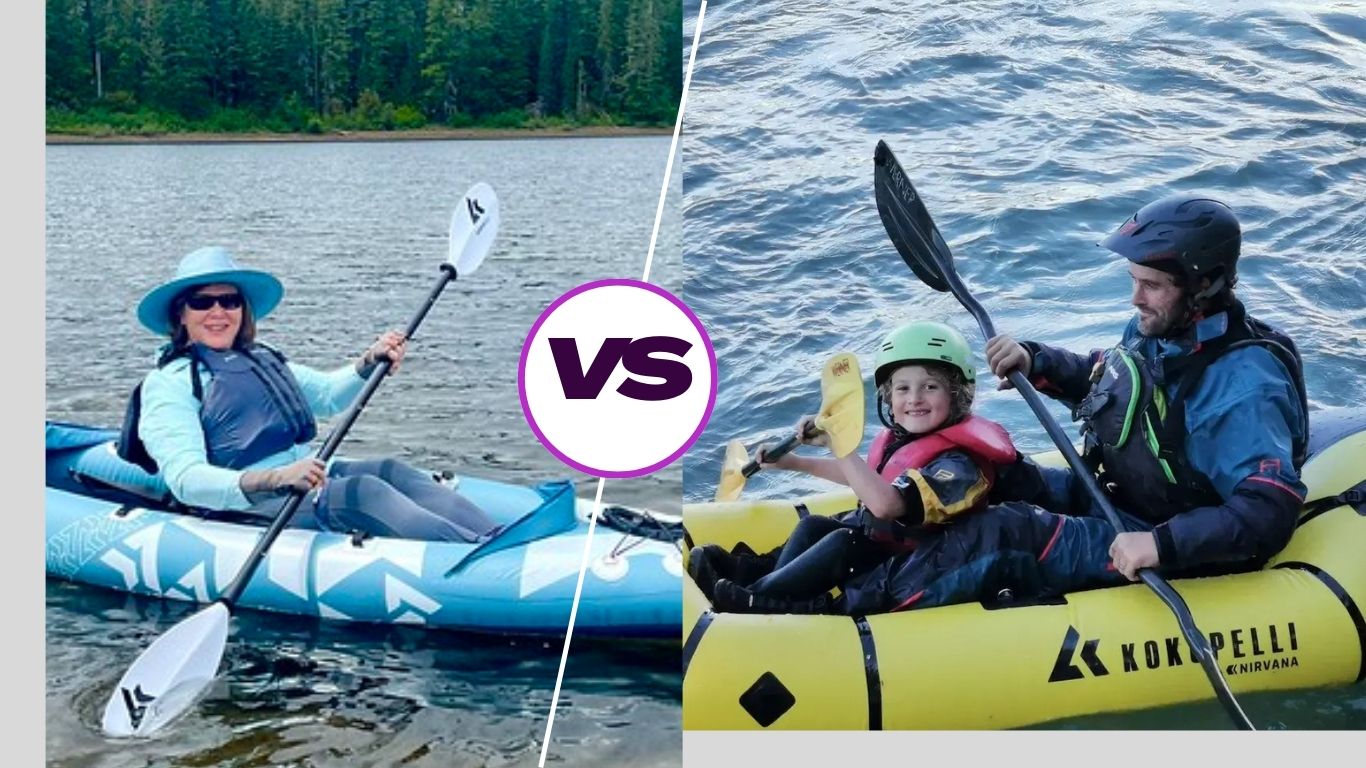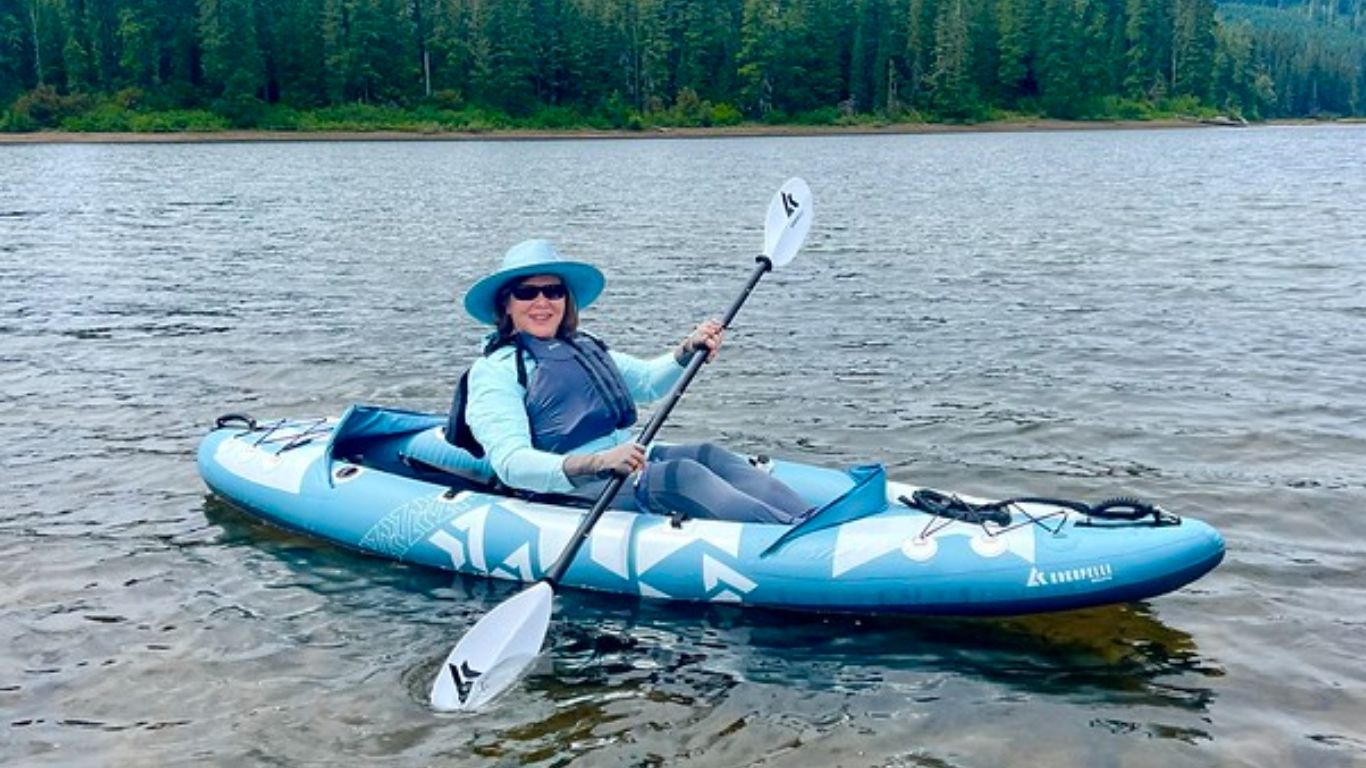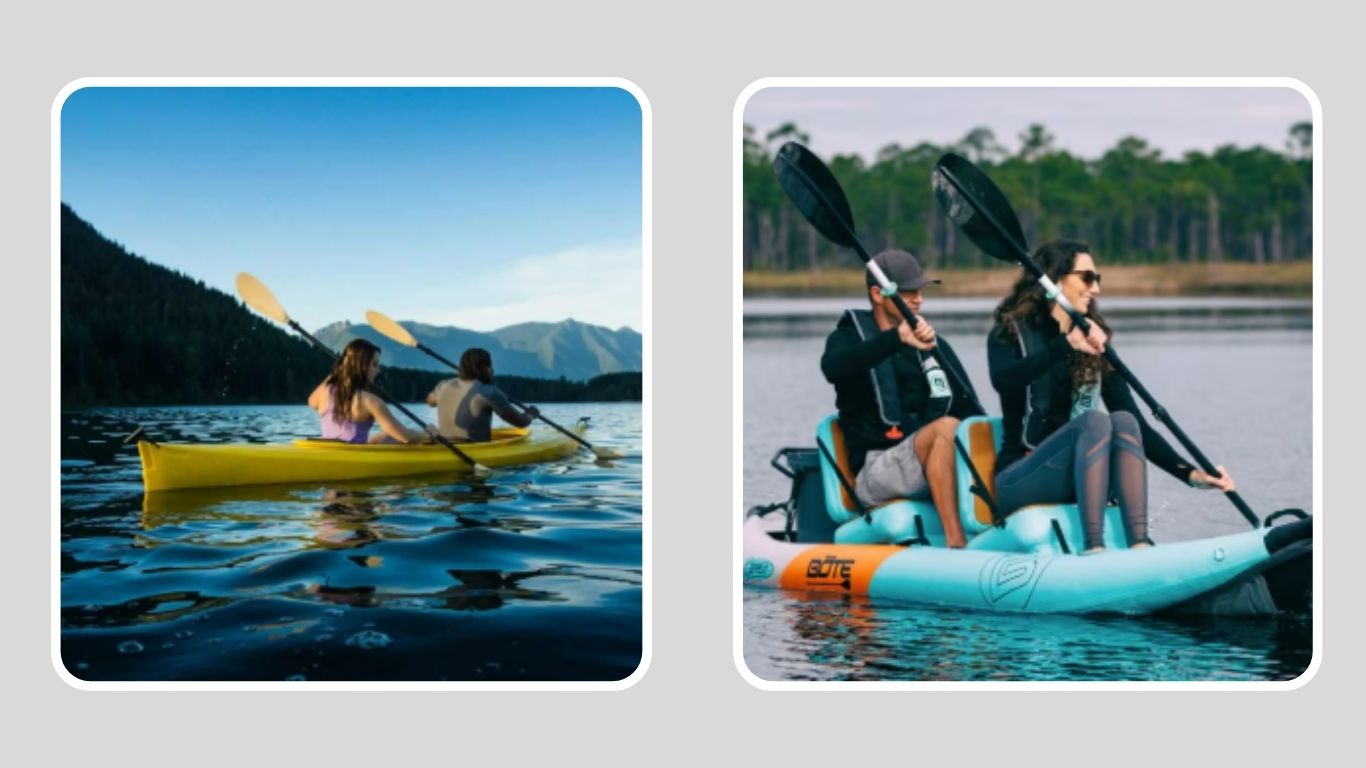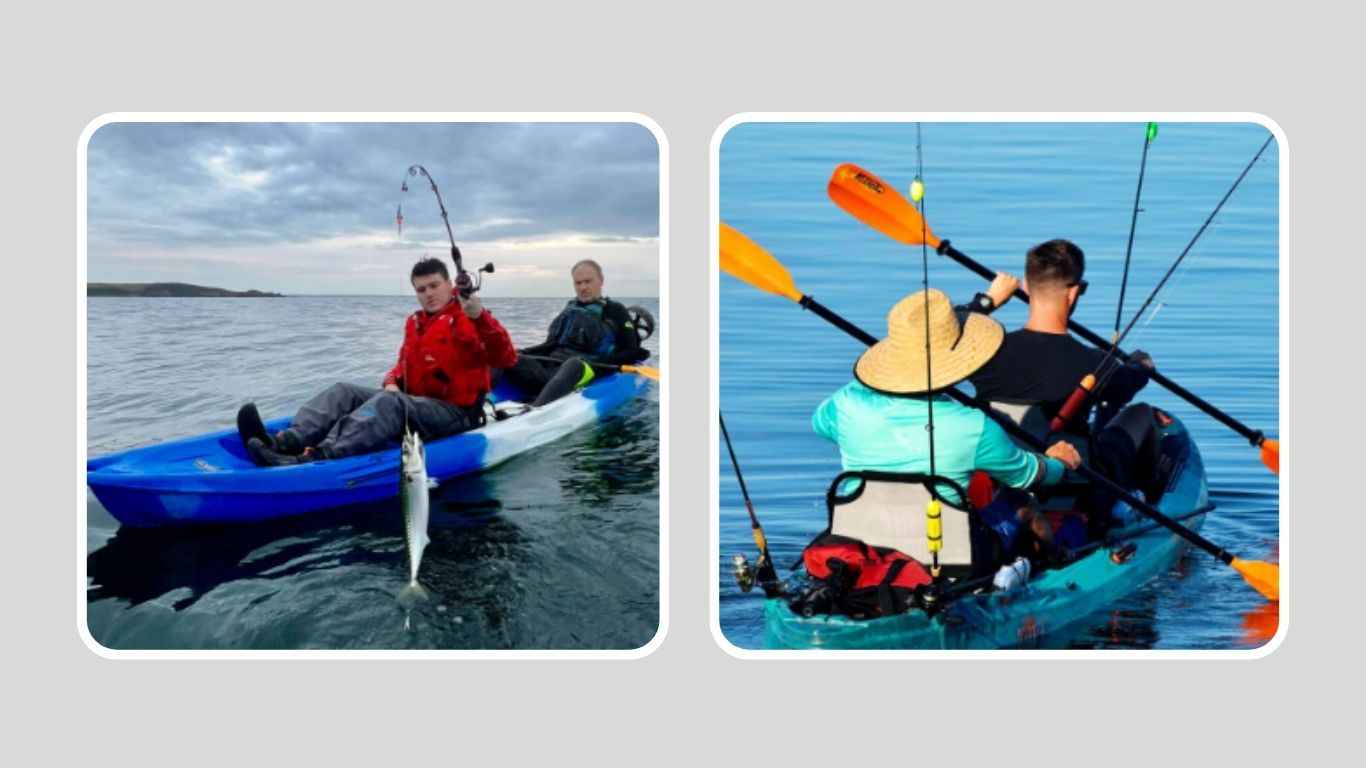
Fishing is often more fun when shared with a friend or family member, and a 2-person fishing kayak makes that possible. These tandem kayaks offer stability, comfort, and extra space for gear, allowing two anglers to enjoy the water together. Whether you’re exploring calm lakes, rivers, or coastal areas, a tandem kayak ensures a smooth, enjoyable experience for beginners and experienced paddlers alike. In this guide, we’ll explore the best 2-person fishing kayaks, their features, setup tips, and accessories to help you have a safe and productive fishing adventure.
Key Features to Look For in a 2-Person Fishing Kayak
When choosing a 2-person fishing kayak, it’s important to focus on features that enhance comfort, stability, and fishing efficiency. Here’s a detailed look at the key elements to consider:
1. Hull Type: Sit-On-Top vs. Sit-In
- Sit-on-top kayaks are popular for fishing because they offer stability, easy access to gear, and allow anglers to stand while casting. They are also easier to get on and off, making them beginner-friendly.
- Sit-in kayaks provide more protection from wind and water, which can be useful in colder conditions. They often have a lower center of gravity, which can improve tracking in rivers or open water.
2. Weight Capacity and Dimensions
- A 2-person kayak must support the combined weight of both paddlers plus gear. Always check the manufacturer’s weight limit and choose a kayak with a comfortable margin.
- Dimensions matter: longer kayaks track better (go straight) but may be harder to maneuver in tight spaces, while wider kayaks offer more stability but may paddle slower.
3. Storage Compartments
- Look for built-in storage such as tank wells, hatches, and bungee cords for securing tackle boxes, coolers, and personal items.
- Some kayaks offer removable crates or gear tracks that allow for customization and easy access to fishing tools.
4. Comfort: Seats and Footrests
- Adjustable seats with back support are essential for long fishing trips. Some kayaks offer padded or elevated seats for better posture.
- Footrests that adjust to different leg lengths improve paddling efficiency and comfort.
5. Fishing-Specific Features
- Rod holders: Multiple mounts for rods keep lines organized and ready for action.
- Accessory tracks and mounts: For fish finders, GPS devices, or cameras.
- Anchor systems: Some kayaks include anchor points to keep the kayak in position while fishing.
6. Ease of Transport and Launching
- Check the kayak’s weight and shape to ensure it’s manageable for loading onto a car roof or trailer.
- Built-in handles and lightweight designs make launching from docks or shorelines easier, especially with two people.
By considering these features carefully, you can choose a 2-person fishing kayak that matches your fishing style, water conditions, and comfort needs.
Top 2-Person Fishing Kayak Designs
When selecting a 2-person fishing kayak, the design plays a huge role in comfort, performance, and fishing efficiency. Knowing the different types and their advantages can help you make the best choice for your needs.
1. Tandem Kayaks with Individual Paddlers
These kayaks are specifically designed for two paddlers who want equal control and space. Each person has a dedicated paddling area, footrests, and a seating position. This design is excellent for partners of different skill levels because one person can steer while the other focuses on fishing.
- Pros:
- Balanced weight distribution makes it easier to maintain stability.
- Plenty of space for two anglers and their gear.
- Allows for independent paddling without interfering with your partner.
- Balanced weight distribution makes it easier to maintain stability.
- Cons:
- Typically wider, which can reduce speed compared to solo kayaks.
- Heavier than single kayaks, making transportation and launching slightly more challenging.
- Typically wider, which can reduce speed compared to solo kayaks.
Tandem kayaks with individual paddlers are ideal for families, couples, or friends who want to enjoy a relaxed fishing experience together while still having their own space.
2. Sit-On-Top Tandem Kayaks
Sit-on-top designs are extremely popular among anglers because of their stability, ease of use, and open deck design. Anglers can sit or even stand while casting, making them perfect for fishing in lakes, slow rivers, and calm coastal waters.
- Pros:
- Easy to get in and out of, ideal for beginners or casual paddlers.
- Open deck provides easy access to gear and storage compartments.
- Offers stability when standing for casting or handling larger catches.
- Easy to get in and out of, ideal for beginners or casual paddlers.
- Cons:
- Offers less protection from wind, spray, and cold weather.
- Slightly less efficient in terms of tracking and speed on long paddles.
- Offers less protection from wind, spray, and cold weather.
Sit-on-top tandems are a top choice for anglers who prioritize comfort, stability, and convenience over long-distance speed.
3. Inflatable Tandem Kayaks
Inflatable kayaks have come a long way in recent years, becoming a practical option for anglers who need portability and easy storage. They are made from durable materials like PVC or Hypalon and can be inflated or deflated quickly.
- Pros:
- Lightweight and easy to carry, perfect for camping trips or travel.
- Can be stored in small spaces, unlike hard-shell kayaks.
- Often suitable for calm lakes, ponds, and slow rivers.
- Lightweight and easy to carry, perfect for camping trips or travel.
- Cons:
- Less durable than rigid kayaks; vulnerable to punctures.
- May not track as straight or handle waves as efficiently as hard-shell kayaks.
- It can be slower to paddle over long distances due to the flexibility in the hull.
- Less durable than rigid kayaks; vulnerable to punctures.
Inflatable tandems are perfect for casual anglers or those with limited storage space who still want a reliable two-person kayak.
4. Hard-Shell Tandem Kayaks
Hard-shell kayaks, made from materials like high-density polyethylene, fiberglass, or composite blends, are rigid, durable, and long-lasting. These are the most common types of fishing kayaks for serious anglers.
- Pros:
- Excellent stability and tracking, ideal for longer trips or choppy water.
- Very durable and can withstand rough handling and rocks.
- Can carry more weight and gear without compromising performance.
- Excellent stability and tracking, ideal for longer trips or choppy water.
- Cons:
- Heavier and more difficult to transport.
- Require more storage space when not in use.
- Generally, more expensive than inflatable alternatives.
- Heavier and more difficult to transport.
Hard-shell tandems are the best option for anglers who prioritize durability, performance, and carrying capacity.
5. Specialized Fishing Tandem Kayaks
Some 2-person kayaks are designed specifically for fishing. These include features such as multiple rod holders, live wells, gear tracks, and customizable storage crates. These kayaks are built with anglers in mind, focusing on convenience and efficiency on the water.
- Pros:
- Maximizes fishing efficiency with easy access to rods, tackle, and equipment.
- Stable platform for standing or casting.
- Often designed with wide decks and reinforced hulls for extra stability.
- Maximizes fishing efficiency with easy access to rods, tackle, and equipment.
- Cons:
- It can be heavier and bulkier due to added features.
- Higher cost compared to general-purpose tandems.
- May sacrifice speed or maneuverability for fishing-focused features.
- It can be heavier and bulkier due to added features.
Specialized fishing tandems are perfect for dedicated anglers who want a kayak optimized for two people to fish comfortably together.
Choosing the Right Design
The best 2-person kayak design depends on your priorities. If stability and ease of use are most important, sit-on-top or specialized fishing tandems are ideal. If portability is key, inflatable kayaks are convenient. For long-term durability and serious angling, hard-shell models are unmatched. Understanding these options ensures both paddlers enjoy a safe, comfortable, and productive fishing experience every time.
Popular Materials and Durability of 2-Person Fishing Kayaks
The material a 2-person fishing kayak is made from significantly affects its performance, durability, weight, and maintenance requirements. Choosing the right material ensures your kayak lasts longer, performs better, and suits the type of water you plan to fish in. Here’s a detailed breakdown of the most common materials:
1. High-Density Polyethylene (HDPE)
High-density polyethylene is the most popular material for hard-shell fishing kayaks due to its durability and affordability.
- Pros:
- Extremely durable and resistant to impacts, scratches, and abrasion.
- Can withstand contact with rocks, docks, or other obstacles without major damage.
- UV-resistant versions help prevent sun damage over time.
- Cost-effective compared to composite materials.
- Cons:
- Heavier than some alternative materials, which can make transportation and launching more challenging.
- It can be less stiff than fiberglass or composite, affecting long-distance paddling efficiency.
HDPE kayaks are ideal for anglers who need a rugged, reliable kayak for lakes, rivers, and moderate coastal waters.
2. Composite Materials (Fiberglass, Kevlar, Carbon Fiber)
Composite materials are lighter and often stiffer than polyethylene, offering superior performance in speed and maneuverability.
- Pros:
- Lightweight, making transport and launching easier.
- Stiff hulls improve tracking and speed, which is ideal for long paddling trips.
- Smooth finish enhances hydrodynamics, allowing for faster paddling.
- Cons:
- More expensive than polyethylene kayaks.
- Less impact-resistant; can crack or chip if it hits rocks or other hard surfaces.
- Repairs can be more complicated and costly.
Composite kayaks are suited for serious anglers who prioritize performance and are willing to invest in careful handling.
3. Inflatable Materials (PVC, Hypalon, Nitrylon)
Inflatable 2-person kayaks are made from durable, flexible materials designed to hold air under pressure and withstand minor abrasions.
- PVC:
- Affordable and widely available.
- Lightweight and easy to store.
- Less resistant to UV rays and punctures compared to other materials.
- Hypalon:
- More expensive but highly durable and UV-resistant.
- It can handle rougher conditions and lasts longer than PVC.
- Nitrylon:
- Environmentally friendly, puncture-resistant, and lighter than Hypalon.
- Often used in premium inflatable kayaks.
- Pros of Inflatable Materials:
- Extremely portable and easy to store.
- Lightweight and suitable for travel or small storage spaces.
- It can be repaired relatively easily with patch kits.
- Cons:
- Less durable than rigid kayaks in rough conditions.
- It can lose shape or stiffness over time.
- Inflating and deflating take extra effort.
Inflatable kayaks are perfect for anglers who prioritize portability, flexibility, and storage convenience, especially for trips where a hard-shell kayak isn’t practical.
4. Durability Considerations
- Always check UV resistance: Prolonged sun exposure can weaken plastic or inflatable materials. Use kayak covers or store indoors when not in use.
- Weight capacity: Overloading a kayak can reduce stability and damage the hull over time. Choose a kayak that comfortably supports both paddlers and their gear.
- Impact resistance: Consider the type of water you’ll be fishing in. Rocky rivers or shallow lakes require stronger, more impact-resistant materials.
Conclusion on Materials
Selecting the right material depends on how and where you plan to fish. High-density polyethylene is the most versatile and durable choice for most anglers. Composite materials are excellent for performance-focused paddlers who want speed and efficiency. Inflatable kayaks provide unmatched portability and storage convenience. Understanding the strengths and limitations of each material ensures your 2-person kayak remains safe, comfortable, and long-lasting for years of fishing adventures.
Best Practices for Fishing Together in a 2-Person Kayak
Fishing from a tandem kayak is a unique experience that combines paddling teamwork with angling skills. To make the most of your time on the water, it’s important to follow best practices for coordination, safety, and efficiency.
1. Coordinate Paddling and Steering
- Lead and follow: Typically, the front paddler (bow) sets the pace and direction, while the rear paddler (stern) steers and maintains balance.
- Communication: Use simple signals or verbal cues for turns, stopping, or adjusting speed. Clear communication prevents confusion and helps maintain a straight course.
- Synchronization: Paddling in rhythm improves efficiency and reduces fatigue. Practice matching strokes for smoother navigation.
2. Share Gear and Storage
- Divide gear wisely: Each paddler should have their personal essentials (tackle, rod, snacks) while keeping shared items like coolers or live wells in the center for balance.
- Use deck space efficiently: Utilize bungee cords, storage compartments, or modular gear tracks to secure rods, nets, and electronics.
- Accessibility: Keep frequently used items within easy reach for both paddlers to avoid tipping or shifting weight.
3. Maintain Balance and Stability
- Even weight distribution: Keep heavier items low and near the kayak’s center to prevent tipping.
- Move carefully: When adjusting seats, standing, or casting, both paddlers should move slowly and communicate their movements.
- Standing safely: If your kayak allows standing, only one person should stand at a time, preferably near the center for maximum stability.
4. Optimize Fishing Efficiency
- Divide responsibilities: One paddler can focus on navigation while the other handles casting and reeling.
- Spot fish together: Two sets of eyes increase your chances of spotting fish, tracking schools, or identifying promising fishing spots.
- Rotate roles: Switch between paddling and fishing to prevent fatigue and maintain a productive outing.
5. Safety and Awareness
- Monitor each other: Keep an eye on your partner’s energy level and comfort, especially on longer trips.
- Stay alert: Watch for obstacles, other boats, or sudden changes in water conditions.
- Emergency plan: Discuss what to do if someone falls overboard, the kayak tips, or the gear shifts unexpectedly.
6. Enhance the Experience
- Enjoy the teamwork: Fishing together allows for shared excitement, storytelling, and learning from each other.
- Take breaks: Find calm spots to rest, swap positions, or enjoy a snack.
- Capture memories: Consider mounting a small camera or GoPro to document your adventure.
Following these best practices ensures that both paddlers enjoy a safe, productive, and fun fishing experience. Tandem kayaking requires coordination and communication, but the rewards are double: more fish, more fun, and stronger bonds on the water.
Top 2-Person Fishing Kayaks for Comfort, Stability, and Maximum Fun
A 2-person fishing kayak opens up a world of possibilities for anglers who want to share the adventure. These kayaks are designed to support two paddlers comfortably while providing enough storage, stability, and fishing-specific features for long trips on lakes, rivers, or calm coastal waters. Below is a detailed guide to the best tandem kayaks, highlighting what makes each one stand out.
1. Old Town Twin Heron Angler 126 – Stability Meets Versatility
- Type: Sit-on-top tandem fishing kayak
- Dimensions: 12’6” length / 36” width
- Weight Capacity: 500 lbs
- Key Features:
- Adjustable seats with back support for long fishing trips.
- Multiple rod holders for both paddlers.
- Spacious storage hatches and bungee deck areas.
- Molded footrests for added comfort and paddling efficiency.
- Adjustable seats with back support for long fishing trips.
- Why It Stands Out: The Twin Heron is renowned for its incredible stability. Beginners and experienced anglers alike can stand or move around without fear of tipping. Its wide deck offers easy access to gear and comfort for two paddlers simultaneously.
- Pros: Extremely stable, beginner-friendly, ample storage, comfortable seats.
- Cons: Slightly slower due to the wide hull, heavier to transport.
- Ideal For: Families, couples, or friends who want a relaxed fishing experience with plenty of room for gear.
2. Wilderness Systems Radar 135 Tandem – Comfort and Ergonomics for Long Trips
- Type: Sit-on-top tandem kayak
- Dimensions: 13’5” length / 38” width
- Weight Capacity: 550 lbs
- Key Features:
- Ergonomic high-back seats for reduced fatigue.
- Integrated rod holders and gear tracks for fish finders or accessories.
- Center storage well for tackle boxes, coolers, or safety equipment.
- Molded foot braces to improve paddling efficiency.
- Ergonomic high-back seats for reduced fatigue.
- Why It Stands Out: Designed for long days on the water, the Radar 135 ensures maximum comfort for both paddlers. Its wide deck supports extra gear without affecting stability, making it ideal for multi-hour fishing trips.
- Pros: Comfortable for long trips, highly stable, excellent gear capacity.
- Cons: Heavier and pricier, may require two people for transport.
- Ideal For: Anglers who prioritize comfort and efficiency for extended fishing sessions.
3. Perception Tribe 13.5 Tandem – Versatility and Performance in One Hull
- Type: Hard-shell tandem kayak
- Dimensions: 13’6” length / 36” width
- Weight Capacity: 500 lbs
- Key Features:
- Wide sit-on-top deck for easy movement.
- Adjustable seats with good lumbar support.
- Integrated gear tracks for rod holders, fish finders, or cameras.
- Stable hull suitable for standing and casting.
- Wide sit-on-top deck for easy movement.
- Why It Stands Out: The Perception Tribe combines stability, tracking, and space for two paddlers. Its wide deck makes it easy to move around, while its solid hull ensures a smooth ride in lakes or rivers.
- Pros: Durable, stable, versatile, accommodates standing casting.
- Cons: Heavy, requires more storage space, less portable than inflatables.
- Ideal For: Anglers who want a balance of comfort, gear capacity, and maneuverability.
4. Sevylor Coleman Colorado 2-Person Inflatable Kayak – Portability and Ease of Use
- Type: Inflatable tandem kayak
- Dimensions: 12’ length / 41” width
- Weight Capacity: 400 lbs
- Key Features:
- Inflatable seats with back support.
- Multiple air chambers for safety in case of punctures.
- Carry bag for compact storage and easy transport.
- Paddle holders to keep equipment secure.
- Inflatable seats with back support.
- Why It Stands Out: Lightweight and portable, this inflatable kayak is perfect for anglers who travel or have limited storage. The multiple air chambers ensure safety, while its wide deck offers stability.
- Pros: Easy to transport, portable, affordable, compact storage.
- Cons: Less durable than hard-shell kayaks, slower tracking, vulnerable to sharp objects.
- Ideal For: Weekend anglers, campers, and travelers who want a kayak they can take anywhere.
5. Lifetime Tamarack Angler Tandem – Affordable, Stable, and User-Friendly
- Type: Sit-on-top fishing kayak
- Dimensions: 12’6” length / 34” width
- Weight Capacity: 425 lbs
- Key Features:
- High-back adjustable seats for comfort.
- Integrated rod holders and paddle holders.
- Front and rear storage compartments with bungee cords.
- Stable hull designed for two paddlers.
- High-back adjustable seats for comfort.
- Why It Stands Out: The Tamarack Angler Tandem is budget-friendly without sacrificing essential features. Its stability and comfort make it an excellent choice for first-time tandem anglers.
- Pros: Affordable, stable, easy to paddle, comfortable for two.
- Cons: Narrower deck limits movement, less suited for rough water.
- Ideal For: Beginners or casual anglers seeking a reliable tandem kayak for lakes and slow rivers.
6. Ocean Kayak Malibu Two – Lightweight and Maneuverable
- Type: Sit-on-top tandem kayak
- Dimensions: 12’6” length / 31” width
- Weight Capacity: 400 lbs
- Key Features:
- Tandem seating with adjustable footrests.
- Bungee deck storage for small gear and personal items.
- Molded handles for easy transport.
- Lightweight design for effortless paddling.
- Tandem seating with adjustable footrests.
- Why It Stands Out: The Malibu Two is highly maneuverable, making it perfect for recreational anglers or short trips. Its lightweight allows for easy transport and launching.
- Pros: Easy to paddle, lightweight, durable, beginner-friendly.
- Cons: Limited storage, smaller weight capacity, not ideal for long-distance trips.
- Ideal For: Casual anglers, recreational paddlers, or short fishing outings.
Factors to Consider When Choosing a Tandem Kayak
- Water Conditions: Lakes, rivers, or coastal areas require different hull designs and stability levels.
- Gear Needs: Ensure storage space and rod holders meet your fishing requirements.
- Transport and Storage: Hard-shell kayaks are durable but heavy; inflatables are lightweight and compact.
- Comfort and Ergonomics: Adjustable seats, footrests, and deck space make long trips enjoyable.
- Durability: Consider material and construction based on usage frequency and environment.
- Paddler Experience: Beginners may prefer wider, stable kayaks; experienced anglers may prioritize speed and tracking.
Accessories to Enhance Your 2-Person Fishing Kayak Experience
Fishing from a 2-person kayak is not only about paddling and casting, it’s about having the right accessories that make your trips safer, more comfortable, and more productive. Tandem kayaks have more space than single kayaks, allowing you to carry extra gear, comfort items, and specialized fishing tools. Using the right accessories can dramatically improve your experience, whether you’re a beginner or an experienced angler. Below is an in-depth guide to essential and optional accessories for your tandem kayak.
1. Safety Accessories: Always Put Safety First
Personal Flotation Devices (PFDs / Life Jackets)
- Always wear a properly fitted PFD; it’s the single most important safety item.
- Look for high-buoyancy or inflatable PFDs for longer trips or rougher waters.
- PFDs with pockets, D-rings, or attachment loops allow you to carry small tools, whistles, or safety gear.
Whistles and Signaling Devices
- Essential for alerting nearby boats or rescue teams in emergencies.
- It can be clipped to your PFD for easy access.
- Consider a combination of whistle and waterproof LED strobe for maximum visibility.
First Aid Kit
- Keep a compact, waterproof first aid kit on board.
- Include essentials such as bandages, antiseptic wipes, scissors, tweezers, pain relief medication, and burn or insect treatments.
- Store it in a dry bag or a designated storage hatch for quick access.
Emergency Paddle or Spare Paddle
- A spare paddle ensures you can continue if one breaks or is lost.
- Collapsible or lightweight paddles are convenient for storage without taking up too much space.
Safety Lights and Reflective Gear
- LED navigation lights or reflective tape help make your kayak visible during early morning, evening, or cloudy conditions.
- Useful for both safety and emergency signaling.
Emergency Communication Devices
- A waterproof VHF radio or satellite communication device is essential for remote areas.
- A fully charged waterproof phone in a dry bag can also serve as an emergency backup.
2. Fishing-Specific Accessories: Make Every Catch Easier
Rod Holders
- Built-in or removable rod holders keep your fishing rods secure while paddling.
- Multiple rod holders allow both paddlers to fish simultaneously or try different techniques.
- Some kayaks allow adjustable rod holders for better casting angles.
Tackle Storage and Organization
- Use tackle boxes, crates, or waterproof bags to keep lures, hooks, and baits organized.
- Deck-mounted trays or baskets provide quick access without cluttering the kayak floor.
- Modular organizers allow swapping gear depending on the type of fishing or trip duration.
Fish Finders and GPS Devices
- Fish finders help locate schools of fish and monitor water depth.
- GPS units guide you to fishing hotspots and help track routes for future trips.
- Many kayaks have accessory tracks for mounting electronics securely.
Anchor Systems
- Anchors help keep the kayak in one spot, preventing drift while fishing.
- Anchor trolleys or rope systems allow precise positioning in current or wind.
- Consider lightweight or compact anchors for smaller lakes and ponds.
Coolers and Live Wells
- Small coolers store drinks, snacks, and bait.
- Live wells keep caught fish fresh during the trip.
- Choose insulated or aerated systems depending on the shing duration.
Landing Nets and Fish Grippers
- Essential for safely landing larger fish without tipping the kayak.
- Compact, collapsible nets or telescopic nets save storage space.
3. Comfort and Convenience Accessories: Make Every Trip Relaxing
Adjustable Seats and Cushions
- Upgrade stock seats or add cushions to reduce fatigue on long trips.
- High-back or padded seats improve posture, comfort, and overall paddling endurance.
- Adjustable seats can be repositioned to balance weight distribution.
Non-Slip Deck Mats or Pads
- Prevent slipping while standing or moving around.
- Add comfort for knees, feet, or when kneeling for casting.
- Protect the kayak’s surface from scratches or damage.
Cup Holders and Gear Trays
- Keep drinks and frequently used tools within reach.
- Gear trays or boxes organize hooks, pliers, bait, or small accessories efficiently.
- Some trays are modular and can be mounted in multiple locations.
Sun Protection Accessories
- Bimini tops, removable sunshades, or UV-resistant kayak covers help prevent sunburn.
- Sunglass straps and sunscreen storage improve comfort and safety.
Paddle Leashes
- Prevent losing a paddle in the water during windy conditions or rough paddling.
- Attach securely to the kayak or your PFD.
Rod Leashes
- Prevent fishing rods from falling overboard, especially when moving or reaching.
4. Transport and Handling Accessories: Make Moving Your Kayak Easier
Kayak Carts or Dollies
- Help move heavy tandem kayaks from the car to the water without strain.
- Models with inflatable tires work best on sand, gravel, or uneven terrain.
Roof Racks and Straps
- Secure kayaks to vehicles for road trips.
- Use ratchet straps or cam buckles to prevent movement and damage.
Storage Bags for Inflatable Kayaks
- Keep inflatable kayaks compact, organized, and protected during transport or storage.
- Some bags include compartments for paddles, pumps, and accessories.
Tie-Down Anchors
- Secure kayaks at home or during transport to prevent tipping or theft.
5. Electronics and Entertainment: Make the Trip More Fun
Waterproof Cameras and Action Cams
- Capture fishing moments or scenic views safely.
- Mounts allow hands-free recording.
Portable Bluetooth Speakers
- Enjoy music or podcasts while paddling.
- Waterproof, compact designs are ideal for kayaks.
Phone or Tablet Mounts
- Useful for GPS, fishing apps, or emergency communication.
- Waterproof cases protect devices from splashes or capsizing.
Solar Chargers
- Recharge small electronics during long trips.
- Compact panels can be mounted on the deck or stored in a dry bag.
6. Maintenance and Longevity Accessories
Kayak Covers and Storage Racks
- Protect kayaks from sun, rain, dust, and UV damage.
- Wall-mounted or roof racks save space and prevent hull damage.
Cleaning Supplies
- Brushes, freshwater sprays, and mild detergents remove salt, mud, or algae.
- Prevents material degradation and prolongs kayak life.
Repair Kits
- Inflatable kayaks: patch kits, glue, and valve replacements.
- Hard-shell kayaks: tools for tightening screws, adjusting seats, or fixing minor hull damage.
Lubricants and Protective Sprays
- Keep moving parts like rudder systems or seat tracks in smooth working condition.
7. Optional Accessories for Advanced Anglers
Trolling Motors
- Small electric motors allow hands-free propulsion.
- Ideal for long trips, fishing in larger waters, or holding position against currents.
Pedal Drive Systems
- Some kayaks support pedal-driven movement, freeing hands for casting and handling fish.
Lighting and Navigation Aids
- LED lights, glow sticks, or reflective tape improve visibility for early morning or evening trips.
- Navigation lights ensure safety in areas with motorboats.
Rod and Tackle Upgrades
- Consider custom rod holders, tackle organizers, or mounted nets for efficient fishing.
- Upgradeable accessories enhance productivity and reduce clutter on the deck.
8. Tips for Using Accessories Effectively
- Plan Gear Layout: Keep frequently used items within easy reach. Distribute weight evenly for stability.
- Prioritize Safety: Always wear PFDs, keep emergency gear accessible, and use signaling devices.
- Secure Gear: Use bungees, straps, or trays to prevent items from falling overboard.
- Maintain Accessories: Clean and inspect gear after each trip to ensure long-term performance.
- Customize Based on Trip: Add or remove accessories depending on water conditions, trip duration, or target species.
Using the right combination of safety, fishing, comfort, transport, and optional accessories can transform a tandem kayak fishing trip into a safe, enjoyable, and highly productive adventure. Proper gear not only enhances the experience but also reduces fatigue, improves efficiency, and ensures you’re prepared for any situation on the water.
Maintenance and Longevity Tips for 2-Person Fishing Kayaks
Proper maintenance is key to ensuring your 2-person fishing kayak lasts for years and performs reliably every trip. Tandem kayaks, with their larger size and additional features, require extra attention to keep both the hull and accessories in top condition. Below is a detailed, comprehensive guide on how to maintain, clean, and store your kayak for maximum longevity.
Cleaning Your Kayak After Every Trip
Rinse with Freshwater
- Always rinse your kayak with freshwater after use, especially in saltwater.
- Salt, sand, and dirt can damage the hull and degrade material over time.
Use Mild Detergents
- For stubborn dirt or algae, use a mild soap solution.
- Avoid harsh chemicals that can weaken plastic, fiberglass, or inflatable material.
Scrub Gently
- Use soft brushes or sponges to clean the deck, hull, and cockpit.
- Pay attention to corners, hatches, and areas where dirt tends to accumulate.
Dry Thoroughly
- Ensure the kayak is completely dry before storage to prevent mold, mildew, and corrosion.
- Wipe down seats, straps, and hatches to remove residual water.
Inspecting the Hull and Accessories
Check for Cracks and Scratches
- Inspect the hull for cracks, deep scratches, or dents that could affect performance or lead to leaks.
- Minor scratches can be polished, but significant damage may require professional repair.
Inspect Seams and Valves on Inflatable Kayaks
- Check all seams for air leaks and ensure valves are functioning correctly.
- Inflate the kayak fully and listen for hissing or check with soapy water for tiny leaks.
Examine Seats, Straps, and Footrests
- Check for wear and tear on seats, straps, and foot braces.
- Tighten screws or replace worn straps to maintain safety and comfort.
Rod Holders, Gear Tracks, and Accessories
- Inspect mounting points for loose bolts or cracks.
- Replace or repair damaged accessories to avoid failure during trips.
Storage Tips for Longevity
Store Indoors When Possible
- Keep your kayak in a garage, shed, or covered area to protect it from UV rays, rain, and extreme temperatures.
Use Kayak Covers
- Covers prevent sun damage, dust, and debris accumulation.
- They also protect the kayak’s surface from scratches during storage.
Position Properly
- Store kayaks upside down on racks or suspended horizontally with straps.
- Avoid storing directly on the ground, as moisture can accumulate and damage the hull.
Inflatable Kayaks
- Deflate completely, dry thoroughly, and roll loosely for storage.
- Keep in a dry, cool area to prevent mold and material degradation.
Routine Maintenance Schedule
Before Every Trip
- Check for leaks, cracks, or loose parts.
- Inspect paddles, seats, and safety gear.
After Every Trip
- Rinse, clean, and dry the kayak.
- Remove any sand, mud, or debris from hatches and storage areas.
Monthly Checks
- Examine hull, deck, and accessories for wear.
- Lubricate moving parts like rudders or seat tracks.
- Check paddle condition and replace worn grips if necessary.
Annual Maintenance
- Deep clean the hull with marine-grade cleaners if needed.
- Inspect and replace worn-out accessories such as seats, rod holders, or hatches.
- For inflatable kayaks, perform a full inflation test to ensure no leaks have developed over the year.
Tips to Extend the Life of Your Kayak
Avoid Dragging on Rough Surfaces
- Dragging the kayak on sand, rocks, or pavement can scratch and weaken the hull.
- Use kayak carts or dollies to transport safely.
Protect from Sun and UV Exposure
- Extended exposure to direct sunlight can weaken plastics and cause fading.
- Use covers or UV-protective sprays to shield the material.
Be Careful with Chemicals
- Avoid spilling gasoline, oils, or harsh cleaners on the kayak.
- Rinse immediately if accidental contact occurs.
Monitor Weight Limits
- Overloading can stress the hull and reduce stability.
- Keep gear within the manufacturer’s recommended weight capacity.
Store Accessories Properly
- Keep paddles, seats, electronics, and tackle dry and away from direct sunlight.
- Replace worn or damaged accessories to prevent strain on the kayak.
Repair and DIY Maintenance Tips
Plastic or Hard-Shell Kayaks
- Use marine-grade epoxy or plastic repair kits for cracks.
- Sand and polish scratches to prevent further damage.
Inflatable Kayaks
- Patch kits can fix small punctures; follow instructions carefully.
Keep spare patches in your dry bag for emergencies.
Rudder and Steering Systems
- Lubricate moving parts and tighten screws to maintain smooth operation.
Seat and Track Repairs
- Replace worn cushions, straps, or seat tracks to maintain comfort and proper weight distribution.
Seasonal and Long-Term Storage Tips
Winter Storage
- Clean and dry thoroughly before storage.
- Store in a climate-controlled area if possible to prevent freezing damage.
Off-Season Preparation
- Remove electronic accessories and store them separately.
- Inflate and check air chambers for inflatables before long-term storage.
Regular Inspections During Storage
- Check kayaks monthly for signs of moisture, pests, or material degradation.
- Rotate or adjust storage position if necessary to avoid pressure points or warping.
Regular maintenance, proper cleaning, and careful storage are essential for extending the life of your 2-person fishing kayak. By inspecting the hull, accessories, and safety gear, you prevent small issues from turning into costly repairs. Proper care also ensures your kayak performs at its best, offering stability, comfort, and safety every time you hit the water. A well-maintained kayak not only lasts longer but also improves your overall fishing experience, making every outing more enjoyable and stress-free.
Final Thoughts
A 2-person fishing kayak offers the perfect way to share adventures, relax, and enjoy productive fishing trips. Choosing the right tandem kayak, equipping it with essential accessories like rod holders, fish finders, and comfortable seats, and maintaining it properly ensures safety, comfort, and long-lasting use. From calm lakes to winding rivers, a well-prepared kayak enhances every outing, making paddling easier and fishing more enjoyable. Investing in quality gear and proper care guarantees countless memorable, stress-free trips on the water.