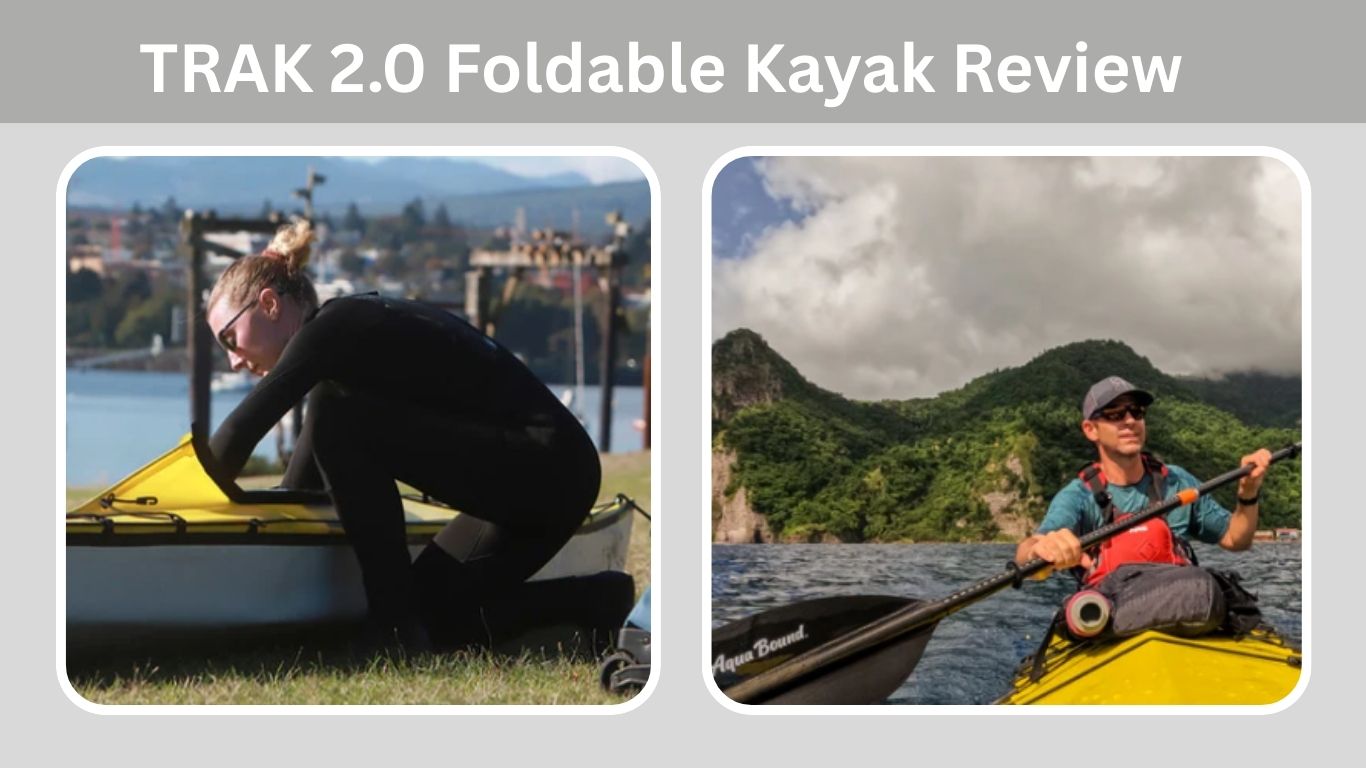
The TRAK 2.0 Ultimate Touring Kayak reimagines what a folding kayak can be, blending over a decade of paddler feedback with advanced materials and an adaptable design that feels at home both in remote coastlines and urban rivers. At its heart is the marriage of ancient skin-on-frame traditions, first perfected by Inuit hunters, with modern aerospace-grade technology. This kayak is not simply a compromise for those lacking storage; it’s a deliberate choice for those who want high-performance paddling without the bulk of a traditional hardshell. Built from military-grade polyurethane for the hull, 7000-series anodized aluminum for the frame, and carbon-fiber ribs for rigidity, it offers an uncompromising level of durability while retaining a travel-friendly form. For paddlers who want to store a full-sized sea kayak in a closet, check a boat on a flight, or portage across continents, the TRAK 2.0 stands as a compelling, adventure-ready solution.
Key Features and Specifications
The TRAK 2.0’s design draws clear inspiration from traditional Inuit kayaks but reinterprets them through precision engineering. Its skin-on-frame construction gives it the organic flex and wave-absorbing qualities of traditional builds, while the high-tech materials ensure it’s tough enough for real expeditions. The military-grade polyurethane skin resists punctures, abrasions, and UV damage, having been tested in both icy northern waters and scorching equatorial heat. Beneath the skin lies the lightweight yet strong aluminum frame, color-coded for intuitive assembly, and reinforced with carbon-fiber ribs for added stiffness.
In terms of dimensions, the kayak measures 16 feet in length with a beam of 22.5 inches, weighing just under 50 pounds when assembled. When packed into its purpose-built rolling travel bag, it measures approximately 41 by 19 by 9 inches, weighing around 57 pounds, making it compact enough for most airline baggage compartments. With a maximum payload capacity of 350 pounds, it can comfortably carry a paddler and enough gear for multi-day trips. While it’s designed to fit paddlers between 5 feet and 6’5”, those with very large feet or above-average height may wish to test the cockpit fit before committing.
Innovative Adjustability — Real-Time Rocker Control
Perhaps the most distinctive feature of the TRAK 2.0 is its ability to change shape mid-paddle. Three onboard hydraulic jacks allow the paddler to adjust the hull’s rocker profile in real time, from nearly flat for long, efficient touring strokes, to a pronounced curve for tight maneuvering or wave play. This means that a single boat can excel in a calm lake crossing in the morning and pivot to surfing coastal waves by afternoon, without ever leaving the water. This versatility eliminates the need for multiple boats for different conditions and represents a true leap forward in kayak adaptability.
Safety and Expedition-Ready Accessories
TRAK has equipped the 2.0 with safety gear straight out of the box. The package includes a fitted spray deck to keep water out in rough seas, a nylon sea sock to contain any water that enters the cockpit during a capsize, and two large 60L flotation dry bags that double as gear storage. These additions not only increase safety by helping the kayak stay afloat during a wet exit but also streamline cleanup after paddling in muddy or sandy environments.
Setting Up the TRAK 2.0
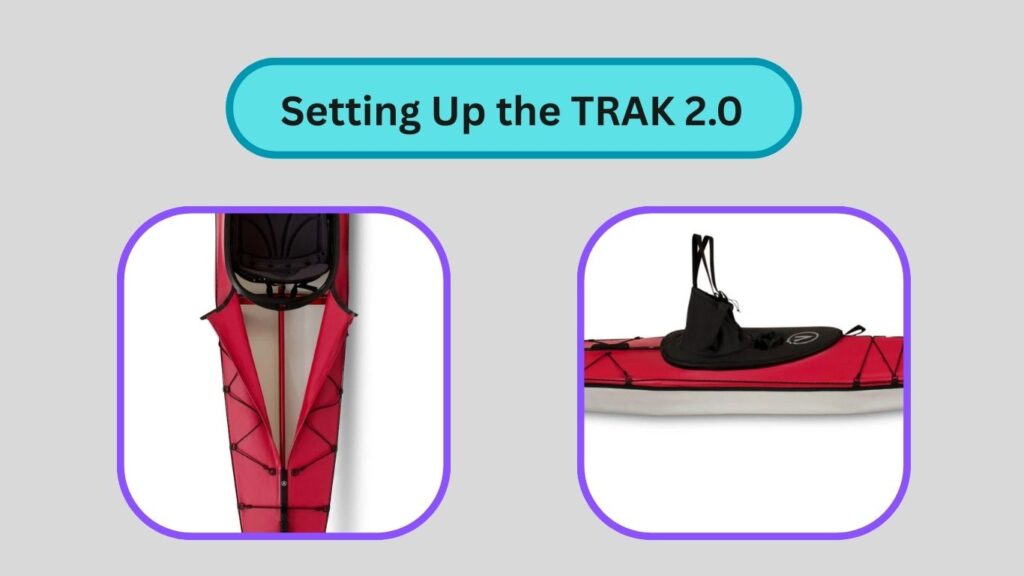
Assembling the TRAK 2.0 is a satisfying process that blends the feel of crafting your vessel with the convenience of modern quick-fit systems. The color-coded aluminum frame sections, blue for the bow, red for the stern, snap together like tent poles thanks to internal shock cords, ensuring pieces are never lost or mismatched. Once the skeleton is built, the polyurethane skin is slipped over the frame, a process made easier with practice and proper alignment. The final step is extending the hydraulic jacks, which both tension the skin to drum-tight rigidity and let you fine-tune the rocker profile before launch.
For first-time owners, assembly may take 20–30 minutes as you become familiar with each part’s placement and the right sequence of moves. With repetition, most paddlers reduce that time to 10–15 minutes, with experienced hands able to complete the transformation from bag to boat in under 10 minutes. TRAK supports this learning process with a library of instructional videos and direct support from experienced owner-pilots.
On-Water Performance
Once afloat, the TRAK 2.0 quickly proves that “folding” doesn’t mean “flimsy.” In its low-rocker setting, the boat tracks arrow-straight, making it ideal for long crossings or distance touring. Dial in a medium rocker and you get a balanced blend of agility and stability, perfect for variable conditions like tidal estuaries or choppy coastal zones. Max out the rocker and the kayak comes alive, turning quickly in surf, weaving through tight channels, and responding instantly to edging. The stiff carbon-fiber ribs transfer paddle energy directly into forward motion, while the skin’s subtle give allows it to handle waves with a natural, dampened feel.
Seasoned paddlers will appreciate its rolling capability, some even manage hand-only rolls, while less experienced kayakers will value its predictable stability and safety features. Whether you’re carving a line through sea swell or quietly gliding across a glassy lake, the TRAK 2.0 offers a paddling experience remarkably close to that of a premium hardshell touring kayak.
Folding and Packing Away
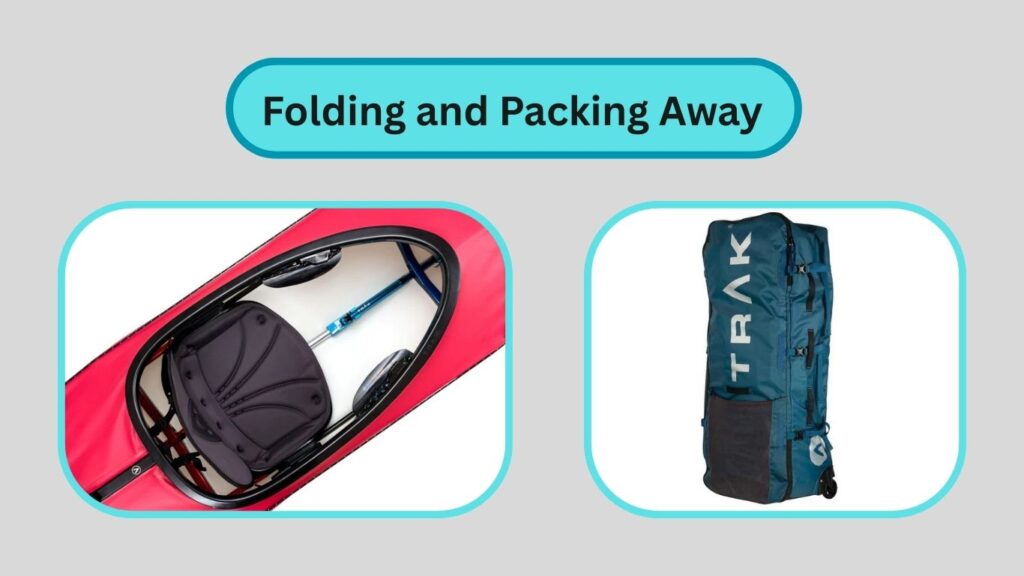
Disassembly is essentially set up in reverse, and can be done without tools in just minutes once you’ve learned the process. First, release the hydraulic jacks to relax the hull tension and flatten the rocker. Then collapse the frame into its color-coded segments and roll or fold the skin for compact storage. Everything fits neatly into the rolling travel bag, which is designed to protect the kayak during transport while staying within most airline checked luggage limits. For rough or off-trail transport, TRAK offers an optional harness system so you can carry the packed kayak backpack-style.
Pros and Cons
Pros
- Unmatched versatility thanks to real-time rocker adjustment.
- Compact travel-friendly storage ideal for small homes, RVs, and air travel.
- Durable and expedition-ready construction using military-grade materials.
- Safety-focused design with included flotation gear and sea sock.
- Strong warranty and support network, including a responsive owner community.
Cons
- Initial learning curve for assembly and rocker adjustment.
- When packed is heavier than some ultralight folding kayaks.
- Premium pricing reflects high-end materials and engineering.
- Cockpit fit limitations for very tall or large-footed paddlers.
Additional Insights
The TRAK 2.0’s design journey is as interesting as its technical performance. Developed through a combination of global paddler input and crowdfunding, it has seen continuous refinements year after year. The 2024–25 iterations introduced tougher hull fabric, redesigned ribs to reduce skin abrasion, reinforced locking pins, and even backup mechanical jacks for reliability in the field. Importantly, TRAK aims to make the boat accessible to all skill levels, supporting newcomers with guides and tutorials while offering the performance demanded by expedition veterans.
Conclusion
The TRAK 2.0 is more than a kayak; it’s a portable gateway to adventure. It’s the rare craft that can live in a closet yet hold its own in the open ocean, adjust to radically different paddling environments, and survive years of heavy use. While it requires a little patience to master the setup and carries a price tag that reflects its premium construction, it rewards that investment with freedom: the freedom to paddle anywhere, from urban harbors to remote coastal inlets, without the constraints of storage or transport. For paddlers who dream big but live compact, the TRAK 2.0 is a game-changer.