The Ascend 12T Sit-On-Top Kayak is designed for people who want more than just a floating boat; it’s built for stability, comfort, and all-day outdoor fun. Whether you’re fishing, hunting, or simply paddling for relaxation, this kayak gives you the balance and features you need to make the most of your time on the water. With its wide, open deck, adjustable seat, and generous storage, it works just as well for a beginner learning their first strokes as it does for a seasoned paddler chasing trophy fish. It’s not just about getting from one spot to another; it’s about enjoying the ride and feeling confident while doing it.
Overview
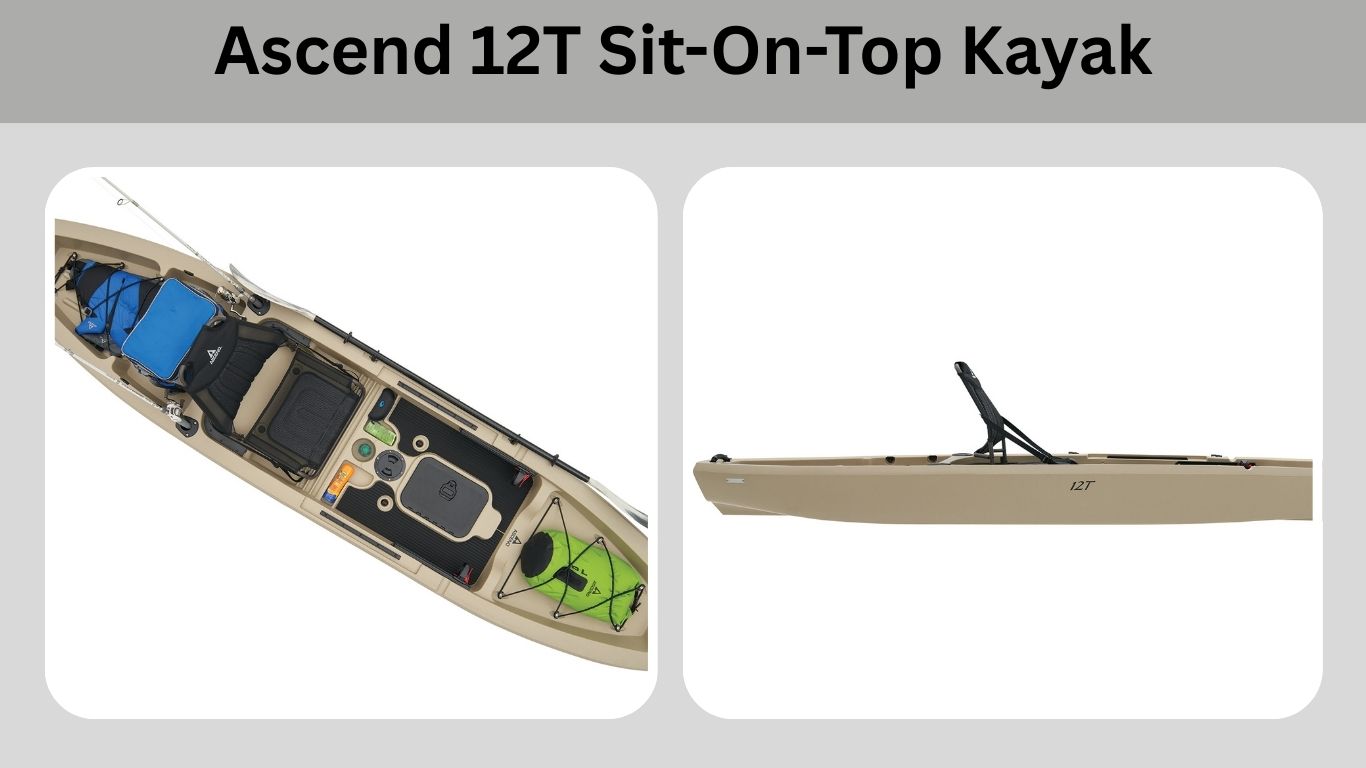
The Ascend 12T is a sit-on-top kayak with a special focus on stability and comfort, making it a strong choice for fishing and other activities that require standing, moving around, or accessing gear while on the water. The heart of its stability is its tunnel-shaped hull, which has a flat middle section and two outer “tracks” that help the kayak stay balanced, even if you shift your weight or stand up to cast your fishing rod.
The design also helps the kayak track straight, meaning it moves forward without drifting side to side so you can paddle efficiently without constantly correcting your course. The wide rear and slightly flared bow (front) give it extra lift and balance, allowing it to handle calm lakes, slow rivers, and even light coastal waters with ease.
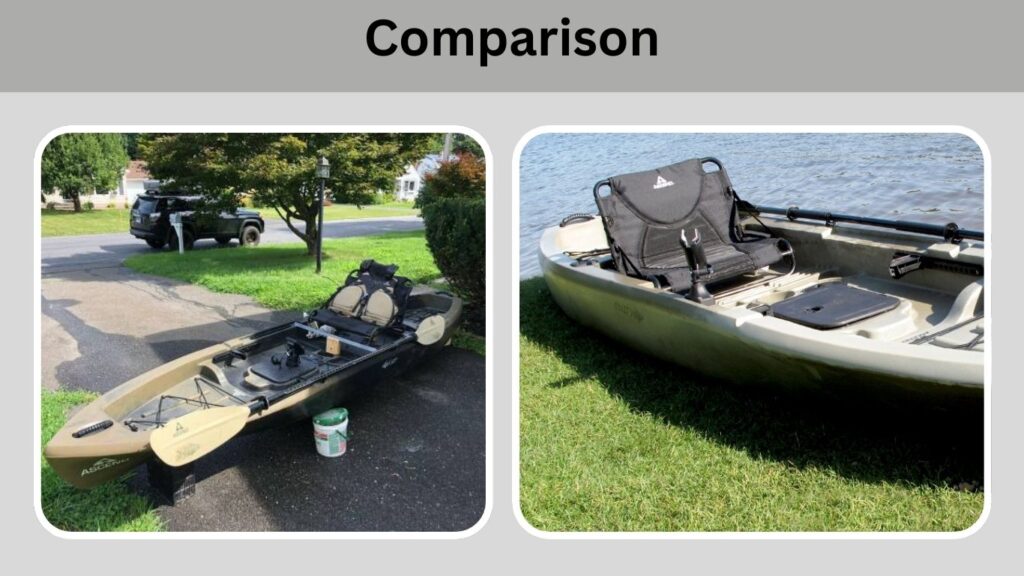
The open deck is covered with a non-slip foam mat, giving you a safe, stable platform for standing, kneeling, or moving around. This is especially helpful for fishing, where quick movements are common. Storage is another big win the 12T offers:
- A large open tank well at the back, perfect for a cooler, crate, or large tackle box.
- A front storage area for lighter gear or items you need quick access to.
- A sealed hatch in the middle for valuables like phones, keys, and wallets.
There are also two flush-mounted rod holders, side accessory rails for mounting gear like cameras or fish finders, and a paddle holder so you can keep your hands free without losing your paddle.
Whether you’re casting for bass, setting up duck hunting gear, or just enjoying a peaceful paddle, the Ascend 12T is designed to be a reliable, easy-to-use kayak for multiple outdoor adventures.
Price & Size
The Ascend 12T sells for around $750, and Bass Pro Shops uses a “No Haggle” pricing policy, meaning you’ll pay the same fair price no matter where or when you buy it. This takes the stress out of bargain hunting and ensures that everyone gets a consistent deal.
At 12 feet long and 31 inches wide, the kayak hits a sweet spot between stability and smooth paddling. It’s not a narrow racing kayak, but that extra width makes it much harder to tip, a big advantage for beginners and anglers who want to stand up while fishing.
It weighs about 77 pounds with the seat installed. This is heavier than some smaller kayaks, but the extra weight improves its steadiness on the water. The kayak can carry up to 350 pounds, enough for a paddler, a cooler, a full set of fishing gear, and even a small dog.
While it’s possible to carry the 12T alone, many paddlers prefer using a kayak cart or getting a friend’s help, especially for long walks from your car to the launch site. For storage, its solid one-piece design means it won’t fold or deflate, so you’ll need enough space at home to keep it safely out of the sun when not in use.
How to Use It
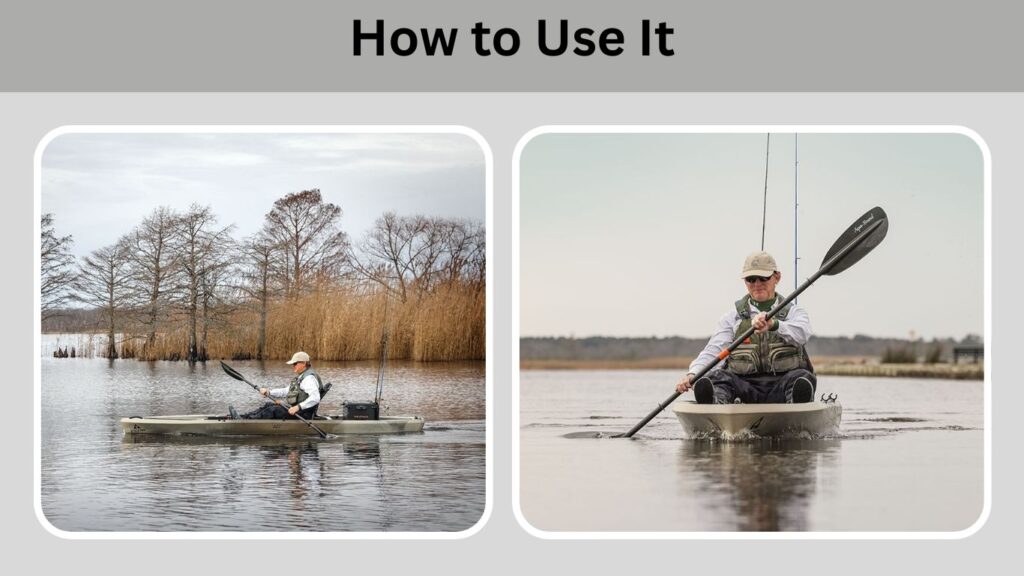
Using the Ascend 12T is straightforward, but a few steps can make your paddling and fishing trips smoother, safer, and more enjoyable.
1. Transporting to the Water
Because of its 77-pound weight, plan how you’ll move it before your trip. If you’re solo, a kayak cart will save your back, allowing you to roll it from your car to the shore. If you have a friend, carry it together by grabbing the molded handles at the front and back. Always set it down gently to avoid scratching the hull on rocks or pavement.
2. Preparing for Launch
Pick a launch spot with shallow water and a gentle slope. Slide the kayak in so it floats lightly, but keep the back end touching the ground for stability while you climb aboard. The open, non-slip deck makes stepping in much easier than in narrow cockpit kayaks.
3. Adjusting Your Seat and Foot Braces
Once seated, adjust the padded, adjustable seat for comfort. This is important for long days on the water; a good seat position prevents back strain and makes paddling more efficient. Adjust the foot braces so your knees are slightly bent; this gives you more power and control when paddling.
4. Loading Your Gear
Use the rear tank well for your heavier gear like coolers, tackle boxes, or crates. Secure them with the bungee cords or D-rings so they don’t slide. Put lighter gear in the front storage area for easy access. The sealed hatch is the safest place for valuables; it keeps them dry and away from splashes.
5. Setting Up for Fishing
Place your rods in the built-in holders when traveling between fishing spots. If you’re using electronics like a fish finder, mount them on the side accessory rails so they’re easy to reach. Keep your paddle in the paddle holder when you’re actively fishing so your hands are free.
6. Paddling and Standing
Start paddling with smooth, steady strokes, switching sides every few strokes to keep moving straight. The tunnel hull helps maintain balance, so you won’t feel tippy. If you want to stand and fish, do so slowly, keeping your feet apart for better balance. The non-slip mat will help keep you steady even if the deck is wet.
7. Handling Water and Safety
If water splashes into the kayak, the self-bailing scupper holes will drain it out automatically. In calm water, you can plug them to stay drier. Always wear a life jacket, especially if you’re paddling in deeper water or cooler weather.
8. Ending Your Trip and Storing the Kayak
When you’re done, paddle back to shore, step out carefully, and pull the kayak completely onto dry land. Rinse it with fresh water, especially after saltwater use, to protect the hull and hardware. Removing the seat before storing keeps it in good shape and makes the kayak lighter to move. Store it indoors or under a UV-resistant cover to prevent sun damage.
Pros and Cons
Pros
- Excellent stability, great for standing and fishing
- Comfortable, adjustable seat and foot braces
- Plenty of storage for gear and supplies
- Durable one-piece hull for long-term use
- Easy to add accessories like fish finders or cameras
Cons
- Heavier than many other recreational kayaks
- Slower than narrow, speed-focused models
- Best for calm or moderate waters, not for rough seas
How the Ascend 12T Compares to Similar Kayaks
When choosing a fishing kayak, it’s helpful to see how the Ascend 12T stacks up against other models in the same size and price range. Two close competitors that paddlers often consider are the Perception Pescador 12 and the Lifetime Yukon Angler 116. Each has its strengths, but the differences can help you decide which is best for your style of paddling and fishing.
The Perception Pescador 12 is generally priced between $900 and $1,000, making it a bit more expensive than the Ascend 12T, which sits at a fixed “No Haggle” price of around $750. In terms of stability and performance, the Ascend takes the lead in pure stability, making it easier to stand and fish without feeling off balance.
The Pescador, being slightly narrower, offers more speed and efficiency, which can be better for paddlers who plan to cover longer distances. Storage is strong on both kayaks; the Ascend 12T provides a large open rear tank well, a front storage area, and a sealed hatch, while the Pescador offers similar storage but with slightly better waterproof protection in its front hatch.
Comfort-wise, both come with adjustable seating, but the Ascend’s wide deck and non-slip mat make moving around easier, while the Pescador’s seat offers a bit more padding, which can be appreciated during long days on the water. In short, the Ascend 12T is the better choice if you value stability and standing comfort, while the Pescador 12 is a great pick if speed and distance are your priorities.
When compared to the Lifetime Yukon Angler 116, which is priced between $650 and $700, the Ascend 12T sits slightly higher in price but offers more deck space and gear capacity. Both kayaks are stable enough for standing, but the Ascend’s tunnel hull design provides a more solid, planted feel underfoot. The Yukon is slightly lighter, weighing in at about 77 pounds compared to the Ascend’s 84 pounds (when fully loaded with the seat), which makes it a little easier to transport.
In terms of storage, the Ascend offers a more open deck layout and a larger rear storage area, while the Yukon has multiple rod holders and a front hatch but less space for bigger items like coolers or crates. For comfort, the Ascend’s non-slip foam mat and wide standing area make moving around safer and easier, whereas the Yukon’s adjustable seating is functional but offers less room for comfortable standing.
Overall, the Ascend 12T is ideal for paddlers who want maximum space, excellent stand-up stability, and plenty of room for gear, while the Yukon is a smart choice for those who prefer a lighter, more budget-friendly fishing kayak that still performs well on the water.
Final Thoughts
The Ascend 12T Sit-On-Top Kayak is an excellent choice for paddlers who value stability, comfort, and fishing-friendly features over speed. It’s beginner-friendly, but also packed with options for more serious anglers who want customization and storage. The extra weight may make it harder to transport alone, but once it’s on the water, that weight translates into a solid, steady ride you can trust.
If your paddling adventures take you to lakes, slow rivers, and calm coastal waters, the Ascend 12T is a kayak you can count on for years of outdoor fun. It’s not a racing machine, but it’s built for the kind of trips where you take your time, enjoy your surroundings, and maybe bring home dinner. For fishing, hunting, or relaxing afternoons, it’s a worthwhile investment.