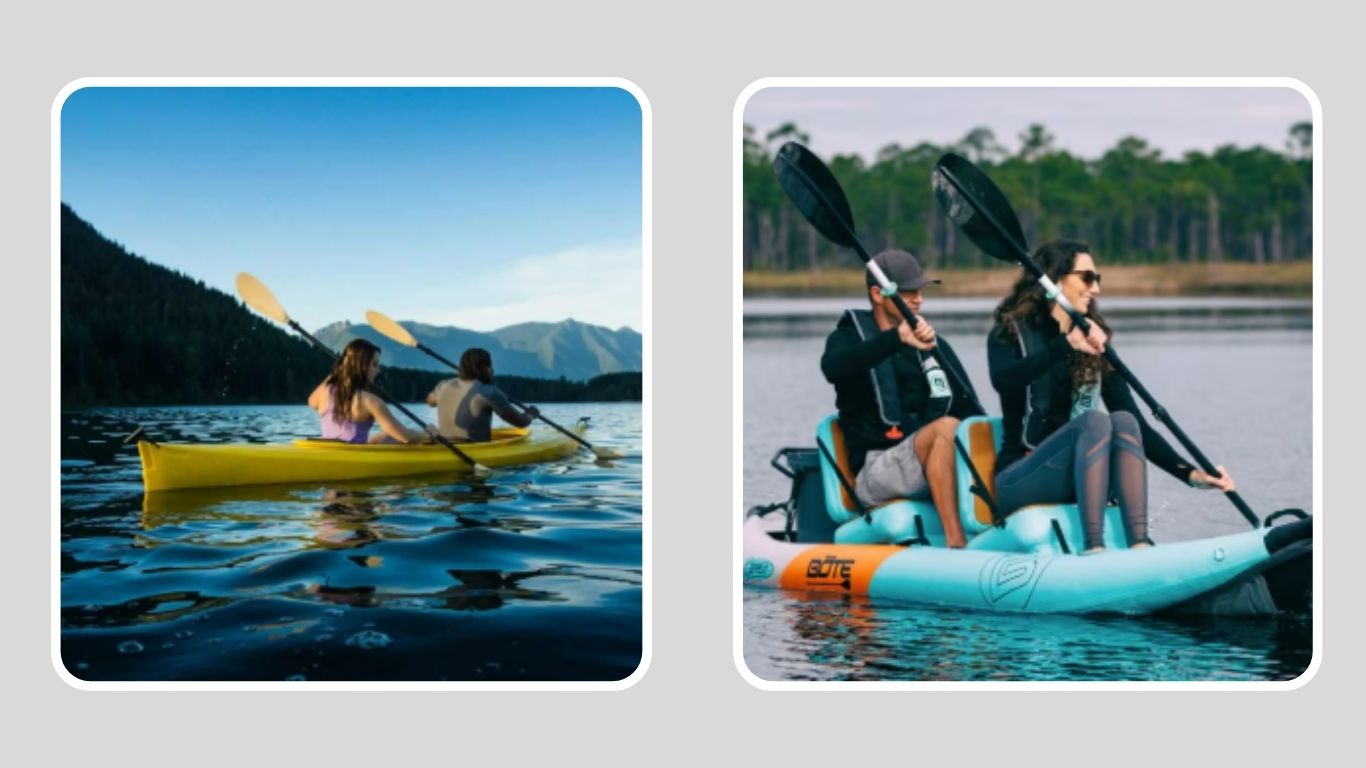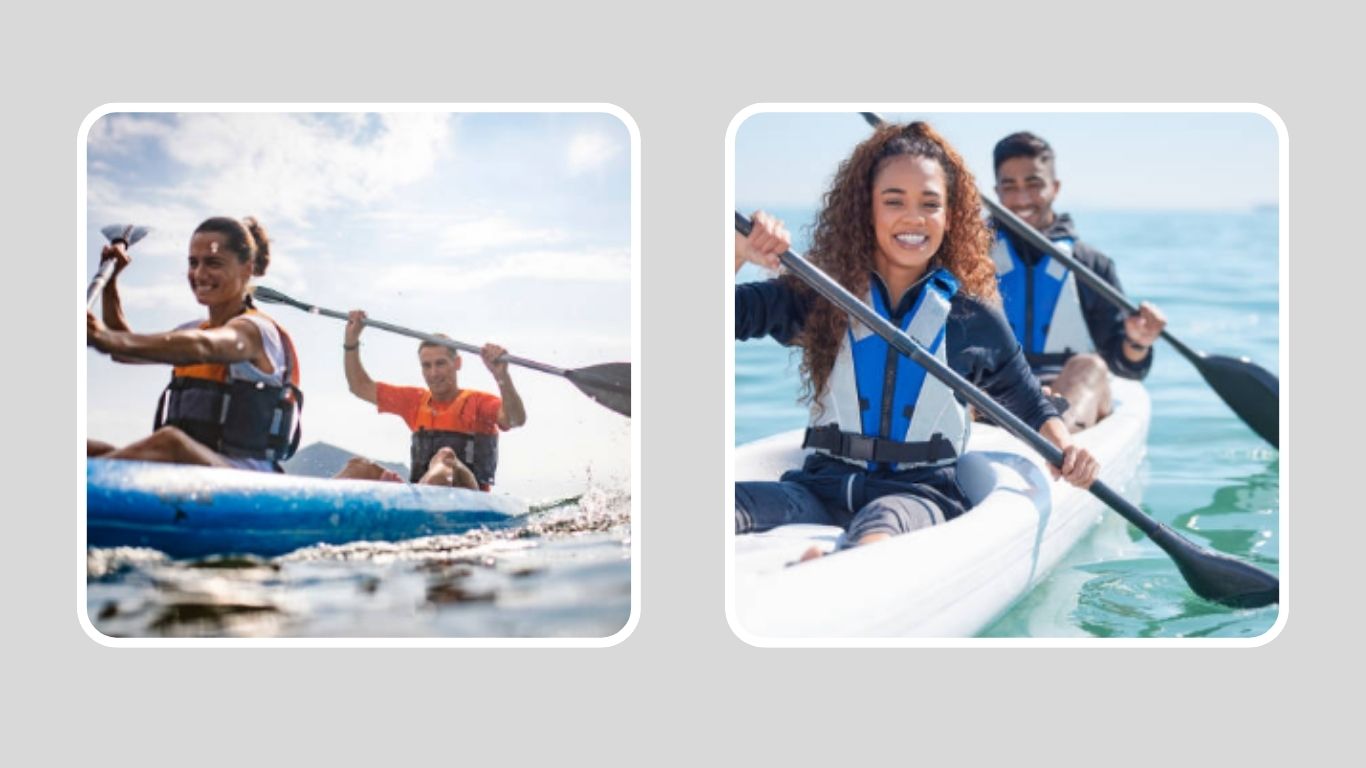
Tandem kayaks are specially designed for two paddlers, making them perfect for couples, friends, or family adventures on the water. Unlike solo kayaks, they allow two people to share the paddling experience, making trips more social and enjoyable. These kayaks come in various types, including sit-on-top, sit-in, and inflatable designs, each suited for different water conditions. Whether for leisurely lake paddling, river exploration, or fishing, tandem kayaks offer a fun, stable, and practical way to enjoy the outdoors together.
What is a Tandem Kayak?
A tandem kayak is a type of kayak built specifically for two paddlers, allowing them to navigate waters together. Unlike solo kayaks, which are designed for a single person, tandem kayaks are longer and wider to accommodate two seats, extra legroom, and more storage space for gear. They are ideal for people who want to share the paddling experience, whether with a friend, partner, or family member. Tandem kayaks promote teamwork, coordination, and a shared sense of adventure on the water.
There are several types of tandem kayaks to suit different preferences and water conditions. Sit-on-top tandem kayaks are popular for beginners because they are stable, easy to enter and exit, and ideal for warm climates. In contrast, sit-in tandem kayaks offer enclosed seating, protecting paddlers from splashes and cooler temperatures, making them suitable for longer trips or rougher waters. Additionally, inflatable tandem kayaks are gaining popularity for their portability and ease of storage, perfect for people with limited space or those who like to travel with their kayak.
Materials also play a key role in tandem kayak performance. Most are made from durable polyethylene, which is tough and affordable, while higher-end models may use fiberglass or composite materials for lighter weight and improved speed. Inflatable versions are crafted from reinforced PVC or similar materials, balancing durability with convenience. Understanding these basic characteristics helps paddlers choose the right tandem kayak for their needs, ensuring both comfort and safety on every outing.
Advantages of Tandem Kayaks
Tandem kayaks offer a range of benefits that make them appealing for both beginners and experienced paddlers. One of the most obvious advantages is the ability to share the paddling experience with a partner. Whether it’s a family outing, a date on the lake, or an adventure with friends, tandem kayaking allows people to enjoy nature together, making the activity more social and fun. Paddling in pairs can also help build teamwork, coordination, and communication skills, as both paddlers must work in sync to move efficiently.
For beginners, tandem kayaks provide extra stability and confidence. Having an experienced paddler alongside can make learning the basics easier, as the stronger paddler can help guide the kayak, maintain balance, and steer in tricky waters. This is particularly helpful on larger bodies of water or during longer trips, where confidence and safety are crucial. Additionally, tandem kayaks usually have larger weight capacities than solo kayaks, which means you can carry more gear, fishing equipment, or even a small cooler without worrying about overloading.
Another advantage is stability, especially for recreational paddling on lakes, calm rivers, or mild coastal areas. The wider hull and longer length of tandem kayaks make them less prone to tipping, which is ideal for beginners, children, or anyone who wants a relaxed paddling experience. They are also versatile for various activities, such as fishing, sightseeing, or photography, where stability is important for standing or moving around safely.
Finally, tandem kayaks encourage bonding and shared adventure. Spending time together on the water, coordinating paddling strokes, and navigating through different water conditions can create memorable experiences. From leisurely paddling to exploring new waterways, tandem kayaking offers a combination of enjoyment, practicality, and safety that makes it a popular choice for people looking to experience the outdoors together.
Disadvantages of Tandem Kayaks
While tandem kayaks offer many advantages, they also come with some challenges that paddlers should consider. One of the main disadvantages is that coordination between paddlers is essential. Unlike solo kayaking, where one person is in complete control, tandem kayaking requires both paddlers to synchronize their strokes and work together. If one person is inexperienced or paddles out of sync, it can lead to slower movement, difficulty steering, and even frustration during the trip.
Another drawback is that tandem kayaks are generally heavier and bulkier than solo kayaks. Their longer length and wider design make them harder to transport, carry, and store. Loading them onto a car roof, moving them to the water, or storing them at home can be more challenging, especially without help. This can be a concern for paddlers who live in smaller spaces or don’t have assistance when transporting the kayak.
Tandem kayaks also tend to have limited maneuverability compared to solo kayaks. Their longer length can make turning slower and navigating narrow waterways or tight spaces more difficult. This can be frustrating in rivers with obstacles or in crowded areas where quick adjustments are necessary. Additionally, tandem kayaks may not perform as well in rough waters if the paddlers lack experience, as the kayak’s size and weight make it harder to control in strong currents or choppy waves.
Finally, tandem kayaking may not be ideal for those seeking a solo, independent experience on the water. Some paddlers prefer the freedom and agility of a single kayak, especially for sports like whitewater kayaking or solo fishing trips. In summary, while tandem kayaks are excellent for shared adventures, they require teamwork, careful handling, and consideration of space and transport limitations.
Types of Tandem Kayaks
Tandem kayaks come in different types, each designed to suit specific water conditions, paddling styles, and user preferences. Understanding the options can help paddlers choose the best kayak for their needs. The most common types are sit-on-top tandem kayaks, sit-in tandem kayaks, and inflatable tandem kayaks.
Sit-on-Top Tandem Kayaks are popular for recreational paddling, especially in warm climates. As the name suggests, paddlers sit on top of the kayak rather than inside it, which allows for easy entry and exit. These kayaks are stable and forgiving, making them ideal for beginners and casual paddlers. Sit-on-top models also drain water easily, so splashes or rain won’t affect paddlers, and they often come with molded storage areas, rod holders, and adjustable seats. They are excellent for lakes, calm rivers, and coastal waters.
Sit-In Tandem Kayaks feature enclosed seating, where paddlers sit inside a cockpit. This design offers better protection from wind, rain, and cold water, making it suitable for longer trips or cooler weather. Sit-in tandem kayaks tend to be more efficient in terms of speed and paddling performance, as their hull design cuts through water more easily. They also often have more storage space inside hatches, which is convenient for multi-day trips. However, getting in and out can be more challenging than sit-on-top kayaks, especially for beginners.
Inflatable Tandem Kayaks are gaining popularity for their portability and ease of storage. Made from reinforced PVC or other durable materials, these kayaks can be deflated and packed into a bag, making them perfect for travelers, campers, or anyone with limited storage space. Despite being lightweight, modern inflatable tandem kayaks are surprisingly stable and durable, capable of handling lakes, gentle rivers, and calm coastal waters. They are also ideal for people who want a flexible option that can be transported without a roof rack or trailer.
Materials and Hull Types also influence performance. Most tandem kayaks are made from polyethylene, which is durable and affordable, while high-end models may use fiberglass or composite materials for lighter weight and smoother paddling. Inflatable models use reinforced PVC or drop-stitch technology to maintain rigidity when inflated. Hull shapes vary as well: flat-bottom hulls provide maximum stability for beginners and casual paddlers, while V-shaped or rounded hulls improve speed and maneuverability for more experienced users.
By understanding these types, paddlers can select a tandem kayak that matches their skill level, intended water activities, and storage or transportation needs. The right choice ensures both comfort and an enjoyable experience on the water.
How to Choose the Right Tandem Kayak?

Selecting the right tandem kayak requires careful consideration of several factors to ensure comfort, safety, and an enjoyable paddling experience. One of the first things to consider is the paddler’s experience and coordination. If both paddlers are beginners, a stable sit-on-top kayak may be ideal, as it is forgiving and easier to balance. For more experienced paddlers seeking speed and efficiency, a sit-in kayak with a sleeker hull design may be a better choice.
Water type is another crucial factor. Lakes and calm rivers allow for wider, more stable kayaks, while coastal or choppier waters may require a longer, narrower kayak for better tracking and control. Tandem kayaks designed for touring or open water often feature reinforced hulls and storage compartments for extended trips. Conversely, if the kayak will mainly be used for casual recreation or short excursions, comfort and stability may take priority over speed.
Weight capacity and length are also important. Tandem kayaks must accommodate the combined weight of both paddlers plus any gear. Longer kayaks generally track better in the water, making them easier to paddle in a straight line, but they can be heavier and harder to transport. Shorter kayaks are easier to maneuver but may sacrifice stability and storage space. Always check the manufacturer’s recommended weight limits to ensure safety.
Comfort features should not be overlooked. Adjustable seats, padded backrests, and footrests can make long trips more enjoyable and reduce fatigue. Additional storage areas, bungee cords, or hatches are valuable for carrying supplies, fishing gear, or personal items. Some models also include rod holders, cup holders, or mount points for cameras and GPS devices, which can enhance the kayaking experience.
Finally, budget and durability play a role in choosing the right tandem kayak. Polyethylene kayaks are durable and affordable, making them suitable for casual use, while fiberglass or composite models are lighter and faster but come at a higher price. Inflatable kayaks offer portability and convenience but may require careful handling to prevent punctures. Balancing cost, intended use, and durability ensures the kayak meets your needs for years of enjoyable paddling.
How to Paddle a Tandem Kayak
Paddling a tandem kayak requires coordination, communication, and some basic techniques to ensure smooth movement and enjoyable trips on the water. Unlike solo kayaking, where one person controls the boat, tandem kayaking involves two paddlers working together, which can make the experience more efficient and fun when done correctly.
The first step is understanding sitting positions and seating order. Typically, the stronger or more experienced paddler sits in the back, known as the stern seat, because this position controls the kayak’s steering. The front paddler, or bow seat, sets the rhythm and pace of the strokes. Both paddlers should sit comfortably, adjust their seats and footrests, and ensure they have enough space to paddle without bumping into each other.
Stroke synchronization is essential. Both paddlers should paddle on opposite sides at the same time, maintaining a rhythm to prevent the kayak from veering off course. Communication is key; paddlers should agree on commands for turns, stops, or adjustments. Using alternating strokes and coordinating when to rest can help conserve energy on longer trips.
Turning and steering strategies differ slightly from solo kayaking. While the back paddler can use subtle paddle strokes to guide the kayak, larger turns may require both paddlers to adjust simultaneously. Practicing simple maneuvers, like forward strokes, reverse strokes, and sweep strokes, can improve handling and control.
For beginners, tips for smooth paddling include starting in calm water, practicing together before attempting rougher conditions, and maintaining a steady pace. Keeping the kayak balanced, avoiding sudden weight shifts, and staying relaxed can reduce fatigue and increase efficiency. With practice, tandem paddling becomes intuitive, turning it into a rewarding shared experience that combines teamwork, coordination, and the joy of exploring the water together.
Tandem Kayak Safety Tips
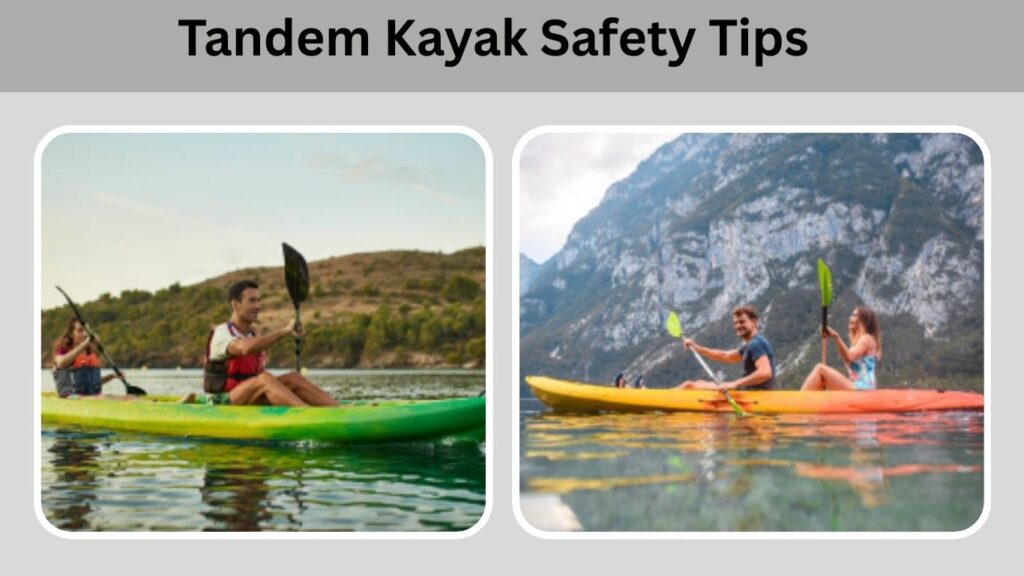
Safety is a critical aspect of tandem kayaking, as having two paddlers increases the complexity of maneuvering and balancing. One of the most important steps is wearing life jackets or personal flotation devices (PFDs) at all times. Each paddler should have a properly fitted PFD, and it should be worn correctly to ensure maximum safety in case of capsizing or unexpected incidents on the water.
Before heading out, always check weather and water conditions. Calm lakes and rivers are ideal for beginners, while stronger currents or windy conditions can make tandem kayaking more challenging. Avoid kayaking in storms or rough water, and be aware of potential hazards such as rocks, strong currents, or sudden drops in water depth. Planning your route and understanding the environment is crucial for a safe outing.
Balancing weight and gear properly is another key safety factor. Tandem kayaks have a maximum weight limit that includes both paddlers and any gear. Distributing weight evenly between the front and back seats helps maintain stability. Heavy items should be stored low and centered, while essentials like water, snacks, or safety equipment should be easily accessible.
Paddlers should also prepare for emergencies. Capsizing and self-rescue techniques are essential skills, especially when paddling in rivers or open water. Practicing re-entry methods, having a paddle float, or using a towline can make a big difference in an emergency. Communication between paddlers is vital; agreeing on hand signals or verbal commands ensures quick, coordinated responses if something goes wrong.
By following these safety tips, tandem kayakers can minimize risks and enjoy a worry-free experience on the water. Prioritizing preparation, proper gear, and teamwork ensures every paddling trip is both fun and safe.
Tandem Kayaks for Specific Activities
Tandem kayaks are versatile and can be adapted for a variety of activities, making them a popular choice for paddlers with different interests. One of the most common uses is recreational paddling and sightseeing. Lakes, calm rivers, and coastal areas provide a peaceful setting for tandem kayaks, allowing paddlers to enjoy nature, spot wildlife, and take photos together. The stability and space of tandem kayaks make them ideal for relaxed outings with friends or family.
For fishing enthusiasts, tandem kayaks offer unique advantages. They provide ample space for gear, tackle boxes, and coolers while allowing two anglers to fish simultaneously. Many fishing tandem kayaks come equipped with rod holders, storage compartments, and mounting points for electronic fish finders, making them practical and enjoyable for a shared fishing experience. The stability of tandem kayaks also allows anglers to stand or adjust positions without tipping, which is helpful when casting or reeling in fish.
Touring and long-distance trips are another area where tandem kayaks excel. Sit-in tandem kayaks with storage hatches are well-suited for multi-day adventures, as they can carry supplies, camping gear, and emergency equipment. Paddling together on long journeys can reduce fatigue, as partners can take turns setting the pace and resting. The efficiency of a tandem kayak allows paddlers to cover more distance with less effort compared to solo kayaks, making extended trips more enjoyable.
Even in more challenging conditions, such as whitewater kayaking, tandem kayaks can be used with the right skill level. Experienced paddlers may navigate rivers with mild rapids, working together to maneuver around obstacles and maintain control. However, tandem whitewater kayaking requires excellent coordination, communication, and practice to ensure safety.
In summary, tandem kayaks are adaptable for many activities, including leisure paddling, fishing, touring, and even light whitewater adventures. Their shared design promotes teamwork, convenience, and stability, making them a versatile choice for paddlers seeking both fun and practicality on the water.
Comparison Between Solo and Tandem Kayaks
Choosing between a solo and a tandem kayak depends on the paddler’s goals, experience, and the type of water activity. Solo kayaks are designed for one person, offering agility, maneuverability, and easier transport. They are lighter, making them easier to carry and store, and they allow full control of speed and direction without relying on another paddler. Solo kayaks are ideal for individuals seeking independence, quick trips, or activities like solo fishing, whitewater paddling, or touring where agility is crucial.
In contrast, tandem kayaks are built for two paddlers, prioritizing shared experiences, stability, and extra storage space. They allow partners to work together, which can be advantageous for beginners or paddlers who enjoy companionship on the water. Tandem kayaks are also better suited for carrying additional gear, making them ideal for fishing trips, recreational paddling, and multi-day tours. Their wider and longer hulls provide more stability, though they sacrifice some maneuverability compared to solo kayaks.
When it comes to coordination, solo kayaking requires only the individual’s skill, while tandem kayaking depends on teamwork. Paddlers must communicate and synchronize strokes to move efficiently and navigate obstacles. Tandem kayaks may also require more effort to transport, as their larger size and weight can be cumbersome for one person, unlike solo kayaks, which are easier to handle alone.
Practicality and usage are key factors. Tandem kayaks excel in social or family settings where sharing the experience is the main goal. Solo kayaks, on the other hand, are preferable for those who want flexibility, speed, and maneuverability. Some paddlers may even choose to own both, using solo kayaks for personal outings and tandem kayaks for recreational trips with friends or family.
In conclusion, both types of kayaks have their strengths. Solo kayaks offer independence, agility, and convenience, while tandem kayaks provide companionship, stability, and space for gear. Choosing the right one depends on the paddler’s priorities, water conditions, and the experience they seek on the water.
Tandem Kayak Models in 2025

Choosing the right tandem kayak can make a huge difference in your paddling experience, whether you’re seeking recreational fun, fishing adventures, or long-distance touring. One of the top options for 2025 is the Jackson Kayak TakeTwo Tandem Sit-On-Top Kayak. Measuring 13 feet 6 inches, it offers a weight capacity of up to 500 pounds and features adjustable seats, ample storage, and a stable design. This kayak performs well on both calm and slightly choppy waters, making it a versatile choice for beginners and experienced paddlers alike.
Another popular model is the Perception Rambler 13.5 Tandem Sit-On-Top Kayak, also 13 feet 6 inches long with a similar weight capacity of 500 pounds. It provides a spacious layout with padded, adjustable seats, allowing two paddlers to remain comfortable on long trips. Its stability and versatility make it ideal for various water conditions, from lakes and rivers to mild coastal waters.
For those seeking a slightly more compact option, the Ocean Kayak Malibu Two XL measures 12 feet 1 inch and weighs around 57 pounds, yet it can support up to 500 pounds. Its smaller size makes it easier to transport and maneuver in tighter spaces, while still providing comfort for two paddlers. Some models even include an optional third child seat, making it suitable for families.
The Driftsun Teton 120 Hard Shell Recreational Tandem Kayak is another excellent choice. At 12 feet long with a capacity of 500 pounds, it is constructed from UV-resistant rotomolded polyethylene for durability. It comes with four fishing rod holders and multiple storage compartments, making it perfect for fishing trips and recreational paddling alike.
For paddlers who prioritize portability, the Sea Eagle 370 Pro Inflatable Tandem Kayak is a standout. Measuring 12 feet 6 inches and supporting up to 650 pounds, it includes paddles and a pump and is easy to transport and store. Similarly, the Aqua Marina Steam 412 Tandem Inflatable Kayak offers a 13-foot 5-inch length, a 551-pound capacity, and good stability for mild rapids. These inflatable models are ideal for travelers or anyone with limited storage space.
Lastly, the Brooklyn Kayak Company BKC 13 Pro Tandem Fishing Kayak caters specifically to anglers. At 12 feet 9 inches long with a 500-pound capacity, it features multiple rod holders, ample storage, and a stable design, allowing two people to fish comfortably at the same time.
When choosing a tandem kayak, it’s important to consider your intended water type, storage needs, portability, and primary purpose. Recreational paddlers may prioritize comfort and stability, while anglers need space for gear and fishing accessories. Inflatable kayaks appeal to those who need lightweight, portable options, and touring kayaks are designed for longer distances and efficiency. Each of these top models offers unique features to suit different paddling styles, ensuring that you can find the right tandem kayak for your adventures in 2025.
Final Thoughts
A tandem kayak is more than just a bigger boat; it’s a vessel that brings people together on the water. Whether you are paddling with a partner, a friend, or even a child, it allows you to share the journey, making the adventure more enjoyable and memorable. Tandem kayaks excel at creating shared experiences while offering stability, comfort, and plenty of storage space. They are perfect for families, couples, and beginners who may feel more confident learning with a partner by their side.
However, it’s important to remember that tandem kayaking requires teamwork. Paddlers need to coordinate strokes, communicate clearly, and work together to navigate smoothly. While this may be challenging at first, it often strengthens bonds and makes the trip more rewarding. For those who prefer independence and solo control, a single kayak may still be the better choice. But for those who value companionship and the ability to carry more gear, a tandem kayak can be the perfect fit.
With options ranging from durable hard-shell models to portable inflatables, and from recreational to fishing-specific designs, there’s a tandem kayak for every type of paddler. By considering factors like size, weight, purpose, and water conditions, you can choose a model that fits your lifestyle and adventures. In the end, a tandem kayak is not just about getting from point A to B; it’s about sharing the joy of paddling, exploring nature together, and creating lasting memories on the water.