When buying or using a kayak, one of the most important details to think about is its weight. A kayak’s weight affects how easy it is to carry, transport, and even paddle on the water. Some kayaks are light enough to lift with one hand, while others are so heavy they need special carts or trailers. In this guide, we’ll explore the weight of different types of kayaks, the factors that influence their weight, and why it truly matters.
Average Weight of Different Types of Kayaks
Kayaks don’t all weigh the same. Some are light and portable, while others are heavy and built for durability or stability. The average weight of a kayak depends on its design, size, materials, and purpose. Understanding these differences is important because the weight affects not only how you transport and store your kayak, but also its performance on the water. Below is a detailed breakdown of the most common kayak types and their average weight ranges.
Recreational Kayaks
Recreational kayaks are the most popular choice for beginners and casual paddlers. These kayaks are usually between 9 and 12 feet long, designed for calm waters like lakes, ponds, and gentle rivers.
Weight Range: Most recreational kayaks weigh between 35 and 60 pounds. Lighter models are easier to carry by yourself, while larger versions may require two people or a cart.
Why They’re Lighter: Their design is simple, often with fewer features and smaller storage compartments. They are also made from polyethylene plastic, which is durable but not as heavy as the reinforced materials used in fishing kayaks.
Advantages of Lighter Weight: One person can often load a recreational kayak onto a car roof rack without much trouble. It’s also easier to carry it from the parking lot to the water’s edge.
Example: A 10-foot sit-inside recreational kayak usually weighs around 40–45 pounds, making it a good balance of portability and durability.
Fishing Kayaks
Fishing kayaks are designed with stability and gear storage in mind. They often feature rod holders, tackle storage, gear rails, and sometimes pedal-drive systems, all of which add to their overall weight.
Weight Range: On average, fishing kayaks weigh 60–120 pounds, with some advanced models exceeding 130 pounds.
Why They’re Heavier: Their hulls are wider for stability, making them less tippy when you stand or move around. Extra features like built-in seats, live wells, and pedals contribute significantly to the weight.
Impact of Weight: While they can be tough to carry alone, the added weight improves balance and stability on the water, which is crucial for fishing.
Example: A 12-foot sit-on-top fishing kayak with a pedal system might weigh 100–120 pounds, requiring a cart or a partner to move.
Touring / Sea Kayaks
Touring and sea kayaks are built for long-distance paddling and efficiency in open water. They are longer and narrower than recreational kayaks, often 12 to 18 feet in length.
Weight Range: Most touring kayaks weigh between 50 and 90 pounds, depending on the material.
Material Influence: Plastic touring kayaks are heavier but cheaper, while fiberglass and carbon fiber versions are lighter and glide more smoothly in the water.
Why They’re Medium-Heavy: Their longer design uses more material, and they often include storage hatches for camping gear. Despite their length, they’re not as heavy as fishing kayaks since they don’t have extra accessories.
Performance vs Weight: A slightly heavier touring kayak may track straighter in waves, but a lighter one is easier to carry and quicker to accelerate.
Example: A 16-foot fiberglass sea kayak might weigh just 55 pounds, while a similar polyethylene model could weigh closer to 75–80 pounds.
Inflatable Kayaks
Inflatable kayaks are the lightest category. Made from PVC, nylon, or rubber materials, they are designed to be portable and convenient. You simply inflate them before use and deflate them afterward for easy storage.
Weight Range: Inflatable kayaks usually weigh 20–40 pounds, depending on size and quality.
Why They’re Light: They don’t use heavy plastic hulls. Instead, their structure comes from air chambers reinforced by fabric.
Portability: They can be carried in a backpack or duffel bag, making them perfect for people without storage space or who travel frequently.
Performance Considerations: While inflatables are lighter and easier to transport, they may not perform as well in speed or tracking compared to hard-shell kayaks.
Example: A 2-person inflatable kayak with paddles and a pump might weigh 35 pounds total, but the kayak alone is closer to 28 pounds.
Tandem Kayaks
Tandem kayaks are built for two paddlers, making them much larger and heavier than single kayaks. Their size can be anywhere from 12 to 16 feet long, with extra width for stability.
Weight Range: Tandem kayaks typically weigh 60–100+ pounds. Some pedal-drive tandem fishing kayaks may exceed 130 pounds.
Why They’re Heavy: The added length, wider hull, and reinforced structure for two seats all contribute to the extra weight.
Transport Challenges: Carrying a tandem kayak alone is very difficult. Most owners use kayak carts or transport them on trailers.
Who They’re For: Tandems are ideal for couples, families, or friends who want to paddle together, but the weight makes them less convenient for solo use.
Example: A 14-foot tandem recreational kayak often weighs around 75–85 pounds, while a fishing tandem with pedals could weigh well over 120 pounds.
Whitewater Kayaks
Whitewater kayaks are designed for rapids and fast-moving rivers. They are short, compact, and built for maneuverability rather than speed or storage.
Weight Range: Most whitewater kayaks weigh between 35 and 50 pounds.
Why They’re Light: Their shorter size (usually 6–10 feet) means less material is needed. The compact shape also makes them easier to carry to remote river access points.
Performance Benefit: Lighter weight allows quick spins and movements in strong currents.
Example: A freestyle whitewater kayak might weigh only 38 pounds, making it easy to carry on rough terrain.
Pedal-Drive Kayaks
Pedal-drive kayaks are some of the heaviest models on the market. They include pedal systems, propellers, or fin drives that add bulk.
Weight Range: Typically 80–150 pounds, depending on size and system type.
Why They’re Heavy: The mechanical system, reinforced hulls, and extra storage all add significant pounds.
Transport Considerations: Most owners need trailers, carts, or pickup trucks to move pedal-drive kayaks. Solo lifting is often not possible.
Why People Accept the Weight: The ability to pedal instead of paddle means hands-free fishing and greater efficiency over long distances.
Example: A 12-foot pedal-drive fishing kayak can weigh around 100–120 pounds without gear, making it one of the heaviest kayak types.
Key Factors That Affect Kayak Weight

A kayak’s weight is not random. Several important factors determine whether a kayak is light enough to carry on your shoulder or so heavy that it needs a trailer. By understanding these factors, you’ll have a better idea of why kayaks differ so much in weight and which features or materials add extra pounds. Let’s break it down.
Material Used
The material a kayak is made from plays the biggest role in its weight. Different materials offer different balances of durability, price, and portability.
Polyethylene (Plastic)
The most common material for kayaks. It’s durable and affordable, but also the heaviest. Most recreational and fishing kayaks are made from polyethylene. These kayaks can weigh 10–20 pounds more than those made from lighter materials.
Fiberglass
Fiberglass kayaks are lighter than plastic but more expensive. They glide more smoothly on the water and are easier to carry, with many weighing 10–15 pounds less than their polyethylene counterparts.
Carbon Fiber/Kevlar
The lightest and strongest materials available, often used in high-end touring and racing kayaks. These kayaks can weigh 20–30 pounds less than similar plastic ones, but the cost is much higher.
PVC/Nylon (Inflatables)
Inflatable kayaks use layered fabric and PVC coatings, making them very lightweight. They typically weigh 20–40 pounds in total and can be packed into a bag for easy transport.
Wooden Kayaks
Less common but still available, wooden kayaks can vary widely in weight depending on the type of wood and thickness used. Handcrafted models are often heavier than fiberglass but lighter than plastic.
Kayak Size and Length
The size of the kayak has a direct effect on its weight.
Longer Kayaks: More length means more material, which adds weight. A 16-foot touring kayak will almost always weigh more than a 10-foot recreational kayak.
Wider Kayaks: Extra width adds stability but also requires more plastic or fiberglass. Fishing kayaks, which are often wider, tend to weigh more because of this.
Thickness and Hull Design: Thicker hulls with multiple layers are heavier but provide more durability and strength.
Design and Features
The design of the kayak and the features it includes can also affect its weight.
Sit-on-Top vs Sit-Inside
Sit-on-top kayaks are often heavier because their hulls need extra plastic for support. Sit-inside kayaks, with enclosed cockpits, can be lighter.
Storage Compartments
Extra hatches, bulkheads, and gear storage areas add weight. Touring kayaks, for example, often weigh more than recreational ones because they include dry storage for camping trips.
Pedal Systems and Rudders
Pedal-drive kayaks and those with rudders or skegs are significantly heavier. The mechanical parts add 10–30 pounds, depending on the system.
Fishing Accessories
Rod holders, gear tracks, and mounting brackets all contribute to the overall weight of a fishing kayak.
Seating Capacity
The number of people a kayak is designed to hold also plays a role in weight.
Single Kayaks: Usually weigh between 35–70 pounds, depending on type and material.
Tandem Kayaks: Can weigh 60–100+ pounds, since they require more length, width, and reinforcement.
Triple-Seater or Family Kayaks: Rare, but these are among the heaviest recreational kayaks available, often exceeding 100 pounds.
Construction Style
How a kayak is built makes a big difference.
Rotomolded Plastic: Most plastic kayaks are rotomolded (melted and shaped in a mold). This creates a solid, durable kayak but also adds weight.
Thermoformed Plastic: A lighter construction method that produces kayaks weighing less than rotomolded ones.
Modular Kayaks: These kayaks break into sections for transport. While convenient, the connectors add a little extra weight compared to a one-piece kayak.
Folding Kayaks: Made with lightweight frames and fabric skins, they weigh far less than traditional kayaks, often under 35 pounds.
Transport and Portability
One of the first challenges most paddlers face is getting the kayak from home to the water.
Carrying to the Water: A lightweight kayak can be carried by one person using a shoulder method, while heavier kayaks often require two people or a cart. Imagine trying to drag a 120-pound fishing kayak down a sandy beach alone; it’s exhausting.
Loading and Unloading: If you plan to transport your kayak on a car roof rack, weight becomes very important. A 40-pound recreational kayak can be lifted onto a small car fairly easily, but a 100-pound tandem kayak may require special loading bars, ramps, or even a trailer.
Storage at Home: Storing a kayak in a garage or shed is easier when it’s light. Heavier kayaks often need hoists, racks, or designated stands to avoid injury while moving them around.
In short, the heavier the kayak, the more planning and equipment you’ll need for transport and storage.
Performance on the Water
Weight also changes the way a kayak behaves once you’re paddling.
Heavier Kayaks:
They tend to be more stable in the water, resisting tipping and handling waves better. This is why many fishing kayaks are heavier; they give anglers a steady platform. However, heavier kayaks usually move more slowly and require more effort to paddle.
Lighter Kayaks:
These accelerate quickly and are easier to maneuver, making them great for recreational paddling or whitewater. But they can feel less stable, especially in choppy conditions or if loaded with too much gear.
Balance Between Speed and Stability:
Touring kayaks often strike a middle ground: light enough for efficient paddling over long distances, but heavy enough to remain steady in waves.
Choosing the right balance of weight for your paddling style ensures you get both performance and comfort on the water.
Safety Considerations
Weight also plays a role in safety, both on land and in the water.
On Land: Trying to carry or lift a kayak that’s too heavy for you can cause back or shoulder injuries. Many new paddlers underestimate how awkward it is to move a kayak, especially in windy conditions.
On the Water: A kayak that is too heavy (or overloaded with gear) sits lower in the water. This reduces buoyancy and increases the risk of capsizing. On the other hand, an extremely lightweight kayak may not handle rough water as safely, as it can be tossed around by wind and waves.
Rescue and Recovery: If a kayak capsizes, a lighter kayak is easier to flip back over or drag to shore than a heavier one.
In other words, kayak weight is directly connected to paddling safety.
Matching Kayak Weight with Paddler’s Strength
Every paddler is different. A strong adult may handle a 70-pound kayak easily, while a smaller paddler or a child may struggle with anything over 40 pounds.
Solo Paddlers: If you plan to paddle alone, you’ll need to think carefully about whether you can manage lifting, carrying, and loading the kayak without help.
Families and Couples: Tandem kayaks are heavier, but since two people are available to carry them, the weight may not be as much of an issue.
Seniors or Those with Limited Mobility: Lightweight inflatables or folding kayaks are often the best choice, as they avoid the strain of lifting heavy boats.
Your strength, health, and comfort should be a top consideration when choosing kayak weight.
Tips for Handling and Transporting Heavy Kayaks
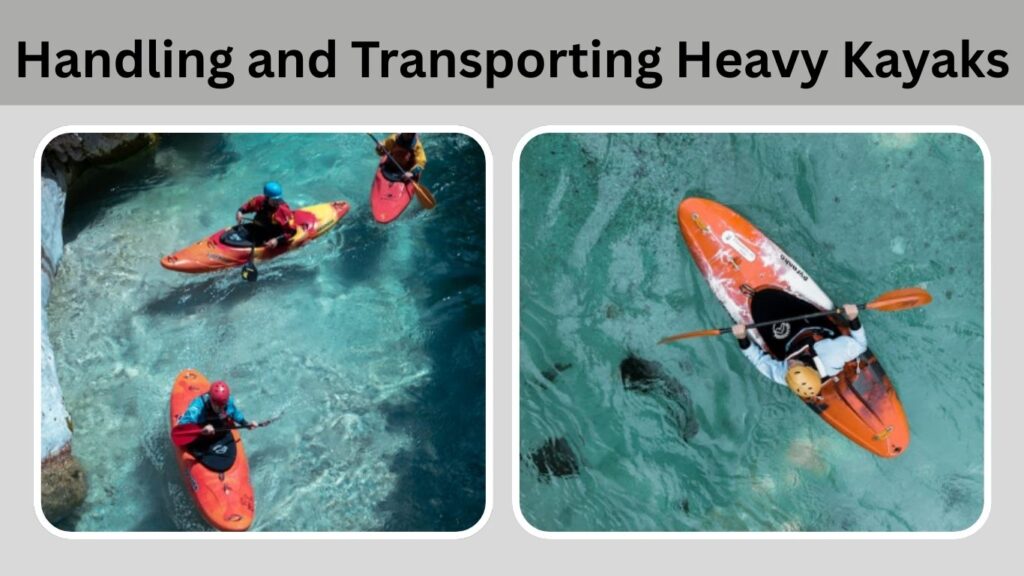
Handling a heavy kayak can be challenging, but with the right techniques and tools, the process becomes much easier and safer. Many paddlers underestimate how much weight they can realistically manage, which often leads to frustration or even injury. Whether you’re lifting, carrying, transporting, or storing your kayak, knowing how to do it correctly can save time, protect your back, and keep your boat in good shape.
Carrying Techniques
Carrying a kayak properly is important for both safety and comfort. For lighter kayaks, many people use the shoulder carry method, where the cockpit edge rests on one shoulder. This works best for boats under 50 pounds and helps distribute weight evenly. For heavier kayaks, it’s smarter to use a two-person carry, with one person holding the bow and the other the stern. This reduces the strain on any one person and makes the kayak more stable while being moved. In some cases, you may drag a kayak short distances across grass or sand, but dragging on concrete or rocks can damage the hull. Taking your time and using correct posture is the best way to avoid injury.
Using Transport Aids
If you own a heavy kayak, transport aids can make a huge difference. Kayak carts are one of the most useful tools, allowing you to roll the kayak like luggage instead of lifting it. Roof racks with loading systems are also essential if you transport your kayak in a car, as they let you slide the kayak onto the roof rather than lifting the full weight. Pickup truck owners can use bed extenders for extra support when hauling longer kayaks, and those with very large kayaks or multiple boats may find a trailer the easiest option. These tools not only save your energy but also protect the kayak from unnecessary bumps and scrapes.
Storage Solutions
Storing a heavy kayak the right way also makes handling easier. Wall-mounted racks allow you to keep the kayak off the ground and at a more manageable height for lifting. Ceiling hoists with pulley systems are excellent for garages, making it possible to lift a kayak without carrying it overhead by yourself. Simple stands or cradles also help keep the kayak steady and prevent damage to the hull. For paddlers who constantly struggle with weight, switching to an inflatable or folding kayak may be worth considering, since they are easier to move and store without compromising too much on performance.
Plan Before You Paddle
Planning is just as important as having the right equipment. Always check the access points of your chosen waterway; some launches are close to parking areas, while others require a long walk. If you know you’ll be carrying your kayak far, a cart becomes essential. Whenever possible, don’t hesitate to ask another paddler or friend for help, especially with pedal-drive or tandem kayaks that are significantly heavier. Removing seats, drives, and extra gear before moving the kayak also reduces the load, making transportation more manageable. With a bit of preparation, you can focus more on enjoying your trip and less on the struggle of moving your kayak.
Choosing the Right Kayak Weight for Your Needs

When buying a kayak, one of the biggest decisions you’ll face is whether the weight matches your personal needs. The “perfect weight” depends on your body strength, where you plan to paddle, and how you’ll transport and store your kayak. A boat that’s too heavy for you to handle can quickly turn into a hassle, no matter how good it is on the water. On the other hand, a kayak that’s too light might not have the stability or features you need for longer trips or specific activities.
Matching Weight to Paddler Strength
The weight of a kayak should match your physical ability. A strong adult may be able to carry a 60–70-pound kayak solo without much trouble, but someone smaller or with limited mobility might struggle with anything over 45 pounds. For kids or teens, lighter recreational or inflatable kayaks are usually the best choice since they are easy to carry and launch. Remember, the kayak won’t just be handled once; you’ll need to move it every time you paddle, so it’s important to pick a weight that feels realistic for long-term use.
Considering Transport and Storage
How you plan to move and store your kayak also plays a huge role in choosing the right weight. If you drive a small car and rely on roof racks, lifting a 90-pound fishing kayak might not be practical. In that case, an inflatable kayak or a lighter touring model may be a better fit. For paddlers who have garages with ceiling hoists, pickup trucks, or trailers, heavier kayaks become more manageable. Before buying, think about the path between your home storage and the water; if it involves lots of stairs, hills, or long walks, weight becomes even more critical.
Kayak Weight vs. Intended Use
Different activities call for different kayak weights. Recreational kayaks are typically lightweight, making them ideal for short trips on calm lakes or rivers. Touring and sea kayaks, while heavier, are built to track straight in open water and carry extra gear for long journeys. Fishing kayaks are usually the heaviest, as they come with added features like rod holders, wide hulls, and pedal systems. If you prioritize easy handling, go lighter. But if stability, storage, or fishing setups are more important, then a heavier model may be worth the trade-off.
Balancing Comfort and Practicality
In the end, finding the right kayak weight is about balance. A super-light kayak may be easy to carry, but it may not offer enough comfort for long paddles. A heavy kayak may feel stable and feature-packed, but it can be a struggle to move around. It’s best to test-lift a kayak before buying if possible, to see whether you can handle it comfortably on your own. If not, think about whether you’ll always have someone to help you or if you’re willing to invest in carts and racks to make transportation easier. Choosing wisely will ensure your kayak is not only fun on the water but also convenient off it.
Why Kayak Weight Matters for Your Paddling Experience

The weight of a kayak may seem like just a number on the product description, but it plays a big role in how enjoyable and practical your paddling experience will be. A kayak that’s too heavy for you to handle can create stress before you even get to the water. Struggling to lift it onto a roof rack, carry it to the shore, or drag it across the ground can quickly take the fun out of kayaking. On the other hand, a kayak that’s light enough for you to manage gives you the freedom to get on the water whenever you want, without needing extra help.
Weight also affects performance on the water. Heavier kayaks tend to feel more stable and steady, making them excellent for fishing or long-distance touring where balance and gear storage are important. They don’t get tossed around as easily by waves or wind, which means you can focus more on paddling or fishing instead of constantly correcting your position. However, that extra weight usually comes at the cost of speed and maneuverability. A heavier kayak will take more effort to paddle, and turning it can feel slower compared to a lighter model.
On the flip side, lighter kayaks are easier to accelerate and steer, which makes them great for recreational paddling, exploring calm lakes, or even playing in rivers. They are more responsive, so you feel every paddle stroke translate into movement. The trade-off is that they can feel less stable, especially for beginners or in choppy water. If you’re carrying extra gear or fishing equipment, lighter kayaks also have limited capacity compared to their heavier counterparts.
Ultimately, kayak weight matters because it shapes both the on-land convenience and the on-water experience. Choosing a kayak that fits your strength, storage, and paddling style ensures you won’t be frustrated when transporting it or disappointed once you’re out on the water. For some people, a lightweight kayak offers the perfect balance of fun and flexibility, while others benefit from the stability and strength of a heavier boat. Understanding these differences helps you make the best choice for your adventures.
Final Thoughts
Kayak weight affects how easy it is to carry, transport, and use your boat. Lightweight kayaks under 30 pounds are easy to handle and perfect for quick trips, while heavier kayaks over 100 pounds offer durability, stability, and more gear space. Your ideal choice depends on your strength, transport options, and paddling goals. Accessories like carts or roof racks help, but the kayak’s base weight impacts every outing. Balancing convenience and performance ensures a safer, more enjoyable kayaking experience.