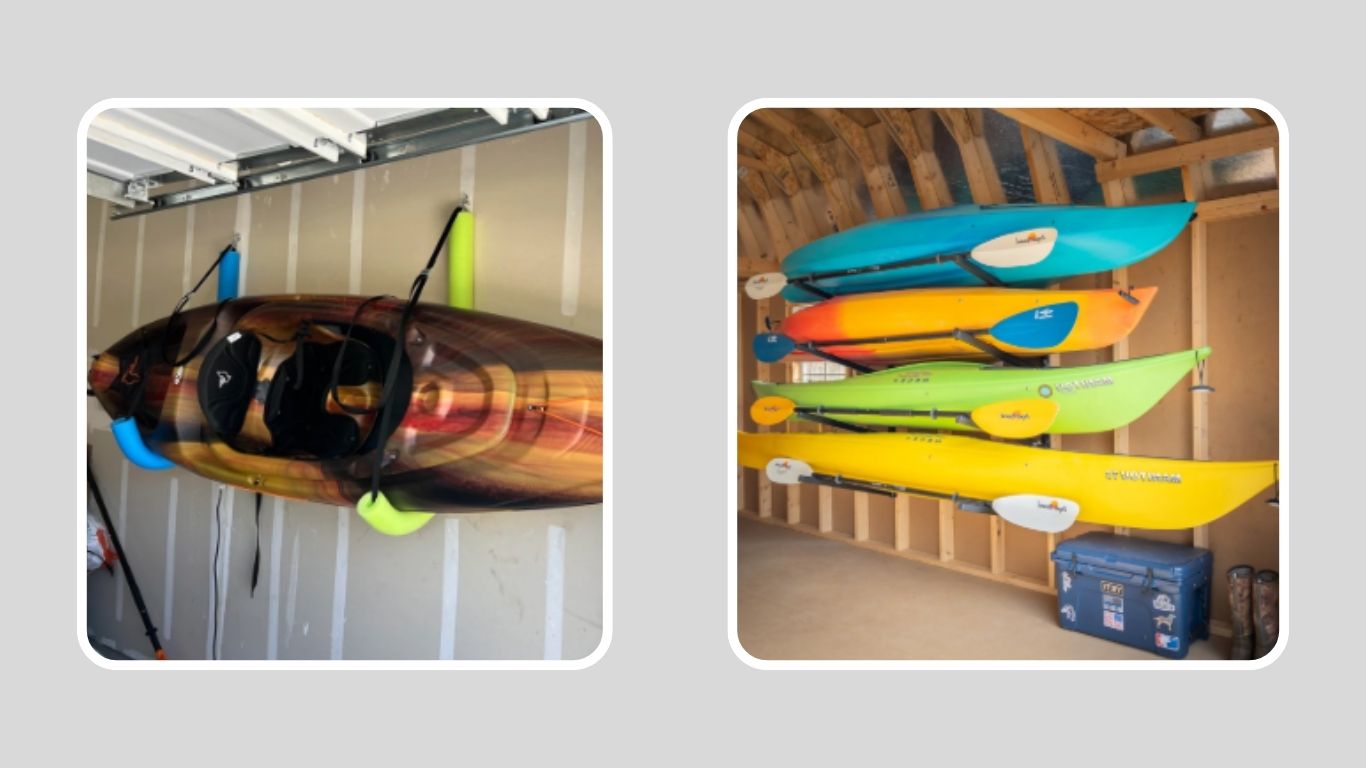
Kayaking is an exciting way to enjoy the water, but storing your kayak safely can be a challenge, especially in a crowded garage. Without proper storage, kayaks can get scratched, warped, or take up valuable space. Garage kayak racks provide a practical solution, keeping your kayak secure, organized, and protected from damage. Whether you have a single kayak or a collection, the right rack helps maximize space, maintain your kayak’s condition, and makes it easy to grab and go for your next adventure.
Why Garage Kayak Storage Matters
Proper storage is one of the most important aspects of kayak ownership, yet it is often overlooked. Kayaks are delicate pieces of equipment made from materials like polyethylene, fiberglass, or composite plastics. Leaving them on the garage floor, leaning against walls, or stacking them carelessly can lead to scratches, dents, or even warping over time. Exposure to fluctuating temperatures, moisture, or accidental bumps from other tools or vehicles can further reduce their lifespan.
A well-designed garage kayak rack not only protects your kayak from physical damage but also helps maintain its shape and performance. When kayaks are stored correctly, you reduce the risk of costly repairs or replacements, ensuring that your water adventures remain smooth and enjoyable. Beyond protection, proper storage keeps your garage organized. A kayak can take up significant space, and without a designated spot, it can become an obstacle, making it harder to move around or store other items.
Additionally, an organized storage system makes your kayaking routine more convenient. With your kayak safely mounted on a rack, it’s easy to access and quickly take it out for a trip. You can also store paddles, life jackets, and other gear nearby, creating a dedicated kayak corner in your garage. Overall, investing in proper garage storage is not just about convenience; it’s about protecting your investment, maximizing space, and keeping your gear ready for every adventure.
Types of Garage Kayak Racks
Choosing the right type of garage kayak rack is crucial for both protecting your kayak and keeping your garage organized. With so many options available, it’s important to understand how each type works, its benefits, and any potential drawbacks. The right choice will depend on your garage space, the number of kayaks you own, and how often you use them. Here’s a comprehensive look at the main types of garage kayak racks:
1. Wall-Mounted Racks
Wall-mounted racks are one of the most popular storage solutions for kayaks. These racks attach directly to a solid wall and hold the kayak securely off the ground. They are perfect for garages with limited floor space because they free up the area below for other storage or work. Wall-mounted racks typically feature padded arms or cradles that prevent scratches and dents, keeping your kayak in excellent condition.
Wall-mounted racks can be designed to hold a single kayak or multiple kayaks stacked vertically. Some advanced models even allow adjustable spacing between kayaks, making it easier to store different sizes or types of kayaks. Proper installation is key, as the weight of the kayak must be supported by a strong wall, such as a stud or reinforced area, rather than just drywall.
Pros:
- Saves floor space and keeps the kayak easily accessible.
- It can hold one or multiple kayaks safely.
- Padded cradles protect your kayak from damage.
Cons:
- Requires a solid wall for mounting.
- Installation can be complex and may need tools or professional help.
2. Ceiling-Mounted Racks
Ceiling-mounted racks are ideal for garages with high ceilings or when you want to keep the floor completely clear. These racks often use pulleys, straps, or hoists to lift the kayak overhead, creating extra space underneath for cars, bicycles, or other equipment. Ceiling-mounted systems are especially useful for longer kayaks, which can be difficult to store on walls due to length limitations.
Many ceiling-mounted racks are adjustable and can accommodate kayaks of different sizes and weights. Some models even include automatic locking systems or rope-assisted pulleys, making it easier to raise and lower the kayak safely. While they require some effort to install, the space-saving benefits often outweigh the challenges.
Pros:
- Frees up floor space completely.
- Can store kayaks above vehicles or other garage items.
- Adjustable to fit various kayak sizes.
Cons:
- Lifting heavy kayaks can be challenging without a pulley system.
- Requires a strong ceiling and careful installation.
3. Freestanding Racks
Freestanding racks are independent structures that don’t need to be mounted to a wall or ceiling. They are often made of metal, PVC, or wood, and are designed to hold multiple kayaks vertically or horizontally. Freestanding racks are perfect if you want a flexible storage option that can be moved or adjusted as needed.
These racks typically feature multiple slots or padded supports for each kayak, keeping them separated to avoid scratches or dents. Some freestanding racks can even hold other gear such as paddles, life jackets, or small boats. While they occupy floor space, they provide a stable and convenient way to store kayaks without relying on walls or ceilings.
Pros:
- No wall or ceiling installation required.
- Can be moved or repositioned as needed.
- Holds multiple kayaks efficiently.
Cons:
- Occupies floor space, which may limit garage functionality.
- Some models may not be as sturdy as wall- or ceiling-mounted options for heavier kayaks.
4. Custom or DIY Racks
For those who enjoy hands-on projects or have unique garage layouts, custom or DIY racks offer the ultimate flexibility. These racks can be built to fit your specific garage space, kayak size, and storage needs. Materials such as wood, metal, or PVC can be used, and additional features like gear hooks, padding, or adjustable arms can be added for extra convenience.
DIY racks are often more affordable than commercial options and allow complete control over design and functionality. However, safety is critical; improper construction can lead to instability, which may damage your kayak or pose a risk in your garage. Following detailed plans, using quality materials, and ensuring proper weight support are essential for a successful DIY rack.
Pros:
- Fully customizable to fit your specific garage and kayak collection.
- It can include extra features for organization and protection.
- Often more affordable than commercial racks.
Cons:
- Requires time, tools, and some DIY skills.
- Safety depends on proper design and construction.
5. Hybrid Storage Options
Some kayakers use a combination of storage types to maximize garage efficiency. For example, a wall-mounted rack might hold frequently used kayaks, while a ceiling-mounted hoist stores seasonal or larger kayaks. Hybrid systems offer flexibility, allowing you to adapt storage based on kayak size, usage frequency, and garage space.
Choosing the Right Type for Your Garage
Selecting the right rack depends on your garage layout and your storage priorities. If you have limited floor space, wall- or ceiling-mounted racks are ideal. If flexibility and portability are important, freestanding racks may be the best option. For those who enjoy customizing solutions or have unique needs, DIY or hybrid systems provide complete control. Whatever type you choose, the key is to ensure stability, accessibility, and protection for your kayaks, keeping them safe and ready for every adventure.
Factors to Consider Before Buying a Garage Kayak Rack

Choosing the right garage kayak rack is essential to ensure your kayak stays safe, your garage stays organized, and your storage system lasts for years. With so many options available, it’s important to carefully evaluate your needs and the features of each rack before making a purchase. Here are the key factors to consider:
1. Weight Capacity
Kayaks vary in weight depending on their material and size. Polyethylene kayaks are lighter, while fiberglass or composite models can be quite heavy. Before buying a rack, check the weight capacity to ensure it can safely hold your kayak(s). Overloading a rack can cause it to fail, potentially damaging your kayak and creating a safety hazard. Always choose a rack that exceeds your kayak’s weight for extra security.
2. Number of Kayaks
Think about how many kayaks you need to store now and in the future. Some racks are designed for a single kayak, while others can hold multiple kayaks stacked vertically or horizontally. If you plan to expand your collection, choose a rack that can accommodate additional kayaks without requiring a completely new system. Multi-kayak racks are ideal for families or kayaking clubs.
3. Material and Durability
Garage kayak racks are made from various materials such as steel, aluminum, wood, or high-quality plastic. Steel racks are strong and durable, but can be heavy and prone to rust if not coated. Aluminum racks are lighter and resistant to corrosion, making them ideal for humid environments. Wood and PVC racks are commonly used in DIY projects; they are affordable and customizable, but may require extra maintenance. Consider both durability and maintenance when choosing a material.
4. Ease of Installation
Some racks require professional installation, especially wall- or ceiling-mounted systems. Others, like freestanding or modular racks, can be assembled easily at home. Consider your DIY skills, the tools available, and the time you’re willing to spend on installation. Some racks also come with pulley systems or hoists, which can simplify lifting heavy kayaks but may add to installation complexity.
5. Accessibility and Convenience
Think about how often you use your kayak and how easy it should be to access it. Ceiling-mounted racks with pulleys make lifting easier, but wall-mounted or freestanding racks may allow quicker, more convenient access. If you kayak frequently, prioritize racks that make loading and unloading smooth and safe.
6. Garage Space and Layout
Measure your garage carefully before choosing a rack. Ceiling height, wall length, and floor space will determine which type of rack fits best. For narrow garages, wall-mounted racks may be ideal, while taller garages can benefit from ceiling-mounted hoists. Freestanding racks require sufficient floor space but offer flexibility if you rearrange your garage in the future.
7. Cost and Budget
Garage kayak racks come in a wide range of prices, from budget-friendly DIY solutions to premium commercial systems. While it’s tempting to choose the cheapest option, investing in a durable, high-quality rack can save money in the long run by protecting your kayak from damage. Compare features, durability, and ease of use to find the best value for your budget.
8. Additional Features
Some racks come with extra features such as padded supports, adjustable arms, or built-in storage for paddles and gear. These additions can enhance convenience and protect your kayak from scratches or dents. Consider whether these features are important for your storage needs and if they fit within your budget.
9. Safety Considerations
Safety is crucial when storing heavy equipment overhead or on walls. Ensure that the rack is installed properly, using the correct anchors, screws, or supports. Avoid overloading the rack, and always inspect it periodically to check for signs of wear, rust, or loosened hardware. A safe, sturdy rack protects both your kayak and anyone using the garage.
By carefully considering these factors, you can select a garage kayak rack that not only fits your space and budget but also protects your kayak for years to come. Investing time in choosing the right rack ensures that your kayaks remain safe, your garage stays organized, and your kayaking adventures remain hassle-free.
How to Install a Garage Kayak Rack
Installing a garage kayak rack may seem intimidating at first, but with proper planning and the right tools, it can be a straightforward process. The first step is to choose the right spot in your garage. Consider ceiling height, wall strength, and available floor space. You want a location that allows easy access to your kayak while keeping it out of the way of vehicles, tools, or other stored items. Measure the space carefully to ensure your rack will fit comfortably and leave room for safe movement around the garage.
Next, check the strength of your wall or ceiling if you are using a wall-mounted or ceiling-mounted system. For wall racks, locate studs using a stud finder, as drywall alone cannot support the weight of a kayak. For ceiling-mounted racks, ensure you are attaching to joists or beams that can handle the load. If necessary, reinforce the mounting area to provide additional safety.
After selecting the location and confirming structural support, assemble the rack according to the manufacturer’s instructions. Most commercial racks come with pre-drilled holes, brackets, and hardware for easy installation. For DIY racks, ensure all parts are securely connected, and use high-quality screws, bolts, or anchors to support the weight. Take your time during this step; proper assembly is key to safety and durability.
Once the rack is assembled, mount it to the wall or ceiling. Use a level to ensure the rack is straight and evenly spaced. For ceiling-mounted systems with pulleys or hoists, follow the instructions carefully to attach straps or ropes securely. Double-check that every screw and bracket is tightened to prevent any movement or wobbling.
With the rack securely mounted, load your kayak carefully. If the rack has padded supports, place the kayak gently to avoid scratches. For ceiling-mounted hoists, use the pulley system to lift the kayak slowly, making sure it is balanced and stable. For wall-mounted racks, slide the kayak into the cradles evenly, distributing the weight across the supports.
Finally, perform safety checks to ensure the installation is secure. Gently shake the kayak to see if it moves or tilts, inspect all mounting hardware, and confirm that there is no risk of the kayak falling. Adjust straps or supports as needed for maximum stability. With these steps completed, your kayak is now safely stored, freeing up garage space and keeping your equipment protected. Regularly inspect the rack and hardware to maintain safety over time.
Maintenance and Safety Tips for Garage Kayak Racks
A garage kayak rack is an investment that protects your kayaks and keeps your garage organized, but like any piece of equipment, it requires regular maintenance and safety checks to remain effective. Proper care ensures your rack continues to support your kayaks safely and prevents accidents or damage over time.
First, inspect your rack regularly. Check screws, bolts, anchors, and brackets for signs of wear, rust, or loosening. Even a small shift in hardware can compromise stability, especially in wall- or ceiling-mounted racks. Tighten any loose components immediately to maintain the rack’s structural integrity. For freestanding or DIY racks, look for cracks, bends, or weakened joints that might affect balance or support.
Next, avoid overloading your rack. Each rack has a specified weight capacity, and exceeding it can lead to dangerous failures. If you have multiple kayaks, distribute the weight evenly across the supports. Ceiling-mounted hoists and pulley systems are particularly sensitive to overload, so always check the maximum load rating before raising a kayak.
Keep your rack and kayaks clean and dry. Moisture can cause metal racks to rust and wooden or PVC racks to weaken over time. Store kayaks after they are completely dry to prevent mold or mildew buildup. Avoid storing kayaks near chemicals, solvents, or other corrosive materials that could damage either the kayak or the rack.
Use padding or foam supports to prevent scratches and dents. Many racks come with built-in padding, but adding extra foam or soft materials at contact points provides an extra layer of protection. This is especially important when storing multiple kayaks in proximity, as rubbing can cause damage over time.
Perform periodic load tests. Gently apply pressure or shift the kayak slightly to ensure that the rack remains stable and secure. This is especially important after heavy use or if the rack has been moved. Regular checks give you peace of mind that your kayaks are safely stored.
Finally, maintain accessibility and safety in your garage. Ensure that the kayak does not block walkways, exits, or other stored items. If you use a pulley or hoist system, verify that ropes, pulleys, and hooks are in good condition and free of frays or corrosion. Safety is as much about the surrounding environment as it is about the rack itself.
By following these maintenance and safety tips, you can ensure your garage kayak rack remains secure, your kayaks stay in top condition, and your garage remains a safe and organized space for years to come. Regular care not only protects your equipment but also enhances convenience, making your kayaking adventures easier and more enjoyable.
Advantages of Using Garage Kayak Racks
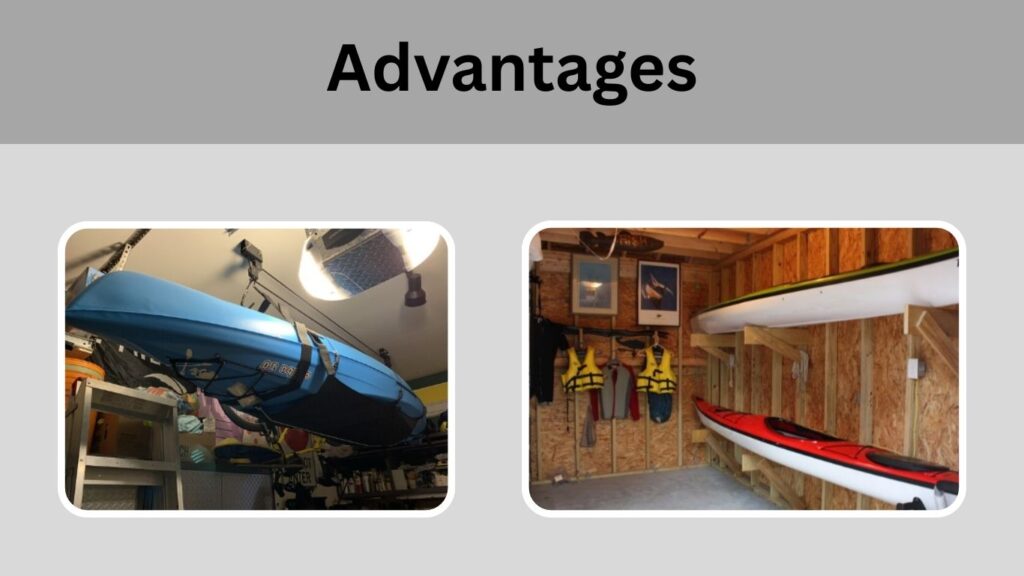
Using a garage kayak rack offers numerous benefits that go beyond simple storage. Whether you’re a casual paddler or an avid kayaker, investing in a quality rack helps protect your kayak, save space, and streamline your kayaking routine.
One of the most significant advantages is maximizing garage space. Kayaks are large and can take up valuable floor area, especially in smaller garages. By using a wall-mounted, ceiling-mounted, or freestanding rack, you free up space for vehicles, tools, bicycles, or other equipment. Efficient storage keeps your garage organized and prevents clutter from becoming a problem.
Another key benefit is protecting your kayak from damage. A rack keeps the kayak off the floor, reducing the risk of scratches, dents, or warping. Proper supports or padded cradles prevent pressure points and rubbing, which can deteriorate the kayak over time. For families or households with multiple kayaks, racks prevent boats from leaning against each other and causing accidental damage.
Garage kayak racks also make your kayaks more accessible. Instead of moving boxes, tools, or other items to reach your kayak, a rack keeps it within easy reach. Ceiling hoists and pulley systems allow even heavy kayaks to be lifted safely, while wall-mounted or freestanding racks make loading and unloading simple and efficient.
Another advantage is enhancing the longevity of your kayak. By storing kayaks correctly, you prevent exposure to harmful conditions such as moisture, dirt, or accidental impacts. Maintaining your kayak’s shape and structure means fewer repairs and longer-lasting performance, saving money over time.
Additionally, garage racks contribute to overall safety and convenience. A properly installed rack prevents kayaks from falling or being tripped over, protecting both people and property. It also creates a dedicated kayak corner in your garage, where paddles, life jackets, and other gear can be stored neatly alongside the boats.
Finally, using a garage kayak rack adds value to your lifestyle. With organized, protected storage, kayaking becomes a hassle-free activity. You spend less time preparing and more time on the water, making your recreational experience more enjoyable and stress-free.
In summary, garage kayak racks combine practicality, protection, and convenience. They keep your kayaks safe, maximize space, and enhance your overall kayaking experience, making them an essential addition to any paddler’s garage.
Best Garage Kayak Rack Options (Examples)
Selecting the right kayak rack is crucial for maximizing garage space, ensuring the safety of your kayaks, and maintaining an organized environment. Below are some of the top-rated kayak storage solutions available in 2025, catering to different preferences and requirements:
1. RAD Sportz 1006 Deluxe Freestanding Kayak Rack
- Type: Freestanding
- Capacity: Up to 2 kayaks (175 lbs total)
- Features: Powder-coated steel frame, cushioned sleeves, UV-resistant finish
- Ideal For: Those seeking a durable, freestanding solution without wall installation
The RAD Sportz 1006 offers a robust design with a high weight capacity, making it suitable for various kayak sizes. Its UV-resistant coating ensures longevity, even in outdoor settings.
2. Suspenz Deluxe Free-Standing Rack
- Type: Freestanding
- Capacity: Up to 2 kayaks (100 lbs each)
- Features: UV-resistant straps, load-assist pivot arms, powder-coated finish
- Ideal For: Users desiring easy loading and unloading with added protection
This rack’s pivot arms and UV-resistant straps provide excellent support and protection for your kayaks, ensuring they remain in top condition.
3. StoreYourBoard 4-Kayak Wall Rack
- Type: Wall-mounted
- Capacity: Up to 4 kayaks (400 lbs total)
- Features: Adjustable height levels, durable steel construction
- Ideal For: Families or groups with multiple kayaks needing vertical storage
The StoreYourBoard 4-Kayak Wall Rack is designed to hold multiple kayaks securely, saving valuable floor space in your garage.
4. GoSports Garage Ceiling Kayak & SUP Rack
- Type: Ceiling-mounted
- Capacity: Supports up to 2 kayaks or SUPs
- Features: Adjustable straps, durable frame
- Ideal For: Maximizing ceiling space in garages with limited floor area
This ceiling-mounted rack is perfect for those looking to free up floor space while keeping their kayaks easily accessible.
5. Vahodegn Garage Kayak Hangers
- Type: Wall-mounted hooks
- Capacity: Varies based on wall strength and installation
- Features: Heavy-duty steel construction, rubber-coated arms
- Ideal For: Budget-conscious users or those with limited space
These wall-mounted hooks offer a simple and cost-effective solution for storing kayaks, especially in smaller garages.
When choosing a kayak rack, consider factors like the number of kayaks you own, available garage space, and your budget. Each of these options provides unique features to suit different storage needs. Ensure proper installation and regular maintenance to keep your kayaks safe and your garage organized.
Final Thoughts
Garage kayak racks are essential for protecting your kayaks, saving space, and keeping your garage organized. Whether wall-mounted, ceiling-mounted, freestanding, or custom-built, a proper rack prevents damage, makes your kayaks easily accessible, and extends their lifespan. Regular maintenance, proper installation, and thoughtful organization ensure safety and convenience. Investing in a quality rack not only safeguards your gear but also creates a clutter-free, functional space, making every kayaking adventure easier and more enjoyable.