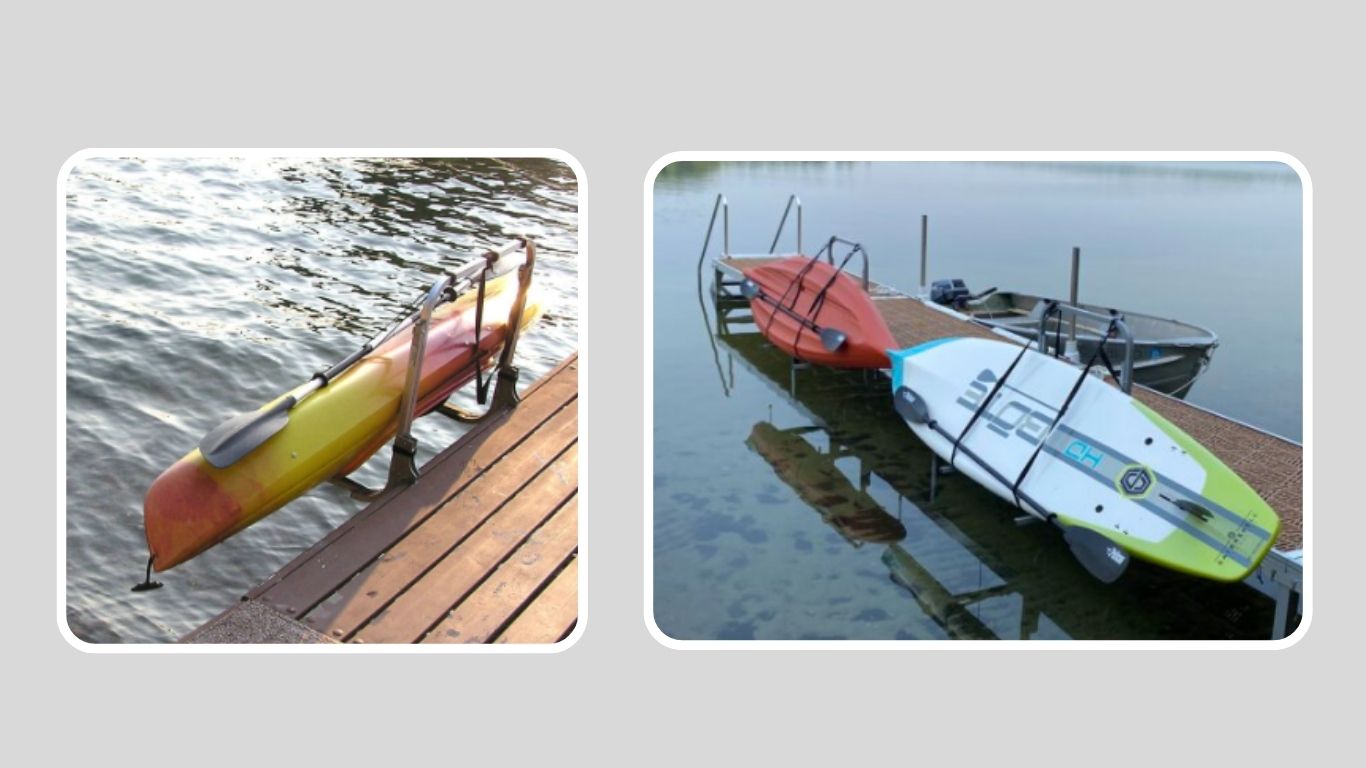
Kayaking is one of the best ways to enjoy the water, whether it’s for relaxation, exercise, or adventure. But when the fun is over, storing your kayak the right way is just as important as using it. Leaving it on the ground or in the water can cause damage and shorten its life. A kayak rack for your dock offers an easy and secure storage solution, keeping your kayak safe, organized, and always ready for your next trip.
Why You Need a Kayak Rack for Your Dock
If you own a kayak and have access to a dock, a proper storage system is more important than many people realize. Simply dragging your kayak onto the dock or leaving it in the water may seem convenient, but over time, it can damage the kayak and create safety issues around the dock. A kayak rack solves these problems by keeping your kayak safe, secure, and easy to access whenever you want to paddle.
One of the main reasons you need a kayak rack is protection from damage. When left on the ground or in the water, kayaks can suffer from dents, scratches, mold, and even warping from constant sun exposure. A rack raises the kayak off the surface, protecting it from moisture, dirt, and sharp objects that could weaken the hull.
Another important factor is organization and space management. Docks are often busy areas with fishing gear, life jackets, paddles, and people walking around. Without a rack, kayaks lying around can take up too much space and create tripping hazards. A rack keeps everything tidy, ensuring the dock stays safe and easy to use.
Kayak racks also provide easy access and convenience. Instead of carrying your kayak from a garage or dragging it across rough ground, you can store it right by the water. This means less effort before and after kayaking, and more time enjoying the water. For families or groups, a dock rack makes it simple to store multiple kayaks in one organized space.
Finally, a kayak rack adds an extra layer of security. Many racks come with straps or locking systems that keep your kayak firmly in place, even during windy or stormy conditions. This prevents accidental damage and reduces the risk of kayaks floating away.
In short, a kayak rack for your dock protects your investment, saves time, keeps the area neat, and makes kayaking easier and safer for everyone.
Types of Kayak Racks for Docks
When it comes to storing your kayak at the dock, there isn’t a one-size-fits-all solution. Different docks have different designs; some are fixed, some float with the tide, and others are narrow with limited walking space. Similarly, kayakers have different needs: some may only own one kayak, while others may have two, three, or even more to store for family and friends. This is why there are several types of kayak racks available, each designed to serve specific purposes. Understanding these options will help you decide which one fits your lifestyle, dock, and budget.
Freestanding Dock Kayak Racks
Freestanding kayak racks are one of the most versatile options. As the name suggests, these racks are not permanently attached to the dock. Instead, they stand independently with a sturdy base that balances the kayaks safely. Many freestanding racks are made from powder-coated steel or treated lumber, ensuring they withstand outdoor conditions like rain, sun, and wind.
The biggest advantage of freestanding racks is flexibility. You can place them anywhere, on the dock itself, next to it, or even slightly onshore if you prefer to keep the dock open for walking. If you decide to rearrange your dock area, you can move the rack without much effort. This makes them perfect for people who don’t want to drill into their dock or commit to a permanent setup.
Most freestanding racks can hold two to six kayaks, depending on their design. If you have multiple kayaks, this is a convenient option since all your boats stay organized in one spot. The downside is that freestanding racks take up more space on the dock surface, which might be an issue if your dock is small or narrow.
Mounted Dock Kayak Racks
Mounted racks are built for maximum security. These racks are attached directly to the dock using bolts, clamps, or brackets. Once installed, they stay firmly in place and won’t shift, even if strong winds or boat wakes hit your dock.
Mounted racks are excellent for smaller docks because they don’t take up as much walking space as freestanding ones. By attaching them to the side or end of the dock, you keep the top surface clear while still having your kayak stored nearby. For busy docks where people frequently walk, fish, or load boats, this design is especially useful.
The trade-off is that installation requires some drilling or permanent attachment, which may not be allowed on certain docks, especially rented or shared ones. If you own your dock, however, mounted racks are one of the most reliable storage methods available. They provide long-lasting durability, and many models can store multiple kayaks vertically or horizontally.
Floating Dock Kayak Racks
Floating racks are specifically designed for floating docks, which rise and fall with the water level. These racks keep kayaks right at water height, so you don’t have to lift heavy boats onto a high rack. Instead, you can slide them directly onto the rack and into the water with minimal effort.
This type of rack is a favorite among paddlers who value convenience and quick access. Imagine walking onto your dock, grabbing your kayak, and being on the water within minutes. It’s that easy with a floating rack. They are especially useful in areas with fluctuating water levels, like lakes with seasonal changes or tidal rivers.
Floating racks usually hold one or two kayaks and are built with corrosion-resistant materials like aluminum and marine-grade hardware. The only downside is that they tend to cost more than standard racks, but the convenience often outweighs the higher price tag for frequent kayakers.
Wall/Side-Mounted Dock Racks
If your dock has a side railing, nearby wall, or boathouse, wall-mounted racks are a great way to maximize space. These racks attach vertically or horizontally to a structure, keeping the kayak elevated and neatly stored along the side.
The main benefit of wall-mounted racks is space efficiency. Instead of occupying dock surface area, they use vertical storage space that might otherwise go unused. This makes them ideal for smaller docks or crowded marina areas where every square foot counts.
Wall-mounted racks usually have padded arms or cradles that protect the kayak’s hull. Some designs can fold down when not in use, which is a bonus if you want to keep the area looking clean. The limitation is that you need a strong enough structure to mount the rack, so they may not be suitable for every dock.
Lift-Style Dock Kayak Racks
For the ultimate in kayak protection, lift-style racks are the top choice. These systems use pulleys, hoists, or cradles to lift kayaks above the water. By raising your kayak completely out of reach of waves, splashes, and constant sun exposure, lift racks keep it in near-perfect condition for years.
This style is particularly useful if you store your kayak for long periods, such as over winter or between trips. With the kayak suspended in the air, there’s no risk of warping, mold, or accidental bumps from passing boats. Lift racks are also a good option in coastal areas where saltwater exposure can quickly wear down kayaks left too close to the water.
The main drawbacks are cost and installation. Lift racks are usually more expensive than other styles, and setting them up can require professional help. However, for serious kayakers who want the best possible care for their boats, the investment is well worth it.
Which Type is Best for You?
Choosing between these options depends on your dock design, budget, and how often you use your kayak. If you want maximum flexibility, go for a freestanding rack. If you have a small dock and want to save space, a mounted or wall rack is a great solution. For easy launching and quick access, floating racks are ideal. And if you’re focused on long-term protection, lift-style racks provide unmatched security.
By understanding the strengths and limitations of each type, you can pick the dock kayak rack that makes your kayaking experience smoother, safer, and more enjoyable.
Choosing the Right Kayak Rack for Your Dock
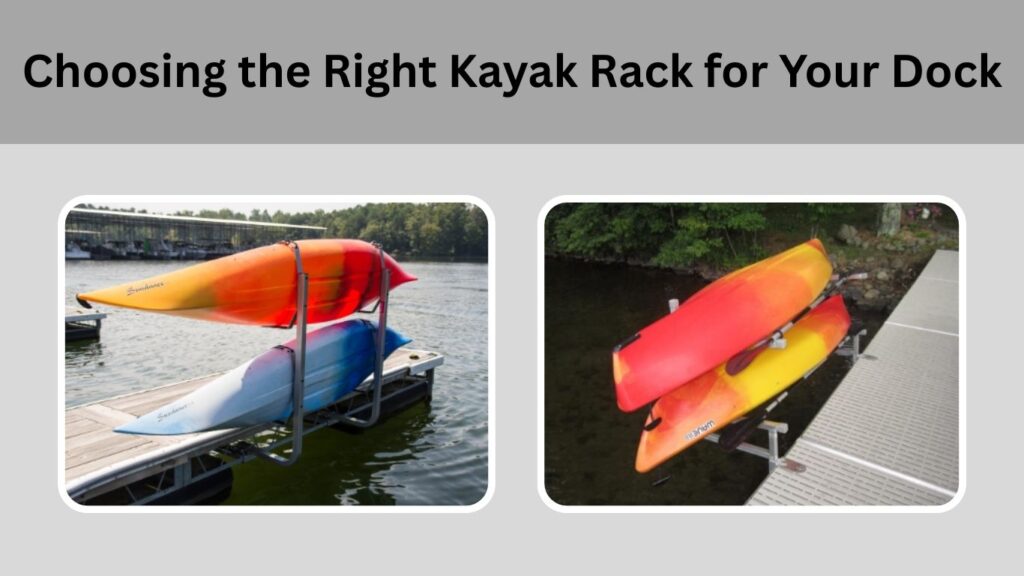
With so many different types of kayak racks available, it can be tricky to know which one will work best for your dock and lifestyle. The right choice depends on a combination of factors, including your dock’s design, the number of kayaks you own, and how often you use them. Making a careful decision up front will save you time, money, and effort in the long run. Below are the main points you should consider before buying a dock kayak rack.
Consider Dock Type (Floating vs. Fixed)
The first thing to look at is the type of dock you own. Floating docks rise and fall with the water level, while fixed docks remain at a set height. If you have a floating dock, you’ll want a rack that moves with the dock, such as a floating or mounted system designed for variable water levels. These racks make it easier to launch and store your kayak without lifting it too high.
On the other hand, if you own a fixed dock, your options are more flexible. Freestanding racks, mounted racks, and even lift-style racks can all work well since the dock surface doesn’t change height.
Number of Kayaks to Store
Do you have just one kayak, or does your family own several? This makes a big difference. Some racks are designed to hold only one or two kayaks, while others can handle up to six. For families or groups of friends, a multi-kayak rack is the smartest option since it keeps everything in one organized spot. If you only own a single kayak, a simple wall-mounted or freestanding rack might be all you need.
Material and Durability
Since your rack will be outdoors year-round, the material is critical. Popular choices include:
- Aluminum: Lightweight, rust-resistant, and durable. Perfect for wet and salty environments.
- Steel: Strong and long-lasting, but requires a protective coating to prevent rust.
- Treated Wood: Natural look, sturdy, but needs regular maintenance to avoid rot.
- Plastic or Composite: Affordable, weather-resistant, and lightweight, though not always as strong as metal.
Choose a material based on your local climate and whether your dock is exposed to saltwater or freshwater.
Weight Capacity and Kayak Size
Not all racks are built the same. Some are made for small recreational kayaks, while others can support heavy fishing or touring kayaks. Always check the weight limit before purchasing. If your kayak is longer than average (12–14 feet or more), make sure the rack arms are wide enough to support it properly. Storing a kayak on the wrong-sized rack can lead to sagging or hull damage over time.
Ease of Installation
Some racks are ready to use right out of the box, while others require drilling, bolting, or even professional installation. If you’re handy with tools, a mounted or lift-style rack may be no problem to install. But if you want something quick and simple, a freestanding rack or a wall-mounted rack with basic brackets is easier to set up.
Security Features
Kayaks are valuable, and unfortunately, theft can be a concern, especially if your dock is in a public or shared area. Some racks come with built-in straps, locking mechanisms, or chain attachment points to keep your kayak safe. Even if your rack doesn’t include security features, consider whether it’s easy to add a lock or cable. Having peace of mind that your kayak is secure makes storage much less stressful.
Budget Considerations
Finally, think about your budget. Dock kayak racks range from around $100 for simple models to over $1,000 for advanced lift systems. While it’s tempting to go with the cheapest option, remember that this is about protecting your kayak, an investment that likely cost several hundred dollars or more. A quality rack will extend the life of your kayak and make your paddling experience easier and more enjoyable. It’s usually better to spend a little more upfront for something durable than to replace a flimsy rack later.
Putting It All Together
When choosing a kayak rack, think about your dock, your kayak collection, and your lifestyle. If you paddle often and want quick water access, a floating rack may be best. If you’re focused on space-saving and security, mounted or wall racks might be the right choice. For long-term care, a lift-style rack offers the most protection.
By weighing these factors carefully, you’ll be able to choose a kayak rack that not only keeps your boat safe but also makes your time on the water more convenient and enjoyable.
Best Materials for Dock Kayak Racks

When shopping for a kayak rack for your dock, one of the most important factors to consider is the material. Since your rack will live outdoors year-round, it must handle constant exposure to sun, water, wind, and sometimes even salt. The right material ensures that your rack lasts for years, protects your kayak, and requires minimal maintenance. Below are the most common materials used for dock kayak racks, along with their benefits and downsides.
Aluminum
Aluminum is one of the most popular choices for kayak racks, especially around docks and marinas. It is lightweight, rust-resistant, and durable, making it an excellent option for outdoor use. Unlike steel, aluminum doesn’t corrode easily, which is especially important if your dock is in a saltwater environment.
Another advantage is that aluminum racks are relatively light, so they are easier to move or reposition compared to heavier materials like steel or wood. Despite being light, they are strong enough to hold one or more kayaks without bending or warping.
The only downside is that aluminum racks tend to cost more than plastic or wooden ones. However, many paddlers see this as an investment since aluminum racks often last for decades with minimal upkeep.
Steel
Steel is another strong option for kayak racks. It can support heavy kayaks, such as fishing or tandem kayaks, without any issues. Steel racks are also very stable, which makes them a great choice if you live in an area with strong winds, large wakes, or heavy dock traffic.
The main drawback of steel is rust and corrosion. If left untreated, steel will eventually weaken from water exposure. Fortunately, most steel racks are powder-coated or galvanized to add a layer of protection. As long as you check the rack regularly and touch up any worn spots, a steel rack can last a very long time.
Steel racks are usually heavier than aluminum, so once you set them up, moving them around the dock isn’t as easy. But if your priority is strength and stability, steel is a very reliable choice.
Treated Wood
For those who like a natural look, treated wood racks are an attractive option. Wooden racks can blend nicely with a wooden dock, giving a more traditional or rustic style. They are also very strong and can hold multiple kayaks if designed properly.
However, wood requires the most maintenance of all materials. Even pressure-treated wood is still vulnerable to rot, mold, and warping over time, especially in wet or humid conditions. To keep a wooden rack in good shape, you’ll need to seal, stain, or paint it regularly.
Wood is also heavier than aluminum or plastic, so it’s not easy to move around once built. That said, if you enjoy DIY projects, wood is often the go-to material for building your own kayak rack at home.
Heavy-Duty Plastic or Composite
Plastic or composite racks are a lightweight and affordable option. They are usually made of high-density polyethylene (HDPE) or other weather-resistant materials. Unlike wood and steel, plastic doesn’t rust or rot, making it very low-maintenance.
These racks are easy to assemble and move, making them a good choice for casual kayakers who want something simple. They often come in modular designs that allow you to add or remove sections based on the number of kayaks you own.
The downside is that plastic racks are not as strong as aluminum or steel. They may not hold up well under the weight of very large or heavy kayaks. Over time, prolonged sun exposure can also make some plastics brittle, though UV-resistant models are available.
Which Material Should You Choose?
- Aluminum → Best for long-term durability and resistance to rust, especially in saltwater areas.
- Steel → Strongest option, ideal for heavy kayaks, but requires regular care to prevent rust.
- Wood → Natural look and customizable, but requires the most maintenance.
- Plastic/Composite → Affordable, lightweight, and easy to use, but less durable for heavy-duty needs.
When deciding, think about your environment and how much effort you’re willing to put into maintenance. For most kayakers, aluminum offers the best balance of strength, light weight, and durability. However, if you’re looking for budget-friendly or DIY solutions, wood or plastic may be the way to go.
Installation Guide: How to Set Up a Dock Kayak Rack
Installing a kayak rack on your dock may seem intimidating at first, but with the right preparation and tools, the process is usually straightforward. Whether you choose a freestanding rack, a mounted system, or a floating option, proper installation is key to ensuring stability, safety, and long-lasting use. Below is a step-by-step guide to help you install your dock kayak rack correctly.
Step 1: Assess Dock Space
Before purchasing or setting up your rack, take a close look at your dock. Identify how much free space you have and where the rack will fit best. Ideally, the rack should be placed in a spot that does not block walking areas or interfere with fishing, swimming, or boat launching. If your dock is narrow, consider a side-mounted or wall-mounted rack to save surface space. For larger docks, freestanding racks can be positioned near the edge for easy kayak loading.
Step 2: Choose the Placement
Once you’ve assessed the dock, decide on the exact placement of the rack. If you want quick water access, place it near the dock edge where you can easily slide the kayak in and out. For long-term storage, you may prefer to keep it a little further back, away from constant splashes. Placement also matters for balance. If you’re installing a heavy multi-kayak rack, make sure it doesn’t overload one side of the dock. Evenly distributing weight helps keep your dock stable.
Step 3: Assemble the Rack Components
Most store-bought racks come in a kit with arms, brackets, screws, and hardware. Follow the manufacturer’s instructions carefully while assembling the rack. Tools you may need include a drill, socket wrench, screwdriver, and level. For wooden or DIY racks, measure and cut your pieces beforehand to ensure the structure is even and strong. During assembly, make sure the arms are aligned correctly and that any padding or foam protectors are attached to prevent scratching your kayak.
Step 4: Secure the Rack to the Dock
If you are using a mounted rack, this step is crucial. Mark your drill points on the dock, double-checking alignment before drilling any holes. Use stainless steel bolts or marine-grade hardware since regular screws can rust quickly in wet conditions. For freestanding racks, securing may not require drilling, but you’ll still want to check that the base sits flat and stable on the dock surface. Some people also add weight bags or anchoring brackets to prevent freestanding racks from shifting in windy conditions.
Step 5: Test the Stability
Before loading your kayak, test the rack by applying pressure with your hands or gently shaking it to check stability. The rack should not wobble or lean under normal force. If it feels unstable, adjust the brackets, tighten the bolts, or reposition the rack. Ensuring stability now will prevent accidents later when your kayak is loaded.
Step 6: Load Your Kayak Safely
Once the rack is secured, it’s time to place your kayak on it. Always lift with proper technique to avoid injury, bend your knees, keep your back straight, and lift with your legs. If your kayak is heavy or long, ask a partner for help. Position the kayak according to the rack’s design: many racks store kayaks on their sides or upside down (hull facing up) to prevent deformation. Use straps, bungee cords, or locking systems to secure the kayak so it doesn’t shift in windy or wavy conditions.
Step 7: Make Adjustments if Needed
After a few uses, you may notice areas for improvement. Perhaps the rack needs extra padding where the kayak touches, or maybe the straps should be adjusted for easier use. Don’t be afraid to fine-tune your setup; it will make storage and launching more efficient in the long run.
Extra Tip: Professional Installation for Lift Racks
If you’ve chosen a lift-style rack with pulleys or hoists, you may want to hire a professional for installation. These systems require precise setup to ensure the kayak is balanced when raised and lowered. While DIY installation is possible for experienced handymen, professional help ensures your investment is installed safely and correctly.
By following these steps, you can set up a secure and reliable kayak rack on your dock. A proper installation not only protects your kayak but also ensures your dock remains safe and clutter-free. Once installed, you’ll enjoy the convenience of quick water access and the peace of mind that your kayak is stored the right way.
Benefits of Using a Dock Kayak Rack

Investing in a kayak rack for your dock is about more than just organization; it’s about making kayaking safer, easier, and more enjoyable. While many paddlers initially think they can simply drag their kayak onto the dock or leave it tied in the water, the long-term disadvantages quickly become clear. A properly installed kayak rack solves these problems while adding convenience and protection. Let’s explore the major benefits in detail.
Protects Your Kayak from Damage
Kayaks are built tough, but they’re not indestructible. Leaving a kayak on the ground or directly on the dock can expose it to scratches, dents, and warping. Similarly, leaving it in the water for long periods can cause mold, algae growth, and UV fading. A dock rack keeps your kayak off rough surfaces and away from constant water contact. By cradling the kayak properly, racks prevent stress points on the hull, which extends the overall lifespan of your boat.
Keeps the Dock Organized and Safe
Without a rack, kayaks often end up lying across the dock, taking up valuable walking space. This can quickly turn into a tripping hazard for you, your family, or guests. A kayak rack eliminates clutter by giving each boat its own designated spot. With everything neatly stored, your dock remains open, safe, and enjoyable for everyone who uses it.
Provides Easy Access to the Water
One of the biggest perks of dock racks is convenience. Instead of dragging your kayak from a garage or shed down to the water, your boat is stored right where you need it, on the dock itself. With certain racks, you can even slide the kayak directly into the water without heavy lifting. This saves time and effort, letting you spend more minutes paddling and fewer minutes hauling.
Reduces Physical Strain
Kayaks can weigh anywhere from 35 to 100 pounds, depending on their type. Carrying that weight from a distant storage spot to the water can be tiring, especially for children or older paddlers. A dock rack minimizes the lifting distance, which reduces physical strain. This makes kayaking more accessible and enjoyable for everyone, regardless of age or strength.
Increases Security
A kayak left unsecured on a dock or beach is more vulnerable to theft or drifting away during storms. Many kayak racks come with straps, locks, or attachment points for cables that allow you to secure your boat firmly in place. Even if you don’t have theft concerns, these features prevent the kayak from being blown off the dock by strong winds or rough waves.
Saves Money Over Time
While buying a kayak rack may seem like an extra expense, it actually saves money in the long run. Protecting your kayak from unnecessary damage means you won’t have to replace it as quickly. Repairing dents, cracks, or warped hulls can get expensive, but a rack reduces the risk of these problems. Essentially, a dock rack acts as insurance for your kayak investment.
Makes Group Kayaking Easier
If you have more than one kayak, or if your family enjoys paddling together, a rack keeps everything in one organized location. Multi-kayak racks allow several boats to be stored side by side, making it easy for everyone to grab their kayak and hit the water. This is especially useful for vacation homes, camps, or rental properties where multiple kayaks are in use.
Improves Dock Aesthetics
An overlooked benefit of kayak racks is the way they improve the look of your dock. Instead of kayaks scattered about or tied unevenly, a rack creates a clean and professional appearance. This makes your waterfront property look more organized and inviting, which is especially appealing if you host guests or rent out your property.
Encourages More Frequent Use
When your kayak is stored neatly and accessibly on the dock, you’re more likely to use it. Instead of dreading the hassle of hauling it out of storage, you can grab your paddle and launch within minutes. By making kayaking easier, racks encourage you to get on the water more often, which adds value to your purchase and enhances your outdoor lifestyle.
Peace of Mind
Finally, a kayak rack gives you peace of mind. You won’t have to worry about whether your kayak is safe, whether it’s getting damaged in the sun, or whether it might float away during a storm. With your boat securely stored, you can relax and focus on enjoying your time by the water.
In short, a dock kayak rack is more than just a storage solution; it’s a tool that protects your kayak, keeps your dock safe and organized, and makes paddling more enjoyable. Whether you’re a casual paddler or a dedicated enthusiast, the benefits far outweigh the costs.
Final Thoughts
A kayak rack for your dock is more than just a storage tool; it’s an investment in safety, convenience, and the longevity of your kayak. The right rack keeps your kayak secure, saves space, and makes launching or storing easier every time you hit the water. By considering factors like kayak type, dock design, materials, and ease of use, you’ll find a solution that fits perfectly. With a quality rack in place, you can spend less time worrying and more time enjoying kayaking adventures.