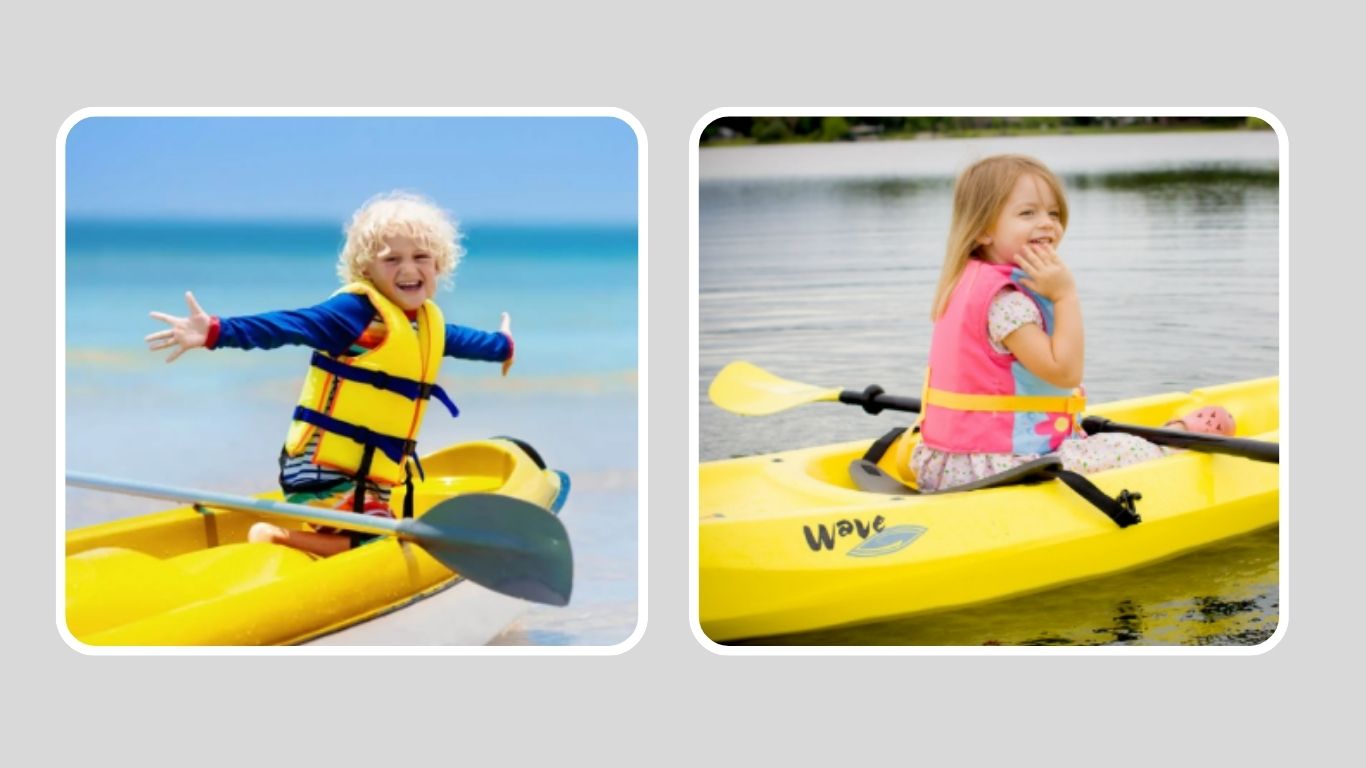
Kayaking is an exciting way for kids to explore the outdoors, stay active, and enjoy quality time with family. Choosing the right kayak for children is essential to ensure safety, comfort, and fun on the water. With so many options available, it can be overwhelming for parents to decide which kayak is best. This guide highlights the top 5 kids’ kayaks, focusing on stability, ease of use, and features that make paddling safe and enjoyable for young adventurers.
Why Choosing the Right Kid’s Kayak Matters
Selecting the right kayak for kids is more than just picking a fun color or a popular brand. Safety, comfort, and usability are key factors that ensure a positive experience on the water. Here’s why it matters and what to consider:
- Safety First
- Kids are more prone to tipping or losing balance, so a stable kayak is crucial.
- Proper weight limits and built-in flotation devices help prevent accidents.
- Non-slip surfaces and easy-to-reach handles make it safer to get in and out of the kayak.
- Comfort and Fit
- Adjustable seats and adequate legroom prevent discomfort during paddling.
- Child-sized paddles ensure easier control and reduce fatigue.
- Properly sized cockpits or open sit-on-top designs allow kids to move freely and feel confident.
- Ease of Handling
- Lightweight kayaks are easier for kids (and parents) to carry and transport.
- Simple designs with stable hulls help children paddle smoothly without frustration.
- Some kayaks come with tracking fins or rudders that make steering easier for beginners.
- Longevity and Growth
- Choosing a kayak that fits a child’s current size while allowing some room for growth means it can be used for several years.
- Durable materials like polyethylene or reinforced plastic resist dents, cracks, and UV damage, extending the kayak’s lifespan.
- Choosing a kayak that fits a child’s current size while allowing some room for growth means it can be used for several years.
- Parent-Friendly Features
- Easy-to-carry handles and lightweight designs make loading and unloading stress-free.
- Storage compartments or simple deck layouts allow parents to pack snacks, water, or safety gear.
Choosing the right kids kayak not only keeps your child safe but also makes paddling fun, comfortable, and confidence-boosting. A carefully selected kayak encourages children to enjoy outdoor adventures, build skills, and develop a lifelong love for water activities.
Factors to Consider Before Buying a Kids Kayak
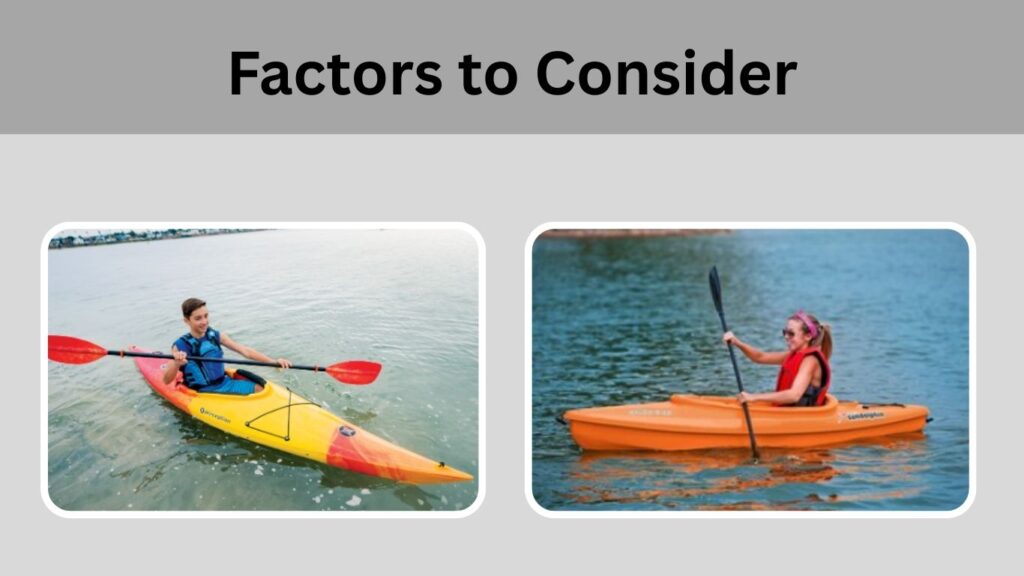
Buying a kayak for a child may seem straightforward, but it requires careful consideration to ensure safety, comfort, and long-lasting enjoyment. Unlike adult kayaks, children’s kayaks must account for size, weight, and paddling ability. Choosing the wrong kayak can lead to frustration, unsafe situations, or even accidents. Here’s a detailed guide to the factors you should carefully evaluate before making a purchase:
1. Age and Size Suitability
- Kayaks are designed with age and size in mind. A model suitable for a 6-year-old may not work for a 12-year-old.
- Height and weight affect stability and control; a kayak that is too small may cause tipping, while one that is too large may be hard to paddle.
- Many modern kids kayaks are adjustable or come in sizes that accommodate growth, allowing a child to use the same kayak for several years. This saves money and ensures consistent comfort.
- Parents should also consider reach; kids must be able to hold the paddle properly without overextending their arms.
2. Weight Capacity
- Each kayak comes with a maximum recommended weight limit. Exceeding this can make the kayak unstable or difficult to maneuver.
- Choose a kayak that can comfortably hold your child plus any gear they might carry, such as water bottles or small dry bags.
- Some kayaks have higher weight capacities than others, making them suitable for older children or tandem paddling with a parent.
3. Type of Kayak
- Sit-on-Top Kayaks:
- The open top allows kids to climb in and out easily.
- Stable and beginner-friendly, ideal for calm lakes and ponds.
- Easier to clean and maintain because water drains naturally.
- Sit-Inside Kayaks:
- Enclosed cockpit provides better control and paddling efficiency.
- Protects children from splashes, rain, and wind.
- Recommended for older kids or slightly experienced paddlers.
- Selecting the right type depends on your child’s age, confidence level, and the type of water they will paddle in.
4. Material and Durability
- Most kids’ kayaks are made from high-density polyethylene or similar plastics, which are lightweight yet strong.
- Durable kayaks resist dents, scratches, and UV damage, which is especially important if your child will use the kayak often or in shallow waters with rocks.
- Inflatable kayaks are another option, offering portability and soft landings, but they require careful handling to avoid punctures.
5. Safety Features
- Look for non-slip surfaces to prevent children from slipping while paddling or getting in and out.
- Built-in flotation or foam inserts keep the kayak buoyant even if water enters the cockpit.
- Handles on the sides and ends make it easier for parents and kids to carry and launch the kayak safely.
- Bright colors improve visibility, which is particularly important on busy lakes or rivers.
6. Ease of Handling and Transport
- Lightweight designs make it easier for kids to maneuver the kayak and for parents to transport it.
- Compact kayaks are easier to store at home, on a garage shelf, or on a car roof rack.
- Some models include removable fins or skegs, which simplify transport and allow for smoother paddling in straight lines.
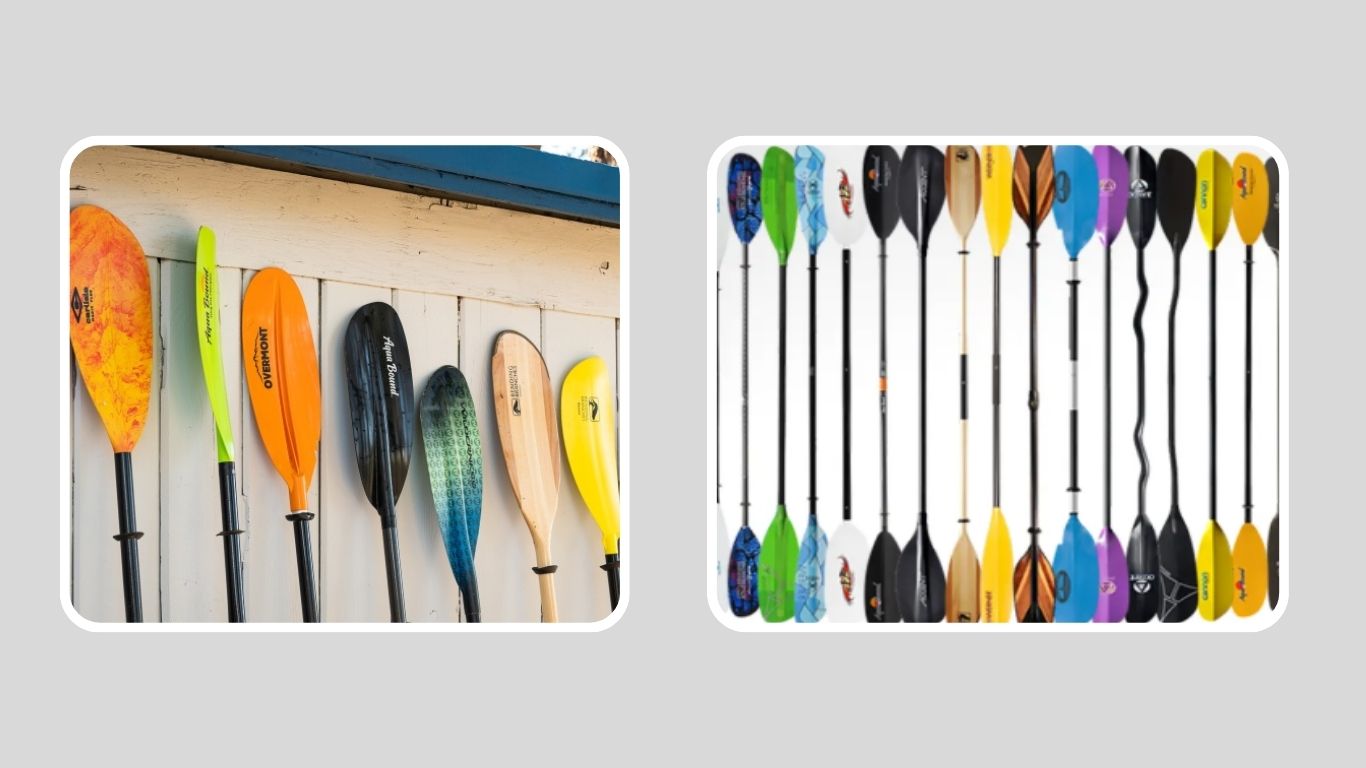
7. Paddle Size and Ergonomics
- A child-sized paddle is essential for proper paddling technique and comfort.
- Adjustable paddles allow the length to grow with your child, ensuring that the kayak remains comfortable over several seasons.
- Lightweight paddles reduce strain on small arms and shoulders, helping children paddle longer without fatigue.
8. Water Type and Usage
- Calm lakes, ponds, and slow-moving rivers are ideal for beginners and younger children.
- Kayaks for light rapids or coastal use should be chosen carefully, with added safety features like higher stability and buoyancy.
- Always match the kayak to the type of water your child will most frequently paddle to ensure safety and enjoyment.
9. Additional Features to Consider
- Some kids kayaks come with cup holders, small storage compartments, or even built-in fishing rod holders, adding fun and functionality.
- Foam padding in seats or adjustable backrests improves comfort for longer paddling sessions.
- A well-designed kayak can also make it easier to teach children basic paddling and steering techniques.
Choosing the right kayak involves more than just picking a popular model. By considering age, size, weight capacity, type, durability, safety features, and ease of use, parents can ensure that their child’s first kayaking experiences are safe, fun, and confidence-building. A thoughtfully chosen kayak not only supports skill development but also creates lasting memories of adventure and outdoor exploration.
Top 5 Kids Kayaks
Selecting the perfect kayak for your child is a crucial step in ensuring safe and enjoyable water adventures. Every child is unique in size, skill level, and confidence, so the right kayak should match their abilities and the type of water they’ll paddle on. Below is a detailed review of the top five kids kayaks, explaining why each is a great choice for young paddlers.
1. Lifetime Youth Wave Kayak
The Lifetime Youth Wave Kayak is specifically designed for younger children and first-time paddlers. Its low center of gravity and wide hull provide unmatched stability, making it almost impossible for kids to tip over on calm waters.
Description:
This kayak is ideal for beginners aged 5–10 years. It is lightweight yet durable, built with high-density polyethylene that can withstand bumps against rocks and shallow water. The bright colors not only make it attractive to children but also improve visibility on busy lakes or rivers. Molded-in seats provide back support for added comfort, while non-slip footrests ensure stability as kids learn to paddle.
Key Features:
- Lightweight and durable polyethylene construction
- Molded-in seats with back support
- Non-slip footrests for added stability
- Dimensions: 6 feet long, 25 inches wide
- Weight capacity: 120 lbs
- Bright, high-visibility colors
Pros:
- Extremely stable for young paddlers
- Easy for kids to maneuver and carry
- Affordable and durable, suitable for repeated use
- Excellent for calm lakes, ponds, and slow rivers
Cons:
- Limited storage space for snacks or small gear
- Best suited only for calm water; not ideal for rough or fast-moving rivers
Why It’s Ideal for Kids:
The Lifetime Youth Wave is a beginner-friendly kayak that provides safety, stability, and confidence. Its wide hull prevents tipping, while the comfortable seat and footrests make longer paddling sessions enjoyable. For young adventurers, this kayak makes learning the basics of paddling fun and stress-free. Parents also appreciate its lightweight design, which makes transport and launching effortless.
2. Perception Tribe 8.5
The Perception Tribe 8.5 is designed for slightly older kids or those who have outgrown smaller beginner kayaks. It strikes a balance between comfort, control, and fun, making it a great choice for children aged 8–12.
Description:
The sit-on-top design of the Tribe 8.5 is perfect for kids who need an easy-to-access, safe kayak. Adjustable foot braces allow the kayak to grow with your child, while the slightly longer and narrower hull provides better tracking and control compared to smaller beginner kayaks. This kayak is lightweight at only 27 pounds, so even older children can carry it with some guidance. Its durability ensures it can handle rougher use as kids gain experience.
Key Features:
- Sit-on-top design for easy access
- Adjustable foot braces for comfort and growth
- Lightweight, only 27 lbs
- Durable, UV-resistant polyethylene
- Dimensions: 8.5 feet long
- Weight capacity: 150 lbs
Pros:
- Comfortable for taller or older kids
- Stable enough for beginners while allowing skill development
- Durable materials resist UV damage and bumps
- Smooth tracking for easier paddling and steering
Cons:
- Slightly heavier for very young children
- Not recommended for rough waters or strong currents
Why It’s Ideal for Kids:
The Tribe 8.5 allows children to grow in confidence on the water. Its design makes learning steering and paddling easier while ensuring stability. It is excellent for family trips on lakes and slow rivers and provides a safe, durable option for kids who are ready to progress beyond beginner kayaks.
3. Advanced Elements Advanced Frame Convertible
The Advanced Frame Convertible is an inflatable kayak that brings portability and versatility to family kayaking adventures. Unlike rigid kayaks, it can be easily stored or transported without a large vehicle, making it perfect for families on the go.
Description:
This kayak features a reinforced aluminum frame combined with a durable inflatable body. It can be used solo by an older child or as a tandem kayak with a parent guiding the front seat. The AdvancedFrame Convertible offers excellent stability, even for first-time paddlers, and inflates quickly for convenience. Its ability to accommodate both single and tandem paddlers gives children a sense of independence while remaining safe under adult supervision.
Key Features:
- Inflatable kayak with reinforced aluminum frame
- Quick setup and takedown (5–10 minutes)
- Weight capacity: 150 lbs
- Dimensions: 10 feet long
- Convertible for solo or tandem use
Pros:
- Extremely portable and easy to store
- Can be used solo or with a parent for tandem paddling
- Stable, durable, and safe for calm waters
- Lightweight for easy carrying
Cons:
- Requires careful handling to avoid punctures
- Slightly more expensive than basic rigid kayaks
Why It’s Ideal for Kids:
The AdvancedFrame Convertible is perfect for families who want versatility and portability. Children can enjoy solo paddling as they grow, while tandem use allows parents to teach skills and guide the kayak safely. It combines stability, comfort, and convenience, making it one of the most adaptable options for young paddlers.
4. Ocean Kayak Malibu Two
The Ocean Kayak Malibu Two is a tandem kayak that allows parents and children to paddle together. This is ideal for families who want to introduce kids to kayaking safely while providing supervision and guidance.
Description:
This sit-on-top tandem kayak features molded seats and footrests for both riders. Its wide hull design ensures exceptional stability, even for young children who are still learning balance and paddling techniques. It is suitable for calm lakes, gentle rivers, and even small coastal bays. The tandem setup allows the child to sit in front while the parent controls steering and speed from the rear seat.
Key Features:
- Sit-on-top tandem kayak with molded seats
- Molded footrests for both riders
- Weight capacity: 425 lbs total
- Dimensions: 12 feet long
- Durable polyethylene construction
Pros:
- Very stable for children and adults
- Comfortable seating for long trips
- Easy for parents to guide and teach
- Excellent for family bonding on the water
Cons:
- A larger size makes transport more challenging
- Tandem only; not suitable for solo paddling by younger kids
Why It’s Ideal for Kids:
The Malibu Two allows parents to introduce their children to kayaking safely. The tandem design ensures supervision while letting kids experience the fun of paddling. Its stability reduces the risk of tipping, and its comfortable seating allows longer trips without fatigue. This kayak is perfect for calm lakes, slow rivers, and family outings.
5. Sun Dolphin Aruba 10 Youth Kayak
The Sun Dolphin Aruba 10 is designed for older or more confident kids who want a traditional sit-inside kayak experience. It balances maneuverability with stability, offering a slightly more advanced paddling option.
Description:
This kayak features a padded seat and molded footrests for comfort. Its 10-foot length provides excellent tracking, making it easier to paddle straight over longer distances. The Sun Dolphin Aruba 10 is lightweight at 36 lbs, allowing older children to transport it with adult supervision. It is built from durable polyethylene, ensuring that it withstands regular use on lakes, calm rivers, or gentle coastal waters.
Key Features:
- Sit-in design with a padded seat
- Molded footrests for comfort and control
- Lightweight, 36 lbs
- Weight capacity: 200 lbs
- Dimensions: 10 feet long
Pros:
- Comfortable and supportive seating
- Durable construction for long-term use
- Suitable for slightly more experienced paddlers
- Excellent for calm waters and longer trips
Cons:
- Less stable than wider sit-on-top kayaks
- Requires some paddling skill for optimal control
Why It’s Ideal for Kids:
The Sun Dolphin Aruba 10 is perfect for kids ready to transition to more traditional kayaking. It teaches proper paddling techniques and helps build confidence in maneuvering a longer kayak. Its durable design and comfort features make it suitable for extended trips, helping children develop a stronger connection to water sports.
These five kayaks cover a wide range of ages, sizes, and skill levels. From beginner-friendly stable models like the Lifetime Youth Wave to convertible inflatables and tandem kayaks, there is a safe, fun, and reliable option for every young paddler. Selecting the right kayak ensures that children not only have a positive first experience but also build confidence, skills, and a lifelong love for kayaking.
How to Choose Between Sit-On-Top and Sit-Inside Kayaks for Kids
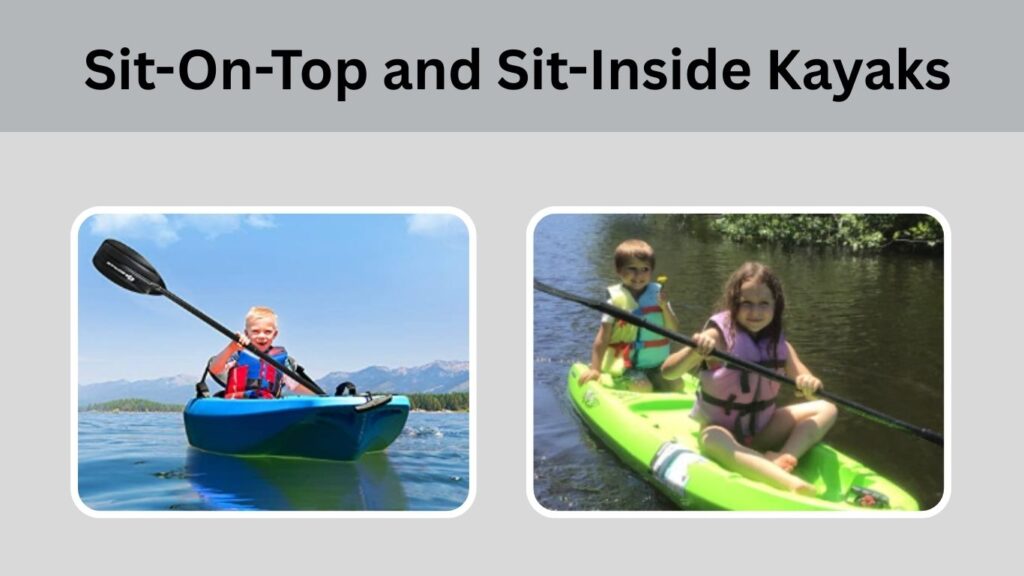
Choosing between a sit-on-top and a sit-inside kayak is one of the most important decisions parents face when buying a kayak for their child. Each design has unique advantages and limitations, and selecting the right type can significantly impact your child’s safety, comfort, and enjoyment on the water. Understanding the differences in stability, control, ease of use, and skill development is essential before making a purchase.
1. Sit-On-Top Kayaks
Overview:
Sit-on-top kayaks are open-top designs where children sit on the deck of the kayak rather than inside a cockpit. This type of kayak is widely recommended for young beginners because of its stability, ease of use, and low-risk design.
Advantages:
- Exceptional Stability: The hull of sit-on-top kayaks is typically wider and flatter than sit-inside models, lowering the center of gravity. This makes tipping over less likely, providing children with a secure and confidence-building experience on the water.
- Ease of Entry and Exit: Young paddlers can climb on and off the kayak effortlessly. This is especially beneficial when practicing water safety skills, self-rescue, or entering shallow water. Children feel less intimidated when they know they can get in and out easily.
- Safety During Falls: If a child tips over, they can quickly climb back on top without complicated maneuvers. This reduces panic and enhances confidence in beginners.
- Low Maintenance: Water drains naturally through scupper holes, so sit-on-top kayaks rarely fill with water. This makes cleaning and maintenance simple for parents.
- Fun and Freedom: Open-top kayaks allow kids to splash, play, and bring along small toys or snacks. The open design adds a sense of freedom, making kayaking more engaging and enjoyable.
Considerations:
- Best suited for calm lakes, ponds, and slow-moving rivers.
- Less efficient for long-distance paddling due to increased water resistance.
- Minimal protection from sun, wind, or water splashes; children may get wet more easily.
Who Should Choose Sit-On-Top Kayaks:
This type is ideal for younger children aged 5–10 or first-time paddlers who need stability, safety, and confidence-building. Sit-on-top kayaks are also excellent for parents who want low-maintenance and easy-to-use options that encourage children to have fun while staying safe.
2. Sit-Inside Kayaks
Overview:
Sit-inside kayaks feature an enclosed cockpit where children sit inside the hull. Their legs are enclosed, giving a traditional kayaking experience. These kayaks are slightly more advanced and are designed for children who have already gained basic paddling skills.
Advantages:
- Enhanced Control: The enclosed seating allows for better control, maneuvering, and tracking. This is especially useful for older children who are learning proper paddling techniques or paddling on longer trips.
- Protection from Elements: The enclosed sides shield kids from splashes, wind, and rain. Children stay drier and warmer, which is important for comfort during longer outings.
- Better Efficiency: Sit-inside kayaks have a streamlined hull, reducing water resistance. This makes paddling easier over longer distances, teaching children endurance and proper stroke technique.
- Skill Development: Children develop proper posture, paddle strokes, and steering skills in a sit-inside kayak. This prepares them for more advanced kayaking in the future.
Considerations:
- More challenging to enter and exit, especially for younger or less confident children.
- If tipped over, the child may need adult assistance to re-enter, requiring supervision.
- Slightly less stable than sit-on-top kayaks, especially for beginners.
- Some children may feel confined or nervous at first in a sit-inside cockpit.
Who Should Choose Sit-Inside Kayaks:
Sit-inside kayaks are ideal for older children (8+) or those who have gained some paddling experience. They are suitable for kids who want to develop stronger paddling skills, enjoy longer trips, and explore more varied water conditions under supervision.
3. Factors to Consider When Choosing Between Sit-On-Top and Sit-Inside
When deciding which type of kayak is best, parents should weigh the following:
- Age and Confidence Level: Younger or novice children benefit from the stability and accessibility of sit-on-top kayaks. Older or more confident children can handle the slightly more advanced sit-inside design.
- Type of Water: Calm lakes and ponds are suitable for both types. For rivers with gentle currents, sit-inside kayaks offer better control, while sit-on-top kayaks provide greater stability.
- Supervision Needs: Sit-on-top kayaks allow parents to assist easily if a child tips over. Sit-inside kayaks require more careful monitoring, especially for beginners.
- Skill Development Goals: Sit-on-top kayaks are ideal for learning balance and basic paddling. Sit-inside kayaks help children practice proper technique and develop more advanced paddling skills.
- Trip Duration and Comfort: For longer outings, sit-inside kayaks provide better back support, footrests, and protection from the elements, while sit-on-top kayaks offer more freedom of movement.
4. Additional Considerations
- Growth Potential: Adjustable sit-on-top or sit-inside kayaks can grow with your child, allowing them to use the kayak for multiple years.
- Safety Gear Compatibility: Both types must be paired with a well-fitted life jacket. Sit-in kayaks may benefit from a spray skirt for additional water protection.
- Weight and Portability: Sit-on-top kayaks are often lighter and easier for children to carry or load with parental assistance. Sit-inside kayaks may be heavier due to added features and structure.
- Learning Curve: Sit-on-top kayaks allow children to start paddling immediately with minimal instruction. Sit-inside kayaks may require short training sessions to familiarize children with posture, paddling technique, and cockpit navigation.
Both sit-on-top and sit-inside kayaks have unique advantages for children. Sit-on-top kayaks prioritize safety, stability, and beginner-friendly fun, making them ideal for younger children or first-time paddlers. Sit-inside kayaks offer control, efficiency, and skill development, making them suitable for older or more confident children who want a traditional kayaking experience.
By evaluating your child’s age, skill level, confidence, water type, and supervision needs, you can select a kayak that ensures safe, enjoyable, and confidence-building adventures on the water. Choosing the right type of kayak sets the foundation for a positive, lifelong love of kayaking.
Accessories to Enhance Kids Kayaking Experience
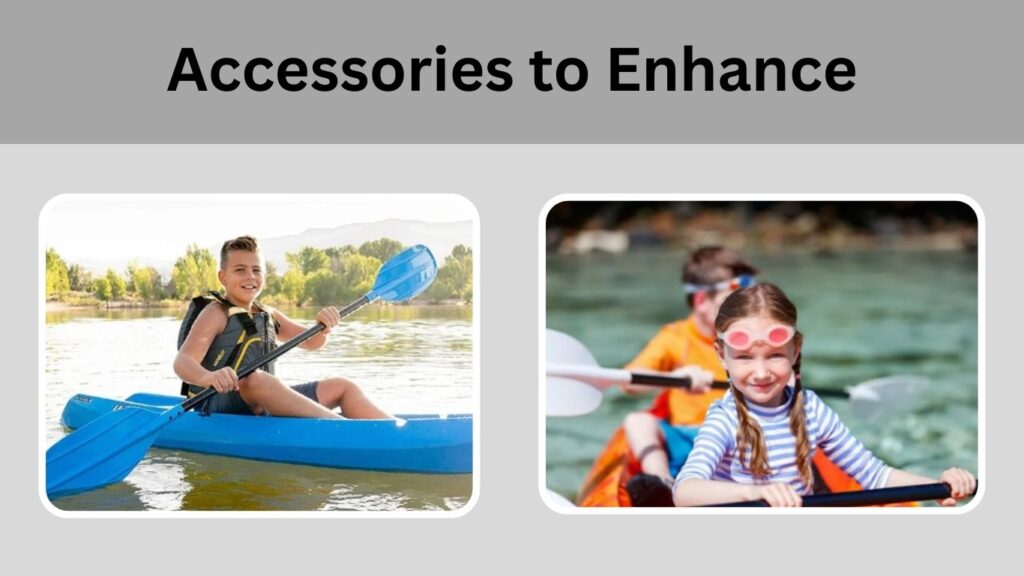
Adding the right accessories to your child’s kayak can significantly improve safety, comfort, and fun on the water. While the kayak itself is the core of the experience, accessories help children paddle more efficiently, stay protected, and enjoy longer trips. Here’s a detailed guide to the most useful accessories for kids kayaking:
1. Child-Sized Paddles
Overview:
Using a properly sized paddle is essential for effective paddling and comfort. Adult-sized paddles can be too heavy or long, causing strain on a child’s arms and shoulders.
Benefits:
- Lightweight design allows kids to paddle longer without fatigue.
- Correct blade size ensures smoother strokes and better control.
- Adjustable paddles grow with your child, providing a longer lifespan for the equipment.
Tips:
- Measure your child’s height and compare it with the recommended paddle lengths.
- Look for paddles with ergonomically designed grips for better comfort.
- Consider two-piece paddles that can be easily transported or stored.
2. Personal Flotation Devices (Life Jackets)
Overview:
Life jackets are a non-negotiable safety accessory for all kayaking trips.
Benefits:
- Provides buoyancy and helps prevent drowning in case of accidental falls.
- Increases visibility on the water with bright colors or reflective strips.
- Many models come with extra features like pockets for small items or whistles for signaling.
Tips:
- Ensure the life jacket is U.S. Coast Guard-approved for children.
- Check the fit before each trip; straps should be snug but not restrictive.
- Teach children how to wear it properly and how to test buoyancy in shallow water.
3. Safety Helmets
Overview:
While not always necessary for calm lakes, helmets are important for kids kayaking on rivers with small rapids or near rocky areas.
Benefits:
- Protects the head in case of accidental falls or collisions.
- Boosts parent confidence and ensures safer exploration.
Tips:
- Choose lightweight, adjustable helmets designed for water sports.
- Make sure the helmet fits securely and does not obstruct vision.
4. Sun Protection Gear
Overview:
Water reflects sunlight, increasing the risk of sunburn during kayaking trips.
Essential Items:
- Wide-brimmed hats or caps
- Sunglasses with UV protection
- Lightweight, long-sleeved shirts and quick-dry pants
- Broad-spectrum sunscreen
Tips:
- Apply sunscreen 15–30 minutes before leaving and reapply every 2 hours.
- Sunglasses with straps prevent loss while paddling.
- Lightweight, breathable fabrics keep children cool while protecting skin.
5. Dry Bags and Storage Compartments
Overview:
Kids may want to bring snacks, water, or small toys. Dry bags and kayak storage compartments keep items safe from water.
Benefits:
- Protects belongings from water damage.
- Teaches children organization and planning for kayaking trips.
- Helps carry essential safety items like whistles, small first-aid kits, or a phone.
Tips:
- Choose brightly colored bags for visibility.
- Use lightweight, waterproof bags that are easy for kids to handle.
- Store heavier items near the kayak’s center for better balance.
6. Paddle Leashes and Tethers
Overview:
Paddle leashes prevent paddles from floating away if dropped in the water.
Benefits:
- Keeps paddles secure, reducing stress for both kids and parents.
- Prevents paddles from being lost in the water or tangled with other boats.
Tips:
- Attach the leash to the paddle and kayak securely.
- Choose a short leash to avoid entanglement, but long enough to allow free movement.
7. Kayak Seats and Cushions
Overview:
Comfortable seating enhances enjoyment and prevents fatigue during longer trips.
Benefits:
- Provides back support and reduces pressure on the lower back.
- Helps maintain proper posture for efficient paddling.
- Some seats include adjustable straps to accommodate growing children.
Tips:
- Look for water-resistant and quick-dry materials.
- Ensure the seat fits securely without sliding inside the kayak.
8. Safety Whistles and Signaling Devices
Overview:
These small tools are essential for emergencies.
Benefits:
- Allows children to signal for help if they are separated or need assistance.
- Encourages children to be aware of safety and emergency protocols.
Tips:
- Attach the whistle to a life jacket or lanyard.
- Teach children when and how to use it appropriately.
9. Waterproof Communication Devices
Overview:
While not always necessary, a waterproof phone case or small radio can provide peace of mind for parents.
Benefits:
- Ensures communication during unexpected delays or emergencies.
- Allows parents to track weather updates or call for help if needed.
Tips:
- Ensure devices are fully waterproof and securely stored.
- Use only under supervision; children should focus on paddling safely.
10. Optional Fun Accessories
- Fishing Rod Holders: For kids interested in fishing while kayaking.
- Cup Holders: Keep water bottles or drinks accessible.
- Small Dry Boxes: Perfect for storing phones, keys, or small toys safely.
- Decorative Flags: Adds visibility and a sense of ownership for kids.
Adding the right accessories can transform a simple kayak trip into a safe, enjoyable, and memorable adventure for children. From essential safety gear like life jackets and helmets to comfort items like padded seats and sun protection, each accessory enhances the experience while teaching kids valuable lessons about preparation, safety, and outdoor exploration. A well-equipped kayak trip ensures that children focus on fun and learning while parents can relax knowing their child is safe and prepared.
Safety Tips for Kids While Kayaking
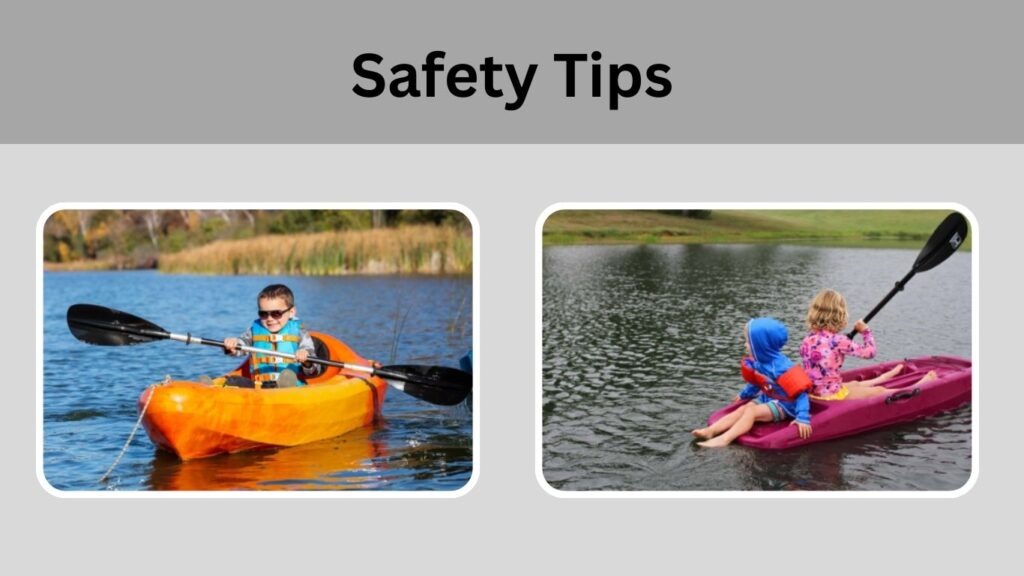
When it comes to kayaking with kids, safety is the number one priority. A fun trip can quickly turn stressful if the right precautions aren’t taken. Children are naturally curious and adventurous, but they may not always understand the risks of open water. That’s why parents and guardians should always take extra steps to ensure that kids remain safe while having fun. Below are detailed safety tips every family should follow:
- Always Wear a Life Jacket (PFD)
A life jacket or Personal Flotation Device (PFD) is non-negotiable. It should be U.S. Coast Guard-approved and sized correctly for kids. A loose or oversized life jacket won’t provide the right protection, while one that’s too small can be uncomfortable and restrict breathing. Make sure the straps are snug, and test it in shallow water to confirm it keeps your child afloat.
- Supervision Is Essential
Children should never kayak alone. An adult should always be nearby, ideally in another kayak or within swimming distance. Even if your child is an excellent swimmer, unexpected currents or fatigue can create dangerous situations. Constant supervision ensures a quick response if something goes wrong.
- Teach Basic Paddling Skills
Before heading out into deeper water, kids should practice onshore or in shallow areas. Teach them how to hold the paddle correctly, make forward strokes, and stop the kayak safely. Learning these basics gives them more control and reduces frustration.
- Choose Safe Water Conditions
Calm, flat water is best for kids, especially beginners. Avoid strong currents, busy waterways, or areas with heavy boat traffic. Lakes, slow-moving rivers, and protected bays are safer than the ocean or rapidly flowing rivers. Parents should check weather conditions before every trip, as winds and waves can change quickly.
- Stay Close to Shore
Encourage kids to paddle near the shoreline instead of venturing into deep or wide areas. This makes it easier to reach land if they get tired, and it reduces the risk of accidents. Staying close to shore also gives parents more peace of mind.
- Sun and Heat Protection
Kids can get sunburned or dehydrated quickly. Make sure they wear sunscreen, hats, and lightweight clothing that protects their skin. Pack water bottles and remind them to take sips often. Sunglasses with straps can also protect their eyes from the glare of the water.
- Emergency Drills and Communication
Teach kids simple safety drills, like what to do if they fall out of the kayak. They should know how to float on their back, signal for help, and stay calm. A whistle attached to their life jacket is a smart idea; it’s an easy way for them to call for attention if needed.
- Proper Gear and Fit
Ensure that the kayak and paddle are the right size for the child. An oversized paddle is hard to control and can tire them out quickly. Kids should also wear water shoes to prevent slipping when entering or exiting the kayak.
- Set Clear Boundaries
Establish rules before paddling. For example: never stand up in the kayak, don’t paddle too far away, and always stay within sight of the group. Kids respond well when they know what’s expected of them.
- Model Safe Behavior
Children often copy adults. When parents wear life jackets, check gear, and follow rules, kids are more likely to do the same. Setting a good example creates safe habits for life.
By following these safety tips, parents can make kayaking both fun and secure for their children. When kids feel safe and confident, they enjoy the experience more, and parents can relax, knowing they’ve prepared for every situation.
Tips for Parents to Encourage Kids to Kayak
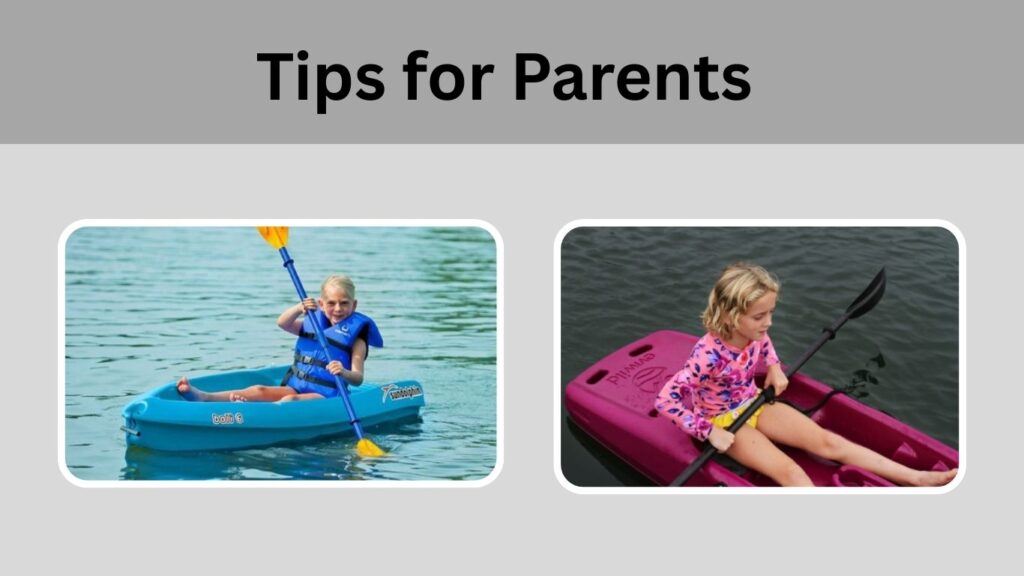
Introducing kids to kayaking can be one of the most rewarding outdoor experiences for a family. However, some children may feel nervous about water, paddling, or trying something new. Others may get bored quickly if the experience doesn’t feel fun. As a parent, you play a big role in shaping your child’s perception of kayaking. With patience, creativity, and encouragement, you can help them build confidence and fall in love with this activity. Below are detailed tips to make the journey enjoyable:
Start Small and Simple
Don’t expect your child to paddle across a large lake on their first outing. Begin with short, easy trips in calm and shallow water. Even a quick paddle along the shoreline can feel exciting to them. Gradually increase the distance and duration as they gain comfort and stamina. This way, kayaking feels more like an adventure than a challenge.
Make It About Fun, Not Performance
For kids, kayaking should be less about technique and more about enjoyment. Let them splash around, explore little coves, or race you to a nearby rock. Bring along floating toys or let them tow a small net to collect leaves, shells, or floating treasures. Turning it into a game keeps them engaged and looking forward to the next trip.
Give Them Ownership
Children feel more excited when they have a sense of control. Let your child help pick the kayak color, choose their paddle, or decide where to explore (within safe limits). Allowing them to make small decisions boosts their confidence and makes them feel like an important part of the adventure.
Celebrate Small Achievements
Whether it’s their first successful paddle stroke, steering the kayak in a straight line, or staying calm after a wobble, celebrate every milestone. Praise motivates kids, and they’ll associate kayaking with positive experiences rather than pressure or fear.
Be Patient With Their Pace
Children often tire more quickly than adults. If they want to stop paddling and float for a while, let them. Pushing too hard can lead to frustration and a lack of interest. Instead, use those breaks as opportunities to enjoy the scenery, talk, or have a snack together.
Incorporate Learning and Discovery
Kayaking isn’t just a sport; it’s also a chance to connect with nature. Teach your child to observe wildlife, listen to bird calls, or spot fish in the water. Bring a simple guidebook and turn the outing into a mini nature lesson. Kids love to learn through adventure, and kayaking provides plenty of opportunities for discovery.
Pair Kayaking With Other Fun Activities
Make kayaking part of a bigger adventure. Plan a picnic by the water, stop at a sandy bank for swimming, or bring fishing poles for a short fishing break. When kayaking is connected to other enjoyable activities, kids will view it as an exciting outing rather than just paddling.
Provide the Right Gear
Kids are more likely to enjoy kayaking when they feel comfortable and safe. Invest in a child-sized paddle, a well-fitting life jacket, and water shoes. Bring along snacks, drinks, and maybe even a waterproof camera so they can take photos. Having the right gear makes the experience smooth and enjoyable.
Join Them in the Fun
Instead of treating it like a lesson, share the experience with them. Paddle alongside your child, tell stories, and show them how you enjoy kayaking yourself. Children mirror adult enthusiasm; if they see you smiling, relaxed, and excited, they’re more likely to feel the same way.
Keep Each Experience Positive
The first few trips will shape your child’s long-term interest in kayaking. If they associate it with stress, fear, or discomfort, they may resist in the future. Always end trips on a high note, before they get too tired or cranky. Leaving them wanting “just a little more” is better than pushing them until they don’t want to go again.
Encouraging kids to kayak doesn’t require strict training; it’s about creating happy, memorable moments on the water. When children feel safe, supported, and excited, kayaking becomes a hobby they’ll carry with them for years.
Frequently Asked Questions (FAQ) About Kids Kayaks
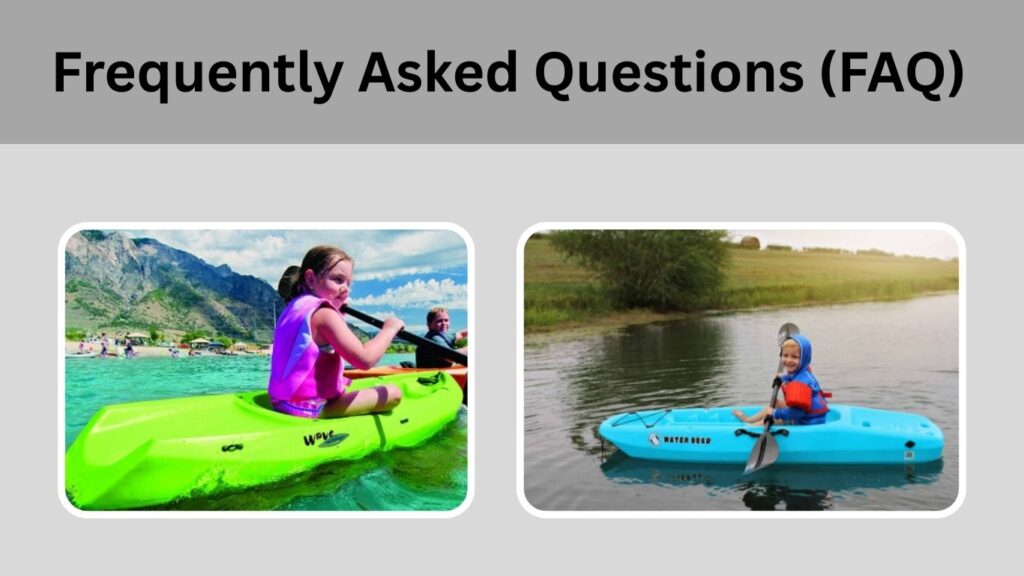
When it comes to choosing and using a kids’ kayak, parents often have many questions. Safety, comfort, durability, and fun all matter when buying and maintaining a kayak for children. Below is a long and detailed FAQ section that answers the most common concerns parents, guardians, and even young paddlers themselves might have.
1. What is the right age for a child to start kayaking?
There is no strict age limit, but generally, children as young as 5 or 6 can start kayaking in calm and shallow waters if they are supervised closely. At this age, they may ride in a tandem kayak with a parent. Independent paddling usually becomes easier between ages 7 and 10, depending on the child’s size, confidence, and swimming ability. Teenagers (13+) can often handle smaller adult kayaks. Always consider your child’s maturity, comfort level, and physical ability before letting them paddle solo.
2. Are kids’ kayaks safe?
Yes, kids’ kayaks are designed to be safe when used correctly. They are lighter, shorter, and more stable than adult kayaks, which helps reduce the risk of tipping. Sit-on-top designs are the most popular for children because they are easy to climb back onto if a child falls off. Safety improves even more when kids wear properly fitted life jackets, stay in calm waters, and are supervised by adults.
3. Should I choose a sit-on-top or sit-inside kayak for my child?
Both types have pros and cons:
- Sit-on-top kayaks are the best choice for beginners and younger kids. They are stable, easy to get in and out of, and self-draining through scupper holes. If the child falls off, they can climb back on without fear of being “trapped.”
- Sit-inside kayaks provide better protection from splashes and colder waters. They are usually preferred by older children or those with more kayaking experience. However, they can feel restrictive and harder for small kids to manage.
For most kids under 12, sit-on-top kayaks are safer and more beginner-friendly.
4. How do I choose the right size kayak for my child?
A kayak that is too large will be difficult to paddle, while one too small will feel cramped. The best kids’ kayaks are usually between 6 and 8 feet long. For very young children (ages 5–8), a 6-foot kayak is ideal. Pre-teens may do better with 8–10-foot kayaks, depending on their weight and height. Always check the kayak’s weight capacity; it should comfortably hold your child plus any gear they might bring along.
5. Do kids need their own paddles?
Yes, children need smaller paddles designed for their size and strength. Standard adult paddles are too long and heavy, which can cause fatigue and frustration. A kids’ paddle is usually 180–200 cm long with smaller blades for easier strokes. Lightweight paddles make it much easier for children to enjoy kayaking without tiring too quickly.
6. What safety gear do kids need for kayaking?
The most important piece of safety gear is a properly fitted life jacket (PFD) designed for children. Make sure the PFD is U.S. Coast Guard–approved (or meets your country’s safety standards) and fits snugly without being too tight. Other useful safety gear includes:
- A whistle for signaling in case of emergency.
- Sun protection like hats, sunscreen, and UV-protective clothing.
- Water shoes for grip and foot protection.
- A helmet if kayaking in rougher rivers (not usually needed for calm lakes).
7. Can kids kayak alone?
Yes, older children with experience can kayak alone, but it depends on their skill level and the environment. Beginners should always be supervised by an adult paddling nearby. Children should not kayak alone in strong currents, deep waters, or unfamiliar areas. A safe rule is: if a child cannot confidently swim, they should not kayak alone.
8. How heavy are kids kayaks? Can a child carry their own?
Most kids’ kayaks weigh between 18 and 30 pounds. Younger children will need help carrying them, but older kids may be able to drag or carry them short distances. Many kids’ kayaks come with molded handles or carry grips to make transportation easier. Parents may also use kayak carts to help move the kayak from the car to the water.
9. What materials are kids kayaks made of?
Most kids’ kayaks are made from high-density polyethylene plastic, which is durable, lightweight, and resistant to bumps and scratches. This material holds up well to rough handling, which is common with young paddlers. Inflatable kayaks for kids are also available, usually made from PVC or reinforced vinyl, and are easy to store and transport.
10. How do I store a kids kayak when not in use?
Store the kayak in a cool, shaded area, away from direct sunlight to prevent fading and warping. Use a rack, wall mount, or suspension system to keep it off the ground. If stored outside, cover it with a UV-resistant tarp. Always dry the kayak before storing it to prevent mold and mildew. Proper storage helps the kayak last longer and stay safe for future adventures.
11. Do kids need lessons before kayaking?
While not mandatory, lessons are highly recommended. Many outdoor centers and camps offer beginner-friendly kayaking classes where children learn paddling techniques, balance, and water safety. Even short lessons can boost a child’s confidence and teach them important skills like how to re-enter the kayak if they fall out.
12. What are the best places for kids to kayak?
The safest places for kids to kayak are calm, shallow waters such as small lakes, gentle rivers, or sheltered bays. Avoid areas with strong currents, waves, or heavy boat traffic. Warm weather and clear water are also ideal for children’s learning, since they reduce discomfort and stress if they fall in.
13. How much do kids’ kayaks cost?
On average, kids’ kayaks range from $100 to $400, depending on the brand, size, and features. Budget models are usually simple sit-on-top designs, while higher-end models may include adjustable seats, storage compartments, and extra accessories. Inflatable kayaks are also available at lower prices and are convenient for families with limited storage.
14. Can kids use inflatable kayaks?
Yes, inflatable kayaks can be a good option for children, especially for families who travel often or lack storage space. They are lightweight, easy to carry, and surprisingly durable when made from high-quality materials. However, always ensure the kayak is fully inflated and has multiple air chambers for safety.
15. How do I teach my child to paddle correctly?
Start with short practice sessions in shallow water. Show them how to hold the paddle, dip one blade at a time, and alternate strokes on each side. Encourage slow, steady strokes instead of rushing. Make it fun, turn paddling into a game or race to keep their interest high. With practice, children quickly learn balance and coordination.
Choosing and caring for a kid’s kayak involves many details, but with the right information, parents can make confident decisions. From size and safety gear to storage and lessons, every question plays a role in keeping kayaking both safe and fun for children. With the right preparation, kayaking can become an enjoyable family activity that helps kids build confidence, fitness, and a love for the outdoors.
Final Thoughts
Kayaking is a wonderful way for kids to stay active, connect with nature, and enjoy fun adventures on the water. Choosing the right kayak makes all the difference; it should be safe, comfortable, and suitable for your child’s age and size. The Top 5 Kids Kayaks we explored are all great options, each designed with stability, safety, and easy handling in mind. With the right kayak and safety gear, your child can paddle with confidence, build new skills, and create lasting memories outdoors.