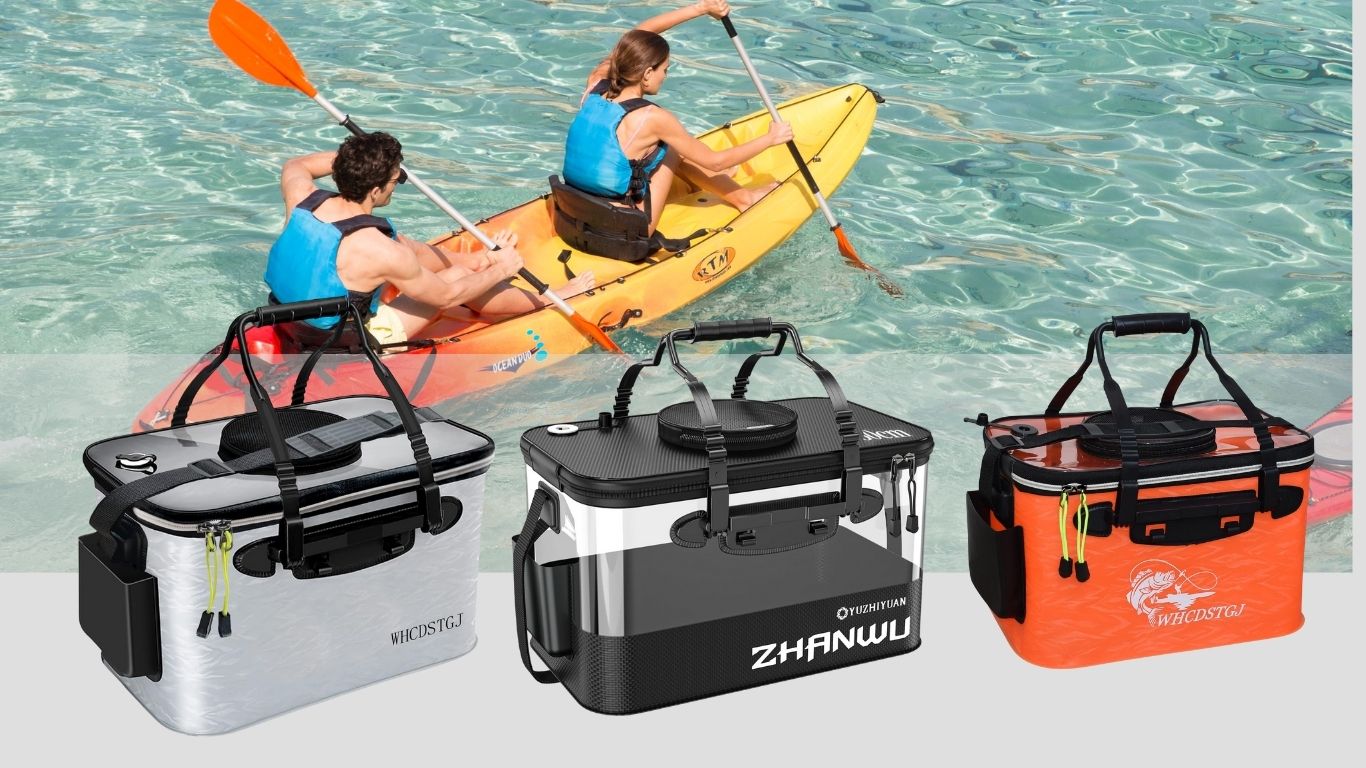
When you’re out on the water in your kayak, chasing your next big catch, keeping your live bait fresh and accessible is key. A bait bucket may seem like a small detail, but it can have a big impact on the success of your fishing trip. With limited space on a kayak and the need for practicality, choosing the right bait bucket isn’t just about preference—it’s about performance, convenience, and preserving your bait in top condition.
In this guide, we’ll walk you through everything you need to know to select the best bait bucket for your kayak.
1. Why a Bait Bucket Matters for Kayak Fishing
Unlike larger boats, kayaks have very limited space. Every item you carry needs to be compact, efficient, and purpose-driven. A well-chosen bait bucket keeps your bait alive, minimizes mess, and allows you to focus on fishing rather than handling slippery bait or cleaning up spills. It also reduces stress on live bait, making it livelier and more attractive to game fish.
Without a proper bait bucket, your bait may die quickly due to heat, lack of oxygen, or rough handling. For kayak anglers who rely heavily on live shrimp, minnows, or worms, a reliable bucket makes all the difference.
2. Key Factors to Consider Before Buying
Choosing the right bait bucket starts with understanding your needs and how different features can serve them on the water.
A. Bucket Size and Capacity
Size is crucial. Most kayak bait buckets range from 1.5 to 5 gallons. If you typically fish with small amounts of bait, go for a compact bucket that won’t take up valuable space. But if you fish all day or share bait with a partner, a slightly larger option may be worth it.
B. Material and Durability
Hard plastic buckets are common, but not all plastics are equal. Look for UV-resistant and impact-resistant materials that can handle sun exposure and rough handling. Soft buckets or collapsible models may save space but often don’t hold up well to wear and tear.
C. Water Flow and Aeration
Live bait needs fresh, oxygenated water. Buckets with perforated sides or mesh compartments allow water to circulate when submerged. For longer trips or hot days, choose a bucket compatible with a battery-powered aerator.
D. Lid Design and Accessibility
You don’t want to struggle with a stubborn lid while holding a fishing rod. Choose a lid that opens easily with one hand, seals securely, and keeps the bait from jumping out. Some lids have viewing windows or built-in bait net access.
E. Insulation Features
If you often fish in hot climates, an insulated bait bucket helps maintain a cooler internal temperature. This slows down the metabolism of live bait and extends its survival time.
F. Mounting or Storage Options
Kayak storage is limited. Look for buckets that can be clipped to your seat, stowed in tank wells, or float alongside your kayak. Some models come with rope tethers or suction cups for added security.
3. Types of Bait Buckets for Kayaks
Not all bait buckets are the same. Understanding the different types helps narrow down your best fit.
A. Floating Bait Buckets
These are great for kayakers because they can be tethered to your kayak and float in the water, keeping bait cool and oxygenated naturally. Ideal for short-term use or warm climates.
B. Submersible Bait Buckets
Designed to stay underwater, these allow continuous water exchange and keep bait in their natural environment. Some have weighted bases to prevent tipping.
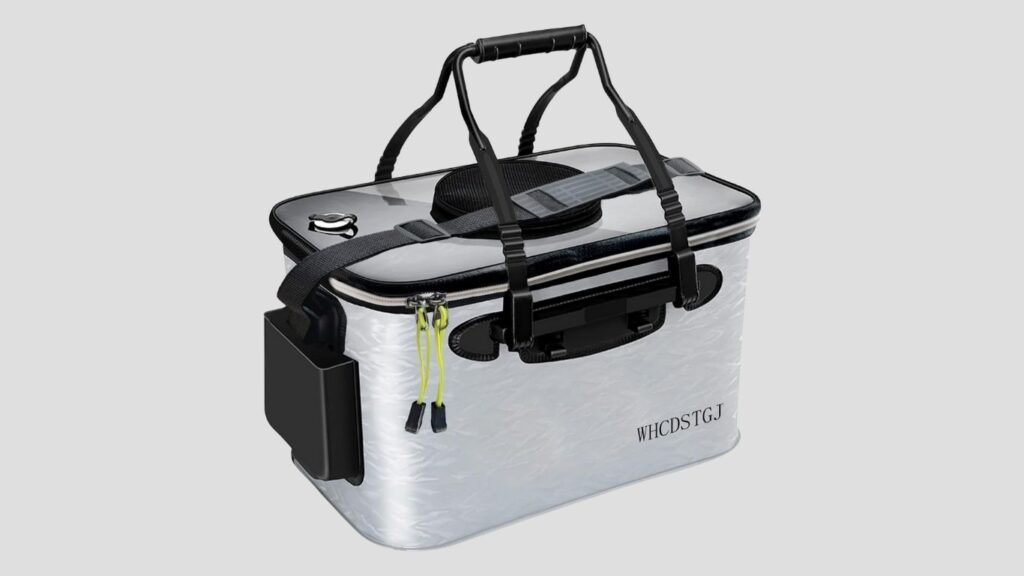
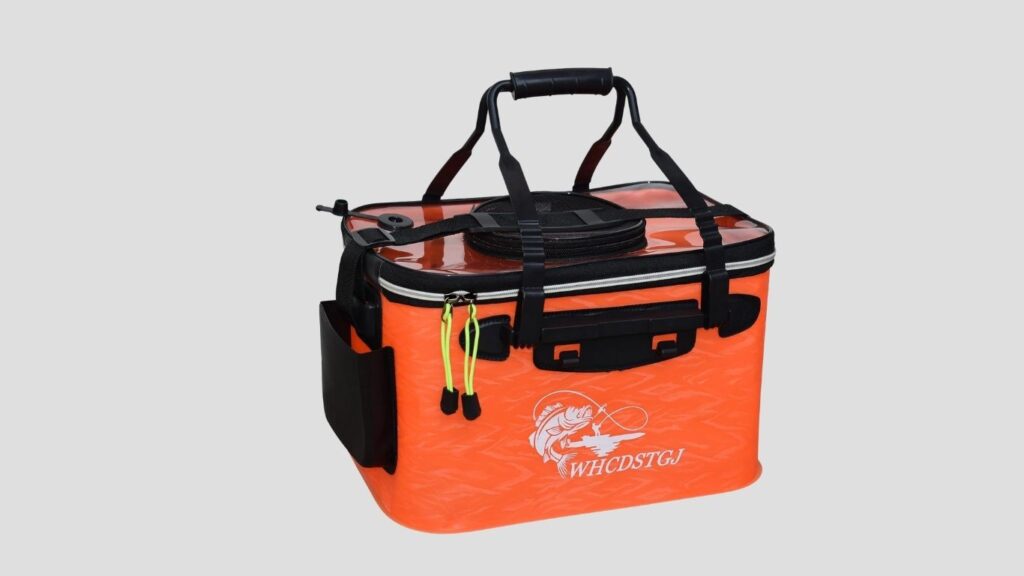
C. Collapsible Bait Containers
If storage space is tight, these buckets fold flat when not in use. They’re typically made from waterproof fabric or soft plastic, but may not be ideal for rough use or longer trips.
D. Aerated Bait Buckets
These include a battery-powered air pump to keep water oxygenated. They’re perfect for sensitive bait like minnows and shiners, especially when fishing in hot weather or far from shore.
4. Choosing Based on Fishing Style and Location
Your ideal bait bucket depends not just on features but also on where and how you fish.
A. Inshore vs. Offshore Kayak Fishing
Inshore anglers may need smaller, portable buckets for shrimp or worms. Offshore anglers who fish for larger species might require bigger buckets and more aeration for bait like mullet or pilchards.
B. Freshwater vs. Saltwater Bait Use
Saltwater can corrode metal parts, so make sure the bucket is saltwater-safe if you fish the ocean. Freshwater anglers can focus more on aeration and less on corrosion resistance.
C. Live Minnows, Shrimp, Worms, or Artificial Bait
Different bait types need different care. Minnows and shrimp need cool, oxygen-rich water. Worms can survive in moist containers with good ventilation. If you use artificial bait occasionally, you may not need a bait bucket at all.
5. DIY or Budget Bait Bucket Options
If you’re on a budget or like to customize your gear, building your own bait bucket is an option.
- Cooler Bucket: Use a small cooler with a flip-top lid and attach a portable aerator. It doubles as storage.
- Mesh Laundry Basket: Add a float ring and weight to a mesh basket and submerge it.
- Converted Paint Bucket: Drill holes in a 5-gallon bucket and attach a rope. Just ensure the plastic is safe and smooth.
While DIY options can save money, they may not offer the durability or efficiency of store-bought models.
6. Maintenance and Cleaning Tips
To keep your bait bucket working effectively:
- Rinse it with freshwater after each trip to remove salt, slime, and debris.
- Avoid leaving bait residue inside—it can smell awful and attract pests.
- Dry thoroughly before storage to prevent mold and mildew.
- Check the lid and aerator for damage regularly.
7. Final Tips for Storing and Using Bait Buckets on a Kayak
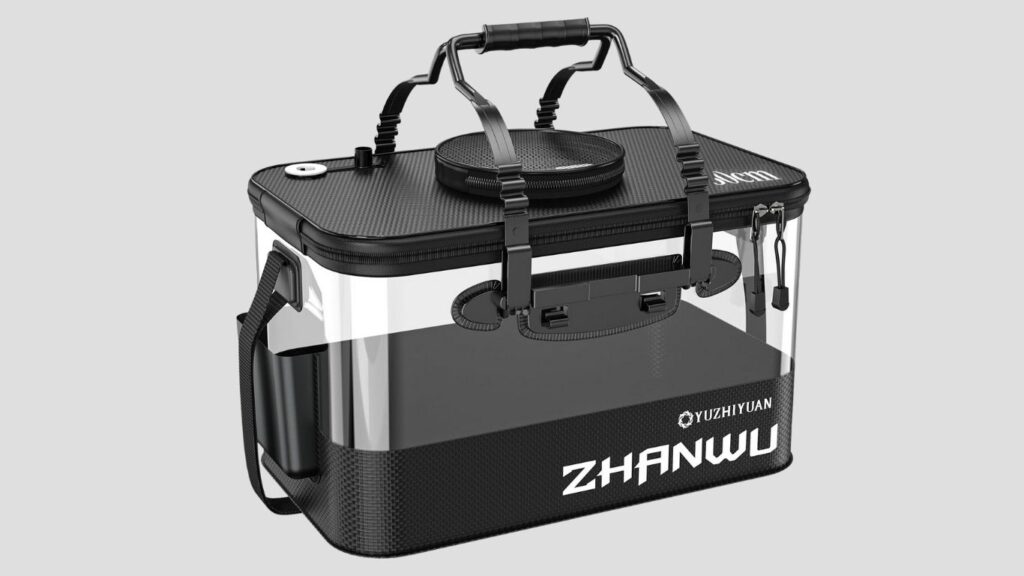
- Placement is key: Keep the bucket in an accessible area, like the rear tank well or beside the seat.
- Secure it properly: Use bungee cords or tether lines to keep the bucket from sliding or tipping.
- Avoid overloading: Don’t stuff in too much bait—it reduces water quality and increases stress on the bait.
- Label your gear: If you carry multiple buckets, color code or label them to avoid confusion.
FAQs
Can I use a regular bucket for live bait on a kayak?
Yes, but it may not keep bait alive for long. Regular buckets lack aeration, insulation, and often spill easily in small spaces.
How do I keep bait alive longer in a bucket?
Use a bucket with proper aeration, avoid direct sunlight, don’t overcrowd the bait, and change water periodically if needed.
Are collapsible bait buckets reliable for kayak fishing?
They’re good for short trips or small bait quantities. However, they may tear or leak if used heavily or with sharp bait.
What’s the best way to secure a bait bucket on a kayak?
Use bungee cords, tank well straps, or tie it with rope to the kayak. For floating models, tether them alongside with a short leash.
Do I need an aerator for a kayak bait bucket?
If you plan to fish for hours or use delicate bait, an aerator is highly recommended. It keeps bait oxygenated and prevents die-offs.