
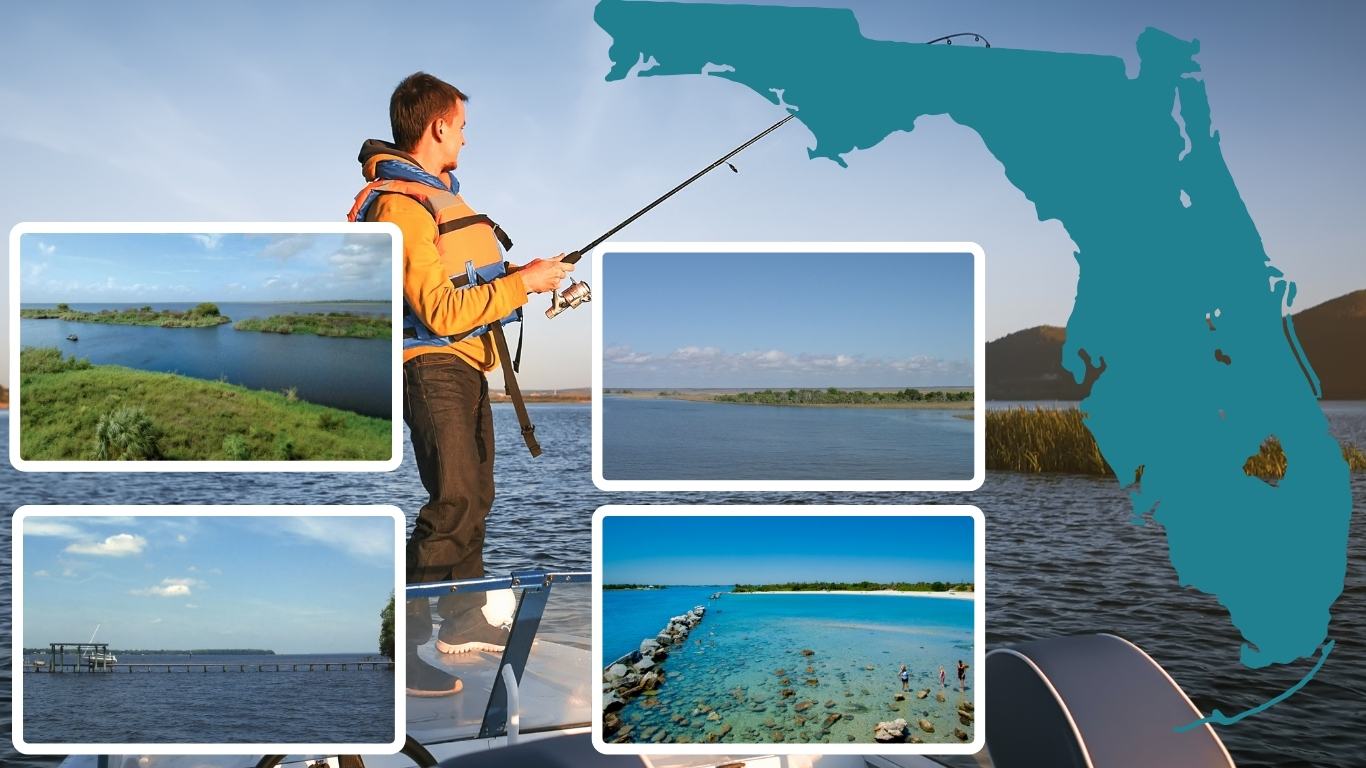
Florida is a fishing paradise with waters that range from freshwater lakes to vibrant saltwater estuaries and deep offshore zones. Whether you’re after largemouth bass in inland lakes or chasing tarpon and snook along the coast, the Sunshine State offers something for every angler. With year-round access, beautiful surroundings, and diverse fish species, Florida’s fishing spots are among the best in the country. Below are 10 of the top fishing destinations in Florida, each offering unique habitats, seasonal action, and fishing experiences you won’t forget.
1. Florida Keys
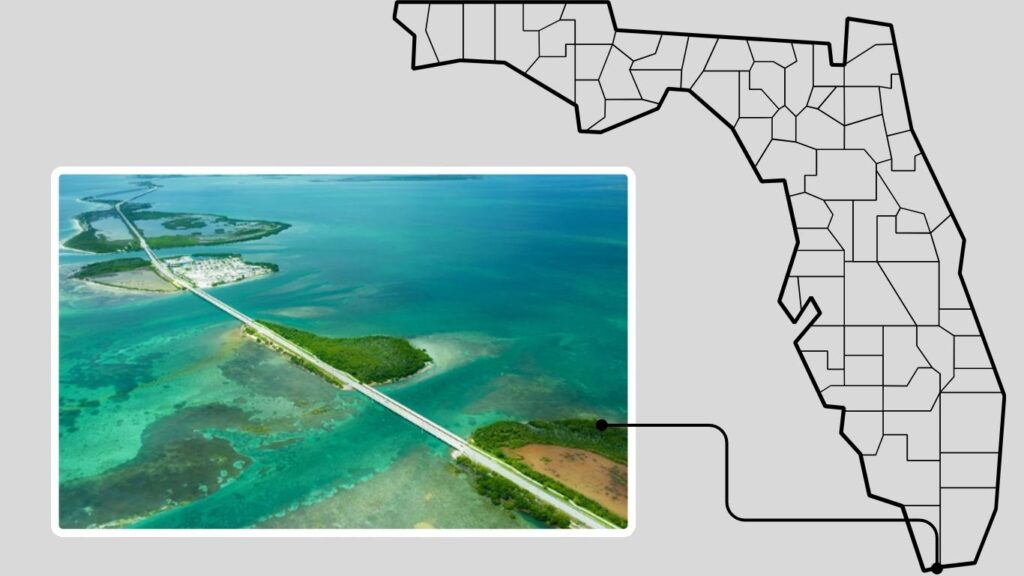
The Florida Keys are a world-famous fishing destination stretching over 100 miles of islands, coral reefs, and blue ocean waters. With a rich blend of shallow flats, reef systems, and offshore depths, this tropical paradise offers year-round fishing for anglers of all levels.
Overview
The Florida Keys are home to some of the best saltwater fishing on the planet. Whether you’re casting on the flats for bonefish or heading offshore for tuna and sailfish, the diversity of species and fishing styles is unmatched. Clear waters, warm climate, and easy boat access make the Keys ideal for both casual and serious anglers.
Types of Fishing
- Backcountry Fishing: Target redfish, snook, tarpon, and bonefish in the shallow flats and mangroves.
- Offshore Fishing: Fish the Gulf Stream for mahi-mahi, wahoo, tuna, and sailfish.
- Reef and Wreck Fishing: Snapper, grouper, and amberjack thrive around reefs and sunken vessels.
- Bridge Fishing: Bridges like the Seven Mile Bridge offer access to tarpon, snapper, and barracuda.
Popular Species
- Tarpon
- Bonefish
- Mahi-Mahi
- Yellowtail Snapper
- Grouper
- Permit
- Sailfish
Fishing Laws and Regulations
Saltwater fishing in the Keys is regulated by Florida Fish and Wildlife Conservation Commission (FWC). Non-residents require a saltwater fishing license unless aboard a licensed charter. Catch limits, size regulations, and seasonal closures apply depending on species. Some areas may also be marine protected zones—check FWC updates before fishing.
Best Time to Fish
Fishing in the Keys is productive all year, but the peak seasons vary by species. Tarpon run strong from March to June, while mahi-mahi fishing peaks in summer. Cooler months bring excellent snapper and grouper action along the reefs and wrecks. Sunrise and sunset offer better bite windows, especially during moving tides.
Fishing Tips
- Use natural baits like pilchards, crabs, or shrimp for reef and flats species.
- Fish around sunrise or sunset for higher activity, especially in backcountry waters.
- When offshore, follow floating weed lines or color breaks to locate mahi and tuna.
- Practice catch-and-release for large breeding fish like tarpon to protect the population.
The Florida Keys offer not just great fishing—but a full coastal experience with scenic beauty, vibrant marine life, and the thrill of big catches in every direction.
2. Lake Okeechobee
Lake Okeechobee, known as the “Big O,” is the largest freshwater lake in Florida and a legendary destination for bass fishing. With over 730 square miles of shallow waters, it provides abundant cover and ideal conditions for trophy largemouth bass.
Overview
Lake Okeechobee is a freshwater angler’s dream. Its expansive grass beds, reed lines, and submerged vegetation create the perfect habitat for bass and panfish. It’s a top choice for tournament anglers and casual fishers alike, especially during the cooler months when bass feed aggressively.
Types of Fishing
- Shoreline Fishing: Fish near reeds, cattails, and brushy cover for bass and bluegill.
- Boat Fishing: Use shallow-draft boats to navigate thick vegetation for deeper access.
- Live Bait Fishing: Shiners are the top choice for landing trophy-sized bass.
- Artificial Lure Casting: Use soft plastics, crankbaits, and topwater lures for active bites.
Popular Species
- Largemouth Bass
- Bluegill
- Crappie
- Shellcracker
Fishing Laws and Regulations
A valid Florida freshwater fishing license is required. Size and bag limits apply for bass and panfish. The lake’s vegetation zones may shift with water levels, and some areas may be restricted for habitat restoration—check local updates before heading out.
Best Time to Fish
Winter and early spring (December to March) offer the best chances for catching large spawning bass. Bluegill and crappie fishing are best during spring and summer. Early mornings and late afternoons are prime feeding times.
Fishing Tips
- Fish around thick vegetation like hydrilla, lily pads, and bulrush for best results.
- Use wild shiners under a float for trophy bass.
- Fish quietly—bass in shallow water spook easily.
- Keep an eye on wind direction; it can push fish into predictable areas.
Lake Okeechobee remains a must-visit for freshwater fishing enthusiasts and continues to produce some of the biggest bass in the state.
3. Tampa Bay
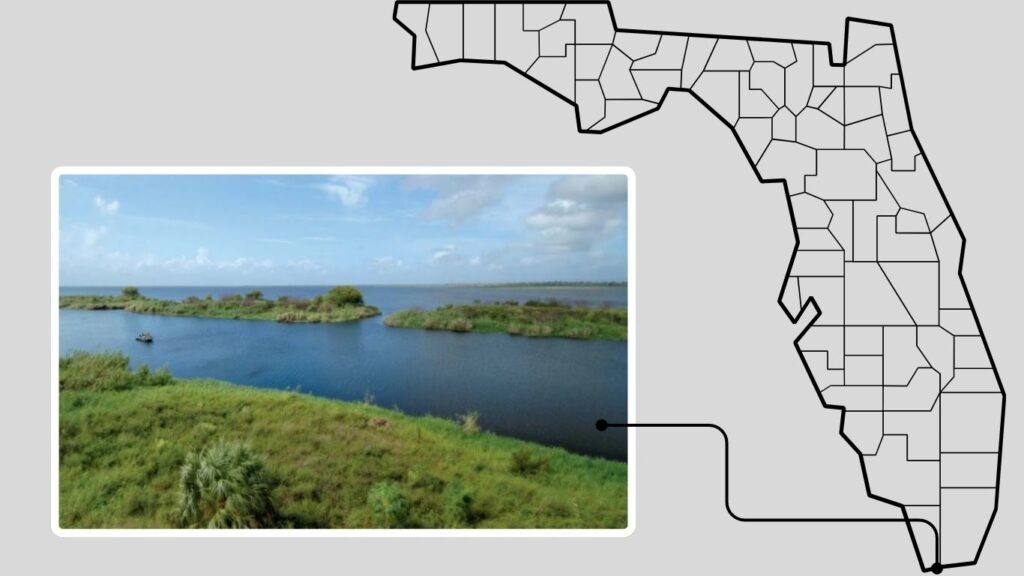
Tampa Bay is a vast estuary on Florida’s Gulf Coast known for its rich mix of saltwater habitats and year-round fishing. From grassy flats to deep shipping channels, Tampa Bay caters to all fishing styles and skill levels.
Overview
This area is a productive fishing ground due to its brackish water and tidal flow. Tampa Bay’s ecosystem supports a variety of sportfish like snook, redfish, tarpon, and seatrout. Its many bridges, piers, mangrove lines, and bayous make access easy for boaters and land-based anglers alike.
Types of Fishing
- Inshore Fishing: Fish the mangroves and flats for redfish, snook, and trout.
- Pier Fishing: Drop a line from popular spots like Sunshine Skyway Pier.
- Kayak Fishing: Ideal for navigating shallow grass flats and tidal creeks.
- Tarpon Fishing: Seasonal runs provide heart-pounding action in the summer.
Popular Species
- Snook
- Redfish
- Spotted Seatrout
- Tarpon
Fishing Laws and Regulations
Saltwater license is required for most anglers. Bag and slot limits apply to snook, redfish, and seatrout. Seasonal closures may impact targeted species—consult FWC rules for current guidelines.
Best Time to Fish
Spring and fall are prime seasons, offering cooler water temperatures and active feeding. Tarpon fishing peaks in late spring through early summer. Tidal movement is crucial—fish are more active during changing tides.
Fishing Tips
- Use live shrimp or pinfish near mangrove roots for snook and redfish.
- Fish grassy flats early in the morning for trout with topwater lures.
- For tarpon, use crabs or large swimbaits during their seasonal migration.
- Explore the edges of sandbars and oyster beds for feeding fish.
Tampa Bay offers incredible inshore fishing opportunities with a mix of convenience, variety, and the thrill of hooking Florida’s favorite game fish.
4. Mosquito Lagoon
Mosquito Lagoon, located along Florida’s east coast near Cape Canaveral, is a shallow saltwater estuary famed for its world-class flats fishing. It’s part of the Indian River Lagoon system and offers pristine waters ideal for sight fishing.
Overview
Known as the “Redfish Capital of the World,” Mosquito Lagoon is a favorite destination for fly fishers and light-tackle anglers. With clear, shallow waters and grassy flats, it provides excellent opportunities for stalking redfish, sea trout, and black drum.
Types of Fishing
- Flats Fishing: Sight cast to redfish and trout in ankle-deep water.
- Kayak Fishing: Paddle through shallow flats and channels for quiet access.
- Wading: Walk the sandy or grassy bottom to target fish up close.
- Fly Fishing: Use crab or shrimp patterns for cruising redfish.
Popular Species
- Redfish
- Spotted Seatrout
- Black Drum
- Snook (in warmer months)
Fishing Laws and Regulations
A saltwater fishing license is required. Many anglers practice catch-and-release to protect the local fishery. Pay attention to no-motor and manatee zones when boating. Check for seasonal closures or slot size rules for redfish and trout.
Best Time to Fish
Fall and winter months bring clearer water and better visibility for sight fishing. Early morning is best for calm conditions and active redfish tailing in shallow areas.
Fishing Tips
- Use weedless soft plastics or cut bait near grassy flats.
- Fish quietly to avoid spooking redfish in shallow water.
- Look for signs like wakes, tails, or shadows on sunny days.
- Polarized sunglasses help spot fish beneath the surface.
Mosquito Lagoon is a bucket-list destination for anglers seeking technical, visual, and rewarding shallow-water fishing in a peaceful natural setting.
5. Apalachicola Bay
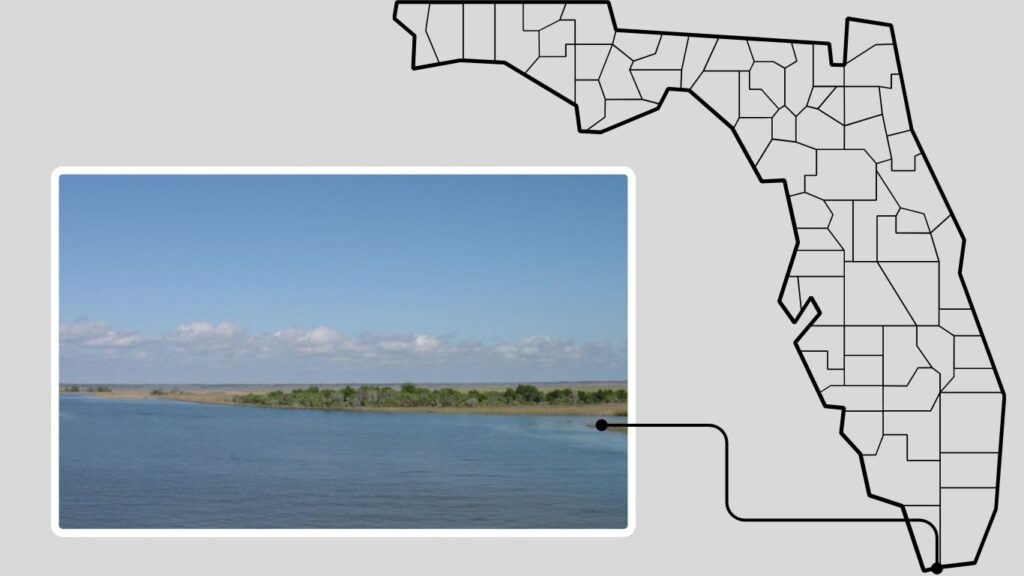
Apalachicola Bay is a productive estuarine system located in Florida’s Panhandle, known for its rich waters, oyster beds, and abundant inshore fish. This hidden gem offers exceptional fishing without the heavy crowds of more tourist-heavy destinations.
Overview
The bay’s combination of freshwater inflow from the Apalachicola River and saltwater from the Gulf creates a thriving fishery. Its shallow flats, marshes, and oyster bars support a wide variety of species, making it a great spot for both recreational and seasoned anglers.
Types of Fishing
- Inshore Fishing: Cast near oyster bars, grassy shorelines, and tidal creeks.
- River Mouth Fishing: Target striped bass, redfish, and trout in brackish water.
- Light Tackle Casting: Great for trout, flounder, and slot-sized redfish.
- Family-Friendly Pier Fishing: Safe and productive for beginners.
Popular Species
- Redfish
- Flounder
- Spotted Seatrout
- Sheepshead
Fishing Laws and Regulations
A saltwater fishing license is required. Observe size and bag limits, especially near oyster bars. The area is carefully managed to support both fishing and oyster harvesting—check FWC updates for any temporary closures.
Best Time to Fish
Spring and fall are ideal due to active feeding and comfortable temperatures. Summer offers solid action early in the morning or late evening. Cooler months bring in sheepshead and drum around structure.
Fishing Tips
- Use shrimp or cut bait near oyster beds for redfish and trout.
- Work soft plastics slowly along sandy or muddy bottoms.
- Try live bait rigs for flounder and sheepshead near pilings.
- Pay attention to tide swings—movement triggers feeding.
Apalachicola Bay combines peaceful surroundings with excellent fishing, making it a great choice for a relaxing yet productive day on the water.
6. Destin (The World’s Luckiest Fishing Village)
Destin, located on Florida’s Emerald Coast, proudly carries the nickname “The World’s Luckiest Fishing Village.” Known for its sugar-white beaches and access to deep waters just offshore, Destin is a hub for both inshore and offshore fishing adventures.
Overview
Destin’s unique coastal drop-off means anglers can reach deep-sea fishing grounds within minutes of leaving shore. It’s one of the top places in Florida for catching large pelagic species, while inshore and nearshore waters offer plenty of action for redfish, speckled trout, and flounder.
Types of Fishing
- Offshore Fishing: Troll or bottom fish for tuna, wahoo, amberjack, and grouper.
- Nearshore Fishing: Catch mackerel, snapper, and cobia around wrecks and reefs.
- Inshore Fishing: Explore Choctawhatchee Bay for redfish and trout.
- Charter Fishing: Dozens of charters available for half-day or full-day trips.
Popular Species
- Red Snapper
- King Mackerel
- Grouper
- Amberjack
Fishing Laws and Regulations
Saltwater license is required unless fishing with a licensed charter. Some species, like red snapper, have tight seasonal windows and strict bag limits. Be aware of federal and state waters regulations.
Best Time to Fish
Summer months (May–August) offer peak offshore fishing for red snapper, mahi, and more. Spring and fall are great for inshore action. Winter is quieter but still productive for sheepshead and flounder.
Fishing Tips
- Use live bait or jigs near structure for snapper and grouper.
- Troll skirts or spoons offshore to attract kingfish and tuna.
- For inshore fishing, target grass flats and bay docks with soft plastics.
- Book a local charter for the best spots and current techniques.
With quick access to deep water and abundant charter options, Destin is a top-tier destination for serious anglers and vacationers alike.
7. St. Johns River
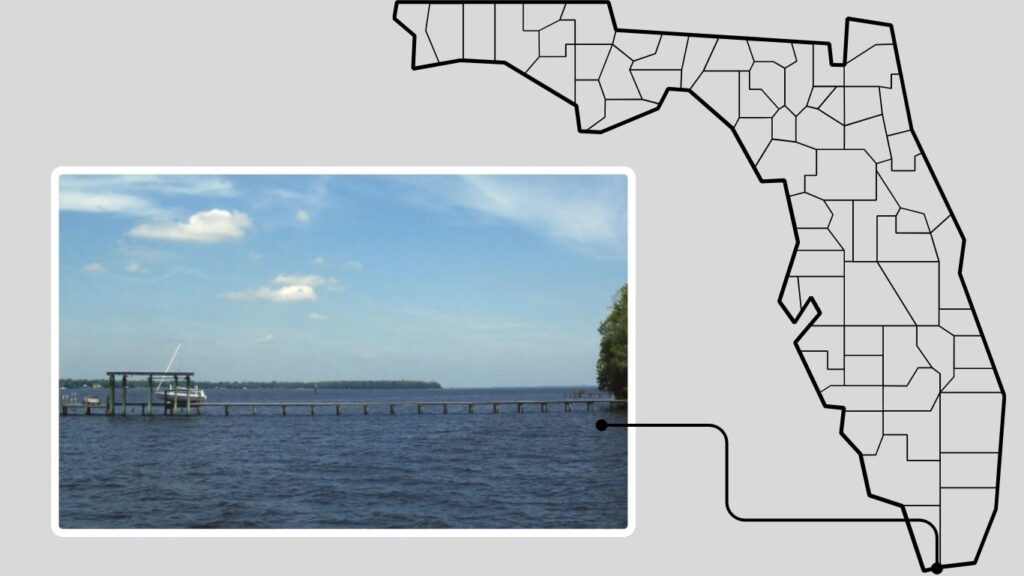
The St. Johns River is Florida’s longest river, stretching over 300 miles and offering diverse fishing experiences from freshwater bass to brackish estuarine species. It’s a prime destination for boaters and bank anglers alike.
Overview
Flowing northward through central and northeast Florida, the St. Johns River features wide channels, oxbows, creeks, and backwater areas teeming with fish. Its variety of habitats makes it ideal for both casual weekend fishers and bass tournament competitors.
Types of Fishing
- Freshwater Fishing: Target largemouth bass and panfish in backwater areas.
- Brackish Water Fishing: Fish near the river’s mouth for redfish and flounder.
- Dock and Shore Fishing: Public access points allow for easy land-based fishing.
- Crappie and Catfish Fishing: Popular in deeper holes and slow-moving currents.
Popular Species
- Largemouth Bass
- Bluegill
- Crappie
- Channel Catfish
Fishing Laws and Regulations
A freshwater license is required, except in fully brackish areas. Bag and size limits apply to bass and panfish. Seasonal restrictions may apply during the bass spawning period—always check current FWC regulations.
Best Time to Fish
Winter and early spring are ideal for bass spawning. Crappie fishing heats up in the cooler months, while summer and fall remain steady for catfish and bream. Morning and evening are best for topwater bass action.
Fishing Tips
- Use live shiners or plastic worms for trophy bass.
- Drift fish with minnows for crappie in deeper bends.
- Fish under bridges and shaded docks during hot months.
- Explore oxbow lakes and slow channels with a kayak or jon boat.
With its mix of freshwater and tidal influence, the St. Johns River offers one of the most diverse fishing ecosystems in the state.
8. Naples Pier
Naples Pier, located on Florida’s southwest coast, is one of the most iconic and accessible fishing spots in the state. It stretches into the Gulf of Mexico and offers excellent shore-based fishing for anglers of all skill levels.
Overview
The pier provides a prime spot for catching a variety of saltwater species without needing a boat. It’s free to fish from, and no license is required thanks to the city’s pier license. Families, tourists, and locals all gather here for scenic views and reliable fishing action.
Types of Fishing
- Pier Fishing: Cast into the surf or deeper end for mackerel, pompano, and more.
- Surf Fishing: Walk the beach and fish for whiting or snook.
- Live Bait Fishing: Shrimp and cut bait are common choices at the pier.
- Artificial Casting: Use spoons and jigs for fast-moving fish like mackerel.
Popular Species
- Spanish Mackerel
- Snook
- Pompano
- Sheepshead
Fishing Laws and Regulations
No individual license is needed when fishing from the pier. Bag limits and size rules still apply, and catch-and-release is encouraged for certain game fish like snook during closed seasons.
Best Time to Fish
Spring and fall offer strong runs of pompano and mackerel. Early morning and evening are ideal for snook, especially during tide changes. Winter months bring in sheepshead near the pilings.
Fishing Tips
- Use live shrimp under a float for snook and sheepshead.
- Cast flashy spoons or jigs to attract fast-moving fish.
- Bring a drop net to help land bigger catches from the pier.
- Keep gear light and mobile for easy repositioning.
Naples Pier is perfect for anyone looking to fish without a boat—offering saltwater variety, easy access, and beautiful sunset views while you cast.
9. Sebastian Inlet
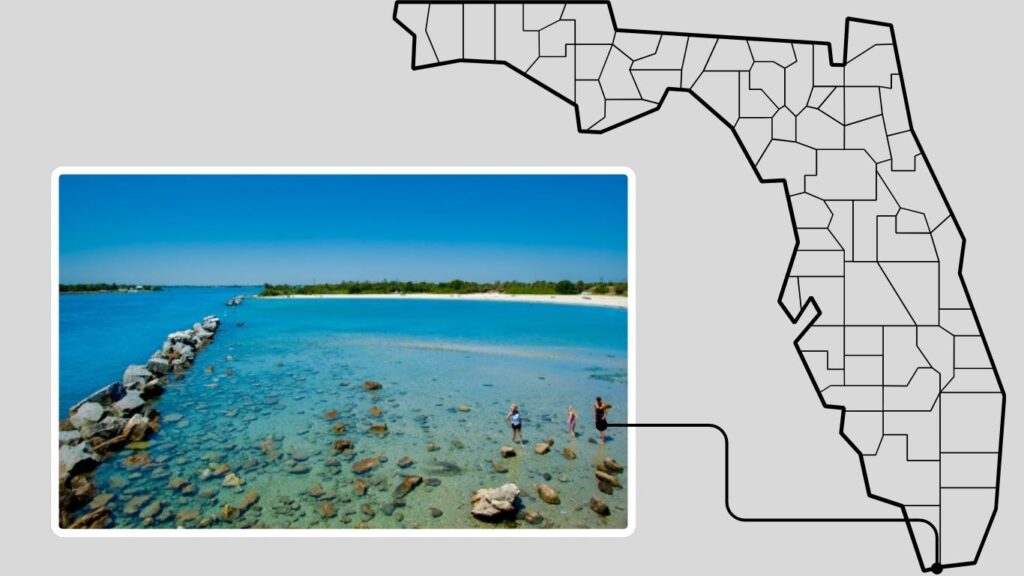
Sebastian Inlet, located on Florida’s east coast between Melbourne and Vero Beach, is a hotspot for saltwater fishing with both inlet and ocean access. It connects the Indian River Lagoon to the Atlantic, creating a strong tidal flow that attracts a variety of game fish.
Overview
Known for its aggressive snook and seasonal mullet runs, Sebastian Inlet is a favorite among serious anglers. The fast-moving water and structure around jetties and bridges make it a feeding zone for big fish.
Types of Fishing
- Jetty Fishing: Cast from the north or south jetties into turbulent inlet waters.
- Surf Fishing: Fish from nearby beaches for pompano, whiting, and bluefish.
- Bridge Fishing: Night fishing for snook is especially productive.
- Boat Fishing: Navigate near the inlet or out into the Atlantic for mackerel and sharks.
Popular Species
- Snook
- Redfish
- Bluefish
- Flounder
Fishing Laws and Regulations
Saltwater license is required. Snook has strict size and seasonal limits. Some areas may have fishing restrictions or no-access zones—follow posted signs and consult FWC guidelines.
Best Time to Fish
The fall mullet run (September–October) draws large predatory fish close to shore. Night fishing is excellent for snook and flounder. Spring and summer bring steady action for bluefish and pompano.
Fishing Tips
- Use live mullet or artificial swimbaits during the mullet run.
- Fish just after high tide for better current flow and feeding activity.
- Wear cleats or grippers if walking on wet jetties.
- Focus on bridge shadows at night where snook ambush prey.
Sebastian Inlet offers fast-paced fishing and a chance to hook into big, aggressive fish—especially if you time it with the right tide and seasonal bait movement.
10. Charlotte Harbor
Charlotte Harbor, located on Florida’s Gulf Coast between Punta Gorda and Cape Coral, is one of the state’s largest and most productive estuarine systems. With miles of mangroves, grassy flats, and river mouths, it provides diverse habitats for both saltwater and brackish species.
Overview
Charlotte Harbor is a paradise for inshore anglers seeking redfish, snook, and seatrout. Its calm, shallow waters make it ideal for flats fishing, kayak fishing, and poling skiffs. The Peace and Myakka Rivers feed into the harbor, attracting both freshwater and saltwater fish.
Types of Fishing
- Flats Fishing: Sight-fish for redfish, snook, and trout in shallow waters.
- River Mouth Fishing: Target mixed species in brackish zones.
- Mangrove Shoreline Casting: Use topwater or live bait along the edges.
- Kayak and Canoe Fishing: Perfect for stealthy access into tight spots.
Popular Species
- Snook
- Redfish
- Spotted Seatrout
- Black Drum
Fishing Laws and Regulations
A saltwater license is required. Bag and slot limits apply to redfish, snook, and trout, and regulations may vary seasonally. Some areas fall under special management zones—check FWC regulations before fishing.
Best Time to Fish
Spring and fall offer excellent fishing due to active feeding and ideal water temperatures. Summer months bring consistent redfish and snook action in the early morning. Cooler months are better for trout and drum.
Fishing Tips
- Use live shrimp or pilchards near oyster bars and mangrove roots.
- Fish early morning or late afternoon for cooler water and better bites.
- Look for tidal movement—it stirs up bait and activates feeding.
- Paddle quietly when using kayaks to avoid spooking fish in shallow zones.
Charlotte Harbor offers a quiet, scenic, and highly productive fishing experience perfect for both casual anglers and seasoned pros seeking inshore action.