Fishing is more than just catching fish; it’s about patience, skill, and respect for nature. But here’s something many anglers often overlook: the type of hook you use can change everything. One small choice, whether to use a barbed hook or a barbless hook, can affect your fishing experience, the safety of the fish, and even your safety.
In recent years, barbless hooks have become very popular among anglers. Why? Because they are safer, easier to use, and more environmentally friendly. If you’ve never tried them before or if you’re wondering why people are switching to barbless hooks, this article will explain everything in simple, easy-to-understand language.
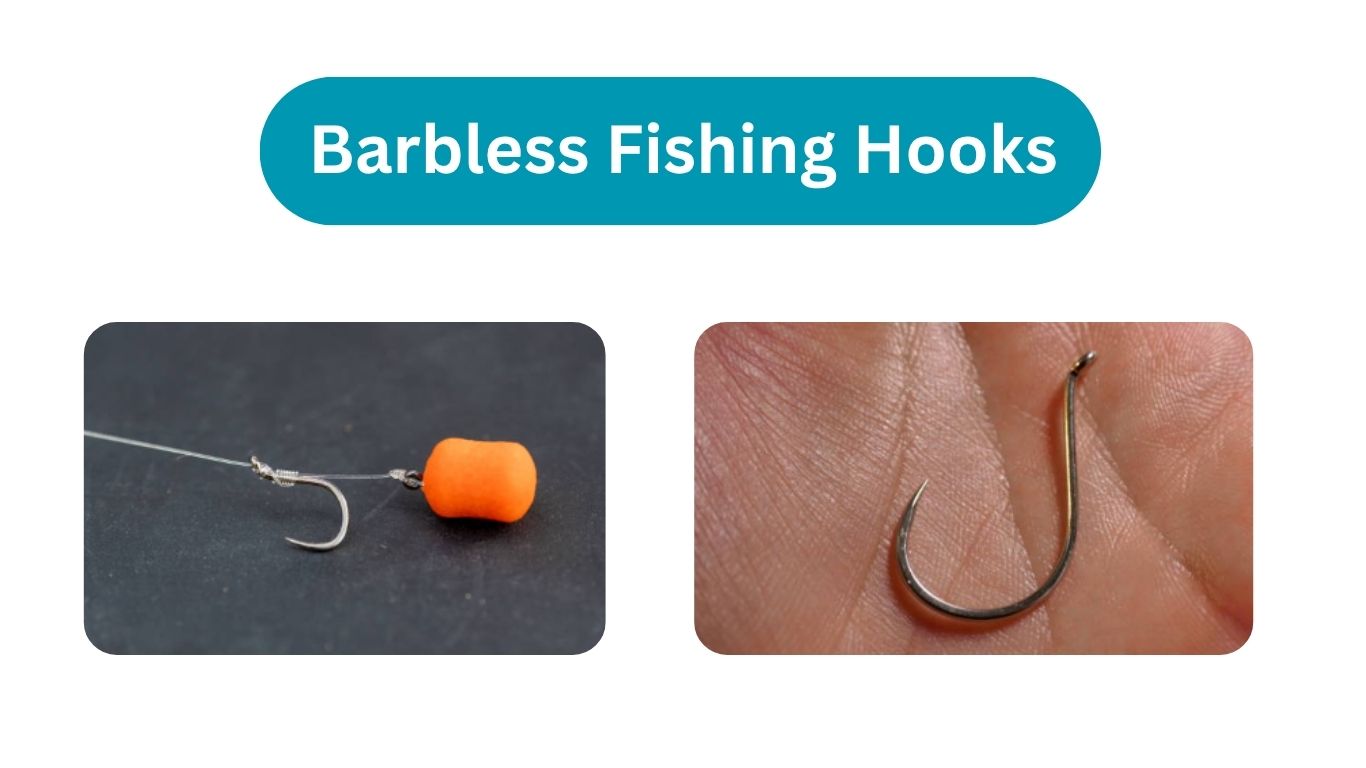
What is a Barbless Fishing Hook?
A barbless fishing hook is a hook that does not have a barb, the small, backward-facing point found just behind the hook’s tip. In a regular hook, this barb acts like a lock. Once the hook goes inside the fish’s mouth, the barb makes it very hard for the fish to escape. That sounds great for catching fish, right? But there’s a problem.
When you want to remove the hook, that small barb can cause serious injury to the fish. It tears the mouth tissue and sometimes even the gills or throat. This is particularly problematic if you’re practicing catch-and-release fishing, as the fish may not survive after being released.
A barbless hook removes that problem. It is completely smooth after that point, so it slides in and out easily. This makes it easier on the fish and on you if the hook gets stuck in your finger.
How do you get a barbless hook?
- You can buy ready-made barbless hooks from any tackle shop or online store.
- Or you can make one yourself by using a pair of pliers to flatten the barb on a regular hook.
Barbed vs Barbless Hooks – What’s the Difference?
Before you switch, let’s compare the two types of hooks in detail.
Barbed Hook
- Has a sharp backward spike behind the point.
- Designed to lock the fish in place once hooked.
- Makes it hard to remove the hook from the fish.
- If it gets stuck in your skin, removing it can be painful and difficult.
- Often causes serious injury to the fish.
Barbless Hook
- Completely smooth after that point.
- Easy to remove from fish and your skin.
- Causes less damage to the fish.
- Preferred for catch-and-release fishing.
- Requires more skill to keep the fish on the line because nothing is locking it in.
Example scenario:
Imagine you catch a trout with a barbed hook. When you try to remove the hook, the barb gets stuck deep inside the mouth. You pull harder, tearing the flesh. The fish swims away but later dies from the injury. Now imagine the same situation with a barbless hook, you gently slide it out in seconds, and the trout swims away healthy. That’s the difference.
Why Do Barbless Hooks Matter?
Barbless hooks may look simple, but they play a huge role in making fishing safer, kinder to fish, and better for the environment. Many anglers switch to barbless hooks after experiencing one of these situations themselves. Let’s explore why they matter so much, with real stories and useful tips.
1. Safer for Fish – Less Pain, More Survival
When you hook a fish, the goal is not to hurt it unnecessarily, especially if you plan to release it. A barbed hook has a sharp spike that locks inside the fish’s mouth, making removal difficult. This can cause serious injuries, like:
- Torn lips
- Damaged gills
- Deep internal wounds if the fish swallowed the hook
Even if you let the fish go, these injuries can kill it later. That’s the harsh truth many beginners don’t know.
Now imagine this real-life story:
Tom, an experienced trout angler, used to fish with barbed hooks. One day, he caught a beautiful rainbow trout. He wanted to release it, but the hook was stuck deep inside the mouth. He struggled for two minutes, pulling and twisting. When he finally got the hook out, the trout was bleeding badly. Tom put it back in the water, but it floated lifelessly. That day, Tom felt guilty and switched to barbless hooks forever.
With a barbless hook, the situation would have been very different. He could have removed the hook in a few seconds without harming the fish. The trout would have swum away healthy and strong.
Pro Tip:
- If you love catch and release, always go barbless. It’s faster, easier, and much safer for the fish.
Example from real fishing laws:
In many famous fly-fishing spots, like Montana’s trout rivers or certain Canadian streams, using barbless hooks is mandatory by law. These rules exist because barbless hooks protect fish populations and keep fishing sustainable.
2. Safer for You – No More Hospital Trips
Hooks don’t always end up in fish. Sometimes, they end up with you. If you’ve ever had a hook stuck in your hand or ear, you know how scary and painful it is. The barb makes it even worse because it works like a backward lock; it goes in, but it doesn’t come out easily.
Here’s a real example:
Jake, a weekend angler, was fishing on a windy day. He cast his line, but the wind blew it back. The hook came flying and stuck deep in his cheek. He tried pulling it out, but the barb held tight. He had to cut the line and drive to the nearest hospital. The doctor used special tools to push the hook through his skin to remove it. Jake ended up with stitches and a ruined fishing trip.
Now, imagine if Jake had been using a barbless hook. He could have pulled it out gently in seconds, cleaned the wound, and kept fishing.
Pro Tips for Safety:
- If you fish with kids, always use barbless hooks. Children are more likely to make casting mistakes.
- Even with barbless hooks, keep a small first-aid kit in your tackle box. Accidents happen.
- Wear polarized sunglasses for eye protection. A flying hook in the eye can be very dangerous.
3. Better for the Environment – Keep Fishing Sustainable
Fishing should be fun, but it should also be responsible. Our rivers, lakes, and oceans are home to countless species, and we want them to stay that way. When fish are badly injured from barbed hooks, many die even after being released. Over time, this reduces fish populations.
Barbless hooks make catch-and-release fishing more effective. The fish experiences less stress, less bleeding, and a better chance of survival. This means more fish for future generations and a healthier ecosystem.
Real Example:
In British Columbia, Canada, barbless hooks are required for salmon fishing. Why? Because salmon are a vital species for the ecosystem, and every fish matters. These rules help keep the fish population strong so anglers can enjoy fishing for years to come.
Pro Tip for Responsible Fishing:
- Always wet your hands before touching a fish. This protects its slime layer, which helps prevent infections.
- Release fish gently back into the water; don’t throw them.
- If a fish swallows the hook too deeply, cut the line instead of trying to pull it out.
When Should You Use a Barbless Hook?
You can use barbless hooks anytime, but there are certain situations where they are the best choice. Let’s look at them one by one:
1. Catch and Release Fishing
If you plan to release the fish back into the water, always use a barbless hook. Why?
Because it is much easier to take out, and it causes very little damage to the fish’s mouth. This means the fish can swim away healthy and survive.
Example: Many anglers who fish for trout or salmon prefer barbless hooks because these fish are delicate. Removing a barbed hook can tear their mouth, but a barbless hook slides out quickly without harming them.
2. Fly Fishing
Fly fishing often targets smaller, fragile fish like trout. Barbless hooks make it easy to release them quickly without stress. Many fly fishing rivers require barbless hooks by law to protect fish populations.
3. Fishing with Kids
Kids are excited when fishing, but they are also more likely to make mistakes while casting. Sometimes the hook might swing back and catch their clothes or even their skin. A barbless hook is much safer because you can remove it quickly without much pain.
4. Fishing in Areas with Rules
Some lakes, rivers, and even entire regions have laws that require barbless hooks. This is common in places where fish are protected or where catch and release is the main practice. Always check the rules before fishing.
Possible Downsides of Barbless Hooks and How to Handle Them
Nothing in fishing is perfect, even barbless hooks have a few challenges. Let’s look at what they are and how you can overcome them.
1. Fish Can Escape More Easily
Since a barbless hook doesn’t have a barb to lock the fish in, there’s a higher chance the fish will shake the hook loose, especially if you give it slack in the line. This can be frustrating if you’re close to landing a big catch and it suddenly gets away.
How to fix this:
- Keep the fishing line tight at all times.
- Don’t give the fish too much freedom to move around.
- Avoid jerky movements, and use steady pressure to keep the hook in place.
2. Requires More Skill
Fishing with barbless hooks is not about brute force; it’s about technique. You need to maintain steady tension on the line, use a flexible rod, and control the fish carefully. Beginners might find this challenging at first.
How to improve:
- Practice in calm waters with smaller fish before moving to big ones.
- Use a rod with good flexibility to absorb sudden pulls from the fish.
- Stay patient, this extra challenge makes you a better angler in the long run.
Possible Downsides and How to Handle Them
Barbless hooks offer many benefits, but like anything in fishing, they’re not perfect. There are a couple of challenges you might face when using them, especially if you’re new to this style. Let’s go over the main issues and how to handle them:
Fish Can Escape More Easily –
Since barbless hooks don’t have the small backward-facing barb, they don’t grip the fish’s mouth as firmly as traditional hooks. This means the fish has a better chance of shaking itself free if there’s any slack in your line.
Requires More Skill and Attention –
With a barbed hook, the barb does part of the work of keeping the fish on the line. But with a barbless hook, that job is all on you. You need to stay alert, keep the line tight, and use proper technique when reeling in your catch.
How to Fix These Problems
Keep Your Line Tight
The most important rule when fishing with barbless hooks is to keep your line tight at all times. A loose line creates slack, and that gives the fish the perfect opportunity to shake its head and spit the hook out. Since there’s no barb to hold it in place, even a second of slack can cause you to lose your catch. The best way to avoid this is to stay focused during the fight, maintain steady pressure, and never let the line go limp.
- Use the Right Rod and Reel
Your fishing gear plays a big role in how successful you’ll be with barbless hooks. A rod with good flexibility and a smooth reel can make all the difference. The flexibility helps absorb sudden movements when the fish thrashes, reducing the chances of the hook slipping out. Choose a rod and reel that match the size and strength of the fish you’re targeting so you can maintain control throughout the fight.
- Practice Your Technique
Using barbless hooks requires more skill than using traditional barbed hooks, so practice is essential. With experience, you’ll learn how to maintain the right amount of pressure on the line and control the fish without giving it any slack. Try practicing on smaller fish first to build confidence before moving on to larger, stronger species. Over time, you’ll find that your overall fishing technique improves, making you a better angler.
How to Make a Hook Barbless (Step-by-Step)
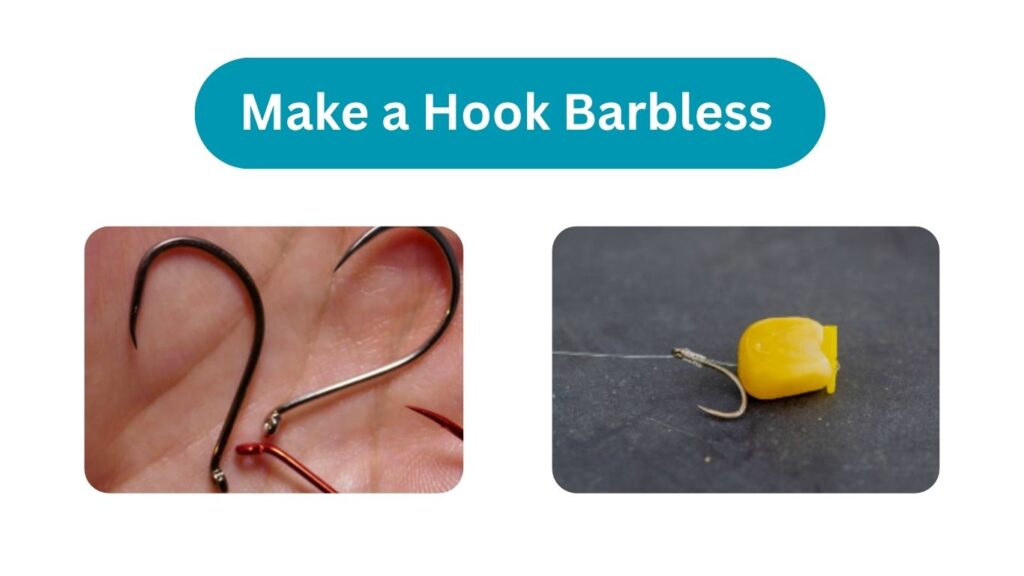
- Don’t want to spend money on new barbless hooks? You can easily turn your regular hooks into barbless ones at home with just a simple tool. Here’s how to do it step by step:
Step 1: Get a Pair of Pliers
The first thing you need is a sturdy pair of fishing pliers or needle-nose pliers. These will give you the grip and strength needed to flatten the barb properly.
Step 2: Hold the Hook Firmly
Grip the hook securely by the shank, which is the straight part of the hook. This prevents the hook from slipping while you work on the barb.
Step 3: Flatten the Barb
Position the pliers over the barb and squeeze down firmly until the barb is completely flattened against the hook’s shaft. Take your time to make sure it’s fully pressed down.
Step 4: Check the Smoothness
Once you’ve flattened the barb, run your fingertip gently over the spot where the barb used to be. It should feel smooth and flat. If you notice any sharp edges, squeeze again or file it down to prevent injury to the fish.
How to Fish with a Barbless Hook (Techniques & Tips)
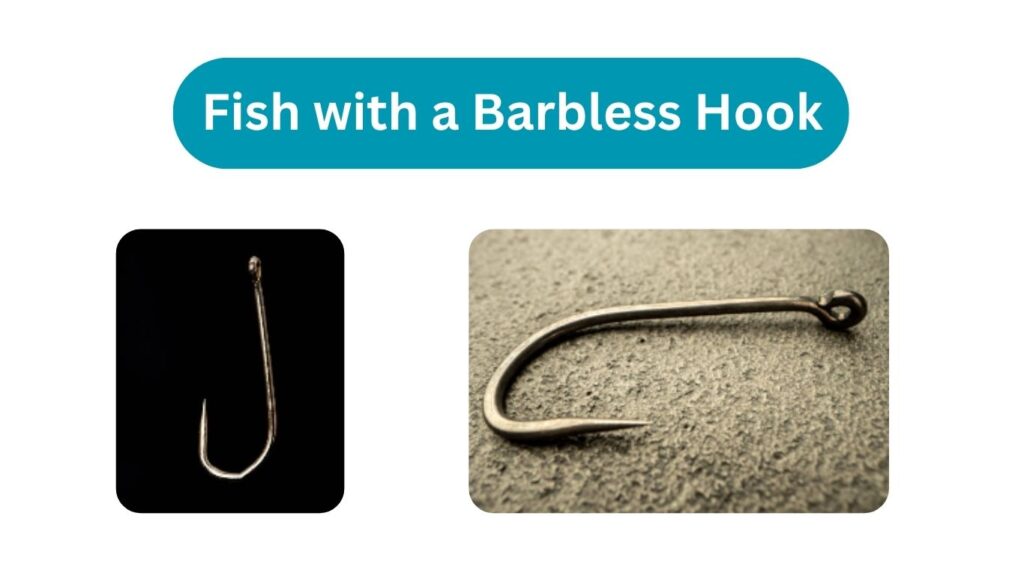
Fishing with a barbless hook is not difficult, but it does require extra care and attention. Here are some key techniques to help you succeed:
Keep the Line Tight
The golden rule for barbless fishing is simple: never let the line go slack. If you do, the fish can easily shake its head and spit the hook out. Keep constant pressure on the line from the moment you hook the fish until you land it.
Set the Hook Gently
Unlike with barbed hooks, you don’t need to make a big, dramatic jerk to set a barbless hook. A smooth, firm pull is all it takes to secure the hook in the fish’s mouth. Avoid aggressive hooksets, as they can tear the fish’s mouth or cause the hook to slip out.
Reel Steadily
When bringing in the fish, keep your movements steady and consistent. Avoid jerky motions or frequent stopping and starting, as this can create slack in the line and allow the fish to escape.
Use the Right Gear
Choose a rod with a softer tip or moderate action, which helps absorb sudden movements from the fish. This extra flexibility makes it harder for the fish to throw the hook during a fight.
Catch and Release Fishing with Barbless Hooks
- Catch and release fishing is a popular practice among anglers who want to enjoy the thrill of the catch without harming the fish population. Barbless hooks are perfect for this because they make it easier to remove the hook quickly and cause minimal damage.
Wet Your Hands First
Before handling the fish, wet your hands. This protects the fish’s natural slime coating, which is essential for its health and protection against infections.
Use Pliers or a Hook Remover
Instead of using your fingers, use pliers or a hook remover to take the hook out. This makes the process faster and less stressful for the fish.
Handle the Fish Gently
Hold the fish firmly enough to control it, but never squeeze hard. Squeezing can injure its internal organs and greatly reduce its chances of survival after release.
Release the Fish Slowly
When it’s time to return the fish to the water, do it gently. Place the fish in the water and let it swim away on its own rather than tossing it back. This helps the fish recover and reduces shock.
How to Make a Hook Barbless (Step-by-Step)
Barbless hooks work well in most fishing situations, but there are times when they are especially useful:
Fly Fishing for Trout
Most fly anglers use barbless hooks because trout have delicate mouths. Barbless hooks reduce injury and make catch-and-release much easier.
Saltwater Fishing
For large saltwater species like bonefish or tarpon, barbless hooks are ideal because they make releasing big fish quick and safe.
Freshwater Fishing
Whether you’re fishing for bass, catfish, or pike in lakes and rivers, barbless hooks can help you land your catch while still protecting the fish.
Ice Fishing
In cold conditions, unhooking fish can be difficult, especially with gloves on. Barbless hooks make it faster and easier, which is important when fishing through the ice.
Safety Tips When Using Barbless Hooks
Even though barbless hooks are generally safer than barbed hooks, you should always follow safety precautions:
Handle Hooks with Pliers
Whenever possible, use pliers to handle hooks, especially when removing them from a fish. This keeps your hands safe from accidental punctures.
Store Hooks Properly
Always keep your hooks in a tackle box when not in use. Leaving them loose can lead to injuries if someone accidentally grabs or steps on them.
Protect Your Eyes
When casting, wear sunglasses or safety glasses. Hooks can sometimes fly back unexpectedly, and eye protection can prevent serious injuries.
Teach Kids Hook Safety
If you’re fishing with children, take time to explain how to handle hooks safely. Teach them not to wave rods around and to always be aware of where the hook is.
FAQs
Q1: Do barbless hooks catch fewer fish?
Not really. If you keep the line tight and use good technique, you can catch just as many fish.
Q2: Can I make my barbless hooks?
Yes! Just flatten the barb with pliers.
Q3: Are barbless hooks required by law?
In some areas, yes. Always check local fishing rules before you go.
Q4: Are barbless hooks better for beginners?
Yes, because they are safer and easier to remove from both fish and skin.
Final Thoughts
Barbless fishing hooks may seem like a small adjustment, but this tiny change can create a big impact on your fishing experience and the environment. Unlike traditional hooks with barbs, barbless hooks are designed to cause less harm to the fish, making them an excellent choice for anglers who care about responsible fishing.
When you use a barbless hook, unhooking the fish becomes much easier and quicker. There’s no need to struggle or cause extra injury to the fish, which is especially important if you practice catch and release.
Not only do they protect the fish, but they also make fishing safer for you. If a barbed hook accidentally gets stuck in your skin or clothing, it can be painful and hard to remove. A barbless hook, on the other hand, can usually be taken out without any trouble, reducing the chances of an emergency during your trip.
Barbless hooks also encourage better fishing skills. Without a barb holding the fish in place, you need to maintain the right tension on your line and handle the fish carefully. This makes you a more skilled and attentive angler over time.
If you truly love fishing and want to enjoy the sport while protecting nature, consider switching to barbless hooks on your next outing. They are easy to use, kinder to the fish, and safer for you. In the end, this small step can make fishing more enjoyable, sustainable, and rewarding for both you and the fish.