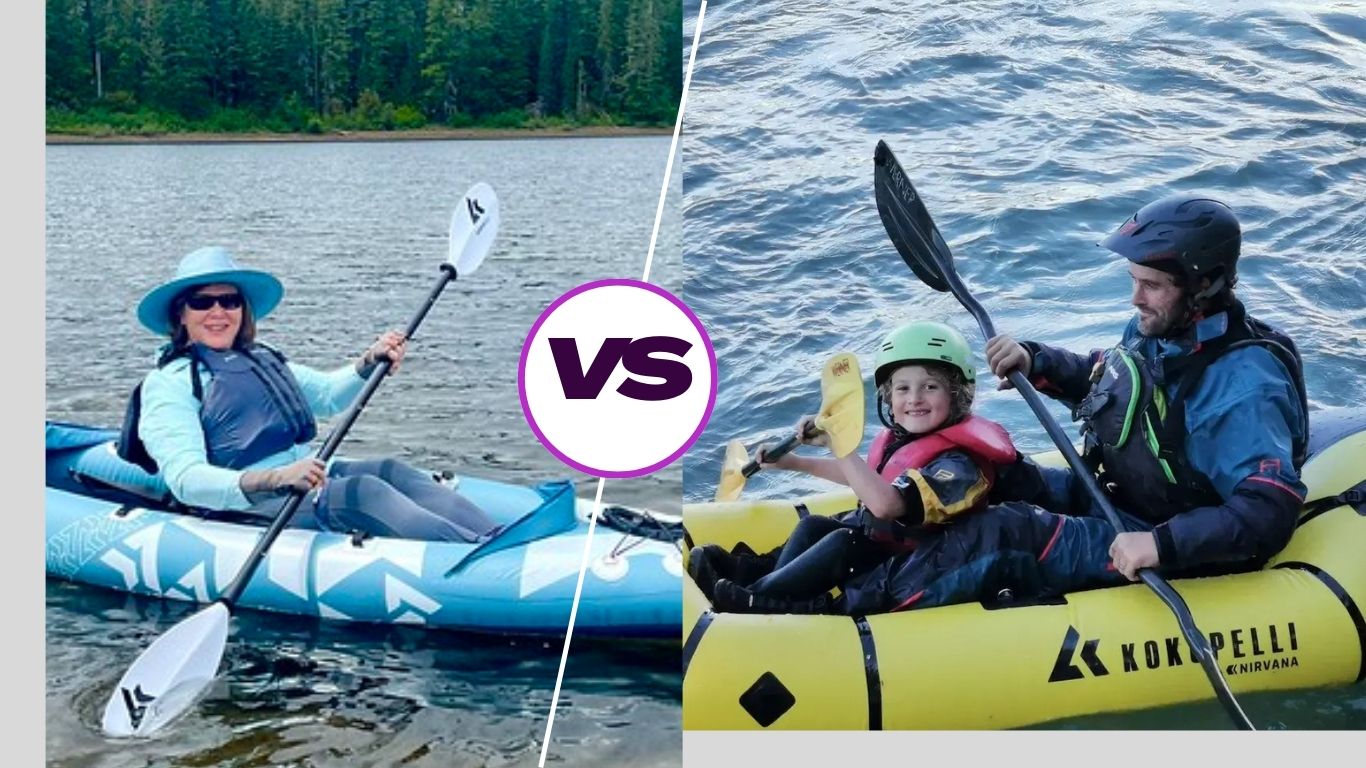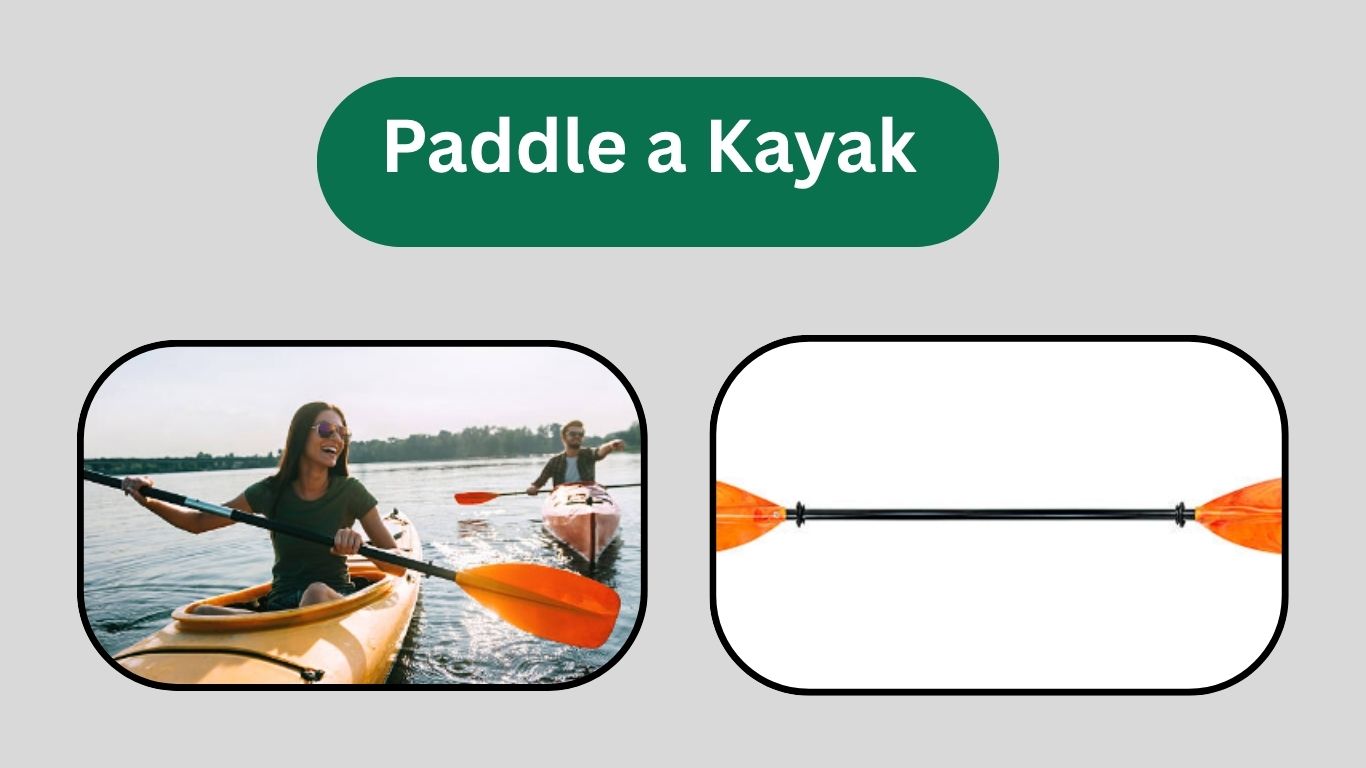
Kayaking is a fun and exciting water activity that allows you to explore rivers, lakes, and even oceans using a small, maneuverable boat called a kayak. Whether you want to paddle calmly across a lake, ride waves in the sea, or navigate through fast-moving river rapids, kayaking can offer a wide range of experiences. It is also a great form of exercise and a relaxing way to enjoy nature.
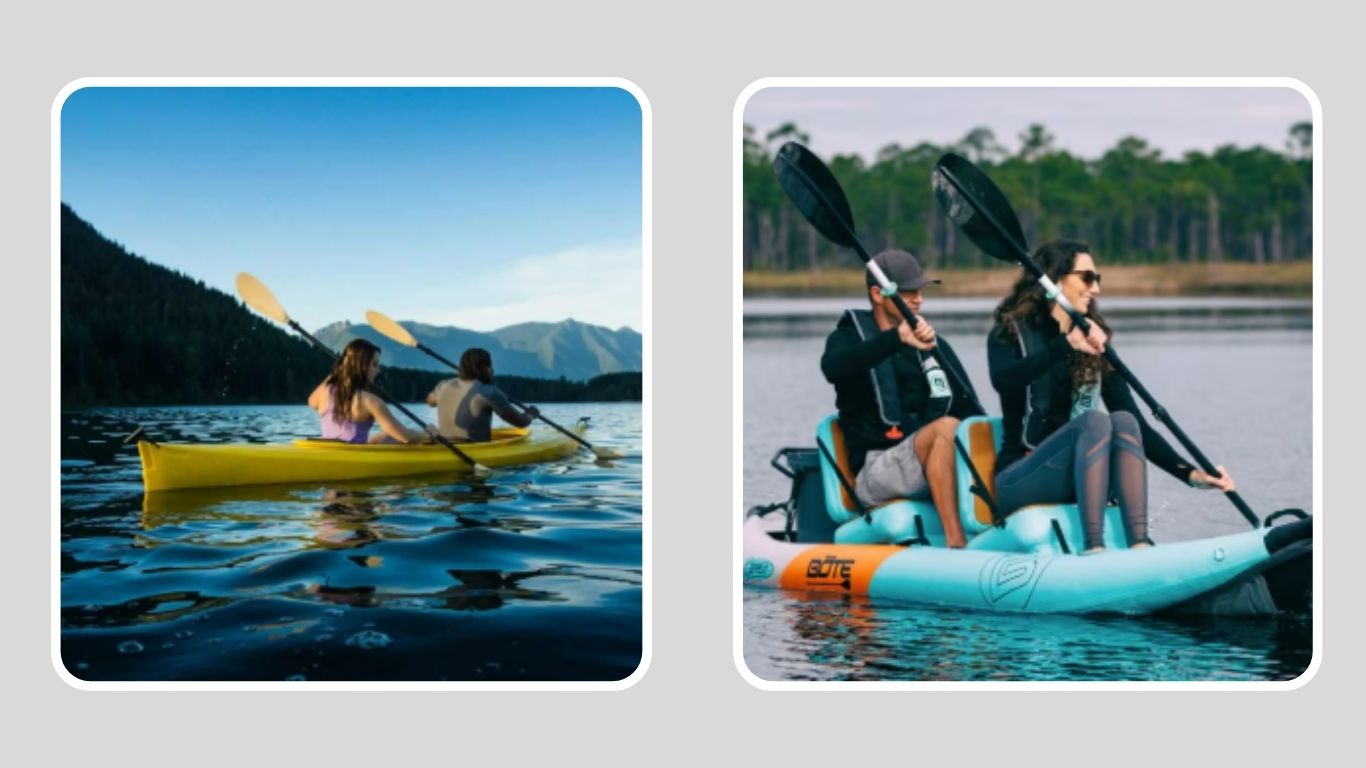
A kayak is a narrow, lightweight boat that usually holds one or two people. You sit inside the kayak and use a double-bladed paddle to move through the water. Unlike rowing, where your back faces the direction you’re going, in kayaking, you face forward and paddle on both sides.
If you’re new to kayaking, it’s important to learn the basic skills before heading out. Paddling a kayak may look simple, but there’s a right way to do it to stay safe, avoid injuries, and enjoy your time on the water. This article will guide you through the fundamentals of how to paddle a kayak, including how to sit properly, hold your paddle, perform basic strokes, and stay safe on the water.
Getting to Know Your Kayak
Before you start paddling, it’s important to understand the parts of a kayak. Knowing the names of everything will help you follow instructions more easily and take better care of your kayak.
Most kayaks have a pointed front (called the bow) and a pointed back (called the stern). The cockpit is where you sit, and it’s usually in the middle of the kayak. Some kayaks have open cockpits, while others have a closed design where your legs are covered.
Inside the cockpit, you’ll find the seat, which may be padded or adjustable for comfort. There are also foot pegs or foot braces that help you keep your legs in a comfortable position and give you better control of the kayak.
On top of the kayak, there may be bungee cords or straps to hold gear. Some kayaks also have storage compartments with waterproof covers, which are great for keeping snacks, clothes, or safety items.
The kayak’s hull is the bottom part that touches the water. The shape of the hull can affect how stable the kayak feels and how easily it moves. Some kayaks are designed for speed, while others are built for stability.
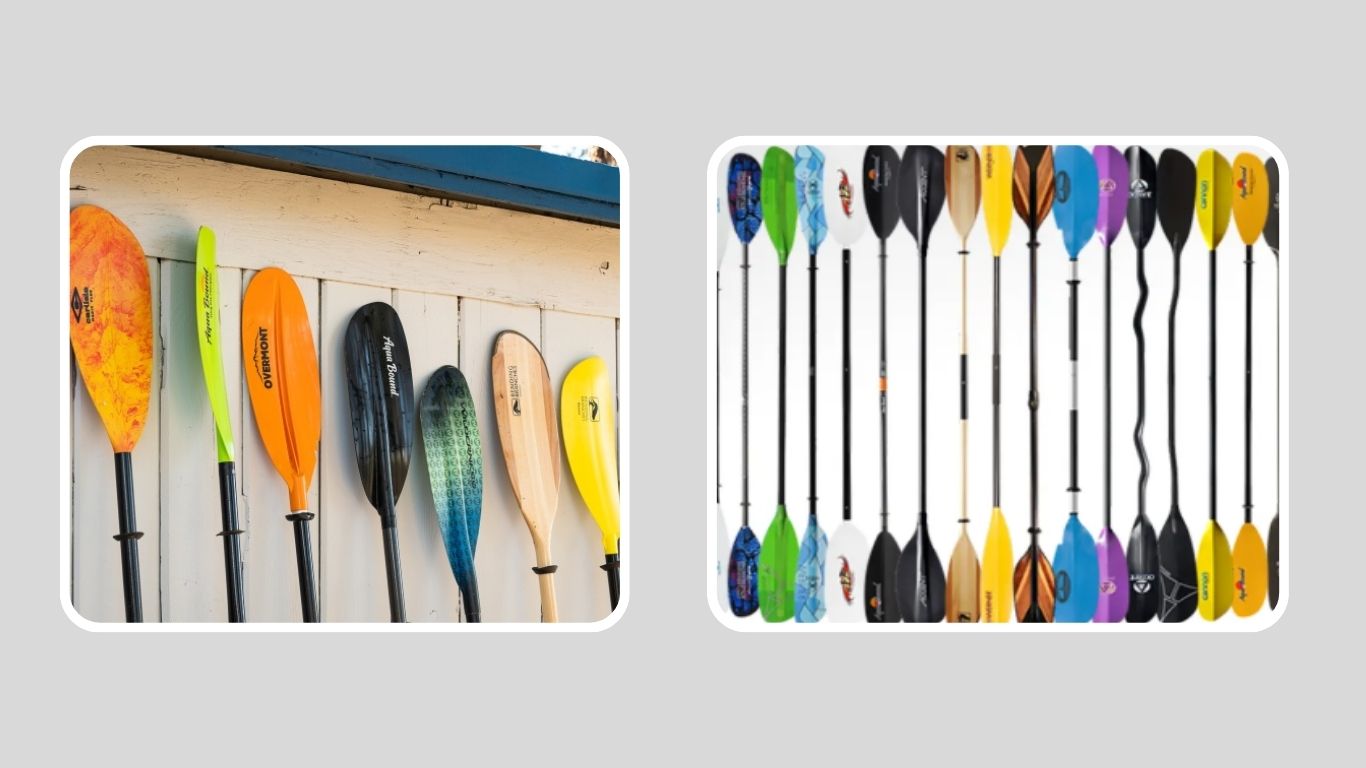
Lastly, the paddle is your main tool. It has a long shaft with a blade at each end. The blades are used to push against the water and move the kayak forward, backward, or sideways.
Wearing the Right Gear
Safety should always come first when kayaking. Wearing the right gear not only keeps you safe but also makes your time on the water more comfortable.
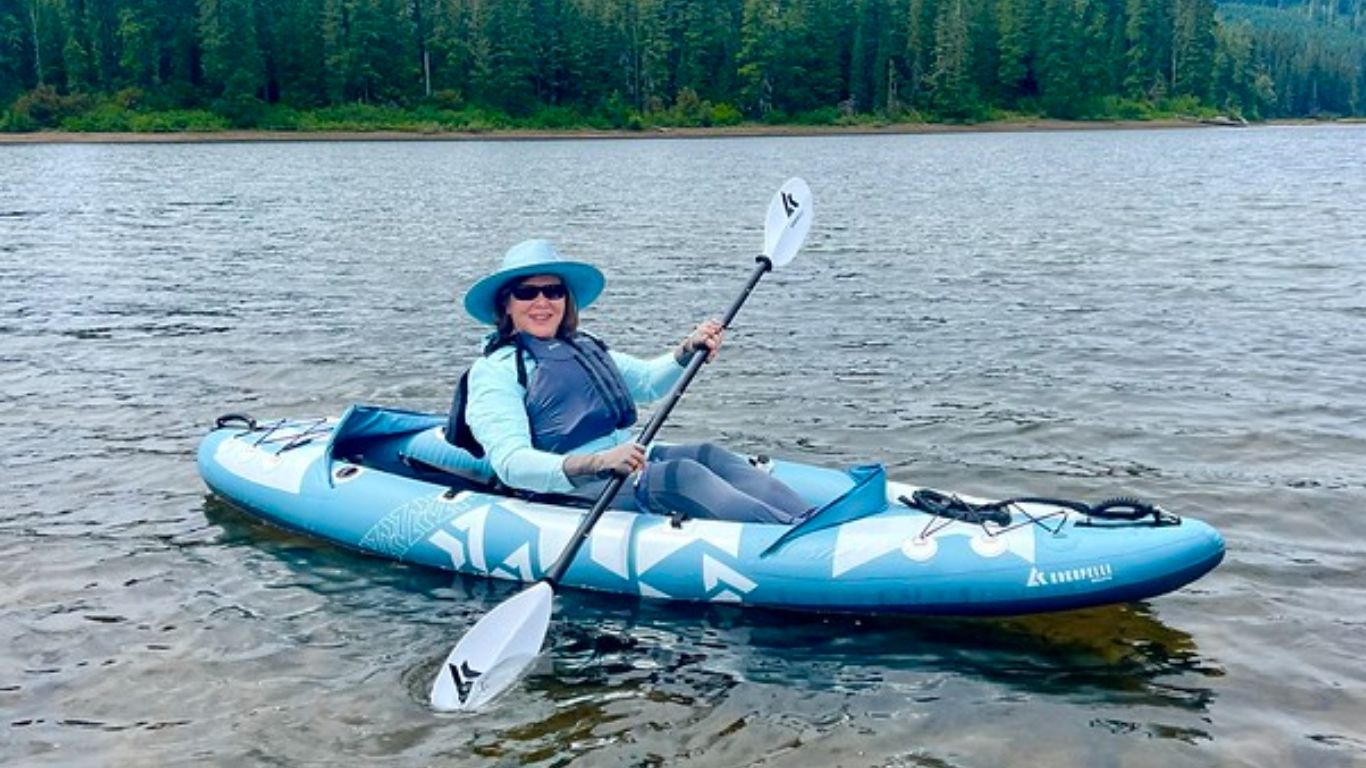
The most important piece of gear is a life jacket, also called a personal flotation device (PFD). This helps you stay afloat if you fall into the water, even if you’re a good swimmer. Always wear your life jacket, and make sure it fits snugly.
You should also wear clothes that can get wet. Avoid cotton because it holds water and can make you cold. Instead, wear quick-drying clothes made of synthetic materials like nylon or polyester. In cold weather, wear a wetsuit or drysuit to keep warm.
Water shoes or sandals with straps are a good choice for your feet. They protect you from sharp rocks and help you grip slippery surfaces. Don’t wear flip-flops, as they can fall off easily.
Bring sunscreen, a hat, and sunglasses with a strap to protect yourself from the sun. Also, bring a whistle to signal for help and a dry bag to keep your phone or other items safe and dry.
How to Sit Properly in a Kayak
Sitting correctly in a kayak helps you paddle more efficiently and stay balanced. It also keeps your back from getting sore during long paddling sessions.
Start by sitting up straight with your back touching the seat’s backrest. Keep your shoulders relaxed and your chest lifted. Your legs should be bent slightly and resting comfortably against the sides of the kayak. Place your feet on the foot pegs or foot braces, adjusting them so your knees are slightly bent.
Your hips should be relaxed, but stable. Try not to lean too far back or slouch, as this can cause back pain and reduce your control over the kayak. At the same time, don’t sit too stiffly—stay flexible so you can move with the kayak.
Holding your body in this position helps you use your core muscles when paddling, not just your arms. This makes paddling easier and prevents tiredness. Practicing good posture also helps you stay centered and avoid tipping over.
How to Hold a Kayak Paddle
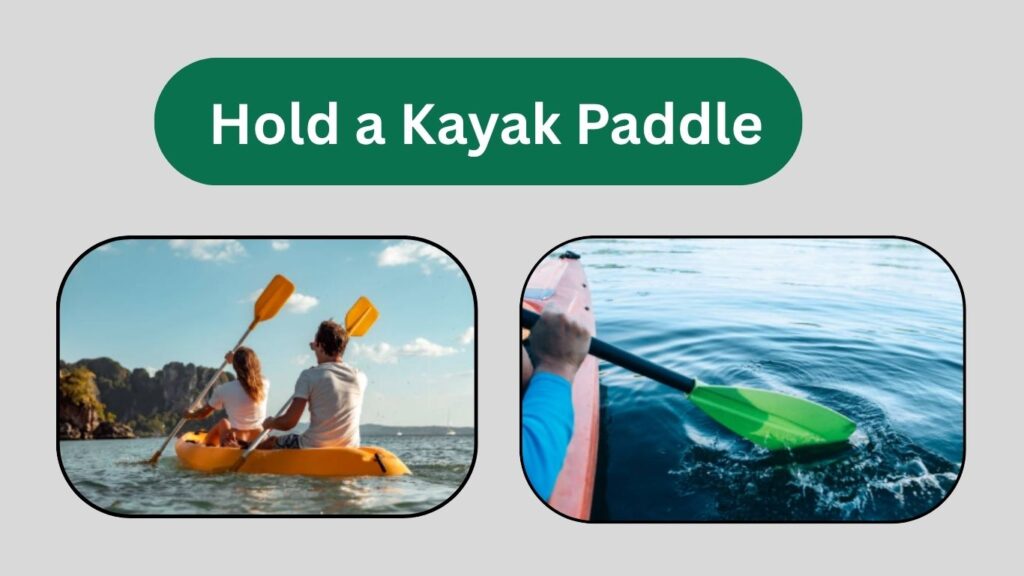
Holding the paddle correctly is key to paddling well. Many beginners make the mistake of holding the paddle too tightly or in the wrong position, which can cause sore wrists and weak strokes.
To hold your paddle properly, first find the middle of the shaft (the long part between the blades). This is where your hands should be spaced evenly. A good way to check is to lift the paddle above your head and form a rectangle shape with your arms and the paddle. Your elbows should be at 90-degree angles.
The blades of the paddle may be straight or slightly curved. The curved side is the power face, which should face you when you dip it in the water. If the blades are tilted or feathered, make sure you know how they work together. Some paddles are adjustable and can be set for different feather angles.
Wrap your hands lightly around the paddle shaft. Keep your wrists straight and relaxed. Avoid gripping the paddle too hard, as this can cause strain. A loose but firm grip allows you to paddle longer without getting tired.
Basic Paddle Strokes
Now that you’re sitting properly and holding your paddle the right way, it’s time to learn the basic strokes. These are the movements that move your kayak in different directions.
1. Forward Stroke
The forward stroke is the one you’ll use most often. It moves your kayak straight ahead.
Start by placing one blade of the paddle in the water near your toes. Pull the blade back through the water in a straight line alongside the kayak. As you do this, twist your body slightly so that your shoulders and core muscles help with the movement.
When you finish the stroke near your hip, lift the paddle out of the water and switch sides. Repeat the motion on the other side. Keep alternating sides to go straight.
Use your whole body, not just your arms. This makes your strokes more powerful and helps prevent fatigue.
2. Backward Stroke
To go backward, do the forward stroke in reverse.
Put the paddle blade in the water near your hip and push it forward toward your toes. This will push the water forward and move your kayak backward. Alternate sides to go straight in reverse.
This stroke is helpful when you want to stop, slow down, or back away from something.
3. Sweep Stroke
The sweep stroke turns your kayak left or right.
To turn right, put the left paddle blade in the water near your toes and make a wide, curved stroke away from the kayak toward the back. The kayak will turn to the right. To turn left, do the same on the right side.
The wider the stroke, the sharper the turn. This stroke is useful for changing direction without stopping.
4. Draw Stroke
The draw stroke moves your kayak sideways, which is helpful when pulling up to a dock or paddling next to another kayak.
Reach the paddle out to the side and place the blade in the water. Pull the paddle toward the kayak using your arms and core. This will move the kayak sideways. Be careful not to tip over.
You can also use smaller draw strokes to make slight side movements when you need more precision.
How to Launch and Land a Kayak
Getting in and out of a kayak can be tricky, especially when you’re just starting. Here’s how to do it safely.
To launch your kayak from shore, start by placing the kayak in shallow water, just deep enough so it can float. Hold the kayak steady while you step into it. Sit down quickly and place your feet on the foot braces. Push off with your paddle or a gentle kick.
If launching from a dock, place the kayak parallel to the dock. Sit on the edge of the dock, place your feet in the kayak, and lower yourself into the seat while holding the edge of the dock or a friend’s hand for balance.
To land, paddle slowly toward shore or the dock. As you get close, stop paddling and let the kayak glide in. Step out carefully, one foot at a time, while keeping the kayak steady. Use your paddle or the shore for balance if needed.
Practice launching and landing a few times in calm water before trying it in rougher conditions.
Staying Safe While Kayaking
Safety should always be your top priority. Even though kayaking is fun, there are risks involved. Here are some tips to help you stay safe.
Always wear your life jacket. Check the weather before you go out, and avoid kayaking in high winds, storms, or rough water unless you’re experienced. Let someone know where you’re going and when you plan to return.
Bring plenty of water and snacks, and avoid paddling too far from shore. Stay alert for boats, swimmers, rocks, and wildlife. If you capsize, stay calm, hold onto your kayak, and try to flip it upright or swim to shore.
Take a safety course if possible, and learn how to rescue yourself and others. Carry a whistle, a light, and a map or GPS device if you’re paddling in unfamiliar areas.
Tips for Better Paddling
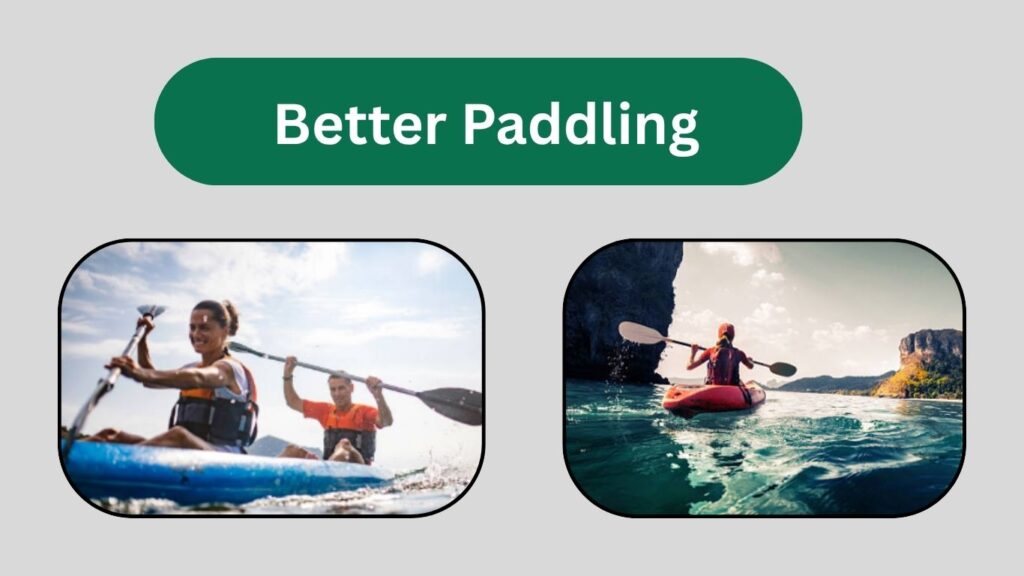
Once you’ve learned the basics, you can improve your paddling with some simple tips.
- Practice regularly. The more time you spend on the water, the better you’ll get.
- Watch others. Join a group or watch videos to learn new techniques.
- Stay relaxed. Don’t paddle too hard or stiffly. Smooth, steady movements are best.
- Use your whole body. Rely on your core and shoulders, not just your arms.
- Check your gear. Make sure your paddle and kayak are in good shape before each trip.
Over time, paddling will feel natural, and you’ll be able to explore more places with confidence and skill.
Conclusion
Kayaking is a wonderful activity that combines fun, fitness, and exploration. Whether you’re gliding across a peaceful lake or tackling waves in the sea, knowing how to paddle correctly makes the experience safer and more enjoyable.
By understanding the parts of a kayak, learning how to sit and hold your paddle properly, practicing basic strokes, and following safety tips, you can become a confident and skilled paddler. The more you practice, the more you’ll improve—and the more fun you’ll have on the water.
So grab your paddle, wear your life jacket, and head out on your next kayaking adventure. The world is full of beautiful places waiting to be explored from the seat of a kayak.