Choosing the right kayak paddle size is one of the most important steps to enjoying your time on the water. Many beginners think a paddle is just a paddle, but the truth is, the wrong size can make your arms tired, cause sore muscles, and reduce your control over the kayak. A paddle that’s too long will feel heavy and awkward, while one that’s too short might not reach the water efficiently. Picking the correct paddle size makes a big difference in how smoothly and comfortably you paddle.
Why Paddle Size Matters
Paddle size directly affects how easy or hard it is to move your kayak. A properly sized paddle lets you glide through the water with less effort. You won’t feel like you’re constantly straining your shoulders or twisting your wrists. Every stroke will feel more natural, balanced, and effective. With the right paddle, you’ll get better control over your kayak, whether you’re turning, speeding up, or stopping. Most importantly, the correct paddle helps reduce fatigue, so you can enjoy longer paddling sessions without discomfort.
What Affects the Size of the Paddle You Need?
The best paddle size for you depends on several things, not just your height. One major factor is the width of your kayak. If your kayak is wide, you’ll need a longer paddle to reach the water comfortably on both sides. If it’s narrow, a shorter paddle often works better. Your height also plays a role, as taller paddlers need longer paddles to maintain proper paddling angles.
Another important detail is your paddling style. Some people use a high-angle stroke, where they hold the paddle more vertically and make quick, powerful strokes. Others prefer a low-angle style, where the paddle is held more horizontally, making long, relaxed strokes. Each style benefits from a different paddle length. Also, your seat height matters. In kayaks where you sit higher above the water, like many fishing or inflatable kayaks, you’ll need a longer paddle to reach the water easily.
A Guide to Paddle Sizes by Height and Kayak Width
Although exact paddle size varies from person to person, there are general size recommendations based on your height and your kayak’s width. For example, if you are under five feet tall and your kayak is very narrow, less than 23 inches wide, you might use a paddle around 210 centimeters. If you’re between five feet and six feet tall and your kayak is moderately wide, say 26 inches, a paddle around 230 centimeters may be a better fit.
If you are taller than six feet and paddling a wide recreational kayak, you may need a paddle up to 250 centimeters or more. Keep in mind that these numbers are only guidelines. Your comfort and paddling habits are just as important as any measurement chart.
Understanding How Paddle Length Is Measured
Kayak paddles are measured in centimeters from one blade tip to the other. Most adult paddles range from 210 to 260 centimeters in total length. Some paddles are fixed-length, while others are adjustable, allowing you to fine-tune the length to your liking.
Adjustable paddles are especially useful if you switch between different kayaks or if more than one person uses the same paddle. They can also be helpful if you paddle in different water conditions, such as lakes one day and fast-moving rivers the next.
Your Paddling Style Affects Paddle Size
Your paddling style also helps determine the best paddle size. People who use a high-angle paddling style hold their paddle more upright. This stroke style is common in situations where speed and maneuverability are important, like in sea kayaking or whitewater kayaking. High-angle paddlers benefit from shorter paddles with wider blades, which allow for quick, powerful strokes.
On the other hand, low-angle paddlers hold their paddle at a more horizontal angle. This technique is more relaxed and suited for long-distance paddling. If this is your style, you’ll want a longer paddle with a narrower blade, which makes it easier to keep a steady, smooth rhythm without tiring yourself out.
Different Types of Kayaks and What Size Paddles They Need
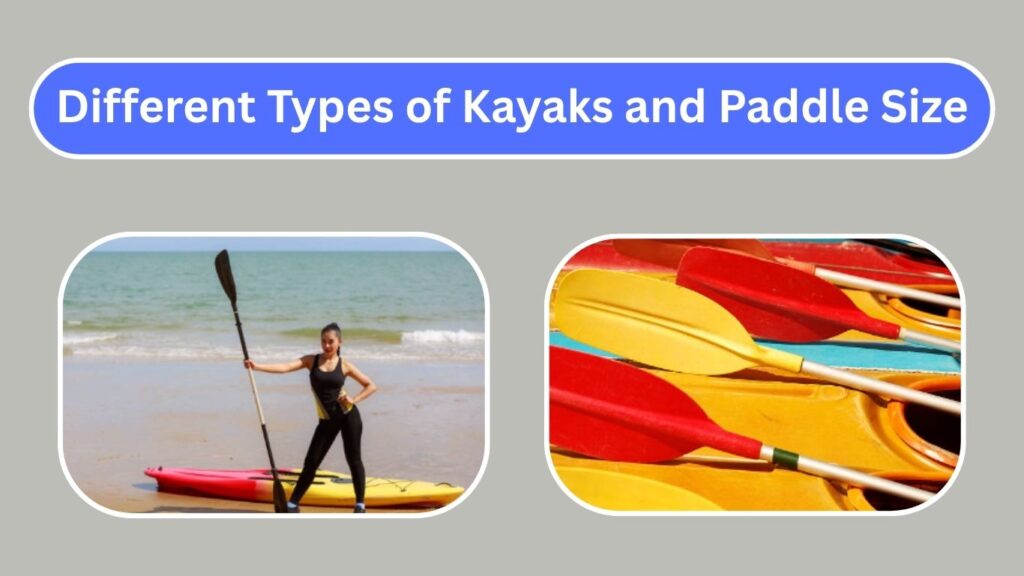
The type of kayak you use plays a big role in determining your ideal paddle size. Recreational kayaks are usually wide and stable, designed for comfort and short trips. Because of their extra width, you’ll usually need a paddle between 230 and 250 centimeters. Touring kayaks are narrower and designed for long-distance paddling, so a paddle around 220 to 240 centimeters often works best.
Inflatable kayaks are also quite wide and often sit higher above the water, so longer paddles around 240 to 260 centimeters are usually more effective. Fishing kayaks, especially sit-on-top models, often have higher seats and wider frames, which means you’ll likely need a longer, adjustable paddle around 250 centimeters or more. Sea kayaks are narrower and built for speed, so high-angle paddling with a shorter paddle, between 210 and 230 centimeters, is usually the best fit.
How Paddle Material Affects Your Experience
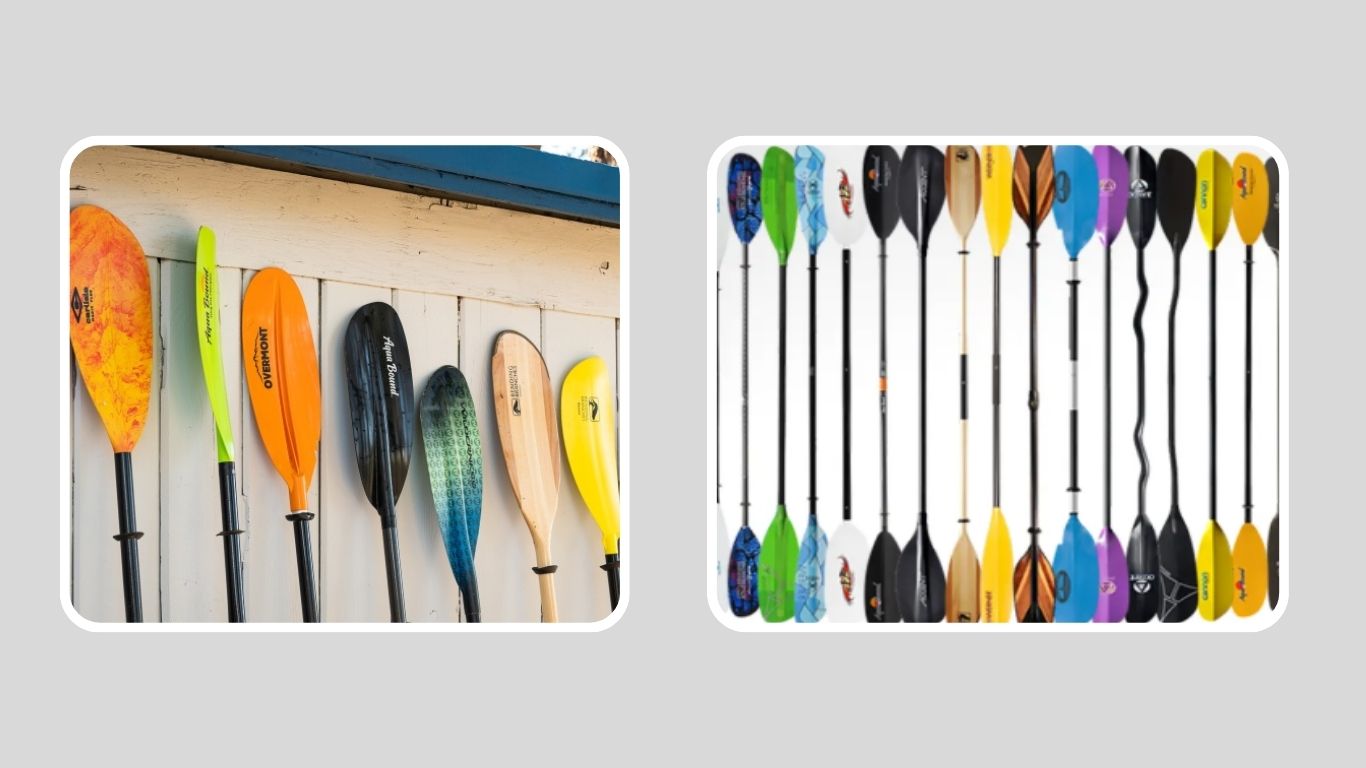
Not all paddles are made from the same materials, and the material can affect how long your paddle feels in your hands. Paddles made with aluminum shafts and plastic blades are the most affordable and commonly used by beginners. However, they’re usually heavier, which means a longer paddle might feel tiring to use.
Fiberglass paddles are lighter and more durable, offering better performance without a huge price tag. Carbon fiber paddles are the lightest and strongest of all, making them ideal for long trips or serious paddlers. Because lighter paddles put less strain on your arms and shoulders, you can often use a slightly longer paddle without discomfort.
Fixed-Length Paddles vs. Adjustable Paddles
When shopping for a kayak paddle, you’ll notice there are both fixed-length and adjustable-length options. Fixed-length paddles are usually stronger and lighter, with fewer moving parts. They’re great if you always paddle the same kayak and have a consistent paddling style.
Adjustable paddles, on the other hand, give you the flexibility to change the length depending on your needs. They’re perfect for paddlers who use more than one kayak, share gear with others, or want to switch between high and low-angle paddling styles. Many adjustable paddles can change length in 5-centimeter steps or even more finely with a sliding lock.
Feathered Blades and How They Affect Paddling
Another thing to consider when choosing a paddle is whether the blades are feathered or unfeathered. Feathered blades are offset at an angle, which helps reduce wind resistance during your stroke.
This can make your paddling more efficient, especially in windy conditions. Most modern paddles let you adjust the feathering angle, so you can experiment to see what feels most comfortable. Unfeathered paddles have both blades aligned, which is easier to learn with but may create more drag in certain conditions.
Signs You’re Using the Wrong Paddle Size
It’s easy to tell when your paddle is the wrong size once you’ve spent a little time on the water. If your paddle keeps hitting the sides of your kayak or if your arms and shoulders get sore quickly, chances are it’s not the right length.
You might also notice that you’re splashing a lot with each stroke or that it takes more effort to move your kayak forward. Another clue is if you have to reach too far out to get your paddle blade in the water. All of these are signs that your paddle is either too short or too long and needs to be adjusted.
How to Test Paddle Size Before Buying
There’s a simple trick you can use at home or in a store to get a rough idea of whether a paddle size is right for you. Stand the paddle vertically next to you. Then raise your arm above your head and try to curl your fingers over the top of the paddle blade.
If your fingers just curl over the top, it’s probably the right length. If you can’t reach it or if you’re grabbing it too easily, you might need to try a different size. If possible, test different paddle sizes on the water before making your final choice.
Choosing the Right Paddle for Kids
Kids need paddles that are much smaller and lighter than adult versions. A child’s paddle should typically be between 180 and 210 centimeters, depending on their height and kayak size. Make sure the paddle shaft is narrow enough to fit comfortably in small hands. Lightweight plastic or fiberglass paddles are usually best, since they’re easy for kids to handle without getting tired.
Paddles for Women or Smaller Paddlers
Some paddles are designed specifically for women or people with smaller hands. These often have thinner shafts and lighter materials, which can make them more comfortable to hold for long periods. They also tend to have smaller blades that reduce the strain on your shoulders. If regular paddles feel bulky or heavy, try a smaller shaft paddle might make paddling more enjoyable.
Tips for Buying the Perfect Paddle
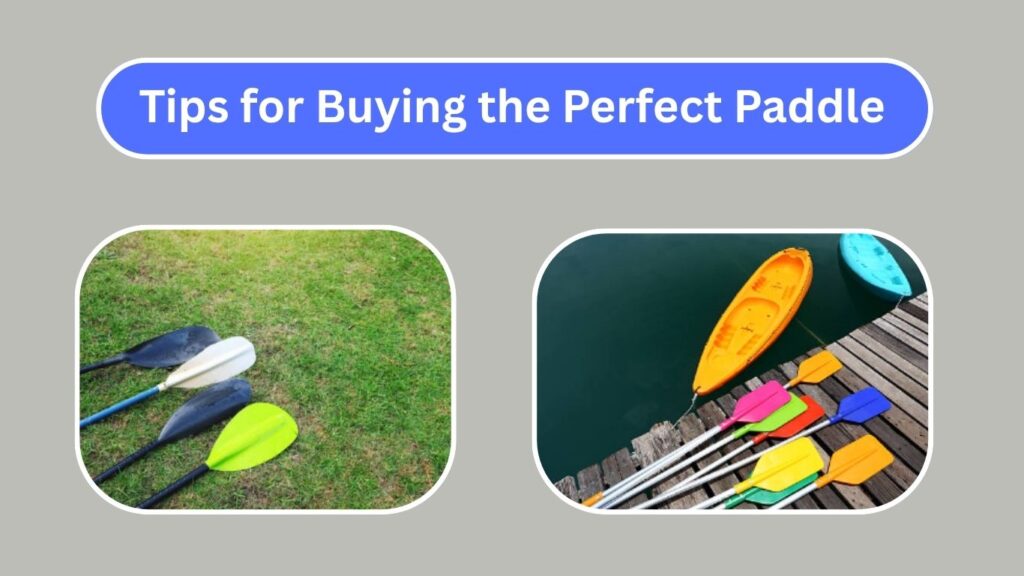
When buying a paddle, comfort should be your number one goal. Try to borrow or rent a few different sizes before making a decision. Think about how long you usually paddle and what kind of water you’re in. If you paddle long distances, a lightweight paddle will reduce fatigue.
If you fish or use multiple kayaks, look for an adjustable paddle that offers more flexibility. Don’t be afraid to spend a little more for a paddle that fits well. The better it feels, the more you’ll enjoy your time on the water.
Adjusting Your Paddle for Comfort
If you use an adjustable paddle, it’s important to learn how to set it up correctly. Sit in your kayak and extend the paddle until your arms have a slight bend when holding it across your lap. Test it by making a few strokes. If the paddle feels too short, increase the length slightly. If it feels awkward or heavy, try shortening it. Keep adjusting until the motion feels smooth and easy. With adjustable paddles, it might take a few tries to find your ideal setting, but the effort is worth it.
Easy Paddle Storage and Maintenance
Once you’ve found the perfect paddle, it’s important to take care of it. Break-apart paddles are easier to store and transport, especially if you have limited space. Always rinse your paddle with fresh water after paddling in saltwater to avoid corrosion or damage. Store it in a dry, shaded area away from direct sunlight to prevent fading or weakening over time. A paddle bag can also protect your paddle during travel or when not in use.
Final Thoughts: Focus on Comfort, Not Just Size
Charts and measurements are a helpful starting point when choosing a kayak paddle, but they don’t tell the whole story. The best paddle is the one that feels right in your hands and works naturally with your body. A paddle should feel like an extension of your arms, balanced, smooth, and easy to use. If it feels too long, too short, or too heavy, it will wear you out quickly and make paddling less enjoyable.
Comfort should always come first. Even if two people are the same height, they might need different paddle sizes based on arm length, strength, paddling style, or kayak type. That’s why it’s a good idea to try different paddles before committing to one. If possible, borrow or rent a few to test what feels best on the water.
Don’t stress too much about matching the exact numbers from a size chart. If a paddle feels good, helps you paddle smoothly, and doesn’t strain your body, it’s the right one for you. Whether you’re paddling for 20 minutes or several hours, the right paddle makes a big difference in how much you enjoy the experience. In the end, comfort and control matter more than anything else.