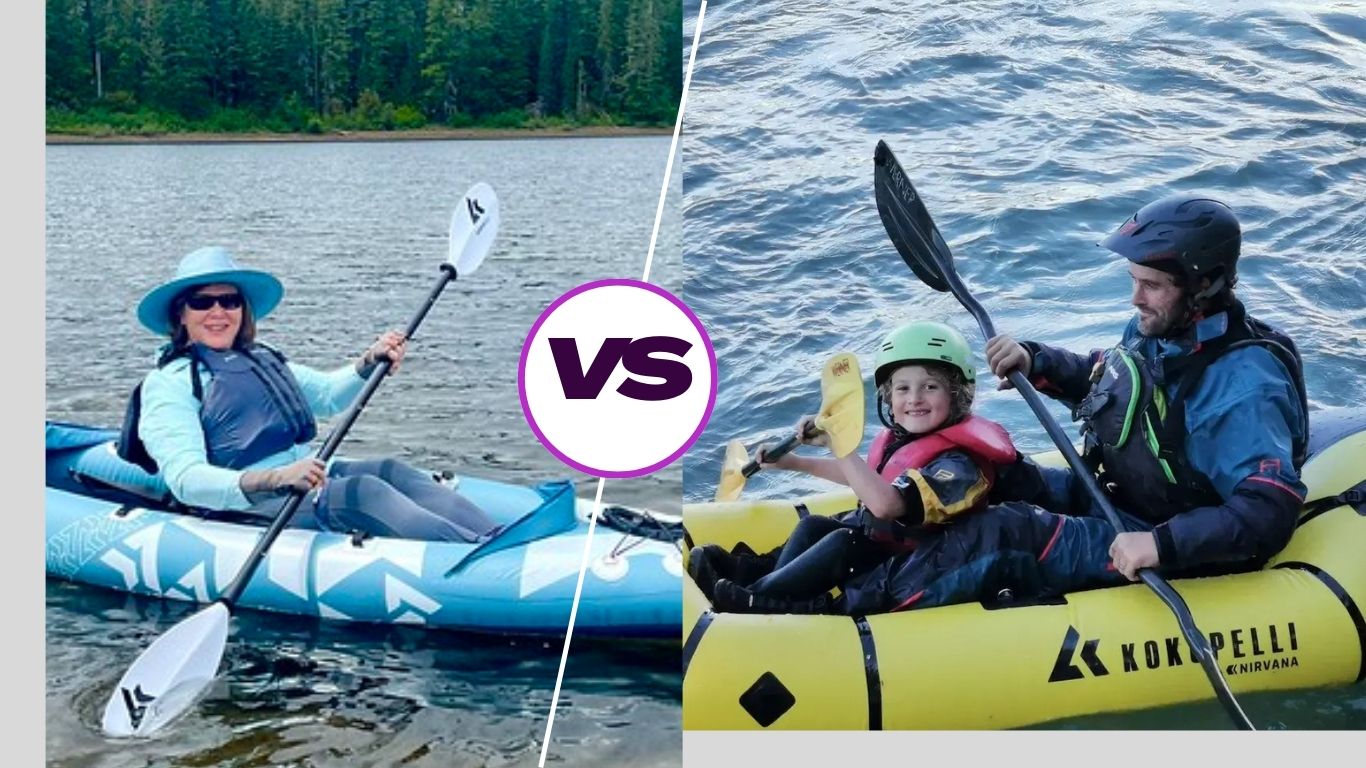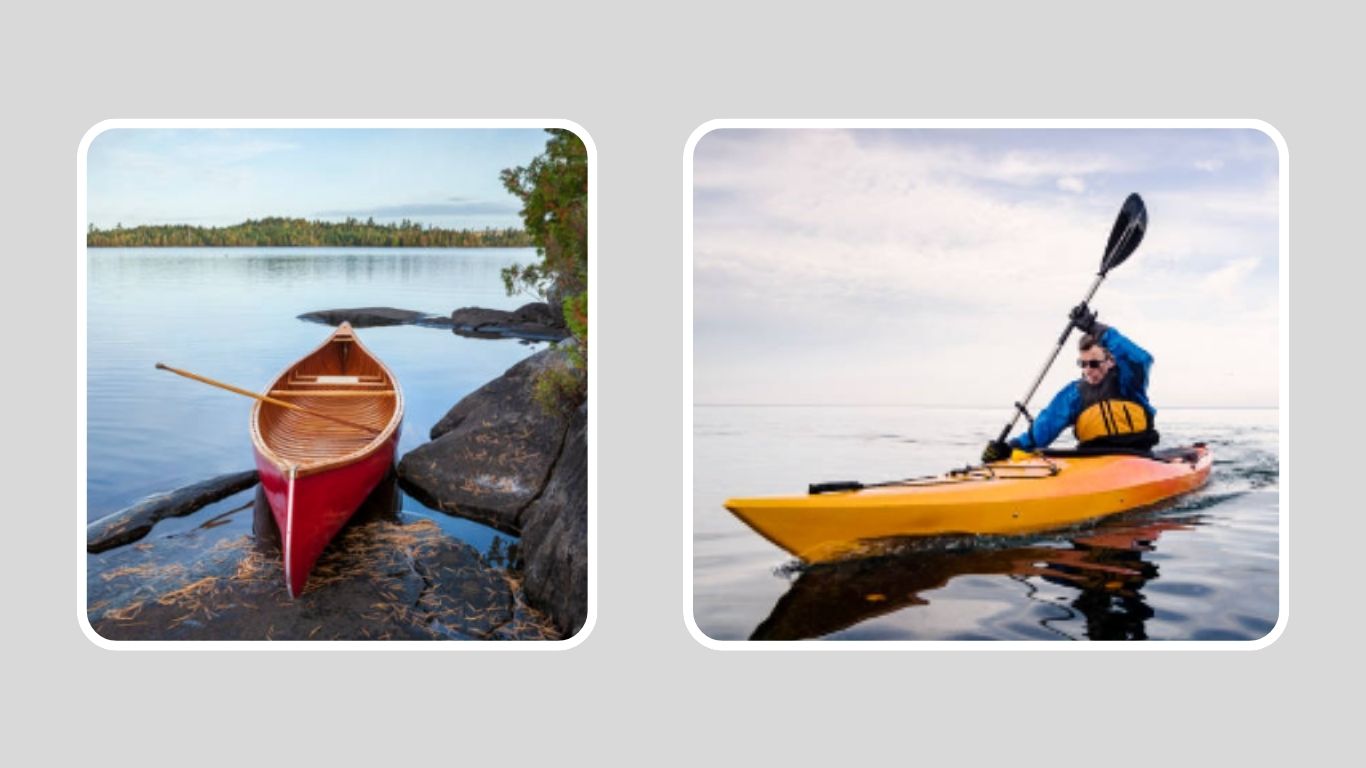
Kayaks and canoes are two popular small boats often seen on lakes, rivers, and beaches. At first glance, they may appear similar, but they differ in design, seating, paddling style, history, and intended uses. Choosing between them depends on your preference for adventure, speed, and control with a kayak or comfort and space with a canoe. In this guide, we’ll explore their differences to help you decide which suits you best.
What is a Kayak?
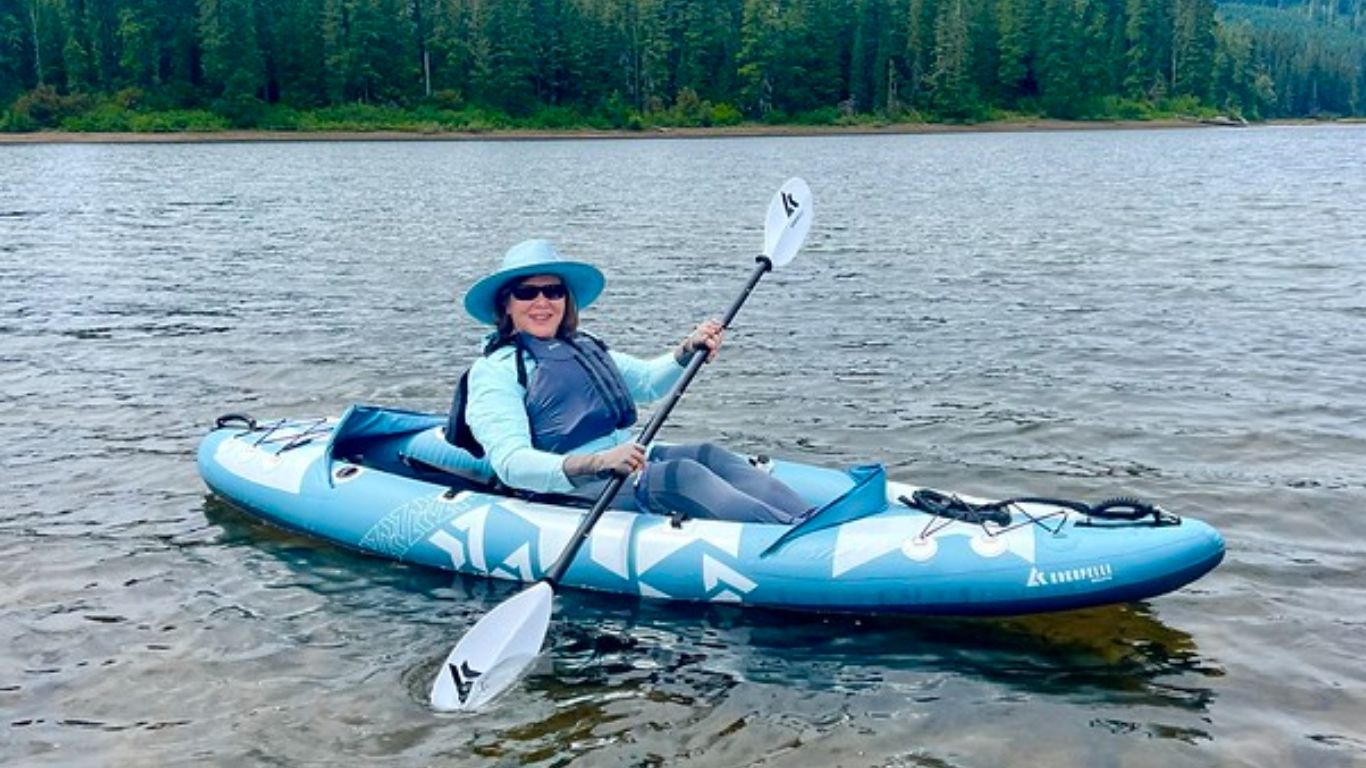
A kayak is a small, slim boat that usually has a closed top with a hole in the middle for the paddler to sit. When you sit in a kayak, your legs stretch forward inside the boat. You sit low, close to the water, which makes you feel connected to every movement of the boat. Kayaks are designed for speed and control, which is why they are popular for sports and adventurous paddling.
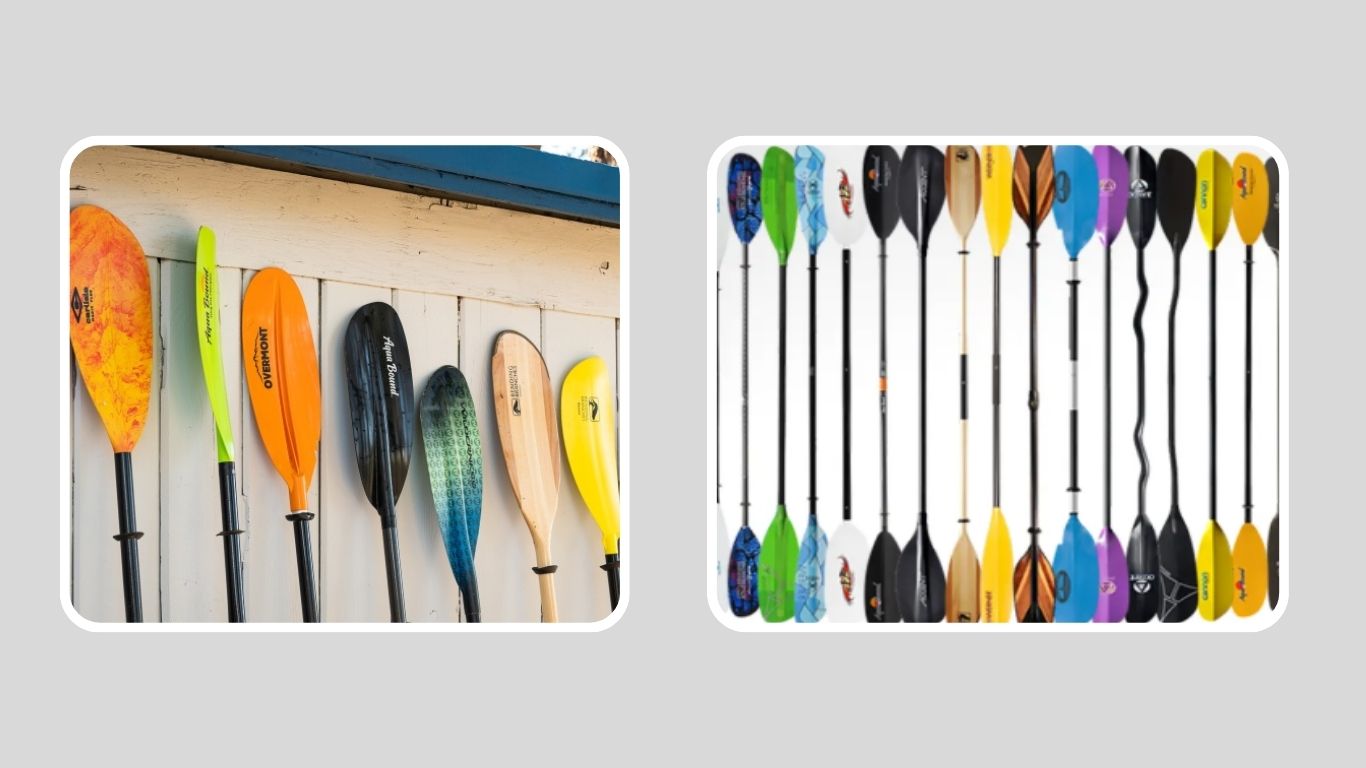
Kayaks use a double-bladed paddle, meaning it has blades on both ends. You dip one side into the water, then the other, creating a smooth rhythm. This design makes kayaks fast and easy to move in a straight line.
The history of kayaks goes back thousands of years. The Inuit and Aleut people from the Arctic created them for hunting and fishing. They built frames from driftwood or bones and stretched animal skins over them. The tight, closed design helped keep cold water out. Today, kayaks are made from modern materials like plastic, fiberglass, or inflatable fabrics, and they are used for fun, sport, and fishing all over the world.
What is a Canoe?
A canoe is also a narrow boat, but it looks and feels different from a kayak. Unlike the closed top of a kayak, canoes are open on top, almost like a hollow shell. Instead of sitting low with legs stretched out, you sit higher, either on a small bench-like seat or by kneeling on the bottom of the boat. This makes canoes more comfortable for sitting longer with friends, pets, or camping gear.
Canoes use a single-bladed paddle. You dip the blade into the water on one side and then switch sides to keep the canoe moving straight. This requires practice and sometimes teamwork if there are two or more paddlers.
The history of canoes is also fascinating. Native American tribes built canoes out of birch bark, hollowed-out logs, or animal skins. These boats were essential for travel, trade, and fishing. Other cultures around the world, from Polynesian to African, also built versions of canoes for their waters. Today, canoes are usually made from aluminum, fiberglass, or strong plastics. They are often used for calm lake trips, fishing, camping, and family outings.
How You Sit Inside

How you sit inside each boat is one of the biggest differences.
In a kayak, you sit low, almost touching the bottom of the boat. Your legs are stretched forward into the enclosed space. Some kayaks have foot braces inside so you can press your feet against them for more control. Because you are low and snug inside, the kayak responds quickly to your movements. This makes it feel like the kayak is part of your body.
In a canoe, you sit higher, either on a bench or by kneeling. You can shift around more easily since the canoe has an open design. This extra space makes canoes more comfortable for long trips or when carrying gear. Families like canoes because they can fit multiple people and allow more freedom of movement.
How You Paddle
The paddles are another clear difference.
A kayak paddle has two blades, one on each end. You move it from side to side in a steady rhythm, dipping the left blade, then the right. This gives kayaks more speed and makes it easier to keep moving straight. Beginners often find this simpler because you don’t need to switch sides as often.
A canoe paddle has only one blade. You hold the top with one hand and the middle with the other. You paddle on one side of the boat, then switch sides or use special strokes to keep the canoe going straight. It takes more practice and skill, but it can feel relaxing and smooth once you learn. Canoe paddling is also more social because, if you have two or more paddlers, you need to work together.
Speed and Performance
When it comes to speed, kayaks usually win. Because they sit low in the water, are slim, and use double-bladed paddles, kayaks can move quickly and efficiently. That’s why they are used in races, ocean touring, and whitewater sports.
Canoes, on the other hand, are not built for speed. They are wider and heavier, which slows them down. But this also makes them steadier and better at carrying more people or gear. While a kayak may zip across a lake, a canoe is more about steady, relaxed paddling.
Stability and Balance
Canoes often feel more stable when you first get in. Their wide base and higher sides make them less “tippy.” This is one reason families with kids often choose canoes.
Kayaks can feel unstable at first because they are narrower. But once you get used to balancing, kayaks are very stable, even in rough waters. Whitewater kayaks are specially designed to stay upright and roll with the waves. So while canoes feel stable at rest, kayaks can handle moving water better once you learn to control them.
Comfort and Space
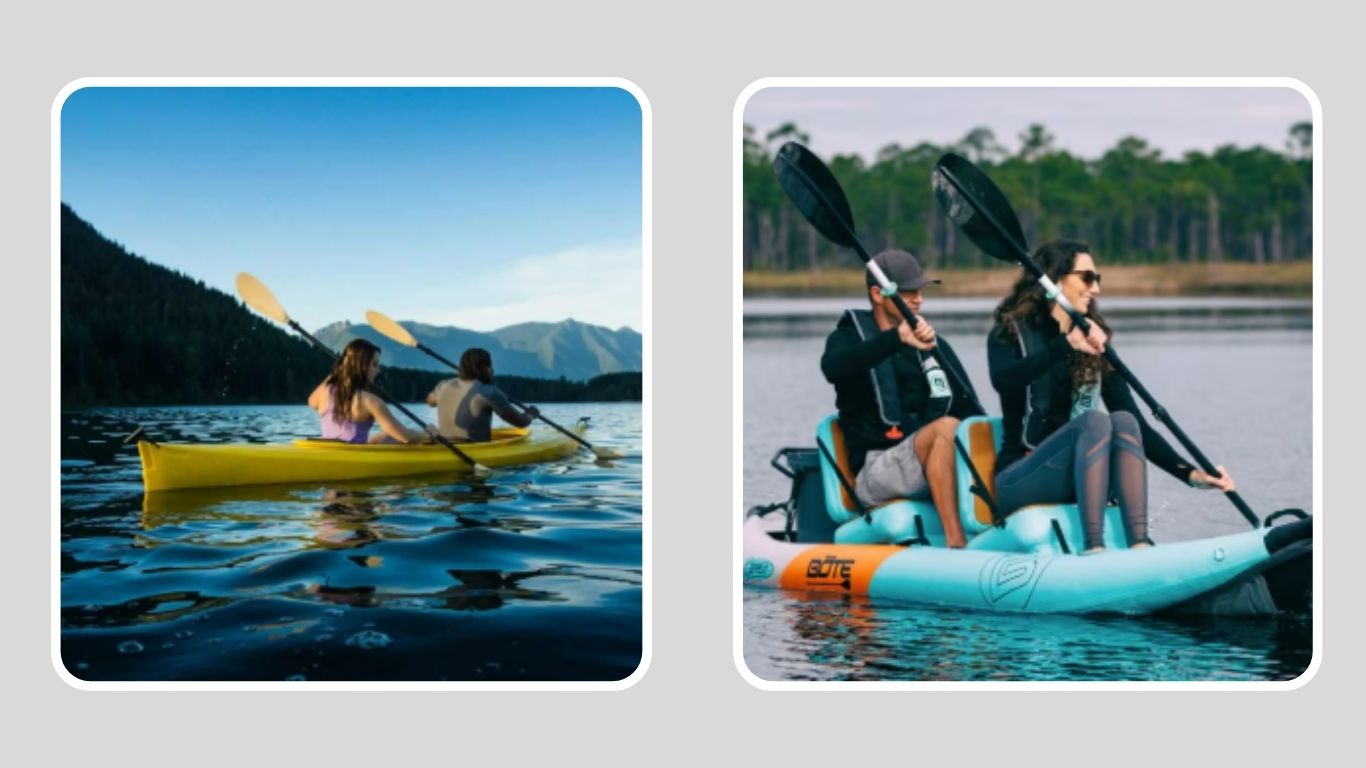
If you like space, canoes are the clear winner. Their open design allows you to carry coolers, backpacks, fishing gear, and even dogs. You can move around more easily and sit in different positions. Canoes can carry two, three, or even more paddlers at once, making them great for groups.
Kayaks are more personal. They are built mainly for one paddler, though tandem kayaks exist. You don’t get as much room for gear, though fishing kayaks and touring kayaks are wider and have storage compartments. The closed design gives you better control, but less freedom to move around.
Safety Differences
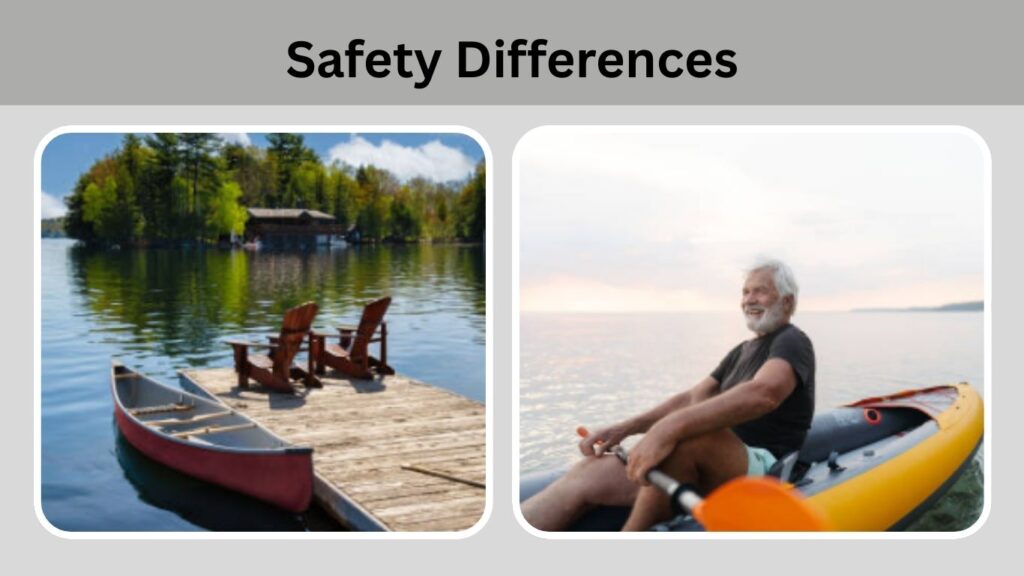
Both boats are safe if used properly, but each has risks.
Kayaks sit low in the water. If they tip over, water can rush in. Many kayaks are built with sealed sections that trap air so they don’t sink. Experienced kayakers also learn to roll themselves back upright, which is a special skill.
Canoes sit higher and are less likely to tip at first. But if they do tip, they can fill with water quickly since they are open. Flipping a canoe back upright in deep water can be harder. This is why beginners should practice in calm waters first.
Pros and Cons of Kayaks
Pros:
Kayaks are fast, easy to paddle straight, and very responsive. They are great for solo paddlers who want control. They work well in different water types, from calm lakes to rough rapids.
Cons:
They don’t carry as much gear or people. Getting in and out can be tricky. They can feel unstable at first. If they flip, it can be hard to recover without training.
Pros and Cons of Canoes
Pros:
Canoes are roomy, stable at rest, and perfect for carrying multiple people or gear. They are comfortable for long trips and camping adventures.
Cons:
They are slower, harder to paddle straight, and more affected by wind. They are also heavier and harder to transport than kayaks.
Real-Life Examples
Imagine a family going camping near a big lake. They bring tents, food, fishing rods, and a dog. A canoe is perfect for them because it can carry all the gear and let them paddle together.
Now imagine someone who wants to explore the coastline alone, gliding quickly along the water. A kayak is better for them because it’s fast, efficient, and easy to control solo.
Or picture a group of friends tackling whitewater rapids. Kayaks are best because they are designed for quick turns and stability in rough water. But for a calm evening fishing trip with a buddy, a canoe might feel more relaxed.
Cost Differences
Kayaks and canoes both come in cheap and expensive versions.
- Kayaks: Simple inflatable ones can be affordable, while advanced sea or fishing kayaks can cost much more.
- Canoes: Usually more expensive because they are bigger. Lightweight materials like fiberglass or Kevlar raise the price even higher.
Which One is Easier for Beginners?

Kayaks are usually easier for beginners because of the double-bladed paddle. It’s simple to move straight and learn the rhythm. However, they can feel unstable at first, and learning how to recover from tipping takes practice.
Canoes feel steadier to step into, and they have more space. But learning to paddle in a straight line with a single-bladed paddle is more challenging. Beginners may get frustrated when the canoe keeps turning.
Frequently Asked Questions
1. Can you fish from both a kayak and a canoe?
Yes, both are good for fishing. Canoes have more room for gear, but fishing kayaks are specially designed to be stable and easy to use for anglers.
2. Which is safer, a kayak or a canoe?
Both are safe if used correctly. Canoes feel more stable at first, but kayaks handle rough water better once you learn. Always wear a life jacket.
3. Which is better for families?
Canoes are usually better for families because they have more space and can carry multiple people and pets.
4. Which is better for speed and adventure?
Kayaks are better for speed, long distances, and sports like whitewater or sea kayaking.
5. Do both boats need special training?
You can learn the basics quickly, but kayaks require practice for balance and recovery, while canoes need practice to paddle straight.
Final Thoughts
Kayaks and canoes may both be small paddle boats, but they are quite different. Kayaks are slim, fast, and built for solo adventures and control. Canoes are wide, roomy, and built for families, groups, or carrying gear on calm journeys.
The choice between the two depends on what you want:
- Choose a kayak if you like speed, solo trips, or adventure.
- Choose a canoe if you want comfort, space, and family outings.
In the end, both boats give you something special: freedom on the water and a close connection with nature. Whether you paddle a kayak or a canoe, you’re guaranteed to enjoy the peace, fun, and excitement of being out on the water.