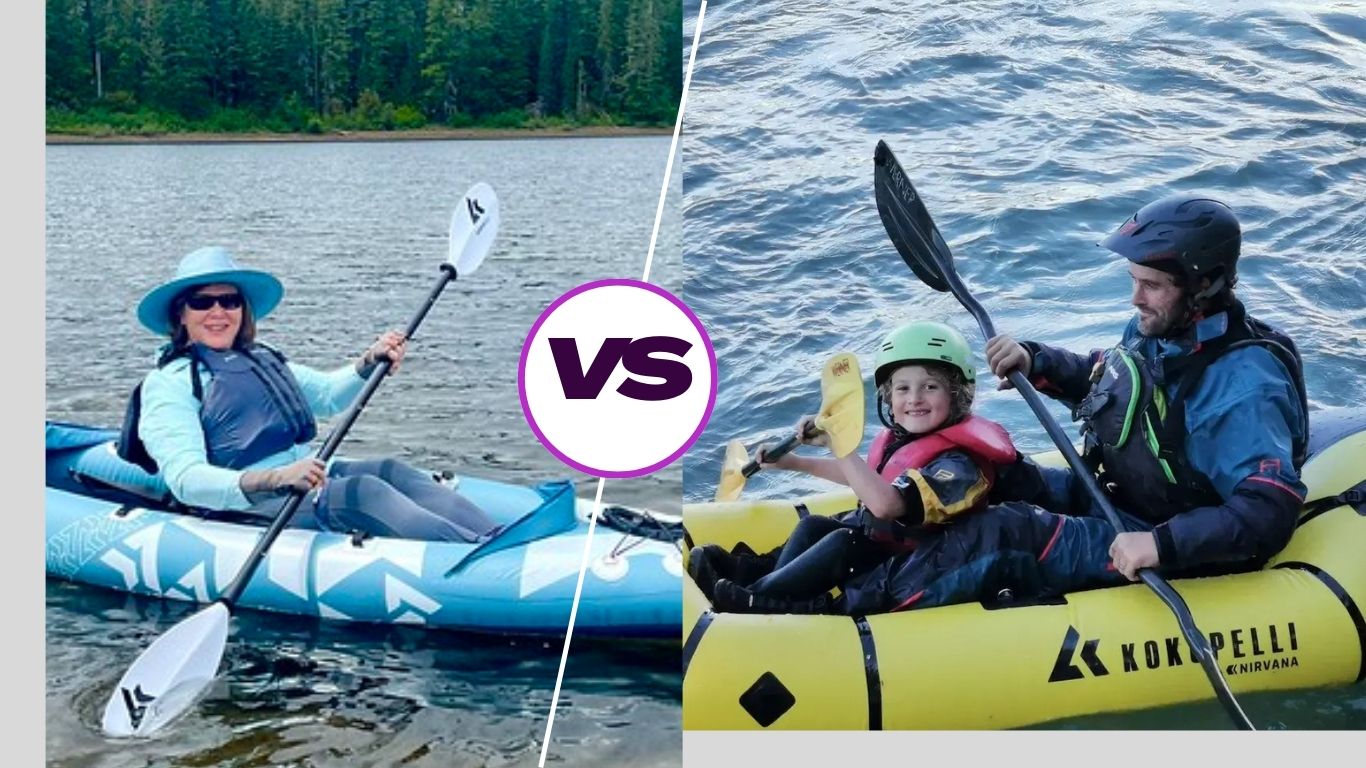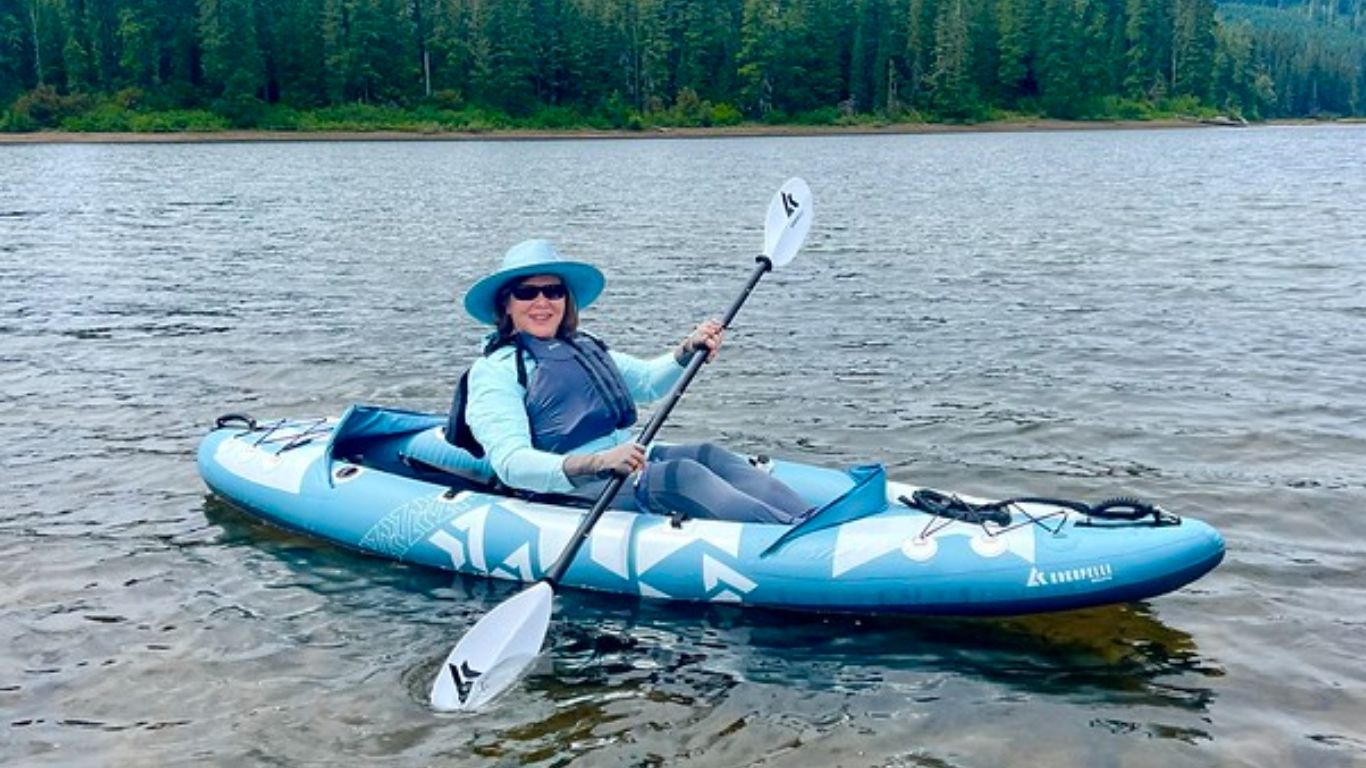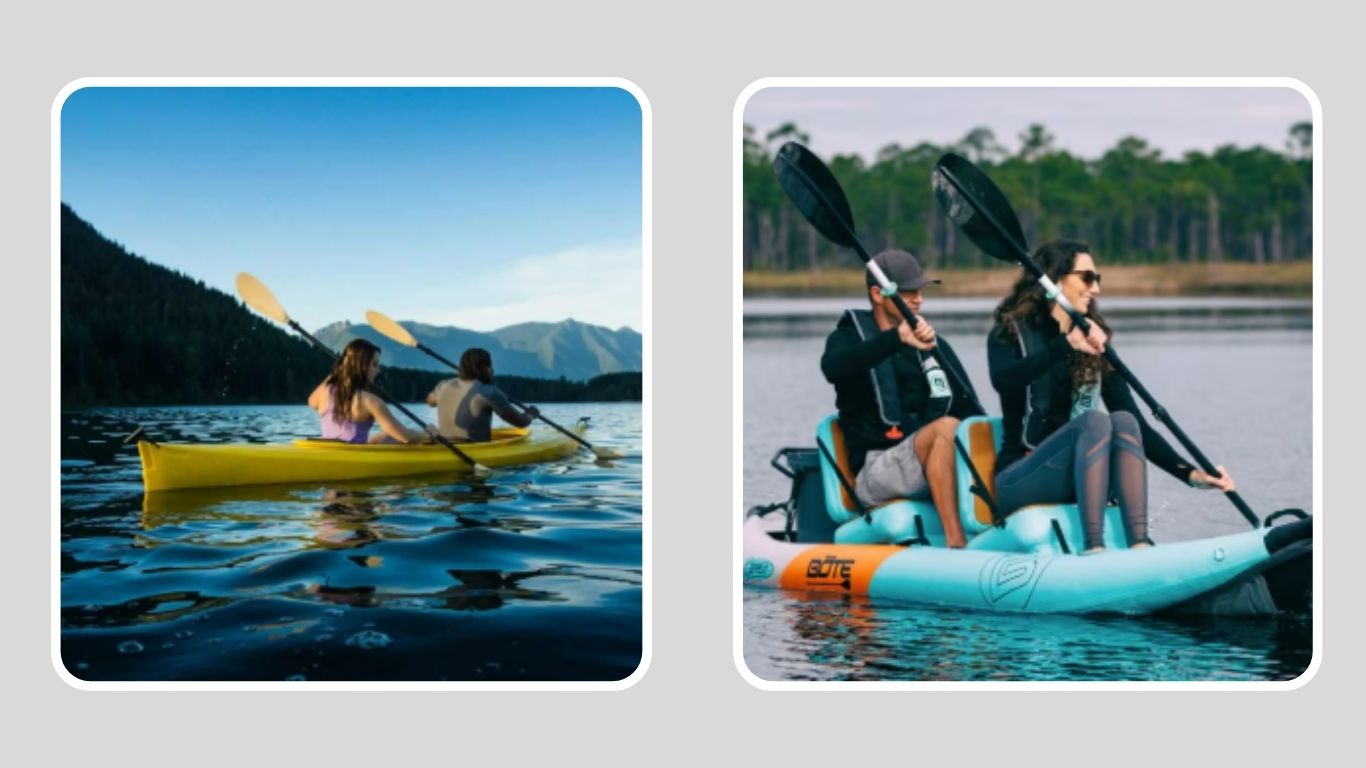
Kayaking is one of the most popular water activities worldwide. Gliding across serene lakes, maneuvering through rivers, or exploring coastal waters can be exhilarating. But water is unpredictable, and accidents can happen even to experienced paddlers. That’s why wearing a life jacket or personal flotation device (PFD) is not just a precaution; it is a lifeline. A life jacket can save your life by keeping you afloat, conserving energy, and helping rescuers find you quickly.
While many experienced kayakers sometimes skip life jackets in calm conditions, studies show that most kayaking fatalities involve people not wearing PFDs. The goal of this article is to thoroughly explain why life jackets matter, when they are legally required, how to choose the right one, and practical safety tips to keep every kayaking adventure safe.
Why Wearing a Life Jacket Matters
A life jacket is more than a piece of equipment; it is a protective shield in the water. Even calm lakes or slow-moving rivers can turn dangerous in moments. A sudden gust of wind, an unexpected current, or even a small wave can tip over your kayak. Without a life jacket, even strong swimmers may struggle to stay afloat.
Physical safety: Life jackets provide buoyancy to keep you above water. They reduce fatigue, especially in cold water, where hypothermia can quickly set in. In many accidents, it’s not drowning alone that is fatal; paddlers may become exhausted or trapped underwater. A PFD gives you the extra time and energy to swim to safety or wait for help.
Visibility: Most life jackets come in bright colors like orange, yellow, or neon green, often with reflective strips. These features make it easier for rescuers to spot you from a distance. Some PFDs even include whistles, signaling devices, or attachment points for lights, improving your chances of being found in low visibility or during emergencies.
Psychological comfort: Wearing a life jacket also gives peace of mind. Even in calm waters, knowing you have a PFD can boost confidence, reduce panic, and allow you to focus on paddling and enjoying nature.
Legal Requirements for Life Jackets
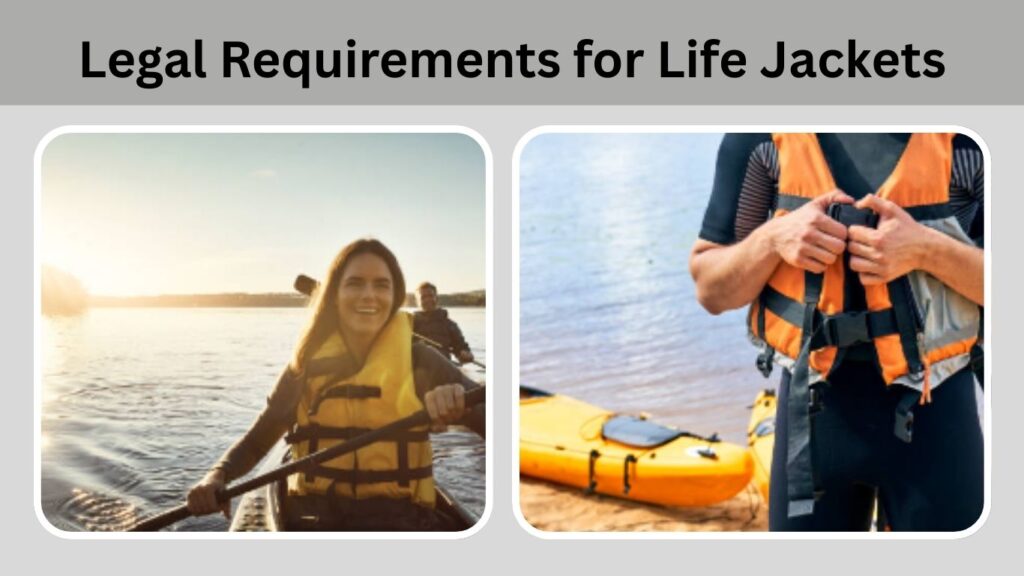
The law often determines whether you must have a life jacket or wear it, but requirements vary depending on the country, state, or type of water body.
- United States: Coast Guard regulations require all kayaks to carry a properly fitting life jacket for each person on board. Children are typically required to wear them at all times.
- Canada: Regulations differ by province, but PFDs are mandatory on most public waters. Children under a certain age must wear life jackets at all times.
- Europe and other countries: Rules vary widely. In some areas, life jackets are required for all paddlers; in others, only children or paddlers in specific conditions are required to wear them.
Even if local law doesn’t require a life jacket for adults, having one is strongly recommended. Most kayaking accidents involve people who assumed they were safe. Ignoring life jacket laws or guidelines can result in fines, and in worst cases, fatalities.
Factors That Affect Whether You Should Wear a Life Jacket
Whether or not you wear a life jacket depends on several things. Water conditions are important; calm lakes may look safe, but they can have hidden currents or waves. Rivers, oceans, or tidal waters are more dangerous. Weather also affects safety. Sudden storms, wind, or temperature changes can make water unsafe. Skill level matters too. Beginners are more likely to tip over, but even experienced paddlers can get into trouble. How far you are from shore is another factor. If you are far out, a life jacket gives you time to reach safety. Cold water is very risky because it can quickly cause hypothermia. A life jacket helps you stay afloat and saves energy in these situations.
Example: A kayaker in Minnesota didn’t wear a life jacket on a calm lake in spring. A sudden gust of wind tipped the kayak, and the cold water made swimming very hard. Wearing a life jacket could have prevented this near-drowning accident.
Types of Life Jackets for Kayaking

Not all life jackets are the same, and the right one depends on your kayaking style and water conditions.
1. Type I PFD
- High buoyancy, designed for rough waters.
- Can turn an unconscious person face-up.
- Bulky, less comfortable for extended paddling.
2. Type II PFD
- Moderate buoyancy, suitable for calm waters.
- Less bulky and more comfortable than Type I.
- It may not turn an unconscious person face-up reliably.
3. Type III PFD
- Comfortable and allows good mobility.
- Ideal for kayaking, recreational paddling, and situations where help is nearby.
- Most popular among kayakers.
4. Type V PFD
- Special-use jackets are designed for specific activities like whitewater kayaking or high-intensity paddling.
- May include harnesses, extra flotation, or integrated safety features.
Tips for selecting a life jacket:
- Ensure a snug fit with adjustable straps.
- Choose one appropriate for your weight and intended water conditions.
- Bright colors and reflective strips increase visibility.
- Test mobility by paddling with it to ensure full movement.
Situations Where Life Jackets Are Necessary
Life jackets are especially important in certain situations. If you are kayaking in whitewater or fast-moving rivers, the current can be strong and the rocks dangerous. A life jacket can keep you afloat even if your kayak tips over. When kayaking in the ocean, waves and tides can be unpredictable, and boat traffic adds extra danger. Wearing a life jacket keeps you safe and visible.
If you are kayaking with children, life jackets are not optional. Kids are smaller and cannot swim as well, so they must always wear PFDs. Cold water kayaking is also risky. Water temperature can cause hypothermia quickly. A life jacket helps you float while conserving energy, giving your body time to stay warm and survive until help arrives.
Even experienced kayakers should not skip a life jacket in these situations. Accidents can happen to anyone, and having a PFD greatly increases your chances of survival.
How to Wear and Adjust a Life Jacket Properly
Wearing a life jacket incorrectly can make it less effective. Always put it on like a vest, slipping it over your shoulders. Fasten all straps, zippers, and buckles to ensure it is secure. Adjust the side and shoulder straps so the life jacket fits snugly but does not restrict your movement.
Check the fit by lifting the jacket at the shoulders. It should not rise above your chin or face. Test your movement by paddling, reaching for gear, and turning your body. You should be able to move freely without the jacket riding up. Make sure whistles, reflective strips, and any other safety features are accessible.
A properly fitted life jacket feels secure, allows full paddling motion, and keeps you afloat if you fall in the water. Always double-check the fit before leaving shore, especially if wearing it for children or beginners.
Tips for Staying Safe While Kayaking
Wearing a life jacket is crucial, but it should be combined with other safety measures. Take lessons to learn proper paddling techniques and self-rescue methods. Always check the weather before heading out. Avoid storms, strong winds, or rough water conditions.
Paddling with a buddy is much safer than going alone. It gives you immediate help if something goes wrong. Carry safety equipment like whistles, flares, or waterproof communication devices. Know your limits and choose water conditions and routes that match your skill level.
Planning, staying aware of your surroundings, and being prepared can prevent many accidents. Combining these safety steps with a life jacket ensures that your kayaking trip is fun and secure.
Common Myths About Life Jackets
Some kayakers avoid wearing PFDs due to misconceptions:
- “I’m a strong swimmer.” Panic, fatigue, or injury can prevent you from swimming effectively. A life jacket keeps you afloat.
- “Life jackets are uncomfortable.” Modern PFDs are lightweight, breathable, and designed for long-term comfort.
- “I only kayak on calm waters.” Even lakes and ponds can hide submerged hazards, sudden waves, or strong undercurrents.
Dispelling these myths is essential to making kayaking safer for everyone.
Safety Statistics and Real-Life Examples
- According to the U.S. Coast Guard, over 80% of kayaking fatalities involve paddlers not wearing life jackets.
- In 2022, a kayaker in Maine survived a capsizing in freezing water thanks to a Type III PFD. The jacket kept them afloat until emergency services arrived.
- In contrast, in the same year, another paddler in Florida drowned when their kayak flipped without a life jacket, highlighting the life-saving importance of PFDs.
These examples show that life jackets are not optional; they save lives in real situations.
Recommended Life Jackets for Kayaking
Some of the most popular and reliable life jackets for kayakers include:
- Stohlquist Edge: Comfortable, durable, and designed for active paddlers.
- NRS Chinook: Lightweight, breathable, and provides excellent mobility.
- O’Neill Reactor II: Affordable, snug-fitting, and suitable for various kayaking activities.
- Astral GreenJacket: Highly visible, excellent flotation, and allows freedom of movement.
When choosing a PFD, consider your paddling style, water conditions, and personal comfort. Always ensure proper fit and functionality before heading out.
Conclusion
Life jackets are an essential part of kayaking safety. Whether required by law or not, wearing a properly fitted PFD greatly increases your chances of surviving accidents, conserving energy, and being rescued quickly. Water conditions, weather, distance from shore, skill level, and water temperature all make life jackets extremely important.
Combining a life jacket with other safety measures, paddling with a buddy, checking the weather, taking lessons, and carrying safety gear ensures that your kayaking adventures are both fun and safe. Remember, a life jacket is not just a piece of equipment; it is a life-saving tool. No matter your skill level or the calmness of the water, always wear a life jacket when kayaking.