Kayaking is one of the most popular ways to enjoy lakes, rivers, and coastal waters. Many people grab a kayak and head out without thinking about legal requirements, but questions often arise: Do you need a boating license to paddle? The answer isn’t the same everywhere. Rules and regulations vary depending on your location, the type of kayak, and whether it’s for recreation or commercial use. Understanding these laws ensures you stay safe, avoid fines, and enjoy your time on the water responsibly.
Understanding Boating Licenses
A boating license is an official document or certificate that allows someone to operate certain types of watercraft legally. In most places, licenses are required for motorized boats, personal watercraft like jet skis, or vessels above a certain size. The rules and requirements for obtaining a license vary depending on the country, state, or even local waterways, so it’s essential to check the specific regulations where you plan to paddle.
In many regions, even if a license is not mandatory, operators may still need to complete a boating safety course. These courses teach essential skills such as navigation rules, emergency procedures, and proper use of safety equipment. Understanding the difference between a boating license and boat registration is also important. A license allows you to operate a boat legally, while registration links the watercraft to its owner, ensuring accountability and helping with insurance claims in case of accidents.
For beginners, knowing about boating licenses and safety requirements can prevent legal trouble and make kayaking or boating a much safer experience. Even if you are using a small, non-motorized kayak, being informed about local regulations shows responsible paddling and respect for the water and other boaters.
Kayaks and Licensing Requirements
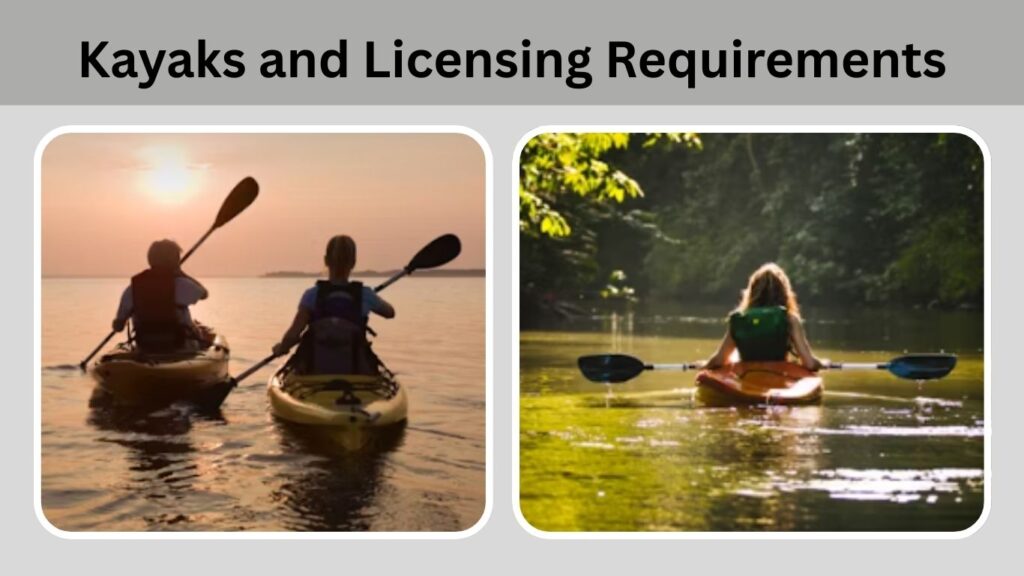
For most recreational kayakers, a traditional boating license is usually not required. This is because kayaks are small, non-motorized, and considered low-risk. However, the rules can vary depending on the state or country, so it’s important to check local regulations before heading out.
When Licenses or Registration May Be Needed
- Larger kayaks or motorized kayaks: Some regions require registration or proof of competency.
- Public waterways: Kayaks used on lakes or rivers managed by government authorities may have specific rules.
- Age limits: Certain areas have minimum age requirements for solo paddlers.
- Safety equipment requirements: Life jackets and other gear may be mandatory.
- Boating safety certificate: Some locations require kayakers to complete a safety course and carry proof.
Commercial Use Considerations
If you plan to use kayaks for business purposes, such as rentals or guided tours:
- Licensing is often required by local authorities.
- Additional safety training may be necessary.
- Compliance ensures legal operation and protects your customers and business.
Tips for Recreational Kayakers
Even if a license is not required, following local rules helps you stay safe and avoid fines:
- Check regulations before each trip.
- Take a boating safety course to learn rules, emergency response, and responsible behavior.
- Follow guidelines to prevent accidents and protect yourself and others.
Boating Safety Courses
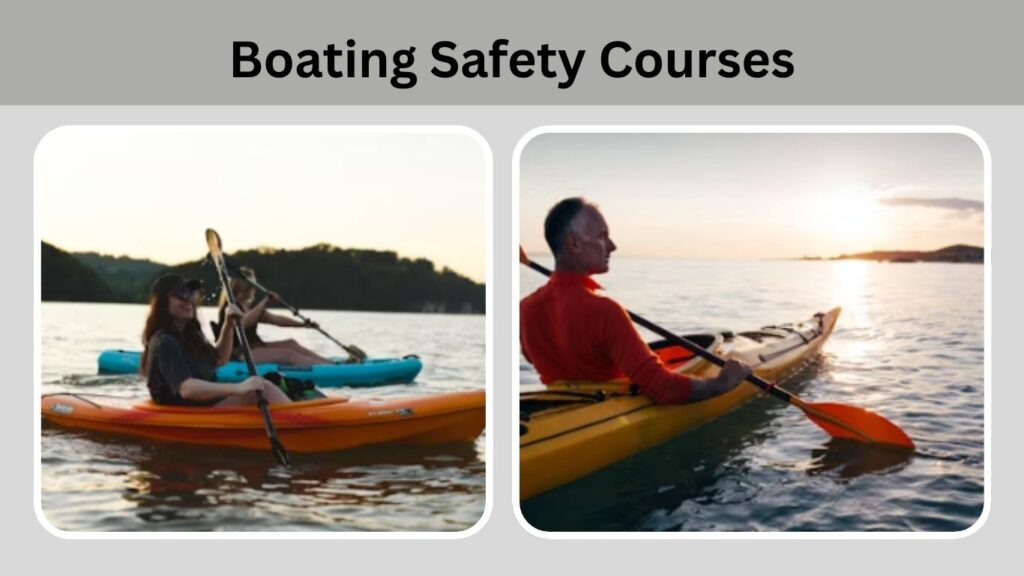
Even if a formal boating license isn’t required for kayaks, taking a boating safety course is highly recommended. These courses teach essential skills that help prevent accidents and make your time on the water safer. Topics typically include navigation rules, reading water conditions, understanding weather patterns, proper use of safety gear, and emergency procedures.
For beginners, safety courses provide hands-on experience and confidence, especially when paddling in rivers, lakes, or coastal waters. Some regions even offer certificates that, while not a license, may be legally recognized or required for certain activities, such as participating in organized kayaking events.
Completing a safety course also encourages responsible paddling. You’ll learn how to avoid collisions with other boats, stay visible, and respond effectively if someone falls into the water. Beyond legality, the knowledge gained from a safety course reduces risks, protects the environment, and helps create a more enjoyable kayaking experience.
Registration vs Licensing
While a boating license allows you to operate certain watercraft legally, registration is a separate requirement that applies to many boats, including some kayaks. Registration links the kayak to its owner and typically involves displaying a registration number on the vessel. This helps authorities track ownership, ensures accountability, and can be important in case of accidents or theft.
Most small, non-motorized kayaks do not require registration, but rules vary by location. Some states or countries may require registration if your kayak is larger than a specific size, has a motor attached, or is used on public waterways managed by government agencies. Commercial use, such as guided tours or rental operations, often also requires registration.
Understanding the difference between registration and licensing is important. A license gives you the legal right to operate a boat, while registration identifies the boat and its owner. Even if your kayak does not require either, checking local regulations ensures you comply with the law and avoid fines. Proper registration and licensing also provide added protection for insurance claims if accidents or damages occur while on the water.
Rules and Regulations While Kayaking
Even if a license or registration isn’t required, all kayakers must follow local rules to stay safe and legal on the water.
Safety Gear Requirements
- Life jackets:
- Children must wear life jackets at all times.
- Adults must carry a life jacket that is easily accessible.
- Children must wear life jackets at all times.
- Other safety equipment: Depending on local rules, kayakers may need whistles, lights, or reflective gear.
Navigation and Waterway Rules
- Right-of-way rules: Know who has priority on the water to avoid collisions.
- Restricted areas: Avoid zones where kayaking is prohibited.
- Speed limits: Be aware of nearby motorized boats and follow local speed limits.
- Visibility: Use bright colors, reflective gear, or lights to stay visible in busy waterways.
Environmental Protection Rules
- Avoid disturbing wildlife habitats.
- Dispose of trash properly; don’t litter in the water or along the shore.
- Respect conservation zones and follow local environmental guidelines.
Why Following Rules Matters
- Keeps you legal and avoids fines or penalties.
- Ensures the safety of yourself and others on the water.
- Reduces the risk of accidents, collisions, and environmental damage.
- Even experienced paddlers benefit from reviewing local regulations, as laws can differ between lakes, rivers, and countries.
Penalties for Not Following the Law
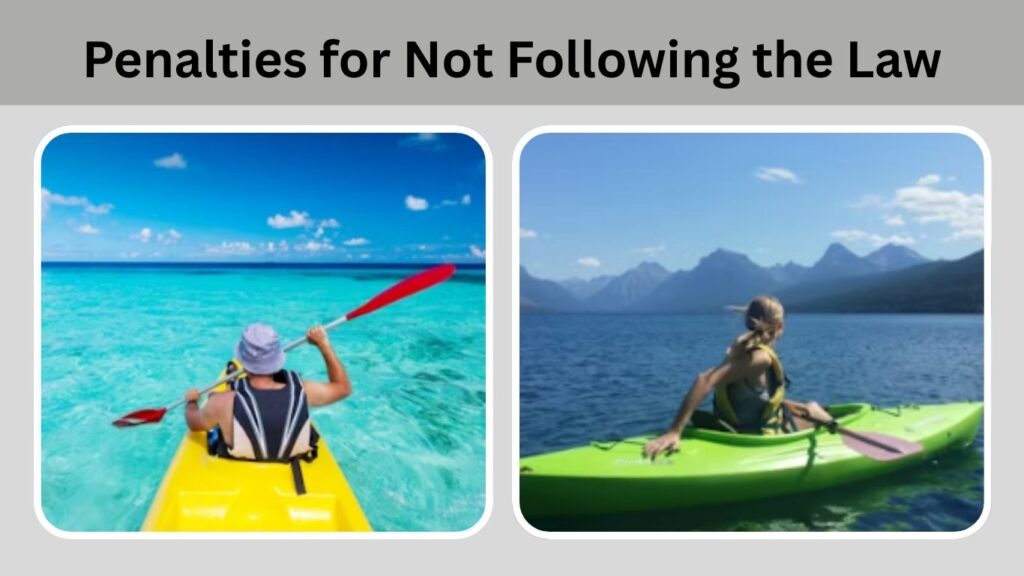
Failing to follow boating rules and regulations can lead to serious consequences, even for kayakers. Penalties may include fines, confiscation of equipment, or, in extreme cases, legal action if an accident occurs. The exact punishment depends on the location and the severity of the violation. For example, paddling without required safety equipment or ignoring restricted zones can result in on-the-spot fines or citations.
Not following regulations can also affect insurance coverage. If an accident happens while you are not complying with local laws, your insurance may refuse to cover damages or injuries, leaving you personally liable. Common mistakes include paddling in restricted waterways, not wearing life jackets, or operating a kayak at night without proper lighting.
By understanding the rules and taking them seriously, you reduce the risk of legal trouble and ensure a safer experience for yourself and others. Responsible kayaking not only protects you legally but also encourages a culture of safety and respect on the water.
Tips for Staying Legal and Safe
Staying legal and safe while kayaking starts with knowing local regulations. Before heading out, check the rules for the specific waterways you plan to paddle, including whether life jackets, safety equipment, or registration are required. Even if a license isn’t needed, completing a boating safety course can teach valuable skills and increase your confidence on the water.
Always carry identification and any required permits or certificates. Make sure your kayak is in good condition, and equip it with necessary safety gear such as a whistle, paddle leash, and lights if paddling near dusk or in low visibility. Follow right-of-way rules, avoid restricted areas, and be mindful of other boaters to prevent accidents.
Practicing responsible kayaking also means respecting the environment. Avoid disturbing wildlife, do not litter, and follow any local conservation rules. By taking these precautions, you not only stay within the law but also ensure a safer and more enjoyable experience for yourself and fellow paddlers.
Conclusion
Most recreational kayakers don’t need a traditional boating license, but understanding local rules is essential. Regulations vary by state, country, or body of water and may include registration, safety courses, or required equipment. Following these rules keeps you legally compliant and safer on the water. Wearing life jackets, carrying safety gear, and knowing navigation rules prevent accidents and protect others. Even if not required, a boating safety course builds skills and confidence, helping you paddle responsibly, stay prepared, and enjoy kayaking safely.