Kayaks are designed for fun, adventure, and exploring waters safely, but even the sturdiest kayak can show signs of wear over time. One common issue many paddlers notice is oil canning, a wavy or flexing appearance on the kayak’s hull or deck. While often cosmetic, it can worry new owners. Understanding what oil canning is, why it happens, and how to prevent it helps keep your kayak looking good, performing well, and lasting longer.
What Is Oil Canning?
Oil canning is a term used in boating and kayak communities to describe the wavy or flexing appearance on a kayak’s hull or deck. At first glance, it might look like dents, ripples, or shallow depressions on the kayak’s surface. These areas may flex slightly when pressed, creating a “springy” feeling under your hand. While it can seem concerning, oil canning is often cosmetic and does not necessarily indicate that the kayak is structurally damaged.
How Oil Canning Appears
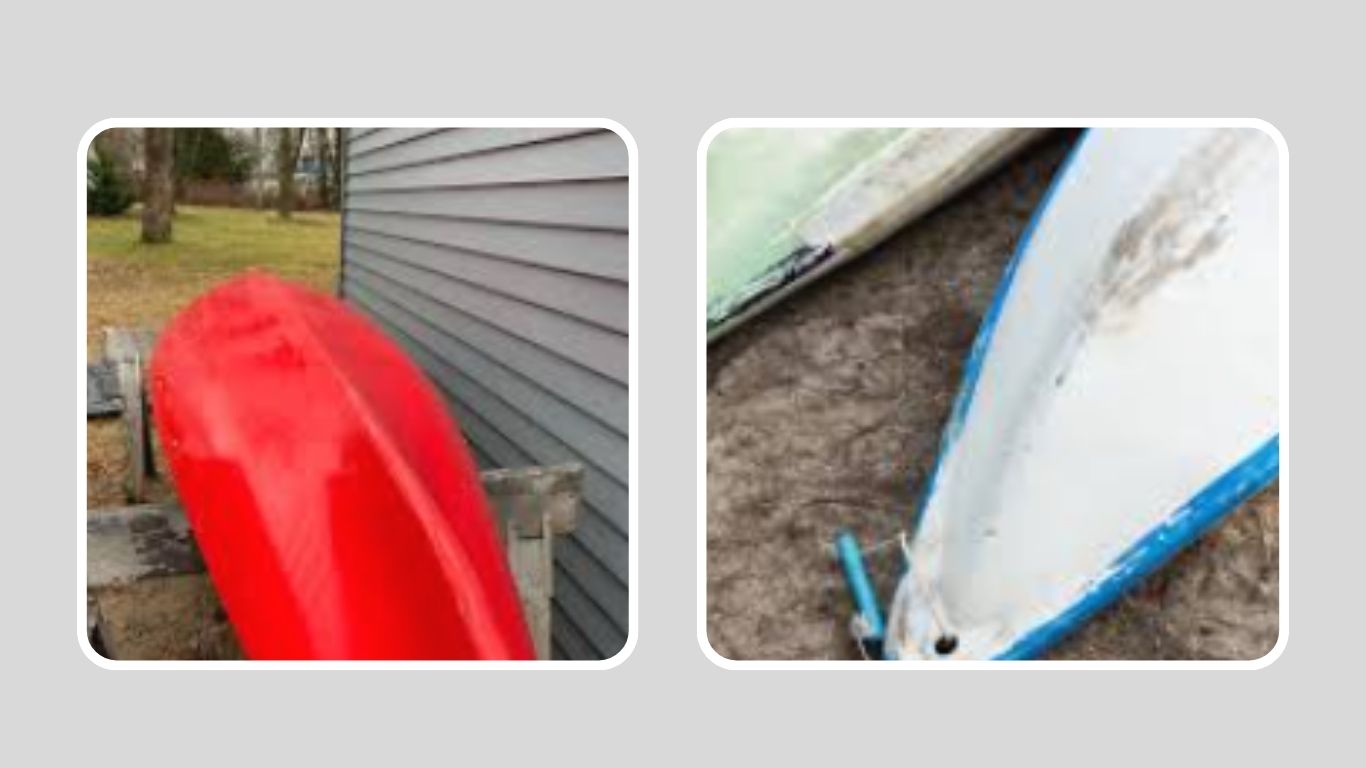
The most noticeable signs of oil canning are shallow waves or ripples along the kayak’s hull or deck. These ripples may be more visible when sunlight hits the kayak at an angle. Some areas may appear to bow inward slightly, while others may bulge outward. On plastic kayaks, these effects are usually more prominent, while composite kayaks or fiberglass models may show only minor waviness. Oil canning can appear anywhere on the kayak, but it is most common on wide, flat surfaces where the material has less structural support.
Materials Most Affected
Kayaks made from polyethylene or other flexible plastics are most prone to oil canning. The flexibility that makes these materials lightweight and impact-resistant also makes them more likely to flex under pressure or heat. Composite materials, such as fiberglass or carbon fiber, are more rigid and generally resist oil canning, though very thin layers may still show minor rippling. Even new kayaks can exhibit oil canning because of manufacturing processes or storage conditions.
Common Misconceptions
Many paddlers assume that oil canning means the kayak is damaged or unsafe. While extreme cases may cause concern, most instances of oil canning are purely cosmetic. Minor flexing does not usually affect the kayak’s performance, stability, or safety on the water. However, repeated pressure over time or poor storage may worsen the appearance and, in rare cases, contribute to structural weakening.
Why Understanding It Matters
Recognizing oil canning helps kayak owners maintain their equipment properly. Knowing that ripples or flexing are often normal prevents unnecessary worry and ensures that small cosmetic issues do not turn into bigger problems. By understanding what oil canning looks like and why it happens, paddlers can take steps to prevent it, protect their kayak, and enjoy better long-term performance.
Causes of Oil Canning
Oil canning on a kayak usually happens due to a mix of material properties, environmental factors, design choices, and handling practices. Understanding the causes helps kayak owners take preventive steps and extend the life of their kayak. While oil canning is often cosmetic, repeated stress or poor care can worsen the problem over time.
1. Material Flexibility
The flexibility of the kayak’s material is one of the main reasons for oil canning. Most kayaks are made from polyethylene or similar plastics that are designed to absorb impacts without cracking. While this flexibility is excellent for durability, it also means that thin hull areas or wide flat surfaces can flex or bow slightly under pressure. Lightweight kayaks are especially prone to this effect because manufacturers often use thinner plastic to reduce weight.
2. Temperature Changes
Extreme temperatures can cause the plastic to expand or contract, leading to waviness on the hull or deck. Prolonged exposure to direct sunlight can heat the plastic, causing it to soften and form ripples. In cold conditions, the material can contract and appear concave or wavy. Frequent temperature fluctuations, especially if the kayak is stored outdoors or in a garage without temperature control, can gradually worsen oil canning.
3. Manufacturing Process
The way a kayak is manufactured can affect how prone it is to oil canning. Uneven cooling during molding can leave stress points, while inconsistent thickness in the hull material can make certain areas more flexible. Even slight imperfections during production may cause ripples that appear once the kayak is in use.
4. Improper Storage
Storing your kayak incorrectly is a common contributor. Leaning it against walls, placing it on uneven surfaces, or stacking kayaks without proper padding or support creates pressure points. Over time, these points cause visible flexing. Long-term storage on the ground or in direct sunlight can also weaken certain sections, making oil canning more likely.
5. Weight, Pressure, and Overloading
Exceeding the kayak’s recommended weight limit or unevenly distributing gear can create areas of stress on the hull. Heavy items such as coolers, tackle boxes, or batteries placed in one spot can press down and deform the plastic. Repeated pressure, even from proper loads, can slowly exaggerate ripples.
6. Impact or Rough Handling
Dropping the kayak, dragging it across rough surfaces, or leaning heavy objects against it can temporarily or permanently warp the hull. Even minor bumps may leave subtle waves that grow over time if repeated.
7. Design Features
Some kayak designs naturally make oil canning more noticeable. Wide, flat-bottom kayaks or those with thin hulls are more prone to visible flexing than narrower, more reinforced designs. Similarly, minimal internal bracing or ribs can reduce structural support, making oil canning more likely.
8. Aging and Wear
Over time, repeated paddling, exposure to UV rays, and contact with water and gear gradually weaken the plastic. Older kayaks may show more oil canning, especially in areas that experience frequent stress. Even a well-maintained kayak can develop minor ripples after years of use.
9. Transport Stress
Improper transport can also contribute. Strapping the kayak too tightly to the roof racks or trailers can create pressure points. Lack of padding during transport, or bouncing over rough roads, can leave temporary or permanent waves on the hull.
Effects of Oil Canning
Oil canning is often more of a cosmetic concern than a structural one, but it can still influence how a kayak looks, performs, and ages over time. Understanding the effects helps paddlers decide whether the issue is harmless or if it requires attention.
1. Cosmetic Appearance
The most immediate effect of oil canning is visual. A kayak with ripples, dents, or wavy patches on the hull may appear worn out, even if it is brand new. For many paddlers, especially those who take pride in keeping their kayak in great condition, this uneven look can be disappointing. It may also affect resale value, since buyers often prefer kayaks that look smooth and well cared for.
2. Performance on the Water
In most cases, minor oil canning does not significantly affect how a kayak performs. However, severe or uneven flexing of the hull can change how the boat sits in the water. A deeply warped section may create additional drag, slowing the kayak slightly. It may also reduce tracking, making it harder to paddle in a straight line. For recreational paddling, these changes may go unnoticed, but for racing, touring, or fishing, performance differences can matter.
3. Stability Concerns
While rare, extreme oil canning could alter the balance of a kayak. If one side of the hull is more affected than the other, the kayak may feel slightly unstable or tilt unevenly. This is most likely to happen if the oil canning results from improper storage or from carrying heavy loads in one area of the kayak for a long period.
4. Durability Over Time
Repeated flexing of the same areas weakens the material gradually. While a kayak may remain usable, areas that constantly bend under pressure could become thinner or more vulnerable to cracks in the future. This is especially true for older kayaks that have already been exposed to years of UV damage, impacts, and environmental stress. Preventing further oil canning becomes important to avoid long-term durability issues.
5. Psychological Effect on the Paddler
Even if oil canning is mostly cosmetic, many paddlers lose confidence in their kayak once they notice it. Seeing dents or waves on the hull can create unnecessary worry about safety. This lack of confidence can make a paddler hesitant to use their kayak in challenging conditions, even when the boat is still perfectly functional.
How to Prevent Oil Canning
While oil canning is a common occurrence in kayaks, there are many ways to reduce the chances of it happening. Prevention comes down to choosing the right kayak, handling it with care, and storing it properly when not in use. By taking a few simple steps, paddlers can keep their kayaks in better condition for years to come.
1. Choose the Right Kayak Material
The type of material your kayak is made from plays a big role in whether oil canning will appear.
Polyethylene kayaks are affordable and durable, but they are also more flexible, which makes them prone to oil canning.
Composite kayaks (fiberglass, Kevlar, carbon fiber) are more rigid and resist oil canning better, though they are usually more expensive.
Heavier-duty plastics or reinforced hulls may be slightly heavier but offer more resistance to flexing.
When shopping for a kayak, consider your budget, how often you’ll use it, and whether the appearance of oil canning will bother you.
2. Store Your Kayak Properly
Improper storage is one of the most common causes of oil canning. To prevent it:
Avoid placing the kayak on hard or uneven ground. Instead, use padded supports or a proper kayak rack.
Store it on its side or upside down. This keeps pressure off the hull.
Use wide straps or padded cradles. These distribute weight evenly and reduce pressure points.
Keep it out of direct sunlight. UV rays and heat can soften the plastic and cause warping.
If you must store your kayak outdoors, use a weather-resistant cover and make sure it is raised off the ground.
3. Avoid Overloading the Kayak
Every kayak has a recommended weight capacity, and staying within this limit helps prevent unnecessary stress on the hull. Overloading the kayak or piling heavy gear in one section can press down on the hull and create ripples. To prevent this:
- Pack only what you need for the trip.
- Distribute gear evenly across the kayak.
- Use dry bags to keep items organized and balanced.
By spreading out the weight, you reduce the chances of concentrated pressure points forming dents or waves.
4. Handle the Kayak With Care
The way you move and transport your kayak also makes a difference.
Avoid dragging it on rough surfaces. This can create scratches and pressure points.
Lift with two people if possible. Carrying it evenly prevents stress on one side.
Don’t lean heavy objects against it. Long-term pressure from another object can warp the hull.
Simple handling precautions can go a long way in preventing oil canning.
5. Protect the Hull During Transport
Transporting a kayak on roof racks or trailers can cause oil canning if not done correctly.
- Always use padded racks or foam blocks.
- Secure the kayak with straps, but don’t overtighten them.
- Use bow and stern tie-downs for extra support.
- Avoid leaving the kayak strapped tightly for long periods, especially in the sun.
By protecting the hull during transport, you reduce unnecessary stress that could lead to oil canning.
Fixing Minor Oil Canning
If your kayak already shows signs of oil canning, don’t panic. In many cases, it can be improved, or at least kept from getting worse, using simple techniques. While prevention is best, there are reliable ways to deal with minor dents and ripples once they appear.
1. Using Heat to Reshape the Hull
Plastic becomes more flexible when warmed, which makes heat one of the most effective methods for fixing oil canning.
- Sunlight Method: Place the kayak outside on a warm, sunny day with the affected area facing the sun. As the plastic softens, the hull may naturally return to its original shape.
- Heat Gun or Hair Dryer: For more control, gently heat the dented area using a heat gun or hair dryer. Keep the device moving to avoid overheating, and apply gentle pressure from inside the kayak to push the area back into place.
- Warm Water: Pouring hot (not boiling) water over the dented area can also help soften the plastic for reshaping.
Important: Be careful not to overheat the kayak. Excessive heat can permanently damage the hull or even melt the plastic.
2. Applying Manual Pressure
Sometimes oil canning can be fixed by physically pushing or bracing the hull back into shape.
- Inside Pressure: Place a sandbag, inflatable bag, or other object inside the kayak under the affected area to push outward. Leave it in place for a few days to encourage the hull to reset.
- Outside Support: Rest the kayak on padded supports that press against the wavy sections, helping the hull flatten out over time.
This method works best for kayaks that are only slightly warped and have not been under long-term stress.
3. Using Bracing or Foam Supports
Adding internal bracing or foam blocks can help reshape the hull and prevent further oil canning. Many kayakers cut custom foam supports that fit snugly against the inside of the hull. Over time, these supports push the hull back into a flatter position and also provide added structural reinforcement.
4. Letting the Kayak Rest
In some cases, simply storing the kayak correctly for several weeks allows oil canning to fade. By removing pressure points and ensuring the hull is evenly supported, the material often relaxes and returns closer to its original shape.
5. Seeking Professional Help
If oil canning is severe, or if you’re uncomfortable using heat or pressure methods, consider taking the kayak to a professional repair shop. Experienced technicians can reshape the hull safely without risking damage. While this option may cost more, it provides peace of mind and ensures your kayak is restored properly.
Not all cases of oil canning can be completely fixed, but most can be improved with careful effort. Even if ripples remain visible, they often won’t affect performance. The main goal is to prevent the issue from worsening and to keep the kayak safe and enjoyable to use.
When to Worry About Oil Canning
Most of the time, oil canning is a cosmetic issue that doesn’t interfere with paddling. However, there are situations where it may signal a bigger problem. Knowing when to treat oil canning as harmless and when to take action ensures your kayak remains both safe and enjoyable to use.
1. Minor Cosmetic Ripples – No Need to Worry
If the oil canning looks like shallow ripples or gentle waves on the hull, there is usually no cause for concern. These small dents often happen during storage or from natural material flexibility. As long as the kayak still tracks straight, floats evenly, and shows no cracks, you can continue using it safely.
2. Deep or Sharp Dents – Monitor Closely
If the affected areas are deep or sharply dented, the kayak may not perform as well. A deep depression can create drag in the water, making paddling harder. It may also cause slight instability if one side of the kayak is more distorted than the other. At this stage, it’s wise to attempt to reshape or reinforce the hull before the issue worsens.
3. Signs of Structural Weakness
Oil canning becomes serious when it’s paired with signs of weakening. Be on the lookout for:
- Cracks or splits around the wavy areas.
- Soft spots where the plastic feels thin or weak.
- Water leaks are coming from distorted sections.
- Uneven sitting in the water, where the kayak leans or feels unstable.
These are signs that the kayak may be losing strength, and continued use without repair could cause further damage.
4. Long-Term Storage Damage
If oil canning developed because the kayak was stored improperly for months or years, the material may have “set” in a distorted position. This kind of long-term damage is harder to reverse. If reshaping methods don’t help, the kayak may require professional repair or, in extreme cases, replacement.
5. When Safety Is Affected
The most important factor is safety. If oil canning makes you feel uncertain about stability, or if you notice your kayak behaving unusually on the water, it’s time to address the problem seriously. Safety should always come before appearance.
Light ripples are common and harmless, but deep dents, cracks, or leaks should not be ignored. Knowing the difference between cosmetic blemishes and true structural issues allows paddlers to enjoy peace of mind while staying safe on the water.
Final Thoughts
Oil canning, seen as ripples or dents on a kayak’s hull or deck, is usually a harmless cosmetic issue caused by heat, pressure, improper storage, or overloading. Light oil canning rarely affects performance, though severe cases may impact stability or tracking. Prevent it by storing your kayak on padded supports, avoiding extreme heat, and handling it carefully during transport. If it occurs, minor dents can often be corrected with heat or bracing. Most importantly, don’t worry, your kayak remains safe, stable, and ready for the water.