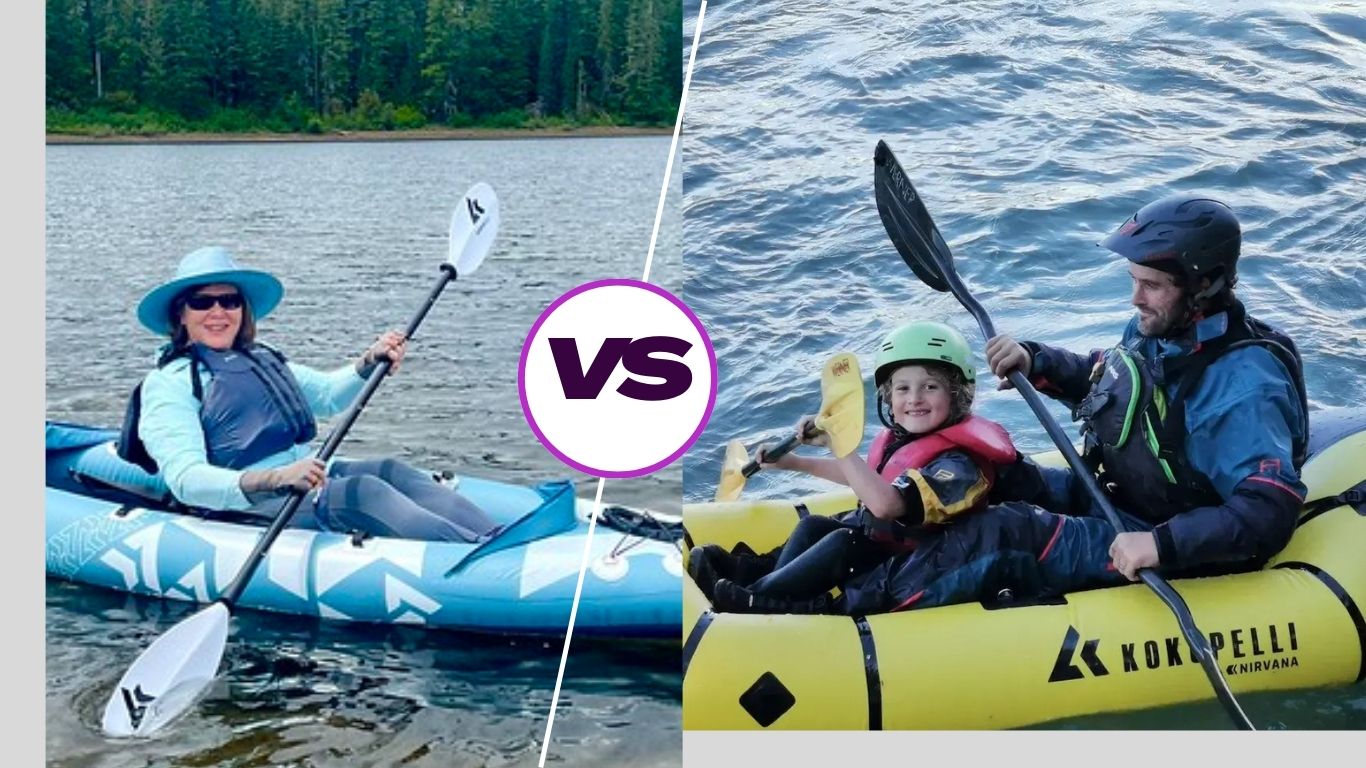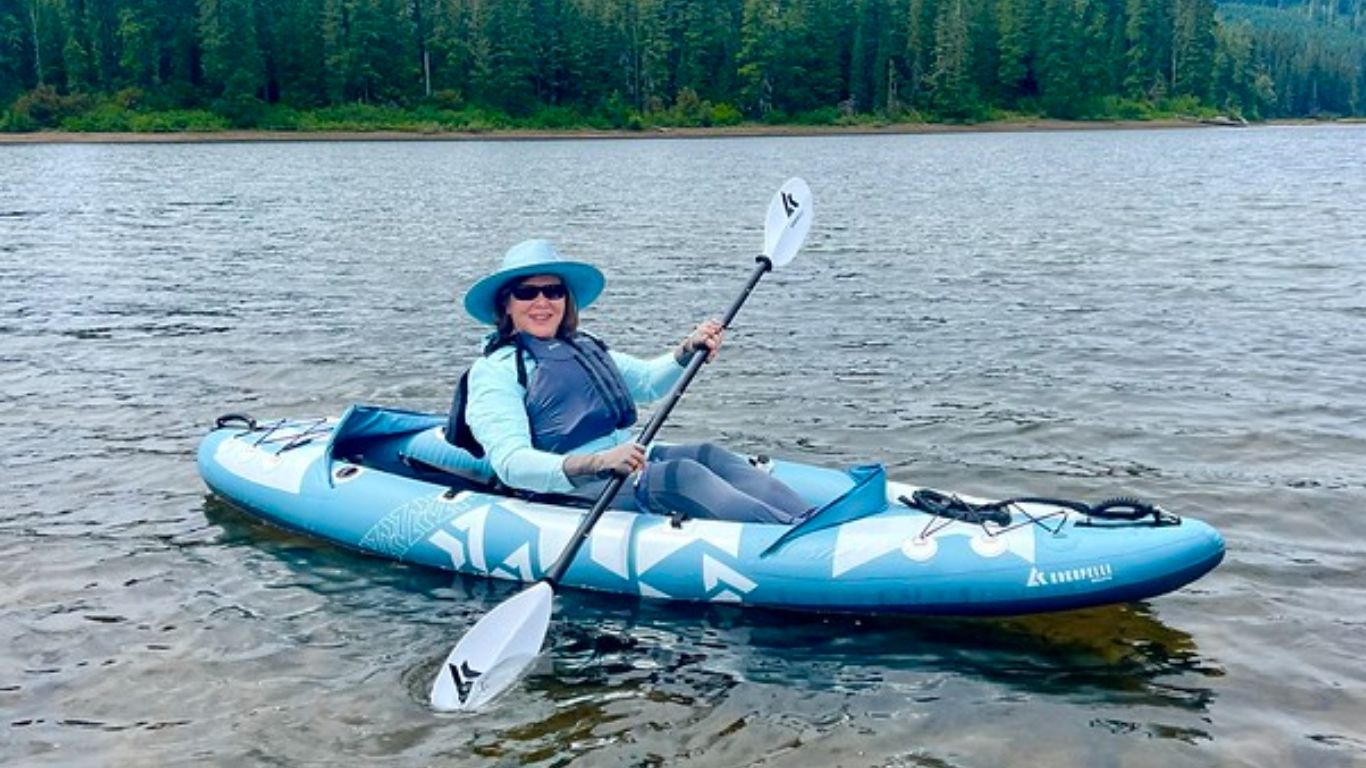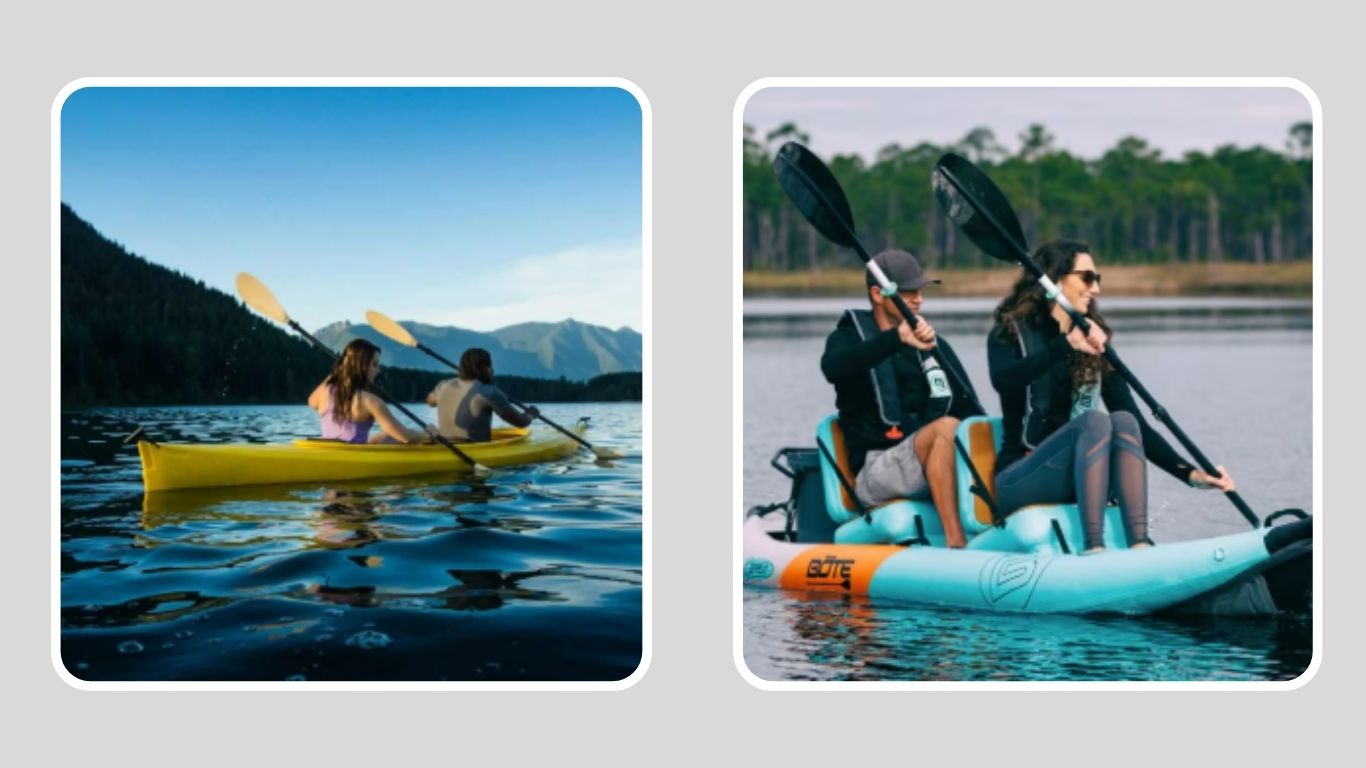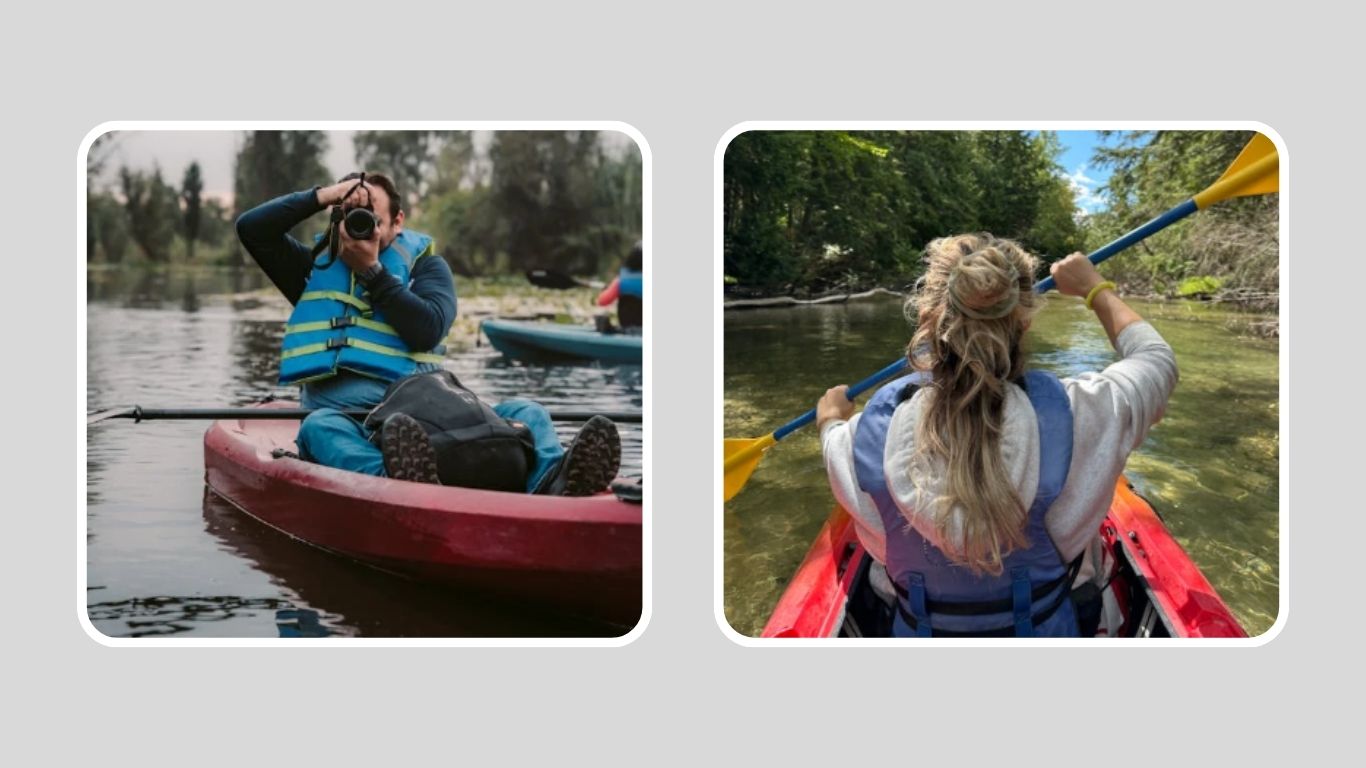
Kayaking and canoeing are enjoyable ways to experience nature, but safety should always be a top priority. No matter if you’re paddling on a calm lake, a moving river, or the open sea, small boats like kayaks and canoes can tip over unexpectedly. That’s why certain safety rules apply to every paddler. Among all the gear you can bring, one item is required by law on every canoe and kayak: a life jacket, also called a Personal Flotation Device (PFD).
The One Required Safety Equipment: The Life Jacket (PFD)
When it comes to safety on the water, the one piece of equipment that is always required on every canoe and kayak is a life jacket, also known as a Personal Flotation Device (PFD). This rule isn’t just a suggestion; it’s a legal requirement in almost every country because of how vulnerable small boats are to tipping over. Canoes and kayaks ride low in the water, which means even a small wave, a sudden movement, or a shift in balance can cause them to flip. In those moments, your PFD becomes your lifeline.
A life jacket is designed to keep you floating even if you’re tired, panicked, or unable to swim. Unlike other safety gear, such as paddles or whistles, a PFD works passively; once you’re wearing it, it does its job without you needing to do anything. This is why governments and coast guards everywhere list it as the number one requirement for kayakers and canoeists.
It’s important to note that there’s a difference between simply carrying a life jacket and wearing it. Some regions only require that a PFD be available for every person in the canoe or kayak, while others make it mandatory to wear it at all times, especially for children. Unfortunately, many accidents happen when people have their PFDs tucked under a seat or stored in a bag. In emergencies, you may not have the time or the ability to grab and put it on. Wearing it before you launch is always the safest choice.
Another key factor is fit. Regulations don’t just say “have a life jacket,” they specify that it must be the right size for the person wearing it. A PFD that is too loose can slip off in the water, while one that is too small won’t provide enough buoyancy. This is why every paddler, from kids to adults, needs their own properly sized life jacket.
Whether you’re a beginner going out on a calm pond or an experienced paddler tackling ocean waves, the rule stays the same: you must have a life jacket for every person in the canoe or kayak. It’s the single most important piece of safety equipment you’ll ever bring on the water.
Why Life Jackets Are Legally Required
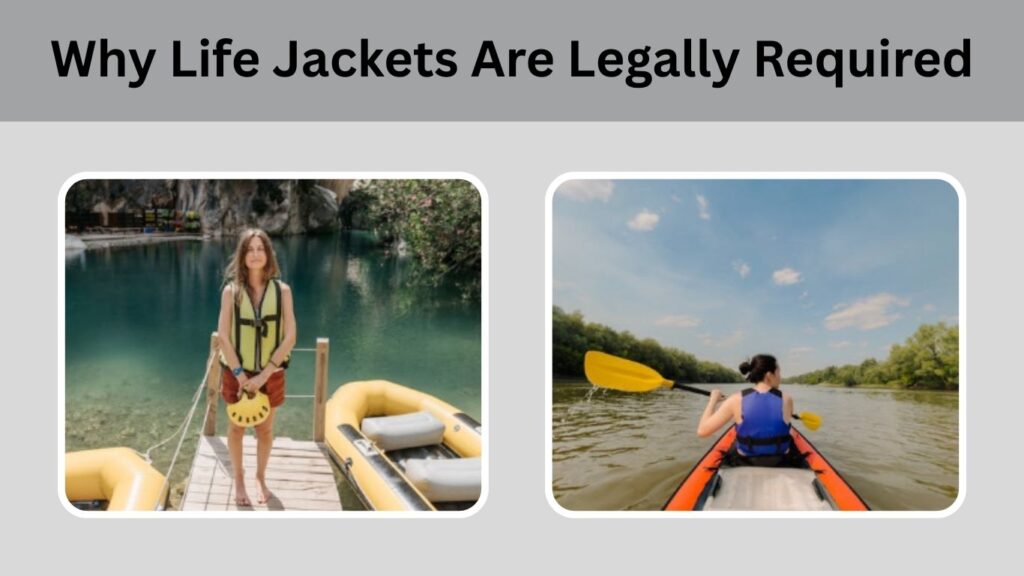
Life jackets, or PFDs, are not just recommended for paddlers; they are legally required on every canoe and kayak because they save lives. Statistics show that the majority of boating-related deaths are caused by drowning, and in most of those cases, the victims were not wearing a life jacket. Even strong swimmers are at risk because accidents often happen suddenly, leaving little or no time to react. A canoe or kayak can tip over in seconds, and once you’re in the water, conditions like strong currents, cold temperatures, or panic can make swimming extremely difficult.
Small craft like kayaks and canoes are especially prone to accidents compared to larger boats. They sit low in the water, making them less stable, and they are more affected by waves, wind, or the sudden movement of passengers. Because of this, laws are stricter for paddlers, and coast guard authorities around the world enforce PFD requirements as a basic safety rule.
Wearing a life jacket isn’t just about floating; it can also save you if you’re injured or knocked unconscious. A properly designed PFD will turn some wearers face-up, keeping their head above water and giving rescuers more time to reach them. This is a crucial reason why governments require them by law.
Think of a life jacket as your seatbelt on the water. You might not always need it, but in the rare moment you do, it can mean the difference between survival and tragedy. That’s why carrying one for every paddler, and wearing it, isn’t just smart, it’s the law.
Types of Life Jackets and Their Suitability for Canoeing and Kayaking
Not all life jackets are the same. While every canoe and kayak must have one for each paddler, the type of life jacket you choose can make a big difference in comfort, mobility, and safety. The U.S. Coast Guard and many other authorities classify PFDs into different types, each with its purpose. For paddlers, understanding these options helps you pick the right one for your needs.
Type I – Offshore Life Jackets
- Description: These are the most buoyant life jackets, designed for rough seas, open water, or situations where rescue might take a long time.
- Pros: Provide the highest level of flotation and can turn most unconscious wearers face-up.
- Cons: They are bulky, heavy, and uncomfortable for paddling.
- Best For: Ocean expeditions or remote areas, not everyday kayaking or canoeing.
Type II – Nearshore Buoyant Vests
- Description: Made for calmer, inland waters where quick rescue is expected.
- Pros: Lighter and less bulky than Type I; some can turn an unconscious person face-up.
- Cons: Still not very comfortable for long paddling trips.
- Best For: Recreational paddling in lakes or calm rivers.
Type III – Flotation Aids
- Description: The most popular type for kayakers and canoeists. Designed for comfort, freedom of movement, and ease of wear.
- Pros: Comfortable for long trips, allows full arm movement for paddling, and comes in many paddling-specific designs.
- Cons: Will not automatically turn an unconscious person face-up.
- Best For: Most kayaking and canoeing activities, including fishing, touring, and whitewater.
Type IV – Special Use Devices
- Description: These are specialized life jackets made for particular sports or activities, such as kayaking, windsurfing, or whitewater rafting. Many are inflatable or hybrid designs.
- Pros: Very comfortable, low profile, and designed with paddlers in mind.
- Cons: Must be used exactly as intended; inflatable models require manual activation and may not work if you’re unconscious.
- Best For: Experienced paddlers, whitewater kayaking, or those who want minimal bulk.
Legal Rules and Regional Variations
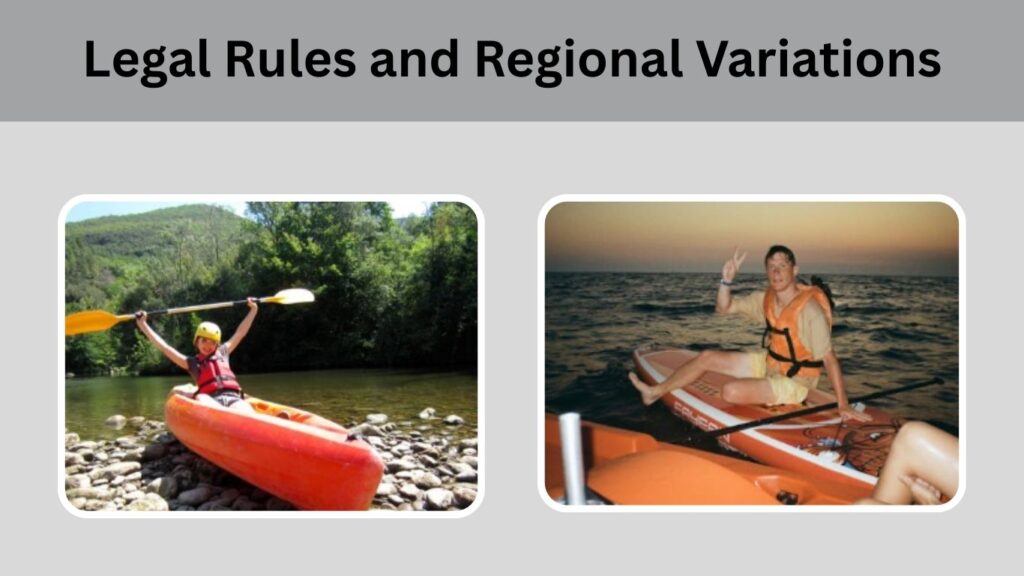
While the basic rule is the same everywhere, that every canoe and kayak must carry a life jacket for each paddler, the exact laws can differ depending on the country or even the state you are paddling in. Understanding these regional variations is important because not following the rules can lead to fines, warnings from authorities, or worse, dangerous situations on the water.
United States (U.S. Coast Guard Regulations)
- Every person on a canoe or kayak must have a U.S. Coast Guard-approved life jacket.
- Life jackets must be the correct size for the intended wearer and in good condition (not torn or damaged).
- Children under a certain age (usually 12 and under) are required to wear the PFD at all times while on the water.
- Adults are often only required to carry a PFD, but wearing it is strongly advised.
Canada (Transport Canada Regulations)
- All canoe and kayak paddlers must have a Canadian-approved PFD on board.
- Carrying a PFD is required, but wearing it at all times is recommended and often enforced in practice.
- Like the U.S., children must wear their PFDs while in the boat.
United Kingdom and Europe
- In the UK, it is not always a strict legal requirement to wear a PFD on inland waters, but it is highly recommended and required by most clubs, schools, and rental services.
- In European Union countries, CE-approved PFDs are the standard, and laws can vary from country to country.
- Many organized waterways and harbors require life jackets to be worn at all times.
Australia and New Zealand
- Rules are generally strict: paddlers are required to wear life jackets in most regions, especially in small craft like kayaks and canoes.
- Laws differ slightly by state in Australia, but most require PFDs to be worn at all times on open or coastal waters.
What Happens if You Don’t Follow the Law
Legal Consequences
- Fines and Citations: Many regions impose fines for not having a properly sized and approved life jacket on board. In some states or countries, repeated violations can result in higher penalties.
- Warnings or Restrictions: Authorities may issue warnings or restrict access to certain waterways until compliance is met.
- Insurance Issues: Some insurance policies may not cover accidents or rescues if required safety equipment wasn’t used.
Safety Consequences
- Increased Risk of Drowning: Most small boat fatalities involve paddlers without life jackets. Even strong swimmers can tire quickly, panic, or get trapped under a flipped canoe or kayak.
- Hypothermia in Cold Water: In cold lakes, rivers, or oceans, a life jacket keeps you afloat and reduces energy loss, increasing your survival time.
- Delayed Rescue: A PFD keeps you visible and afloat, giving rescuers a much better chance of finding you quickly.
Real-World Examples
- Many accidents occur close to shore, where paddlers think they don’t need a life jacket. Tragically, some of these incidents are fatal because people underestimate the risk of currents, waves, or sudden capsizing.
- In whitewater or rapid rivers, even experienced paddlers without PFDs have been swept into dangerous situations they could have survived with proper flotation.
Real-Life Examples of Life Jackets Saving Lives
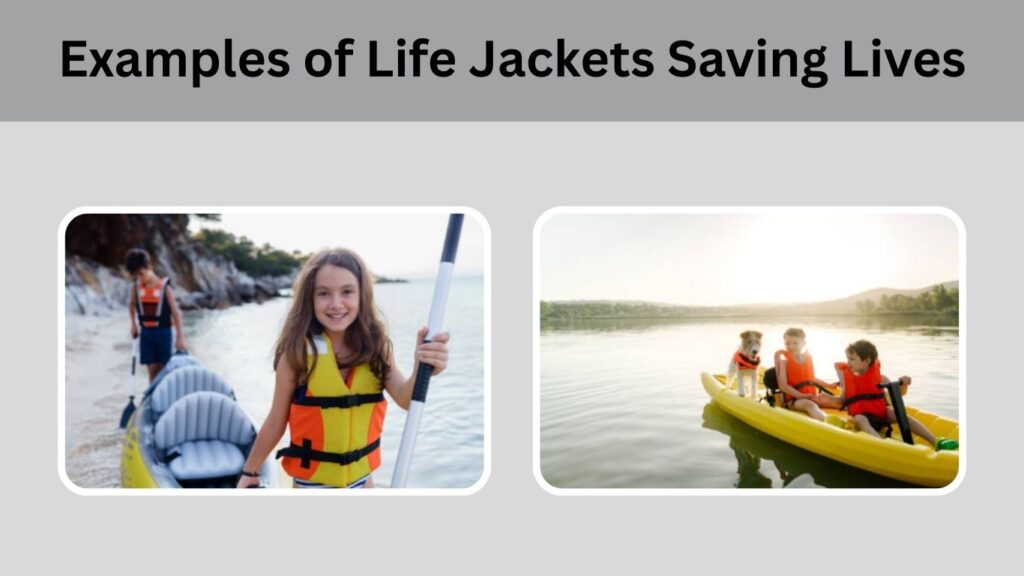
Life jackets are not just a legal formality; they are literal lifesavers in real-world situations. Imagine a calm summer day on a lake. A family is paddling in a small canoe when a sudden gust of wind tips the boat sideways. Water rushes in, and everyone is thrown into the chilly lake. In a matter of seconds, panic sets in. Yet, because each person is wearing a properly fitted PFD, they float safely on the surface, keeping their heads above water. Rescue is quick, and no one is harmed. This simple device turns a potentially tragic accident into a story of survival.
In another case, a kayaker navigating a river underestimating the current’s strength is swept downstream and collides with rocks. Without a life jacket, hitting the water could have resulted in serious injury or drowning. But the PFD not only keeps the paddler afloat but also cushions the impact, allowing them to stay conscious and signal for help until rescue arrives.
Even experienced paddlers are not immune. On whitewater rivers, fast currents and hidden rocks can capsize even skilled adventurers. Life jackets, often combined with helmets, provide the critical buoyancy and support to keep paddlers face-up, reduce panic, and increase survival chances until they can reach shore or be assisted.
These examples highlight a crucial truth: a life jacket does its job without effort from the wearer. It provides floatation, stability, and visibility when everything else goes wrong. Every paddler who straps on a PFD significantly increases their chance of survival, proving why this equipment is not optional; it is essential.
Conclusion
A life jacket, or Personal Flotation Device (PFD), is the most essential safety equipment for every canoeist and kayaker. Small boats can capsize quickly due to wind, waves, or shifting weight, and a PFD keeps you afloat, reduces panic, and buys time for rescue. While whistles, spare paddles, and dry bags help, nothing replaces a properly fitting life jacket. Wearing it every trip, even on calm waters, ensures safety, confidence, and peace of mind, making every outing responsible and enjoyable.