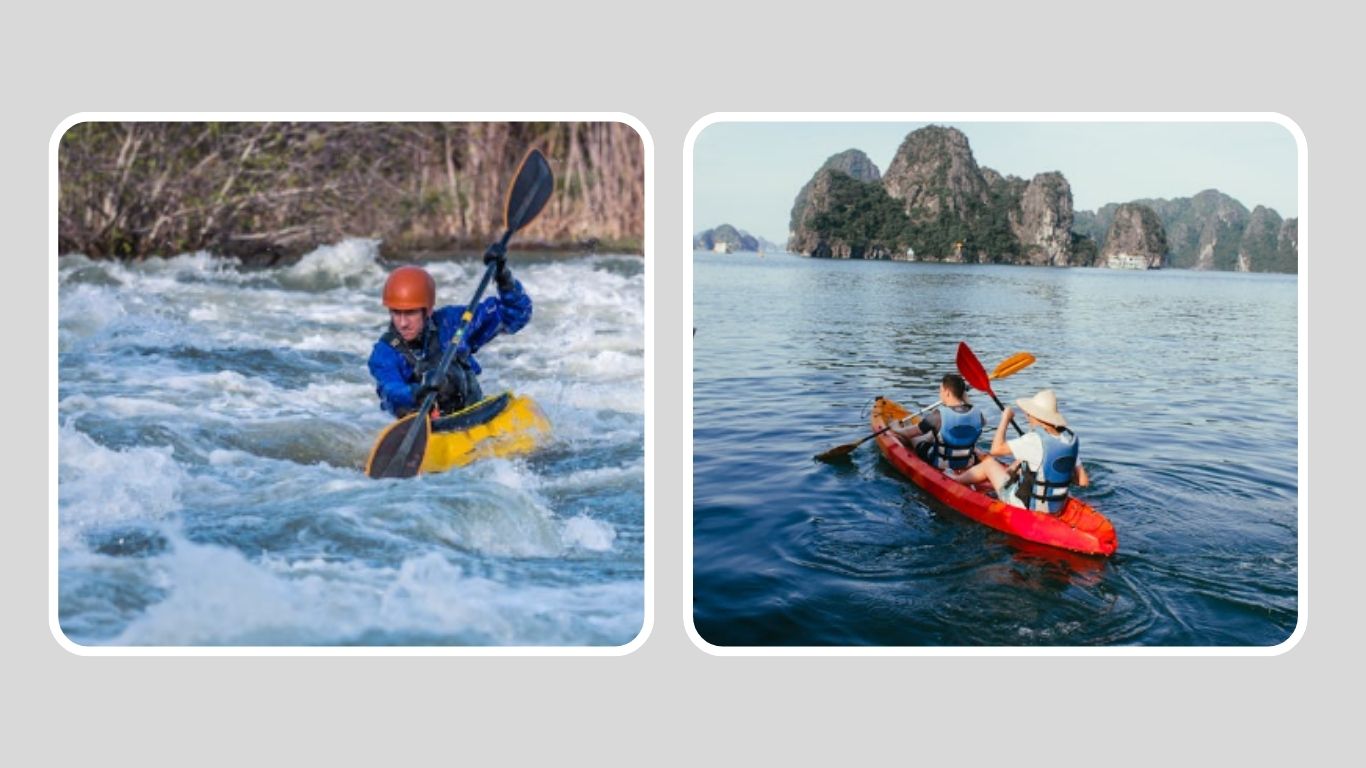
Kayaking 10 miles may sound simple, but the actual time it takes can vary a lot depending on your speed, the type of kayak you use, and the conditions on the water. For some paddlers, 10 miles can be a fun half-day adventure, while for others it might feel like a tough challenge that takes most of the day. Knowing how long it takes helps you plan better, stay safe, and enjoy the trip without running out of energy.
Average Time to Kayak 10 Miles
For most recreational paddlers, kayaking 10 miles typically takes between 3 and 5 hours, but this is only a general estimate. The actual time can be much shorter or longer depending on your experience, kayak type, and the conditions of the water. A relaxed paddler moving at an average pace of 2 to 3 miles per hour will usually take closer to 4–5 hours to complete the trip. Beginners, who may stop often to rest, adjust their gear, or enjoy the scenery, can take anywhere from 5 to 7 hours.
On the other hand, experienced kayakers with strong technique and endurance can often paddle at 4 to 5 miles per hour, finishing a 10-mile stretch in as little as 2 to 3 hours. Competitive paddlers in sleek touring or racing kayaks may even be faster under the right conditions.
It’s also important to understand that 10 miles on water feels different from 10 miles on land. Unlike walking, running, or biking, kayaking involves resistance from the water and changes in wind, currents, and waves that can either help you move faster or slow you down significantly. For example, paddling with a strong river current may shorten your trip, while fighting against wind and waves can double the time. Because of this, planning a 10-mile trip requires flexibility; you should always expect that conditions may add more time than the “average” numbers suggest.
Key Factors That Affect Kayaking Time
No two kayaking trips are ever the same. Even if you paddle the same distance, your total time can change drastically from day to day depending on a variety of factors. A beginner might take nearly all day to cover 10 miles, while an experienced paddler could finish it in just a couple of hours. Understanding these factors will help you plan better, set realistic expectations, and avoid frustration on the water. Let’s look at them in detail:
1. Paddling Speed
Paddling speed is the most obvious factor in how long a trip will take. A beginner may paddle at 2 miles per hour, while a strong recreational paddler can hold 3 miles per hour comfortably. More experienced kayakers who train regularly often sustain 4–5 miles per hour, especially in sleek touring kayaks.
But speed isn’t only about raw strength—it’s also about efficiency. Someone who knows how to rotate their torso, dip the paddle blade fully into the water, and maintain a steady rhythm will move further with less energy. In contrast, a beginner relying mostly on arm power might tire quickly, forcing frequent breaks and extending the total trip time.
Endurance matters too. You might start strong at 5 mph, but if you can’t keep that pace beyond the first mile, your average speed will drop. Kayaking is more of a marathon than a sprint—those who keep a steady, comfortable pace usually finish 10 miles faster than those who start hard and burn out.
2. Type of Kayak
Your kayak’s design plays a massive role in speed.
- Recreational kayaks: These are short and wide for stability, usually 9–12 feet long. They’re great for beginners and casual paddling, but tend to be slower because of extra drag.
- Touring and sea kayaks: Longer and narrower (14–18 feet), these kayaks are designed to slice through water with efficiency. If your goal is covering distance, this type is much faster and requires less effort per mile.
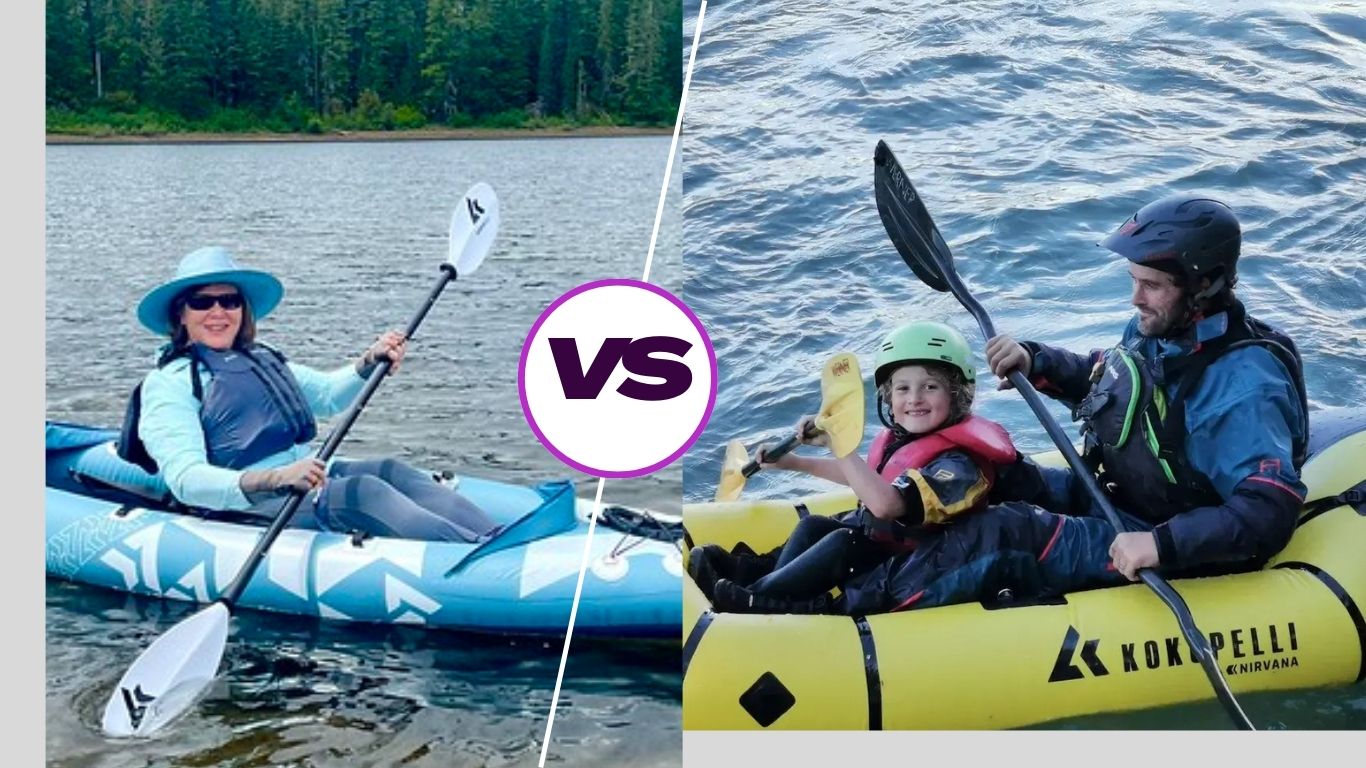
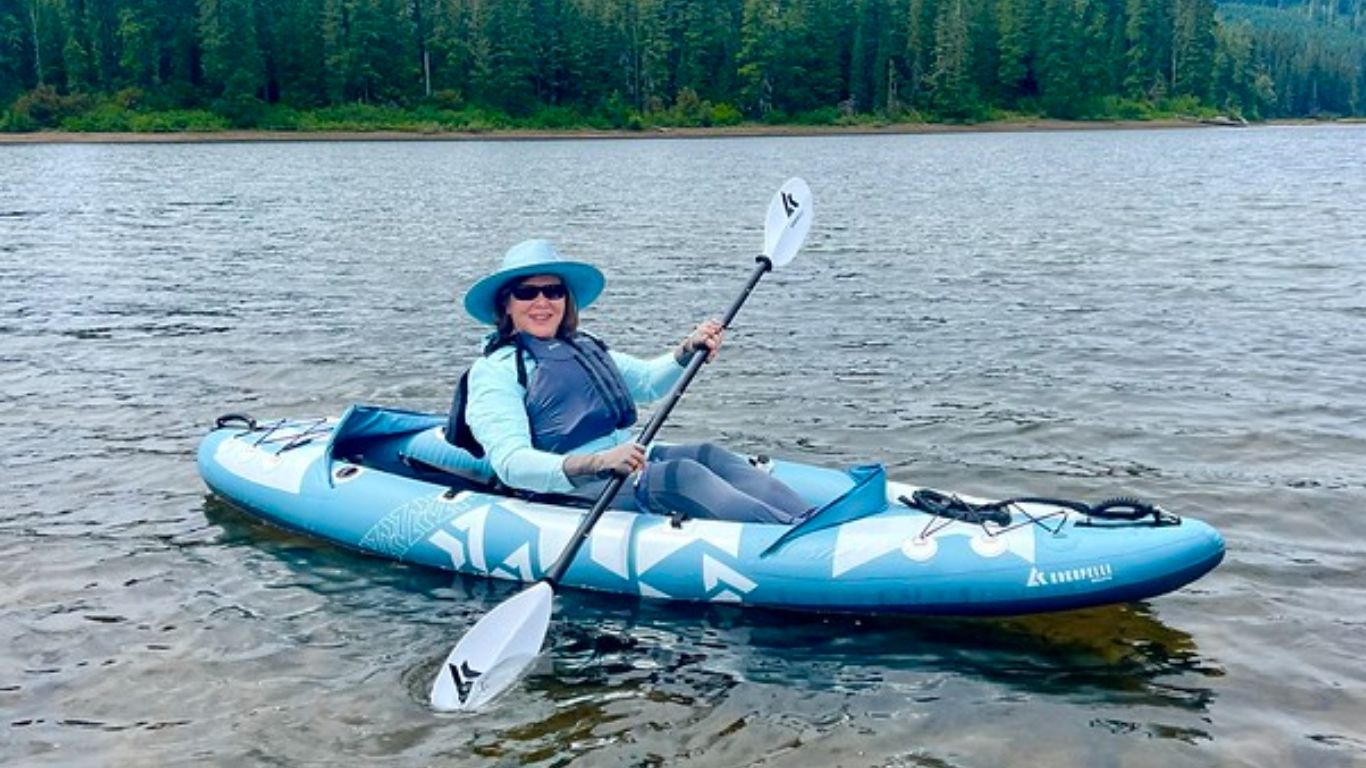
- Inflatable kayaks: Popular for portability, but their bulkier shape and softer sides create drag, making them slower overall. They’re great for calm waters but not ideal for long-distance speed.
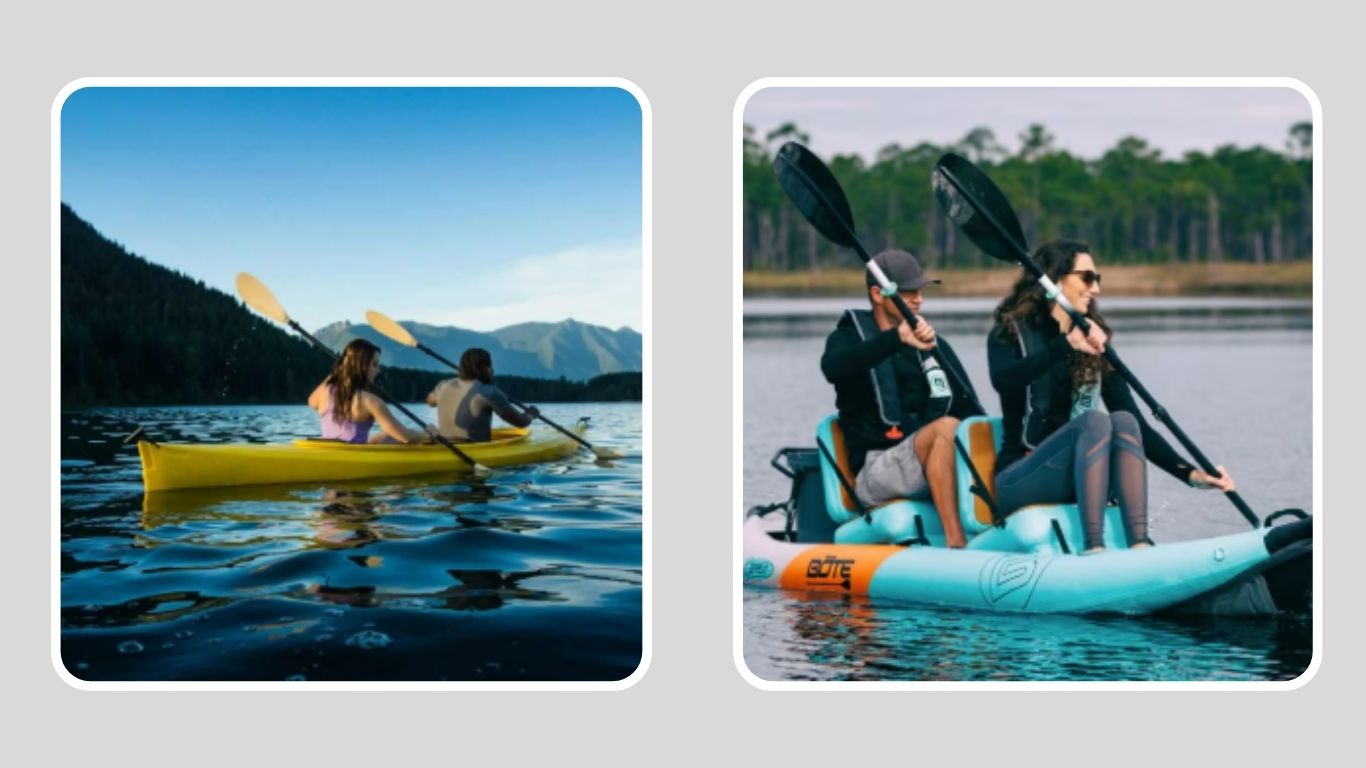
- Tandem kayaks: With two paddlers, tandems can be faster if both people paddle in sync. However, if one person tires, the other has to compensate, which might slow things down.
Think of it like bicycles: a heavy mountain bike can ride 10 miles, but it will take longer than a sleek road bike built for speed.
3. Water Conditions
The water beneath your kayak is just as important as your muscles above it.
- Calm lakes: Flat water offers no current, so your speed depends entirely on your paddling effort. It’s steady but can feel slow because there’s no “help” from moving water.
- Rivers: Depending on the current, a river can either speed you up or hold you back. A gentle downstream flow can reduce your time significantly—you might cover 10 miles in under 3 hours without pushing too hard. But paddling upstream against the current can feel like a never-ending battle.
- Oceans and seas: Conditions are unpredictable. Tides can either pull you along or slow you to a crawl. Waves can sap your energy and force you to rest more often. Even shallow tidal flats can affect speed, as kayaks sometimes drag slightly in low water.
A 10-mile paddle on a calm lake might take 4–5 hours, while the same distance on a fast river could be just 2–3 hours. That’s why water type is one of the biggest differences.
4. Weather Conditions
The weather is one of the most underestimated factors.
- Wind: A tailwind can push you forward, making paddling feel almost effortless. A headwind, however, can slow you to a crawl. Crosswinds may make it hard to steer straight, wasting energy as you constantly correct your course.
- Temperature: Hot days can wear you out faster, as heat drains your stamina and forces more breaks for hydration. Cold weather limits endurance because your muscles stiffen quickly, and safety concerns (like hypothermia) can cut trips short.
- Rain and fog: These don’t just make you wet; they reduce visibility, making it harder to navigate. You’ll likely slow down to stay safe.
- Storms: Rough conditions increase waves, currents, and risk, often forcing paddlers to cut trips short or take far longer than planned.
Always remember: even a mild breeze feels stronger when you’re sitting low in a kayak close to the water.
5. Weight and Gear Load
The heavier your kayak, the slower you’ll go. This includes not only your body weight but also any extra gear.
- Light load: Just you, a paddle, and some basic safety gear, you’ll move more easily.
- Heavy load: Camping equipment, fishing gear, or a fully packed cooler will add drag and slow you down.
- Balance: Poorly distributed weight can make your kayak tilt or sit lower in the water, creating more resistance and reducing speed.
Think of it like hiking with a heavy backpack. You can still walk the same distance, but it will take longer and feel harder.
6. Rest Breaks and Stops
Most kayakers don’t paddle nonstop for 10 miles. Breaks add to the total time, especially if you stop often.
- Short breaks: Quick pauses for water or stretching don’t affect your time too much.
- Longer stops: Landing to eat, rest, or take pictures can add 30 minutes or more.
- Activity-based stops: If you’re fishing, swimming, or exploring along the way, a 10-mile trip might turn into an all-day adventure.
Even if your paddling time is only 4 hours, rest breaks can easily stretch the trip into 6 or 7 hours.
7. Physical Condition of the Paddler
Your body plays as much of a role as your boat.
- Strength and stamina: Stronger, fitter paddlers naturally move faster and last longer.
- Experience: A beginner may waste energy with inefficient strokes, while a skilled kayaker glides smoothly.
- Age and fitness: Younger, fit paddlers often complete trips faster, but kayaking is accessible to all ages; just expect slower speeds if you’re less conditioned.
- Group dynamics: In group trips, everyone goes at the pace of the slowest paddler. A 10-mile solo trip may take you 4 hours, but with a group it could take 5 or 6.
8. Group Size and Coordination
Kayaking alone and kayaking with others are two very different experiences. Solo paddlers can set their own pace and rest when needed. In groups, you often have to slow down for others, wait for breaks, or keep the formation safe. Tandem kayaks, as mentioned, can be faster with good teamwork, but if paddlers aren’t coordinated, they may zigzag and tire themselves out, adding extra time.
9. Navigation and Route Choice
Sometimes it’s not just about distance, it’s about the path. Ten miles in a straight line across a lake might be simple, but a winding river with bends, obstacles, or portages (where you carry your kayak around dams or rapids) can add hours. Choosing a route with fewer obstacles and favorable currents makes a big difference.
10. Mental Factors
Your mindset can influence your speed more than you think. Paddlers who are motivated, focused, and enjoying themselves tend to paddle steadily and finish sooner. Those who get discouraged or distracted may slow down, take unnecessary breaks, or even cut the trip short. Mental endurance is just as important as physical stamina on long paddles.
Calculating Your Own Kayak Speed
Knowing how fast you paddle is one of the most useful skills a kayaker can have. While general estimates like “3 to 5 hours for 10 miles” are helpful, they can’t replace real numbers that are based on your own body, your kayak, and your local water conditions. By calculating your paddling speed, you can predict trip times more accurately, prepare the right amount of food and water, and avoid getting stuck on the water longer than planned.
1. The Simple Formula
At its core, speed is just a measure of distance covered over time. The formula is:
Speed = Distance ÷ Time
If you paddle 1 mile in 20 minutes, your speed is 3 mph (1 ÷ 0.33 hours). If you paddle 2 miles in 40 minutes, your speed is also 3 mph. Once you know your average speed, you can apply it to longer trips.
So, if you normally paddle around 3 miles per hour, a 10-mile trip without breaks would take about 3 hours and 20 minutes. If your pace is closer to 2 mph, you should expect 5 hours. And if you can maintain 4 mph, you might finish in just 2.5 hours.
The formula is simple, but it becomes much more useful once you start testing it in real-life conditions.
2. Testing on Shorter Trips
One of the easiest ways to measure your speed is by doing short practice paddles. Choose a distance you know, like 1 or 2 miles, and time yourself under calm conditions. Don’t rush; instead, paddle at the pace you’d use for a long trip.
Here’s how it helps:
- If you paddle 1 mile in 30 minutes, your pace is 2 mph. For 10 miles, that’s about 5 hours.
- If you paddle 2 miles in 40 minutes, your pace is 3 mph. For 10 miles, that’s about 3 hours and 20 minutes.
- If you paddle 2 miles in just 30 minutes, your pace is 4 mph, meaning 10 miles could take as little as 2.5 hours.
Short test runs also reveal how long you can comfortably maintain your rhythm. You might paddle the first mile quickly, but then slow down in the second, which tells you your average speed over long distances will be lower than your sprint pace.
3. Using GPS and Kayak Apps
Technology makes tracking speed even easier. Many paddlers now use GPS watches, fitness trackers, or smartphone apps to measure distance and time automatically. These tools are great for accuracy and convenience.
- GPS watches and fitness trackers (like Garmin or Fitbit) show your real-time speed and track your distance.
- Smartphone apps such as Strava, MapMyRun, or kayaking-specific apps log your route, pace, and total time.
- Handheld GPS devices designed for boating also provide speed readings and navigation features.
One of the advantages of GPS tracking is that you can see how conditions affect your pace. For example, you might notice that your speed rises from 2.5 mph to 3.5 mph when paddling with the wind, or drops below 2 mph when heading upstream against a river current. Over time, these records give you a clear picture of your true average paddling speed.
4. Adjusting for Breaks and Real Conditions
When calculating your kayak speed, it’s important to separate moving time from total trip time.
- Moving time is how long you’re paddling.
- Total trip time includes breaks for water, food, rest, or sightseeing.
For example, if you paddle 10 miles at an average speed of 3 mph, your moving time will be about 3 hours and 20 minutes. But if you stop for lunch, take pictures, or rest on shore, your trip might last 5 or 6 hours.
A good rule of thumb is to add 25–50% extra time to your paddling estimate to account for breaks and unexpected slowdowns. So if you calculate 3 hours of moving time, plan for 4–5 hours total. This buffer keeps you from getting caught out on the water after dark or running low on energy.
5. Why Personal Calculation Matters
Every paddler is different. Two people can paddle the same kayak in the same conditions and still finish at different times. Your weight, fitness level, stroke efficiency, and even your mindset can influence how long you last on the water.
By calculating your speed, you:
- Set realistic expectations. You’ll know if a 10-mile trip is a short outing or an all-day challenge.
- Plan better. You can bring the right amount of food, water, and gear for the hours you’ll be paddling.
- Stay safe. Knowing your pace helps you avoid being stuck in the dark or dangerous conditions.
- Track progress. As you paddle more, you can see your speed improve and set personal goals.
6. Example Calculations
Here are a few scenarios to put it all together:
- Beginner pace (2 mph): 10 miles in about 5 hours (not including breaks). With breaks, expect 6–7 hours.
- Recreational pace (3 mph): 10 miles in 3 hours 20 minutes. With breaks, expect 4.5–5 hours.
- Experienced pace (4 mph): 10 miles in 2.5 hours. With breaks, around 3.5–4 hours.
This shows why personal testing is so valuable. Even small differences in speed, like 2 mph versus 3 mph, add up to hours of difference over 10 miles.
How Long Is Too Long? Understanding Endurance on the Water
When planning a 10-mile kayaking trip, one of the most important questions is not just “how fast can I go?” but “how long can I keep going?” Speed is only half the equation; your endurance plays an equally big role. Kayaking requires more than just arm strength; it uses your core, shoulders, back, and even your legs for balance and support. If your muscles tire out or your body isn’t prepared, those 10 miles can quickly feel like 20.
Understanding your endurance helps you avoid pushing beyond your limits, which can lead to exhaustion, sloppy paddling technique, or even dangerous situations if you’re too tired to handle rough water.
1. The Physical Demands of Kayaking
Unlike walking or cycling, kayaking involves repetitive upper-body movements for long periods. Each stroke pulls against water resistance, which can be easy at first but adds up mile after mile. Common areas of fatigue include:
- Shoulders and arms – These muscles do much of the pulling and can burn out quickly if you rely on them too much.
- Core and back – A strong core is essential for maintaining good posture and transferring power through each stroke. Weak core muscles can make long trips uncomfortable.
- Legs – While they don’t move as much, your legs help with balance and stability. Tension in your lower body also contributes to overall fatigue.
If your body isn’t used to long paddles, endurance may run out sooner than expected.
2. Average Paddling Duration Before Fatigue Sets In
For most recreational paddlers:
- Beginners often feel tired after 1–2 hours on the water. That usually translates to 3–5 miles, depending on their pace.
- Intermediate paddlers can often handle 3–4 hours (about 7–10 miles) comfortably, especially with short breaks.
- Experienced paddlers may paddle for 5+ hours without major fatigue, covering 12–20 miles in a day.
Endurance isn’t just about strength; it’s about efficiency. A paddler with good technique can often go farther and longer than a stronger paddler who uses poor form.
3. The Role of Breaks
Even the fittest paddlers need rest. Breaks help muscles recover, prevent stiffness, and keep energy levels steady. Short breaks of 5–10 minutes every hour are often enough for snacks, stretching, and hydration.
Think of kayaking like long-distance hiking: if you try to push nonstop, your body will wear down much faster. But with strategic pauses, you can keep going comfortably for hours. For a 10-mile trip, most paddlers will naturally take 2–3 short breaks and possibly one longer lunch break.
4. Mental Endurance Matters Too
Endurance isn’t just physical, it’s also mental. Being on the water for hours requires patience, focus, and motivation. Long stretches of paddling without landmarks, dealing with headwinds, or facing unexpected waves can mentally drain you even if your muscles still feel fine.
Mental fatigue often shows up as:
- Losing motivation to paddle steadily
- Getting easily frustrated by small challenges
- Feeling like the trip is dragging on longer than it is
That’s why mindset is just as important as muscle strength when gauging how long you can last.
5. Signs You’ve Reached Your Limit
Knowing when to stop is part of safe kayaking. Common signs of overexertion include:
- Heavy arms that feel sluggish with each stroke
- Back or shoulder pain from overuse
- Cramping in hands or legs from holding one position too long
- Reduced focus or slower reaction time to obstacles
- Sloppy technique, like uneven strokes or zig-zagging instead of going straight
If you notice these signs, it’s better to pause, stretch, and refuel rather than push forward. Paddling while overly fatigued can make you less stable and increase the risk of tipping over.
6. Building Up Your Endurance
If you find yourself tiring out too soon, don’t worry, endurance can be trained just like in any other sport. Here are some tips:
- Start small. Begin with short trips of 2–3 miles and add distance gradually.
- Practice regularly. Consistency helps your muscles adapt to long-distance paddling.
- Cross-train. Activities like swimming, rowing machines, or core workouts strengthen the same muscles used in kayaking.
- Work on technique. Good paddling form uses your torso and core, not just your arms, which helps conserve energy.
- Stay fueled and hydrated. Bringing water and snacks keeps your body from running out of energy mid-trip.
With time, a 10-mile trip that once felt overwhelming can become a casual half-day paddle.
7. How to Decide if 10 Miles Is “Too Long” for You
The answer depends on your fitness level, experience, and goals. Ask yourself:
- Can I comfortably paddle for at least 2–3 hours without major fatigue?
- Have I paddled 6–7 miles before without trouble?
- Do I know how to pace myself and take breaks?
- Am I prepared for unexpected challenges like wind or current?
If you can answer yes to most of these, 10 miles is likely achievable. If not, start with shorter distances and work your way up. Remember: kayaking is about enjoyment, not just endurance. If you push too far and make the trip miserable, you may not want to go again.
Tips for Preparing for a 10-Mile Kayak Trip
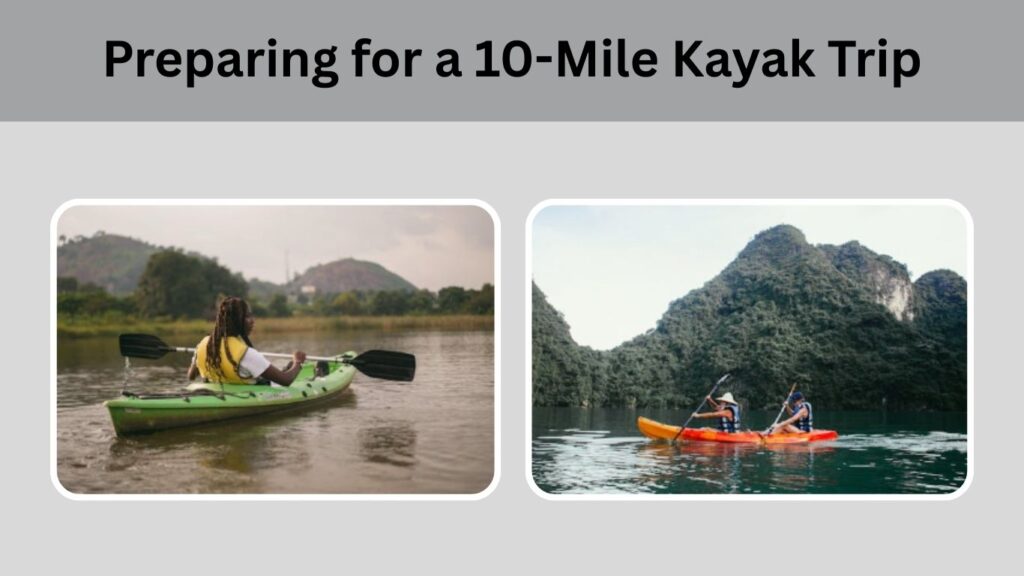
A 10-mile kayak trip is no small task; it’s a journey that requires endurance, focus, and preparation. Unlike a short paddle around a lake, 10 miles pushes you to think about not only how you paddle, but also what you bring, what you wear, and how you prepare both your body and your mind. A lack of planning can turn an exciting adventure into a tiring struggle, but with the right steps, it becomes a rewarding experience. Here’s a complete breakdown of how to get ready for a 10-mile paddle.
1. Choose the Right Kayak
Not all kayaks are created equal, and the one you pick makes a huge difference. For a 10-mile trip, stability and efficiency are the two most important factors.
- Sit-in kayaks are often preferred for longer distances because they are more aerodynamic. Since you sit lower, it’s easier to paddle without wasting extra energy. They also shield you from splashes, wind, and cooler air, which can help conserve energy over time.
- Sit-on-top kayaks are better in warm climates. They are open and comfortable, allowing you to stretch your legs and hop on and off easily. However, they usually require more effort over long distances because they sit higher above the water.
- Touring kayaks (12–16 feet long) are specifically designed for covering miles. They track straight, cut through water smoothly, and hold their speed with less effort. For a 10-mile trip, they’re the most efficient choice.
- Recreational kayaks (8–10 feet long) are great for short paddles and beginners, but for 10 miles, they may feel slow and tiring.
2. Bring the Right Paddle
Your paddle is just as important as your kayak. Imagine biking 10 miles with a heavy, clunky bike; it would wear you out fast. The same is true with a paddle.
- Size matters: A paddle that’s too short makes you overreach, and one that’s too long feels heavy.
- Kayak width matters: Narrower kayaks (like touring kayaks) work best with shorter paddles, while wider kayaks (like sit-on-tops) need longer paddles to clear the sides.
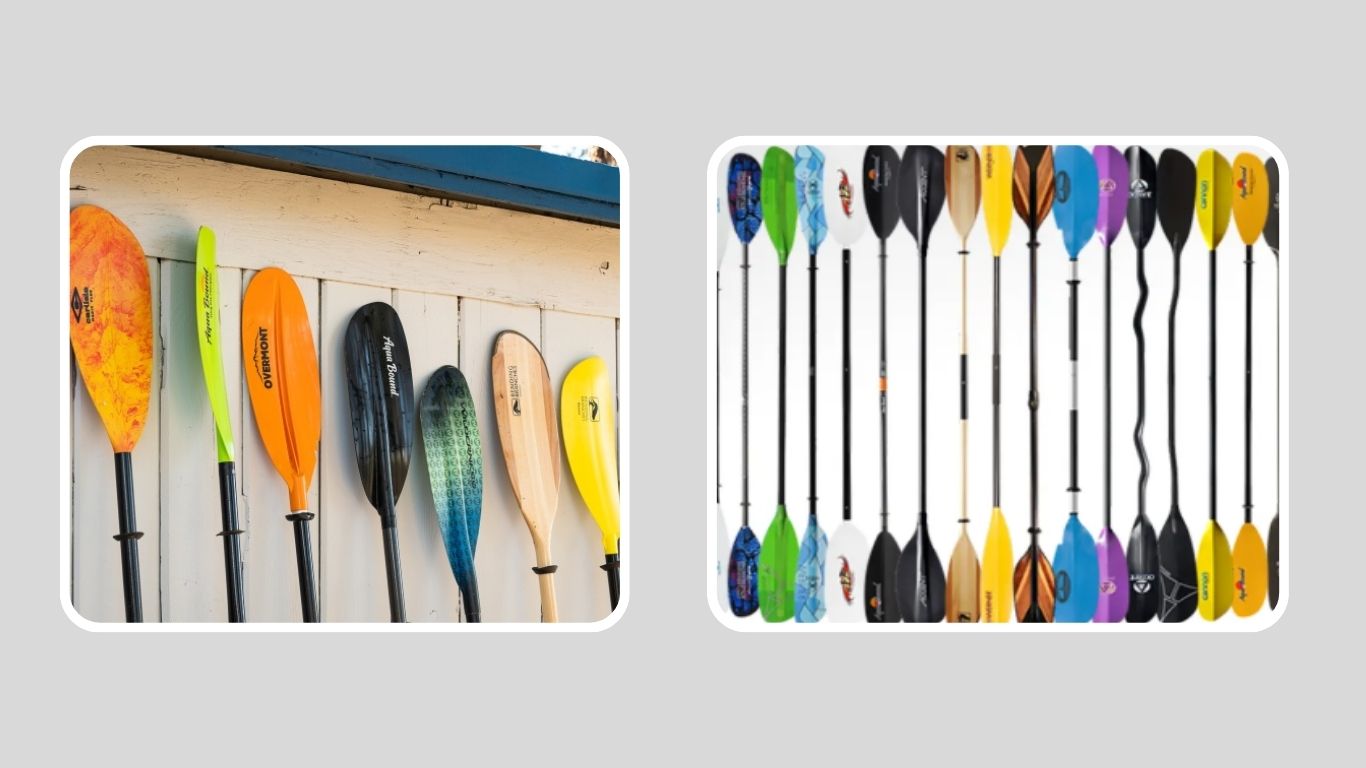
- Material matters: Aluminum paddles are affordable and durable, but heavier. Fiberglass and carbon paddles are much lighter and reduce fatigue, especially noticeable on a 10-mile trip.
3. Pack Smart
Overpacking is one of the biggest mistakes kayakers make. Every extra pound slows you down and adds drag. But under-packing leaves you without essentials. The goal is to carry just enough gear to stay safe, comfortable, and prepared.
Essentials to pack for a 10-mile paddle:
- Personal Flotation Device (PFD): Always wear it; it’s not just about rules, it’s about survival. Even strong swimmers get tired after 10 miles.
- Water: At least 2–3 liters, depending on heat and humidity. Dehydration is a silent energy killer.
- Snacks: Energy bars, trail mix, jerky, or fruit. Quick fuel helps prevent fatigue halfway.
- Dry bag: Keeps extra clothing, phone, or camera safe from splashes.
- Navigation tools: A waterproof map, GPS, or compass. Getting lost can quickly add unexpected miles.
- First aid kit: Bandages, blister care, and any personal medicines.
- Safety gear: A whistle, flashlight, or mirror for signaling if something goes wrong.
4. Fuel Your Body
A 10-mile kayak trip is a workout. You’ll burn calories and sweat, so fueling your body is just as important as fueling your kayak with the right gear.
- Before the trip: Eat a solid meal with protein, carbs, and healthy fats. Oatmeal with fruit, eggs, and toast, or a rice and chicken bowl all work well.
- During the trip: Plan to snack every 1–2 hours. Energy bars, granola, or nuts give a quick boost without weighing you down.
- Hydration: Don’t wait until you’re thirsty. Sip water every 15–20 minutes to prevent dehydration. A hydration pack (like a CamelBak) makes this easy.
5. Dress for the Conditions
What you wear matters more than most people think. You’ll be exposed to sun, wind, and water for hours. The wrong clothing can make you miserable.
- Dress for water, not air: Even if the air is warm, cold water can be dangerous if you fall in.
- Avoid cotton: Cotton absorbs water and stays wet, chilling your body.
- Choose synthetic fabrics: Nylon, polyester, and wool dry quickly and keep you warm.
- Layering: In cooler weather, wear a base layer, an insulating layer, and a waterproof shell.
- Sun protection: A wide-brim hat, UV-blocking shirt, and sunscreen (SPF 30+) are must-haves for long trips.
- Footwear: Water shoes or sandals with straps protect your feet when launching or stepping out on rough ground.
6. Plan Your Route Carefully
A 10-mile trip can feel completely different depending on where you paddle.
- Calm lakes or slow rivers: Best for beginners, as they have fewer surprises.
- Fast-moving rivers: Add challenge with current, rapids, or obstacles. Ten miles on a river might feel faster, but also more dangerous.
- Coastal waters: Add tides and wind, which can help or hurt depending on timing.
- One-way vs round trip: If you’re paddling out and back, remember, you’ll need the energy for the return. A shuttle option makes it easier.
7. Train Before the Trip
If you’ve never gone more than a couple of miles, jumping straight into 10 can be overwhelming. Training makes it manageable.
- Start small: Begin with 3–4 mile trips, then slowly increase.
- Build endurance: Paddle for 1–2 hours without long breaks to mimic real conditions.
- Cross-train: Push-ups, planks, and rowing machines help strengthen your arms, shoulders, and core.
- Practice technique: Proper paddling form saves energy and prevents injury. Focus on using your core, not just your arms.
8. Bring a Buddy (If Possible)
Paddling with a friend isn’t just about company; it’s about safety.
- Help each other: If one person gets tired or capsizes, the other can assist.
- Split gear: Share snacks, safety gear, or navigation tools.
- Boost morale: Encouragement goes a long way when you’re tired.
If you go solo, make sure someone knows your route and when you’ll be back.
9. Mental Preparation
Finally, don’t underestimate the mental side. Ten miles can sound intimidating, and the distance might feel long if you focus only on the end.
- Break it into chunks: Think in miles or landmarks. For example, “I’ll reach that bend in the river” instead of “Only 8 miles left.”
- Stay positive: Fatigue can make you frustrated. Remember why you’re out there: to enjoy the water, nature, and challenge.
- Take breaks: Short rests give your muscles time to recover. Float, stretch, or snack when needed.
Tips to Improve Your Speed and Efficiency
If you want to kayak 10 miles more quickly or with less effort, improving your speed and efficiency is key. Even small changes in technique, equipment, or preparation can make a noticeable difference in how long it takes you to cover a distance. Paddling faster doesn’t always mean paddling harder; it’s about moving smarter and using your energy wisely.
1. Improve Your Paddling Technique
Good technique makes a huge difference in kayaking speed. Many beginners rely mostly on their arms, which tires them out quickly. Instead, focus on using your core muscles; your back and torso should do most of the work. Rotate your body with each stroke rather than just pulling with your arms. This not only gives you more power but also keeps you from tiring out too fast.
- Keep your strokes smooth and consistent rather than splashing or jerking the paddle.
- Maintain a vertical paddle position for more efficient strokes.
- Learn the “forward stroke” technique, as it’s the most important for covering long distances.
2. Strengthen Your Fitness and Endurance
The fitter you are, the longer you can paddle without slowing down. You don’t have to be an athlete, but improving your cardio and upper body strength will help. Simple activities like swimming, rowing machines, cycling, or even daily walking build endurance. Core workouts such as planks or sit-ups also help because kayaking depends heavily on core strength. The stronger your body, the easier it is to maintain a steady speed for 10 miles or more.
3. Choose the Right Kayak
Not all kayaks are built for speed. Recreational kayaks are wide and stable, but they’re slower. Touring or sea kayaks are long and narrow, allowing them to glide through the water more smoothly. If you plan to paddle longer distances regularly, investing in a touring kayak can cut down your paddling time significantly. Hull shape, length, and weight all affect how efficiently the kayak moves.
4. Use a Proper Paddle
Your paddle is just as important as your kayak. A paddle that’s too heavy or the wrong length will slow you down and wear you out. Lightweight paddles made of fiberglass or carbon fiber reduce fatigue. Blade shape also affects speed; long, narrow blades are better for steady distance paddling, while wide blades give short bursts of power. Adjusting your grip and making sure your paddle matches your height and kayak width also improves efficiency.
5. Learn to Pace Yourself
Going all out at the start will only leave you exhausted halfway through. The best strategy for distance paddling is to find a steady, comfortable rhythm that you can maintain for hours. Start at a moderate pace and increase speed if you have energy left near the end. It’s similar to running or cycling long distances; consistency matters more than bursts of speed.
6. Minimize Extra Weight
The more weight you carry, the harder you’ll have to work. Try to bring only the essentials for your trip and distribute the weight evenly in your kayak. Heavy loads slow your kayak down and make it harder to paddle efficiently. Use lightweight dry bags and avoid unnecessary gear if speed is your goal.
7. Take Advantage of Water Conditions
Pay attention to currents, tides, and wind. Paddling with the current or a tailwind will naturally make you faster, while going against them can double your time. If possible, plan your trip to line up with favorable water conditions. For example, in tidal areas, start your paddle when the tide is moving in your favor.
8. Stay Hydrated and Fueled
Energy levels play a big role in endurance. Drink plenty of water before and during your trip, and bring snacks for longer paddles. Low energy can make you slow down drastically, even if your technique is good. High-energy snacks like nuts, granola bars, or dried fruit are lightweight and easy to eat on the go.
9. Practice Regularly
Like any skill, kayaking gets easier and faster with practice. The more you paddle, the more efficient your body becomes. Over time, your muscles adapt, your technique improves, and your overall pace increases naturally. Even short, regular trips can make you noticeably faster and stronger.
Safety Considerations When Paddling Long Distances
Kayaking 10 miles might sound simple, but safety should always come first—especially when paddling for several hours. Long-distance kayaking exposes you to changing weather, fatigue, and unpredictable water conditions. Even experienced paddlers can run into problems if they don’t prepare properly. Taking precautions not only keeps you safe but also makes the trip more enjoyable and stress-free.
1. Always Wear a Life Jacket (PFD)
A personal flotation device (PFD) is the most important piece of safety gear. Even strong swimmers can get into trouble if they capsize far from shore or become tired. A well-fitted, Coast Guard–approved life jacket keeps you afloat and gives you more time to recover if something goes wrong. For longer trips, choose a kayaking-specific PFD with pockets so you can carry small essentials like snacks, a whistle, or a phone in a waterproof case.
2. Check the Weather Before You Go
Weather is one of the biggest factors affecting kayaking safety. Calm water can quickly turn dangerous with strong winds, sudden storms, or lightning. Before heading out, check the weather forecast carefully. Avoid paddling in rough winds, extreme heat, or when storms are predicted. Also, remember that the weather can change quickly on large lakes or coastal waters, so bring layers, sun protection, and a waterproof jacket.
3. Know the Water Conditions
Every waterway is different. Rivers may have rapids, bends, or strong currents. Lakes can be calm one moment and choppy the next due to wind. Coastal areas may have tides and waves that are challenging for beginners. Research your route ahead of time so you know what to expect. If you’re not experienced with rapids or tidal currents, stick to calm, beginner-friendly areas until you build confidence.
4. Don’t Paddle Alone on Long Trips
Kayaking solo can be peaceful, but it’s riskier, especially for 10-mile journeys. If possible, go with a partner or a group. Not only is it more fun, but it also means you’ll have someone to help in case of capsizing, injury, or fatigue. If you do choose to go alone, make sure you tell someone your route and expected return time so they can call for help if needed.
5. Bring Communication and Safety Tools
When you’re several miles away from your starting point, you may not have easy access to help. That’s why carrying communication and safety gear is crucial.
- A whistle attached to your PFD can signal for help if others are nearby.
- A waterproof phone case or marine radio keeps you connected in emergencies.
- A headlamp or flashlight is useful if you end up out later than expected.
- A small first aid kit can help with cuts, blisters, or other minor injuries.
6. Watch for Fatigue and Take Breaks
Kayaking 10 miles can take hours, and fatigue can set in without you noticing. Paddling while exhausted increases your risk of tipping over or straining your muscles. Take short breaks every hour to stretch, drink water, and rest your arms. If you feel too tired to continue, it’s always better to stop and find a safe spot to rest than to push through and risk an accident.
7. Dress for the Water, Not Just the Weather
A common mistake paddlers make is dressing for the air temperature instead of the water. Even on a hot day, water can be cold enough to cause hypothermia if you capsize. Wear quick-drying clothes, avoid cotton, and consider a wetsuit or drysuit if paddling in colder conditions. Always assume you might get wet—it’s better to be slightly warm than dangerously cold.
8. Stay Visible to Others
If you’re kayaking in areas with boats, visibility is key. Kayaks are low to the water and can be hard for motorboats to see. Wearing bright colors, attaching reflective strips to your paddle or PFD, and using a small flag on your kayak make you easier to spot. This is especially important in busy waterways or when paddling early in the morning or near dusk.
9. Plan Your Route and Know Your Limits
For a 10-mile trip, map out your route ahead of time. Choose rest points or landmarks where you can stop if needed. If it’s your first time attempting 10 miles, don’t push yourself to finish at record speed. Listen to your body, and if conditions get too tough, turn back early. It’s better to complete 6 or 7 miles safely than to force yourself through the full distance and risk injury or exhaustion.
The Role of Weather and Water Conditions
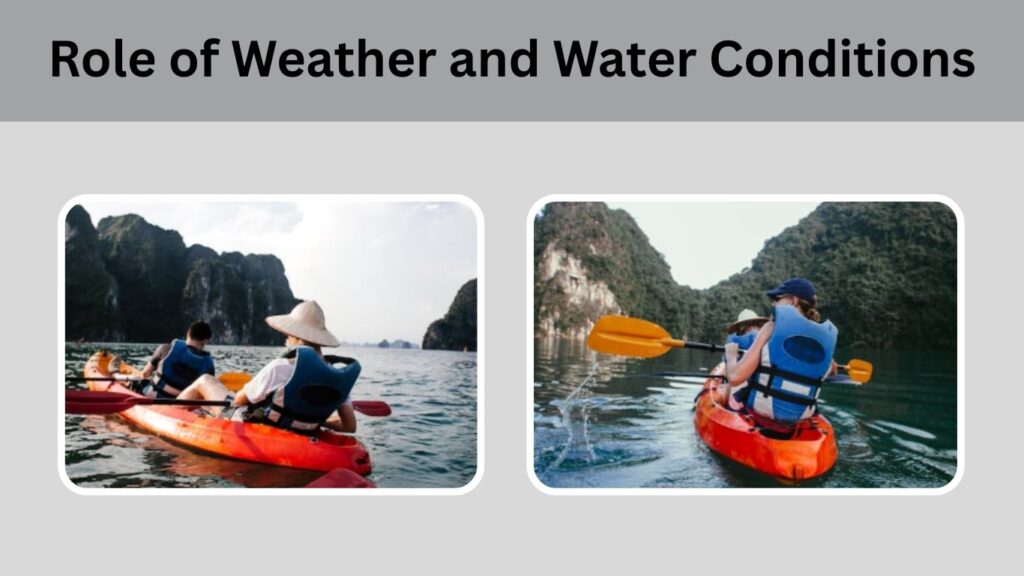
Weather and water conditions are among the most important factors that determine how long a 10-mile kayak trip will take and how enjoyable or challenging it will be. Even strong paddlers can struggle if the conditions are unfavorable, so understanding how wind, current, tides, and temperature affect your paddle is crucial. Planning around these elements helps you paddle efficiently, conserve energy, and stay safe.
1. Wind and Its Impact
Wind can dramatically affect your kayaking speed. Paddling into a headwind requires more effort and reduces your pace, while a tailwind can help you move faster with less effort. Crosswinds can be tricky, making your kayak feel unstable or forcing you to constantly adjust your direction.
- Strong winds may cause choppy water, which slows you down and can tire you out faster.
- Light breezes are easier to manage and can even help with cooling on hot days.
- If possible, check weather forecasts and plan your route so you paddle with the wind for at least part of the trip.
2. Currents and Tides
For rivers, streams, and coastal waters, current and tidal movement can either help or hinder your progress.
- Paddling downstream or with a favorable current can significantly increase your speed, reducing the total trip time.
- Paddling upstream or against a strong current will slow you down and require more energy.
- Tidal areas require careful timing; going against a rising tide can feel exhausting, while following a falling tide can speed up your journey.
Understanding these patterns before you start can help you plan a route that maximizes efficiency and reduces fatigue.
3. Water Conditions: Calm vs. Choppy
The state of the water also affects your speed and effort.
- Calm lakes or slow rivers allow for smooth, efficient paddling, making it easier to maintain a steady pace.
- Choppy or wavy water requires more power to move forward and maintain balance. It also increases the risk of capsizing or getting water in your kayak.
- Rough conditions may slow beginners significantly, turning a 10-mile trip into a long, exhausting challenge.
When planning your trip, choose waters that match your skill level and endurance.
4. Temperature Considerations
Both air and water temperature influence how comfortable and safe your paddle will be.
- Hot weather can lead to dehydration or heat exhaustion if you don’t drink enough water and wear protective clothing.
- Cold water or air can increase fatigue faster and create risks of hypothermia, especially if you capsize or get wet.
- Dress appropriately: layers for warmth in cold conditions and lightweight, sun-protective clothing in hot conditions.
5. Visibility and Weather Hazards
Fog, rain, and storms affect not just comfort but also safety.
- Reduced visibility makes navigation harder and increases the risk of collision with boats or obstacles.
- Sudden storms can create dangerous waves, lightning risk, and high winds.
- Even light rain can chill your body for hours, increasing fatigue and reducing efficiency.
Checking the forecast and planning for backup options is essential.
6. Planning Around Weather and Water
Knowing the conditions in advance allows you to make smarter decisions:
- Start early in the day to avoid afternoon winds or storms.
- Avoid paddling in extremely high winds, fast currents, or heavy rain.
- Use apps or local reports to track tides, currents, and wind patterns.
- Adjust your expected time: even a small headwind or choppy water can add 30–60 minutes to a 10-mile trip.
By factoring in weather and water conditions, you can better predict your pace, plan breaks, and ensure a safer, more enjoyable experience.
7. Real-Life Example
Imagine two paddlers on the same lake: one with calm water and a slight tailwind, the other facing a strong headwind with choppy waves. The first paddler might finish 10 miles in around 3 hours, while the second could take over 5 hours, even if both are equally strong. This shows how weather and water conditions can have a larger impact than paddler skill alone.
Final Thoughts
Kayaking 10 miles is both a physical and mental challenge that tests endurance, strategy, and preparation. With the right kayak, paddle, gear, and planning, it becomes a rewarding experience. Staying hydrated, pacing yourself, and taking breaks help maintain energy, while monitoring weather and water conditions ensures safety. Beyond fitness, long paddles build focus, resilience, and confidence. Each journey offers lessons in navigation, self-awareness, and stamina, turning a 10-mile trip into an enjoyable adventure full of peace, personal accomplishment, and a deeper connection with nature.