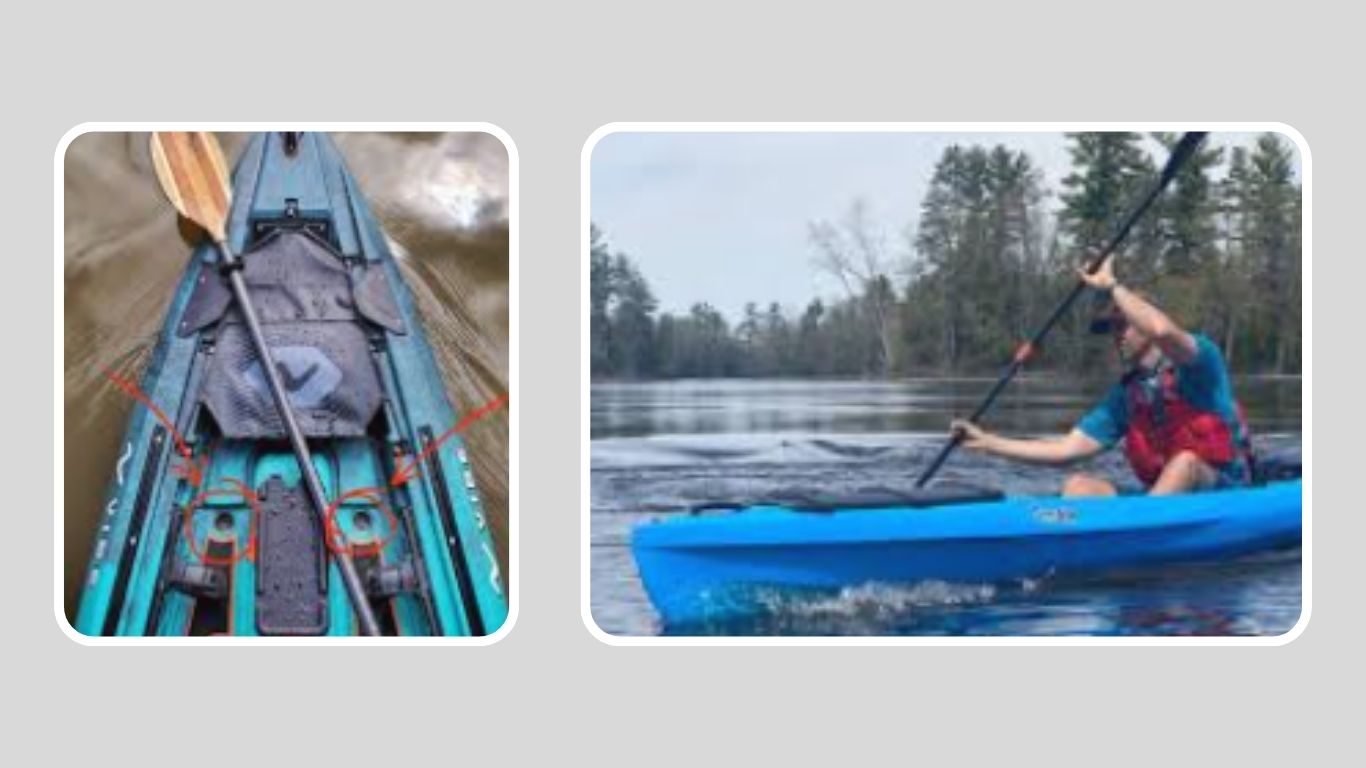
If you’ve ever looked at a sit-on-top kayak and wondered why it has holes in the bottom, those are called scuppers. At first glance, they might seem odd or even like a flaw in the design, but scuppers actually play an important role. They work as a natural drainage system that keeps your kayak from filling with water. For beginners, understanding what scuppers are, how they function, and when to use scupper plugs can make kayaking safer, drier, and more comfortable.
What Is a Scupper on a Kayak?
A scupper on a kayak is a small round hole, usually found on sit-on-top kayaks, that allows water to drain out naturally. Unlike sit-in kayaks, where you are enclosed inside the cockpit, sit-on-top kayaks are open and exposed to splashes, waves, and dripping paddles. Without a way for this water to escape, it would pool around your feet, under your seat, or in storage areas, making the kayak heavier and less comfortable to paddle.
Think of scuppers as the kayak’s built-in drainage system. Instead of carrying a pump or constantly emptying water by hand, scuppers use the natural pressure of water and gravity to let water flow out while you paddle. This simple design is what makes sit-on-top kayaks self-bailing.
Key Points About Scuppers:
- They are round drainage holes built into the hull of sit-on-top kayaks.
- Their main job is to let water out instead of keeping it in.
- They help keep the kayak lighter, more stable, and safer.
- Most kayaks have 4–8 scupper holes, located near seats, footwells, or storage areas.
Why Do Kayaks Have Scuppers?
At first, it may seem strange that a kayak would be built with holes in the bottom, but scuppers serve an important purpose. When you’re out on the water, splashes from waves, dripping paddles, or even rain can easily collect inside the kayak. If this water has nowhere to go, it pools at the bottom, making your kayak heavier, harder to paddle, and even unstable.
Scuppers solve this problem by giving water a way out. They act like automatic drains, allowing your kayak to shed excess water on its own. This design is especially useful in sit-on-top kayaks because they are open and more exposed to splashes compared to sit-in models.
Main Reasons Kayaks Have Scuppers:
- Keeps kayak lighter: Prevents water from collecting and weighing it down.
- Improves stability: Reduces the risk of tipping by avoiding uneven water buildup.
- Adds comfort: Stops water from pooling around your feet or seat for too long.
- Provides safety: In rough water, scuppers help the kayak stay afloat by constantly draining.
In simple terms, scuppers are like safety valves. Without them, your kayak would quickly become uncomfortable, unstable, and harder to handle.
How Do Kayak Scuppers Work?
Scuppers may look simple, but the way they function is clever. They use a mix of gravity, water pressure, and kayak design to let water escape. When water splashes into your kayak, it naturally flows toward the lowest points, this is where the scupper holes are placed. Once the water reaches them, it drains right back out into the lake, river, or ocean.
Because sit-on-top kayaks float slightly above the waterline, the scuppers are usually positioned so they stay just above or level with the water outside. This means water is more likely to flow out than come in. However, in certain conditions, like heavy waves or when the kayak is heavily loaded, a little water may seep in through the scuppers. This is completely normal and not a sign of damage.
Key Functions of Scuppers:
- Self-bailing system: Drains water automatically without pumps.
- Uses pressure differences: Water inside is pushed out due to gravity and weight balance.
- One-way advantage: Designed to let water exit more easily than it enters.
In short, scuppers work silently in the background, keeping your kayak lighter and safer while you focus on paddling.
Where Are Scuppers Located on a Kayak?
Scupper holes are not placed randomly, they are carefully designed into specific parts of a sit-on-top kayak where water tends to collect the most. By putting them in these strategic spots, the kayak ensures that excess water drains quickly, keeping you more comfortable and your gear safer.
Most kayaks have between 4 to 8 scupper holes, but the number can vary depending on the model and size. Smaller kayaks might have fewer, while larger fishing kayaks often include more for added drainage.
Common Scupper Locations:
- Seat Area: Prevents water from pooling where you sit, keeping you from sitting in a puddle.
- Footwells: Helps drain water from around your feet, which often collect splashes from paddling.
- Rear Storage Tankwell: Keeps your gear or cooler from sitting in standing water.
- Front Storage or Deck Area: Some models have scuppers here to protect bags or fishing equipment.
Paragraph style:
When you inspect a sit-on-top kayak, you’ll notice that the scupper holes are placed in the lowest points of the deck. This placement allows water to naturally flow into them and drain out. For anglers, scuppers near storage areas are especially useful because they help keep fishing gear from getting soaked.
Sit-On-Top vs. Sit-In Kayaks: Scupper Differences
When learning about scuppers, one of the first things beginners wonder is: “Do all kayaks have these holes?” The answer is no. The presence of scupper holes depends entirely on the type of kayak you own. The two most common kayak styles sit-on-top and sit-in are built with very different designs, which explains why only one of them typically uses scuppers.
Sit-On-Top Kayaks
Sit-on-top kayaks are the most common type where you’ll find scupper holes. These kayaks are designed with an open deck, meaning the paddler sits on top of the boat rather than inside it. Because of this open style, splashes from paddles, waves, and even rainwater can easily make their way onto the kayak’s surface. Without a drainage system, all this water would stay around your feet, seat, or storage areas.
That’s where scuppers come in. They act like built-in drains, letting water escape as soon as it collects. This makes sit-on-top kayaks self-bailing, which is a huge safety advantage. It means you don’t have to stop paddling to manually scoop or pump water out. This design also makes sit-on-top kayaks especially popular for:
- Recreational paddling: Beginners enjoy the carefree nature of not worrying about water buildup.
- Fishing kayaks: Anglers often deal with splashes, live wells, and bait buckets, scuppers help keep everything manageable.
- Ocean and surf kayaking: Waves constantly splash over the deck, so quick drainage is essential.
However, sit-on-top kayaks also mean a slightly wetter ride. Even though scuppers are designed to let water out, a small amount may seep back in, especially if the kayak is heavily loaded or if you’re paddling in rough water.
Sit-In Kayaks
Sit-in kayaks are very different. Instead of sitting on top, you sit inside a cockpit that encloses your legs and lower body. This design keeps most water out from the start. Because the inside of a sit-in kayak is protected, it doesn’t need scupper holes. In fact, adding scuppers would be dangerous since it would allow water to pour directly into the hull.
To keep the inside dry, paddlers often use:
- Spray skirts: Waterproof covers that attach around the cockpit rim and seal around the paddler’s waist. They prevent splashes and rainwater from entering.
- Bilge pumps or sponges: If water does get inside (from rain, waves, or capsizing), these tools are used to manually remove it.
Sit-in kayaks are ideal for:
- Cold-weather paddling: Since your legs are protected inside, you stay warmer and drier.
- Touring and long-distance trips: A drier ride is more comfortable over long hours.
- Calm lakes and rivers: Where waves and splashes are minimal, so drainage isn’t a big concern.
Comparing the Two
- Safety & Stability: Sit-on-top kayaks with scuppers are safer for beginners because if they flip, there’s no cockpit to flood, you can just flip the kayak back over. Sit-in kayaks, however, can trap water inside and require recovery techniques.
- Comfort: Sit-in kayaks are generally drier, while sit-on-tops are wetter but better drained.
- Maintenance: Sit-on-tops with scuppers require little effort to stay water-free, while sit-ins rely on accessories like spray skirts and pumps.
In summary:
Scuppers are unique to sit-on-top kayaks. They are an essential part of their design, ensuring these open boats stay self-draining and safe in all conditions. Sit-in kayaks don’t use scuppers because their enclosed design handles water differently, relying on manual tools and protective gear. Understanding this difference helps beginners choose the right kayak style based on where they plan to paddle and how much water exposure they’re comfortable with.
Benefits of Using Scupper Holes
Scupper holes are one of those kayak features that seem simple at first glance but provide several important advantages for paddlers. While beginners may wonder why their kayak has holes in the bottom, more experienced kayakers quickly realize that scuppers make the difference between a safe, comfortable ride and a frustrating one. Let’s take a closer look at why these drainage holes are so valuable.
1. Natural Self-Drainage – A Built-in Safety Feature
The main job of scupper holes is to provide automatic self-drainage. Instead of worrying about water filling up inside your kayak, you can let the scuppers do the work. Whenever splashes from waves, paddle drips, or rainwater land on your deck, the scupper holes allow that water to flow out without you lifting a finger.
This constant self-draining ability is especially important in choppy conditions or the ocean, where waves are always washing onto the kayak. Without scuppers, you’d need to stop paddling regularly to scoop or pump water out, something that can be stressful and even unsafe in moving water.
Example: Imagine paddling through small surf at the beach. Every wave that crashes over the deck leaves a layer of water behind. With scuppers, the kayak drains itself as you continue paddling, so you don’t slow down or risk capsizing from excess water weight.
2. Keeps the Kayak Lighter and Easier to Paddle
Water is heavy. Just a single gallon weighs over 8 pounds (3.6 kg), and a few gallons sloshing inside a kayak can dramatically affect how it handles. A kayak that constantly holds water becomes sluggish, harder to maneuver, and much more tiring to paddle.
Scupper holes prevent this by keeping water from building up in the first place. The lighter your kayak remains, the easier it glides across the water. This is especially helpful on long trips, where even small amounts of added weight can wear you out faster.
Example: On a fishing trip, water from handling fish or bait may spill onto the deck. Thanks to scuppers, the kayak won’t slowly gain weight and bog down over time, you’ll continue paddling with the same ease as when you first launched.
3. Improves Stability and Balance
When water collects inside a kayak, it doesn’t just make the boat heavy, it also makes it unstable. Water sloshes back and forth with every movement, shifting the balance of the kayak. This constant shifting can throw you off, making it harder to stay upright and increasing your risk of tipping over.
Scupper holes eliminate this issue by ensuring water drains out instead of pooling inside. This is especially important for beginner paddlers, who may already be nervous about balance, and for fishing kayakers, who often need to stand or move around on the deck.
4. Enhances Comfort for the Paddler
Nobody likes sitting in a puddle. Water that collects around your seat or feet can quickly become uncomfortable, especially during longer paddling sessions. By placing scupper holes in strategic locations like under the seat and in the footwells, designers make sure that water drains away from the spots where paddlers sit or brace their legs.
Even though sit-on-top kayaks naturally get a little wet, scuppers help keep the water level low enough to avoid constant discomfort. And if you want an even drier ride, you can always use scupper plugs to block water from seeping in through the holes while still benefiting from drainage when needed.
5. Reduces the Need for Extra Gear and Effort
In a sit-in kayak, paddlers often need to carry bilge pumps, sponges, or buckets to remove water. While these tools are effective, they add extra gear and require effort to use. Sit-on-top kayaks with scuppers eliminate most of this need, since the drainage system is already built into the design.
This makes scupper-equipped kayaks low-maintenance on the water. You spend more time paddling and enjoying the environment instead of worrying about bailing out water.
6. Makes Kayaks Beginner-Friendly
Scupper holes are one of the reasons sit-on-top kayaks are often recommended for beginners. They provide an extra layer of safety and reassurance, making it easier for new paddlers to focus on learning. Instead of constantly checking for water buildup, beginners can trust that the kayak is designed to handle splashes automatically.
This feature also makes sit-on-top kayaks much more forgiving when capsizing. If you flip over, there’s no closed cockpit to fill with water. You can simply flip the kayak back upright, climb back on, and continue paddling without the fear of being trapped or flooded.
7. Adds Extra Protection for Gear and Fishing Equipment
For recreational paddlers, scuppers are mostly about comfort and safety. But for anglers, they serve another important role: protecting gear. Kayaks often have tankwells, rod holders, and storage areas where gear is stored. Scuppers placed in these zones keep the water level low, so your tackle boxes, bait buckets, or cooler don’t end up sitting in a puddle for the entire trip.
This design ensures that gear stays relatively dry and more usable, even when you’re out in rougher waters.
8. Encourages Longer and More Enjoyable Trips
When your kayak drains water automatically, stays lighter, and keeps you more comfortable, the natural result is that you’ll enjoy your time on the water more. Whether you’re paddling for fitness, fishing, or just exploring, scuppers reduce distractions and allow you to stay out longer without dealing with the annoyance of pooling water.
In summary:
Scupper holes are much more than “random holes” in the bottom of a kayak. They provide automatic drainage, improve safety, make paddling easier, and keep the ride more comfortable. For beginners, they remove one of the biggest worries, what to do if water gets in, making kayaking less intimidating and far more enjoyable.
Drawbacks or Concerns with Scuppers
While scupper holes bring many advantages, they aren’t perfect. Some paddlers love them, while others feel they can be inconvenient in certain situations. Understanding the potential downsides helps you decide whether to keep them open, use scupper plugs, or even choose a kayak design with different drainage features.
Here are the main concerns you should know about:
1. Water Can Flow Back In
The same openings that let water drain out can also allow water to come back in. When paddling on calm water, this usually isn’t a problem. But in rough seas, windy conditions, or when carrying a heavy load, water pressure can push back up through the holes. This results in small streams or trickles of water constantly entering the cockpit.
This issue is most noticeable in footwells and under the seat. If the kayak sits lower in the water due to weight or design, you may feel cold water pooling around your feet or bottom.
Example: A heavy paddler using a compact fishing kayak might notice that instead of draining, the scupper holes under the seat allow water to rise and create a permanent puddle.
2. Can Make the Ride Wet and Cold
Since scupper holes allow some water to seep in, especially when waves slap against the bottom of the kayak, sit-on-top kayaks are almost always “wet rides.” Even if it’s just a trickle, you’ll rarely stay completely dry.
This is fine on a warm summer day, but it can become uncomfortable in colder climates or early spring/fall trips, where staying dry is more important for safety and comfort. Paddlers often use scupper plugs to block holes in these situations, but then the kayak loses its self-draining ability.
3. Possible Loss of Self-Drainage with Plugs
While scupper plugs solve the problem of water seeping in, they also remove the automatic drainage system. If waves splash water into your kayak while the plugs are in place, the water will stay inside until you remove the plugs or manually bail it out.
This creates a trade-off:
- Plugs in = drier ride, but no self-drainage.
- Plugs out = automatic drainage, but wetter ride.
Paddlers need to decide based on conditions which option is safer and more comfortable. For example, in calm water you may prefer plugs for dryness, but in surf or rougher conditions you may want them out for drainage.
4. Reduced Efficiency in Heavy Loads
Scupper holes don’t always work well when the kayak is carrying a heavy load. If the kayak sits deeper in the water due to gear, coolers, or multiple passengers (in tandem kayaks), the waterline may rise above the scupper holes. Instead of draining, they can act like reverse drains, allowing water to seep in.
This can be frustrating for kayak anglers or campers who load their boats with extra equipment. It often requires balancing the load carefully or using plugs when carrying more gear than usual.
5. Potential for Clogs and Maintenance Issues
Over time, scupper holes can become clogged with debris. Leaves, mud, sand, or small pebbles may block the openings, preventing proper drainage. This is especially common for paddlers who launch from sandy beaches, muddy rivers, or weed-filled lakes.
Blocked scuppers won’t function as intended, leaving water pooling on the deck. In some cases, clogged scupper holes can even trap water longer than if the holes weren’t there at all. Regular cleaning with a stick, brush, or scupper tool is necessary to keep them clear.
6. Slight Reduction in Speed and Efficiency
Although small, scupper holes can create extra drag in the water. This isn’t noticeable for casual paddlers, but competitive or long-distance kayakers sometimes feel that multiple holes in the hull slightly reduce speed and efficiency.
Some kayak designers try to minimize this by shaping scuppers more smoothly, but the fact remains that any hole in the hull can interrupt water flow. For recreational use, this trade-off is minor, but performance-focused paddlers sometimes prefer smooth, hole-free hulls.
7. Can Feel Strange for Beginners
For new paddlers, scupper holes can seem confusing or even alarming at first. Many beginners assume that holes in the bottom of a boat mean it’s broken or unsafe. Sitting down and realizing water is trickling in can be unsettling until they understand that it’s part of the design.
This learning curve can cause some hesitation for first-time kayakers, especially if they expected to stay completely dry.
8. Not Ideal in Cold or Freezing Conditions
In cold-weather kayaking, scupper holes may actually create risks. Even small amounts of water entering the cockpit can lower body temperature and lead to hypothermia in extreme cases.
For winter or early-spring paddling, many kayakers prefer sit-in models with spray skirts to stay warmer and drier. Scuppers, while excellent in warm conditions, aren’t the most practical for icy environments.
The main drawback of scupper holes is that they make kayaks naturally wet, and in certain situations (like heavy loads, cold climates, or rough water), they can allow more water in than they let out. While scupper plugs help, they also take away the self-draining advantage. For most paddlers, it’s a matter of finding the right balance between comfort and safety.
How Scupper Holes Work
At first glance, scupper holes can seem puzzling. Why would anyone design a boat with holes in the bottom? The answer lies in how they use basic water pressure, buoyancy, and gravity to keep your kayak safe and functional. Let’s break down the process so it’s easy to understand.
1. The Self-Bailing System
Scupper holes turn sit-on-top kayaks into self-bailing boats. This means that instead of relying on a bucket or pump to remove water, the kayak uses openings in the hull to let water escape naturally. Whenever water splashes in from waves, rain, or even your paddle, it flows toward the lowest points of the kayak (like footwells or the seat area). From there, gravity and pressure push it down and out through the scupper holes.
This system works continuously as long as the kayak is afloat, which makes it highly practical for recreational and fishing kayaks that are often exposed to splashes.
2. Water Pressure at Play
The reason scupper holes drain water instead of sinking the kayak comes down to outside vs. inside water pressure.
- When your kayak floats, the water level inside the cockpit (above the deck) is usually higher than the water level outside the hull.
- Because of this difference, gravity pulls the inside water down and forces it out through the holes.
- The surrounding water doesn’t usually rush back in because the kayak’s buoyancy keeps most of the deck above the waterline.
This balance ensures that excess water leaves your kayak without letting the same amount back in.
3. Strategic Placement of Holes
Scupper holes aren’t placed randomly. Manufacturers design them in specific locations that collect water naturally, such as:
- Footwells – where paddle drips and splashes often land.
- Seat wells – where water pools under your bottom if the deck gets wet.
- Cargo areas – especially on fishing kayaks, where melted ice from coolers or rain might collect.
By positioning scupper holes in these areas, water drains efficiently without you needing to shift weight or tilt the kayak.
4. One-Way Flow vs. Reverse Flow
While scupper holes are meant to allow one-way drainage, some situations (like heavy loads or waves hitting directly underneath) can cause reverse flow, water coming back in.
That’s why many kayakers use scupper plugs: soft rubber or foam stoppers that fit snugly into the holes. With plugs inserted, no water comes in, but you’ll need to remove them to drain larger amounts of water out.
Some high-end kayaks even use one-way scupper valves that allow water to flow out but not back in, combining the best of both systems.
5. Different Sizes and Numbers of Scuppers
Not all kayaks have the same number of scupper holes. A small recreational kayak might only have 4–6, while a large fishing kayak could have 8–12 spread across different sections.
- Larger kayaks usually need more holes because they have more surface area where water can collect.
- Bigger scupper holes drain faster but may let in more water when loaded heavily.
- Smaller scupper holes provide slower drainage but reduce reverse flow.
This balance is part of each manufacturer’s design choice, depending on whether the kayak is meant for casual paddling, fishing, or rough-water use.
6. Buoyancy and Safety Factor
It’s important to remember that scupper holes don’t affect the kayak’s ability to float. The buoyancy comes from the sealed air-filled hull that keeps the kayak above water. Even with all scupper holes open, your kayak won’t sink, because the holes only connect the deck to the outside water, not the inner flotation chambers.
This is why scupper holes are completely safe to use, even if you see water sloshing in and out of them during your trip.
Scupper holes work by using natural drainage, water pressure differences, and smart placement to keep your kayak from filling up with water. They act as a built-in safety system, reducing the need for manual bailing and keeping sit-on-top kayaks efficient in wet conditions.
When Scupper Holes Are Most Useful
Scupper holes are sometimes underestimated, but they serve as the unsung heroes of sit-on-top kayaks. While they might look like simple holes drilled into the hull, their placement and purpose can completely change your kayaking experience. They provide comfort, improve safety, and even make paddling more enjoyable. Let’s explore in detail the situations where scupper holes prove most valuable.
1. Paddling in Choppy or Rough Water
Kayaking isn’t always about calm, flat lakes. Many paddlers venture into oceans, large rivers, or windy conditions where waves frequently crash over the deck. In these situations, water constantly makes its way into the kayak.
- With scupper holes open: This water drains out naturally, often within seconds. The kayak stays light, buoyant, and responsive, allowing you to keep paddling without distraction.
- Without scuppers: Water would pool in the seat and footwells. Over time, even a few gallons can make the kayak sluggish, harder to maneuver, and potentially unsafe if the balance is affected.
Example: Imagine launching into surf at the beach. Every wave that crashes into your kayak will add a layer of water. Scuppers prevent your cockpit from becoming a mini swimming pool before you even start your trip.
2. Rainy Weather Conditions
Rain is one of the sneakiest ways water builds up in a kayak. Even light showers can turn into several inches of standing water after an hour. While this may not seem like a big deal, sitting in a puddle for long periods is uncomfortable and can chill you in cooler weather.
- Scuppers act like roof gutters, as soon as rain collects, it drains right out.
- On long tours or during sudden storms, this automatic drainage means you don’t need to waste energy bailing water out with a cup or sponge.
Example: Touring paddlers in tropical climates often leave all scuppers open so that even a sudden downpour doesn’t interrupt their journey.
3. Fishing Kayaks Loaded with Gear
Fishing kayaks are particularly prone to collecting water because anglers often carry coolers, bait buckets, live wells, and tackle boxes. Add in splashes from casting, pulling fish aboard, or melted ice dripping out of the cooler, and you have a recipe for wet chaos.
Scuppers help in three important ways:
- They drain melted ice from coolers so your gear doesn’t sit in water.
- They remove bait bucket spills, keeping your kayak cleaner and less slippery.
- They maintain balance when gear is heavy by preventing uneven water pools.
Many anglers even use scupper holes creatively by inserting transducer mounts for fish finders or running anchor trolley systems through them. In this way, scuppers go beyond drainage and become versatile features for kayak fishing setups.
Example: If you’ve ever kept a cooler full of ice on a hot day, you know how quickly meltwater accumulates. Without scuppers, that water turns your rear storage tankwell into a messy bath.
4. Long-Distance Paddling and Expeditions
On extended paddling trips, efficiency matters. You don’t want to spend valuable energy scooping out water every hour. Scuppers provide continuous, hands-free drainage that works while you focus on paddling, navigating, or enjoying the scenery.
- Less maintenance during the trip.
- More comfort, since you aren’t sitting in soggy conditions for hours.
- Improved safety, as the kayak stays lighter and more stable throughout the journey.
Example: Expedition paddlers crossing coastal waters rely on scuppers because waves are constant companions. Without them, they’d have to carry bilge pumps or stop frequently to empty water.
5. Beginners and Kids Learning to Paddle
Beginners often splash a lot when they paddle. Water drips from paddles, spills over the side, and sometimes gets scooped in by accident when climbing aboard. For kids, this can quickly turn into a soggy, uncomfortable experience that might discourage them from paddling again.
Scuppers solve this problem by keeping the kayak relatively dry without any effort from the paddler. Parents especially appreciate this because it means less complaining and more fun for kids on the water.
Example: A child practicing paddling in shallow water will inevitably fill the kayak with drips and splashes. Scuppers help keep their seat area manageable, so they stay focused on learning.
6. Launching and Landing
Getting in and out of a kayak is when the most water usually enters the deck. Waves lap against the sides, or you might accidentally drag some water in with your feet.
With scuppers:
- This initial water drains away quickly, so you start your trip comfortably.
- When pulling your kayak ashore at the end, scuppers let the last bit of water drain before transport, making it lighter and easier to carry.
Example: If you launch from a beach where waves are crashing in, your kayak may fill partially before you even sit down. Thanks to scuppers, by the time you’re paddling out past the break, that extra water is already gone.
7. Hot Climates and Summer Fun
While most paddlers want to keep water out, in hot climates, scuppers can actually let some water in intentionally, creating a refreshing effect.
- Warm-weather kayakers sometimes leave scuppers open so water splashes in, keeping their feet cool.
- For recreational paddling, this can make the trip more enjoyable rather than sitting in a completely dry, hot kayak.
Example: In tropical regions or summer lakeside trips, paddlers might say, “I keep the scuppers open so I get a free foot bath.”
Scupper holes are not just “extra features.” They’re a built-in safety and comfort system that works best in splashy, wet, or gear-heavy conditions. Whether you’re battling surf, fishing with a cooler, paddling in rain, or taking kids out for a fun trip, scuppers quietly handle the water so you can focus on the adventure.
Benefits of Scupper Holes
Scupper holes may seem like minor details, but they are one of the most important features of sit-on-top kayaks. They don’t just let water out, they make kayaking safer, more comfortable, and more practical in a variety of conditions. For beginners and experienced paddlers alike, understanding these benefits highlights why scuppers are so widely used in modern kayak design.
1. Automatic Self-Draining
The most obvious benefit of scupper holes is that they provide automatic drainage. Whenever water enters your kayak from waves, rain, splashes, or accidental spills, it naturally flows toward the lowest points, like the footwells or under the seat, and drains out through the scuppers.
- This means you don’t need to stop paddling to manually bail water.
- It’s especially useful in rough conditions where water is constantly splashing onto the kayak.
Example: A paddler navigating coastal surf will find that scuppers drain the water from each wave automatically, allowing them to maintain momentum and balance without constantly stopping to empty water.
2. Keeps the Kayak Lighter
Water adds weight, and even a few inches of pooled water can make paddling harder. Scupper holes prevent water from collecting, keeping your kayak light and easy to maneuver.
- A lighter kayak is easier to paddle over long distances.
- Reduced weight improves tracking and speed.
- Less effort is needed, reducing fatigue on long trips.
Example: During a day-long fishing trip, ice from a cooler may melt and collect water in the tankwell. With scuppers, that water drains automatically, preventing your kayak from becoming heavy and sluggish.
3. Improves Stability and Safety
Water sloshing inside a kayak can affect balance, making it more prone to tipping. By draining water continuously, scupper holes improve stability and safety.
- Keeps the kayak evenly balanced even when waves or wind splash water onboard.
- Reduces the risk of capsizing caused by sudden shifts in water weight.
- Makes sit-on-top kayaks safer for beginners, children, and fishing anglers who may move around on the deck.
Example: An angler standing to cast a line in choppy waters will benefit from scuppers, as they prevent water from pooling around the seat and footwells, keeping the kayak more stable.
4. Enhances Comfort
Sitting in a puddle is uncomfortable, especially during longer trips. Scupper holes keep water out of areas where you sit or place your feet, improving overall comfort.
- Strategically placed scuppers under the seat and in footwells keep your body and gear dry.
- For recreational paddlers, it prevents the soggy “puddle” feeling that can ruin a fun trip.
Example: A child learning to paddle will find the kayak more enjoyable if water drains quickly from footwells, preventing cold or wet feet during practice.
5. Reduces Maintenance Effort
Without scuppers, paddlers must use bilge pumps, sponges, or buckets to remove water manually. This takes time and energy, particularly on longer excursions. Scupper holes eliminate much of this effort by providing a hands-free drainage system, allowing you to focus on paddling or enjoying the scenery.
Example: On an afternoon lake tour, paddlers with scuppers can relax while the kayak drains itself, rather than stopping every few minutes to scoop out water.
6. Beginner-Friendly Design
For new paddlers, scuppers are a huge confidence booster. They make the kayak forgiving in situations where water inevitably enters, such as small waves, paddle splashes, or learning to balance.
- Reduces anxiety about water pooling inside.
- Allows beginners to focus on learning paddling techniques instead of constantly bailing water.
- Safer if the kayak tips or rocks, since water drains out automatically.
Example: A family outing with kids benefits from scuppers because even accidental splashes won’t ruin the experience, letting everyone enjoy the trip.
7. Keeps Gear Dry
For kayakers carrying fishing gear, coolers, or personal items, scuppers help prevent water from collecting in storage areas. While not completely waterproof, scuppers reduce water buildup and keep equipment safer.
- Helps prevent soggy tackle boxes, coolers, or electronics.
- Reduces slipping hazards caused by standing water on the deck.
Example: An angler can place a cooler in the rear tankwell without worrying that melted ice will turn it into a puddle that affects balance or gear safety.
8. Encourages Longer, More Enjoyable Trips
Because scuppers handle water automatically, paddlers can stay out longer without dealing with manual bailing or uncomfortable puddles. This enhances overall enjoyment and reduces fatigue.
- Less time spent maintaining the kayak, more time exploring.
- Keeps paddlers comfortable and safe throughout the trip.
- Allows focus on adventure, fishing, or fitness.
Example: Touring paddlers on rivers or coastal trips can cover longer distances with less effort because water is constantly draining away.
Scupper holes do far more than just let water escape. They provide safety, comfort, convenience, and efficiency, making kayaking easier and more enjoyable. For beginners, families, anglers, and long-distance paddlers alike, scuppers are a vital feature that improves nearly every aspect of the kayaking experience.
Conclusion
Scupper holes may seem like simple features, but they play a crucial role in making sit-on-top kayaks safe, comfortable, and easy to use. By allowing water to drain naturally, they reduce weight, improve stability, and enhance the overall paddling experience. While they have minor drawbacks, such as allowing small amounts of water in, their benefits far outweigh the limitations. For beginners, anglers, and recreational paddlers alike, understanding and using scupper holes properly ensures a more enjoyable, low-maintenance, and worry-free adventure on the water.