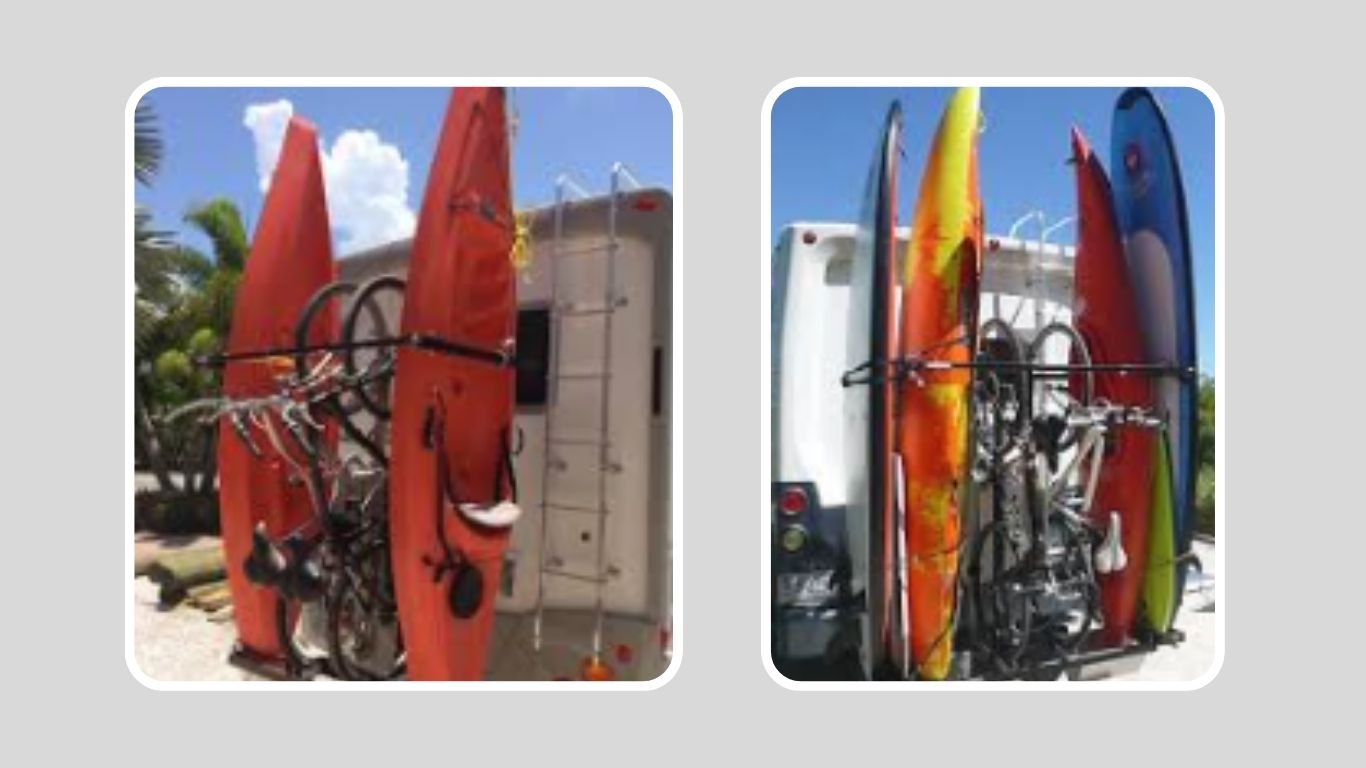
If you love kayaking and traveling in your RV, an RV kayak rack can make your adventures much easier. It is a special rack designed to carry your kayak safely on your RV, whether on the roof, hitch, or spare tire. With the right rack, you can transport your kayak without taking up space inside your RV, protect it from damage, and enjoy stress-free trips to lakes, rivers, or the ocean.
Why You Need an RV Kayak Rack
Having an RV kayak rack is very helpful for anyone who enjoys kayaking while traveling. First, it makes transporting your kayak easy and convenient. You don’t have to worry about cramming your kayak inside the RV or tying it loosely on top. Second, it keeps your kayak safe from scratches, dents, or falling off while driving. Third, it keeps your RV organized and clutter-free, giving you more space inside. Finally, using a rack reduces stress and allows you to enjoy your kayaking trips without any hassle.
Types of RV Kayak Racks
There are several types of RV kayak racks, each designed to fit different RVs and user needs. Choosing the right type makes transporting your kayak safer and easier. Here are the main types:
Roof-Mounted Racks
Roof-mounted racks sit on top of your RV. They usually have crossbars or cradles to hold the kayak securely. These racks are great if you want to save space on the back of your RV. Pros: Keeps the back clear, easy access to storage inside the RV. Cons: Can be harder to lift heavy kayaks onto the roof, which may affect driving height clearance.
Hitch-Mounted Racks
Hitch-mounted racks attach to the trailer hitch at the back of the RV. They are very convenient for loading and unloading kayaks without lifting them high. Pros: Easy to use, safer for heavy kayaks, no roof lifting needed. Cons: Adds length to the RV, may block the rear view or bike racks.
Spare Tire-Mounted Racks
Some racks attach to the spare tire on the back of the RV. These are usually smaller and can hold one or two kayaks. Pros: Easy to install, saves roof space. Cons: Limited kayak size, may block rear access.
Foldable or Portable Racks
Foldable racks can be stored when not in use, making them perfect for occasional kayaking trips. Pros: Space-saving, portable, often lightweight. Cons: May be less stable than fixed racks, usually for lighter kayaks.
How to Choose the Right RV Kayak Rack
Choosing the right RV kayak rack is important to make sure your kayak is safe and easy to transport. Here are some key points to consider:
- Check Weight Limits: Make sure your RV roof or hitch can support the weight of the kayak and the rack. Overloading can damage your RV or cause accidents.
- Consider Kayak Size and Type: Some racks are designed for small kayaks, while others can hold larger or heavier models. Measure your kayak before buying a rack.
- Frequency of Use: If you kayak often, invest in a durable, easy-to-use rack. For occasional trips, a simpler or foldable rack may be enough.
- Material and Durability: Look for racks made from strong materials like steel or aluminum. They last longer and resist rust or damage.
- Ease of Installation: Choose a rack that is easy to install and remove, especially if you need to switch it between different vehicles.
- Security Features: Some racks come with locks or extra straps to prevent theft and keep your kayak secure during travel.
By considering these points, you can select a rack that fits your RV, your kayak, and your traveling style.
Tools and Materials You May Need
Before installing an RV kayak rack, having the right tools and materials is very important. Being prepared not only makes installation easier but also ensures your kayak and RV remain safe during travel. Here’s a detailed list of what you may need:
- Wrenches and Screwdrivers: Most racks come with bolts, screws, or clamps that need tightening. Having a set of wrenches and screwdrivers will help you secure everything properly. An adjustable wrench is especially useful for different bolt sizes.
- Drill (Optional): Some roof-mounted racks or custom installations may require drilling holes into the RV roof or crossbars. If drilling is needed, use the drill carefully and follow the manufacturer’s instructions to avoid damaging the RV.
- Mounting Hardware: This includes all the nuts, bolts, screws, and brackets that come with the rack. Make sure the package contains all required parts before starting the installation. Missing hardware can make the process difficult and unsafe.
- Safety Straps or Tie-Downs: Strong, durable straps are essential to secure the kayak to the rack. They prevent the kayak from moving, swaying, or falling off while driving, keeping both the kayak and other vehicles on the road safe.
- Protective Padding: Foam blocks or rubber pads help protect both your kayak and the RV from scratches or dents. They are especially useful for roof-mounted racks where direct contact with metal bars can cause damage.
- Measuring Tape and Marker: Accurate measurement is key for proper placement of the rack. Use a measuring tape and marker to ensure your kayak is centered and balanced on the rack.
- Optional Accessories: Depending on the type of rack, you may also need lockable pins, anti-theft devices, or extra hooks for additional security.
Having all these tools and materials ready before starting installation saves time, avoids mistakes, and ensures your kayak is transported safely every time. Being organized also makes the process less stressful, especially for first-time RV kayakers.
Step-by-Step Installation Guide: Building Your RV Kayak Rack
Installing an RV kayak rack may seem complicated at first, but with careful preparation, it can be simple, safe, and efficient. Proper installation ensures your kayak stays secure while traveling and prevents damage to both the kayak and your RV. Below is a detailed guide for installing the most common types of RV kayak racks, written in easy-to-follow steps.
Roof-Mounted Rack Installation
For roof-mounted racks, start by measuring and marking the center of your RV roof. Accurate placement is important to keep the kayak balanced during travel. Next, attach the base or crossbars according to the manufacturer’s instructions, using bolts, screws, or clamps provided in the package. To protect your kayak and RV, add foam blocks or rubber pads on the crossbars. Carefully lift the kayak onto the rack. If it is heavy, ask someone to help you. Finally, secure the kayak with strong tie-down straps, making sure it is tight and does not shift while driving.
Hitch-Mounted Rack Installation
Hitch-mounted racks are easier for loading heavier kayaks because they sit lower to the ground. Begin by sliding the rack into your RV’s hitch receiver and tightening the locking pin or bolts to hold it securely. Place the kayak onto the rack, then use tie-down straps to secure it firmly. Check that the kayak is balanced and stable, and tighten the straps at both the front and back to prevent any movement during travel.
Spare Tire Rack Installation
Spare tire-mounted racks attach directly to the back of your RV over the spare tire. Position the rack properly, then secure it tightly using the provided bolts or straps. Lift the kayak onto the rack and use straps or ropes to hold it in place. Make sure the kayak is balanced and cannot sway while driving, especially on rough or winding roads.
Tips for All Rack Types
Regardless of the type of rack you use, always double-check that bolts, straps, and locks are tight before every trip. Never exceed the weight limit of the rack, and ensure the kayak is centered and balanced. For longer trips or bumpy roads, consider adding extra safety straps to prevent shifting. Following these steps will make mounting and securing your kayak safer, easier, and less stressful over time.
Tips for Safe Transport
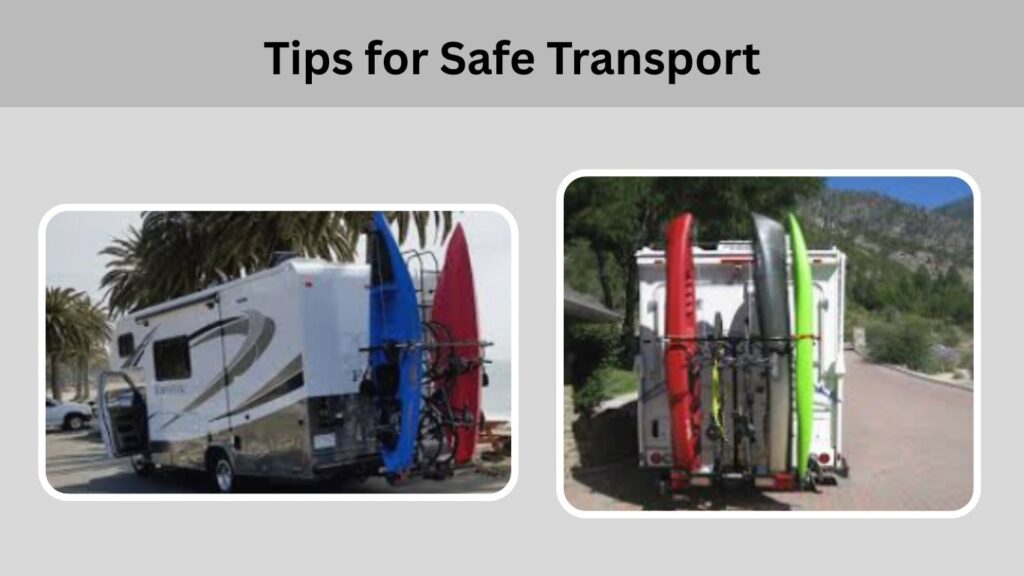
Transporting your kayak on an RV requires extra care to ensure both your kayak and vehicle stay safe. First, always double-check that all straps, bolts, and locks are tight before starting your trip. Even a slightly loose strap can allow the kayak to shift, which can be dangerous on the road.
Balance is very important. Make sure the kayak is centered on the rack to prevent swaying or tilting. If you are carrying more than one kayak, place the heavier one closer to the center of the RV for stability.
Avoid overloading your RV roof or hitch beyond the manufacturer’s weight limit. Overloading can damage the RV and affect driving safety. For roof-mounted racks, remember that adding height may affect clearance under bridges, low-hanging branches, or parking garages.
Drive carefully, especially on rough roads, sharp turns, or in windy conditions. Reduce speed when necessary to prevent the kayak from shifting. Using extra tie-downs or straps for longer trips or rough terrain adds a layer of safety.
Regularly check your kayak and straps during stops on long trips. Making these precautions a habit ensures that transporting your kayak is safe, stress-free, and enjoyable.
Maintaining Your RV Kayak Rack
Proper maintenance of your RV kayak rack is essential to ensure it lasts a long time and keeps your kayak safe. One of the first steps is to regularly inspect the rack for any signs of rust, cracks, or damage. Even small issues can worsen over time and affect the stability of the rack.
Cleaning the rack is also important, especially after exposure to water, mud, or salt from lakes, rivers, or the ocean. Use mild soap and water to wash the rack and rinse it thoroughly. Dry it completely to prevent corrosion, particularly if the rack is made of metal.
Check all bolts, screws, and straps periodically. Tighten any that have loosened during travel, and replace worn or damaged straps immediately. For removable racks, store them safely when not in use to protect them from the weather.
Adding protective coatings, like rust-proof sprays for metal racks, can extend the life of your rack. By maintaining your RV kayak rack carefully, you not only ensure the safety of your kayak but also protect your investment and make each trip easier and more enjoyable.
Advantages of Using an RV Kayak Rack
Using an RV kayak rack brings many benefits for anyone who enjoys kayaking while traveling. One of the biggest advantages is convenience. With a rack, you can easily transport your kayak without taking up valuable space inside your RV. This allows you to carry other gear or keep the interior of your RV organized and clutter-free.
Safety is another key advantage. A properly installed rack keeps your kayak secure during travel, reducing the risk of damage to both the kayak and your RV. It also prevents the kayak from shifting or falling off while driving, which can be dangerous on the road.
RV kayak racks also make your trips more enjoyable and stress-free. You won’t need to struggle with lifting the kayak inside the RV or worrying about storage space. Many racks are designed for easy loading and unloading, making your kayaking adventures faster and simpler.
Finally, using a kayak rack protects your investment. By keeping the kayak off the ground and properly supported, you reduce scratches, dents, and wear caused by improper storage. Overall, an RV kayak rack improves safety, convenience, and the overall experience of traveling with your kayak.
Popular RV Kayak Rack Brands and Models
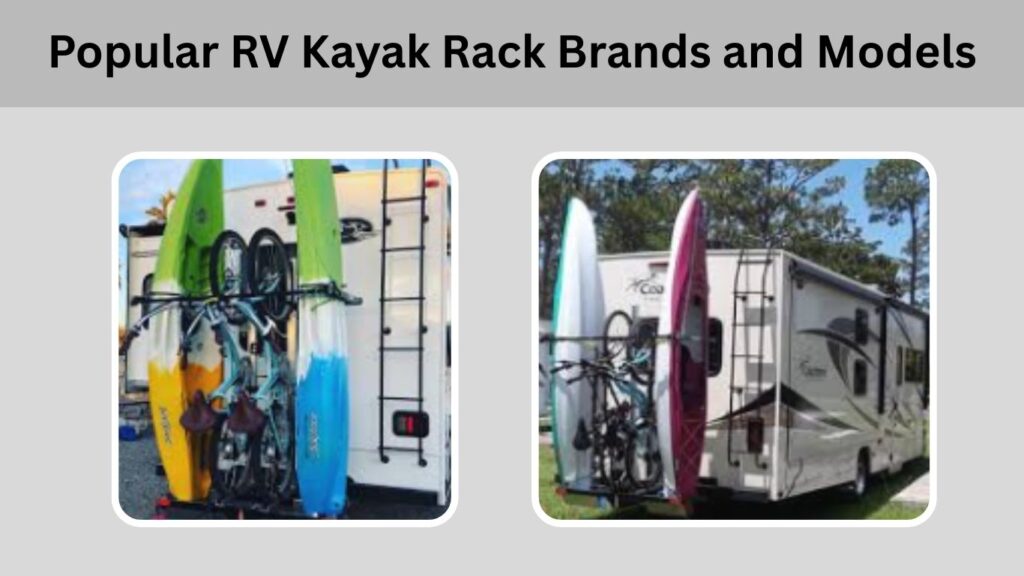
When choosing an RV kayak rack, it helps to know some of the most reliable brands and models. These brands offer durability, ease of use, and safety features that make transporting kayaks easier.
Thule Kayak Racks are known for their strong build and versatility. Thule offers roof-mounted and hitch-mounted options with secure cradles and easy-to-use straps. They are popular for their durability and long-lasting performance.
Yakima Kayak Racks are another top choice. Yakima racks are easy to install and come with protective pads to prevent scratches. Their racks often feature foldable designs, making storage simpler when not in use.
Malone Kayak Racks provide affordable and reliable options. They offer roof and hitch-mounted racks that are sturdy and easy to use, making them ideal for occasional kayakers.
JayLow Racks are known for their user-friendly design. These racks often include J-cradles that make lifting and securing the kayak easier, especially for heavy or long kayaks.
Other brands also offer options for different RV setups and budgets. When selecting a rack, consider your RV type, kayak size, and how often you plan to use it. Reading reviews and checking for features like anti-theft locks, adjustable cradles, and strap systems can help you make the right choice.
RV Kayak Rack Accessories
Using the right accessories with your RV kayak rack can make transporting your kayak safer and more convenient. Accessories help protect your kayak, secure it better, and make loading and unloading easier.
Kayak Cradles and Foam Blocks: These provide support and cushioning for your kayak, preventing scratches and dents. Foam blocks or molded cradles create a secure resting place for the kayak on the rack.
Extra Tie-Down Straps: Strong straps are essential to keep your kayak stable during travel. Having extra straps can provide additional security, especially for long trips or rough roads.
Anti-Theft Locks: Some racks allow you to add locks to prevent theft. This is especially useful if you plan to leave your RV parked while exploring or camping.
Protective Covers: Covers can shield your kayak from sun, rain, and dust while traveling or when stored on the RV. This helps extend the life of your kayak and keeps it clean for your next adventure.
Loading Aids: Some racks include ramps, pulleys, or J-cradles to make lifting the kayak easier, reducing the risk of injury or damage during loading.
Using these accessories enhances the safety, convenience, and longevity of both your kayak and rack. Investing in the right accessories makes every trip smoother and more enjoyable.
Final Thoughts
An RV kayak rack is an essential accessory for anyone who loves combining kayaking with RV travel. It makes transporting your kayak safe, convenient, and stress-free while protecting both your kayak and RV from damage. Choosing the right type of rack, installing it properly, and using accessories like straps and cradles can make every trip more enjoyable. With regular maintenance and careful use, an RV kayak rack helps you explore lakes, rivers, and oceans with ease, making your outdoor adventures simpler and more fun.