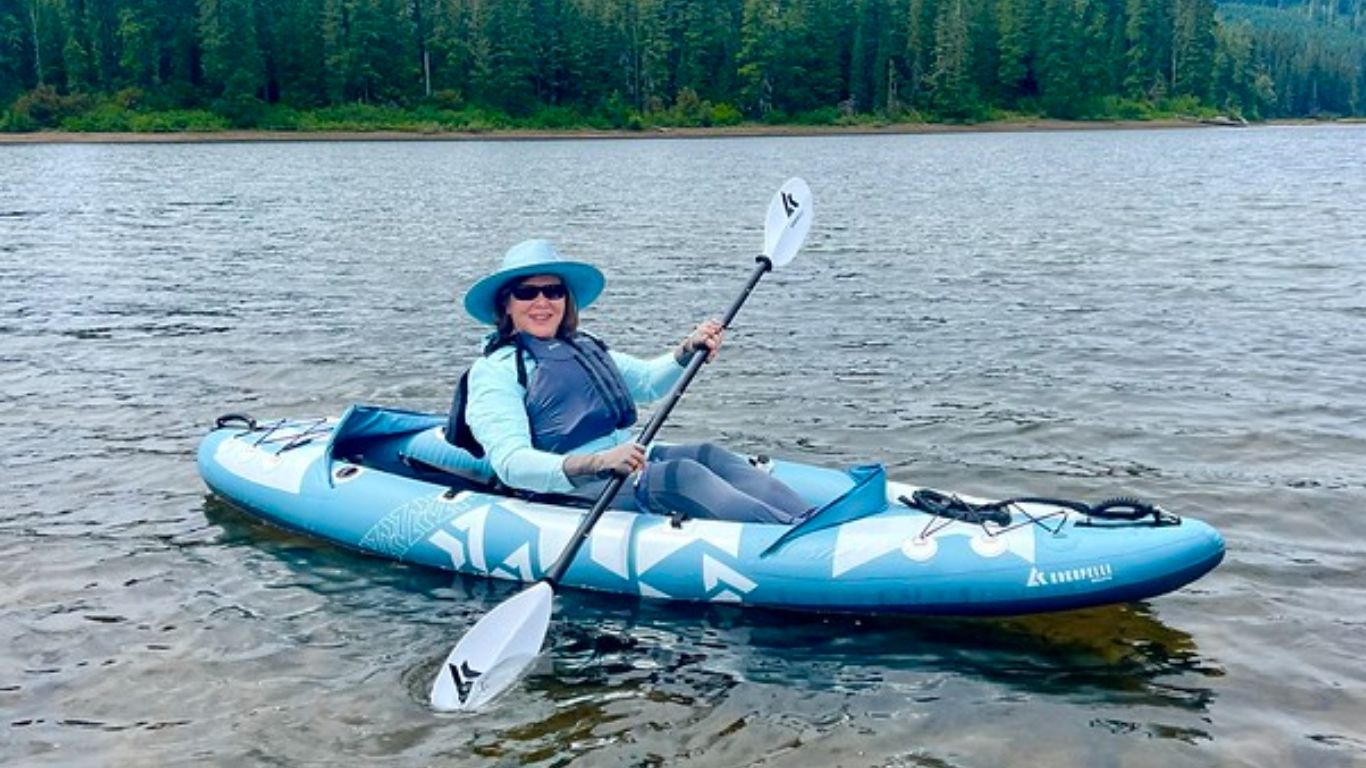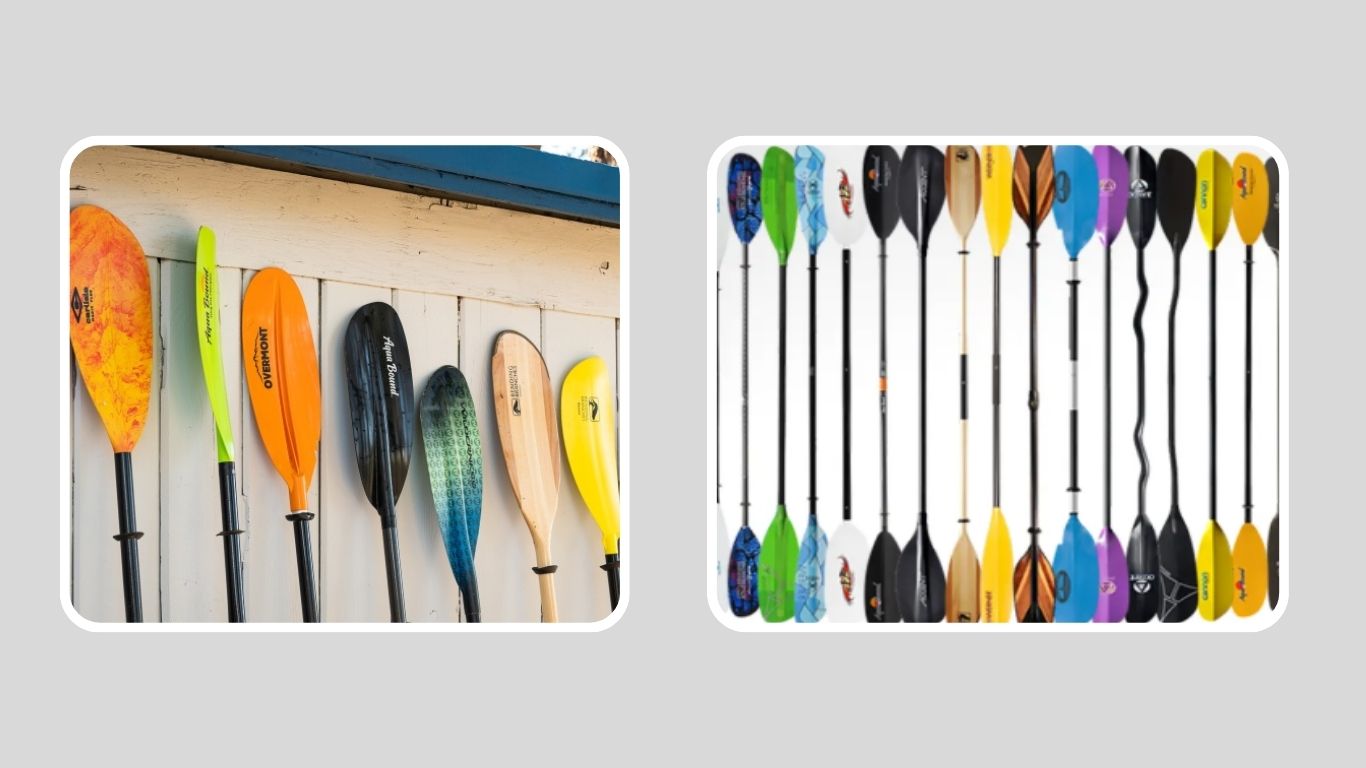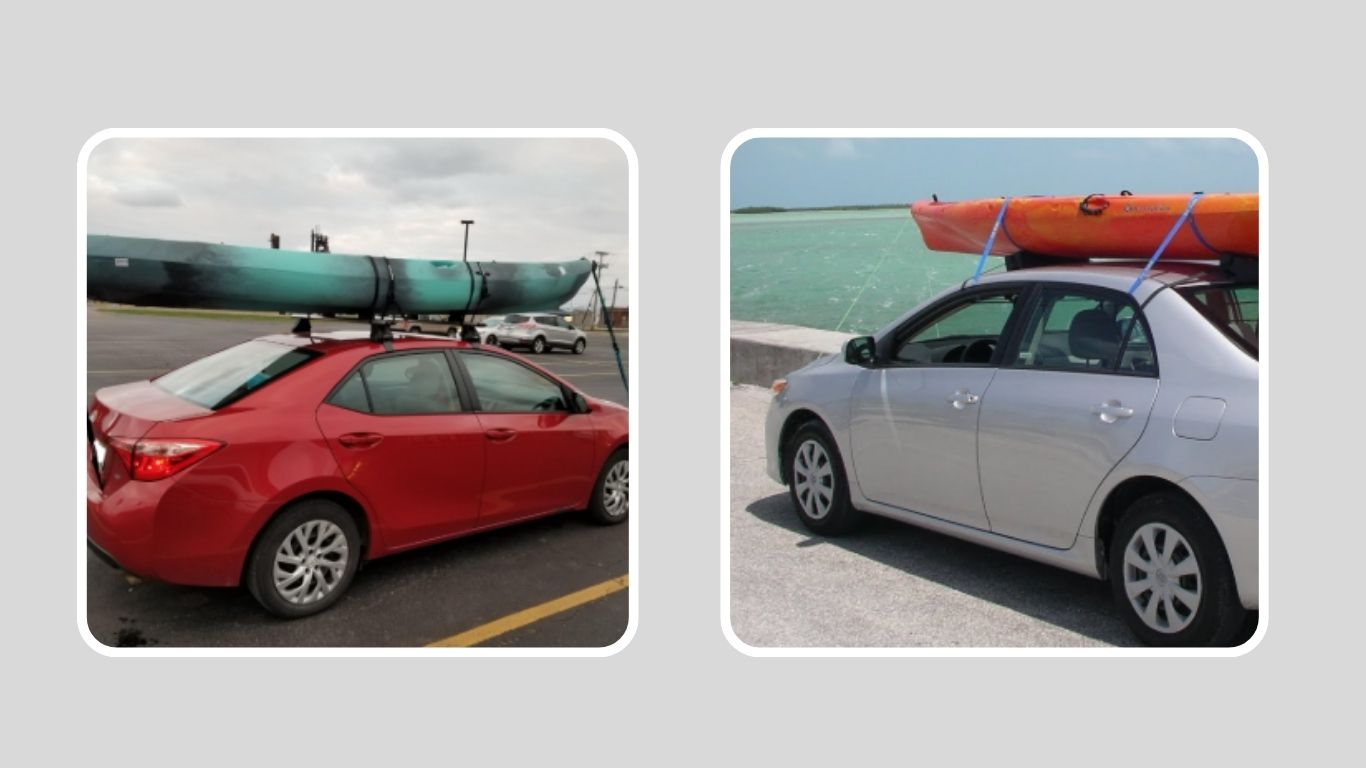
Kayaking is one of the most enjoyable ways to explore lakes, rivers, and coastlines, but getting your kayak to the water can often be the hardest part of the adventure. Not every car is built to carry a kayak, and buying roof racks or trailers can be expensive if you don’t paddle often. That’s where kayak car rentals come in. These vehicles are specially equipped to transport kayaks safely, making outdoor trips easier, more flexible, and stress-free.
Why Kayak Transportation Matters
Transporting a kayak might look simple at first, but it’s actually one of the biggest challenges for paddlers. Kayaks are long, bulky, and often heavier than they seem. Without the right setup, it can be risky to strap one on top of a regular car. A poorly secured kayak can shift during driving, scratch your vehicle, or even fall, creating danger for you and others on the road.
This is where proper kayak transportation becomes essential. Having a reliable way to carry your kayak means you can focus more on the adventure ahead instead of worrying about damage or accidents. For people who don’t kayak often, investing in roof racks or trailers may not be practical. Renting a car designed for kayak transport is a smart, affordable alternative that saves money and effort.
It also opens the door for travelers, tourists, and weekend paddlers who want to explore new waters without the hassle of owning all the gear. Whether it’s a solo trip to a peaceful lake or a group outing to a popular river, safe transportation ensures your kayak arrives in perfect condition and your adventure starts on the right note.
What Is a Kayak Car Rental?
A kayak car rental is simply a rented vehicle that is equipped to carry kayaks safely and easily. Instead of using your own car and worrying about whether it can handle the load, you can rent a car, SUV, van, or even a pickup that already has a kayak rack or carrying system installed. This makes transporting your kayak much less stressful, especially if you don’t have permanent racks or trailers at home.
There are two main ways kayak car rentals work. Some companies provide regular cars with roof racks that can carry one or two kayaks. Others offer larger vehicles like SUVs or vans that can fit multiple kayaks, perfect for group trips. In some cases, outfitters and outdoor gear shops also rent trailers designed specifically for hauling several kayaks at once.
The process is simple: you rent the vehicle for a day, weekend, or longer, load your kayak, and hit the road. This option is especially popular with tourists who fly into a destination but still want to enjoy kayaking, or for occasional paddlers who don’t want the cost of owning special racks. Whether rented from a traditional car rental company, a kayak outfitter, or a peer-to-peer platform, kayak car rentals give you the freedom to enjoy paddling adventures without the headache of figuring out transportation.
Benefits of Renting a Car for Kayak Transport
Renting a car designed for kayak transport offers several advantages, especially for people who don’t paddle regularly or who are traveling far from home. It’s not just about convenience, it’s about saving time, money, and avoiding unnecessary stress. Here are the biggest benefits:
Convenience and Flexibility
One of the main reasons people choose kayak car rentals is convenience. You don’t need to buy, install, or store a roof rack system at home. With a rental, everything is already set up and ready to go. You simply load your kayak, secure it with straps, and head to the water. Rentals also give you flexibility; you can pick up and return the car at a location that fits your travel plans.
Cost-Effectiveness
Buying high-quality roof racks or trailers can cost hundreds of dollars, which may not be worth it if you only kayak a few times a year. A kayak car rental gives you the same benefit at a fraction of the cost. This makes it a smart option for beginners, occasional paddlers, or families who only kayak during vacations.
Travel Freedom
With a kayak-ready vehicle, you can explore lakes, rivers, and coastlines that are farther away from home. This opens the door to road trips and new adventures without the worry of whether your car can handle the load. For travelers flying into a kayaking destination, it also means you can enjoy paddling without needing to ship your own gear or rely on limited local rental options.
Safety and Reliability
Kayak car rentals are designed with safety in mind. The racks and straps provided are usually checked by the rental company to make sure they are secure and reliable. This reduces the risk of damage to your kayak or the vehicle. You’ll also have peace of mind knowing your kayak is properly supported during the drive, whether you’re on a short trip to a nearby lake or a long road trip through the mountains.
How to Choose the Right Kayak Car Rental
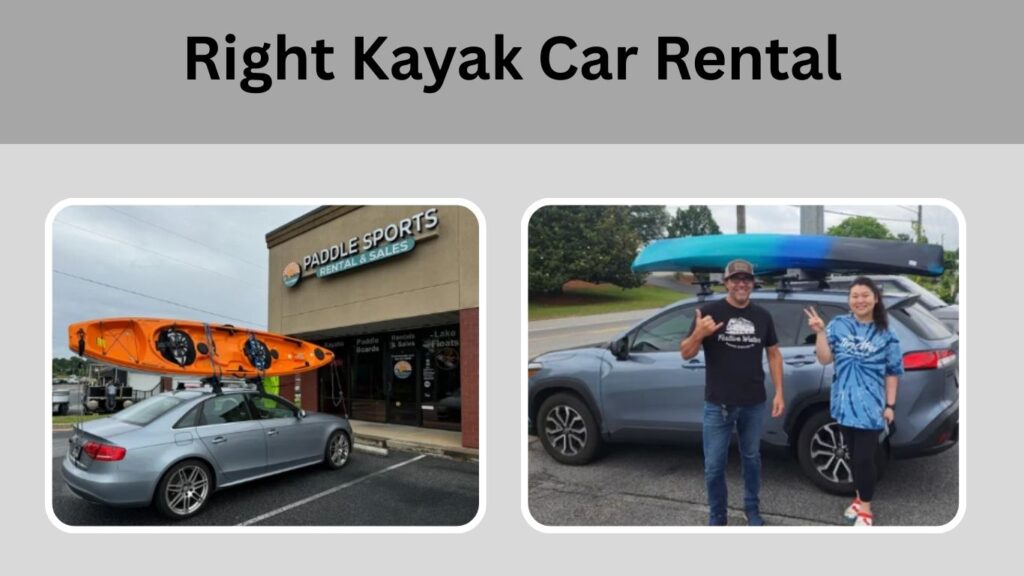
Not every kayak car rental is the same, and choosing the right one depends on your needs. Before booking, it’s important to think about the type of trip you’re planning, how many kayaks you’ll bring, and your budget. Here are a few key factors to consider:
Number of Kayaks You’re Transporting
If you’re going alone, a small car with a roof rack will be enough. For two or more kayaks, it’s better to rent an SUV, van, or even a truck with a mount. For group outings, look into rentals that include trailers to carry multiple kayaks at once.
Distance and Terrain
Think about where you’re going. If it’s a short drive on city roads, a sedan with a rack works fine. For longer trips, especially those involving highways, mountains, or off-road areas, an SUV or truck will give you better stability and power.
Vehicle Size and Comfort
Besides carrying your kayak, the car should also fit your passengers and gear comfortably. If you’re bringing camping supplies, fishing equipment, or picnic items, a larger vehicle with extra storage space will make the trip more enjoyable.
Rental Cost and Insurance
Always compare rental prices and check what’s included. Some companies may charge extra for racks or trailers, while others include them in the package. Don’t forget to ask about insurance; make sure both the vehicle and kayak are covered in case of damage during transport.
Rental Duration and Flexibility
Are you renting just for a day, a weekend, or an entire week? Many companies offer discounts for longer rentals. Also, check if you can pick up and drop off the vehicle at different locations, which can be very helpful for one-way kayaking trips.
By considering these factors, you’ll avoid surprises and choose a kayak car rental that truly fits your adventure.
Safety Tips for Driving with a Kayak in Your Rental Car
Driving with a kayak on top of your car is different from regular driving. The extra weight and height affect how your vehicle handles, and small mistakes can cause big problems on the road. To keep your trip safe and stress-free, follow these important tips:
- Keep Your Speed Moderate
Avoid driving too fast, especially on highways. High speeds create extra wind resistance, which can put stress on straps and cause the kayak to shift. A steady, moderate speed keeps everything more stable. - Avoid Sudden Turns or Braking
Sharp turns or hard braking can cause the kayak to slide or put pressure on the rack. Drive smoothly, maintain a safe distance from other cars, and plan your stops accordingly. - Check Straps Regularly
On long trips, straps may loosen slightly. Pull over every couple of hours to recheck and tighten them if needed. This small habit can prevent big accidents. - Watch Your Height
With a kayak on top, your vehicle is much taller than usual. Be extra cautious when entering parking garages, underpasses, or areas with low-hanging branches. Always leave enough clearance. - Secure Extra Gear Inside
Loose paddles, life vests, or fishing rods should be stored inside the car or tied down. Nothing should be left unsecured, as it could fly out or distract you while driving. - Drive Defensively
Expect the unexpected. Wind gusts, bumpy roads, and sudden traffic changes can all affect your load. Stay alert and give yourself more reaction time than usual.
By practicing safe driving habits, you’ll protect your kayak, your rental vehicle, and everyone else on the road while enjoying a smooth ride to your destination.
Where to Find Kayak Car Rentals
If you’re planning a kayaking trip, the next big step after deciding where to go is figuring out where to rent a car that can carry your kayak. The good news is that there are several reliable sources, ranging from traditional car rental companies to local outfitters and even peer-to-peer services. Here’s a detailed look at your best options:
Traditional Car Rental Companies
Major car rental brands, such as Enterprise, Hertz, Avis, and Budget, sometimes offer vehicles equipped with roof racks or larger SUVs that can support kayak carriers. These companies are a safe bet if you want reliability, professional service, and insurance options. However, it’s important to note that not every location offers roof racks by default. You’ll need to call ahead and ask specifically for a kayak-friendly setup.
- Pros: Widely available, trusted companies, and optional insurance packages.
- Cons: May charge extra for racks, limited availability in some locations.
Outdoor Outfitters and Kayak Rental Shops
In many popular kayaking areas like the Great Lakes, Florida Keys, or coastal national parks, outdoor outfitters not only rent kayaks but also provide vehicles or trailers to transport them. These businesses are often more flexible than large car rental companies because they specialize in paddling. They might even bundle the car and kayak together as one package, which saves time and money.
- Pros: Knowledgeable staff, packages that include kayaks + cars, local tips for paddling spots.
- Cons: Limited locations (usually near water or tourist areas).
Peer-to-Peer Car Sharing Platforms
Services like Turo, Getaround, and Outdoorsy have grown popular in recent years. On these platforms, private owners rent out their vehicles, and some list cars already equipped with roof racks or mounts for kayaks. This option can be more affordable than big rental companies and often gives you access to unique vehicles, like a pickup with a kayak bed extender or a van with a custom rack system.
- Pros: Affordable, wide variety of vehicles, flexible pick-up/drop-off.
- Cons: Quality and availability depend on the individual owner.
Local Kayaking Clubs and Communities
Another overlooked but great option is local kayaking clubs or online paddling groups. Members often rent out their extra gear or vehicles at lower prices. Some community-driven outdoor centers also keep trailers or roof racks that you can borrow or rent. While this is less formal than a commercial rental, it’s a good way to support local paddlers and build connections.
- Pros: Budget-friendly, local insight, more personal service.
- Cons: Limited selection, may not include formal insurance coverage.
Specialty Adventure Travel Companies
If you’re booking a guided kayaking trip through a tour company, they may provide transportation as part of the package. In some cases, they’ll pick you up at your hotel or campsite and bring you directly to the launch site with kayaks already secured on a trailer. While this isn’t the same as renting your own car, it’s worth considering if you want a more relaxed, all-inclusive experience.
- Pros: Stress-free, everything included, professional guides.
- Cons: Less freedom and flexibility compared to renting your own vehicle.
Where to Find Kayak Car Rentals
If you’re planning a kayaking trip, the next big step after deciding where to go is figuring out where to rent a car that can carry your kayak. The good news is that there are several reliable sources, ranging from traditional car rental companies to local outfitters and even peer-to-peer services. Here’s a detailed look at your best options:
Traditional Car Rental Companies
Major car rental brands, such as Enterprise, Hertz, Avis, and Budget, sometimes offer vehicles equipped with roof racks or larger SUVs that can support kayak carriers. These companies are a safe bet if you want reliability, professional service, and insurance options. However, it’s important to note that not every location offers roof racks by default. You’ll need to call ahead and ask specifically for a kayak-friendly setup.
- Pros: Widely available, trusted companies, and optional insurance packages.
- Cons: May charge extra for racks, limited availability in some locations.
Outdoor Outfitters and Kayak Rental Shops
In many popular kayaking areas, like the Great Lakes, Florida Keys, or coastal national parks, outdoor outfitters not only rent kayaks but also provide vehicles or trailers to transport them. These businesses are often more flexible than large car rental companies because they specialize in paddling. They might even bundle the car and kayak together as one package, which saves time and money.
- Pros: Knowledgeable staff, packages that include kayaks + cars, local tips for paddling spots.
- Cons: Limited locations (usually near water or tourist areas).
Peer-to-Peer Car Sharing Platforms
Services like Turo, Getaround, and Outdoorsy have grown popular in recent years. On these platforms, private owners rent out their vehicles, and some list cars already equipped with roof racks or mounts for kayaks. This option can be more affordable than big rental companies and often gives you access to unique vehicles, like a pickup with a kayak bed extender or a van with a custom rack system.
- Pros: Affordable, wide variety of vehicles, flexible pick-up/drop-off.
- Cons: Quality and availability depend on the individual owner.
Local Kayaking Clubs and Communities
Another overlooked but great option is local kayaking clubs or online paddling groups. Members often rent out their extra gear or vehicles at lower prices. Some community-driven outdoor centers also keep trailers or roof racks that you can borrow or rent. While this is less formal than a commercial rental, it’s a good way to support local paddlers and build connections.
- Pros: Budget-friendly, local insight, more personal service.
- Cons: Limited selection, may not include formal insurance coverage.
Specialty Adventure Travel Companies
If you’re booking a guided kayaking trip through a tour company, they may provide transportation as part of the package. In some cases, they’ll pick you up at your hotel or campsite and bring you directly to the launch site with kayaks already secured on a trailer. While this isn’t the same as renting your own car, it’s worth considering if you want a more relaxed, all-inclusive experience.
- Pros: Stress-free, everything included, professional guides.
- Cons: Less freedom and flexibility compared to renting your own vehicle.
Alternatives to Kayak Car Rental
While kayak car rentals are one of the easiest solutions for transporting your boat, they aren’t the only option. Depending on how often you paddle, your budget, and the type of kayak you own, you might find alternatives that fit your lifestyle better. Here are some popular choices:
Buying a Universal Roof Rack
If you already own a car and plan to kayak frequently, investing in a universal roof rack system may be more cost-effective than renting a car each time. These racks are designed to fit most vehicles and can be installed or removed when needed. While the initial cost ranges between $150 and $400, it’s a one-time purchase that pays off in the long run. Some racks even come with padding and J-cradles that make loading easier and safer.
- Best for: Regular paddlers who own a car.
- Downside: Requires installation and storage space when not in use.
Folding and Inflatable Kayaks
Another great alternative is using folding or inflatable kayaks. These boats are lightweight, portable, and can fit in the trunk or back seat of most cars. Inflatable kayaks, in particular, have improved greatly in recent years; many are stable, durable, and capable of handling lakes, rivers, and even coastal waters. Since you don’t need roof racks, you avoid the hassle of external transport entirely.
- Best for: Travelers, apartment dwellers, or paddlers with small cars.
- Downside: May not perform as well as rigid kayaks in rough waters.
Kayak Delivery Services
In some tourist destinations, outfitters and adventure companies now offer kayak delivery services. Instead of worrying about transport, they deliver the kayak straight to your chosen launch site and pick it up when you’re done. This option is convenient for vacationers who don’t want to deal with driving, straps, or loading heavy boats.
- Best for: Tourists or people who only paddle occasionally.
- Downside: Limited to specific areas, can be more expensive than DIY transport.
Hitch-Mounted Racks and Bed Extenders
For people who own pickup trucks or SUVs with hitch receivers, a hitch-mounted rack or truck bed extender is another alternative. These options are easy to install and provide extra length for carrying long kayaks. While they do require you to own a vehicle, they’re cheaper than renting a kayak-ready car every time.
- Best for: Kayak owners with trucks or SUVs.
- Downside: Only useful if you already own the right vehicle.
Eco-Friendly and Responsible Kayak Transport
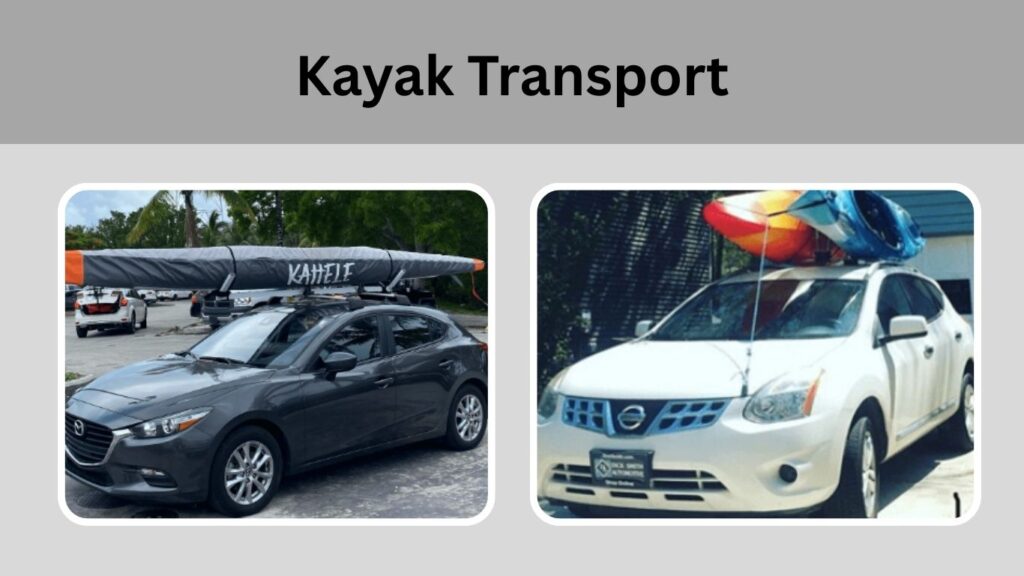
Kayaking is often seen as an eco-friendly activity because it doesn’t require fuel, engines, or loud motors. When you paddle, you move quietly through the water, respecting wildlife and leaving little impact behind. However, the transportation side of kayaking, especially when using cars, SUVs, or trucks, can still leave a carbon footprint. That’s why it’s important to think about eco-friendly and responsible ways to transport your kayak, even when using a rental vehicle.
Choose Fuel-Efficient Vehicles
If possible, select smaller, fuel-efficient cars or hybrid vehicles with roof racks rather than large SUVs or trucks. While bigger vehicles may seem convenient, they burn more fuel. If you’re only carrying one kayak, a sedan or compact SUV is more than enough and keeps emissions lower. Some rental companies are starting to offer electric or hybrid cars with rack options, which can be an even greener choice.
Carpool for Group Trips
Kayaking is often more fun with friends, and group trips are common. Instead of everyone driving separately, consider sharing one rental vehicle or renting a larger van to carry multiple kayaks. Carpooling reduces fuel use, lowers rental costs, and minimizes traffic and parking congestion at launch sites. It’s a win-win for both your wallet and the environment.
Plan Efficient Routes
When heading out for a kayaking road trip, plan your route carefully. Try to combine multiple kayaking spots into one trip instead of driving back and forth. Apps like Google Maps can help you create a loop route that saves time and gas. By driving efficiently, you’ll cut down on unnecessary mileage and emissions.
Respect Launch Sites and Natural Areas
Eco-friendly transport isn’t just about fuel efficiency; it’s also about how you behave once you arrive. Always park in designated areas and avoid driving over grass, dunes, or sensitive natural zones to get closer to the water. Dragging your kayak across fragile ground can cause damage to plants and ecosystems.
Reduce Plastic and Waste on the Trip
When packing your gear into the rental car, choose reusable water bottles, food containers, and dry bags instead of disposable plastic. Many kayaking destinations are remote, and leaving behind trash, even by accident, can harm wildlife. A simple rule is: pack in, pack out. Whatever you bring with you should return home in the car.
Maintenance and Care of Rental Gear
If your rental includes racks, straps, or trailers, handle them carefully. Don’t toss them on the ground, drag them through mud, or leave them exposed to saltwater for long periods. Proper use and care ensure the gear lasts longer, meaning fewer replacements need to be manufactured, reducing overall environmental impact.
Support Local Eco-Friendly Outfitters
Many local outfitters and community rental services are committed to protecting the environment. Some offset their carbon footprint, use hybrid vehicles, or actively work to preserve local waterways. By renting from these eco-conscious businesses, you’re supporting sustainable practices while enjoying your trip.
Educate Fellow Paddlers
Finally, part of being responsible is sharing your knowledge. If you’re traveling with friends or joining a group, encourage eco-friendly habits such as sharing rides, recycling waste, and respecting wildlife at the water. Small changes add up when many paddlers adopt them.
Tips for a Smooth Kayak Car Rental Experience
Renting a car for your kayaking adventure is convenient, but a few careful steps can make the experience smoother, safer, and more enjoyable. Following these tips ensures that you avoid common mistakes and get the most out of your trip.
Book Early
Kayak-ready vehicles are often in high demand, especially during peak paddling season or on weekends. Booking early ensures availability and may even save you money. Many rental companies offer online reservations, and calling in advance lets you confirm that the vehicle comes with the proper roof racks, trailers, or mounts for your kayak.
Inspect the Vehicle and Equipment
Before driving off, thoroughly inspect the car, rack, and straps. Look for any signs of wear or damage. Make sure the crossbars are secure, straps are intact, and padding is in place. Take photos of the vehicle and racks before leaving the lot—this can prevent disputes over damages when you return the rental.
Bring Your Own Straps or Accessories
Even if the rental provides straps, it’s a good idea to bring a few extra cam straps or bungee cords. These can provide backup security for your kayak and offer more flexibility when positioning or tightening the kayak on the rack.
Know How to Secure Your Kayak
Take the time to learn the proper way to load and secure your kayak. This includes hull positioning, using roof racks or J-cradles, tightening straps without over-compressing the kayak, and attaching bow and stern lines. A well-secured kayak ensures safety for you and other drivers.
Plan Your Route and Stops
Map your trip ahead of time. Include rest stops, fuel stations, and safe areas to check your kayak and straps. For long drives, it’s a good idea to recheck the security of your kayak every couple of hours to prevent any loosening during travel.
Understand the Rental Terms
Read the rental agreement carefully. Make sure you know what insurance covers, whether there are mileage limits, and if there are extra fees for roof racks, trailers, or off-road use. Knowing the rules in advance can prevent surprises and additional charges.
Drive Carefully
Keep in mind that your vehicle now has extra height and weight. Drive slower, avoid sudden braking, and be mindful of wind and road conditions. Smooth driving reduces stress on the kayak, rack, and straps.
Return the Vehicle Properly
After your trip, clean any dirt or debris off the vehicle and rack if required by the rental company. Make sure all straps, trailers, and accessories are returned in the condition you received them. A careful return helps maintain a good relationship with the rental company for future trips.
Ask for Guidance
If it’s your first time using a kayak-ready rental, don’t hesitate to ask the rental staff for a demonstration. They can show you how to properly secure the kayak, use the straps, and handle the vehicle safely with a kayak on top. A few minutes of guidance can prevent hours of stress on the road.
Conclusion
Kayak car rentals make outdoor adventures easier, safer, and more enjoyable. They eliminate the stress of transporting bulky kayaks, provide flexibility for road trips, and save money compared to buying permanent racks or trailers. By choosing the right vehicle, securing your kayak properly, and following safety and eco-friendly practices, you can focus on the fun of paddling and exploring new waters. Whether for a solo trip, family outing, or group adventure, a kayak car rental ensures your journey starts smoothly the moment you hit the road.