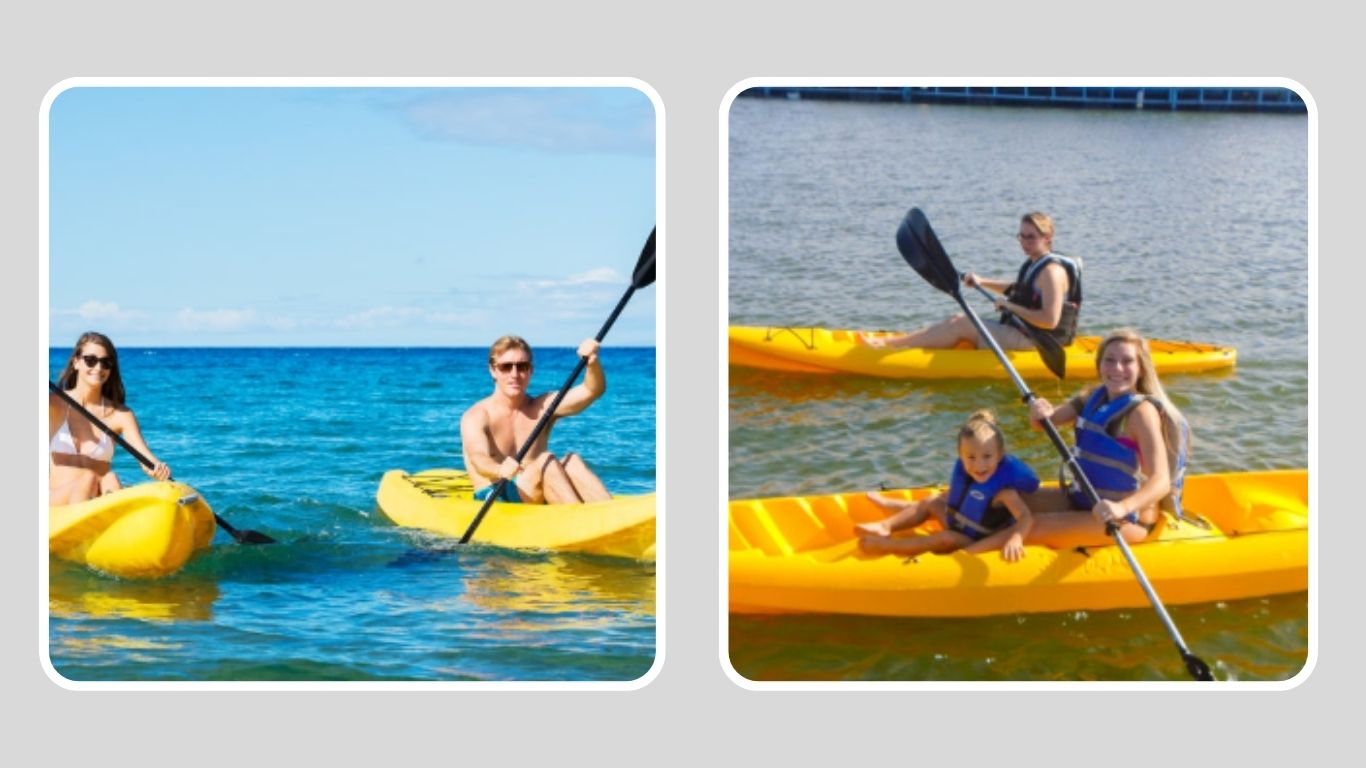
Kayaking is one of the most exciting ways to enjoy the outdoors, offering adventure, exercise, and a close connection with nature. However, buying a kayak can be expensive and impractical for occasional paddlers. That’s where kayak rentals come in. Renting a kayak gives you the freedom to explore rivers, lakes, and coastal waters without a long-term commitment. This guide will walk you through everything you need to know to have a fun, safe, and unforgettable kayaking experience, whether you’re a beginner or an experienced paddler.
Why Choose Kayak Rental?
Kayak rental is a convenient and cost-effective way to enjoy the water without the hassle of owning a kayak. Buying a kayak can be expensive, and it often requires storage space, maintenance, and transportation. Renting eliminates these concerns, allowing you to enjoy kayaking only when you want.
Rentals also give you the chance to try different types of kayaks, such as sit-on-top, tandem, or inflatable, before deciding if you want to invest in your own. For beginners, renting is ideal because it lets you learn the basics safely. Even for experienced paddlers, rentals offer flexibility for short trips, vacations, or exploring new waterways. Overall, renting a kayak provides an affordable, low-risk, and highly enjoyable way to experience the adventure of paddling.
Types of Kayaks Available for Rent
When renting a kayak, you’ll find several types designed for different experiences and skill levels. Choosing the right type ensures comfort, safety, and fun on the water. Here are the most common options:
1. Sit-on-Top Kayaks
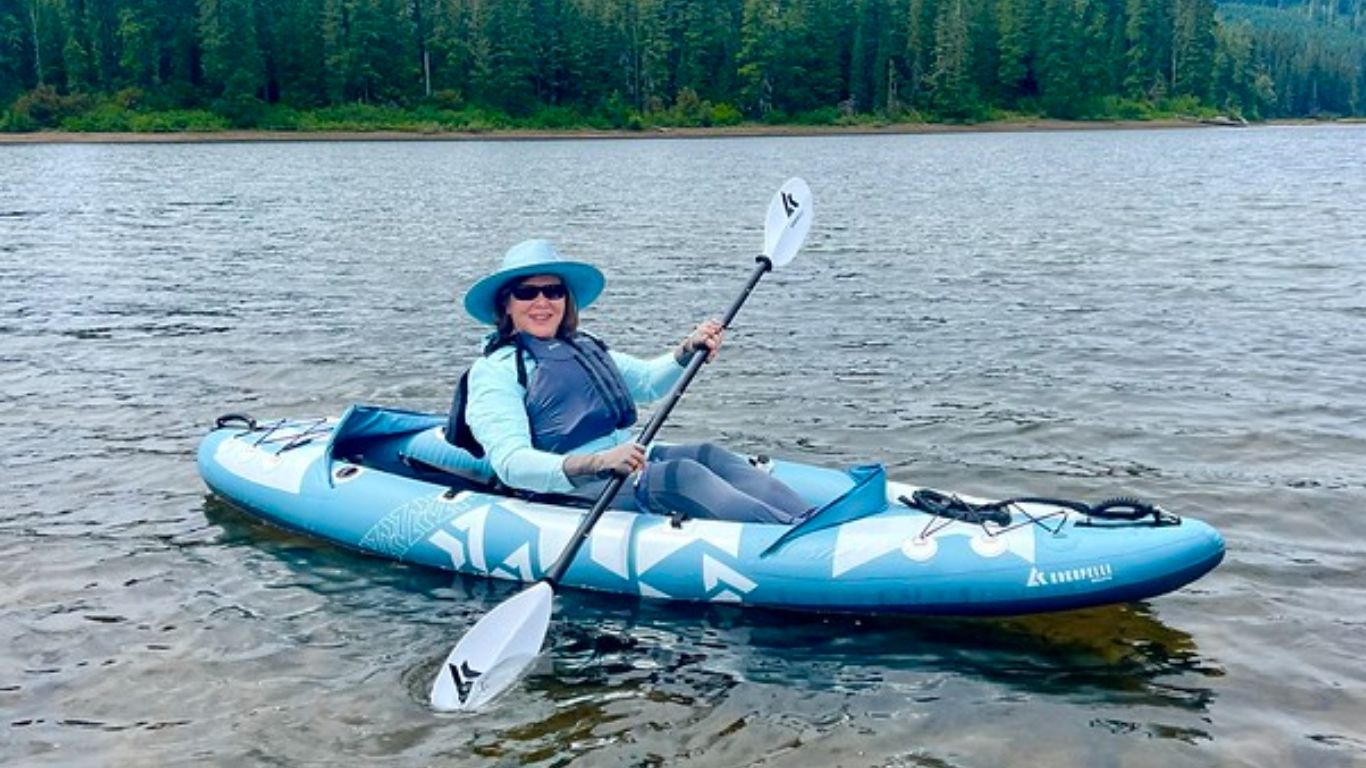
Sit-on-top kayaks are open on top, making them easy to get in and out of. They are stable and ideal for beginners, casual paddlers, and warm-weather outings. These kayaks are also great for recreational trips on calm lakes or slow-moving rivers.
2. Tandem Kayaks
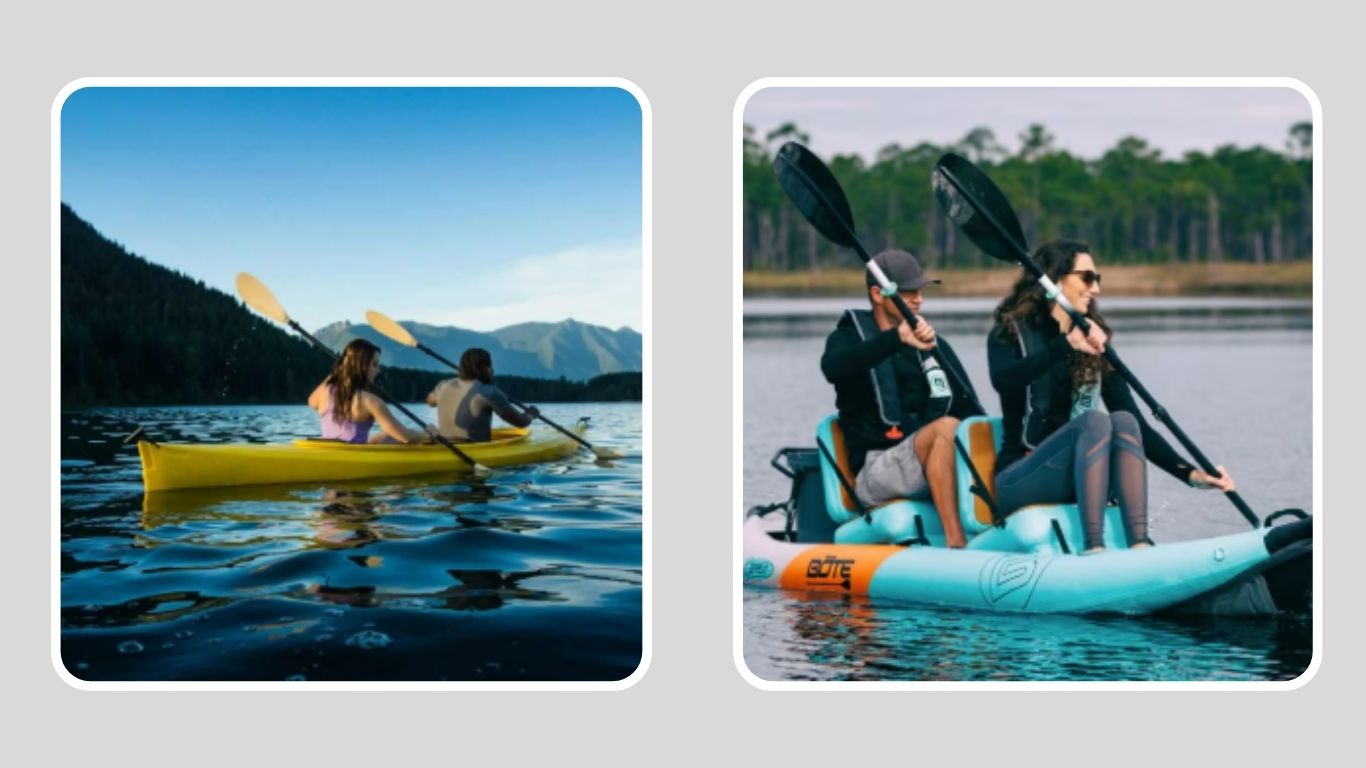
Tandem kayaks are built for two people, making them perfect for couples, friends, or parent-child outings. They allow teamwork in paddling and are generally wider and more stable. Tandem kayaks are fun for social paddling, fishing, or longer trips.
3. Inflatable Kayaks
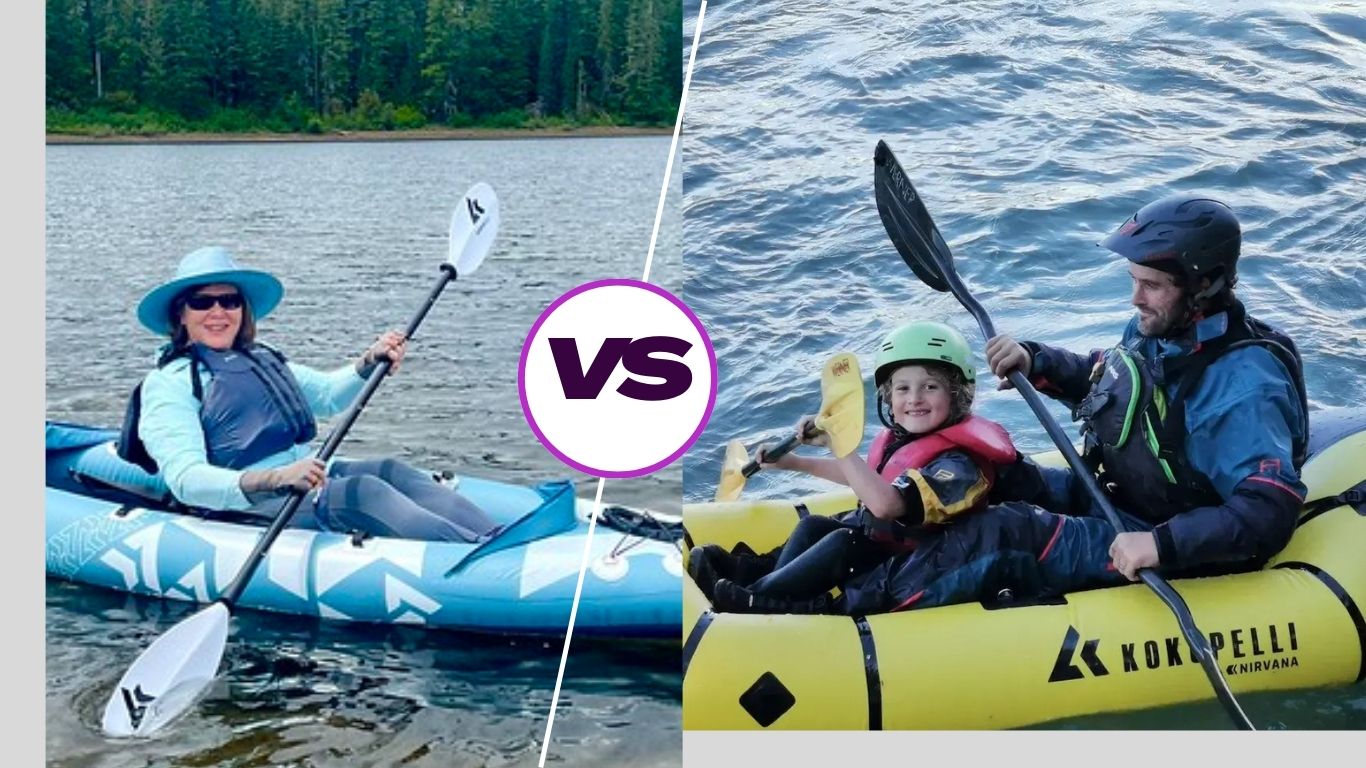
Inflatable kayaks are lightweight, portable, and easy to store. They are ideal for travelers or those with limited storage space. Modern inflatable kayaks are durable and surprisingly stable, though they may not perform as well in rough waters as hard-shell kayaks.
4. Fishing Kayaks
Fishing kayaks come with built-in storage, rod holders, and stable designs for anglers. They allow you to combine kayaking with fishing adventures. These kayaks are often wider and heavier, offering extra stability for standing or casting.
5. Touring or Sea Kayaks
Touring kayaks are designed for long-distance paddling on lakes, rivers, or coastal waters. They are narrow, sleek, and efficient, allowing faster travel. These kayaks are suited for intermediate or experienced paddlers seeking longer adventures.
Each type of kayak has unique features and advantages. When renting, consider your skill level, planned activities, and the type of water you’ll explore to choose the best option for a safe and enjoyable experience.
How to Choose the Right Rental Kayak
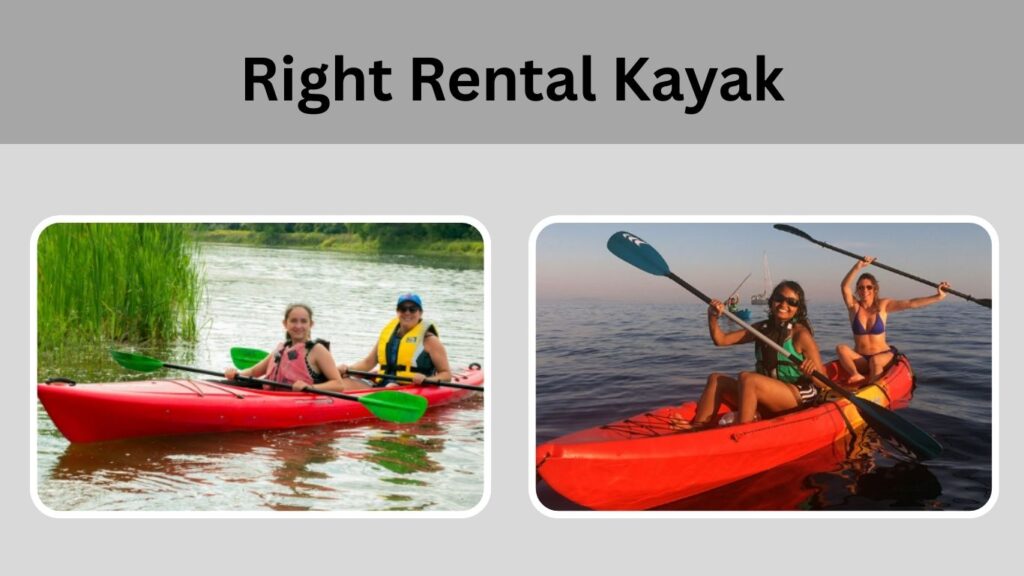
Picking the right kayak is essential for a safe and enjoyable adventure. Not every kayak suits every paddler or water condition, so it’s important to consider your needs before renting.
1. Assess Your Skill Level
Beginners should choose stable kayaks, such as sit-on-top or wider tandem models. Intermediate or advanced paddlers may prefer touring kayaks or specialized designs for speed and long-distance paddling. Matching the kayak to your skill level helps prevent accidents and ensures a comfortable ride.
2. Consider Your Adventure Type
Think about where you’ll be kayaking. Calm lakes and slow rivers are ideal for recreational or sit-on-top kayaks, while coastal waters or longer trips may require a touring or sea kayak. For fishing, choose kayaks designed with stability and storage for gear.
3. Check Kayak Size and Weight
The kayak’s length, width, and weight affect stability, speed, and ease of transport. Longer kayaks track better in water, while wider kayaks are more stable. Make sure you can comfortably handle and transport the kayak provided by the rental service.
4. Solo or Tandem
Decide whether you want a solo kayak or a tandem. Solo kayaks offer independence and agility, while tandem kayaks allow shared paddling and social experiences. Your choice depends on whether you’re going alone, with a partner, or with family and friends.
5. Compare Rental Prices and Accessories
Different rentals may include paddles, life jackets, dry bags, or spray skirts. Compare prices and included accessories to ensure you’re getting good value. Some services also offer guided trips, which can enhance your experience, especially if you’re new to kayaking.
By carefully considering these factors, you can select a kayak that fits your needs, skill level, and adventure type, setting the stage for a fun and safe paddling experience.
Kayak Rental Process
Renting a kayak is usually simple, but knowing the process in advance makes things smoother and more enjoyable. Here’s what you can expect:
1. Finding a Reliable Rental Service
Start by researching local rental shops or online services near your chosen destination. Look for businesses with good reviews, clear safety standards, and well-maintained equipment. Reputable services often provide safety briefings and high-quality gear, ensuring you’re in good hands.
2. Reservation and Booking Tips
During busy seasons, especially summer weekends, kayaks can book out quickly. It’s best to reserve your kayak ahead of time, either online or by phone. When booking, ask about deposit requirements, insurance coverage, and cancellation policies in case your plans change.
3. Checking the Kayak Before Use
Before heading out, inspect your kayak. Look for cracks, leaks, or damaged seats. Check that paddles are in good condition and that your personal flotation device (PFD) fits properly. Make sure any extras, like dry bags or spray skirts, are included and working.
4. Safety Instructions and Agreements
Most rental shops will ask you to sign a waiver and go over safety guidelines. Pay close attention, even if you’ve kayaked before. Instructions may cover local water rules, weather warnings, or restricted zones. Always follow these guidelines for your safety and to avoid fines.
By understanding the rental process, you can avoid surprises and ensure you’re prepared for a safe, enjoyable trip on the water.
Safety Tips for Renting and Using Kayaks
Safety should always come first when kayaking, whether you’re a beginner or an experienced paddler. Even calm waters can present risks, so following safety practices is essential.
1. Always Wear a Life Jacket (PFD)
A personal flotation device is non-negotiable. Most rental shops provide life jackets; make sure yours fits snugly and is properly fastened before heading out.
2. Check Weather and Water Conditions
Before starting, check the forecast. Avoid kayaking in strong winds, storms, or rough waters. Calm mornings are often the safest time for beginners.
3. Don’t Paddle Alone
It’s best to kayak with a buddy, especially if you’re new. If you must go solo, inform someone of your location and expected return time.
4. Learn Basic Paddling and Rescue Skills
Ask the rental service to demonstrate basic paddling strokes and self-rescue techniques. Knowing how to steer, stop, or recover from a tip-over can make a big difference.
5. Protect Yourself from the Elements
Bring sunscreen, a hat, and water. Kayaking can be physically demanding, and sun exposure is stronger on open water. Stay hydrated to avoid fatigue.
6. Respect Local Rules and Wildlife
Follow posted signs, avoid restricted areas, and never disturb wildlife. Responsible paddling keeps you safe and protects nature.
By following these safety tips, you’ll reduce risks and focus on enjoying your adventure with peace of mind.
Essential Accessories Provided by Rentals
Most kayak rental services don’t just give you the kayak; they also provide important gear to make your trip safe and enjoyable. Knowing what’s usually included helps you prepare better and decide if you need to bring anything extra.
1. Paddles
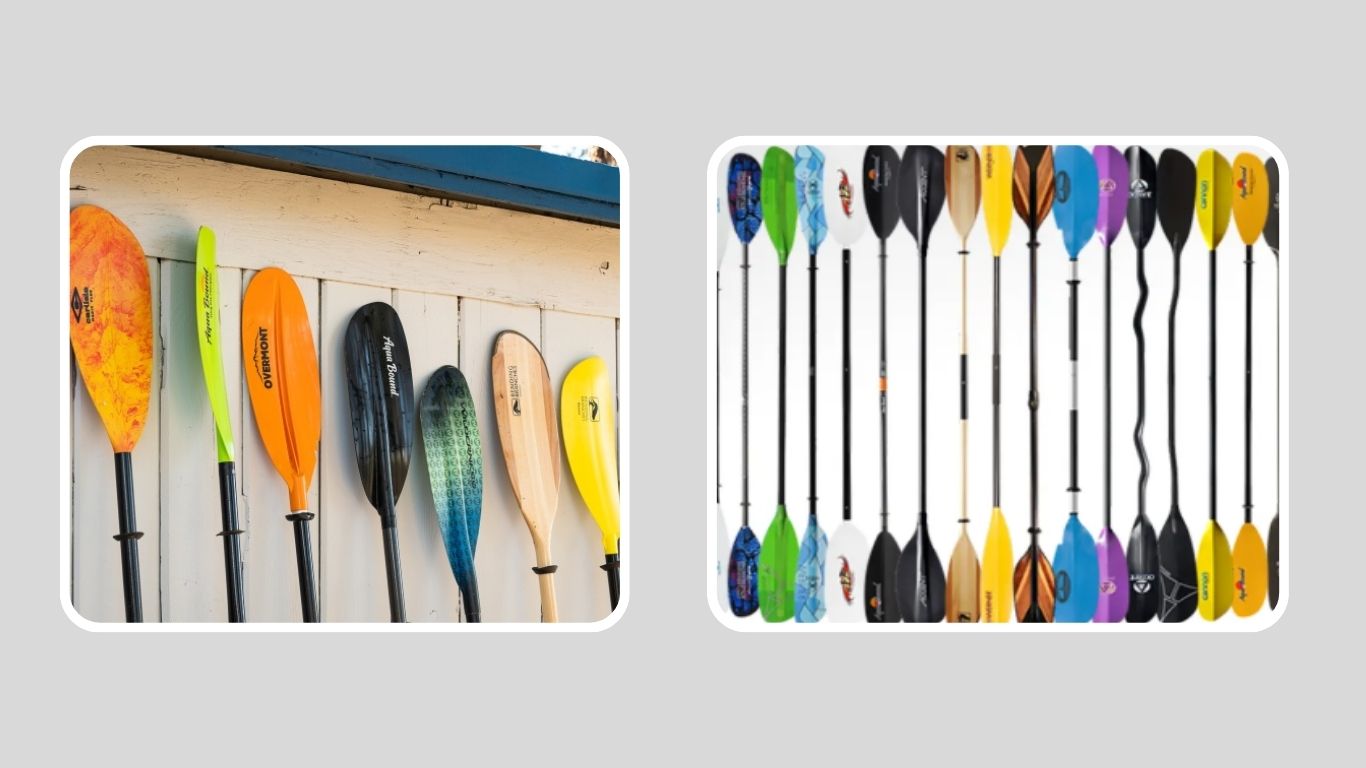
Every rental comes with at least one paddle (two for tandem kayaks). Check that it’s the right size for your height and the kayak’s width, as this makes paddling easier and less tiring.
2. Life Jackets (PFDs)
A personal flotation device is almost always included and required by law. Make sure it fits snugly and doesn’t ride up when sitting down. Some rentals may even offer child-sized or specialty life jackets.
3. Dry Bags and Storage Options
Many shops provide waterproof bags or boxes for storing phones, wallets, or snacks. If they don’t, it’s worth bringing your own to keep belongings safe from splashes.
4. Spray Skirts and Extras
For sea or touring kayaks, some rentals include spray skirts to keep water out of the cockpit. Others may offer extras like fishing rod holders, waterproof maps, or even basic safety whistles.
5. Optional Gear
Depending on the shop, you might also find add-ons like helmets (for whitewater kayaking), navigation tools, or seat cushions for extra comfort.
These accessories make your trip more convenient and secure, but it’s still smart to ask the rental service exactly what’s provided so you can pack anything they don’t offer.
Planning Your Kayak Adventure

A successful kayaking trip doesn’t just depend on having the right kayak; it also requires some planning. Taking the time to prepare ensures that your outing is safe, smooth, and enjoyable.
1. Choose the Right Location
Pick a spot that matches your skill level. Calm lakes and slow-moving rivers are perfect for beginners, while coastal waters or long rivers are better suited for experienced paddlers. If you’re unsure, ask the rental shop for recommended routes.
2. Consider the Time of Day
Mornings are usually calm with lighter winds, making them ideal for paddling. Afternoon trips can be hotter and sometimes windier, while evenings may bring cooler breezes and peaceful views.
3. Decide on Trip Length
Are you planning a short one-hour paddle or a full-day excursion? Beginners may want to start with a one- to two-hour trip, while seasoned kayakers might enjoy longer routes with breaks for lunch or sightseeing.
4. Pack Essentials
Even with rental gear provided, you should bring your own basics. Essentials include sunscreen, water, light snacks, a hat, sunglasses with a strap, and a small first-aid kit. If you plan to bring electronics, keep them in a waterproof bag.
5. Know Your Route
Familiarize yourself with the map or waterway before heading out. Mark landmarks or safe spots to stop and rest. If possible, share your route with someone onshore for added safety.
Common Challenges and How to Avoid Them
Even though kayaking is generally safe and beginner-friendly, paddlers may face a few challenges on the water. Knowing what to expect and how to handle it can help you stay calm and confident.
1. Dealing with Strong Currents or Waves
Stronger waters can make paddling difficult. If you encounter currents, paddle at a steady pace and angle slightly toward shore. Avoid fighting against strong waves directly; instead, paddle diagonally to maintain control. Beginners should stick to calm lakes or slow rivers.
2. Fatigue or Muscle Cramps
Kayaking uses core, arm, and back muscles. If you feel tired, take breaks by floating for a few minutes or paddling slowly. Stretching before your trip and staying hydrated will help prevent cramps.
3. Risk of Capsizing
Tipping over is rare in stable kayaks, but it can happen. Stay calm, hold on to your paddle, and try to re-enter from the side or push your kayak to shallow water. Rental shops often give a quick demo on self-rescue, don’t skip it.
4. Collisions with Obstacles
Branches, rocks, or even other kayakers can get in your way. Always look ahead, steer early, and avoid sharp turns. Keep a safe distance from other paddlers and obstacles.
5. Unexpected Weather Changes
Conditions on the water can shift quickly. If you notice dark clouds, stronger winds, or dropping temperatures, head back to shore immediately. Always check forecasts before starting your trip.
By understanding these common challenges and preparing for them, you’ll be able to handle obstacles more easily and focus on the fun part of your adventure.
Tips to Make Your Kayak Experience More Enjoyable
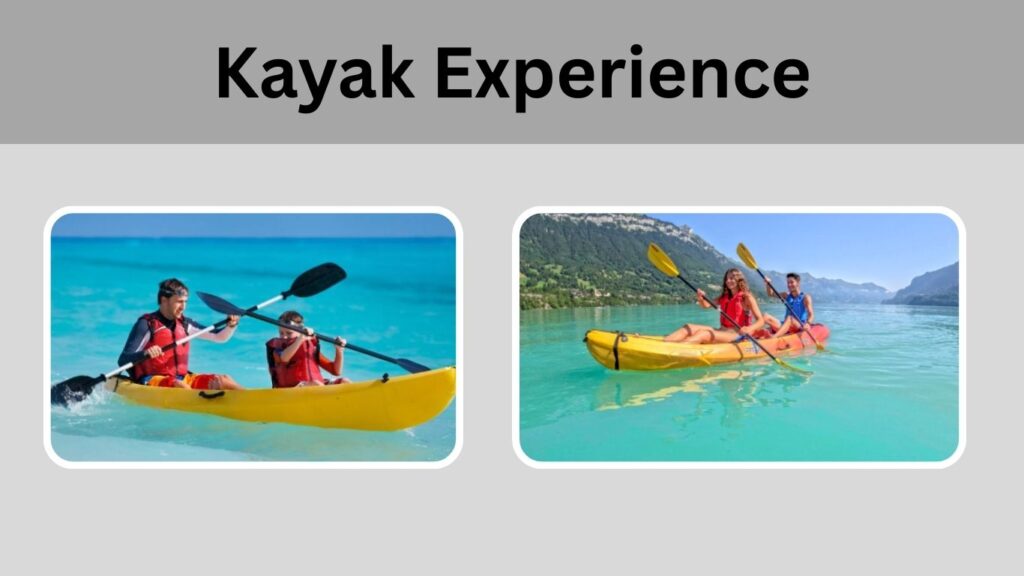
Kayaking isn’t just about paddling from one point to another; it’s about creating memories and enjoying the journey. With a few extra touches, your rental experience can be even more rewarding.
1. Take Photos Safely
Bring a waterproof camera or use a phone in a dry case to capture the views. Secure your device with a strap so it doesn’t slip into the water while you’re paddling.
2. Combine Kayaking with Other Activities
Make your trip more exciting by adding fishing, bird-watching, or even a picnic onshore. Some rental shops offer fishing kayaks with rod holders if you want to combine both hobbies.
3. Explore Hidden Spots
Don’t just stick to the main route. Look for small coves, quiet inlets, or shaded areas along the shore. These spots often provide beautiful scenery and a peaceful break from busier waterways.
4. Go at Your Own Pace
There’s no need to rush. Take time to float, relax, and soak in your surroundings. Kayaking is as much about enjoying nature as it is about exercise.
5. Paddle with Friends or Family
Sharing the experience makes it more fun. Tandem kayaks are perfect for couples or parents with kids, while groups can create lasting memories exploring together.
By adding these simple touches, you’ll turn an ordinary rental into an unforgettable adventure filled with fun, relaxation, and discovery.
Costs and Budgeting for Kayak Rentals
One of the biggest advantages of renting a kayak is affordability. Instead of spending hundreds of dollars on buying and maintaining a kayak, you only pay for the time you use it. Still, prices can vary depending on location, kayak type, and rental service.
1. Typical Rental Rates
- Hourly rentals: Usually range from $10 to $20 per hour, great for beginners or short trips.
- Half-day rentals (3–4 hours): Around $25 to $40, giving you enough time to explore further.
- Full-day rentals (6–8 hours): Typically $40 to $70, ideal for longer adventures or fishing trips.
2. Extra Fees
Some shops may charge extra for accessories such as dry bags, spray skirts, or fishing equipment. Insurance, delivery, or late return fees can also increase the overall cost. Always ask for a full price breakdown before booking.
3. Group and Family Discounts
Many rental services offer discounts if you rent multiple kayaks or book as a group. Families can save by renting tandem kayaks instead of several single kayaks.
4. Budgeting Tips
If you plan multiple trips, ask about membership deals, punch cards, or seasonal passes. These can lower costs in the long run. Packing your own snacks, water, and sunscreen also helps reduce extra spending.
By knowing the rental rates and budgeting smartly, you can enjoy kayaking adventures without overspending.
Environmental Responsibility
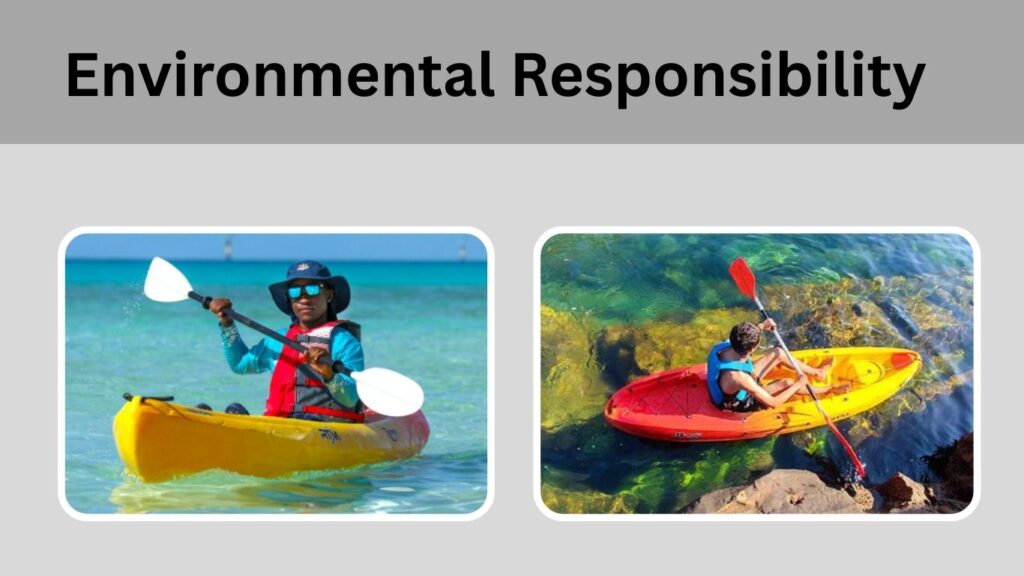
Kayaking allows you to enjoy nature up close, but it also comes with the responsibility of protecting the environment. Practicing good habits ensures waterways remain clean and safe for wildlife and future paddlers.
1. Follow “Leave No Trace” Principles
Carry out everything you bring in. Never leave behind food wrappers, bottles, or fishing gear. Use a dry bag to store your trash until you return to shore.
2. Respect Wildlife
Keep a safe distance from birds, fish, and other animals. Avoid chasing or feeding wildlife, as it disrupts their natural behavior and can harm their health.
3. Stay on Designated Routes
Stick to approved waterways and avoid entering fragile habitats like nesting areas or shallow marshes. These areas are important for local ecosystems.
4. Prevent Water Pollution
Avoid spilling sunscreen, insect repellent, or other chemicals directly into the water. Choose eco-friendly products when possible.
5. Be Mindful of Noise
Kayaking is naturally quiet; keep it that way. Avoid loud music or shouting, as it can disturb wildlife and other paddlers.
By practicing environmental responsibility, you help preserve the beauty of lakes, rivers, and oceans, making sure they remain enjoyable for everyone in the years to come.
Conclusion
Kayak rentals make it easy for anyone to enjoy the excitement of paddling without the cost or hassle of owning a kayak. From calm lakes to scenic rivers and coastal adventures, renting gives you the flexibility to explore different waters safely and affordably. With the right planning, safety measures, and respect for the environment, your kayaking trip can be both fun and memorable. Whether you’re a first-timer or a seasoned paddler, renting a kayak is the perfect way to embrace adventure and connect with nature.