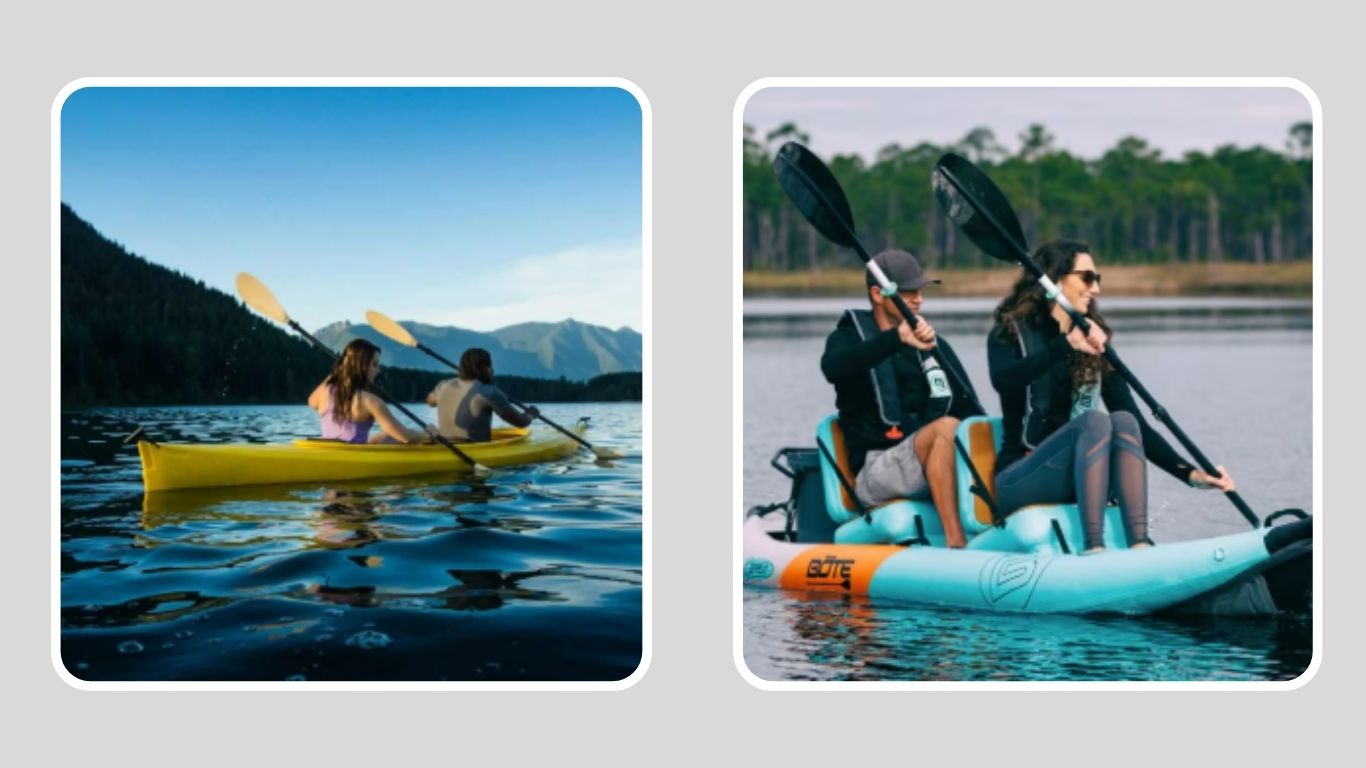
Kayaking is one of the best ways to enjoy the outdoors, explore the water, and share unforgettable adventures. While solo kayaks are great for personal trips, many people prefer the fun and connection that comes with paddling together in a 2-person kayak. Whether you’re heading out with a partner, friend, family member, or even your child, a tandem kayak lets you experience teamwork, laughter, and shared memories on the water. In this guide, we’ll explore the best 2-person kayaks, their features, and tips to help you paddle together with ease.
Why Choose a 2-Person Kayak?
When it comes to kayaking, many people start out thinking about solo boats. After all, kayaking can feel like a personal sport, just you, the paddle, and the water. But once you try a 2-person kayak, also called a tandem kayak, you quickly see the difference. Tandem kayaks aren’t just about fitting two people into one boat; they’re about turning kayaking into a shared experience. Whether you’re out for fun, fishing, exercise, or long tours, having a partner on board changes the entire adventure. Let’s look at why many paddlers choose a tandem over a single kayak.
1. Shared Adventure and Bonding
One of the biggest reasons people love tandem kayaks is the chance to share the journey. Instead of paddling alone in silence, you can talk, laugh, and enjoy nature with someone close to you. Couples often find tandem kayaking romantic, as it allows them to spend quality time together on calm lakes, at sunset, or while exploring quiet rivers. Families love it too, because it makes adventures more interactive. Even friends enjoy the teamwork—it’s a lot more fun when you can cheer each other on, race with other kayaks, or just float side by side, enjoying the view.
Imagine paddling down a scenic river. On your own, you’d admire the beauty, but with someone beside you, you’re sharing that beauty. It’s not just about reaching the destination—it’s about making memories on the way.
2. Teamwork and Efficiency
Kayaking in pairs isn’t just fun, it’s efficient. With two people paddling in sync, you can travel farther and faster without getting as tired. On a long trip, this makes a big difference. Instead of one person doing all the work, the effort is shared, allowing both paddlers to enjoy the journey without feeling worn out too quickly.
The front paddler usually sets the rhythm, while the back paddler helps steer and adjust. This teaches communication and coordination, making the ride smoother. Couples often joke that tandem kayaking is the ultimate “relationship test,” but in truth, it’s a great way to learn how to work together.
3. Great for Families
If you’re a parent, tandem kayaks are perfect for getting kids out on the water safely. Many models are designed with enough space for a child to sit in the middle, making it easy to bring your little one along. Some parents even take their pets, dogs especially love sitting at the front, ears flapping in the breeze as the kayak glides forward.
For families who want to teach kids about water safety and outdoor fun, tandems are an excellent choice. They allow children to experience kayaking without the responsibility of steering or balancing on their own. Over time, kids can even take turns paddling, learning the basics while still under the guidance of an adult.
4. Cost-Effective Option
Buying two separate kayaks can be expensive, not to mention tricky when it comes to storage and transportation. A tandem kayak saves you money because it’s one boat instead of two. You only need one set of roof racks, one storage space, and less overall gear. For couples or families on a budget, this makes kayaking much more accessible.
Also, if you rent kayaks often, switching to your own tandem kayak pays off quickly. Instead of renting two singles every time, you invest once in a durable tandem that can last for years.
5. Flexibility for Solo and Group Paddling
Another great advantage is flexibility. Some tandem kayaks are designed so you can paddle them solo if your partner can’t make it. Adjustable seats let you center yourself in the middle for balance, giving you the freedom to go out alone. This versatility makes tandem kayaks a smart investment because you’re not limited to always needing two people.
Plus, you can mix and match adventures. Some days it’s you and your partner paddling together. Other days, it’s you alone on a quiet trip, or maybe you bring your child or dog. One kayak, many possibilities.
6. Stability and Safety
Tandem kayaks are usually wider and more stable than single kayaks. This makes them a safer choice for beginners or for those who may be nervous about tipping over. Extra stability is especially helpful if you’re fishing, carrying kids, or kayaking on waters with light waves. Two paddlers also mean extra safety; if one person gets tired or needs help, the other can step in.
7. Perfect for Different Activities
Tandem kayaks aren’t limited to one type of adventure. Some are designed for fishing, with rod holders and storage. Others are built for touring long distances, or just relaxing on calm lakes. Whatever your hobby, photography, camping, or wildlife watching, a tandem kayak gives you more room to bring gear and share the fun with someone else.
8. Unforgettable Memories
At the end of the day, choosing a 2-person kayak is about making experiences more meaningful. Whether it’s paddling through crystal-clear waters on vacation, fishing with your best friend, or watching the sunrise with your partner, a tandem kayak turns those moments into lasting memories.
Types of 2-Person Kayaks
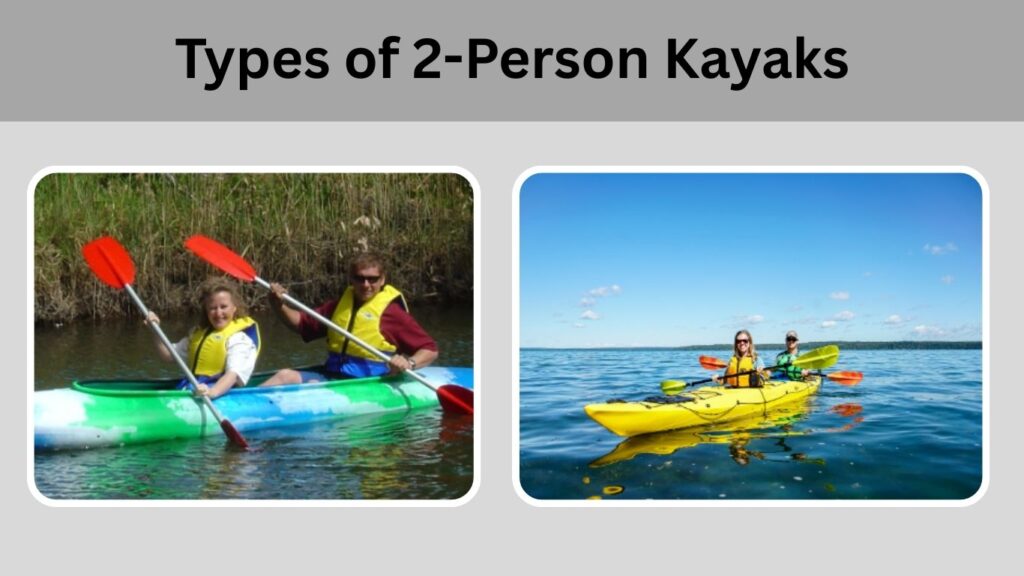
Two-person kayaks come in different shapes, sizes, and builds, each designed to meet specific needs. Some are built for fun on calm lakes, others for fishing adventures, and some for long-distance touring on the ocean. Choosing the right type of tandem kayak can make the difference between a smooth, enjoyable ride and a frustrating day on the water. Let’s look at the main categories of 2-person kayaks, their benefits, and what type of paddler they’re best suited for.
Sit-on-Top Tandem Kayaks
Sit-on-top kayaks are perhaps the most beginner-friendly type. Unlike sit-inside models, where you climb into a cockpit, sit-on-top kayaks feature an open deck where you sit on molded seats above the hull.
Why They’re Popular:
- They’re incredibly easy to use. Just sit down and start paddling—no climbing in or out of tight spaces.
- If you tip over, it’s easy to climb back on from the water.
- They drain water automatically through scupper holes, so you don’t need to bail water out.
Best For:
- Beginners who want to learn kayaking without stress.
- Families who need an easy entry for kids.
- Warm-weather adventures where getting wet is part of the fun.
Practical Example:
Think of a family outing on a sunny beach day. With a sit-on-top tandem kayak, parents can paddle while kids jump on and off for a swim. If the boat flips, no problem—it’s quick to climb back in.
Downsides:
Because they are open, you will almost always get wet. They’re not the best choice for cold or windy conditions.
Sit-Inside Tandem Kayaks
Sit-inside kayaks are more traditional in design. You sit in a cockpit inside the hull, with your legs under the deck. This design provides better protection from water and wind.
Why They’re Popular:
- You stay drier, making them ideal for colder climates.
- Sitting lower gives you a better balance and smoother paddling.
- They’re often narrower, allowing for better speed and tracking in the water.
Best For:
- Paddlers who enjoy long tours on lakes or rivers.
- Cooler regions where staying dry is important.
- Adventurers who want better performance and control.
Practical Example:
Imagine paddling in early spring on a chilly lake. A sit-inside tandem keeps your legs dry and warm, while the enclosed cockpit helps cut the wind.
Downsides:
They can be harder to get in and out of, and if they flip, water can fill the cockpit (though many come with spray skirts or covers for added protection).
Inflatable Tandem Kayaks
Inflatable kayaks have grown in popularity because of their convenience. Made from strong PVC or rubber materials, they can be deflated, rolled up, and carried in a bag.
Why They’re Popular:
- Lightweight and easy to transport. You don’t need a roof rack or trailer.
- Great for people with limited storage space, like apartment dwellers.
- Many modern models are durable enough to handle rivers, lakes, and even some whitewater.
Best For:
- Travelers who want to bring a kayak on road trips or vacations.
- Paddlers with small cars or no garage space.
- Beginners who want an affordable, versatile option.
Practical Example:
After a day on the water, you deflate the kayak, roll it into its carrying bag, and toss it in your trunk. No heavy lifting, no special storage, it’s that simple.
Downsides:
While durable, they usually aren’t as fast or rigid as hard-shell kayaks. Also, they require inflating and deflating before and after each trip.
Fishing Tandem Kayaks
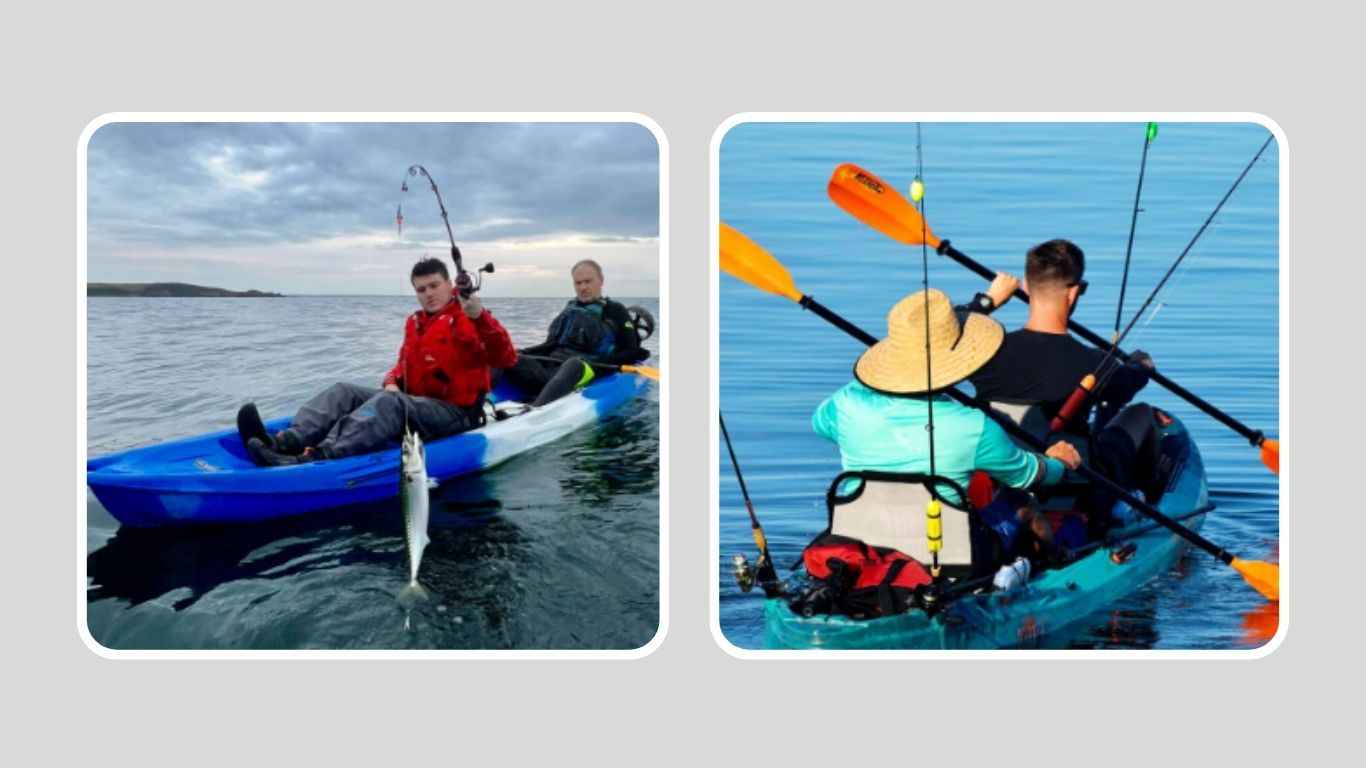
Fishing tandems are designed specifically for anglers who want stability and space. They often have wide hulls, rod holders, gear tracks, and plenty of storage for tackle boxes and coolers.
Why They’re Popular:
- The extra stability allows you to stand up and cast lines without tipping.
- Built-in fishing features like rod holders, storage hatches, and mounting options for fish finders.
- Some include pedal-drive systems so you can fish hands-free while moving.
Best For:
- Anglers who want to fish with a partner.
- Families who enjoy both paddling and fishing.
- Paddlers who need extra storage space for gear.
Practical Example:
You and your friend head out at sunrise with rods, bait, and a cooler. The wide fishing tandem lets one person paddle while the other sets up gear, making the trip smooth and productive.
Downsides:
They’re heavier and slower compared to recreational tandems, so they’re not built for speed or long-distance touring.
Touring / Sea Tandem Kayaks
Touring and sea kayaks are built for serious adventures. They are long, sleek, and narrow, designed for speed and efficiency on large bodies of water.
Why They’re Popular:
- Excellent tracking (ability to go straight) and speed.
- Built to handle choppy waters and waves.
- Equipped with dry storage hatches for camping gear and supplies.
Best For:
- Experienced paddlers who want performance.
- Long-distance trips, like camping or multi-day tours.
- Coastal paddling or open-water exploration.
Practical Example:
A couple sets out for a weekend tour along the coastline. Their touring tandem has enough storage for tents, sleeping bags, and food. It cuts smoothly through waves, making long-distance paddling efficient.
Downsides:
Because they’re longer, they can be harder to transport and store. They also require more skill to handle compared to shorter recreational models.
Whitewater Tandem Kayaks
Though less common, there are tandem kayaks built for whitewater rivers. They’re shorter, more maneuverable, and extremely stable in rough waters.
Best For:
- Thrill-seekers who want to tackle rapids with a partner.
- Adventure travelers who enjoy adrenaline-filled water sports.
Downsides:
Not versatile for everyday paddling, they’re designed for whitewater only.
Key Features
Buying a tandem kayak is an exciting decision, but it’s also an investment. With so many different models on the market, it’s important to know which features matter most. The right kayak for you will depend on how, where, and with whom you plan to paddle. Below are the most important features to consider before making your choice.
1. Size and Dimensions
The size of a kayak affects everything: speed, stability, comfort, and storage.
- Length: Most tandem kayaks range between 10 and 16 feet. Shorter ones are easier to maneuver and store, while longer ones track straighter and are faster on the water.
- Width: Wider kayaks are more stable, which is great for beginners and fishing. Narrower kayaks are faster but may feel less steady.
- Depth: A deeper kayak gives more legroom and comfort, but also catches more wind.
Tip: If you plan on long-distance trips, go for a longer kayak. For family fun or short paddles, a shorter one is enough.
2. Weight Capacity
Every tandem kayak has a weight limit, usually between 400 and 700 pounds. This includes the paddlers, kids, or pets, and all gear.
Why It Matters:
If you overload a kayak, it sits lower in the water, making it harder to paddle and less safe.
Tip: Choose a kayak with at least 100 pounds more capacity than your combined weight and gear. This ensures comfort and stability.
3. Material
The material of a kayak affects durability, weight, and cost.
- Polyethylene Plastic: Affordable and durable, but heavy.
- Fiberglass/Composite: Lightweight and fast, but more expensive and can chip.
- PVC/Rubber (Inflatables): Portable and convenient, but not as rigid as hard shells.
Tip: If you want portability, go inflatable. If you want speed and performance, fiberglass is best. For budget and durability, polyethylene works well.
4. Comfort Features (Seats & Legroom)
Since tandem kayaking often means longer paddling times, comfort matters.
- Seats: Look for padded, adjustable seats with back support. Some tandems even include high-back or stadium-style seats for extra comfort.
- Legroom: Adjustable footrests are important, especially if paddlers are of different heights.
- Extra Space: Some kayaks include a third seat in the middle for a child or pet.
Tip: Test the seating if possible; an uncomfortable seat can ruin a long trip.
5. Stability vs. Speed
Kayaks are designed differently depending on their main purpose.
- Stable kayaks: Wider hulls are best for fishing, beginners, and families.
- Fast kayaks: Narrower, longer hulls are better for touring and open water.
Tip: Ask yourself if you care more about relaxing safely or covering long distances quickly.
6. Storage Options
Storage can make or break your kayaking experience, especially if you plan on fishing or camping.
- Dry Storage Hatches: Keep food, phones, and valuables safe.
- Bungee Deck Rigging: For quick access to gear like jackets or water bottles.
- Fishing Features: Look for rod holders and gear tracks if you’re an angler.
Tip: Always pack light; a kayak with too much gear feels heavy and sluggish.
7. Portability and Transport
Consider how you’ll move your kayak from home to the water.
- Weight of the kayak: Some tandems can weigh over 70 pounds.
- Carrying handles: Many kayaks include molded or soft handles for easier lifting.
- Inflatables: Easy to carry in a backpack, but require inflation time.
Tip: If you don’t have roof racks or strong arms, go for an inflatable tandem.
8. Safety Features
Never overlook safety.
- Scupper Holes (Sit-on-Tops): Drain water automatically.
- Bulkheads (Sit-Insides): Keep the kayak from sinking if water enters.
- High Visibility Colors: Bright kayaks are easier for boats to spot on open water.
Tip: Always pair these features with personal safety gear like life vests and whistles.
9. Extra Accessories
Some tandem kayaks come with helpful extras that add to the value:
- Paddles included (saves money for beginners).
- Cup holders or cooler space.
- Mounts for GoPro cameras or GPS.
- Pedal drives for hands-free fishing.
Bottom Line:
When choosing a 2-person kayak, look beyond just price. Think about your paddling style, the waters you’ll explore, and the comfort you need. A kayak that’s perfect for fishing may not work for long-distance touring, and a speedy sea kayak might not be the best for family fun.
Top 5 Two-Person Kayaks: In-Depth Reviews
Choosing the right tandem kayak is much easier when you know the best options available. Below are five of the most popular and reliable 2-person kayaks you can buy today. Each one has unique strengths, making them perfect for different paddling styles—from calm lakes to ocean adventures, or from fishing to family fun.
1. Intex Excursion Pro Kayak (Inflatable)
Overview
The Intex Excursion Pro is one of the most loved inflatable tandem kayaks. It’s lightweight, budget-friendly, and easy to store, yet tough enough for both beginners and experienced paddlers. Made from laminated PVC with polyester core, it resists punctures and UV damage, giving it surprising durability for an inflatable model.
Design & Build
- Inflatable but rigid when fully pumped, thanks to high-pressure inflation.
- Red and grey design makes it highly visible on the water.
- Seats are adjustable and removable, so you can set it up for one or two paddlers.
Comfort
- Padded adjustable seats with footrests provide decent support.
- Roomy enough for two adults plus some gear.
- Lightweight paddles are included for convenience.
Performance
- Stable on calm waters, rivers, and even light ocean paddling.
- Removable skegs improve tracking, making it easier to go straight.
- Not as fast as a hard-shell kayak, but great for recreational trips.
Storage & Features
- Two detachable fishing rod holders.
- Stainless steel D-rings for attaching dry bags or gear.
- Inflates in under 10 minutes with included pump.
Best For
Travelers, beginners, and casual paddlers who need portability and affordability.
Pros
- Affordable and easy to transport.
- Comes with paddles, pump, and carry bag.
- Great for beginners.
Cons
- Slower than hard-shell models.
- Seats may feel less supportive on very long trips.
2. Ocean Kayak Malibu Two (Sit-on-Top)
Overview
The Ocean Kayak Malibu Two is one of the most popular hard-shell tandems worldwide. Known for its stability, versatility, and family-friendly design, this sit-on-top kayak is great for beginners, couples, or parents paddling with kids.
Design & Build
- Rotomolded polyethylene makes it extremely durable.
- Bright color options for high visibility.
- Three molded seating positions: bow, stern, and middle.
Comfort
- Molded footrests accommodate paddlers of all sizes.
- It can fit two adults and a child, or even a pet.
- The open sit-on-top design makes it easy to get in and out.
Performance
- Very stable on lakes, rivers, and calm coastal waters.
- Wide hull design gives excellent balance, even when paddling with kids.
- Not the fastest kayak, but perfect for relaxed adventures.
Storage & Features
- Open deck with bungee cords for gear.
- Comfortable grab handles for transport.
- Lightweight compared to other hard-shell tandems.
Best For
Families, beginners, and recreational paddlers who want a safe and stable kayak.
Pros
- Extremely stable.
- Fits up to 2 adults + 1 child.
- Durable and long-lasting.
Cons
- Limited storage space.
- Not designed for speed or long-distance touring.
3. Sevylor Coleman Colorado (Fishing Kayak)
Overview
If you love fishing, the Sevylor Coleman Colorado inflatable kayak is designed just for you. With multiple rod holders, gear storage, and motor mount capability, it’s a fisherman’s dream tandem kayak.
Design & Build
- Made from tough 18-gauge PVC with a tarpaulin bottom.
- Inflatable but rugged, suitable for fishing trips.
- Green camouflage design for blending into nature.
Comfort
- Adjustable padded seats with back support.
- Plenty of legroom for two adults.
- Quiet movement on the water, which helps avoid spooking fish.
Performance
- Not the fastest, but extremely stable for fishing.
- Built-in rod holders let you fish hands-free.
- An optional trolling motor mount is available for longer trips.
Storage & Features
- Mesh pockets and D-rings for gear attachment.
- Multiple air chambers for safety.
- Easy to inflate/deflate with Boston valves.
Best For
Anglers who want an affordable, portable fishing kayak.
Pros
- Designed specifically for fishing.
- Rugged and puncture-resistant.
- It can be upgraded with a motor.
Cons
- Heavy compared to other inflatables.
- Slower paddling speed.
4. Perception Pescador 13.0 Tandem (Hard-Shell Fishing Kayak)
Overview
The Perception Pescador 13.0 Tandem is a premium hard-shell kayak built for fishing and longer paddling trips. It offers high performance, durability, and lots of features designed for anglers.
Design & Build
- Rotomolded polyethylene body, tough and long-lasting.
- Sit-on-top design for easy access.
- Length: 13 feet, giving excellent tracking and speed.
Comfort
- Stadium-style, padded, adjustable seats.
- Molded footrests fit different paddler heights.
- Spacious enough for long fishing sessions.
Performance
- Excellent tracking and speed in open water.
- A wide hull ensures stability while fishing.
- Performs well in lakes, rivers, and coastal waters.
Storage & Features
- Large rear storage tank with bungee cords.
- Dry storage hatch for valuables.
- Rod holders and gear mounting options.
Best For
Anglers who want a durable, feature-rich kayak for serious fishing trips.
Pros
- Very stable yet fast.
- Plenty of storage for fishing gear.
- Built to last for years.
Cons
- Heavy (over 70 lbs).
- More expensive than inflatable models.
5. Advanced Elements Advanced Frame Convertible (Hybrid Kayak)
Overview
The AdvancedFrame Convertible is a unique hybrid kayak, combining the portability of an inflatable with the performance of a hard-shell. It’s one of the most versatile tandem kayaks available.
Design & Build
- Aluminum ribs in the bow and stern give it a rigid frame.
- Triple-layer material resists punctures.
- Convertible design, can be used as a single or tandem.
Comfort
- Padded, adjustable seats with high backrests.
- Plenty of space for taller paddlers.
- Can be configured with optional deck covers for different styles (open, closed, or tandem).
Performance
- Tracks almost like a hard-shell kayak.
- Stable but also quick enough for long touring trips.
- Handles well in lakes, rivers, and ocean bays.
Storage & Features
- Multiple storage compartments.
- Bungee deck lacing for gear.
- Easy to inflate and set up in under 15 minutes.
Best For
Travelers, couples, and serious paddlers who want flexibility and performance.
Pros
- Hybrid design, best of both worlds.
- Excellent tracking and speed.
- Packs down into a car trunk.
Cons
- More expensive than most inflatables.
- Slightly heavier to carry compared to basic inflatables.
Safety Tips and Gear for 2-Person Kayaking
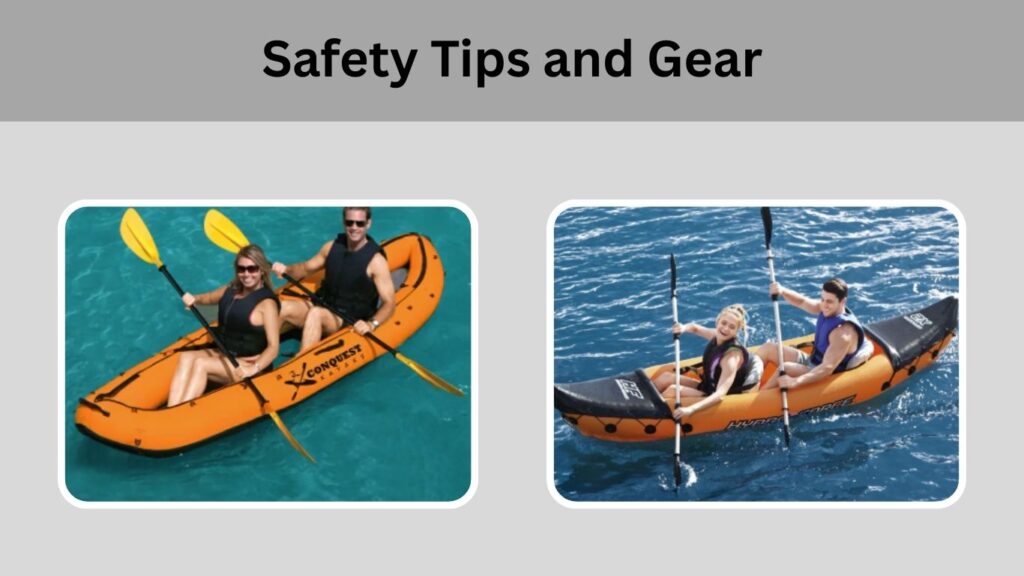
Kayaking is fun and adventurous, but safety should always come first, especially when two people are sharing one boat. With two paddlers, the responsibility for safety doubles because both need to stay alert and prepared. Whether you’re exploring calm lakes, flowing rivers, or even coastal waters, the right safety practices and equipment can make all the difference.
Below are the essential safety tips and gear every tandem kayaking team should know and carry:
Always Wear a Life Jacket (PFD)
A personal flotation device (PFD) is non-negotiable. Even the best swimmers can get tired, injured, or surprised by strong currents.
- Choose Coast Guard-approved life jackets.
- Make sure they fit snugly but comfortably.
- Both paddlers should wear them at all times, not just store them on board.
Check the Weather and Water Conditions
Before heading out, always check the forecast.
- Avoid kayaking in storms, high winds, or strong currents.
- Remember: water conditions can change quickly, especially in oceans or large lakes.
- If you’re new, stick to calm, sheltered areas until you gain more experience.
Carry Safety Gear
A tandem kayak has more space, so use it wisely to pack safety essentials:
- Whistle or signaling device – to call for help.
- Bilge pump or sponge – to remove water from the kayak.
- First aid kit – for minor cuts or injuries.
- Tow rope – in case one kayak needs assistance.
- Dry bags – to keep electronics and clothes safe.
Practice Re-Entry Techniques
Capsizing can happen to anyone, even experienced paddlers. Learn how to get back into the kayak as a team.
- Stay calm and keep hold of your paddle.
- Work together to flip the kayak upright.
- Help each other climb back in one at a time.
Practicing this in shallow water builds confidence for real situations.
Wear the Right Clothing
Clothing can protect you from sunburn, cold water, and sudden weather changes.
- In warm weather: Quick-dry shirts, shorts, and hats.
- In cold weather: Wet suits or dry suits for insulation.
- Always wear water shoes for grip and foot protection.
Stay Visible
Other boats may not see you easily, especially in busy waterways.
- Choose bright-colored kayaks or paddles.
- Attach a flag to your kayak if paddling in areas with motorboats.
- Consider small LED lights if kayaking near dusk.
Know Your Limits
Paddling a tandem kayak requires teamwork and stamina. Don’t push too far if you’re feeling tired or the water is getting rough.
- Start with short trips and gradually go longer.
- Turn back before you’re too tired to paddle home.
- Respect nature, rivers, tides, and weather can be unpredictable.
Frequently Asked Questions (FAQ)
When people think about buying or using a tandem kayak, many common questions come up. Below are some of the most frequently asked questions along with clear, easy-to-understand answers.
Are 2-person kayaks harder to paddle than solo kayaks?
Yes and no. A tandem kayak can feel heavier and harder to control if the two paddlers aren’t in sync. However, when both people paddle together with good rhythm, it can actually move faster and feel easier than a single kayak. Teamwork makes a huge difference.
Can one person paddle a 2-person kayak alone?
Yes, but it depends on the design of the kayak. Some tandem kayaks allow you to adjust the seats so that a single paddler can sit in the middle for better balance. However, it will feel bulkier and slower compared to a solo kayak.
Are inflatable tandem kayaks safe?
Inflatable 2-person kayaks are generally very safe if they are high-quality and used properly. They are made from tough, puncture-resistant materials. Just make sure to inflate them correctly, avoid sharp rocks, and always carry a repair kit.
What’s the average weight limit of a 2-person kayak?
Most tandem kayaks have a weight limit between 400–650 pounds. This includes both paddlers plus any gear. Always check the manufacturer’s guidelines and avoid overloading to keep the kayak stable.
How do you steer a 2-person kayak?
The person in the back usually takes control of steering while the person in front focuses on setting the pace. The back paddler uses wider or shorter strokes to turn the kayak left or right. Clear communication between paddlers makes steering much easier.
What’s better: a sit-on-top or sit-inside tandem kayak?
- Sit-on-top kayaks are great for beginners, fishing, and warm-weather trips. They are easier to get in and out of and provide more space.
- Sit-inside kayaks offer more control, protection from splashes, and better performance in colder or rougher conditions.
The choice depends on your needs and where you plan to paddle.
How do you transport a 2-person kayak?
Tandem kayaks are longer and heavier than solo ones, so transport takes some planning. Options include:
- Car roof racks with kayak cradles or pads.
- A kayak trailer, if you have multiple kayaks.
- Inflatable kayaks are easier to carry and store in a trunk.
Can kids ride in a 2-person kayak?
Yes, many families use tandem kayaks for kids. If the child is too young to paddle, they can sit in the front seat while an adult steers from the back. Always ensure kids wear life jackets, and choose calm waters for safety.
How much do 2-person kayaks cost?
Prices vary depending on the type and material:
- Inflatable tandem kayaks: $150 – $500
- Recreational hard-shell tandems: $400 – $1,000
- High-performance or fishing tandems: $1,000 – $2,500+
Your choice depends on your budget and how often you’ll use it.
Do I need special paddles for a tandem kayak?
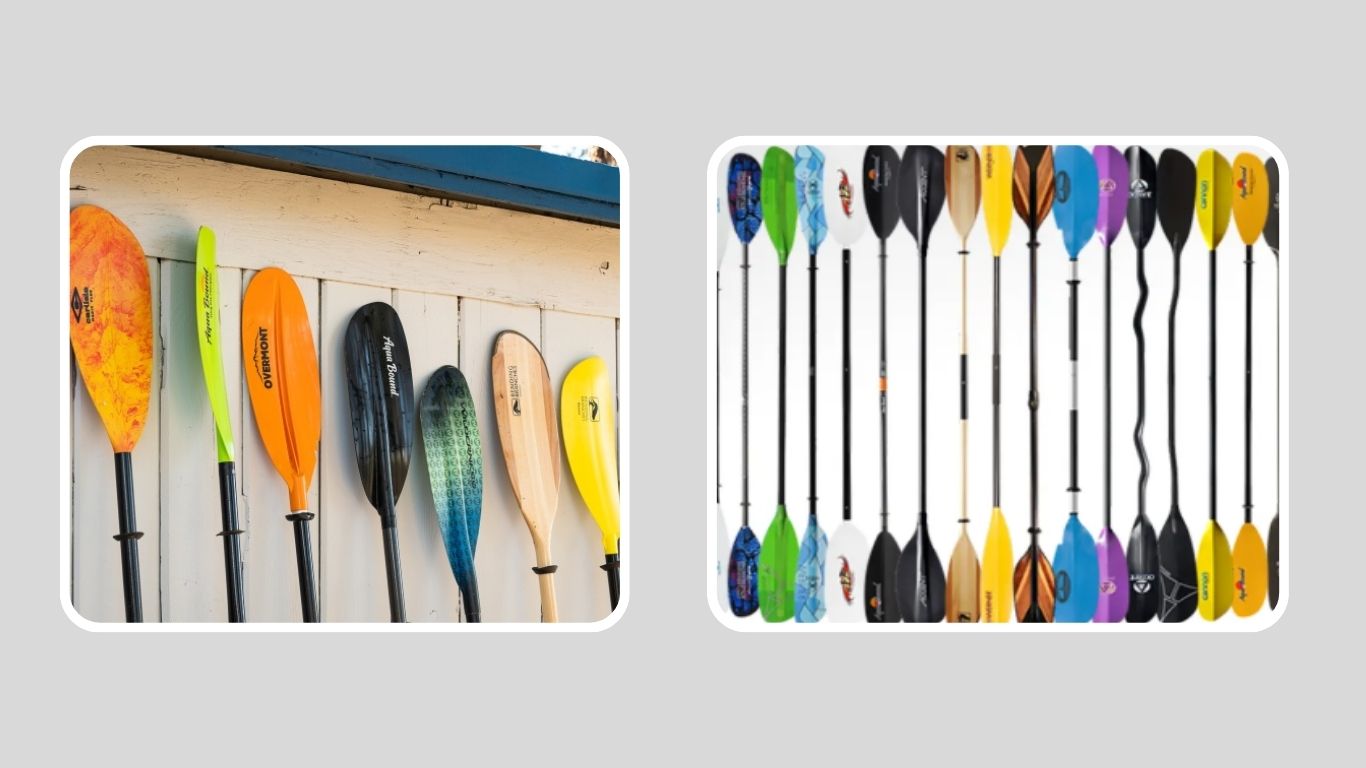
Not necessarily, but slightly longer paddles can help because tandem kayaks are wider than solo kayaks. Make sure both paddlers have paddles of the right length and weight for comfort.
Final Thoughts
2-person kayaks offer a perfect mix of fun, adventure, and teamwork. Whether you’re exploring calm lakes, rivers, or coastal waters, tandem kayaking allows you to share the experience with a partner while enjoying stability, extra storage, and safety. Choosing the right kayak depends on your needs: recreation, fishing, or touring, and following proper tips and safety measures ensures smooth paddling. With the right kayak and teamwork, every trip becomes an unforgettable adventure on the water.