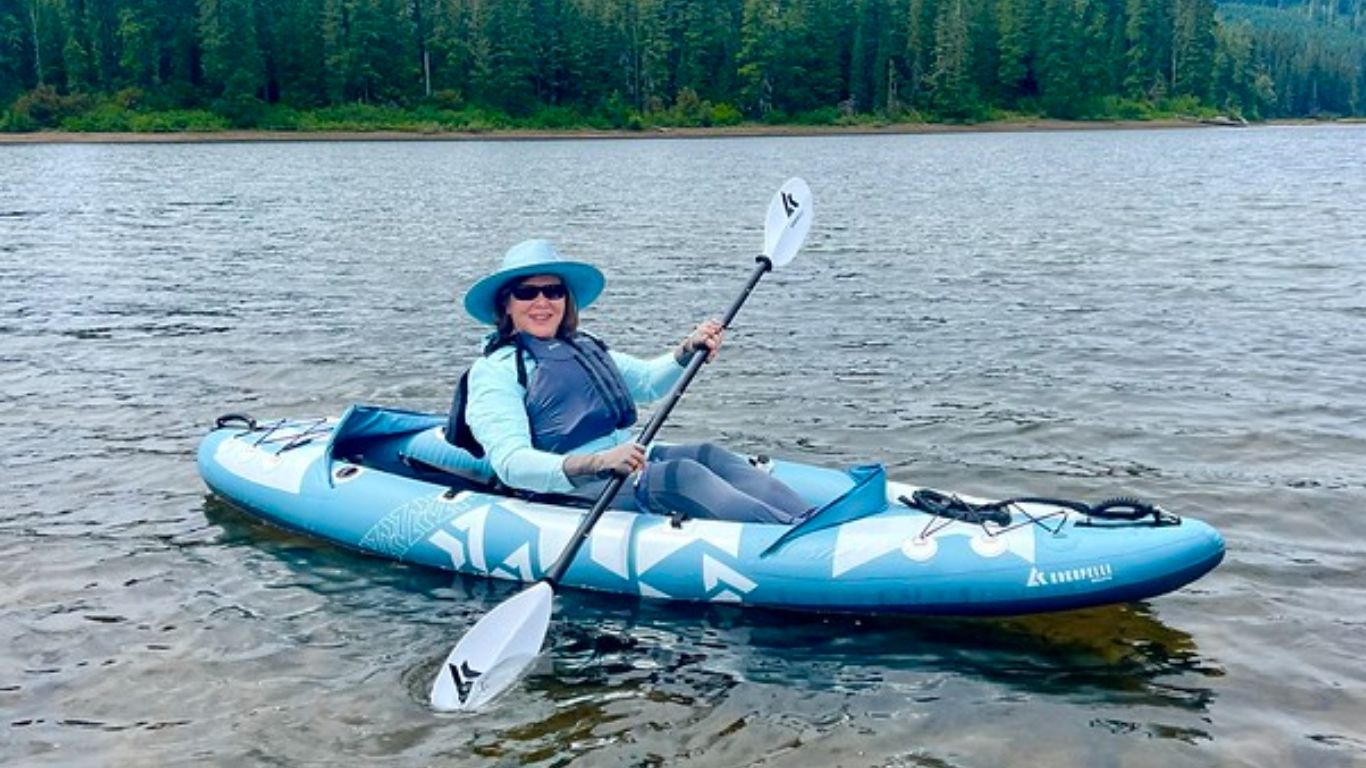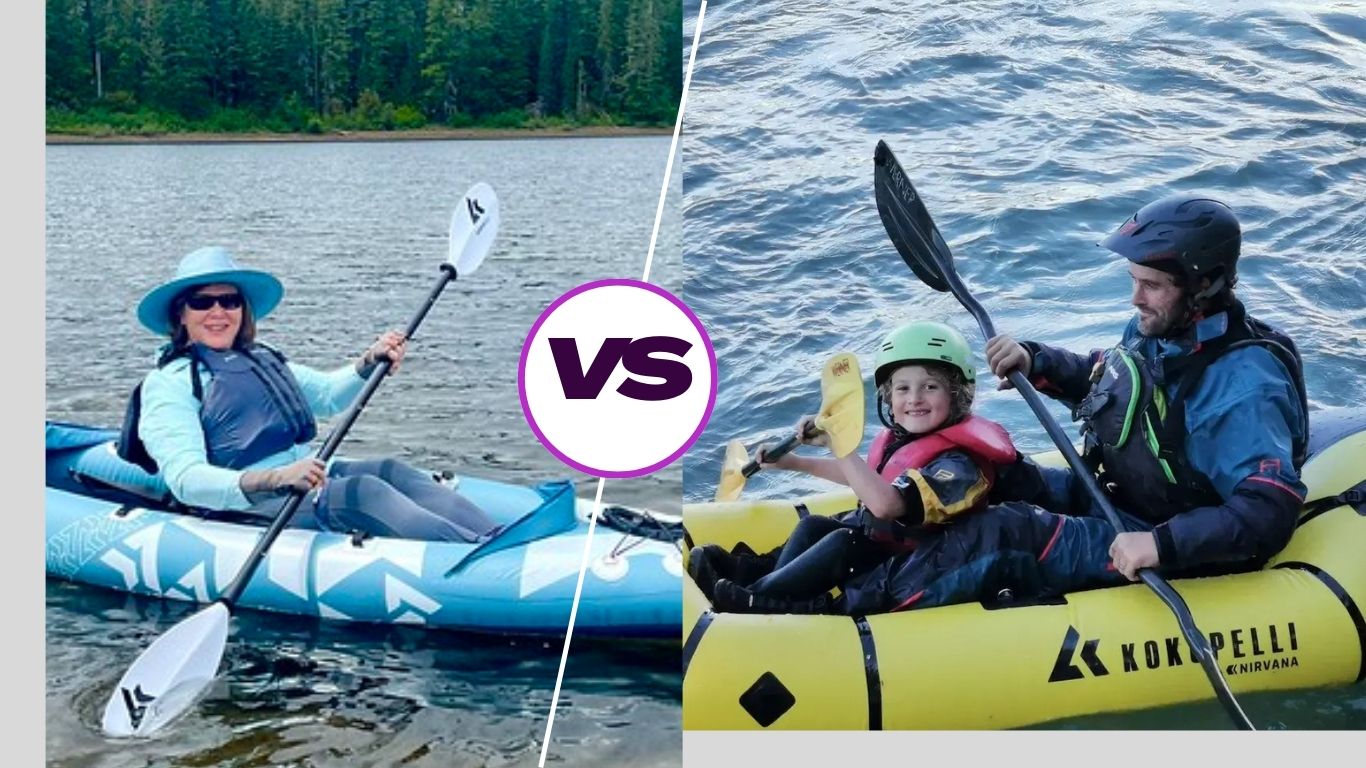
Packrafting has become one of the most exciting ways to explore rivers, lakes, and remote wilderness areas. Two brands dominate the conversation: Kokopelli and Alpacka. While both offer excellent watercraft, they differ in price, construction, weight, and intended audience. Choosing the right packraft depends on whether you’re looking for affordability, durability, or ultralight expedition performance. This comparison will break down the differences between Kokopelli and Alpacka to help you make the right choice.
Brand Overviews
About Kokopelli
Founded in Colorado, Kokopelli has made a name for itself by designing packrafts that balance affordability, durability, and performance. Their lineup includes models like the XPD, Rogue, Nirvana, and Recon, each designed for different types of paddlers. Kokopelli’s mission is to make packrafting more accessible to weekend adventurers, travelers, and newcomers who may not want to invest in premium gear right away.
About Alpacka
Alpacka, founded in Alaska, is widely recognized as the pioneer of modern packrafting. The company focuses on high-end craftsmanship, ultralight innovation, and advanced performance features. Alpacka rafts are designed for serious expeditions, whitewater challenges, and long-distance adventures. With premium pricing and cutting-edge designs, Alpacka appeals to paddlers who want the very best performance and reliability, even in extreme conditions.
Key Differences Between Kokopelli and Alpacka
Price Range
One of the biggest distinctions is cost:
- Kokopelli rafts generally retail between $749–$1,300, making them more budget-friendly.
- Alpacka rafts start at around $1,200 and can exceed $2,000, reflecting their premium materials and craftsmanship.
For beginners or casual paddlers, Kokopelli offers great value. For professionals or expedition-level adventurers, Alpacka’s higher price is justified by advanced performance.
Material & Construction
- Kokopelli offers models built with PVC (like the XPD) and TPU (like the Rogue and Nirvana). PVC is heavier but extremely tough, while TPU is lighter but still durable.
- Alpacka uses proprietary premium fabrics that are lighter, stronger, and more packable. Their welded seams and advanced designs reduce weight while maintaining exceptional durability.
The trade-off is simple: Kokopelli emphasizes rugged toughness and affordability, while Alpacka pushes for ultralight performance and cutting-edge materials.
Weight & Portability
- Kokopelli rafts often weigh more, with PVC-based models like the XPD around 14 pounds, making them heavier but very rugged.
- Alpacka rafts are much lighter, often 5–9 pounds, which makes them ideal for backpacking, long treks, or situations where every ounce matters.
If you plan to hike for miles with your raft, Alpacka has a clear advantage. If weight isn’t a major concern, Kokopelli delivers better value.
Performance on Water
- Kokopelli rafts focus on stability and beginner-friendly performance. They do well in calm lakes, slow rivers, and up to Class II rapids.
- Alpacka rafts excel in responsiveness, tracking, and handling whitewater up to Class IV rapids. Their designs cater to experienced paddlers who want precise control and advanced features like spray decks.
Model Comparisons
Kokopelli XPD vs Alpacka Classic
The Kokopelli XPD is a rugged PVC packraft built for durability and affordability, ideal for lakes and Class I–II rivers. The Alpacka Classic, on the other hand, is lighter, more compact, and tailored for longer adventures. If you value toughness and a lower price, the XPD wins. If you want ultralight portability and premium performance, the Classic is the clear choice.
Kokopelli Nirvana vs Alpacka Gnarwhal
The Nirvana is Kokopelli’s whitewater-ready packraft, capable of handling moderate rapids with good stability. The Gnarwhal from Alpacka is built for advanced whitewater paddling, offering superior control, spray decks, and reinforcement for Class III–IV rapids. Serious whitewater enthusiasts will prefer the Gnarwhal, while the Nirvana is perfect for paddlers who want an affordable way to test themselves in rapids.
Kokopelli Rogue vs Alpacka Expedition
The Rogue is Kokopelli’s travel-friendly packraft, lightweight and versatile, great for mixed trips with both hiking and paddling. The Expedition from Alpacka is designed for multi-day journeys, with features that make it comfortable and efficient for long-distance paddling. If you’re a casual adventurer, the Rogue offers excellent portability. If you’re planning serious expeditions, the Expedition provides superior performance.
Pros and Cons
Kokopelli Pros
- More affordable entry point into packrafting.
- Beginner-friendly designs with strong stability.
- Options for heavy-duty PVC or lighter TPU models.
- Good all-around performance for lakes, rivers, and light whitewater.
Kokopelli Cons
- Heavier than Alpacka, especially PVC models.
- Less advanced in technical whitewater handling.
- Not as specialized for ultralight backpacking.
Alpacka Pros
- Industry leader with innovative, lightweight materials.
- Exceptional handling in whitewater and long expeditions.
- Highly packable, making them perfect for multi-day treks.
- Wide range of specialized models for every type of paddler.
Alpacka Cons
- Higher cost, often double the price of Kokopelli.
- May be overkill for casual or beginner paddlers.
- Premium fabrics require careful handling and maintenance.
Who Should Choose Kokopelli?
Kokopelli is the right fit if you are:
- A beginner looking for an affordable way into packrafting.
- A weekend adventurer who values durability over ultralight weight.
- Someone who often paddles in rocky rivers or shallow waters where toughness matters.
- Budget-conscious buyers who still want a reliable raft without spending $2,000+.
Who Should Choose Alpacka?
Alpacka is the better choice if you are:
- An experienced paddler who needs top-tier performance.
- Planning long-distance or multi-day expeditions where weight and efficiency are critical.
- Interested in serious whitewater (Class III–IV) paddling.
- Willing to invest in premium craftsmanship and innovation.
Final Verdict
Both Kokopelli and Alpacka are excellent packraft brands, but they serve different audiences.
- Choose Kokopelli if you want a durable, stable, and budget-friendly packraft that’s ideal for beginners and weekend paddlers. Models like the XPD and Rogue strike a great balance between performance and affordability.
- Choose Alpacka if you want the best of the best in terms of lightweight design, whitewater performance, and expedition-ready features. The higher price is justified if you’re serious about long-distance adventures or advanced paddling.
In short, Kokopelli = value and accessibility, while Alpacka = premium and performance.
FAQs
Are Kokopelli packrafts as durable as Alpacka?
Kokopelli PVC models (like the XPD) are extremely tough and resist abrasion well. Alpacka rafts, while lighter, use advanced fabrics designed for both durability and performance. Both last long with proper care, but Kokopelli’s PVC is better for rough handling.
Why are Alpacka packrafts more expensive?
Alpacka uses proprietary ultralight fabrics, handcrafts their rafts in the USA, and designs specialized models for advanced performance. This innovation and premium build quality come at a higher cost.
Can beginners start with an Alpacka packraft?
Yes, but it’s not always necessary. Beginners often benefit from Kokopelli’s lower-cost, stable rafts before upgrading. Alpacka is better suited for those ready to invest in long-term, advanced use.
Which is better for whitewater, Kokopelli or Alpacka?
Alpacka models like the Gnarwhal are superior for technical Class III–IV rapids. Kokopelli’s Nirvana is a solid entry-level whitewater option but is limited to Class II–III conditions.
Do both brands offer warranty and repair services?
Yes, both Kokopelli and Alpacka provide warranties and repair options. Alpacka is known for excellent customer service, while Kokopelli also offers repair kits and support for long-term use.