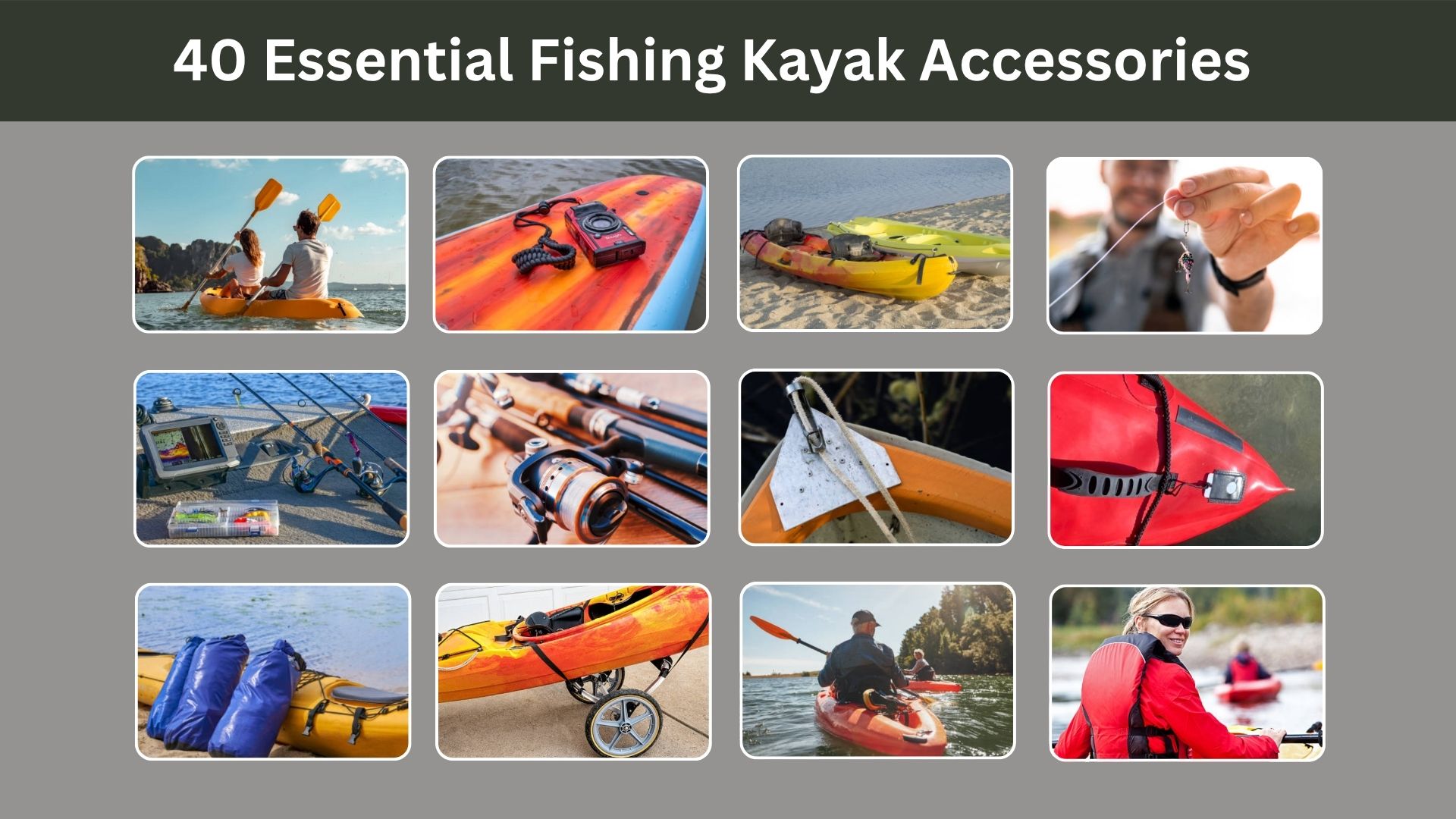
Equipping your kayak with the right accessories can transform a simple fishing trip into a safe, efficient, and enjoyable experience. From paddle essentials and rod holders to safety gear and sun protection, each item plays a vital role on the water. In this guide, discover 40 must-have fishing kayak accessories—organized by function—to help you fish smarter, stay comfortable, and make the most of every outing.
1. Paddle
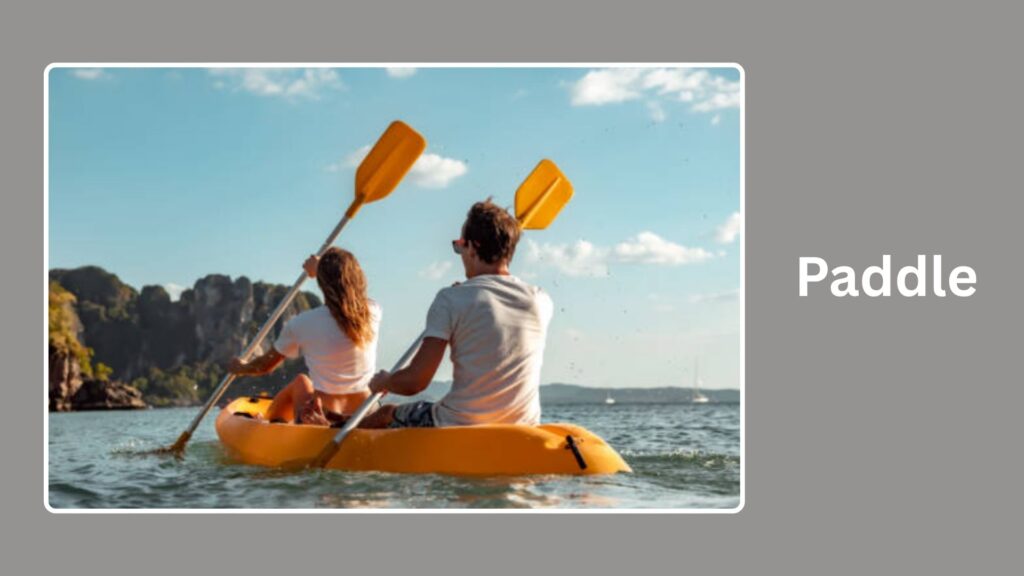
A kayak paddle is the most essential accessory for any fishing kayak. It not only moves your kayak but also impacts your comfort, control, and efficiency during long fishing trips. The right paddle can make your time on the water smoother and more enjoyable.
Types of Kayak Paddles
- Low-angle paddle
- High-angle paddle
- Feathered paddle
- Unfeathered paddle
- Two-piece paddle
- Four-piece paddle
Blade Design
The shape and structure of the blade affect how water flows off during each stroke. Asymmetrical blades are designed for better balance and wrist comfort. Dihedral blades include a central ridge that helps guide water evenly for smoother paddling.
Paddle Materials
Materials matter when it comes to weight and durability. Aluminum paddles are budget-friendly but heavier. Fiberglass offers a lighter feel with decent strength, while carbon fiber paddles are the lightest and most efficient, making them a top choice for long-distance fishing.
Paddle Length
The ideal paddle length depends on both your height and the width of your kayak. A wider kayak generally requires a longer paddle. Using the wrong length can lead to extra effort and fatigue, especially on longer trips.
2. Paddle Leash
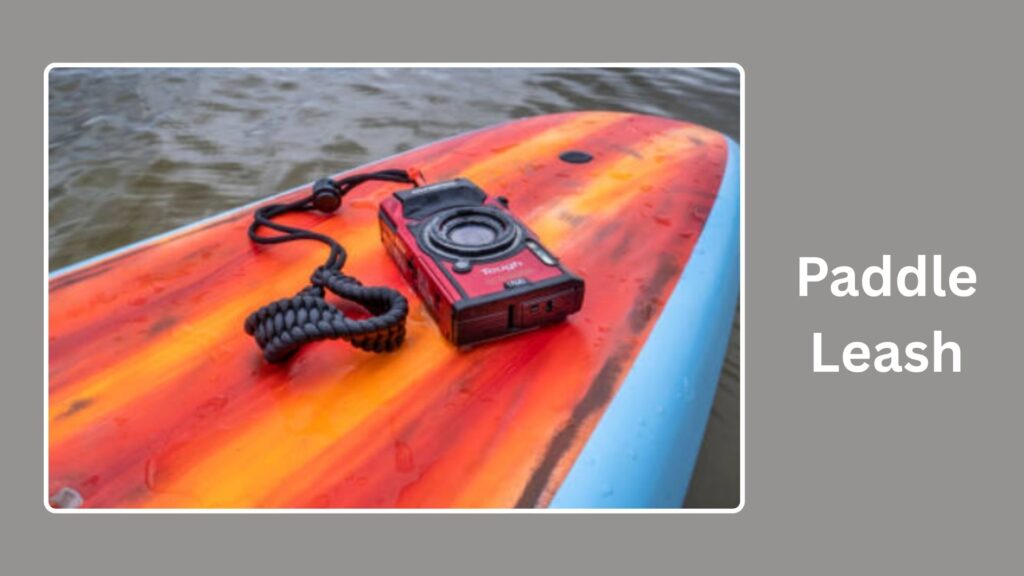
A paddle leash is a simple yet vital accessory that prevents your paddle from drifting away if dropped into the water. It ensures your paddle stays attached to the kayak, especially in windy or fast-moving conditions.
Types of Paddle Leashes
- Coiled paddle leash
- Bungee paddle leash
- Velcro strap leash
- Clip-on paddle leash
Material and Strength
Most paddle leashes are made from nylon or stretchable coiled cords. A strong leash should be able to handle tension without snapping, even if you accidentally flip the kayak or snag the cord.
Installation and Use
Attaching the leash is easy—one end connects to the paddle shaft, and the other end clips or ties to a secure point on your kayak. Some models offer quick-release features for convenience during active fishing.
3. Kayak Seat
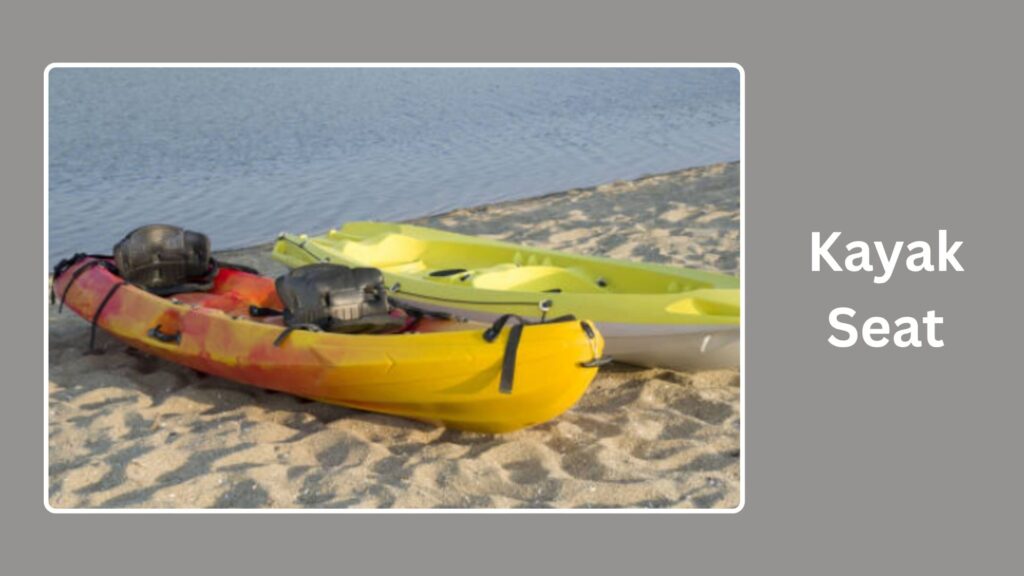
A good kayak seat adds comfort and support during long hours on the water. It reduces back strain and helps you stay focused on fishing without needing frequent breaks to stretch.
Types of Kayak Seats
- High-back seat
- Low-profile seat
- Frame seat
- Inflatable seat
- Gel-cushioned seat
Cushioning and Back Support
Comfortable padding and lumbar support are key for reducing fatigue. Premium seats often come with breathable mesh, adjustable backrests, and thick foam cushions to keep you cool and supported during extended trips.
Installation and Adjustability
Most kayak seats are attached with straps and clips. Adjustable straps allow you to customize the seat angle and fit for better posture. Some high-end models even include pockets for storage or built-in rod holders.
4. Rod Holders
Rod holders keep your fishing rods secure and accessible while you paddle, troll, or relax. They free up your hands and help organize your gear, especially when managing multiple rods.
Types of Rod Holders
- Flush mount rod holder
- Deck mount rod holder
- Clamp-on rod holder
- Adjustable rod holder
- Tube-style rod holder
Material and Durability
Rod holders are usually made of heavy-duty plastic or corrosion-resistant metal like stainless steel. The material should handle harsh weather and saltwater without weakening or rusting.
Mounting Options
Some rod holders are permanently installed, while others are removable or adjustable. They can be mounted on gear tracks, rails, or directly on the deck, depending on your kayak’s setup and your fishing style.
5. Fish Finder
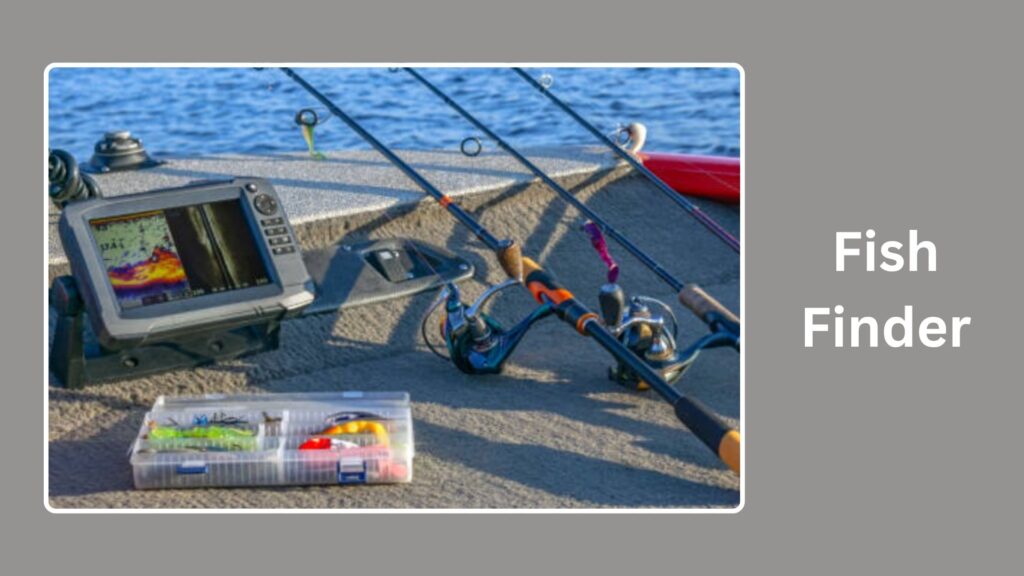
A fish finder uses sonar to help locate fish beneath the water’s surface. It’s a game-changer for kayak anglers, increasing your chances of finding productive spots quickly.
Types of Fish Finders
- Portable fish finder
- Castable fish finder
- Fixed-mount fish finder
- Side imaging fish finder
- Down imaging fish finder
Display and Features
Modern fish finders come with color screens, GPS integration, depth maps, and even Bluetooth/Wi-Fi connectivity. Screen size and resolution affect visibility, especially in bright sunlight or choppy water.
Power and Installation
Fish finders need a power source, typically a 12V battery. They are mounted with brackets or gear tracks, and the transducer can be attached to the hull or scupper hole. Portable models often come with suction cups or clamps for easy setup.
6. Tackle Crate
A tackle crate helps organize your fishing gear, lures, tools, and tackle boxes in one secure spot. It sits in the rear tank well of your kayak and often includes extra rod holders and compartments.
Types of Tackle Crates
- Standard milk crate
- Soft-sided tackle bag crate
- Hard plastic tackle crate
- Modular tackle crate
- Custom kayak-specific crate
Storage Capacity and Compartments
Tackle crates vary in size and design. Some include multiple trays, pockets, and dividers for better organization. Larger crates can store multiple tackle boxes, tools, and even a small cooler.
Mounting and Accessibility
Most crates fit into the kayak’s rear storage area and may be secured using bungee cords or gear tracks. Easy access is essential, so a good crate should allow you to reach items without standing or turning around too much.
7. Anchor System
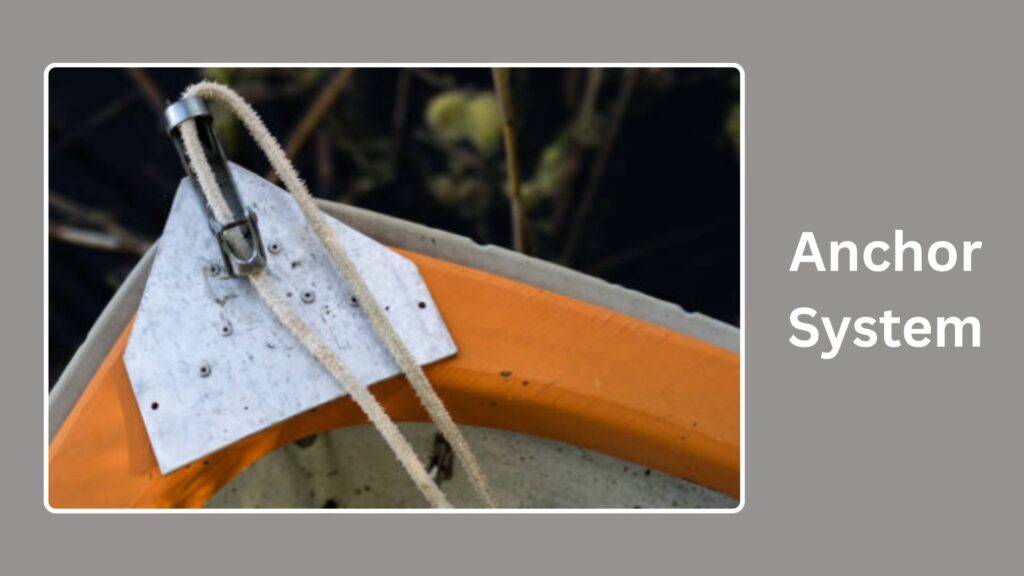
An anchor system holds your kayak in place, preventing it from drifting due to wind or current. It’s crucial for staying on a productive fishing spot.
Types of Anchor Systems
- Grapnel anchor
- Mushroom anchor
- Stake-out pole
- Drift anchor (drag chute)
- Anchor pole system
Weight and Size
The ideal anchor is small enough for easy handling but heavy enough to hold your kayak steady. Most kayak anglers use 1.5 to 3.0 lb anchors, depending on water conditions.
Deployment and Retrieval
Anchors are deployed with ropes or anchor trolleys. Anchor trolleys allow you to position the anchor line from the bow to stern, giving you better control over your kayak’s orientation in the water.
8. Drift Chute
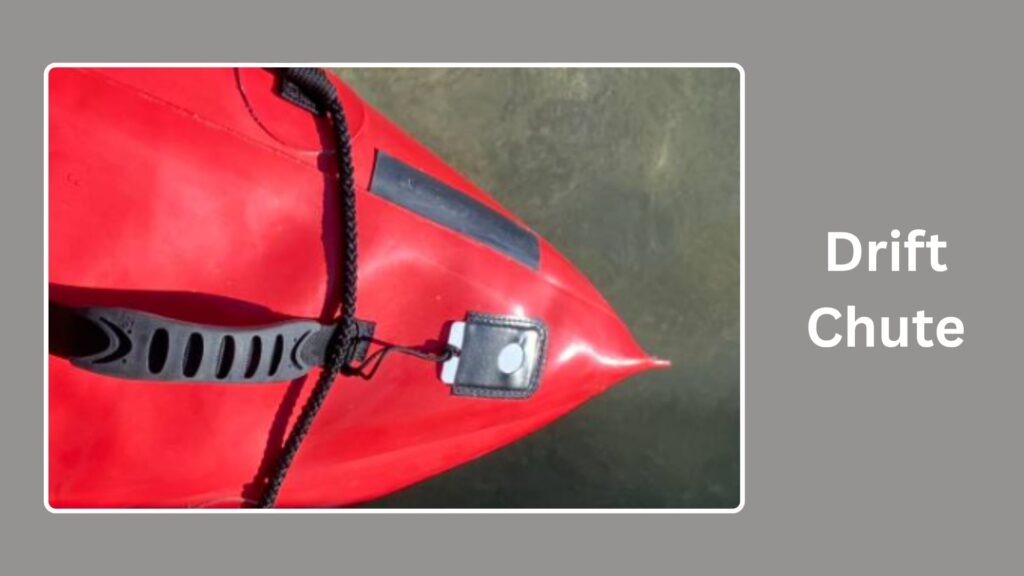
A drift chute, also known as a sea anchor, helps slow down your kayak’s drift in windy or fast-current conditions. It allows you to fish more effectively by keeping your kayak oriented and moving at a controlled pace.
Types of Drift Chutes
- Compact parachute-style chute
- Collapsible drift sock
- Heavy-duty drift chute
- Tangle-resistant chute
- Chutes with float and weight system
Usage and Effectiveness
Drift chutes are deployed over the side or stern of the kayak. They create drag in the water, slowing down your drift and stabilizing your position. They are especially helpful for trolling or bottom fishing in open water.
Storage and Deployment
Most drift chutes come with a small storage bag and can be deployed quickly with a rope and float. Proper placement and retrieval are key to avoiding tangles and ensuring smooth operation during fishing.
9. Dry Bags
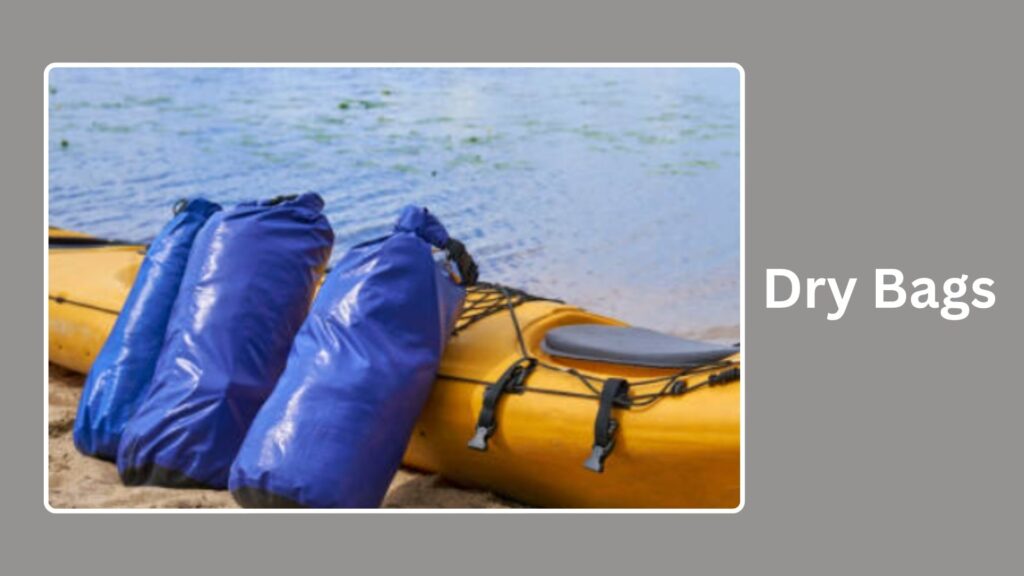
Dry bags are essential for keeping your gear, electronics, and personal items safe from water. They offer waterproof storage for valuables, making them indispensable for kayak fishing trips.
Types of Dry Bags
- Roll-top dry bag
- Zipper-seal dry bag
- Compression dry sack
- Backpack-style dry bag
- Transparent dry bag
Materials and Waterproofing
Most dry bags are made from PVC, nylon, or tarpaulin materials with waterproof coatings. The roll-top design is the most common, creating a watertight seal by folding and clipping the opening.
Sizes and Usage
Dry bags come in various sizes—ranging from 5L for essentials to 30L+ for clothing and gear. They can be stored in the kayak’s hatch, tank well, or secured to deck rigging with clips or straps.
10. Kayak Cart
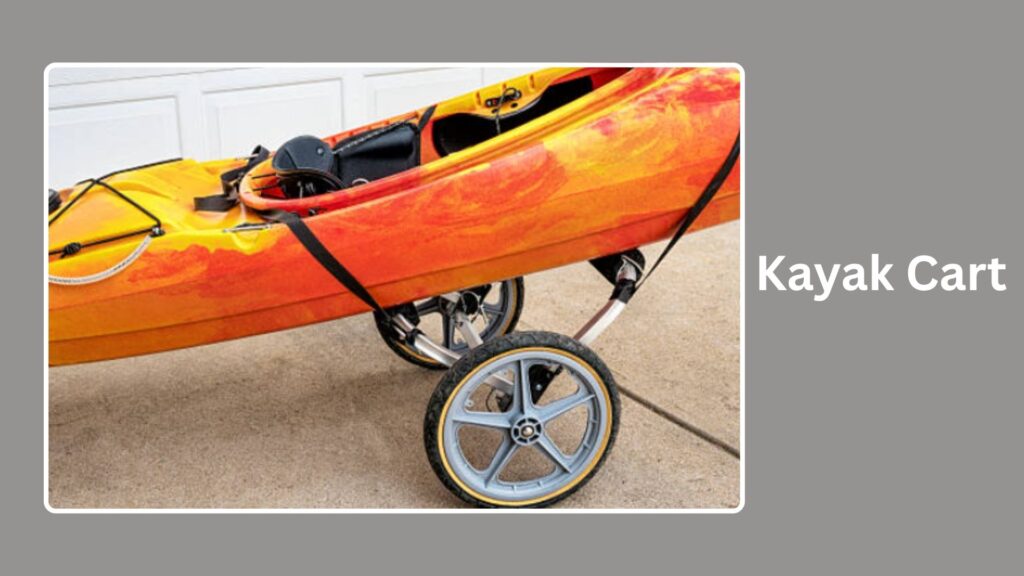
A kayak cart helps you transport your fishing kayak from your vehicle to the water with ease. It saves time and energy, especially if you’re navigating rough terrain or long distances.
Types of Kayak Carts
- Scupper hole cart
- Strap-style cart
- Balloon tire cart
- Foldable cart
- Heavy-duty all-terrain cart
Frame and Wheel Design
Carts are usually made from aluminum or stainless steel with durable rubber or inflatable wheels. Balloon tires are ideal for sand, while rugged wheels handle gravel or dirt trails better.
Setup and Portability
Most carts are lightweight and foldable, making them easy to stow in your kayak while on the water. They typically use straps or scupper pegs to secure the kayak in place during transport.
11. Life Jacket (PFD)
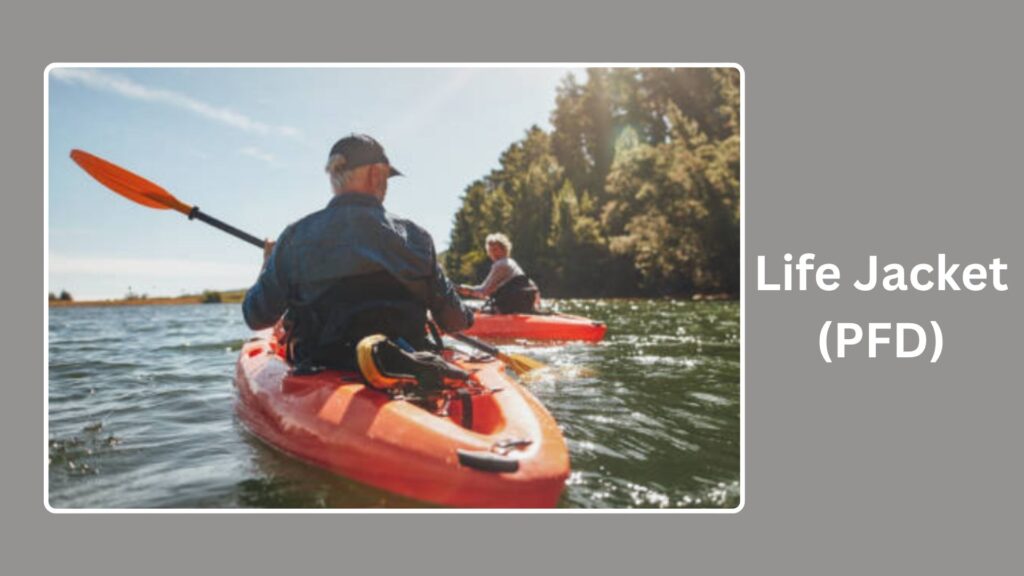
A Personal Flotation Device (PFD) is a non-negotiable safety accessory for every kayak angler. It keeps you afloat in emergencies and often comes with features tailored for fishing.
Types of Life Jackets for Kayak Fishing
- Foam life jacket
- Inflatable PFD
- High-back kayak PFD
- Fishing-specific PFD
- Manual-inflation PFD
Comfort and Fit
Fishing PFDs are designed to be worn all day. They feature mesh backs, adjustable straps, and ventilation to ensure comfort without restricting your paddling movement.
Storage Features
Many PFDs include zippered pockets, D-rings, and tool holders, making them practical gear storage solutions in addition to being a safety device.
12. Kayak Light
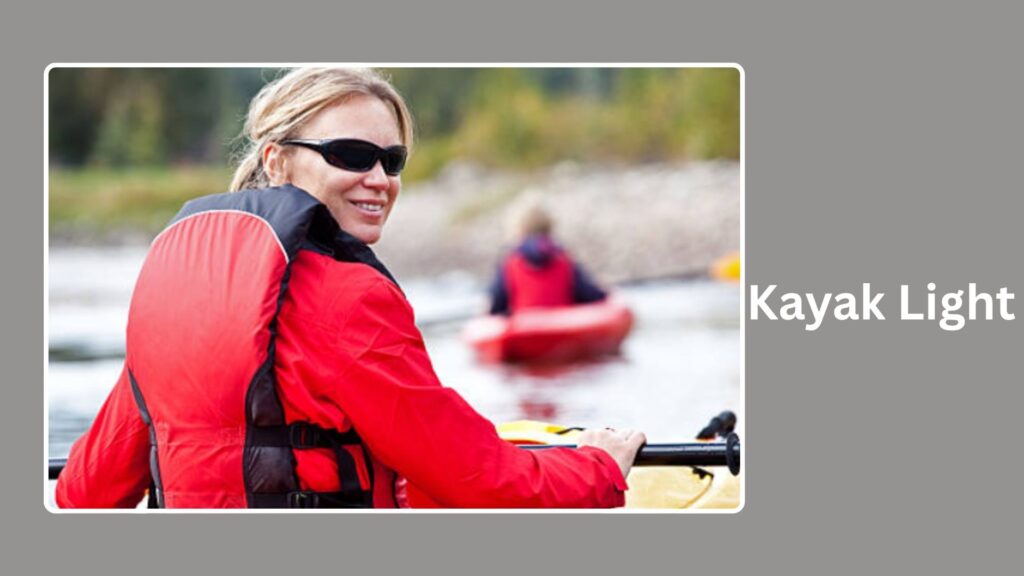
A kayak light is essential for visibility and safety during early morning, dusk, or night fishing trips. It helps you stay seen by other boats and can also illuminate your gear or workspace.
Types of Kayak Lights
- Navigation light
- 360-degree white light
- LED deck light
- Headlamp
- Clip-on safety light
Power Source and Brightness
Most kayak lights use LED bulbs for brightness and efficiency. They are powered by rechargeable batteries or standard AA/AAA batteries. Brightness levels and waterproof ratings vary, so choose one suited for your fishing environment.
Mounting and Placement
Lights can be mounted on poles, decks, or clipped to your PFD. Some models use suction cups or gear tracks for easy setup. Proper placement ensures visibility without interfering with your casting or movement.
13. Deck Mat
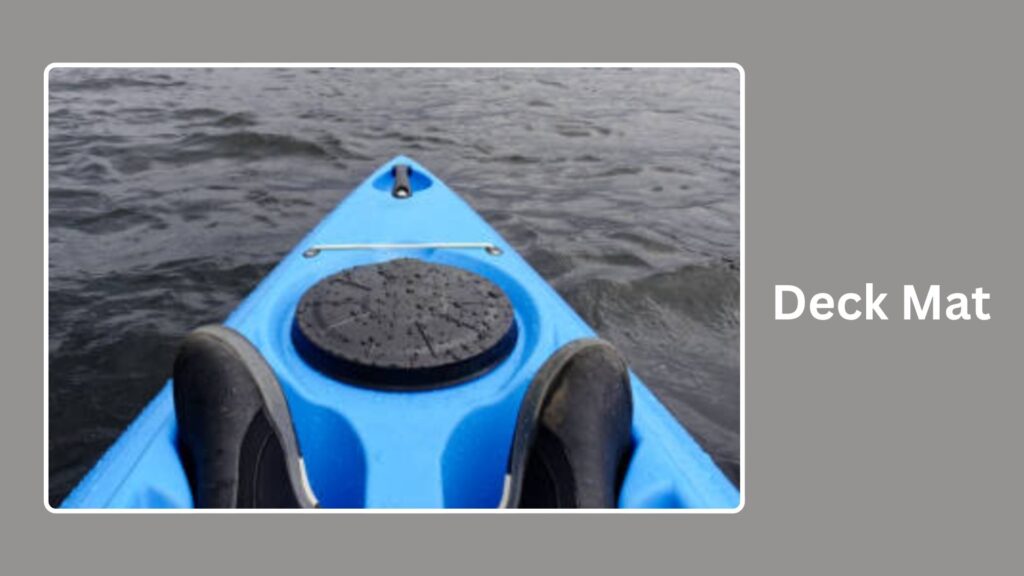
A deck mat improves traction and comfort on your kayak’s floor. It also helps reduce noise when you move or drop gear, which is crucial for stealthy fishing.
Types of Deck Mats
- EVA foam pad
- Non-slip rubber mat
- Pre-cut kayak mat kit
- Custom-cut mat
- Peel-and-stick mat
Comfort and Grip
Deck mats provide cushioning for your feet and knees, especially when standing. They offer non-slip surfaces to prevent accidents, even when wet.
Installation and Maintenance
Most deck mats are adhesive-backed and easy to install. They’re also water-resistant and easy to clean, making them a practical upgrade for anglers who spend long hours on the water.
14. Anchor Trolley
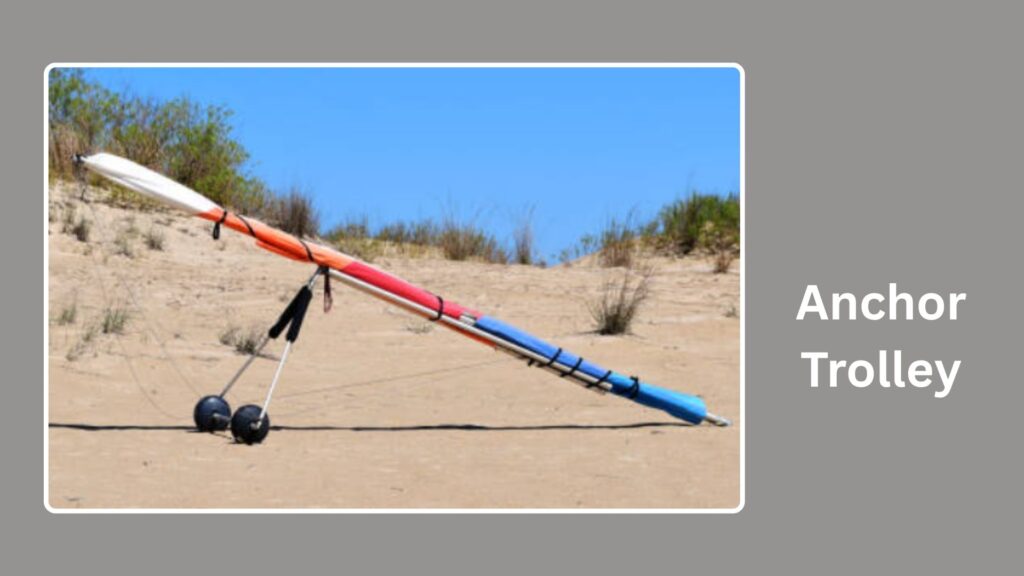
An anchor trolley system lets you adjust the position of your anchor line along the side of your kayak, giving you better control over your orientation in the water.
Types of Anchor Trolleys
- Full-length anchor trolley
- Mini anchor trolley
- Pulley-based trolley
- Single-point trolley
- DIY anchor trolley kit
How It Works
The trolley uses pulleys and a ring to move the anchor line forward or backward. This allows you to change the kayak’s angle relative to the wind or current without re-anchoring, which is especially useful when casting or jigging.
Installation and Setup
Anchor trolleys are typically mounted with pad eyes, pulleys, and a rope line. Most kits come with stainless steel hardware and instructions, and some are designed to work with quick-release anchors for added convenience.
15. Battery Box
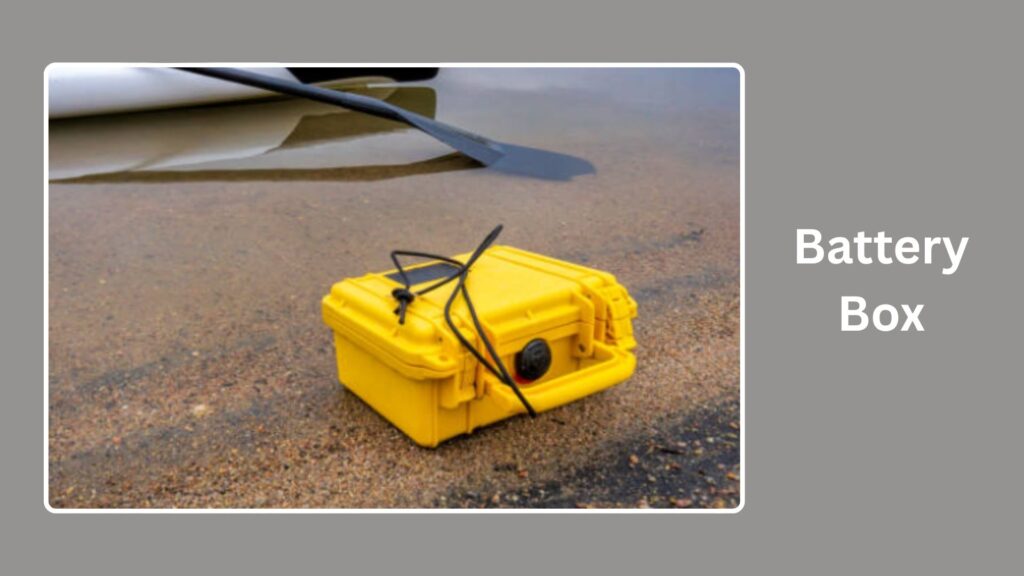
A battery box stores and protects your kayak’s battery, which powers accessories like fish finders, lights, and GPS units.
Types of Battery Boxes
- Waterproof sealed box
- Power box with USB ports
- Compact 12V battery case
- DIY battery box
- Solar-compatible box
Features and Functionality
Good battery boxes include features like built-in circuit breakers, waterproof seals, battery level indicators, and external charging ports. These make it easier to manage power without opening the box.
Mounting and Use
Battery boxes can be strapped into the kayak’s hatch, crate, or deck. Always secure it firmly and ensure the wires are routed neatly to prevent tripping or damage during fishing.
16. Cooler
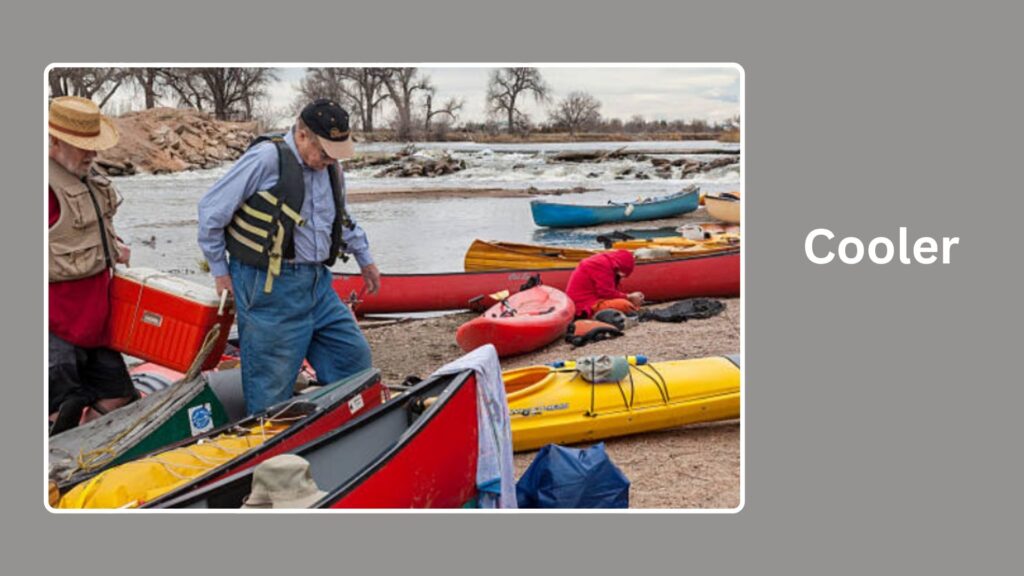
A cooler is useful for storing drinks, snacks, bait, or even your catch while out on the water. For kayak anglers, compact and efficient designs are key.
Types of Coolers for Kayaks
- Soft-sided cooler
- Hard-shell marine cooler
- Insulated fish bag
- Deck-mounted cooler
- Seat-back cooler
Ice Retention and Capacity
Choose a cooler that offers long-lasting insulation and fits your kayak’s storage area. Some premium models retain ice for several days and include dividers or baskets for better organization.
Mounting and Access
Coolers can be placed in the rear tank well, under the seat, or strapped to the deck. Many come with bungee loops or D-rings to secure them in rough water or windy conditions.
17. Bait Bucket
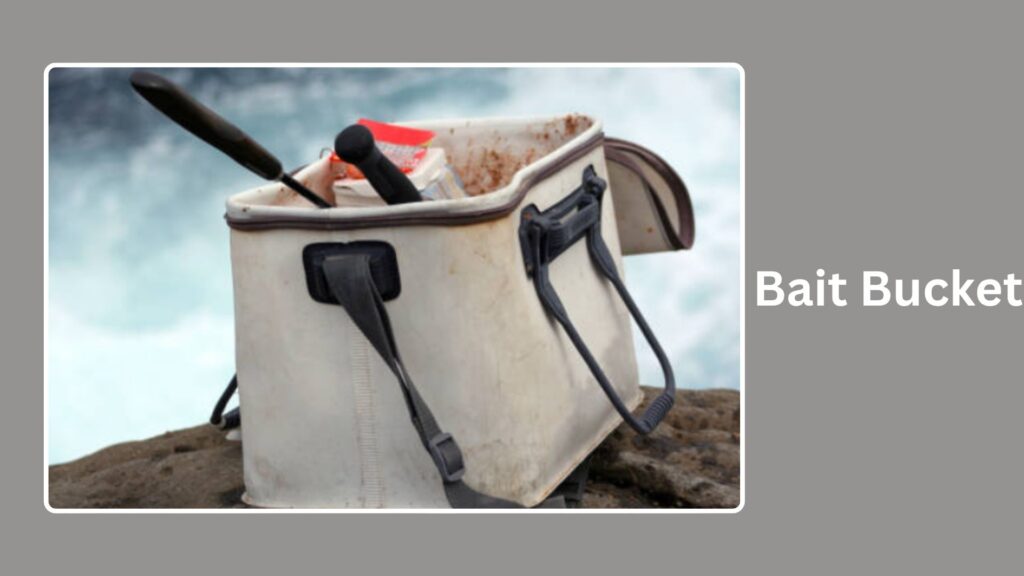
A bait bucket helps you keep live bait fresh and accessible, whether you’re using minnows, shrimp, or worms. It’s especially valuable during long fishing sessions.
Types of Bait Buckets
- Floating bait bucket
- Insulated bait bucket
- Aerated bait bucket
- Clip-on bait bucket
- Collapsible bait bucket
Ventilation and Aeration
Some bait buckets come with built-in aerators or allow you to attach a battery-powered one. Proper water flow and oxygenation are essential to keep bait alive and active.
Storage and Handling
Bait buckets are often placed in the tank well or clipped to the side of the kayak with a rope or float. A good bait bucket should be easy to open, clean, and refill without disturbing your fishing flow.
18. Kayak Camera Mount

A camera mount allows you to capture your fishing adventures hands-free, whether for personal memories or content creation. It holds your camera steady even in choppy water.
Types of Kayak Camera Mounts
- Suction cup mount
- Clamp-on mount
- Gear track mount
- Telescoping pole mount
- Magnetic base mount
Compatibility and Stability
Most mounts are compatible with action cameras like GoPro or compact digital cameras. Look for adjustable angles, vibration resistance, and waterproof build to ensure smooth footage.
Placement and Use
Camera mounts can be attached to the kayak’s deck, rod holders, or gear tracks. Optimal placement allows for wide-angle shots without interfering with your fishing or paddling.
19. GPS Unit
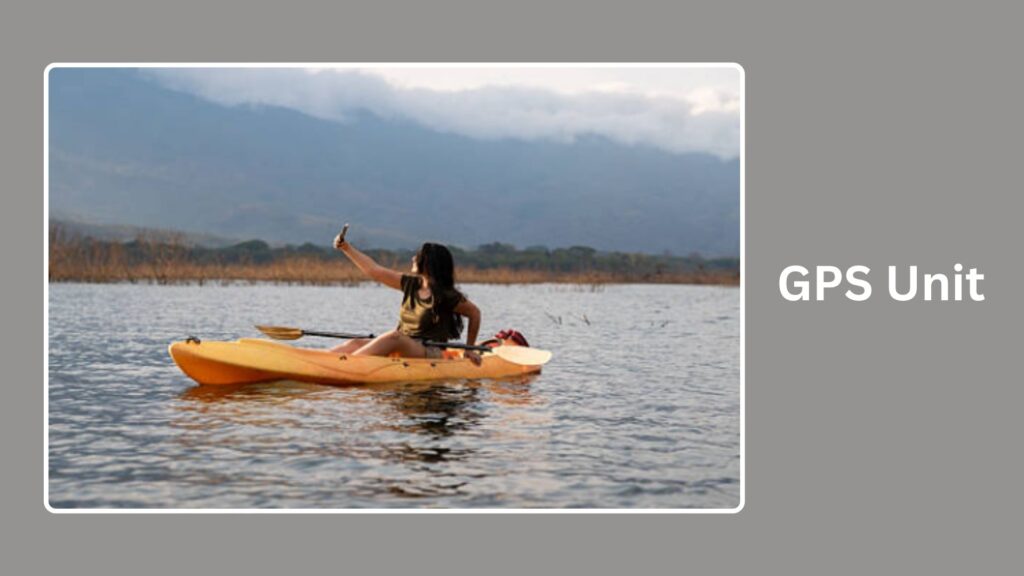
A GPS unit helps you navigate, mark productive fishing spots, and track your route on the water. It’s especially useful in large lakes, coastal areas, or unfamiliar waters.
Types of GPS Units
- Handheld GPS
- Fish finder with GPS
- Waterproof GPS watch
- Smartphone-compatible GPS
- Chartplotter unit
Features and Accuracy
Modern GPS devices offer features like waypoints, mapping, route tracking, and real-time speed. High-sensitivity receivers and satellite support (like GLONASS) improve accuracy and signal strength.
Mounting and Power
GPS units can be mounted using brackets or placed in waterproof cases. They run on batteries or connect to your kayak’s power supply, depending on the model and setup.
20. Kayak Outriggers
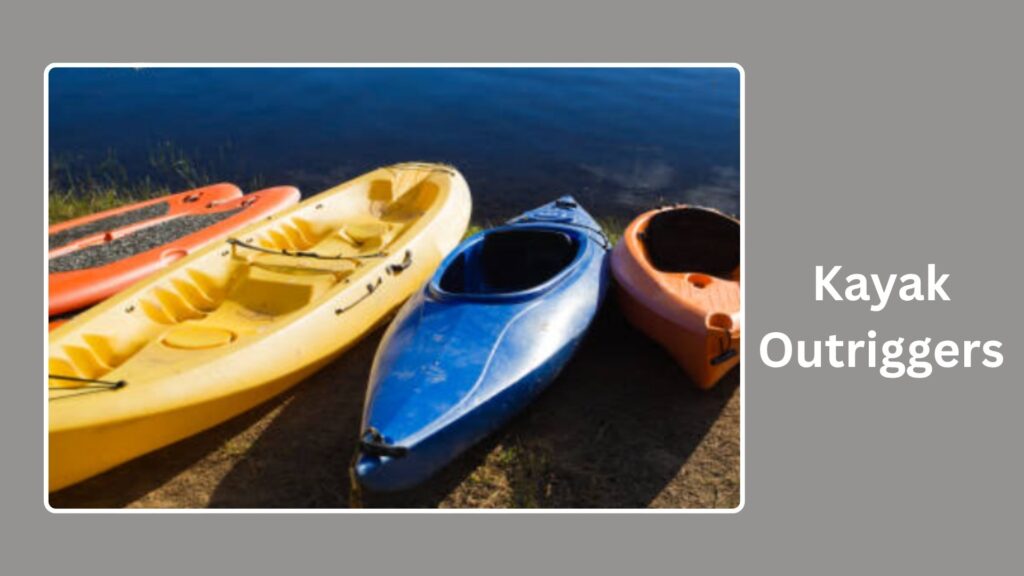
Kayak outriggers provide extra stability, making it easier to stand while fishing or to feel more secure in rough water. They’re especially helpful for beginners or those using sit-on-top kayaks.
Types of Kayak Outriggers
- Inflatable outriggers
- Foam pontoons
- Hard plastic outriggers
- Adjustable arm outriggers
- DIY outrigger kits
Stability and Performance
Outriggers significantly reduce the chance of tipping, especially when standing, casting, or reaching for gear. They also help balance the kayak when reeling in larger fish or shifting weight quickly.
Installation and Adjustability
Most outriggers are mounted on arms that attach to the kayak’s rear or sides. Adjustable models let you raise or lower the pontoons depending on whether you’re paddling or fishing.
21. Scupper Plugs
Scupper plugs seal the scupper holes on sit-on-top kayaks, helping keep water out of the cockpit and storage areas during calm paddling or fishing.
Types of Scupper Plugs
- Rubber scupper plugs
- Silicone scupper plugs
- Universal-fit plugs
- Push-in plugs
- Pull-tab plugs
Function and Use
These plugs prevent water from splashing up through the scupper holes, especially in rough conditions or when the kayak is fully loaded. They can be removed quickly if drainage is needed.
Fit and Compatibility
Scupper plugs must match the diameter of your kayak’s scupper holes. Some universal models come with adjustable or expandable designs for a more secure fit.
22. Measuring Board
A measuring board helps you quickly check the length of your catch, especially when following size regulations for different species. It’s a must-have for responsible anglers.
Types of Measuring Boards
- Plastic measuring board
- Aluminum fish ruler
- Folding measuring board
- Bump board
- Floating fish ruler
Accuracy and Durability
Most boards feature clear, easy-to-read markings and are made from waterproof, UV-resistant materials. Some include raised edges or bump stops for consistent measurements.
Storage and Use
Measuring boards can be mounted on the deck, stored in a side hatch, or attached with clips for easy access. Floating versions are ideal if you’re measuring fish directly over water.
23. Kayak Knife
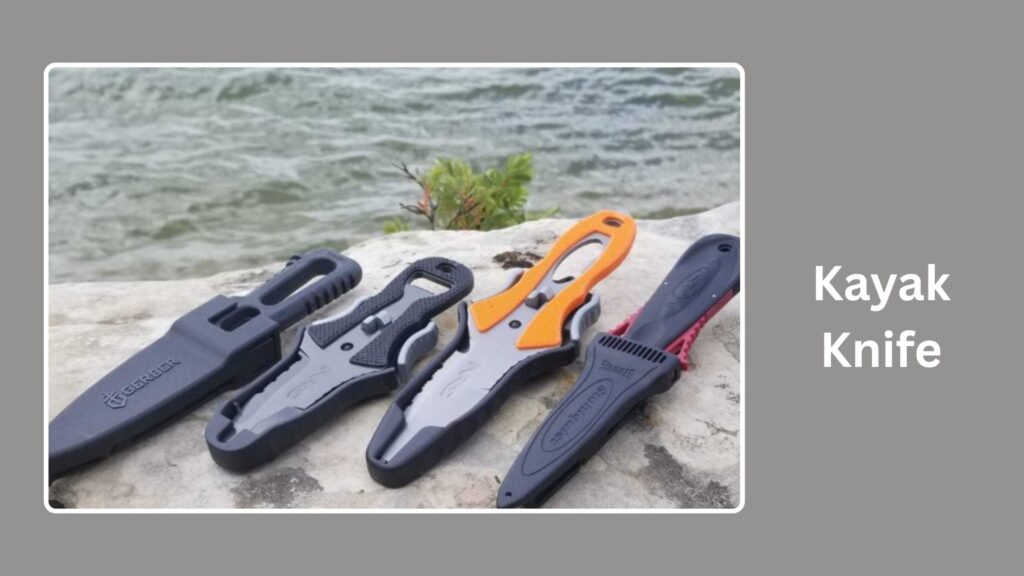
A kayak knife is a compact, accessible safety tool used for cutting fishing lines, ropes, or vegetation. It’s a critical item for emergency preparedness.
Types of Kayak Knives
- Fixed-blade knife
- Folding knife
- Blunt-tip rescue knife
- Serrated edge knife
- Tethered kayak knife
Safety and Design
Most kayak knives are corrosion-resistant, with rubberized or textured grips for wet handling. Blunt tips prevent accidental punctures, especially useful in inflatable kayak setups.
Mounting and Accessibility
They can be clipped to your PFD, mounted on the seat, or attached to gear tracks. A good knife should always be within arm’s reach and easy to deploy with one hand.
24. Safety Flag
A safety flag increases your visibility on the water, especially in low-light conditions or when kayaking near powerboats. It’s a key safety feature for busy or open waterways.
Types of Safety Flags
- Telescoping pole flag
- LED lighted flag
- Clip-on flag
- Deck-mounted flag
- High-visibility orange flag
Visibility and Height
Most safety flags are mounted on tall poles to be seen above waves and other watercraft. Bright colors and reflective materials enhance visibility from a distance.
Installation Options
Flags can be attached to gear tracks, crate mounts, or the rear deck using brackets or clamps. Some models include quick-release features for convenience and portability.
25. First Aid Kit
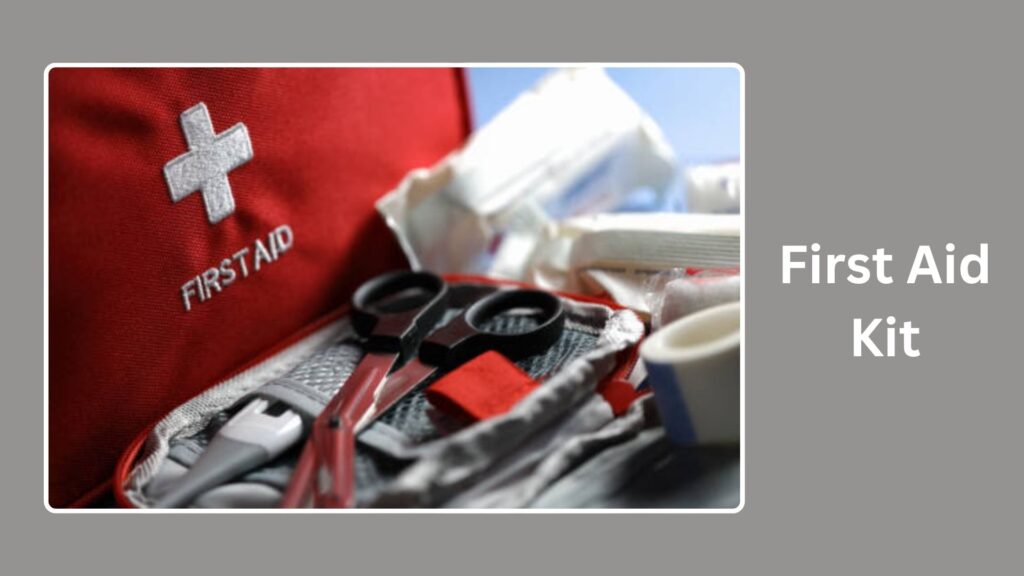
A first aid kit prepares you for minor injuries, stings, cuts, or accidents that might occur during a kayak fishing trip. It’s an essential item for safety and peace of mind.
Types of First Aid Kits
- Waterproof first aid kit
- Compact kayak kit
- Marine-grade first aid kit
- Roll-up medical pouch
- DIY custom kit
Contents and Essentials
Typical contents include bandages, antiseptic wipes, adhesive tape, tweezers, pain relievers, antihistamines, and emergency contact information. Marine kits often include waterproof bandages and burn treatment supplies.
Storage and Access
First aid kits are usually stored in dry bags, waterproof boxes, or seat-back pouches for quick access. They should be easily reachable and clearly labeled for emergencies.
26. Bilge Pump
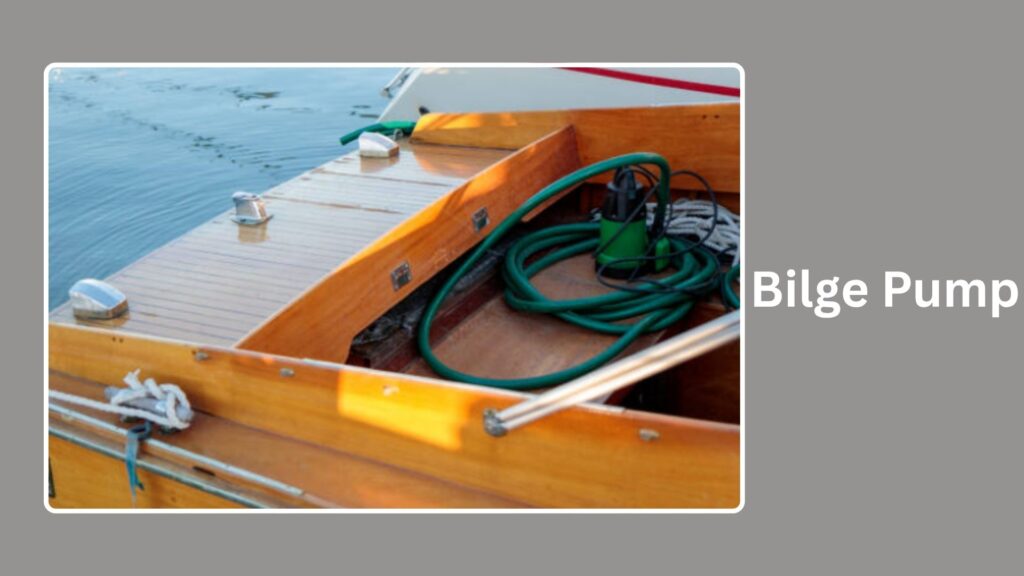
A bilge pump is used to remove excess water from your kayak, especially in rough waters, after rain, or during accidental splashes. It helps keep the cockpit dry and safe.
Types of Bilge Pumps
- Manual hand pump
- Foot-operated pump
- Electric bilge pump
- Compact bilge pump
- High-capacity bilge pump
Efficiency and Use
Manual pumps are the most common and require no power, making them reliable in all situations. Electric pumps are faster but need a power source. Foam grips and anti-leak valves make them more user-friendly.
Storage and Accessibility
Bilge pumps should be stored within easy reach—either under the seat or clipped to the side of the kayak. Lightweight and compact designs are ideal for small spaces.
27. Waterproof Phone Case
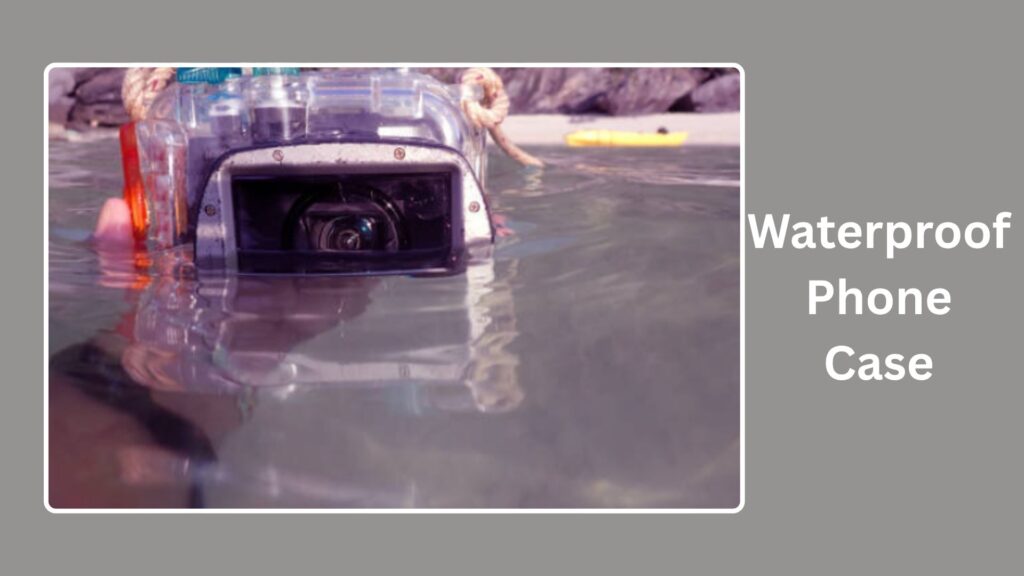
A waterproof phone case protects your phone from water, sand, and drops while allowing you to use touch functions and cameras. It’s crucial for navigation, communication, and emergencies.
Types of Waterproof Phone Cases
- Pouch-style case with lanyard
- Hard-shell waterproof case
- Floating phone case
- Magnetic-seal phone case
- Universal waterproof case
Features and Compatibility
Most cases feature clear touch-sensitive windows, camera access, and secure seals. Some models also float, preventing your phone from sinking if dropped.
Attachment and Use
Waterproof phone cases often include lanyards or clips to attach to your PFD or kayak. Easy-access designs ensure you can still use your phone without removing it from the case.
28. Kayak Sail
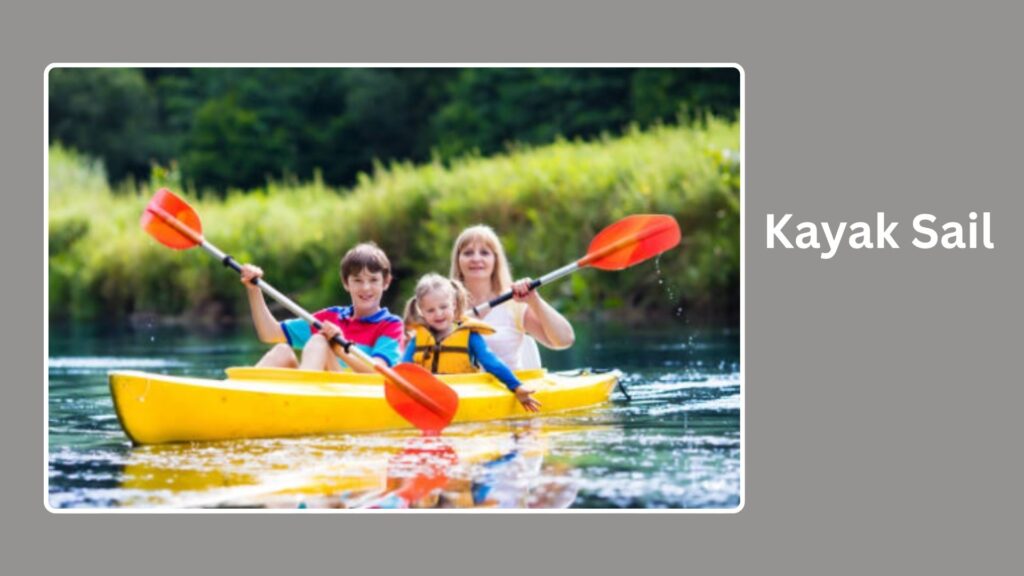
A kayak sail allows you to harness wind power to move across the water with less paddling. It’s useful for covering long distances or conserving energy on open waters.
Types of Kayak Sails
- Downwind sail
- Foldable V-shaped sail
- Circular pop-up sail
- Tall mast sail
- DIY kayak sail kit
Performance and Control
Kayak sails are designed for downwind travel and typically feature transparent panels for visibility. Some models include control lines to adjust the sail’s angle and tension while seated.
Mounting and Portability
Most sails attach to the front deck or bow using suction mounts or bungee cords. Many are collapsible and store in a compact bag when not in use, making them practical for on-the-go anglers.
29. Fish Grip
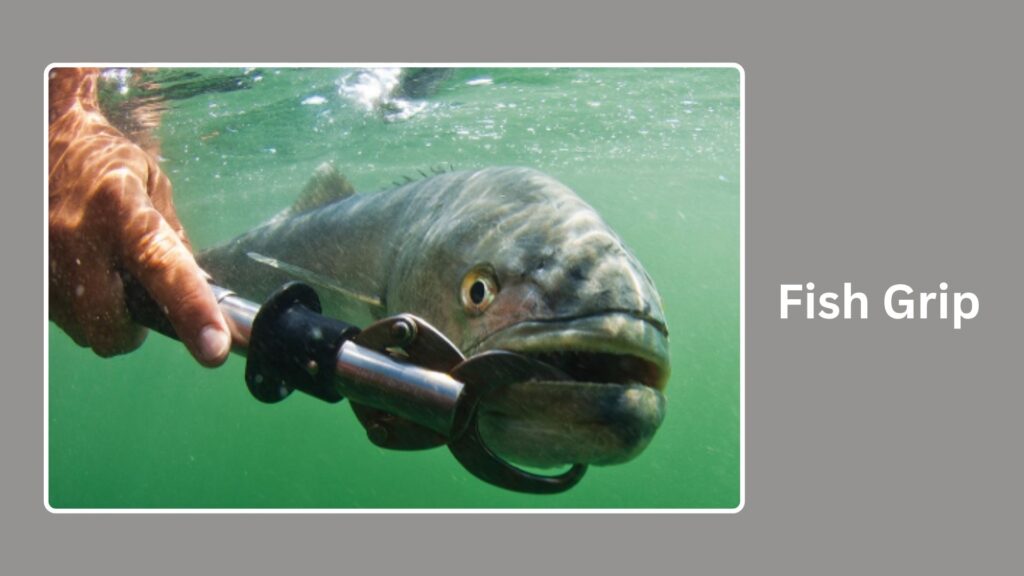
A fish grip helps you securely hold and handle your catch without causing harm to the fish or risking injury to your hands. It’s great for catch-and-release anglers or managing large, slippery fish.
Types of Fish Grips
- Plastic lip grip
- Floating fish grip
- Metal clamp-style grip
- Grip with built-in scale
- Trigger-style grip
Safety and Handling
Fish grips reduce the need to handle fish directly, minimizing stress on the fish and avoiding cuts from sharp fins or teeth. Look for non-slip handles and wrist lanyards for better control.
Durability and Storage
Most fish grips are made from corrosion-resistant plastic or stainless steel. They’re often clipped to your PFD, tackle crate, or stored in side compartments for quick access.
30. Trolling Motor
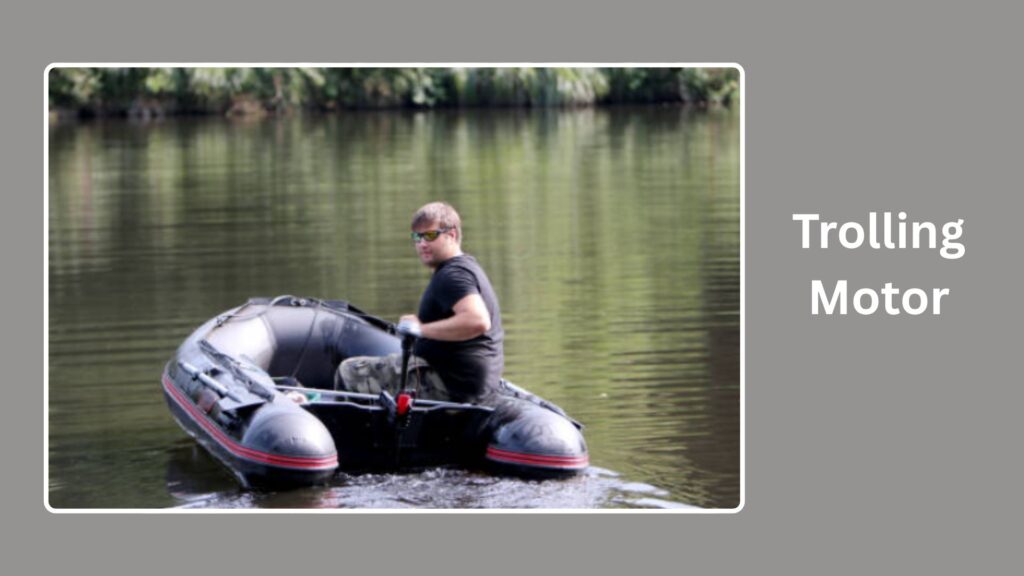
A trolling motor provides motorized propulsion for your fishing kayak, allowing you to move silently and cover larger areas without paddling. It’s especially useful for trolling lures or navigating currents.
Types of Trolling Motors for Kayaks
- Transom mount trolling motor
- Bow mount trolling motor
- Electric kayak-specific motor
- Foot-controlled trolling motor
- Remote-controlled trolling motor
Power and Battery
Most trolling motors run on 12V deep-cycle marine batteries. Thrust power is measured in pounds (e.g., 30 lb, 55 lb), and the right choice depends on your kayak’s weight and fishing needs.
Mounting and Control
Trolling motors can be mounted at the stern, bow, or side using motor mounts or brackets. Control options include hand tillers, foot pedals, or wireless remotes, offering flexibility based on your setup.
31. Kayak Rudder System
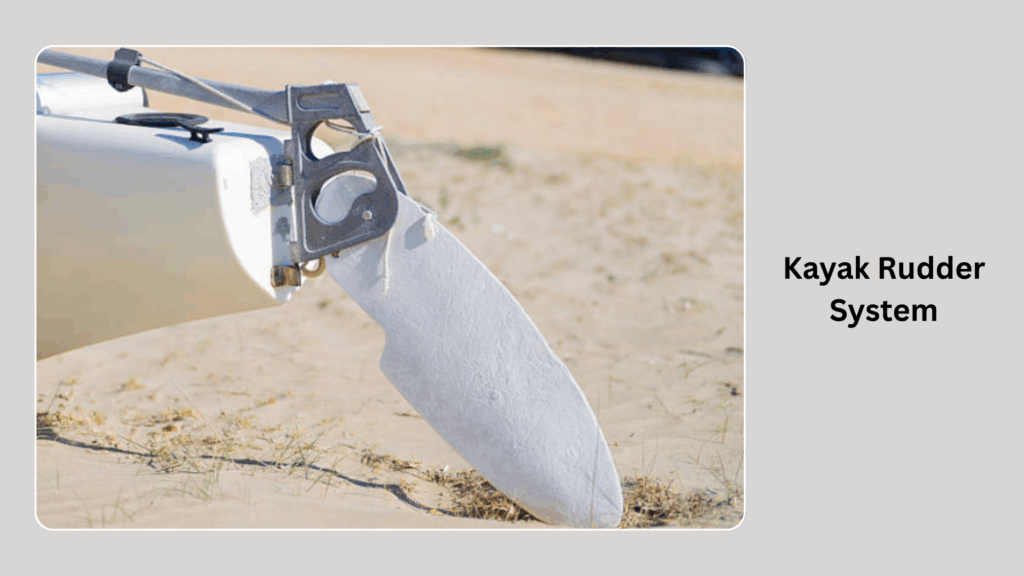
A rudder system helps you steer your kayak more efficiently, especially in windy or strong current conditions. It improves tracking and maneuverability with less effort while paddling or using a trolling motor.
Types of Kayak Rudder Systems
- Foot-controlled rudder
- Hand-controlled rudder
- Retractable rudder
- Fixed rudder
- Aftermarket rudder kit
Control and Performance
Rudders are typically controlled by foot pedals connected by cables. They allow you to make subtle course corrections without pausing your paddle strokes, offering better directional control.
Installation and Maintenance
Rudder systems are usually mounted at the stern and may require drilling or bracket installation. Regular checks on cables, pivots, and pedal tension help ensure smooth operation.
32. Cup Holder
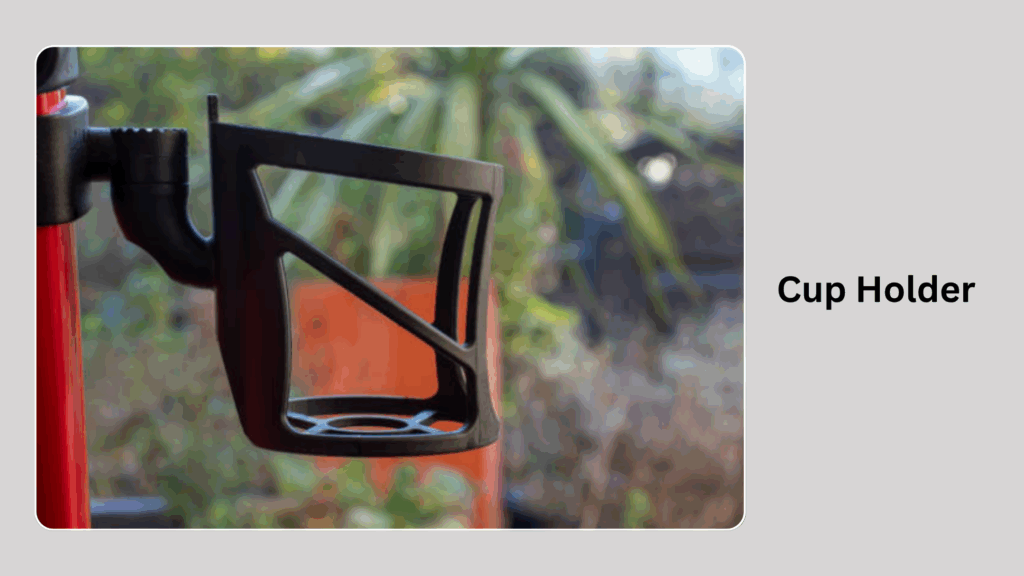
A cup holder keeps your drink secure and within easy reach while you fish. It adds convenience during long sessions on the water.
Types of Cup Holders for Kayaks
- Clamp-on cup holder
- Suction cup holder
- Gear track-mounted cup holder
- Molded-in kayak cup holder
- Adjustable arm cup holder
Fit and Compatibility
Look for cup holders that fit your kayak’s design and accommodate various bottle sizes. Adjustable or universal models are more versatile and prevent tipping or spills.
Mounting Options
Most cup holders attach to gear tracks, side rails, or directly to the seat. Some include insulation or drainage holes for added practicality.
33. Gear Tracks
Gear tracks (also called track rails) allow you to mount various accessories like rod holders, camera mounts, or cup holders without drilling into your kayak. They offer flexible, customizable setups for any angler.
Types of Gear Tracks
- Aluminum gear track
- Polymer gear track
- Top-loading track
- Flush-mount track
- Bolt-on track system
Compatibility and Adjustability
Gear tracks are compatible with a wide range of accessories using T-bolts or slide-in mounts. They allow quick adjustments or repositioning of your gear without tools.
Installation and Layout
Tracks are typically installed along the sides, front deck, or rear tank well using stainless steel screws. Many kayaks come pre-equipped, but aftermarket kits can be added easily for more customization.
34. Mounting Arms
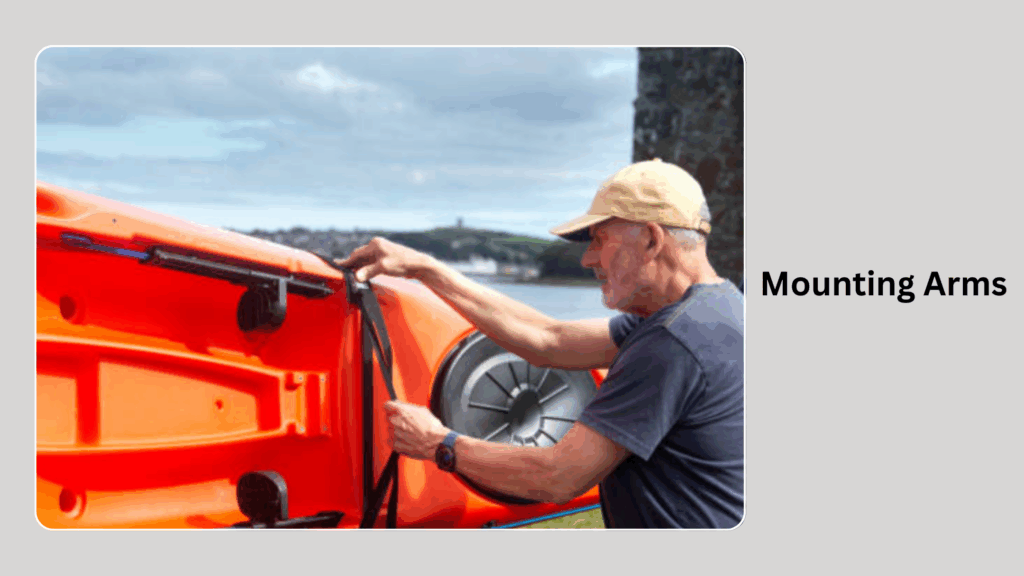
Mounting arms hold accessories like fish finders, cameras, or lights in adjustable positions. They offer stability and positioning flexibility on the kayak deck.
Types of Mounting Arms
- Articulating arm
- Ball-and-socket arm
- Rigid extension arm
- Swivel arm
- Locking mount arm
Functionality and Adjustments
These arms allow multi-angle adjustments and rotation to get your accessories in the perfect spot. Most are designed for tool-free positioning and secure locking.
Mounting and Compatibility
Mounting arms typically connect to gear tracks, RAM mounts, or base plates. They’re made from corrosion-resistant materials like aluminum or reinforced plastic for durability in marine conditions.
35. Kayak Cover
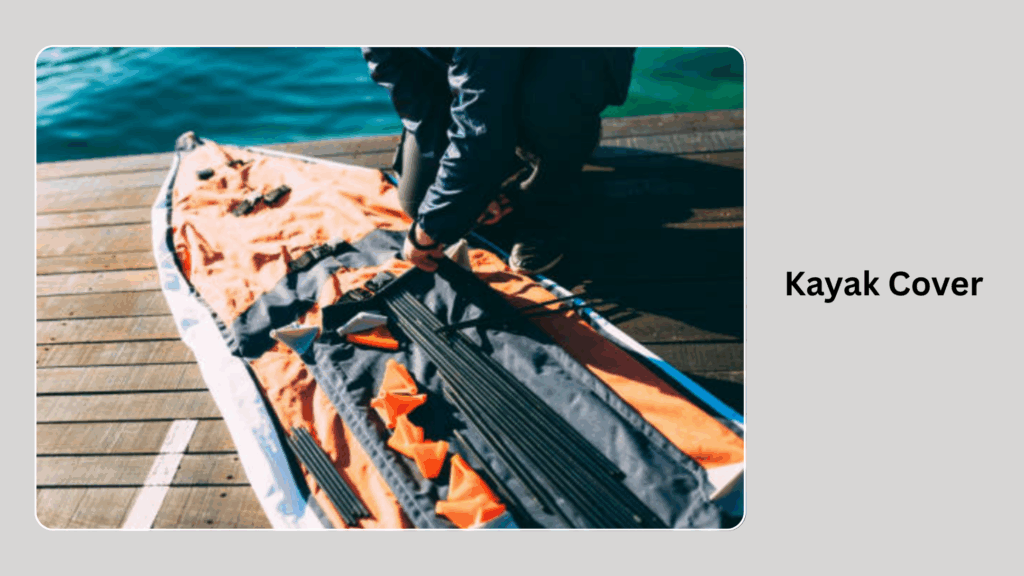
A kayak cover protects your fishing kayak from sun, rain, dust, and debris when it’s not in use. It extends the lifespan of your kayak and keeps it clean and ready for the next trip.
Types of Kayak Covers
- Full kayak storage cover
- Cockpit cover
- Waterproof UV-resistant cover
- Elastic-edge cover
- Heavy-duty fabric cover
Material and Durability
Most covers are made from polyester or marine-grade canvas with waterproof and UV-resistant coatings. A good cover should withstand weather elements and resist tearing or fading.
Fit and Usage
Covers come in various sizes, so it’s important to match the cover to your kayak’s dimensions. Elastic hems, straps, or drawstrings help secure the cover during transport or storage. Some models include carrying bags for easy packing.
36. Waterproof Storage Box
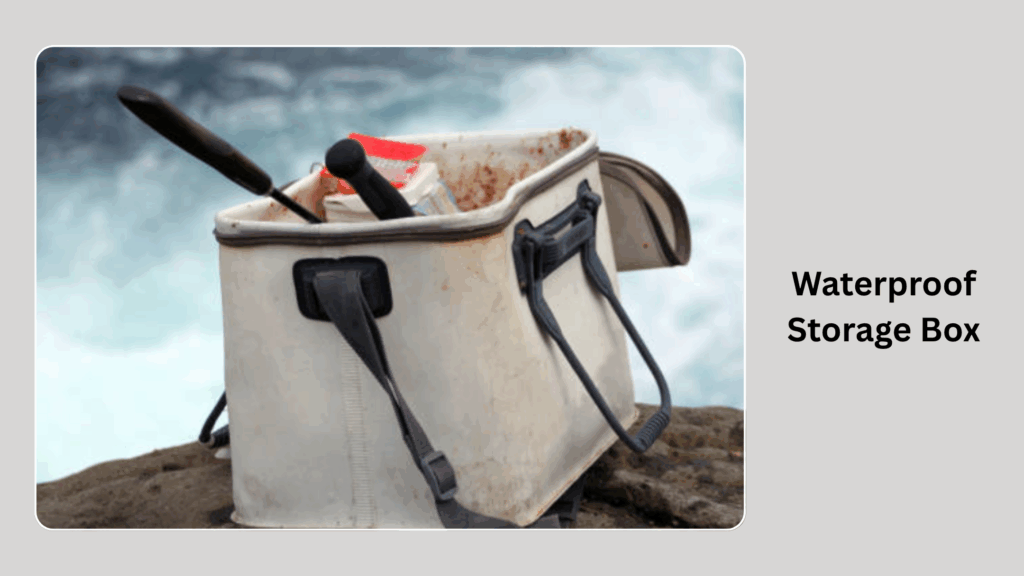
A waterproof storage box keeps essential gear like electronics, keys, wallets, or fishing licenses safe from water damage. It’s ideal for storing items you need dry and protected during your trip.
Types of Waterproof Storage Boxes
- Hard-shell dry box
- Latch-sealed storage box
- Transparent waterproof case
- Crushproof gear case
- Floating storage box
Features and Protection
These boxes are usually built with rubber gaskets and locking mechanisms to seal out water and dust. Many are impact-resistant, floatable, and include foam padding for extra protection.
Size and Placement
Waterproof boxes come in compact to medium sizes and fit easily in hatches, seat pockets, or under bungee cords. Some models include clips or lanyards to attach them securely to the kayak.
37. Deck Rigging
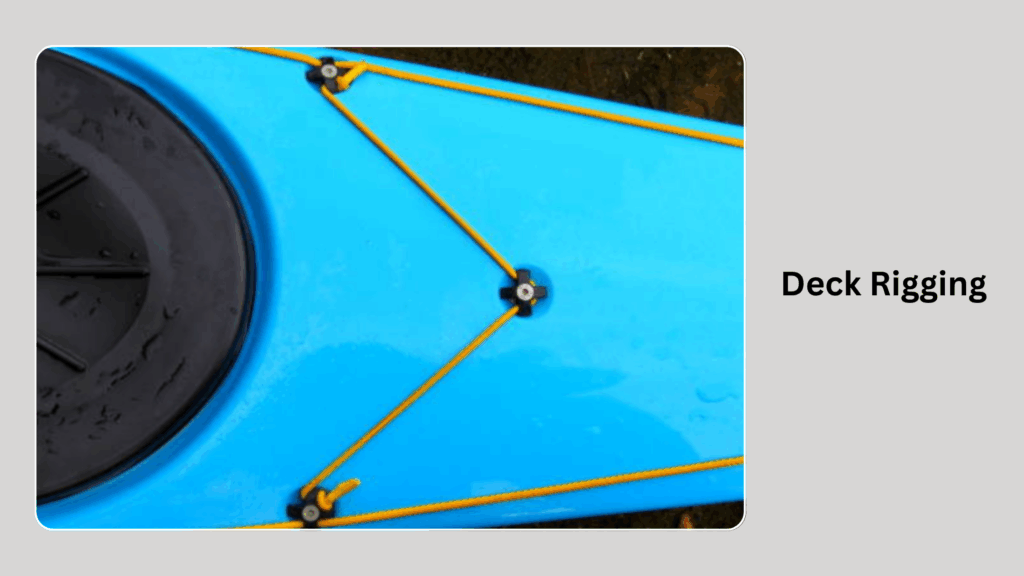
Deck rigging consists of bungee cords, D-rings, and clips installed on your kayak’s surface to hold gear in place. It adds storage versatility and quick access to frequently used items.
Types of Deck Rigging
- Bungee cord rigging
- Perimeter safety lines
- Paddle park system
- Gear loops and clips
- Mesh cargo net
Functionality and Flexibility
Deck rigging allows you to secure dry bags, paddles, tackle boxes, and other accessories on the kayak’s deck. It helps keep your gear organized and within reach while conserving cockpit space.
Installation and Layout
Most rigging kits are easy to install using pad eyes and rivets or screws. They can be customized based on your gear needs and typically go on the bow, stern, or behind the seat.
38. Kayak Anchor Pole
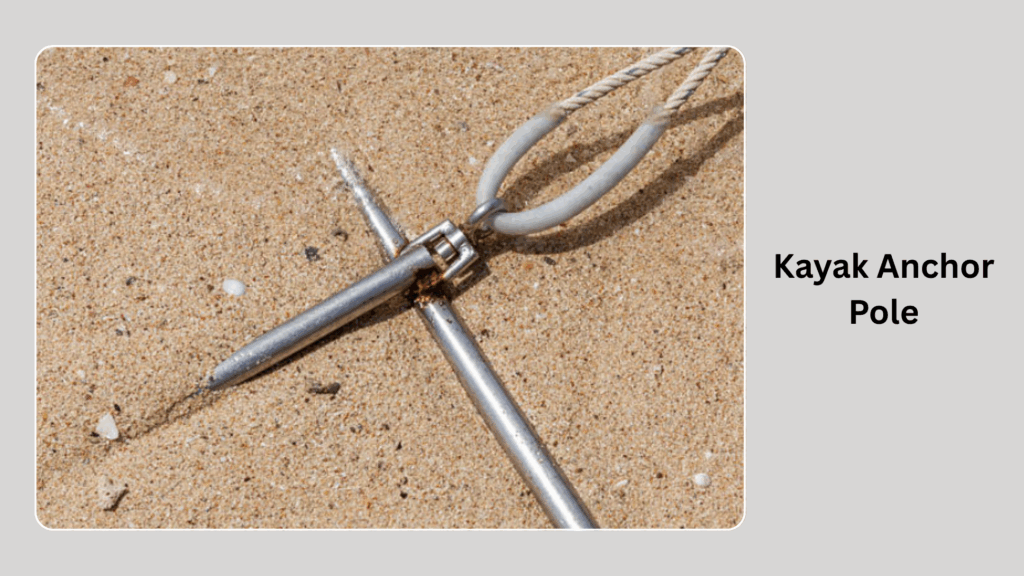
A kayak anchor pole, also known as a stake-out pole, is used to anchor your kayak in shallow water by pushing the pole into the bottom. It offers a quick and silent way to stay in place while fishing.
Types of Kayak Anchor Poles
- One-piece fiberglass pole
- Telescoping anchor pole
- Push-pole with handle grip
- Stake-out pole with tether
- Anchor pole with mounting bracket
Use and Efficiency
Anchor poles are ideal for shallow water and grassy or muddy bottoms. They provide more stealth and control than traditional anchors, making them perfect for sight fishing or calm-water angling.
Mounting and Storage
They can be used manually or mounted with anchor pole brackets or clips. When not in use, the pole can be secured to the side of the kayak using bungee cords or dedicated holders.
39. Line Cutter
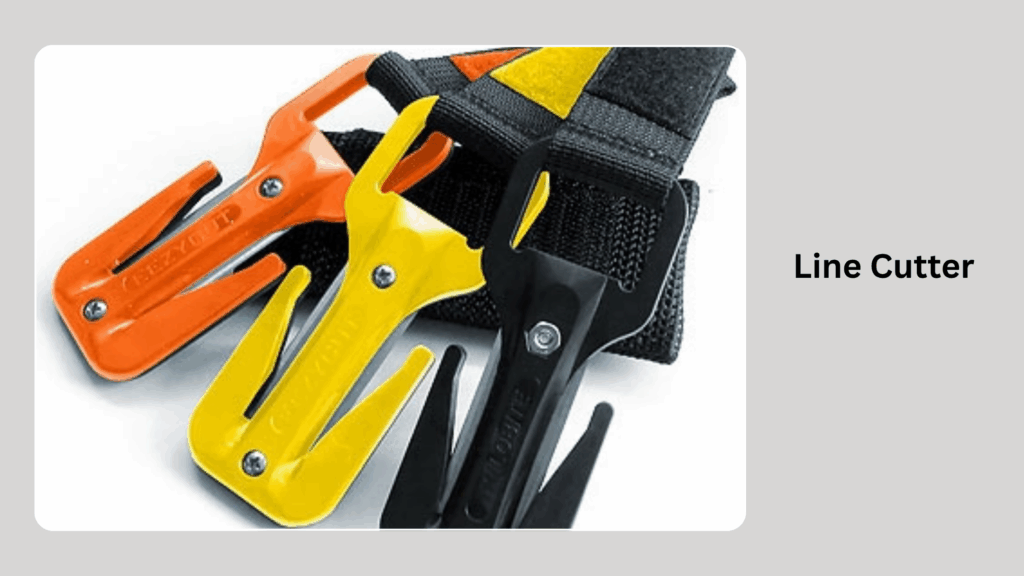
A line cutter is a compact, sharp tool designed to quickly and safely cut fishing line, braid, rope, or netting. It’s essential for re-rigging, fixing snags, or emergency situations.
Types of Line Cutters
- Ring-style cutter
- Scissor-style cutter
- Retractable blade cutter
- Braid-specific cutter
- Multi-tool with line cutter
Sharpness and Safety
Line cutters are designed for clean, effortless cuts even through tough braided lines. Most feature guarded or recessed blades to prevent accidental injury.
Accessibility and Mounting
They are often clipped to a PFD, tackle box, or gear track. Many models include retractable cords, magnetic holders, or built-in LED lights for use in low-light conditions.
40. Sunshade or Bimini Top
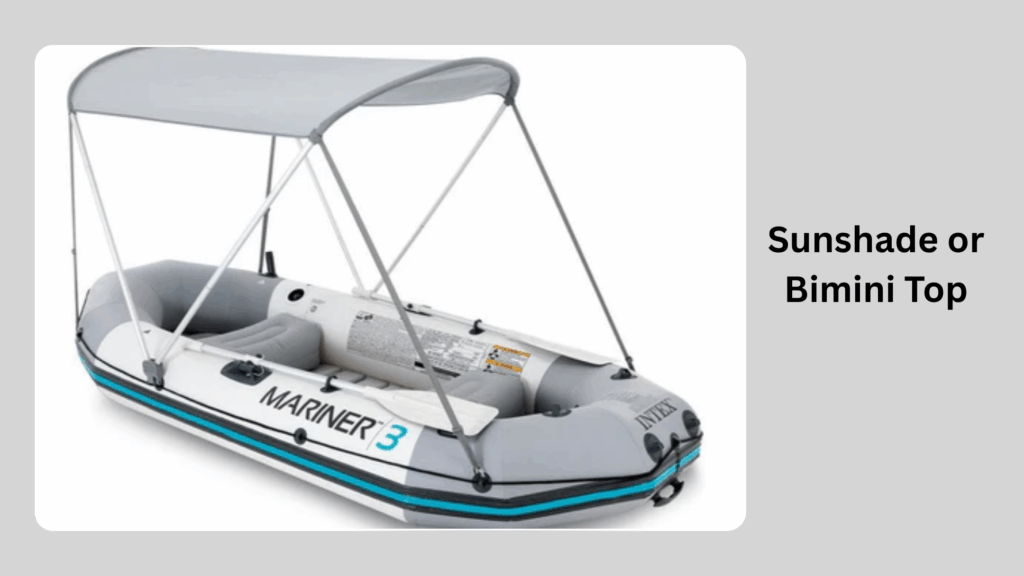
A sunshade or bimini top provides overhead protection from the sun, reducing glare and heat during long hours on the water. It helps prevent sunburn and fatigue, especially on hot days.
Types of Kayak Sunshades
- Folding bimini top
- Clamp-on sunshade
- Adjustable canopy
- Collapsible sun tent
- DIY umbrella-style shade
Coverage and UV Protection
Most sunshades are made from UV-resistant fabric and are designed to cover the seating area without blocking casting or paddling. Some models offer adjustable height and tilt for better sun coverage throughout the day.
Installation and Portability
Sunshades attach using clamps, gear tracks, or frame mounts. Many are foldable or retractable for easy storage when not in use, making them a practical add-on for anglers who spend full days on the water.