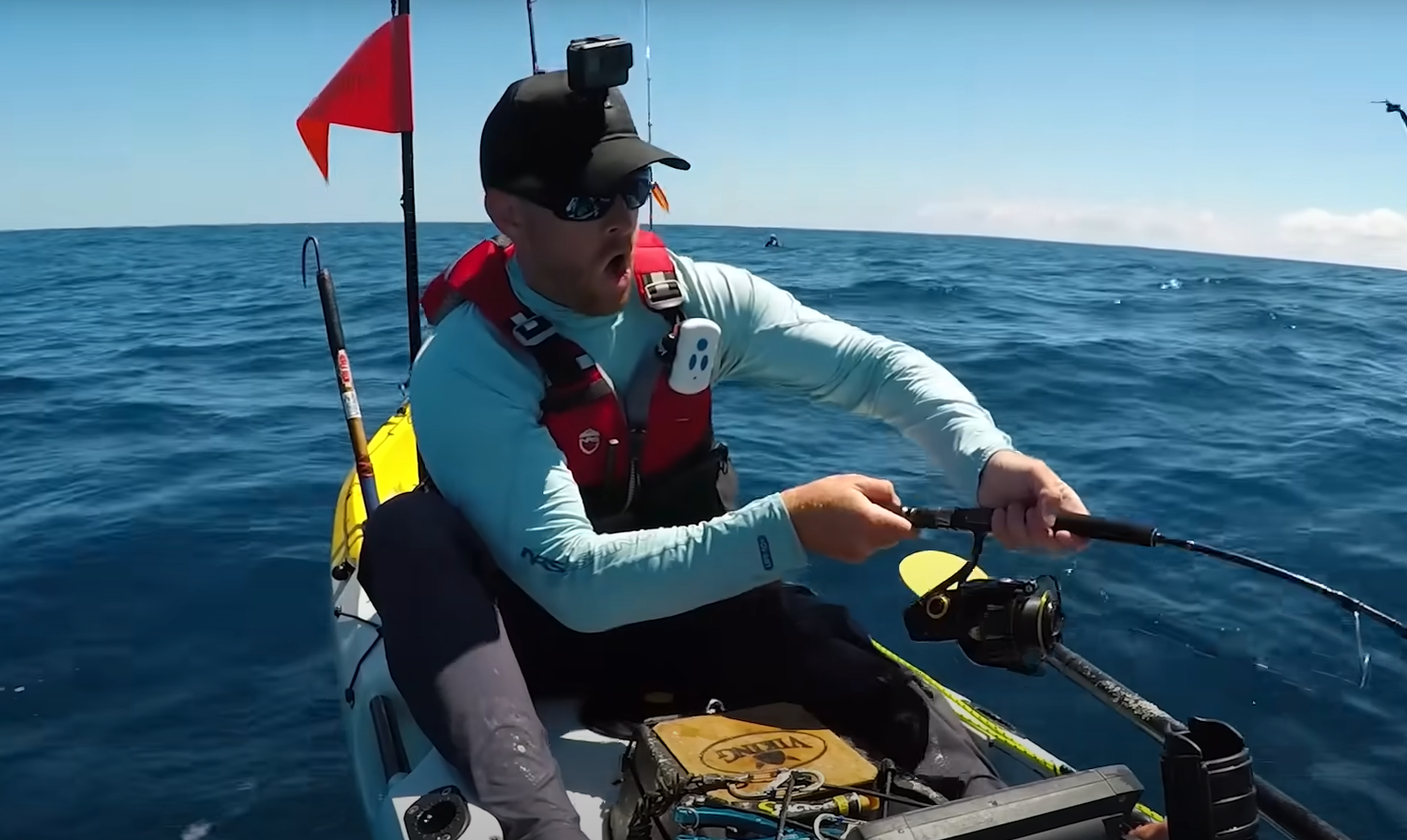
Venturing into the deep sea on a kayak might sound daring — because it is. The open ocean is unpredictable, powerful, and awe-inspiring. But with the right preparation, it can also be the most rewarding fishing experience you’ll ever have. I’ve done plenty of inshore and offshore kayak fishing, and every successful trip shared one thing: solid preparation. This article is a complete guide based on practical steps, real experiences, and lessons learned.
Why Deep Sea Kayak Fishing Requires Special Preparation
Unlike fishing in lakes or calm rivers, heading offshore means dealing with changing tides, bigger waves, and a lot more unpredictability. The moment you paddle beyond the shore break, you’re entering a new level of responsibility — for your safety, your gear, and your journey back.
You’re not just fishing. You’re navigating the sea. So planning becomes your lifeline.
Choosing the Right Kayak for Deep Sea Fishing
Ideal Kayak Length, Width, and Hull Design
When it comes to deep sea fishing, not all kayaks are built equal. Your standard 9-foot recreational kayak won’t cut it here. You’ll need a longer, wider, and more stable kayak, ideally 12 to 14 feet in length with a deep V-hull or rocker design that cuts through waves.
Look for these specs:
- Length: 12–14 feet for speed and tracking
- Width: Around 30 inches or more for stability
- Hull Type: V-shape or hybrid for open water navigation
Sit-on-Top vs. Sit-In Kayaks
Sit-on-top kayaks are the preferred choice. They’re self-draining, offer better mobility for fishing, and are easier to re-enter if you capsize. Deep sea kayak anglers avoid sit-in models because once water gets in, it’s harder to drain and escape.
Pedal-Drive vs. Paddle Kayaks for Long Distances
Pedal-drive kayaks are excellent for covering distance without tiring your arms. They also allow you to fish while staying in motion or hold position more easily in current. However, paddles are still essential backups, even if you use a pedal system.
Essential Gear and Equipment
Safety Gear (PFDs, Radios, Whistles, Emergency Kit)
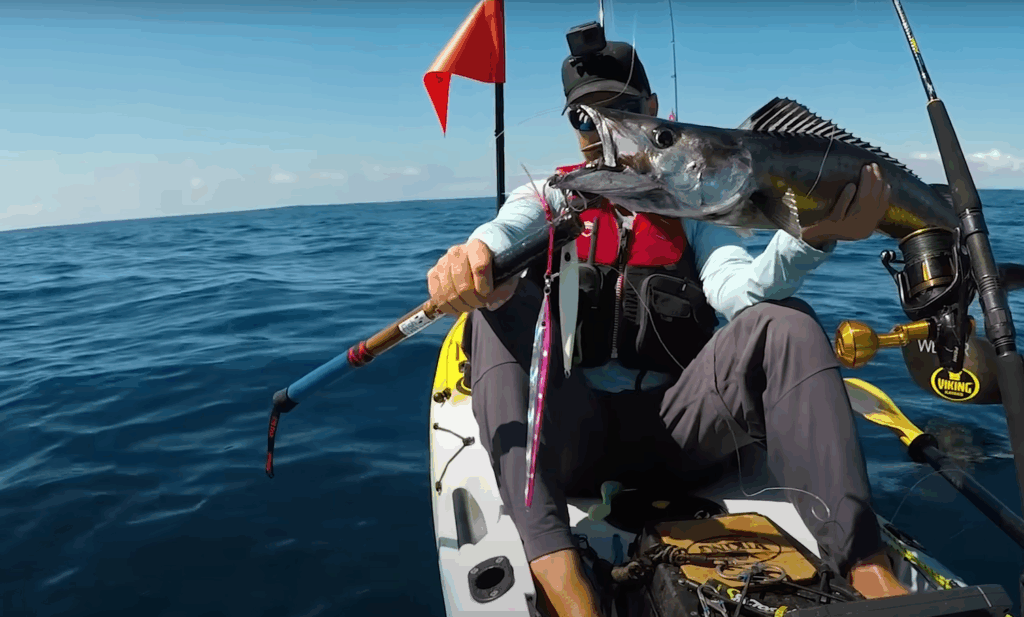
A high-quality life jacket (PFD) is non-negotiable. Choose one made for kayak anglers — designed with pockets and comfort for long hours.
Other safety must-haves:
- VHF marine radio for communication
- Whistle and signaling mirror
- Waterproof first-aid kit
- Bilge pump or sponge
- Knife or line cutter on your vest
Fishing Gear (Rod Holders, Heavy-Duty Rods, Reels, Tackle)
Deep sea species hit harder, and your gear needs to reflect that. Use:
- Medium-heavy to heavy rods
- High-capacity reels with 30–50 lb braid
- Metal jigs, trolling lures, and deep divers
- Multiple rod holders for trolling or passive setups
Also bring backup lines, leaders, and pliers. Saltwater gear takes a beating — be ready to replace or repair mid-trip.
Navigation and Tracking Devices (GPS, Fish Finder, Compass)
If you plan to go 1–3 miles offshore, invest in:
- A marine GPS with chart plotting
- Fish finder to locate bait schools
- Compass for backup navigation
Technology can fail. Know your launch point’s heading, and be able to navigate back manually if needed.
Anchoring System for Deep Water Stability
An anchor trolley system with a 3–5 lb folding anchor is ideal. In deeper water, add extra rope (at least 5:1 scope) to maintain position safely. Use a quick-release clip if you need to cut loose quickly during an emergency.
Preparing Your Body and Skills
Physical Fitness for Paddling Long Distances
Even if you use pedals, your body will be working hard — balancing, maneuvering, hauling fish, and handling the gear. You don’t need to be an athlete, but some core strength and endurance training goes a long way. Paddling into strong currents can drain you quickly.
Practicing Re-Entry Techniques
Capsizing offshore is rare — but possible. If you don’t know how to get back on your kayak in deep water, you’re putting yourself in danger. Practice re-entry in calm coastal waters with all your gear. Do it loaded, wearing your life jacket. This is one skill that could save your life.
Learning to Navigate Currents and Waves
Before hitting deep water, learn to read wave direction, identify rip currents, and paddle in side-swell conditions. Stability and control come with practice. Spend time in surf zones or rougher inshore waters to build confidence.
Planning Your Trip
Checking Weather and Sea Conditions
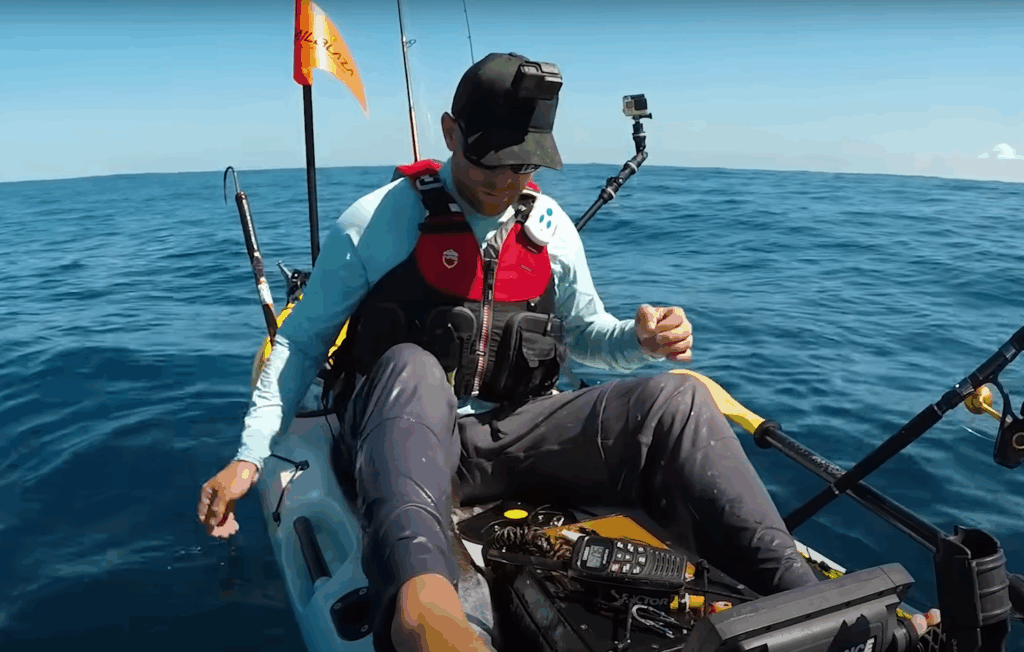
This is the most critical step. Check the weather 24 hours before your trip and again right before launch. Use apps or websites like:
- Windy.com
- NOAA Marine Forecast
- MagicSeaweed
Avoid going out if:
- Wind exceeds 12–15 knots
- Waves are more than 3–4 feet
- Visibility is low
Understanding Tides and Currents
Tide changes can pull you farther out or bring surprise waves. Always know the:
- Tide times and levels
- Current strength
- Direction of movement during your planned hours
Slack tide is safest. Avoid launching or returning during heavy tidal flow.
Choosing Launch Points and Fishing Spots Safely
Launch from areas with gentle surf breaks and easy access to deeper water. Study nautical charts beforehand. Mark GPS coordinates for known reefs or drop-offs, but always have a backup plan in case conditions change.
Packing Essentials for Offshore Travel
Food, Water, and Sun Protection
Bring at least 2–3 liters of water, high-protein snacks, and sun-safe clothing. A hat, UV-resistant shirt, sunglasses with straps, and reef-safe sunscreen are must-haves. The sun reflects off water and can burn you fast.
Dry Bags for Valuables
Keep your phone, wallet, keys, and license in a waterproof dry bag. Double-bag if necessary and tether it to your seat or storage hatch.
Extra Paddle, Batteries, and Spare Gear
An extra paddle secured with a leash can save you if your pedal system fails. Bring extra batteries for electronics, spare hooks, and emergency tools.
Emergency Preparedness and Communication
How to Use a VHF Radio
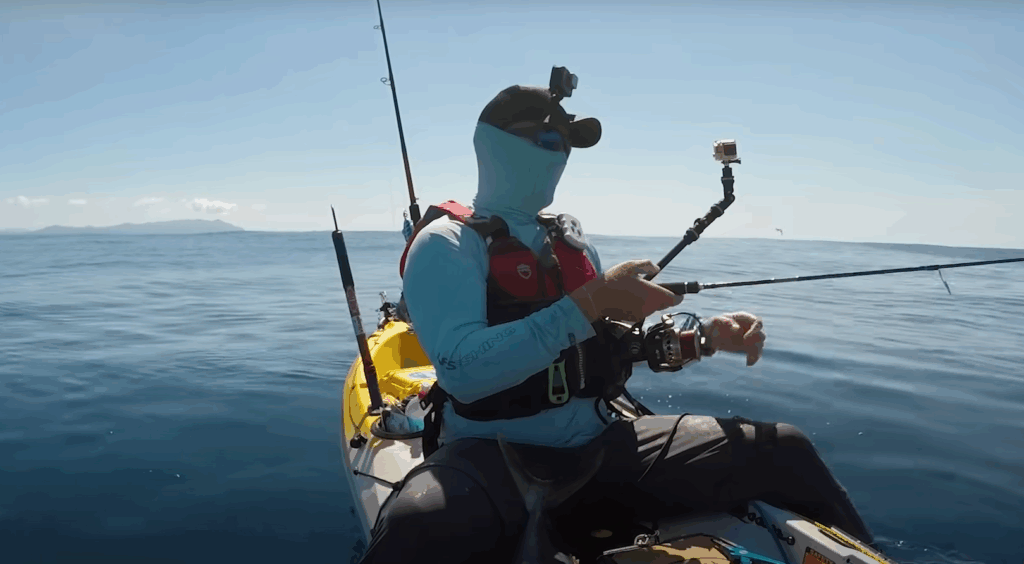
Get a handheld waterproof VHF radio and learn how to call for help using channel 16. Save local coast guard frequencies. Practice sending out a distress call, and keep it clipped to your vest — not stashed away.
Sharing Your Trip Plan with Someone on Shore
Always tell someone where you’re going, when you’ll launch, and when you expect to return. Share:
- Your launch location
- GPS coordinates of your planned fishing area
- Emergency contact info
If possible, use a live location-sharing app or personal locator beacon (PLB) for added safety.
Dealing with Capsizing or Equipment Failure
If you capsize:
- Stay with your kayak (it floats better than you do)
- Attempt re-entry only if calm and safe
- Use your whistle or radio for help
If gear breaks, stay calm. Use your backup paddle, ditch unnecessary equipment, and prioritize returning safely over catching more fish.
Testing and Trial Runs Before Going Deep
Practice Trips in Coastal or Bay Waters
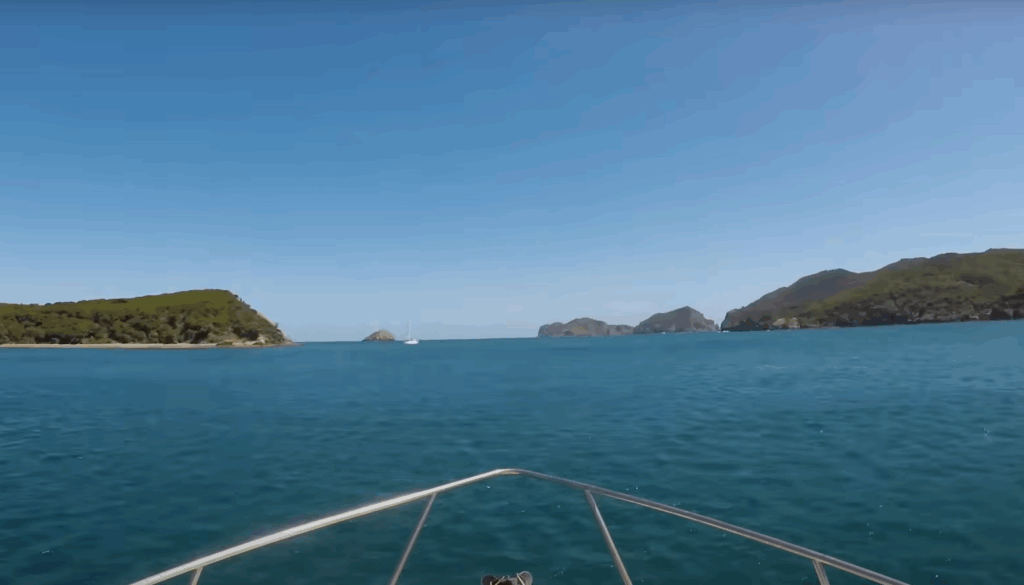
Before you go 2–3 miles offshore, test yourself in:
- Tidal estuaries
- Harbors with mild surf
- Bays with mild current
Build muscle memory, and test your stamina.
Gear Check and Packing Drills
Set up your kayak fully the night before. Practice grabbing tools blindfolded. Know where your knife, whistle, and radio are. Run “gear retrieval drills” so you don’t fumble during real emergencies.
Confidence-Building Through Small Challenges
Fish 500 meters offshore. Then 1 mile. Then 2. Learn how the wind feels, how your body reacts to the waves. With each small success, you’ll build the confidence needed for serious offshore trips.
Final Thoughts
Deep sea kayak fishing is equal parts thrilling and humbling. The ocean has its own rules — and it respects those who come prepared. From choosing the right kayak to checking tides and learning re-entry, every detail you prepare could save you hours of struggle, or even save your life. Take your time, train your body, and respect the water. The rewards? Unforgettable catches, silent sunrises, and the pride of mastering the sea — one paddle stroke at a time.