Kayaking is a fun and relaxing way to enjoy the water, but it also involves using the right gear. One of the most important tools in kayaking is your paddle. Without it, you’re not going anywhere. But what happens if you accidentally drop your paddle in the water? Will it float, or will it sink out of reach? This is a common question for beginners, and it’s an important one.
The good news is that most kayak paddles are designed to float, at least for a while. But the real answer is a bit more detailed than just yes or no. In this article, we’ll break down exactly why kayak paddles float, what they’re made of, how different materials behave in water, and what you can do to keep your paddle safe while you’re out paddling.
Why It’s Important That Kayak Paddles Float
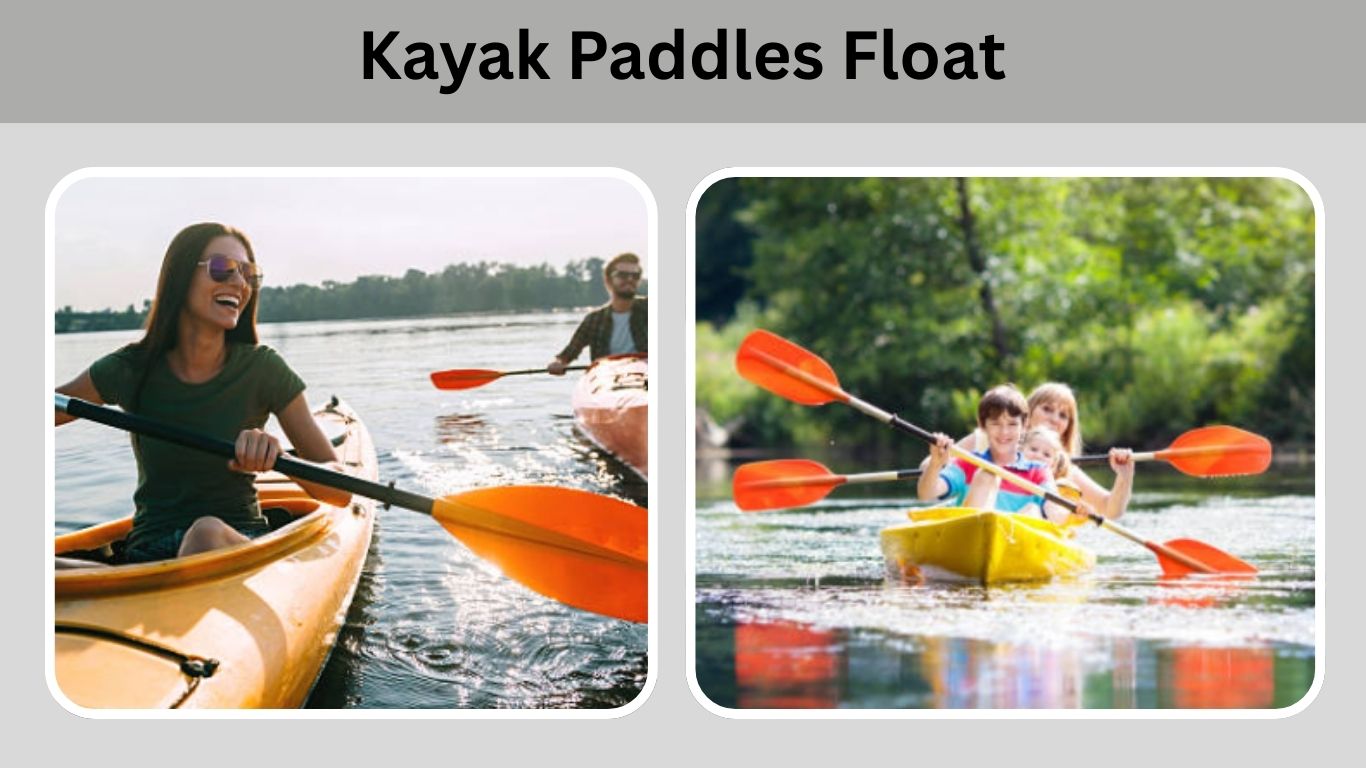
If you’re paddling across a lake, down a river, or along the ocean shore, your paddle is your only way of moving. If it sinks, you might be stranded. That’s why most paddles are designed to float, at least long enough for you to grab them. When a paddle floats, it gives you time to recover it, especially if you’re in deep water or your kayak has tipped.
Floating paddles are also easier to spot if you lose them during rough conditions or fast-moving currents. Whether you’re a beginner or an experienced paddler, knowing your paddle will stay afloat adds peace of mind and safety to your adventure.
The Short Answer: Yes, Most Kayak Paddles Float
In general, yes, most kayak paddles do float. They are built with buoyant materials or hollow designs that allow them to stay above the water, at least for a short period. However, how well and how long a paddle floats depends on the materials it’s made of, how it’s constructed, and even what kind of water you’re paddling in.
Just because a paddle floats when you first buy it doesn’t mean it will always stay that way. Over time, wear and damage can affect a paddle’s ability to float. So while most paddles will float, it’s still a good idea to understand why and how to keep them that way.
What Makes a Paddle Float?
The main reason a kayak paddle floats has to do with buoyancy. Buoyancy is the force that allows objects to float in water. Whether an object floats depends on its weight and how much water it displaces. If an object is less dense than water, or if it has trapped air that keeps it light, it will float. Kayak paddles are often made with materials that are lighter than water or have hollow parts that trap air. This helps keep them from sinking. Also, the shape and size of the paddle blades play a role, as they help displace water and keep the paddle from fully submerging.
Paddle Materials That Affect Floatation
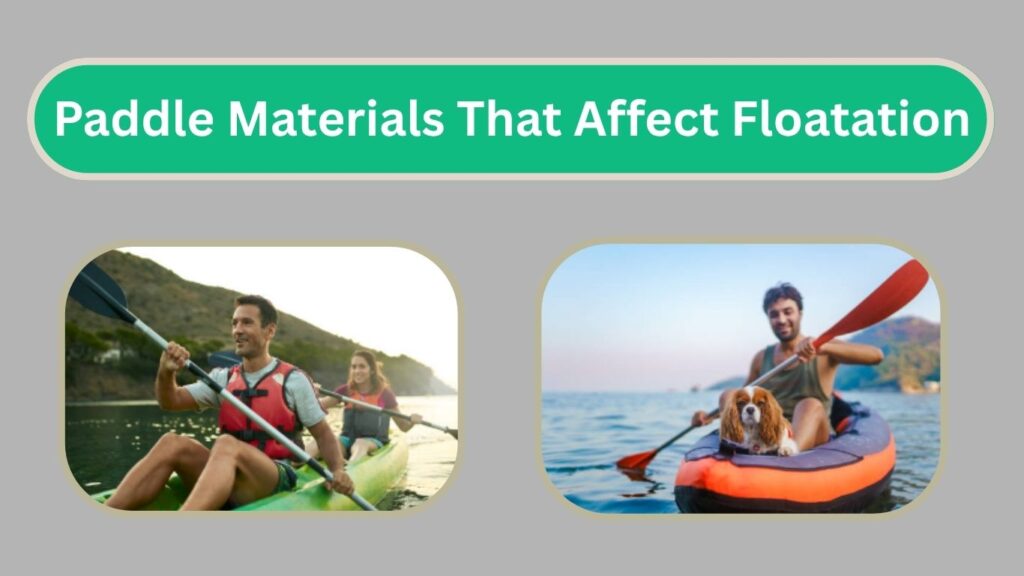
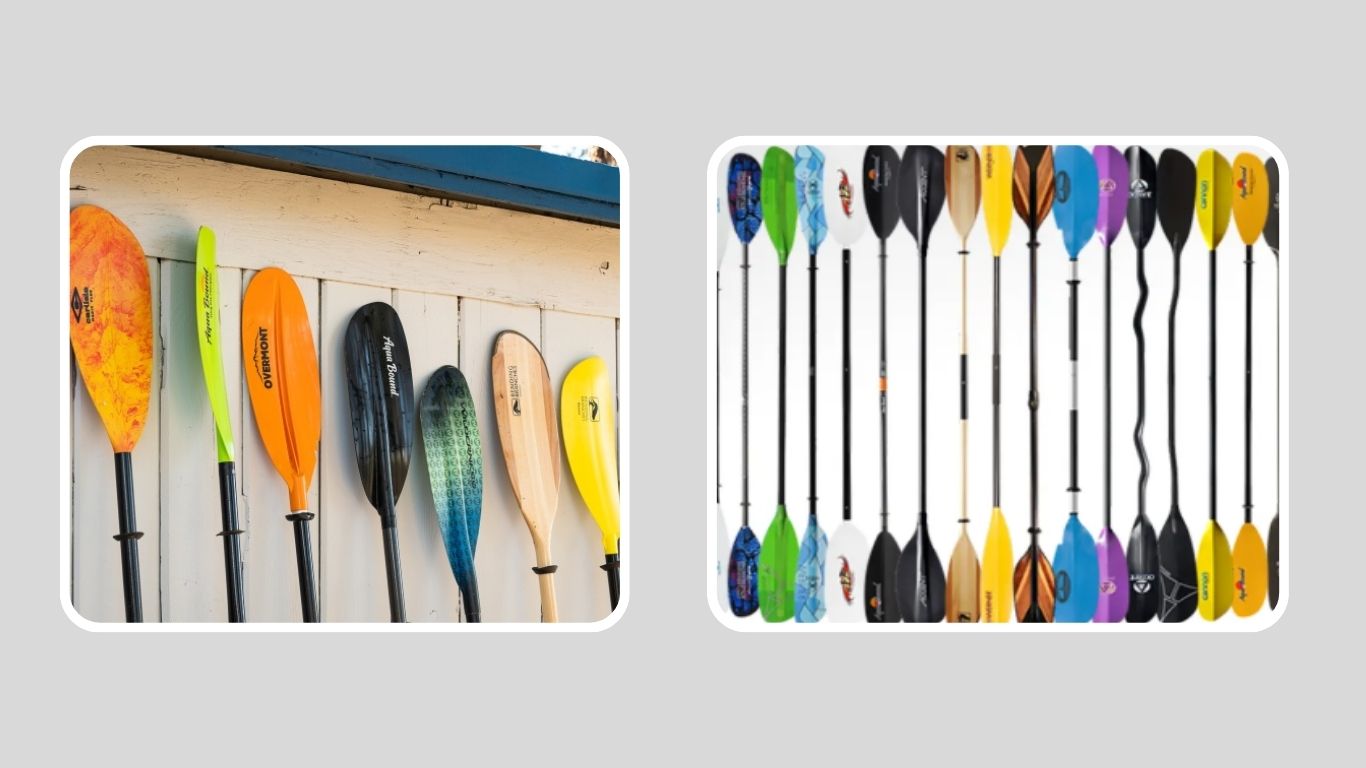
Different paddles are made from different materials, and these materials greatly affect whether the paddle floats and how well it does so. Entry-level paddles are often made from aluminum and plastic. Aluminum shafts are typically hollow, which gives them some buoyancy, and plastic blades are usually lightweight and naturally float.
Fiberglass paddles are common among more experienced paddlers because they are lightweight and also float well. Carbon fiber paddles, which are often used by professionals or those who paddle long distances, are extremely light and usually float the best of all. On the other hand, wooden paddles can vary depending on the type of wood and how they’re treated. Some woods float well, while others are heavier and may eventually sink if not sealed properly.
The Role of Paddle Design in Floating
Not only do the materials matter, but the design of the paddle also influences whether it floats. Many kayak paddles have a hollow shaft, which creates air pockets that help with buoyancy. If the shaft is sealed tightly and free of cracks, the air stays inside and keeps the paddle afloat. The shape of the paddle blades also helps.
Wider blades push against more water and help the paddle stay near the surface. Some paddle designs include foam inserts or flotation chambers to improve buoyancy even more. If a paddle has a broken seal or takes on water inside the shaft, it may begin to sink. That’s why it’s important to check for damage and make sure the paddle is sealed properly before heading out.
What Can Cause a Paddle to Sink?
Even though most paddles are designed to float, there are situations where they can sink. One common cause is damage to the paddle shaft. If the shaft develops cracks, dents, or holes, water can enter the hollow space and add weight, making it more likely to sink. Another reason is adding too many accessories.
Some paddlers like to attach GoPro cameras, fishing rod holders, or other gadgets to their paddle. While these might be helpful, they also add weight and can change the paddle’s balance in the water. Over time, wear and tear on the materials can also reduce the paddle’s buoyancy. And in rare cases, some very cheap paddles made from dense, poor-quality materials may not float well to begin with.
Does Saltwater vs. Freshwater Matter?
The type of water you’re paddling in can slightly affect how well your paddle floats. Saltwater is denser than freshwater, which means it can support more weight. This means a paddle might float a bit better in the ocean than it does in a lake or river. However, the difference is usually small and may not be very noticeable. It’s still a good idea to test your paddle’s flotation in both kinds of water if you plan to kayak in different environments. The important thing is to make sure your paddle stays sealed and damage-free, regardless of where you use it.
Tips to Keep Your Paddle from Sinking
If you want to make sure your paddle stays afloat no matter what, there are a few smart things you can do. First, regularly inspect your paddle for cracks, dents, or water inside the shaft. Shake it and listen, if you hear water sloshing around, it might be leaking and need repair. You can also add flotation foam to the inside of the shaft or attach a small float to the paddle itself. These add-ons are lightweight and give you extra protection. Another great tip is to use a paddle leash. A paddle leash is a simple cord that connects your paddle to your kayak or your wrist. That way, if you drop it, it won’t float away or sink, it’ll stay right beside you.
Should You Buy a Paddle Based on Its Floatability?
While floatability is important, it shouldn’t be the only thing you think about when buying a paddle. Comfort, weight, length, and durability also matter. A paddle that’s too heavy will tire you out. A paddle that’s too short or too long won’t work well with your kayak. Materials like fiberglass and carbon fiber offer the best balance of lightweight design, flotation, and performance. That said, knowing your paddle floats can be a big confidence booster, especially if you’re just starting. So yes, floatability should be one of the features you consider, but not the only one.
Do Wooden Kayak Paddles Float?
Wooden paddles can float, but their flotation depends on the type of wood and the way they’re finished. Some woods, like cedar and spruce, are naturally lightweight and float easily. Others, like oak or walnut, are much denser and might only float for a short time, or not at all. Most wooden paddles are treated with waterproof sealants or varnish to protect them from soaking up water. If the finish wears off or gets scratched, the wood can absorb water and become heavier, eventually causing it to sink. Regular maintenance, like sanding and resealing, helps wooden paddles stay buoyant and last longer.
Paddle Float Add-Ons and Safety Gear
If you’re worried about your paddle sinking, there are simple gear upgrades that can help. Foam paddle floats or buoyant grips can be added to the shaft to increase flotation. These are especially useful for people who fish from kayaks and use one hand for casting. Paddle leashes, as mentioned earlier, are also one of the best tools for keeping your paddle close and safe. Some companies even sell paddles with built-in float chambers or self-sealing ends to prevent water entry. Investing in these kinds of safety features can save you from a frustrating or dangerous situation on the water.
What to Do If You Drop Your Paddle
It’s always best to prepare for the worst-case scenario. If you drop your paddle while kayaking, stay calm. Try to spot the paddle and steer toward it. If it’s still floating, you’ll have a good chance of recovering it. If you can’t reach it, and you have a spare paddle or a backup plan, use it to paddle back toward the floating one. If your paddle sinks or is lost, and you’re far from shore, stay in your kayak, wave for help, and avoid jumping into the water to retrieve it, especially in deep or moving water. This is where paddle leashes and floating designs prove their worth.
Do Double-Bladed and Single-Bladed Paddles Float Differently?
Double-bladed paddles, which are used in most kayaks, usually float better because they are longer and often made from lightweight materials. They also displace more water due to their size and shape. Single-bladed paddles, which are more common in canoes or stand-up paddleboards (SUPs), can vary more in their flotation. Some wooden single-blade paddles are heavy and may not float well. Fiberglass or carbon versions usually float better. If you’re switching between different paddle types, test each one to see how it behaves in the water before taking it on a long trip.
Popular Paddle Brands Known for Floatation

Some paddle brands are well-known for building products that float reliably. For example, Aqua-Bound makes paddles with sealed shafts and foam inserts, giving them excellent flotation. Werner is another brand known for high-quality fiberglass and carbon paddles that float easily. Bending Branches makes both wooden and composite paddles, and their wooden versions are treated for buoyancy. When shopping, look for mentions of flotation features in the product descriptions, and check customer reviews to see if the paddle lives up to its claims. Remember, just because a paddle is expensive doesn’t mean it floats well; always check the design details.
Beginners and Paddle Floatation: What You Need to Know
If you’re just starting in kayaking, the last thing you want to worry about is losing your paddle. Beginners are more likely to drop their paddle, especially when learning how to steer, balance, or recover from tipping. That’s why using a floating paddle and a paddle leash is a smart move. These two simple tools can save you from a lot of frustration and help you focus on learning. Also, take some time to practice paddle recovery in a safe area, like a shallow lake or calm river. Get comfortable with how your paddle behaves in water so you’ll know what to do if it slips away during a real trip.
Final Thoughts: Don’t Just Trust That It Floats, Be Prepared
So, do kayak paddles float? Yes, most of them do, but not forever, and not under every condition. Paddle flotation depends on the materials, design, and condition of your paddle. It also depends on how well you take care of it. If you want to make sure your paddle won’t sink, inspect it regularly, avoid damage, and add simple safety tools like paddle leashes or foam inserts. Floatation adds a layer of security to your kayaking experience, but it’s not something you should blindly trust. Be prepared, know your gear, and enjoy the peace of mind that comes from knowing your paddle will stay with you, even if you drop it.