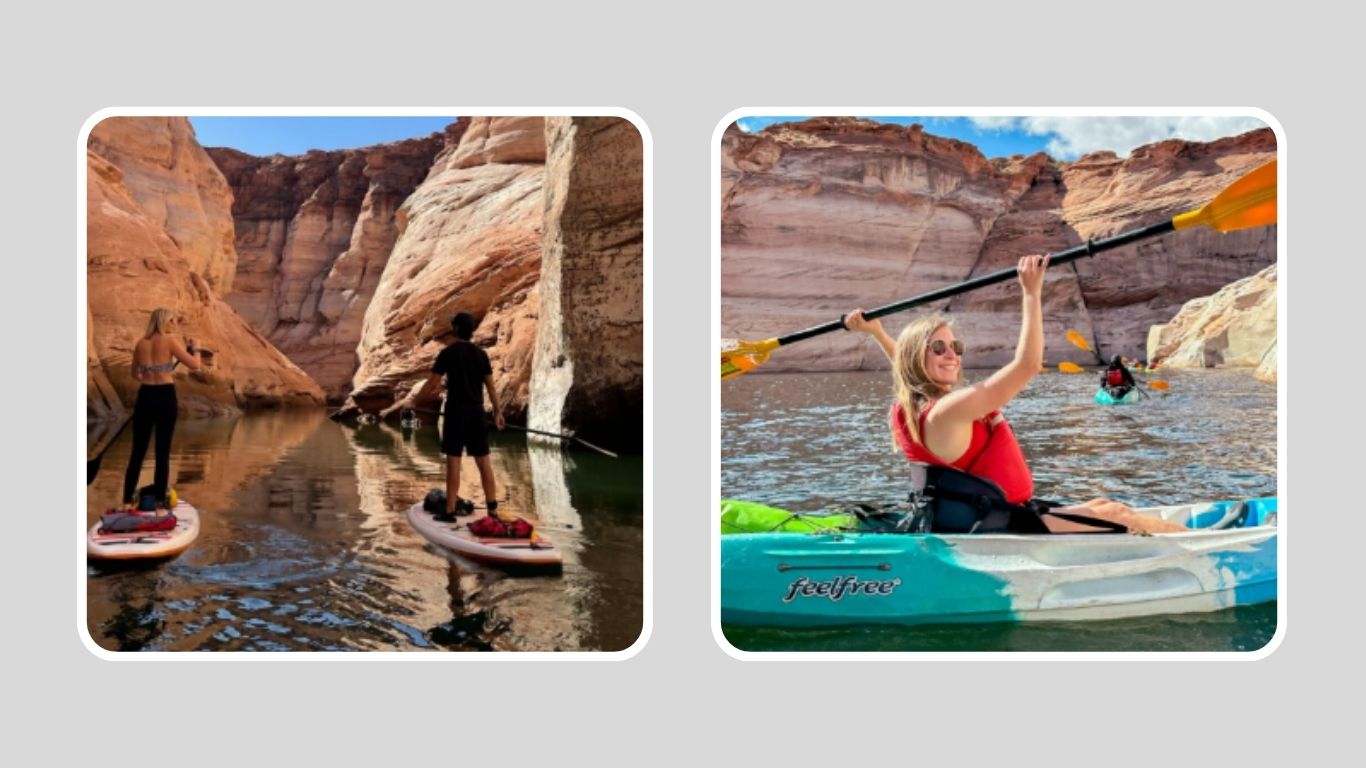
Lake Powell, stretching across the Utah-Arizona border, is one of the most breathtaking spots in the American Southwest. With its sparkling blue waters, dramatic red rock cliffs, and winding canyons, it’s a dream destination for outdoor lovers. While boats and houseboats are popular here, kayaking offers a quieter, more personal way to explore hidden coves and scenic wonders. Renting a kayak at Lake Powell makes it easy for anyone, beginners or seasoned paddlers, to enjoy a unique adventure on the water.
Discovering Lake Powell
Lake Powell isn’t just a reservoir; it’s a masterpiece shaped by both nature and human engineering. Created by the Glen Canyon Dam on the Colorado River, this massive lake stretches about 186 miles long, winding through the desert landscape of Utah and Arizona. With more than 90 side canyons, sandy beaches, and towering red rock cliffs, it looks like something out of a painting.
What makes Lake Powell truly special is its mix of water and desert scenery. The deep blue water contrasts beautifully with the fiery orange cliffs, especially at sunrise and sunset. From the water, you’ll see natural arches, hidden caves, and rock formations that change colors as the light shifts throughout the day.
Lake Powell is also a favorite spot for adventure seekers. Millions of visitors come here each year to go boating, fishing, hiking, and camping. But kayaking offers something different. Instead of rushing across the water, you can paddle slowly, slip into narrow canyons, and enjoy the silence broken only by the sound of your paddle. It’s the best way to connect with the peaceful side of this giant lake.
Whether you’re a nature lover, a photographer, or someone who simply wants to relax in stunning surroundings, Lake Powell is a destination that never disappoints. And once you discover it by kayak, you’ll understand why so many people call it one of the most beautiful places in the Southwest.
Why Choose Kayaking at Lake Powell?
With so many ways to explore Lake Powell, houseboats, speedboats, and jet skis, you might wonder why kayaking is such a popular choice. The answer is simple: kayaking offers a more personal, peaceful, and affordable way to see the lake’s wonders.
One of the biggest benefits is access. Big boats can’t squeeze into the narrow, twisting canyons that make Lake Powell so special, but kayaks can glide right through. This means you get to see hidden spots, quiet alcoves, and winding passages that few others experience. It feels like discovering your own secret world.
Kayaking is also budget-friendly. Renting a kayak costs much less than renting a motorboat or houseboat, making it an accessible adventure for solo travelers, couples, or families. Plus, since you’re paddling with your own power, it’s an eco-friendly way to explore without the noise and fuel of motorized boats.
There’s also the health and wellness side of kayaking. Paddling is a great workout for your arms, core, and back, but it doesn’t feel like exercise because you’re surrounded by incredible scenery. The calm rhythm of paddling and the gentle movement of the water can be relaxing and almost meditative, helping you disconnect from stress.
Whether you want an adventurous workout, a quiet moment with nature, or simply an affordable way to see the lake, kayaking gives you an experience that other activities can’t match. It’s the perfect balance of exploration, fitness, and fun, making it one of the best ways to enjoy Lake Powell.
Lake Powell Kayak Rental Options
Renting a kayak at Lake Powell is simple, and you’ll find plenty of options depending on where you want to start your adventure. From marinas to local outfitters, rentals are available for beginners and experienced paddlers alike.
On-Site Kayak Rentals at Marinas
The most convenient way to rent a kayak is right at the lake. Several marinas offer kayaks, so you can pick one up and paddle out without needing to transport it yourself.
- Wahweap Marina (Arizona side): One of the busiest marinas, located near Page. It offers single and tandem kayaks with hourly and daily rates.
- Antelope Point Marina: Close to the famous Antelope Canyon, making it an excellent spot if you want to paddle straight into one of Lake Powell’s highlights.
- Bullfrog Marina (Utah side): A good choice if you’re exploring the northern part of the lake. It’s less crowded than Wahweap, perfect for quieter trips.
Local Outfitters and Tour Companies
If you’re not staying directly at a marina, there are local outfitters in Page and the surrounding areas that provide kayak rentals. Many of them offer delivery services, bringing the kayak right to the water for you. Some also include gear like paddles, life vests, and dry bags.
Rental Packages and Pricing
Most rental companies offer flexible packages:
- Hourly rentals – Best for beginners or those who just want a short paddle.
- Half-day rentals (4 hours) – Ideal for exploring a nearby canyon without feeling rushed.
- Full-day rentals (8 hours) – Perfect for adventure seekers wanting to see multiple spots.
- Multi-day rentals – Great for camping trips or longer explorations.
Prices usually range from around $30–$50 per half day for a single kayak and $50–$80 for a tandem, though rates can vary depending on the season and rental location.
Types of Kayaks Available
- Single kayaks: Great for solo paddlers who want independence.
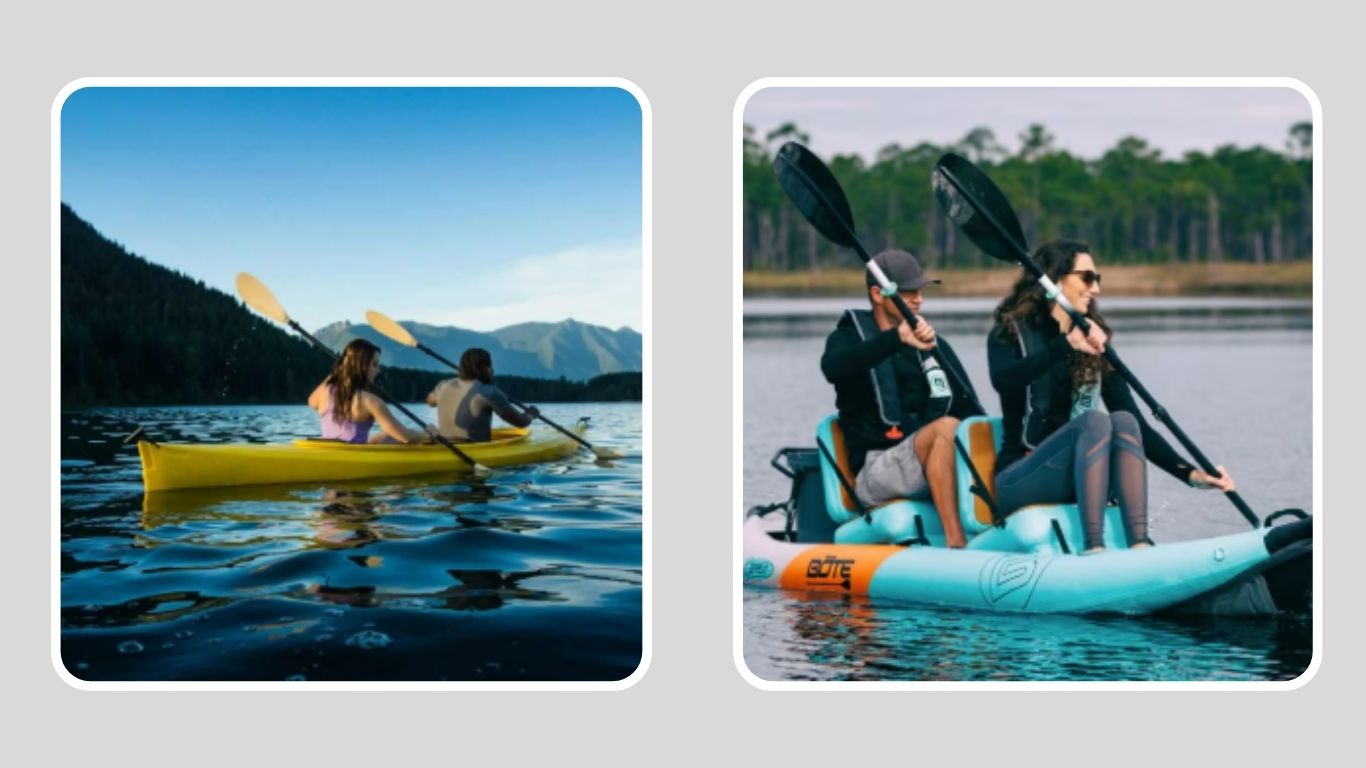
- Tandem kayaks: Perfect for couples, friends, or parents with kids.
- Sit-on-top kayaks: Easy to use and stable, great for beginners.
- Sit-in kayaks: Better for longer trips where you want more speed and efficiency.
- Fishing kayaks: Equipped with holders and extra space if you plan to fish.
Guided Tours vs. Self-Rental
- Guided tours are great if you’re new to kayaking or want to learn more about the lake. They usually include an experienced guide, safety gear, and a set route through scenic canyons.
- Self-rental gives you freedom to explore at your own pace. It’s perfect for experienced paddlers who enjoy creating their own adventure.
Booking Tips
- Reserve early, especially in summer when rentals sell out quickly.
- Ask about what’s included (paddles, life vests, dry bags).
- Check cancellation policies in case weather conditions change.
Renting a kayak at Lake Powell is flexible and affordable, and with so many options, you’ll find the right fit for your adventure, whether it’s a short paddle or a multi-day exploration.
Best Kayaking Routes at Lake Powell
Lake Powell’s beauty comes alive when you paddle into its canyons and bays. With more than 90 side canyons and miles of open water, there are endless places to explore. Some areas are better suited for beginners, while others are ideal for experienced paddlers who want a full-day adventure. Below are some of the best kayaking routes that show off Lake Powell’s most scenic wonders.
Antelope Canyon
This is the most famous kayak route at Lake Powell, and for good reason. Launch from Antelope Point Marina, and within a short paddle, you’ll be surrounded by towering red rock walls that grow narrower as you move deeper into the canyon. The paddle is calm and not too long, making it beginner-friendly. Once you reach the end, you can hike into the upper canyon for stunning slot canyon views.
Labyrinth Canyon
True to its name, Labyrinth Canyon twists and turns like a maze. Kayakers love it because motorboats can’t reach many parts of the canyon, leaving it peaceful and quiet. As you paddle, the walls close in, and the reflections on the water create a magical effect. This route takes more time than Antelope Canyon, so it’s best for those who want a half-day or full-day adventure.
Lone Rock Beach
Located near the Wahweap area, Lone Rock Beach is a great starting point for families and beginners. The water here is calm and shallow near the beach, making it perfect for practice paddling or a relaxed day trip. You can kayak along the shoreline, stop for a swim, or simply enjoy a picnic on the sand.
Padre Bay
If you want wide-open water with incredible rock formations, Padre Bay is the place to go. It’s the largest bay on Lake Powell and offers views of rock features like Gunsight Butte and Tower Butte. Because it’s more open, expect some wind and waves, which can make paddling more challenging. It’s best suited for confident kayakers or those on guided tours.
Rainbow Bridge National Monument
For a true bucket-list experience, paddle part of the way to Rainbow Bridge, one of the world’s largest natural arches. While the full trip requires a boat shuttle for part of the distance, you can still kayak sections leading toward the monument.
Suggested Itineraries
- Half-Day Trip: Paddle Antelope Canyon or Lone Rock Beach.
- Full-Day Trip: Explore Labyrinth Canyon or combine multiple shorter routes.
- Multi-Day Adventure: Paddle to remote canyons, camp on sandy beaches, and stargaze under the desert sky.
No matter which route you choose, kayaking at Lake Powell guarantees stunning views, peaceful moments, and memories that will last a lifetime. Each canyon has its own personality, so every trip feels like a discovery.
Planning Your Kayak Adventure
A kayaking trip at Lake Powell is unforgettable, but good planning makes the difference between a smooth adventure and a stressful day. From picking the right season to packing the right gear, here’s what you need to know before heading out on the water.
Best Times to Visit
- Spring (March–May): Mild weather, fewer crowds, and calm waters make this one of the best times to kayak.
- Summer (June–August): Warm water is perfect for swimming, but temperatures can be very hot, often over 100°F. Start paddling early in the morning to avoid the midday heat.
- Fall (September–October): Another ideal season with comfortable weather and stunning sunsets.
- Winter (November–February): Quiet and peaceful, but colder conditions mean you’ll need proper gear and experience.
Permits and Regulations
Lake Powell is part of Glen Canyon National Recreation Area, managed by the National Park Service.
- You’ll need to pay an entrance fee or use an annual park pass.
- If you’re camping overnight, follow designated camping rules and Leave No Trace principles.
- Always carry a life jacket; it’s required by law.
Packing Essentials
When kayaking, pack light but smart. Some must-haves include:
- Personal flotation device (PFD): Always wear your life jacket.
- Sun protection: Sunscreen, hat, and sunglasses with a strap.
- Hydration: At least 2–3 liters of water per person.
- Snacks or meals: Energy bars, trail mix, or sandwiches for longer trips.
- Dry bag: Keep your phone, camera, and keys safe from water.
- Navigation tools: Map, GPS, or downloaded app, since cell service can be weak.
- First aid kit: For minor cuts or scrapes.
Safety Tips
- Check the weather forecast before heading out. Sudden winds can make paddling difficult.
- Avoid overcrowded areas with heavy boat traffic, especially in peak summer.
- Paddle with a buddy if possible; it’s safer and more fun.
- Know your limits. If you’re new to kayaking, stick to shorter routes before tackling long canyon paddles.
- Stay visible. Wear bright colors or attach a flag to your kayak in areas with motorboats.
Planning ensures that you’ll enjoy the lake at its best. With the right preparation, you’ll be able to focus on the beauty around you instead of worrying about what you forgot.
Combining Kayaking with Other Activities
One of the best things about Lake Powell is that it’s more than just a kayaking destination. Paddling can be the main adventure, but you can also combine it with other fun activities to make your trip even more exciting.
Camping by the Shoreline
Lake Powell has plenty of sandy beaches where you can set up camp after a day of paddling. Imagine kayaking into a quiet cove, pulling your boat onto the sand, and spending the night under the stars. Many campers love the freedom of waking up and launching their kayak right from their campsite.
Fishing from Your Kayak
Lake Powell is home to bass, crappie, catfish, and walleye, making it a favorite spot for anglers. Fishing from a kayak gives you the chance to reach spots that larger boats often miss. You can bring a fishing rod, tackle, and even rent a fishing kayak with rod holders if you want the full experience.
Photography and Sightseeing
The scenery at Lake Powell is stunning, and kayakers have the advantage of getting up close to rock formations, reflections, and wildlife. Sunrise and sunset paddles are especially magical for photographers. Keep your camera or phone in a dry bag, but have it ready—every turn of the canyon reveals a new photo opportunity.
Hiking Adventures
Some kayaking routes connect to hiking trails. For example, after paddling into Antelope Canyon, you can continue on foot through the famous slot canyon. Rainbow Bridge also combines paddling with a short hike to the natural arch. This mix of water and land exploration makes your trip feel like two adventures in one.
Stargazing After Kayaking
If you stay overnight, don’t miss the night sky. Far from city lights, Lake Powell offers incredible stargazing. Many kayakers plan evening paddles, then relax on the beach while watching constellations and even the Milky Way overhead.
By mixing kayaking with camping, fishing, hiking, or photography, you’ll experience Lake Powell in more ways than one. It’s the perfect destination for outdoor lovers who want variety in their adventure.
Family-Friendly Kayaking Tips
Kayaking at Lake Powell is a wonderful way for families to spend quality time together while exploring one of the most beautiful spots in the American Southwest. The lake’s calm waters, towering red rock cliffs, and hidden coves make it a perfect destination for children and adults alike. With the right preparation, kayaking can be safe, fun, and educational, leaving your family with memories that last a lifetime.
Choosing the Right Kayak
Selecting the proper kayak is one of the most important decisions for a family trip. Tandem kayaks are ideal for parents paddling with children. They allow an adult to control the kayak while the child enjoys the ride safely, giving everyone peace of mind. Sit-on-top kayaks are another excellent choice because they are stable, easy to get in and out of, and less intimidating for beginners. For families with more than one child, some rental companies provide triple kayaks or multiple tandem kayaks, making group paddling possible.
Some kayaks even come with built-in storage compartments or waterproof containers, perfect for carrying snacks, water bottles, and small essentials. Families planning longer trips can benefit from kayaks that offer extra comfort, such as padded seats and backrests, which help prevent fatigue during multi-hour paddles.
Safety Gear for Children
Safety should always come first, especially when paddling with children. Every child should wear a properly fitted life jacket (PFD) at all times on the water. Bright-colored life jackets are preferable because they make children more visible to other boaters.
In addition to life jackets, other safety essentials include:
- Hats and sunglasses to protect from sun glare
- Sunscreen with high SPF to prevent sunburn
- Waterproof shoes or sandals for paddling and beach stops
- Extra clothes in a dry bag in case of spills or unexpected splashes
For younger children, parents should also consider a leash or paddle float system in case a child accidentally falls into the water. It’s also a good idea to brief children about water safety before starting the trip.
Selecting Beginner-Friendly Routes
Not every route at Lake Powell is suitable for families. Beginners should start with calm and shallow areas such as Lone Rock Beach, Antelope Bay, or smaller inlets near marinas. These locations provide gentle water, minimal waves, and plenty of room for children to practice paddling and balance.
Shorter paddles of one to two hours are ideal for younger children, while older kids may handle longer routes. Avoid challenging or exposed routes with strong winds, large waves, or heavy boat traffic until your family gains more experience. Planning routes with natural stops like beaches or shaded areas can also make the adventure more enjoyable for children.
Planning Fun Stops Along the Way
One of the best ways to keep children engaged during a kayaking trip is to include fun stops along the route. Families can:
- Take breaks on sandy beaches to build sandcastles or play games
- Swim in shallow, safe areas
- Explore small caves or rock formations along the shore
- Watch for wildlife such as fish, birds, and lizards
Packing snacks, water, and small treats ensures kids remain energized and happy during longer paddling sessions. Breaks also give families a chance to take photos and enjoy the stunning scenery of Lake Powell, creating lasting memories.
Making It Educational
Kayaking can also be a learning experience for children. Parents can use the trip to teach kids about:
- The geology of the red rock cliffs
- Local wildlife and fish species
- Environmental stewardship, including leaving no trace and protecting the lake
Discussing these topics while on the water makes learning fun and interactive. Children often develop a deeper appreciation for nature when they experience it firsthand.
Tips for a Smooth Family Adventure
- Start early in the day to avoid strong afternoon sun and wind
- Maintain a steady pace so kids don’t get tired quickly
- Encourage participation by letting children help paddle or steer
- Bring plenty of water to stay hydrated
- Dress in layers to adjust to changing weather conditions
- Have a backup plan in case of fatigue or sudden weather changes
Overnight Family Kayak Trips
For families seeking more adventure, multi-day trips with camping are an option. Lake Powell has several beaches suitable for overnight camping, and many families enjoy paddling to a remote cove, setting up tents, and watching the stars. When planning overnight trips, make sure to pack extra safety gear, food, and water, and follow all National Park Service guidelines.
Why Family Kayaking is Special
Kayaking together allows families to experience nature in a way that is both fun and bonding. Children gain confidence as they learn to paddle, while parents enjoy the peace and beauty of the lake. The shared adventure creates moments of teamwork, learning, and discovery, which strengthen family connections in a meaningful way.
With thoughtful planning, the right equipment, and a focus on safety and fun, kayaking at Lake Powell can become one of your family’s most treasured outdoor experiences. From quiet paddles along hidden coves to playful stops on sandy beaches, there’s an adventure waiting for every member of the family.
Frequently Asked Questions (FAQ)
Planning a kayaking trip at Lake Powell can bring up lots of questions, especially for first-time visitors. Below are answers to some of the most common questions families, beginners, and adventure seekers often ask.
1. Do I Need Experience to Kayak at Lake Powell?
No prior experience is required to enjoy kayaking at Lake Powell. Many rental companies provide basic instructions and safety briefings before you launch. Sit-on-top kayaks are particularly beginner-friendly because they are stable and easy to maneuver. For first-timers, it’s recommended to start with calm, shallow areas like Lone Rock Beach or Antelope Bay. If you feel unsure, guided tours are a great way to learn paddling techniques while exploring scenic routes safely.
2. How Much Does Kayak Rental Cost?
Rental costs vary depending on the type of kayak, duration, and location. Typical prices are:
- Single kayaks: $30–$50 for a half-day, $50–$80 for a full day
- Tandem kayaks: $50–$80 for a half-day, $80–$120 for a full day
- Multi-day rentals: Prices vary based on duration and extras such as paddles, life jackets, or guided routes
Booking early is advised, especially during peak summer months, to ensure availability and sometimes discounted rates.
3. Can I Bring My Own Kayak?
Yes, bringing your own kayak is allowed. However, you’ll need to follow the lake’s regulations for launching and retrieving boats. Most marinas have designated areas for personal kayak launch. Make sure your kayak is properly equipped with safety gear, including a life jacket, whistle, and reflective markers, as required by law.
4. What’s the Best Season for Kayaking?
- Spring (March–May): Mild weather, fewer crowds, and calm waters.
- Summer (June–August): Warm water and longer daylight hours; start early to avoid extreme heat.
- Fall (September–October): Comfortable temperatures and beautiful scenery; ideal for photography.
- Winter (November–February): Quiet and peaceful, but colder weather requires proper gear and experience.
The ideal season depends on your preferences for temperature, crowds, and length of daylight.
5. Are There Restrictions on Where I Can Paddle?
Yes, Lake Powell is part of Glen Canyon National Recreation Area, so some rules apply:
- Avoid restricted or private areas.
- Motorized boat zones are busy; stay alert and keep to marked kayaking routes for safety.
- Follow all National Park Service guidelines, including camping restrictions if you plan an overnight trip.
6. Can I Go on Multi-Day Kayaking Trips?
Absolutely! Many families and adventure seekers enjoy multi-day trips at Lake Powell. Designate sandy beaches as your camping spots, bring extra gear, and plan your route carefully. Make sure to follow all regulations regarding overnight stays, pack plenty of food and water, and bring a first aid kit.
7. Is It Safe for Children and Beginners?
Yes, kayaking is safe for children and beginners with proper planning. Always use life jackets, start in calm waters, and choose shorter routes for first-time paddlers. Encourage participation, take frequent breaks, and maintain a steady pace. Tandem kayaks are ideal for parents with children, offering safety and control on the water.
8. What Should I Pack for a Kayak Trip?
Essential items include:
- Life jackets for everyone
- Paddles and spare paddle (if possible)
- Water and snacks
- Sun protection: sunscreen, hats, sunglasses
- Dry bag for electronics and valuables
- First aid kit
- Maps or a GPS device
Optional but helpful items: a camera for photography, fishing gear, and extra clothes for swimming or changing after a trip.
9. How Long Should I Plan to Paddle?
- Short trips: 1–2 hours, ideal for families and beginners
- Half-day trips: 3–4 hours, enough to explore nearby canyons
- Full-day trips: 6–8 hours, for longer adventures including multiple routes
- Multi-day trips: 2+ days, perfect for camping and extended exploration
Choosing the right duration depends on skill level, route complexity, and family or group stamina.
10. Are Guided Kayak Tours Worth It?
Guided tours are highly recommended for first-time visitors or those unfamiliar with Lake Powell. They provide:
- Safety briefings and instructions
- Knowledgeable guides who share facts about the lake’s geology, history, and wildlife
- Access to scenic routes that are less crowded and sometimes inaccessible to self-guided paddlers
For experienced kayakers, self-rental offers flexibility and the chance to explore at your own pace.
Final Thoughts
Kayaking at Lake Powell is more than just a water activity; it’s an unforgettable adventure through one of the most stunning landscapes in the Southwest. From the quiet, winding canyons to wide-open bays and hidden beaches, the lake offers something for everyone, whether you’re a beginner, an experienced paddler, or a family seeking fun. Renting a kayak makes it easy to explore at your own pace while enjoying the beauty, tranquility, and unique wildlife of the area. With proper planning, safety precautions, and a sense of adventure, a day or multi-day kayak trip at Lake Powell becomes a memory you’ll cherish forever.