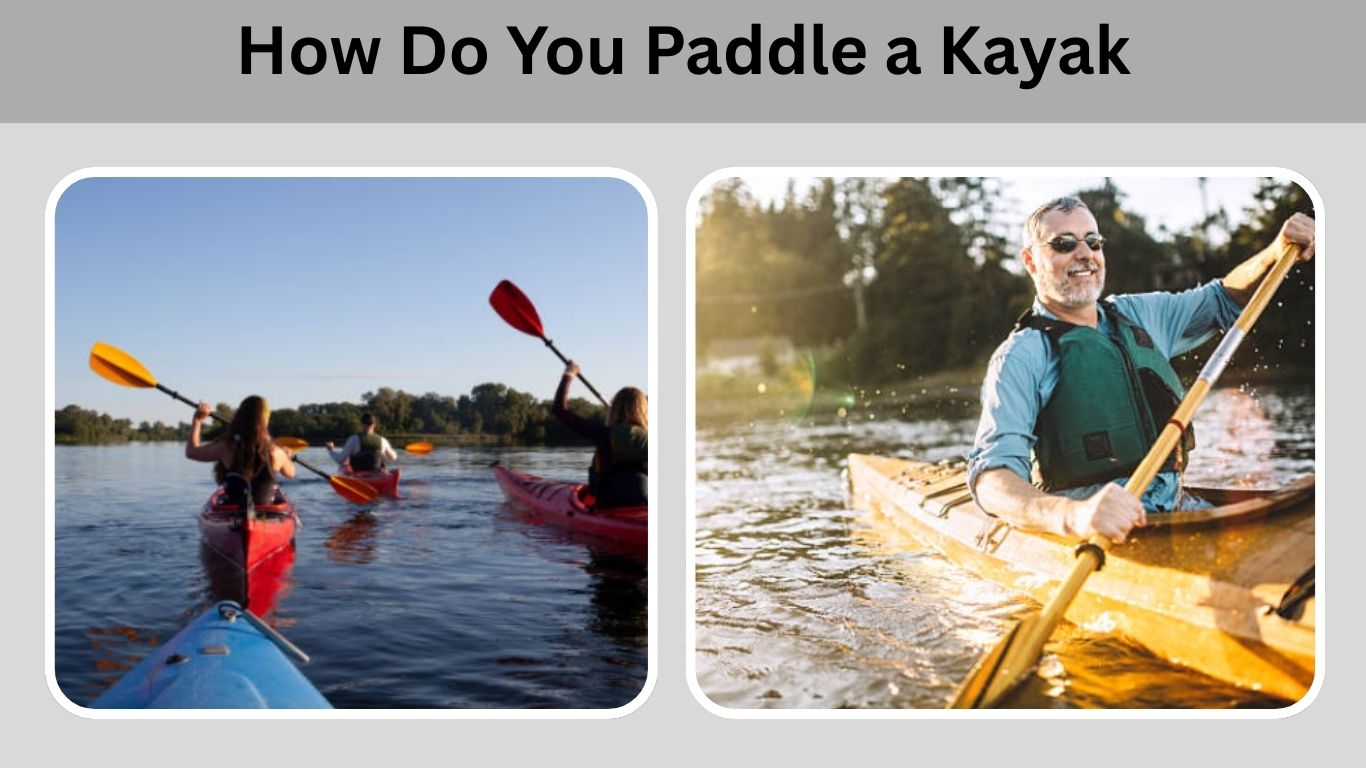
Kayaking is a fun and peaceful way to explore lakes, rivers, and oceans. But before you head out on the water, it’s important to learn how to paddle your kayak the right way. Paddling might seem simple at first, you just dip the paddle in the water and move forward, right?
But there’s a proper technique that helps you move more smoothly, stay balanced, and avoid getting tired too fast. In this guide, we’ll walk you through everything you need to know about paddling a kayak, step by step, using easy words and simple explanations.
Understanding Your Kayak and Paddle
Before you start paddling, it’s good to know the parts of your kayak and paddle. This helps you understand how everything works together when you’re out on the water. Most kayaks have a seat, footrests, and a cockpit where you sit. The front of the kayak is called the “bow,” and the back is the “stern.” Your paddle has two blades, one on each end, and a shaft in the middle that you hold.
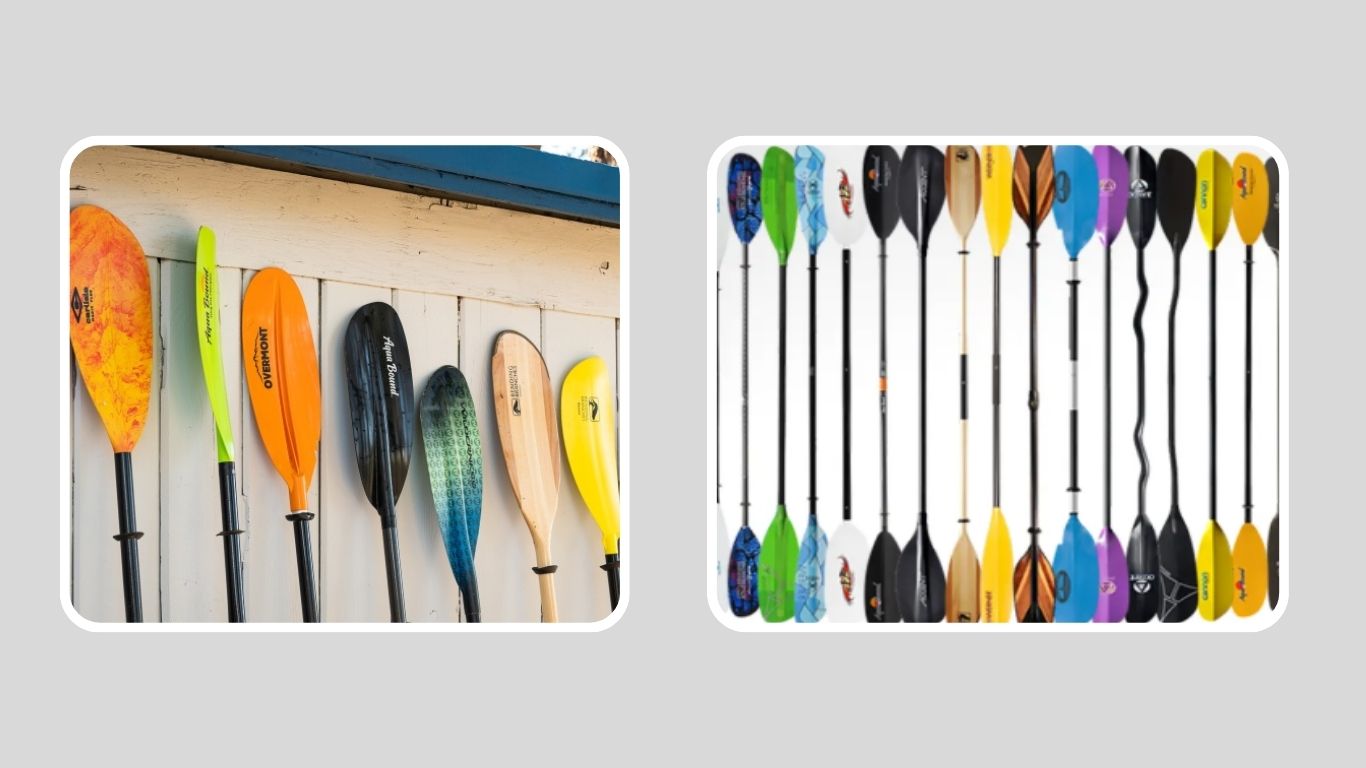
Kayak paddles come in different lengths, and choosing the right size helps you paddle more comfortably. If the paddle is too short, you’ll have to reach too far; if it’s too long, it’ll feel heavy and hard to control. Sit comfortably in your kayak with your paddle in your hands, and make sure both blades can reach the water easily without straining.
Getting into the Right Paddling Position
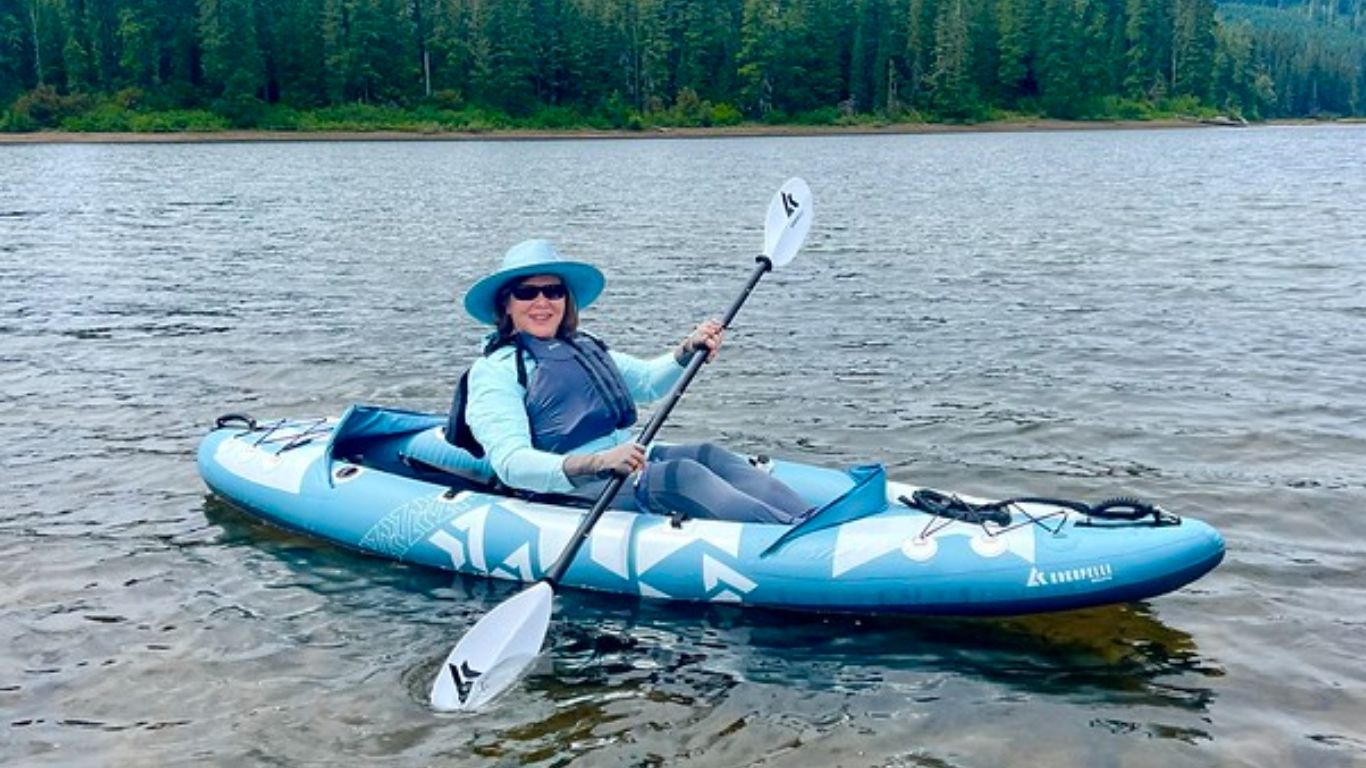
Your paddling position is very important. Sit up straight with your back resting lightly against the back of your seat. Your feet should be placed on the footrests, with your knees slightly bent and touching the sides of the kayak. Keep your hands about shoulder-width apart on the paddle, and make sure the blades are facing the right direction (some blades are slightly curved; these should scoop the water).
Good posture helps you paddle better. If you slouch or lean too far forward or back, you’ll tire out quickly and might even lose balance. Sitting up straight gives you more control and helps you use your whole body while paddling, not just your arms.
Holding the Paddle Correctly
Many beginners don’t realize that holding the paddle the wrong way can make paddling much harder. Grip the paddle lightly but firmly with both hands. Your knuckles should be in line with the blades, and your elbows should be relaxed. Don’t hold the paddle too tightly, or your arms will get tired fast.
Make sure the blades are facing the right way. Most paddles have slightly curved blades. The curve should face you, so the blade scoops water as you paddle. If the blades are flipped, you won’t move as efficiently and might splash yourself a lot.
Basic Forward Stroke: Moving Ahead
The forward stroke is the most common paddling move. It helps you move your kayak straight ahead. To do it properly, start by dipping one paddle blade fully into the water near your toes. Pull it back along the side of the kayak in a smooth motion. At the same time, twist your upper body slightly to add strength from your core muscles, not just your arms. Lift the blade out of the water once it reaches your hip.
Then, dip the other blade into the water on the opposite side and repeat the motion. Keep switching sides in a steady rhythm. The goal is to paddle evenly on both sides so your kayak moves straight. If you only paddle on one side, the kayak will start to turn in the opposite direction.
Reverse Stroke: Going Backward
Sometimes you need to move backward, maybe to get away from rocks or back out of a tight spot. The reverse stroke is just like the forward stroke, but in the opposite direction. Place the paddle blade in the water near your hip and push it forward toward your feet. Then do the same on the other side.
Use short, smooth strokes so you don’t lose balance. Always look behind you when going backward to make sure it’s safe. You can also use the reverse stroke to slow down if you’re moving too fast.
Sweep Stroke: Turning Your Kayak
If you want to turn your kayak left or right, the sweep stroke is your best friend. It’s like the forward stroke, but the blade moves in a wide arc instead of straight back. To turn left, put your paddle blade in the water near your toes on the right side. Then sweep the paddle in a big curve away from the kayak toward the back. This will push the front of the kayak to the left.
To turn right, do the same on the left side. The wider the arc, the sharper the turn. If you only want a slight turn, keep the arc small. Sweep strokes are very helpful when paddling around obstacles or changing direction in open water.
Draw Stroke: Moving Sideways
There are times when you want to move your kayak sideways, like when pulling up to a dock or getting closer to another kayak. The draw stroke helps you do this. Turn your body to face the side you want to move toward. Reach out and place the paddle blade in the water about two feet from the kayak. Then pull the paddle straight toward you, so the kayak slides sideways.
Be careful not to tip the kayak when reaching out. Keep your body balanced and don’t lean too far. You can also do a few short draw strokes instead of one big one to stay more stable.
Bracing: Keeping Your Balance
Bracing is a technique used to stop yourself from tipping over. If your kayak starts to lean too far to one side, you can use a low brace to regain balance. To do a low brace, hold the paddle flat across your lap, just above the water. If you start to tip, quickly slap the paddle blade down on the water surface while leaning your body the opposite way. This gives you support and helps you stay upright.
There’s also a high brace, which is stronger but harder for beginners. Start with low braces until you’re more confident. Bracing is an important safety skill that every kayaker should practice.
Using Your Core, Not Just Your Arms
One of the biggest mistakes new kayakers make is using only their arms to paddle. This gets tiring very fast and doesn’t give you much power. Instead, try to use your whole upper body, especially your core muscles (stomach and back).
As you paddle, twist your torso from side to side. This rotation gives your stroke more strength without using too much energy. Your arms are just guiding the paddle; your core is doing most of the work. This makes paddling feel smoother and helps you go farther with less effort.
Finding Your Rhythm
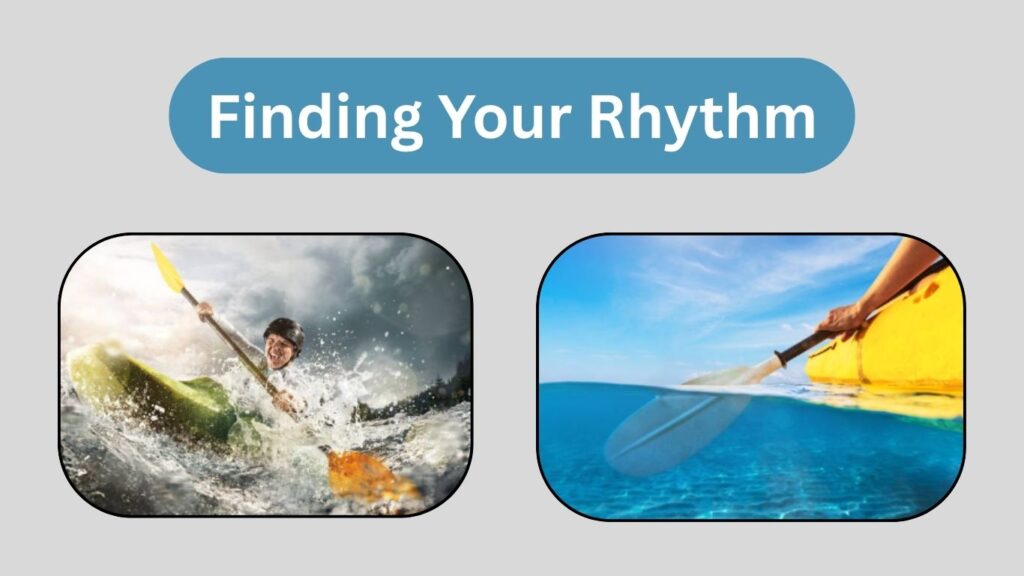
Paddling is much easier when you get into a steady rhythm. Don’t rush or paddle too hard. Try to keep your strokes even and balanced. It’s like walking or riding a bike; once you find your pace, it feels natural and relaxing.
If you feel like the kayak is wobbling or going in circles, slow down and check your posture and stroke technique. Sometimes, just a small change in how you sit or hold the paddle can make a big difference.
Staying Safe While Paddling
Safety should always come first when kayaking. Always wear a life jacket, even if you’re a strong swimmer. A sudden wave, strong current, or simple mistake can flip your kayak, and a life jacket keeps you safe in the water.
Check the weather before you go out, and avoid paddling in high winds or rough water if you’re a beginner. Stay close to shore and paddle with a friend when possible. Bring water, sunscreen, and a whistle in case of emergency.
Also, make sure your kayak has enough flotation and isn’t overloaded with gear. A balanced kayak is much easier to paddle and much safer.
Practicing in Calm Water
The best place to practice paddling is in calm, shallow water like a lake or quiet river. Start near the shore, where the water is still and easy to control. Practice your forward stroke, reverse stroke, and turning until you feel comfortable. Don’t worry if you make mistakes; everyone starts somewhere.
Take short trips at first, and gradually try longer paddles as you gain skill. The more you practice, the more natural it will feel. Over time, you’ll build the confidence to paddle in new places and enjoy all kinds of adventures.
Common Beginner Mistakes
It’s normal to make a few mistakes when learning how to paddle. Some common ones include holding the paddle backward, using only your arms, or paddling too hard and getting tired. Don’t get frustrated, these are easy to fix.
Also, avoid leaning too far when paddling or reaching out with your paddle. This can throw off your balance and make you tip. Try to keep your movements smooth and centered. If your kayak keeps turning when you don’t want it to, check if you’re paddling evenly on both sides.
Building Endurance and Strength
Paddling a kayak is a great workout. As you spend more time on the water, your body will get stronger and more used to the movements. Your arms, shoulders, and core muscles will all improve, making it easier to paddle for longer distances.
Don’t push yourself too hard at first. Take breaks, drink water, and paddle at a pace that feels comfortable. Over time, you’ll be able to go farther, faster, and with less effort.
Enjoying the Experience
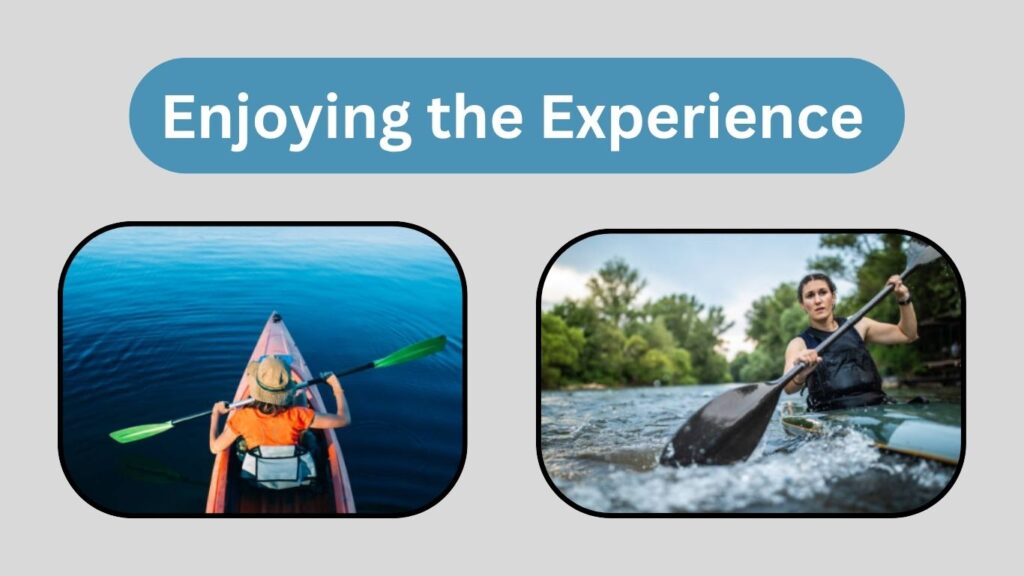
Once you’ve learned the basics, kayaking becomes more than just a sport—it’s a way to relax, explore nature, and enjoy the water. Paddle at sunrise to watch the sky light up, or float quietly down a river listening to the birds. Kayaking can be peaceful, exciting, or both, depending on where you go.
Try different types of kayaking, like lake paddling, sea kayaking, or even kayak fishing. The more you explore, the more fun you’ll have. Just remember to keep practicing your paddling skills so you can enjoy every trip safely.
Final Thoughts: Paddle Smart and Have Fun
Paddling a kayak isn’t just about moving from one place to another—it’s about enjoying the journey. With the right technique, good posture, and a little practice, anyone can learn to paddle smoothly and confidently. Start slow, stay safe, and don’t forget to have fun along the way.
Whether you’re gliding across a calm lake or navigating a gentle river, knowing how to paddle properly makes the experience better in every way. So grab your paddle, hop in your kayak, and enjoy the adventure that waits on the water.