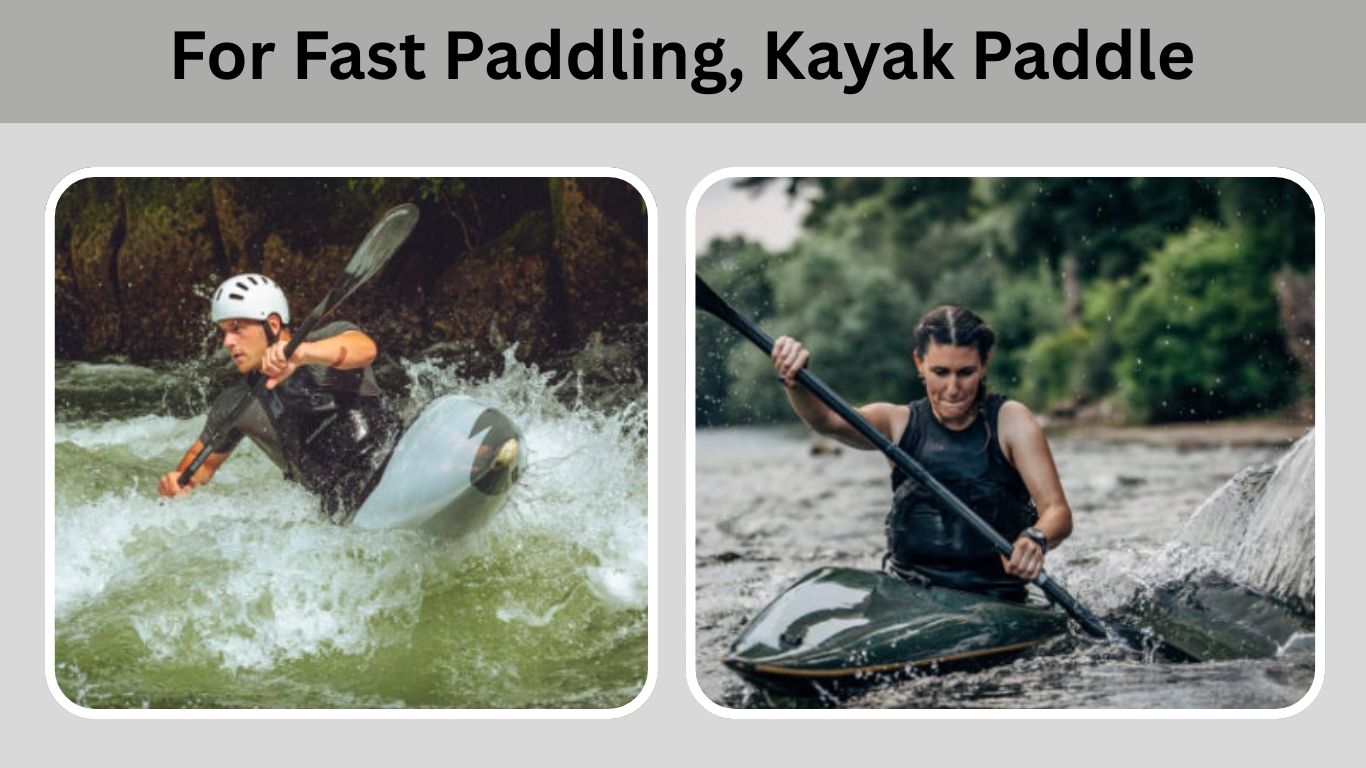
When you want to paddle a kayak fast, every little detail matters. It’s not just about how strong you are or how hard you row; the type of paddle you use can make a huge difference in your speed. The shape of the blades, the length of the shaft, the weight of the materials, and even how you hold the paddle can all affect how quickly you can move through the water.
Choosing the right kayak paddle for speed is a lot like choosing the right running shoes for a race; the wrong choice can slow you down, while the right one can help you glide forward effortlessly. In this guide, we’ll break everything down step-by-step so you can confidently pick the perfect paddle for fast paddling.
Why Your Paddle Choice Matters for Speed
Your paddle is the engine that powers your kayak. Even if you have the best, fastest kayak in the world, you won’t move quickly unless your paddle is designed to push a lot of water efficiently. The paddle acts as a lever between your body and the water.
A well-designed paddle will grab the water firmly, transfer your strength smoothly, and help you propel forward without wasting energy. On the other hand, a poorly chosen paddle might slip through the water, feel too heavy, or make you tire out too soon. When aiming for speed, the goal is to find a paddle that provides maximum power with minimal effort.
Understanding Paddle Length and How It Affects Speed
One of the first things to think about is paddle length. A paddle that’s too short will make you lean forward and take more strokes, which can be tiring and inefficient. A paddle that’s too long might feel heavy and slow down your stroke rate. For speed, you usually want a slightly shorter paddle than you would choose for relaxed touring, especially if you have a high-angle paddling style.
A shorter paddle lets you take quicker, more powerful strokes without overreaching. The right length depends on your height, kayak width, and paddling style. For fast paddling, consider something that feels easy to swing quickly without too much strain.
High-Angle vs. Low-Angle Paddling for Speed
Paddling angle refers to how high you lift your top hand during a stroke. In high-angle paddling, your strokes are more vertical, and the paddle blade enters the water close to the kayak. This style is great for speed because it delivers more power per stroke and keeps the kayak moving straight. Low-angle paddling, where your strokes are more relaxed and diagonal, is better for long-distance touring but is slower overall.
If your goal is to paddle fast, a high-angle style with a matching paddle blade shape is usually best. It does take more energy, so it’s important to have a paddle that feels light and balanced.
Blade Shape and Size for Fast Paddling
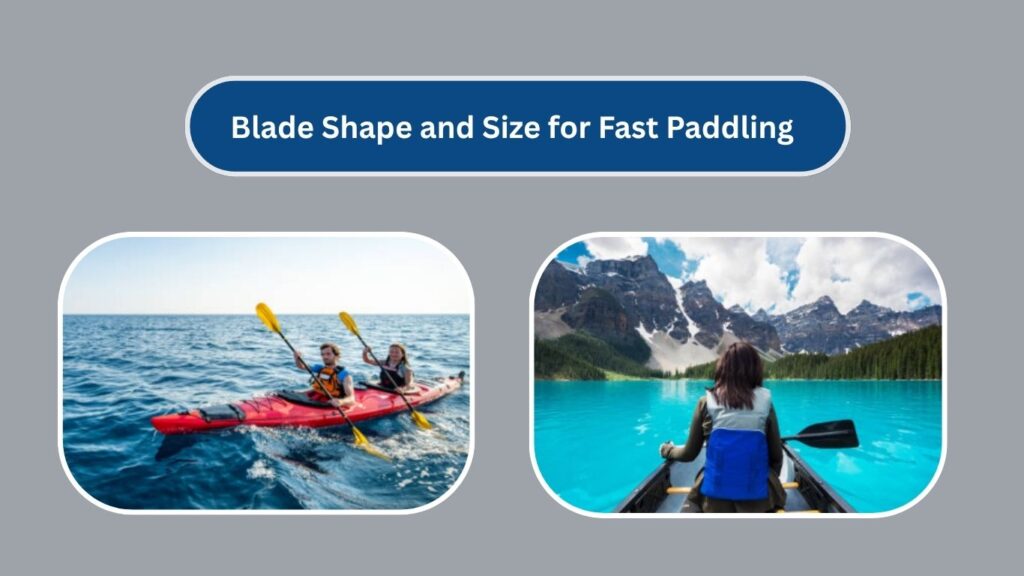
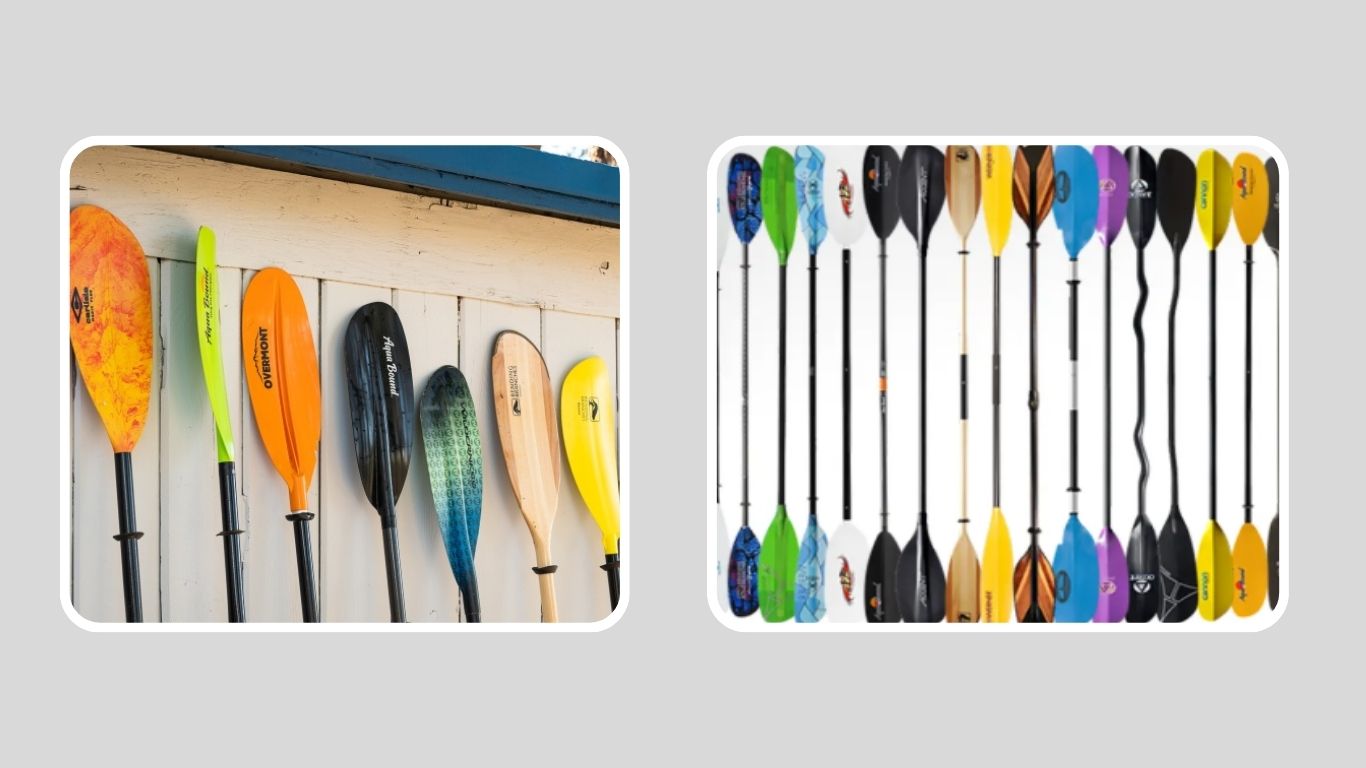
Blade shape plays a big role in speed. For fast paddling, you want blades that are shorter and wider, often called “high-angle blades.” These blades grab a large amount of water with each stroke, giving you strong forward thrust. Larger blades give more power but can also cause fatigue if they’re too big for your strength level.
It’s all about finding the balance between power and endurance. If you’re strong and want quick acceleration, a slightly larger blade will help you. If you want sustained speed over a longer distance, you might choose a medium-sized blade so you can keep up a fast pace without tiring out too quickly.
Materials That Make a Paddle Fast
The material of your paddle matters more than most people think. Heavy paddles require more effort to swing, which slows you down over time. Lightweight materials like carbon fiber or fiberglass make a huge difference when you’re aiming for speed. Carbon fiber paddles are extremely light and stiff, which means your power is transferred directly to the water without bending or flexing.
Fiberglass is also light and strong, though usually not quite as light as carbon fiber. Aluminum paddles are more affordable but heavier, so they’re better for casual paddling rather than racing. For fast paddling, investing in a light paddle is one of the best upgrades you can make.
Shaft Shape and Flex for Speed
The shaft is the long middle part of the paddle that you grip. It can be straight or bent (called a “crankshaft”). A straight shaft is lighter and common for speed paddling, while a bent shaft can reduce wrist strain and improve efficiency over long distances.
The flex of the shaft also matters. A stiffer shaft transfers more of your power into the water, which can make you faster, but it can also be less forgiving on your joints. For sprinting and short bursts of speed, a stiff shaft is great. For longer fast paddling sessions, a small amount of flex might be more comfortable.
Feathering for Faster Paddling
Feathering is when the blades of your paddle are angled differently from each other. Instead of being perfectly aligned, one blade is rotated slightly. This helps reduce wind resistance on the blade that’s out of the water, which can make a big difference when paddling quickly, especially on windy days.
Most speed paddlers prefer feathered paddles because they cut through the air more smoothly, allowing for a quicker rhythm. Adjustable feather angles give you the flexibility to try different settings until you find the one that feels fastest and most comfortable.
The Importance of Paddle Weight
When you’re paddling fast, every gram matters. A heavy paddle may not seem like a big deal at first, but over hundreds of strokes, it can slow you down and tire you out. A lightweight paddle lets you take more strokes per minute without feeling fatigued.
This is especially important in racing or when you need to maintain a high speed for a long time. Even a difference of a few ounces can feel huge after an hour of paddling. Many serious paddlers see a light paddle as one of the best investments for performance.
Balancing Power and Endurance
Fast paddling isn’t just about raw speed; it’s also about keeping up that speed over time. A paddle that’s too big or heavy might let you sprint for a short distance, but you’ll burn out fast. A smaller, lighter paddle might feel slower in the beginning, but it can help you keep a steady, fast pace for much longer.
This balance between power and endurance depends on your fitness level, paddling style, and goals. If you’re training for a short race, you might go for a big-bladed carbon paddle. If you’re doing long-distance speed kayaking, a slightly smaller blade could be better.
Testing Paddles Before You Buy
The best way to find the right paddle for fast paddling is to try different ones. Many kayak shops and clubs have demo days where you can test paddles of different lengths, materials, and blade shapes. This hands-on experience can quickly show you what feels fast and comfortable.
Pay attention to how the paddle feels after 10 or 15 minutes of continuous paddling; if your arms are already sore, it might be too heavy or too big. Also, notice how quickly the kayak responds to your strokes and how easy it is to keep a high stroke rate.
Matching Your Paddle to Your Kayak
Your kayak design also affects what paddle will be fastest. Narrow, racing-style kayaks work best with shorter, high-angle paddles that allow quick, powerful strokes. Wider kayaks might require a slightly longer paddle to reach the water comfortably.
Sit-on-top kayaks, fishing kayaks, and touring kayaks all have different seat heights, which changes the ideal paddle length. If your kayak sits high above the water, you’ll need a longer paddle, even for speed. Matching your paddle to your kayak ensures you’re not wasting energy with awkward angles.
Technique Matters as Much as Equipment
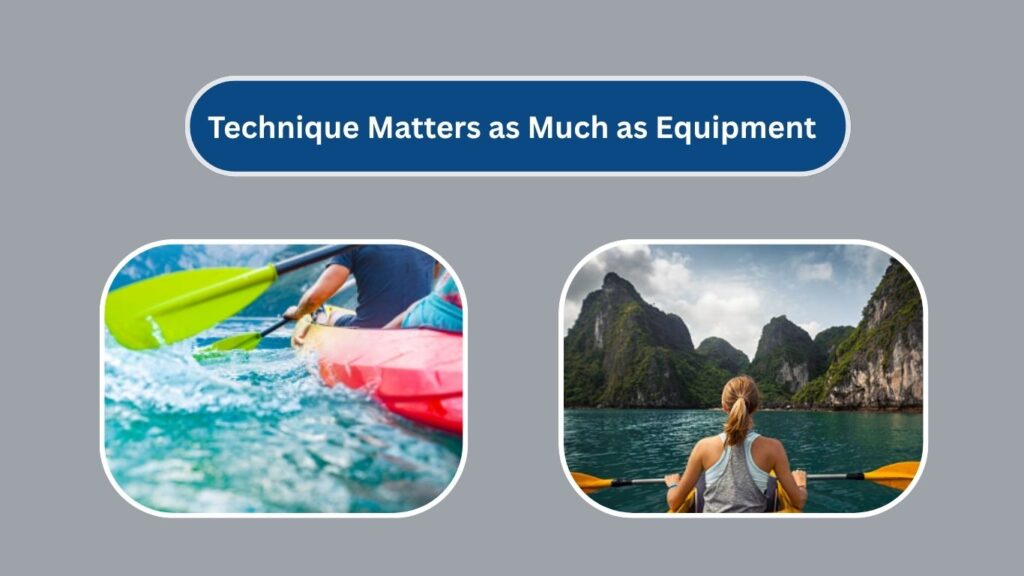
While having the right paddle helps, your paddling technique will always play a huge role in how fast you go. Fast paddling requires good rotation from your core, not just your arms. Using your torso muscles spreads the effort across your whole body and helps you maintain speed without tiring out.
Practice smooth, consistent strokes that catch the water fully and exit cleanly. Even with a high-performance paddle, sloppy technique will hold you back. Many speed-focused paddlers take lessons or watch technique videos to refine their stroke.
Common Mistakes That Slow You Down
When choosing a paddle for speed, avoid some common mistakes. One is picking a blade that’s too big for your strength level; this can cause early fatigue. Another is choosing a paddle that’s too heavy, which slows your stroke rate.
Using a low-angle paddle for speed paddling can also waste energy and reduce your forward momentum. Finally, ignoring paddle fit, such as length and feathering, can make even a good paddle feel awkward and slow. Always remember that comfort and efficiency go hand-in-hand with speed.
Training with Your Speed Paddle
Once you’ve chosen your speed paddle, it’s important to train with it. Your muscles need time to adjust to the blade size, shaft stiffness, and weight. Start with shorter, faster paddling sessions and gradually increase your distance.
Mix in sprint intervals with steady high-speed paddling to build both speed and endurance. Over time, you’ll develop the strength and rhythm to get the most out of your paddle. Even the best paddle in the world won’t make you fast overnight; consistent training is key.
Caring for Your Paddle
A fast paddle is an investment, so take care of it. Rinse it with fresh water after each use, especially if you paddle in saltwater. Store it away from direct sunlight to prevent damage to the materials. Check for cracks, chips, or loose ferrules (the connection between the two halves) regularly. A damaged paddle can lose efficiency and even break when you need it most. A little care goes a long way in keeping your paddle light, strong, and ready for high-speed action.
Final Thoughts
For fast paddling, you want a lightweight, high-angle paddle with blades that give you plenty of power without wearing you out too quickly. Carbon fiber is the top choice for serious speed paddlers, though fiberglass is also a great option. The right length depends on your height, kayak width, and paddling style, but in general, a slightly shorter paddle works better for high-angle strokes.
Remember that comfort and endurance matter just as much as raw speed, so choose a paddle that feels natural and easy to use. Combine it with good technique and regular training, and you’ll be slicing through the water faster than ever.