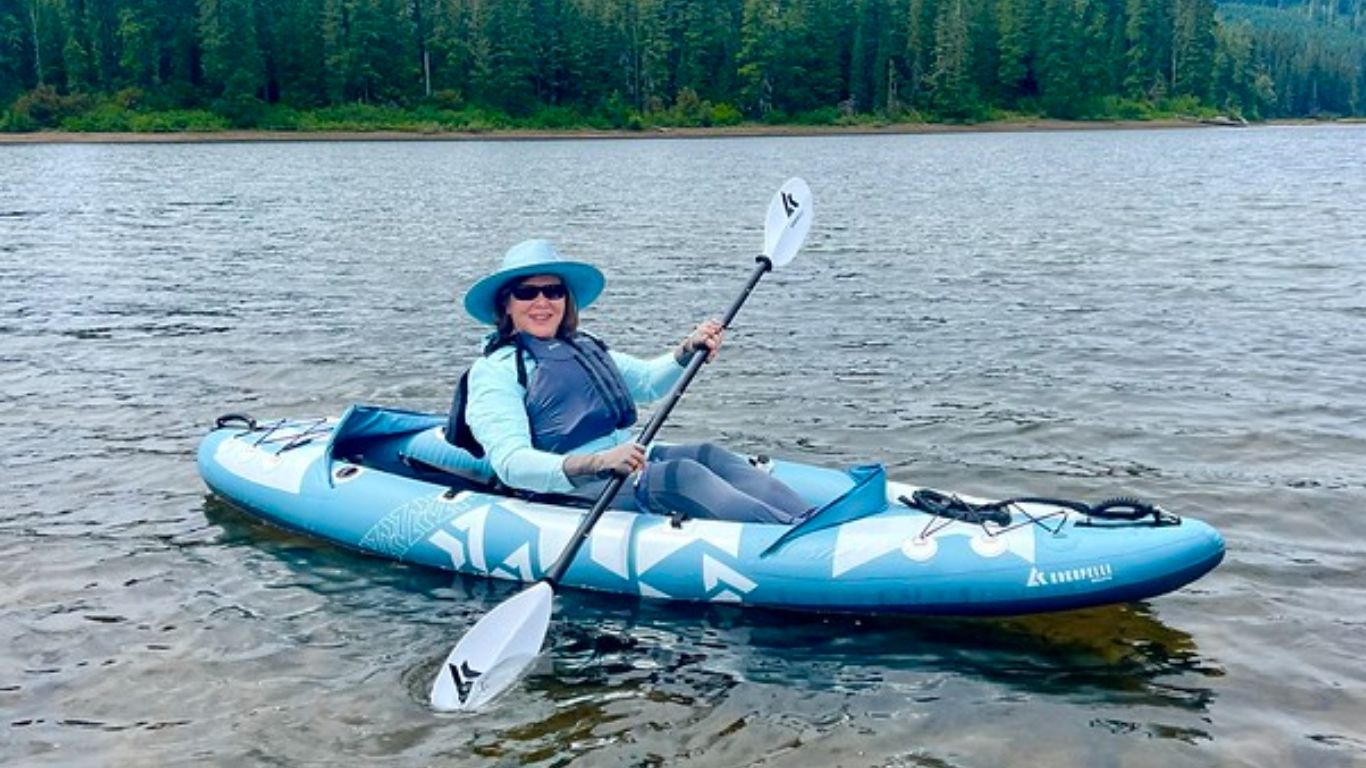
Choosing the right paddle size for your kayak is one of the most important decisions you can make to enjoy your time on the water. It might seem like a small detail, but the paddle is your main tool for moving across lakes, rivers, or the ocean. Just like you wouldn’t want shoes that don’t fit properly, a paddle that doesn’t fit your kayak or your body can make paddling tiring, uncomfortable, and even frustrating.
When you use the right paddle, you will feel more comfortable and efficient, making every trip more fun. Since 10-foot kayaks are very popular, especially for beginners and casual paddlers, it’s important to understand what paddle size fits them best. In this article, you will learn everything you need to know about selecting the perfect paddle size for your 10-foot kayak.
From how kayak width and your body size affect paddle length, to exploring adjustable paddles, paddle blade shapes, materials, and testing tips, by the end, you’ll be ready to pick the best paddle for your needs.
Why Kayak Width Matters More Than Length
When people first think about choosing a paddle size, they often focus on the kayak’s length. However, in reality, the width of the kayak plays a bigger role in deciding paddle length. This is because your paddle has to reach comfortably over the kayak’s width so you can paddle smoothly without hitting the kayak with your paddle blades. A 10-foot kayak usually comes with a width somewhere between 24 and 30 inches, depending on the model and style.
Some kayaks are narrow and sleek, designed for speed and efficiency, while others are wider and more stable, perfect for beginners or fishing trips. Narrower kayaks, typically around 24 to 26 inches wide, work best with slightly shorter paddles, generally between 210 and 220 centimeters long. This length allows you to reach the water with ease, without stretching your arms too far or hitting the kayak hull. Wider kayaks, from 27 to 30 inches wide, require longer paddles, about 220 to 230 centimeters. Because you have to reach further over the kayak’s sides, the extra length keeps your strokes natural and powerful.
Why does width matter more than kayak length? Imagine you’re holding a long stick across a small box versus a wide box. The wider box needs a longer stick to hold comfortably without awkward angles, and your paddle works the same way with your kayak. Using a paddle that’s too short for a wide kayak will cause your paddle blades to bump the kayak’s sides frequently, interrupting your strokes and possibly damaging the paddle or kayak.
On the other hand, a paddle that’s too long for a narrow kayak can make your paddling inefficient, cause you to lose power, and tire your arms faster. Getting the paddle length right means you can paddle smoothly, maintain good rhythm, and enjoy your time on the water without discomfort.
How Your Body Size and Strength Affect Paddle Choice
Your body size and strength are equally important when choosing a paddle. The paddle should feel like a natural extension of your arms, not something you have to force. Taller people, or those with a longer wingspan (the distance from fingertip to fingertip when your arms are stretched wide), usually feel more comfortable with longer paddles. Longer paddles help keep your arms from bending too much, which supports good posture and reduces fatigue.
Shorter people or those with a smaller wingspan tend to prefer shorter paddles, which allow for comfortable strokes without straining their shoulders or wrists. Strength and fitness also come into play. Stronger paddlers can often manage bigger blades and longer paddles because they can generate more power, while beginners or paddlers with less upper body strength often benefit from lighter paddles with smaller blades that are easier to control. Ultimately, comfort is the key. If you can hold the paddle in a relaxed way without stretching or scrunching your arms and paddle smoothly without feeling tired quickly, you’ve probably found a good fit.
How Paddling Style and Environment Influence Paddle Size
Another important factor in choosing paddle size is where and how you paddle. Different water environments and paddling styles require different paddle sizes and types. If you mostly paddle calm lakes or slow-moving rivers, a shorter paddle with medium-sized blades usually works best. In these calm conditions, you don’t need long, powerful strokes. A paddle that’s easy to handle and light reduces fatigue and helps you enjoy peaceful trips.
However, if you paddle whitewater or fast-moving rivers, you may want a longer paddle with bigger blades. This setup helps you generate more power for quick strokes and gives you better control to navigate currents. When kayaking in the ocean or on large lakes, longer paddles offer better control and power to handle wind and waves. Yet, paddles that are too long can become tiring if you’re paddling for hours, so many ocean paddlers choose adjustable paddles that let them change the length based on the conditions.
Your paddling style also influences your paddle choice. Casual paddlers who kayak for fun or exercise tend to prefer lighter paddles with comfortable lengths that don’t tire their arms. Touring and racing paddlers, on the other hand, focus on speed and endurance and often choose longer paddles with specific blade shapes that maximize power and reduce drag.
Recommended Paddle Sizes for Different 10-Foot Kayak Types
Since not all 10-foot kayaks are the same, knowing what paddle size works best for your specific kayak type is useful. Recreational kayaks, which are stable and often wider (27 to 30 inches), usually do well with paddles ranging from 220 to 230 centimeters.
The longer paddle length compensates for the kayak’s width and allows comfortable paddling without the blades hitting the kayak. Sit-on-top kayaks, which tend to be wide and less streamlined, also benefit from paddles in the 220 to 230 centimeter range. These paddles, often with medium-sized blades, make paddling easier when fishing or cruising slowly. Inflatable kayaks vary in width but are often fairly wide for stability, making paddles of 220 to 230 centimeters a good match.
Because inflatable kayaks are commonly shared by families or friends, adjustable paddles work well for them. Some performance or touring kayaks might be 10 feet or just a bit longer but narrower, and these kayaks usually require paddles closer to 210 to 215 centimeters to allow quick, efficient strokes without overreaching. Knowing your kayak’s style and width helps you narrow down the best paddle size range.
How to Measure Yourself and Your Kayak for the Perfect Paddle
If you want to be very precise, measuring your body and kayak helps find the perfect paddle size. Start by measuring your wingspan, which is done by standing with your arms stretched wide as if you are hugging a large tree. Have someone measure from fingertip to fingertip in centimeters.
This wingspan roughly equals your ideal paddle length minus some adjustment. Then, measure your kayak’s width in inches at its widest point near the cockpit. Combining these numbers helps you select the right paddle length. For average height paddlers (about 5 feet 4 inches to 5 feet 8 inches), kayaks 24 to 26 inches wide work best with paddles 210 to 215 centimeters long, 27 to 28-inch wide kayaks with 215 to 220 centimeter paddles, and 29 to 30-inch wide kayaks with 220 to 230 centimeter paddles.
If you’re taller or shorter than average, add or subtract around 5 centimeters to these numbers. Finally, adjust based on your paddling style; choose a slightly shorter paddle for calm water and a longer paddle if you need more power or paddle in rough conditions.
Adjustable Paddles: Flexibility and Considerations
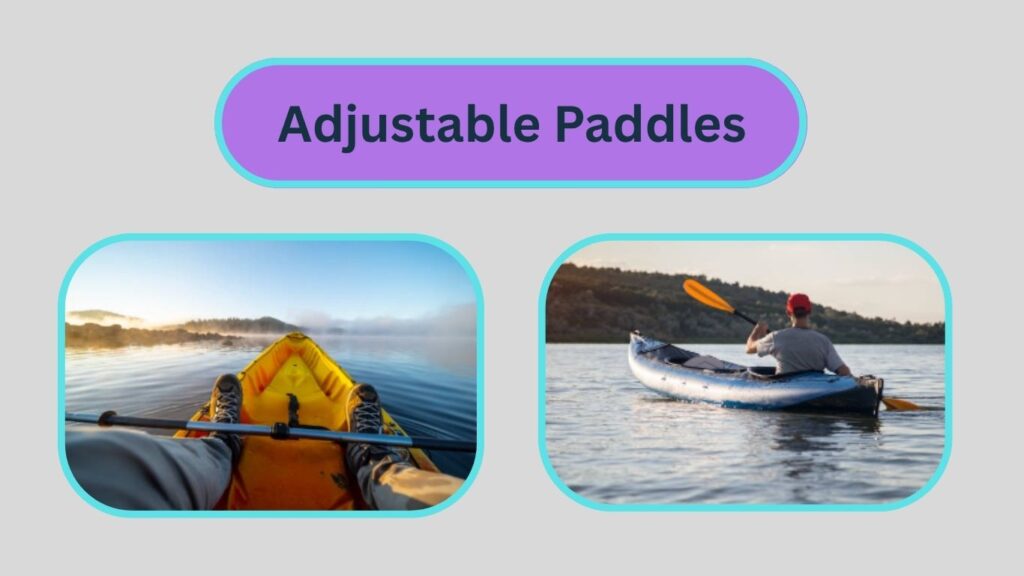
Adjustable paddles offer great flexibility if you’re unsure about paddle size or share your kayak with others. They allow you to change the paddle length quickly, which is perfect for families or groups with paddlers of different heights. Adjustable paddles are also helpful for adapting to different water conditions. For example, you can shorten your paddle for relaxed paddling on calm lakes and lengthen it for more power in rough or windy conditions. Beginners find adjustable paddles useful because they can experiment with different lengths and find what feels best over time.
However, adjustable paddles tend to be a bit heavier and less stiff than fixed-length paddles because of the extra parts needed for adjustment. This might slightly affect performance, but is not a big problem for most paddlers. When choosing an adjustable paddle, look for one with a secure locking mechanism and lightweight materials so it feels solid and is easy to adjust.
The Importance of Paddle Blade Size and Shape
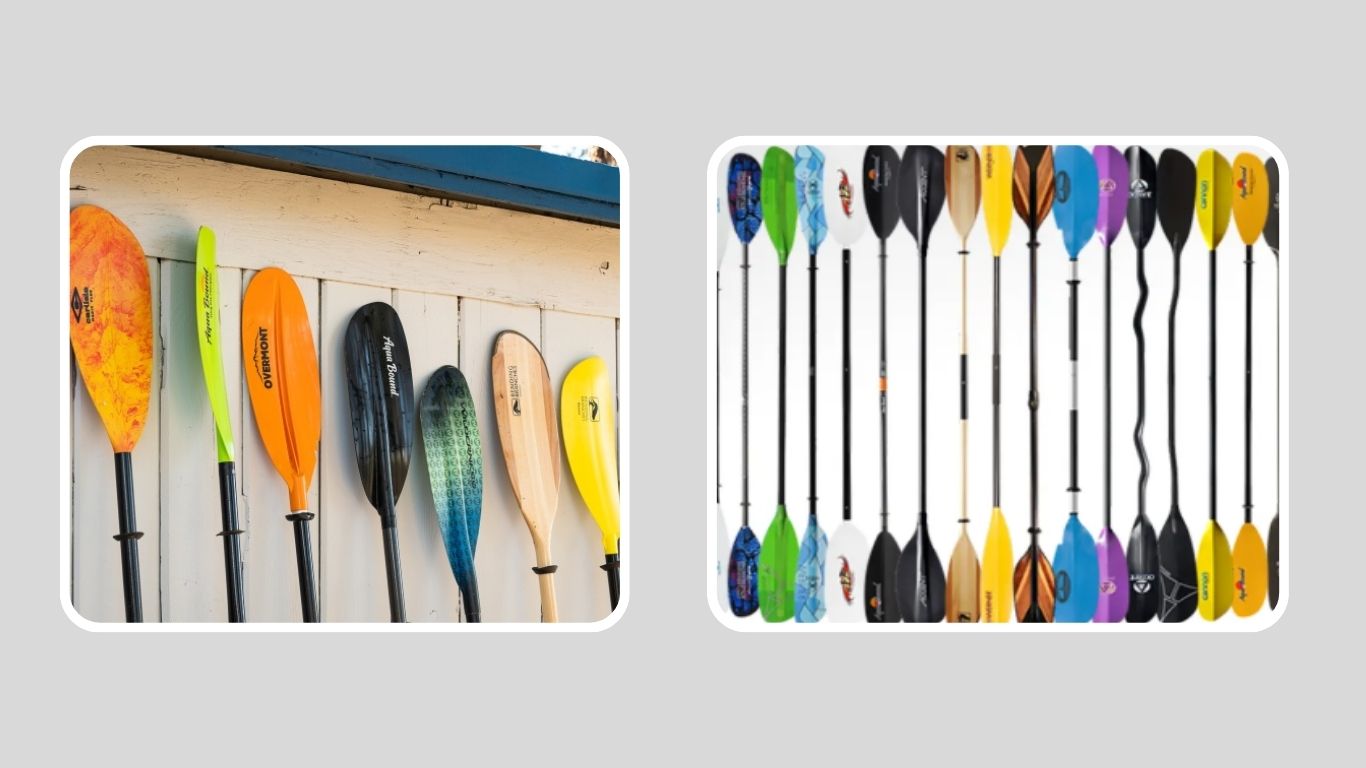
Besides paddle length, the size and shape of the paddle blade are just as important. Paddle blades come in many shapes and sizes, and they affect how much water you move with each stroke. Bigger blades push more water, giving you more power, but they also require more strength and can tire your arms faster.
Smaller blades need less effort but may require you to paddle faster to keep moving. For 10-foot kayaks, medium-sized blades work best for most paddlers, balancing power and ease of use. Common blade shapes include asymmetrical blades, which have one side bigger than the other to reduce twisting on your wrists during paddling.
This shape helps make strokes smoother and reduces fatigue. Diagonal blades are angled slightly to reduce resistance and improve efficiency. Spoon-shaped blades scoop water, providing strong, powerful strokes. Choosing a blade shape that feels comfortable can improve your paddling experience and reduce wrist or shoulder strain.
Paddle Materials and Their Effects on Weight and Performance
Kayak paddles also differ in the materials used, which affect their weight, durability, and price. Entry-level paddles often have aluminum shafts with plastic blades. These paddles are durable and affordable, but heavier, which can make long paddling trips tiring. Fiberglass paddles offer a better balance of weight and strength, feeling lighter and smoother than aluminum paddles.
Carbon fiber paddles are the lightest and strongest, but also the most expensive. They reduce fatigue and make paddling easier, especially on long trips or when racing. For most people with a 10-foot kayak, fiberglass paddles offer great value, while carbon fiber is excellent for those who want the best performance.
How to Test a Paddle Before Buying
Whenever possible, testing paddles before buying or renting is a smart idea. Many kayak shops offer demo paddles or rentals, so you can try different sizes and types. When testing, hold the paddle to feel its weight and balance. If you can, paddle on water and notice how it moves through the water. Pay attention to how your wrists and shoulders feel after a few minutes.
Check whether you have to stretch or bend your arms awkwardly. The right paddle should feel natural and comfortable, making your strokes smooth and efficient. Testing helps you avoid costly mistakes and ensures you find a paddle that fits both your body and kayak.
Common Mistakes to Avoid When Choosing a Paddle
Common mistakes when choosing a paddle include picking one that’s too long, which causes you to hit your kayak’s sides and tire your arms quickly. Others choose paddles that are too heavy, increasing fatigue, or ignore blade shape, which can cause wrist strain or reduce efficiency.
Sometimes people buy paddles without considering the water conditions they’ll paddle in, leading to a poor fit for their needs. To avoid these mistakes, use size guidelines, consider your paddling environment, and test paddles if possible. Remember that comfort and ease of paddling are more important than the number on the paddle.
Caring for Your Paddle: Tips to Extend Its Life

Taking care of your paddle is important to keep it working well and lasting a long time. Always rinse your paddle with fresh water after paddling, especially if you use it in saltwater, to prevent corrosion. Avoid hitting rocks or hard surfaces with the paddle blades, as this can cause damage.
Store your paddle out of direct sunlight to protect it from harmful UV rays that can weaken the materials. Regularly check for cracks, loose parts, or other damage and repair or replace your paddle when needed. Good maintenance saves money and ensures your paddle stays safe and comfortable to use.
Final Thoughts: Finding the Perfect Paddle for Your 10-Foot Kayak
In summary, choosing the right paddle size for your 10-foot kayak means finding the perfect fit between your kayak’s width, your body size, and your paddling style. Most paddlers find a paddle between 210 and 230 centimeters works well, but the exact length depends on whether your kayak is narrow or wide and whether you are tall or short.
Adjustable paddles provide flexibility and are great if you share your kayak or paddle in different conditions. Blade size, shape, and paddle material also matter for comfort and performance. Whenever possible, test paddles before buying and pay attention to how they feel during paddling. The right paddle will feel like a natural extension of your arms, helping you paddle smoothly, reducing fatigue, and making every trip on your 10-foot kayak more enjoyable.