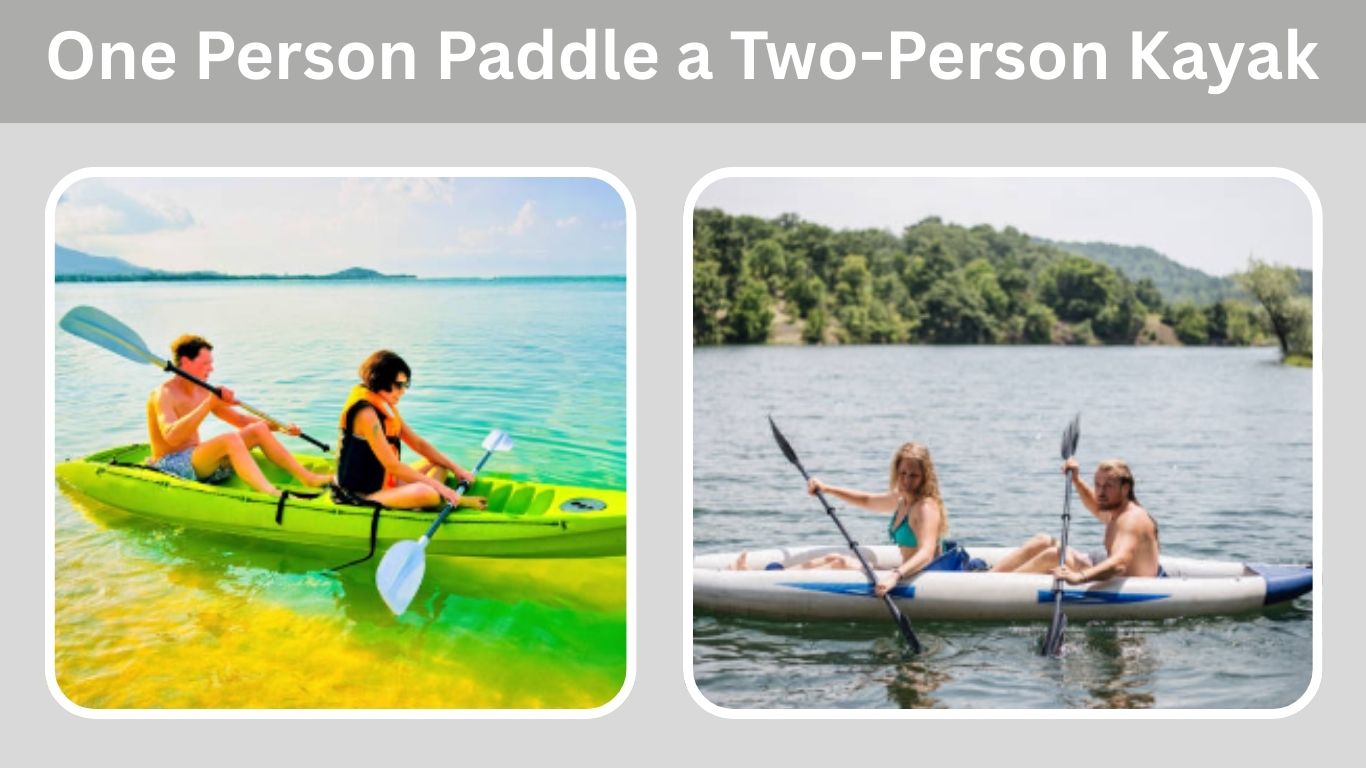
When you think about a two-person kayak, you usually imagine two people paddling together. But what if you only have one person? Can one person paddle a two-person kayak? The short answer is yes, but there are things you need to know before trying it.
This article will explain everything you need to understand about paddling a two-person kayak alone. From how easy or hard it is to tips for paddling solo and what problems you might face, this guide will help you decide if you can safely enjoy your kayak on your own.
What Is a Two-Person Kayak?
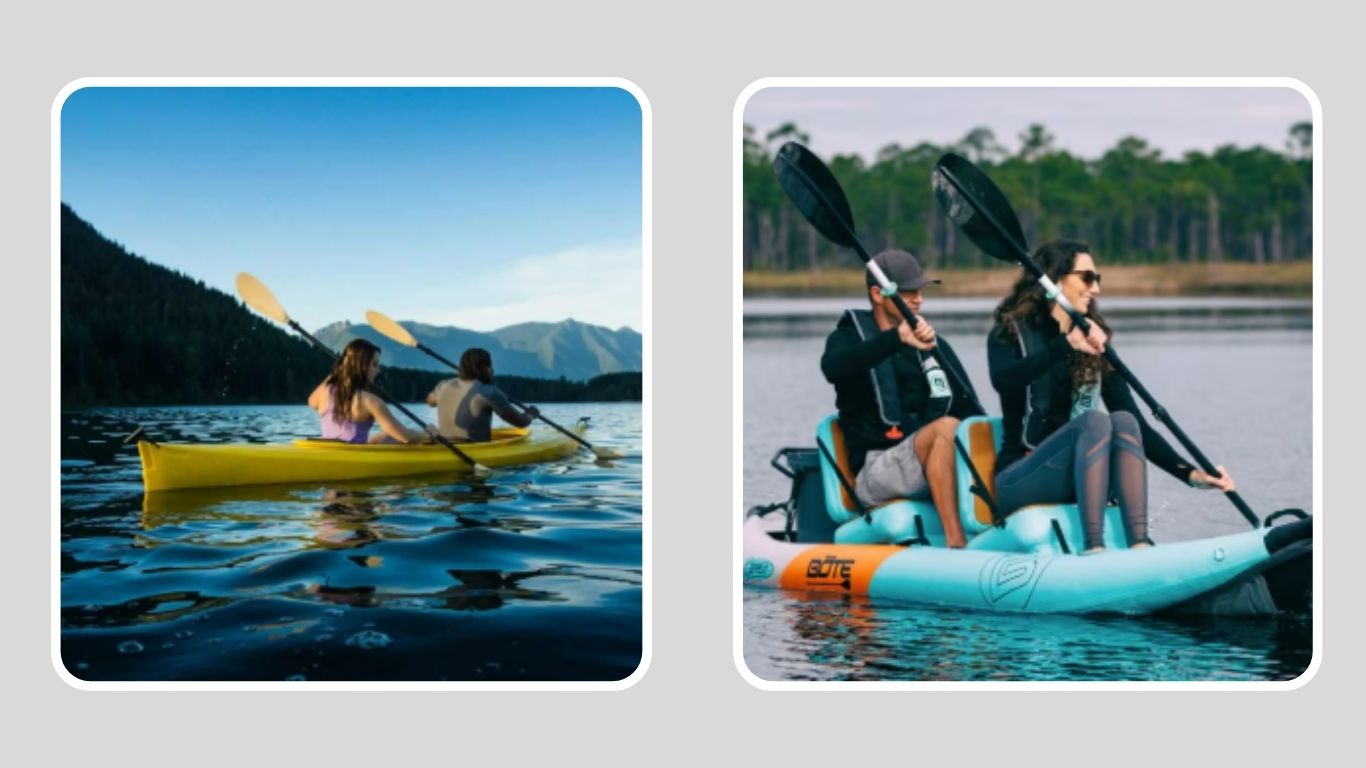
A two-person kayak, also called a tandem kayak, is a kayak built for two people. It is longer and wider than a single kayak, and it has two seats placed one behind the other. Each person usually has their paddle, and both work together to move the kayak through the water. Two-person kayaks are great for sharing the fun of paddling with a friend or family member.
Can One Person Paddle a Two-Person Kayak?
Yes, one person can paddle a two-person kayak. Many people do it sometimes, especially if they want to enjoy the kayak alone or if their paddling partner is not available. However, paddling a tandem kayak solo is different from paddling a single kayak.
Because the kayak is bigger and heavier, it takes more effort to move and control. You will need some skill and practice to do it well.
How Is Paddling a Two-Person Kayak Different When You Are Alone?
When two people paddle together, they share the work and can move the kayak faster and straighter. When only one person paddles, all the work is on your shoulders. This means it will take more energy and strength to paddle. Also, because the kayak is longer and wider, it will be harder to turn and steer with just one paddle.
Another big difference is balance. Two people can help keep the kayak steady from both seats. When paddling alone, you will need to pay more attention to balance so the kayak does not tip.
What Challenges Will You Face Paddling a Two-Person Kayak Alone?
There are some challenges to think about before you try paddling a tandem kayak solo. First, the kayak will feel heavier and slower because it is built for two people. This can make it tiring to paddle for long periods.
Second, steering is harder. When two people paddle, one can help turn the kayak while the other paddles straight. Alone, you will need to use special paddle strokes or a rudder system (if your kayak has one) to keep your direction.
Third, the kayak may feel less stable. Because the kayak is wider and longer, it might be harder to balance without a second person’s weight in the back seat. You will need to sit properly and use your body to help keep steady.
Tips for Paddling a Two-Person Kayak Solo
If you decide to paddle a two-person kayak by yourself, here are some tips to help you have a safe and fun trip.
1. Sit in the Right Seat
Usually, the front seat is the best spot to paddle alone. Sitting in the front helps you see where you are going and gives you better control. Some people also paddle from the back seat, but it can be harder to steer and balance.
2. Use Proper Paddle Strokes
Since you only have one paddle, learning different strokes is important. Use strong forward strokes to move ahead, and try sweep strokes or draw strokes to help turn the kayak. You can find tutorials online to learn these paddle moves.
3. Keep Your Balance
Sit up straight and keep your core muscles tight to help with balance. Avoid sudden movements, and try to keep your paddle strokes smooth and steady.
4. Use a Rudder or Skeg if Possible
Some two-person kayaks come with a rudder or skeg, which is a small fin at the back that helps with steering. If your kayak has one, use the foot pedals or controls to help keep your kayak going straight.
5. Plan Shorter Trips
Because paddling solo in a tandem kayak is more tiring, start with shorter trips. Build your strength and confidence before going on longer paddles.
6. Practice in Calm Water First
Try paddling alone in calm lakes or slow-moving rivers. Avoid rough water or strong currents until you get comfortable with solo paddling.
What Are the Benefits of Paddling a Two-Person Kayak Alone?
Even though paddling solo in a tandem kayak can be harder, it has some benefits. One big benefit is that you can still enjoy the kayak anytime you want, even if your friend or partner cannot join. This gives you more freedom and flexibility.
Another benefit is that two-person kayaks are often more stable and comfortable because they are wider and longer. This can make them a good choice for beginners or people who want a more relaxed paddling experience.
Lastly, you have more room to bring gear or supplies because tandem kayaks are bigger. This is helpful if you want to go fishing, camping, or take a long day trip.
Safety Tips When Paddling Alone in a Tandem Kayak
Safety is always important when kayaking, but even more so when you are alone. Here are some important safety tips to remember:
1. Always Wear a Life Jacket
Even if you are a strong swimmer, a life jacket can save your life if you fall into the water.
2. Let Someone Know Your Plan
Tell a friend or family member where you are going and when you expect to return.
3. Bring a Phone or Radio
Keep a waterproof phone case or a small radio with you to call for help if needed.
4. Check the Weather
Avoid paddling in bad weather or strong winds that can make paddling hard and dangerous.
5. Stay Close to Shore
If you are new to solo paddling, stay near the shore where you can easily get out of the water if needed.
How to Steer a Tandem Kayak When Paddling Solo
Steering a tandem kayak alone takes practice. Here are some common ways to steer:
1. Sweep Stroke
A sweep stroke is a wide, circular paddle stroke that helps turn the kayak. You paddle in a big arc on one side to turn the kayak away from that side.
2. Draw Stroke
A draw stroke pulls the kayak sideways. You place the paddle in the water next to the kayak and pull the water towards you to move the kayak sideways.
3. Rudder or Skeg
If your kayak has a rudder or skeg, use the foot pedals to help keep the kayak straight or make small turns.
4. Change Your Body Position
Leaning your body slightly to one side can help turn the kayak. This takes some practice to master.
What Type of Two-Person Kayak Is Best for Solo Paddling?
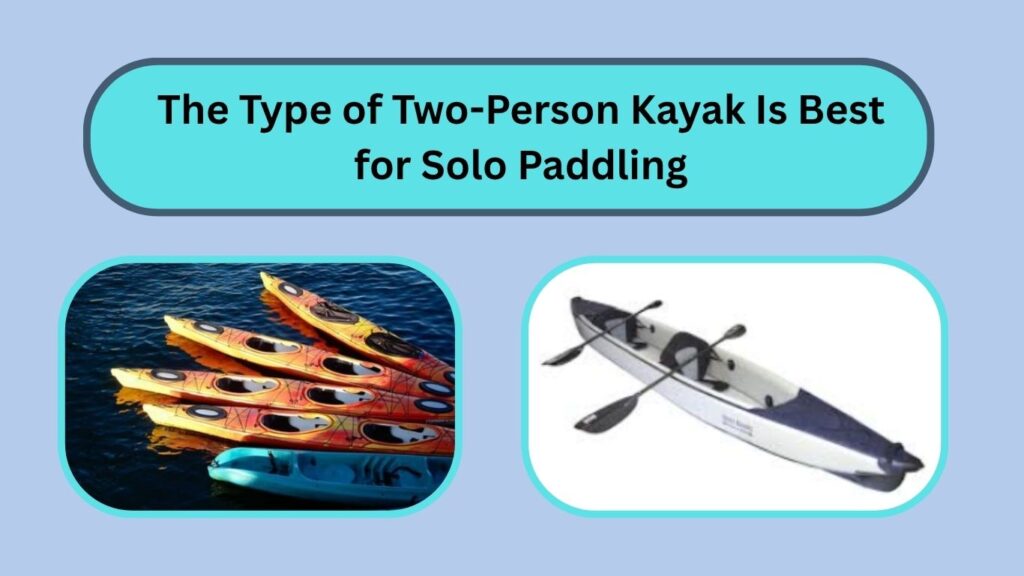
Not all tandem kayaks are the same. Some are better suited for solo paddling than others. Here are some features to look for if you plan to paddle solo often:
1. Lightweight Kayak
A lighter kayak is easier to paddle alone. Look for kayaks made of lightweight materials like plastic or composite.
2. Sit-on-Top Kayaks
Sit-on-top kayaks are easier to get on and off and tend to be more stable. Some people find them better for solo paddling.
3. Kayaks with Rudders or Skegs
These help with steering and control when paddling alone.
4. Kayaks with Adjustable Seats
Seats that you can move forward or backward help you find the best balance when paddling solo.
Practice Makes Perfect: How to Get Better at Solo Tandem Kayaking
The best way to get good at paddling a two-person kayak alone is to practice. Start in calm water and practice your paddle strokes and turns. Try paddling for short distances and gradually increase the length of your trips. Watch videos or take lessons if you want to learn proper techniques. Remember, the more you practice, the easier it becomes and the more fun you will have.
When Not to Paddle a Two-Person Kayak Alone
Sometimes, it is better not to paddle a tandem kayak solo. For example, if the water is very rough, if you are tired or not feeling well, or if you are in an area with strong currents or busy boat traffic, it is safer to wait for a partner or choose a smaller kayak. Your safety should always come first.
Alternative Options for Solo Kayaking
If you find solo paddling a two-person kayak too hard or tiring, you might want to consider getting a single kayak. Single kayaks are designed for one person and are easier to paddle, steer, and control. They come in many sizes and styles, depending on what kind of kayaking you want to do. A single kayak might be a better choice if you mostly paddle alone.
Conclusion: Can One Person Paddle a Two-Person Kayak?
Yes, a single person can paddle a two-person kayak. However, it’s important to understand that doing so is quite different from paddling a single kayak. Because two-person kayaks are built larger and heavier to support two paddlers, it naturally requires more strength, effort, and stamina to move one solo paddler through the water efficiently. You will also face additional challenges when it comes to steering and maintaining balance, since the kayak is longer and wider and designed for two people’s weight.
Paddling alone in a tandem kayak calls for a bit more skill and practice. You need to learn specific paddle strokes to help with steering and turning, as well as how to position your body correctly to keep the kayak stable. It might feel awkward or tiring at first, especially if you are used to paddling smaller single kayaks. But with time, patience, and regular practice, you will develop the strength and technique needed to enjoy solo paddling in a two-person kayak.
Most importantly, safety should always be your top priority. Make sure to wear a life jacket, check weather conditions, let someone know your plans, and start in calm waters before moving on to longer or more challenging trips. Solo paddling can be very rewarding; you gain freedom to explore waterways on your schedule and have more space for gear. Just remember to take it slow, listen to your body, and build your skills gradually.
In the end, paddling a two-person kayak solo is completely possible and can open up new opportunities for fun and adventure. Whether you paddle for exercise, relaxation, or exploration, having the confidence to handle your tandem kayak alone is a valuable skill that will enhance your kayaking experience.