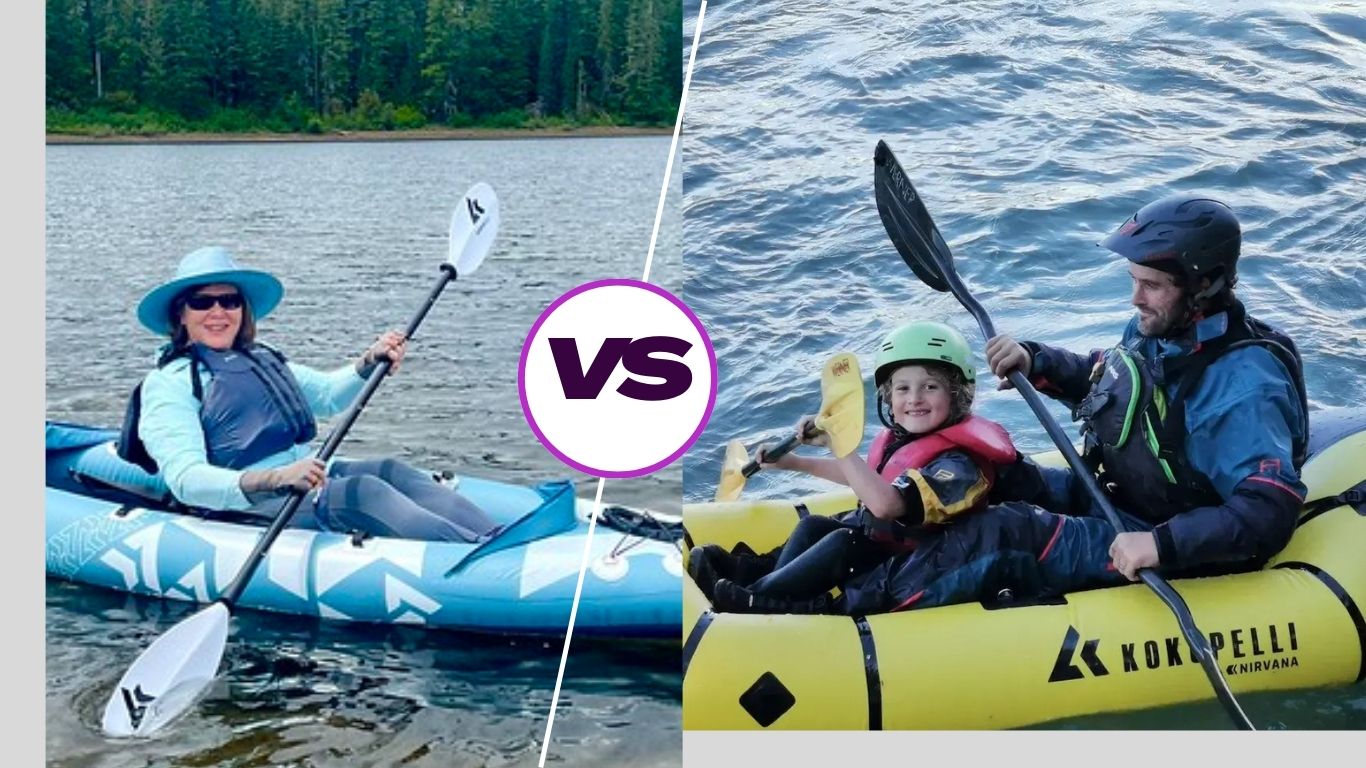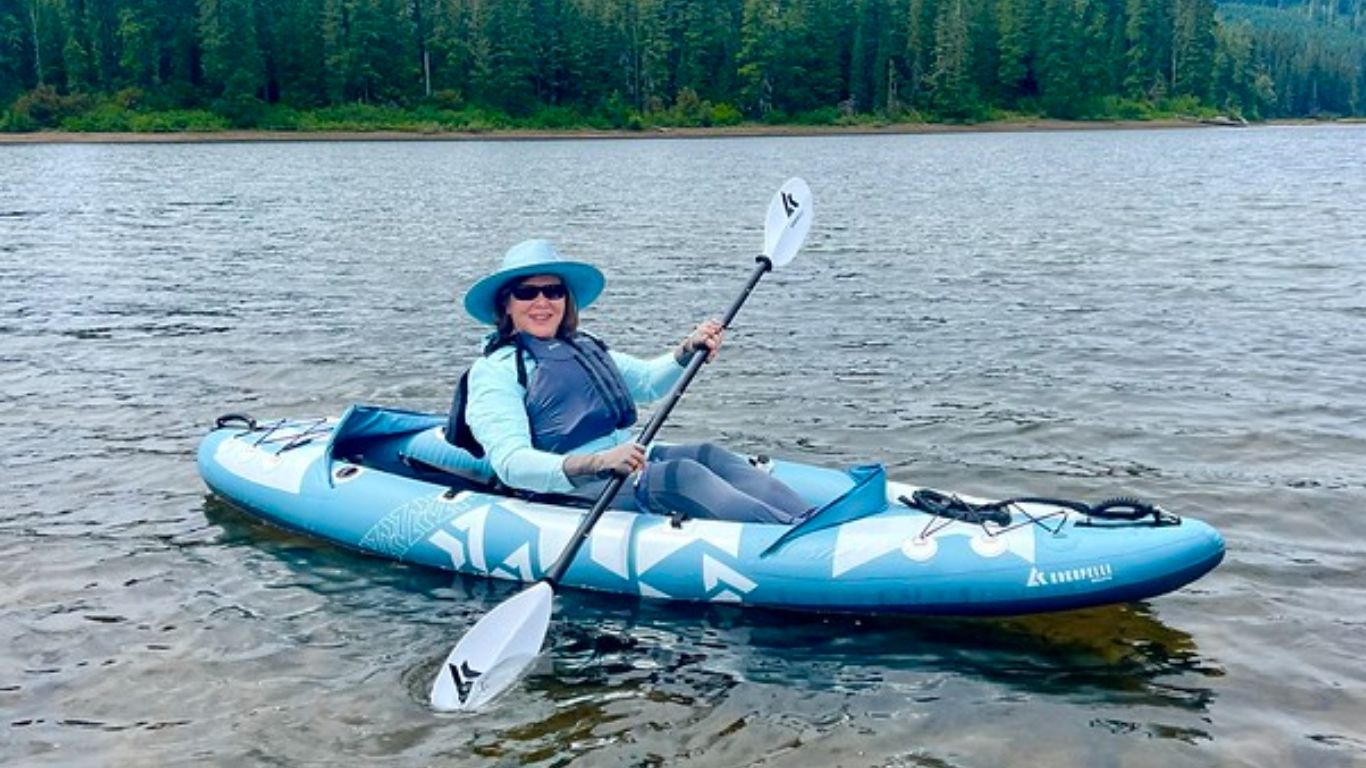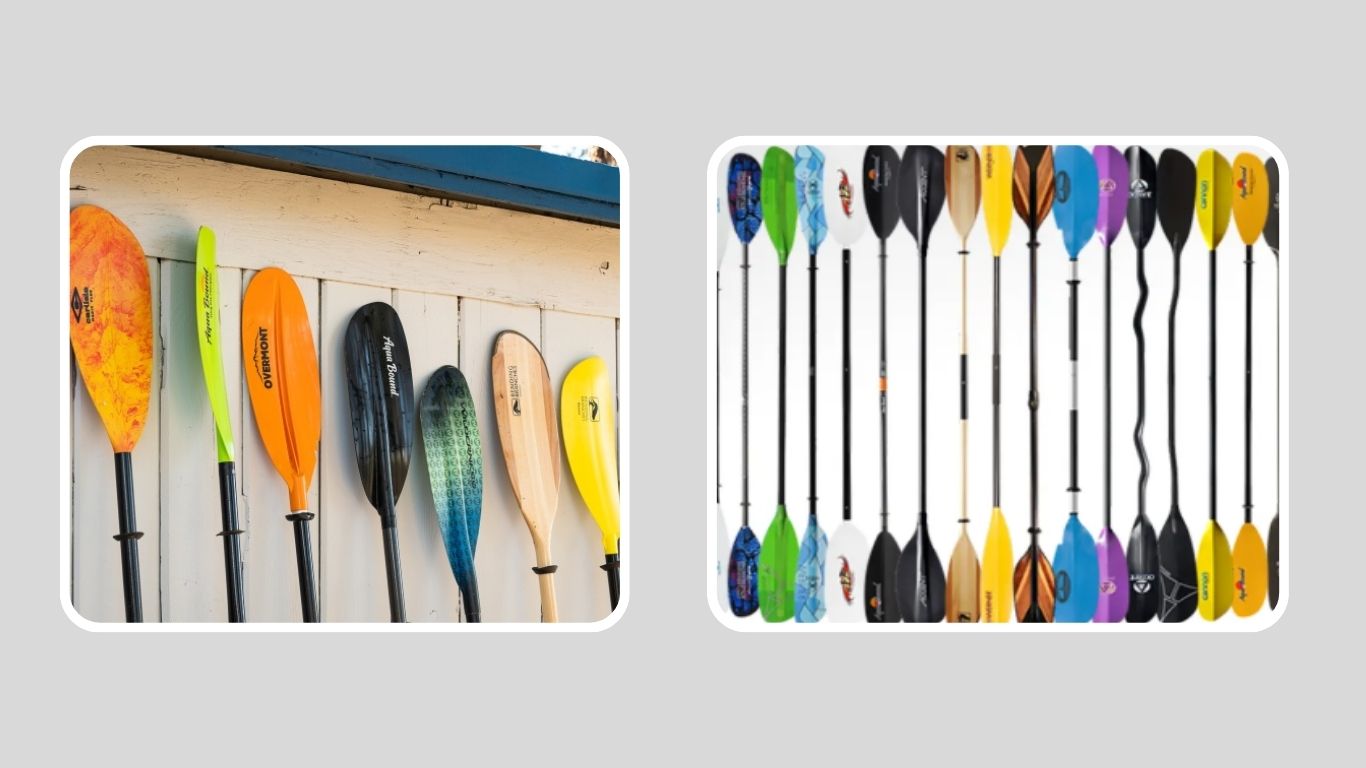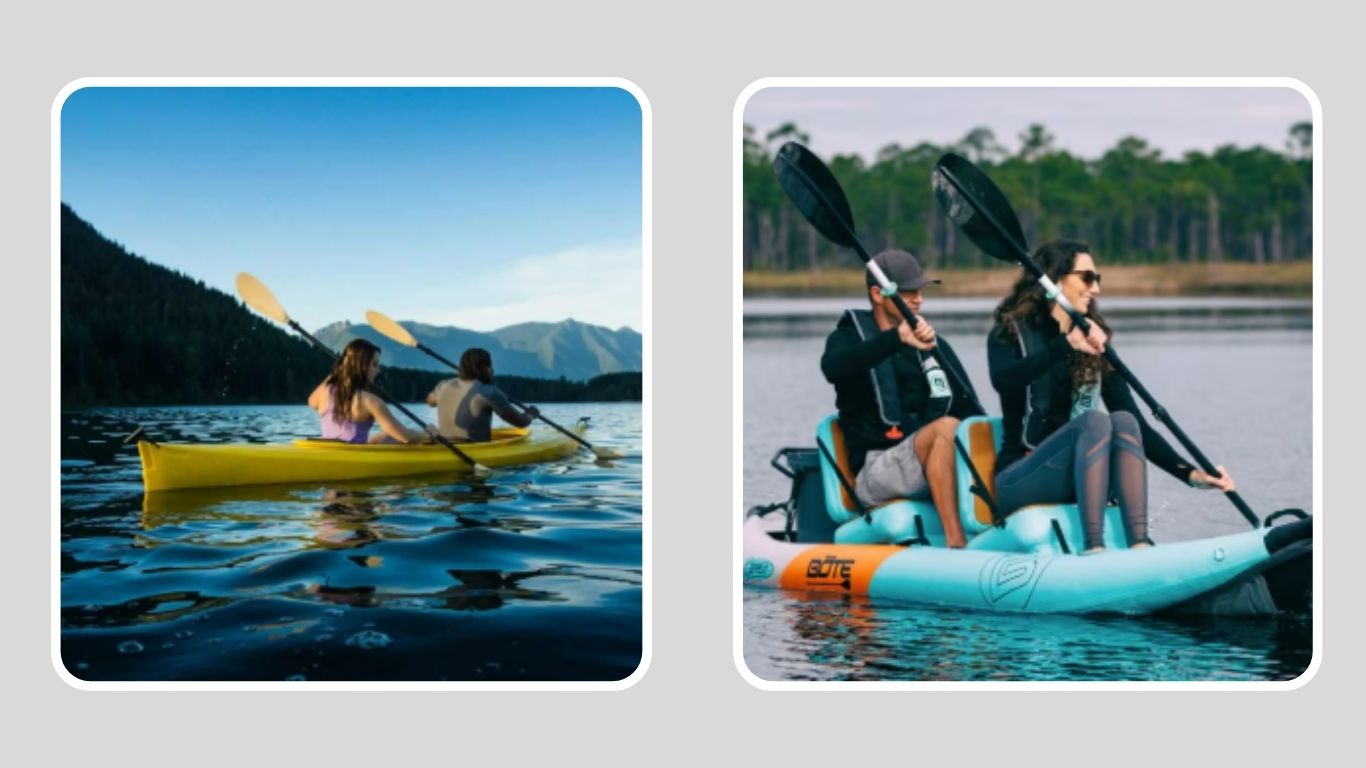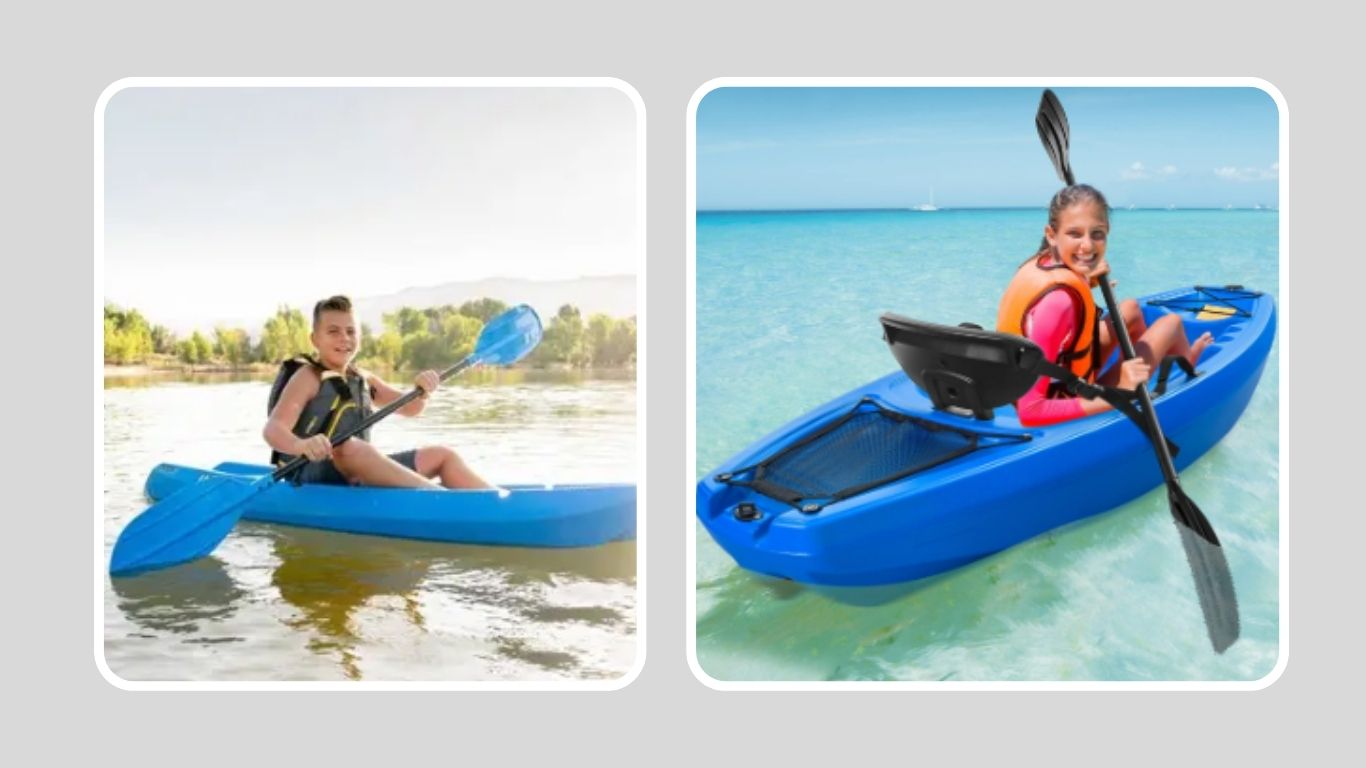
Kayaking is one of the best ways to introduce kids to outdoor adventure, but having the right gear makes all the difference. Just like children need smaller life jackets and kid-friendly kayaks, they also need paddles designed specifically for them. A kids’ kayak paddle is lighter, shorter, and easier to handle than an adult paddle, helping young paddlers enjoy the water safely and confidently. In this guide, we’ll explore why kids need special paddles, the key features to look for, and review some of the best options available in 2025.
Why Kids Need Special Kayak Paddles
Kayaking can be a fun and rewarding activity for kids, but only if they have the right equipment. Many parents make the mistake of handing their child a regular adult paddle, thinking it will work just fine. In reality, this can make kayaking harder, less enjoyable, and even unsafe for young paddlers. Children need paddles that are designed for their size, strength, and comfort. Let’s break down the main reasons why kids benefit from special kayak paddles.
1. Size and Weight Differences
Adult paddles are often too long and heavy for kids to handle. When a paddle is oversized, it feels awkward in their hands, forcing them to stretch too far with each stroke. This leads to poor technique, slower learning, and faster fatigue. Kids’ paddles are designed shorter—often between 180–200 cm compared to adult paddles that are 210–240 cm—making them much easier to use. A lighter paddle also means they can kayak longer without getting tired quickly.
2. Proper Grip for Small Hands
Children’s hands are smaller, so using an adult paddle shaft can feel like holding onto a tree branch. This makes it difficult for them to maintain a good grip, especially when the paddle gets wet. Kids’ paddles have thinner shafts and often come with soft grips or textured designs to make holding on easier and safer.
3. Comfort and Confidence on the Water
The right paddle allows kids to feel more in control of their kayak. When the paddle is the right size and weight, every stroke feels natural and smooth. This comfort builds confidence, encouraging kids to paddle more and explore with excitement instead of frustration. A child who enjoys paddling is far more likely to keep learning and improving their kayaking skills.
4. Safety Comes First
Oversized paddles are not just inconvenient; they can also be dangerous. A heavy paddle can easily slip from a child’s hands, potentially unbalancing the kayak. It may also cause strain in the arms, shoulders, or back if the child keeps using it for too long. Kids’ paddles reduce these risks by being lightweight, easy to grip, and often designed with rounded edges to prevent injuries. Some even float in water, so if dropped, they’re easy to retrieve.
5. Better Learning Experience
When kids have a paddle designed just for them, they learn the correct paddling techniques faster. They don’t have to struggle with an unwieldy paddle, so they can focus on rhythm, coordination, and turning the kayak. A positive learning experience from the start makes kayaking fun rather than overwhelming, which is key to keeping kids interested in the sport.
6. Less Fatigue, More Fun
Kayaking should feel like an adventure, not a workout. If kids use adult paddles, their small muscles tire out quickly. Shorter, lighter paddles allow them to enjoy longer trips on the water without needing frequent breaks. This means less frustration for kids and less worry for parents.
7. Encourages Independence
Children love feeling like they are in control of their own kayak. Having a paddle that suits their size makes them more independent, allowing them to paddle without constant help. This sense of independence not only makes the activity more enjoyable but also teaches them responsibility and problem-solving skills on the water.
8. Builds Good Habits Early
Starting with the right paddle helps kids develop healthy paddling habits from the beginning. They learn how to hold the paddle properly, make smooth strokes, and keep their kayak balanced. These good habits stick with them as they grow and transition to larger paddles, making them stronger and more skilled paddlers in the future.
9. Prevents Frustration and Quitting
Imagine giving a child a paddle that’s too big; it feels heavy, awkward, and tiring. Chances are, they’ll lose interest quickly and may even want to stop kayaking altogether. On the other hand, when they have a paddle that fits just right, the activity feels fun and rewarding, encouraging them to stick with the sport.
10. Designed With Kids in Mind
Kids’ paddles are not just smaller, they’re made with children’s needs in mind. Many have bright colors for visibility, drip rings to keep hands dry, and durable materials that can withstand a little rough handling. Some even come in adjustable lengths, so the paddle can “grow” with your child.
Real-Life Example
Think about a 9-year-old trying to use a full-size adult paddle. Each stroke requires stretching far into the water; their arms ache after just a few minutes, and frustration quickly sets in. Now imagine the same child with a lightweight 190 cm kids’ paddle. Suddenly, paddling feels natural, the kayak moves smoothly, and the child is smiling instead of struggling. The right paddle transforms the entire experience.
Kids kayak paddles are not just smaller versions of adult paddles; they are essential tools designed for safety, comfort, and learning. By giving children a paddle that matches their size and strength, parents can ensure that kayaking becomes a positive, exciting, and safe adventure.
Key Features to Look for in a Kids Kayak Paddle
Choosing the right kids kayak paddle isn’t just about picking the smallest one on the shelf. A paddle should fit your child’s size, be lightweight enough to handle, and include safety features that make paddling comfortable and fun. Below are the most important features to consider before buying a kids’ kayak paddle.
1. Paddle Length and Size
The most critical factor when choosing a kids kayak paddle is the length. If the paddle is too short, the child will struggle to reach the water effectively. If it’s too long, it will feel heavy and awkward. Kids paddles usually range from 180 to 200 cm, depending on the child’s height and the width of the kayak.
- General guideline:
- Children under 4’ tall → ~180 cm paddle.
- Children 4 – 4’6” tall → ~190 cm paddle.
- Children 4’6” – 5’ tall → ~200 cm paddle.
Having the correct length ensures smooth strokes without overreaching, helping your child paddle efficiently and safely.
2. Paddle Weight
Weight is another key consideration. Children don’t have the strength or stamina to handle heavy paddles designed for adults. A lightweight paddle, often made from aluminum, fiberglass, or plastic, reduces strain on their arms and shoulders. This makes paddling easier, allows them to last longer on the water, and prevents fatigue from setting in too quickly.
3. Blade Design
The blade is what actually pushes the water, so its shape and size matter a lot. Kids paddles often have smaller blades that require less effort to move.
- Narrow blades = easier strokes, perfect for beginners.
- Wider blades = more powerful strokes, but can feel harder to use.
A smaller, lightweight blade helps kids paddle without tiring themselves out, while still moving their kayak effectively.
4. Shaft Material and Grip
The shaft is the part kids hold onto, so it needs to be comfortable. A thinner shaft is better suited for small hands, making it easier to grip firmly. Many kids’ paddles feature non-slip or textured grips, so the paddle won’t slip even when wet. Materials like aluminum and fiberglass are common, with fiberglass being lighter but usually more expensive.
5. Safety Features
Safety should always come first when it comes to kids. Good kids paddles often include features such as:
- Drip rings – keep water from running down the paddle onto their hands and lap.
- Rounded edges – reduce the chance of injuries.
- Floating design – if the paddle slips into the water, it won’t sink, making it easy to retrieve.
These small but important features can make a big difference in keeping kids safe and comfortable.
6. Adjustability
Kids grow fast, and so should their equipment. Some paddles come with adjustable lengths, meaning the same paddle can be used for several years as your child grows. This is a cost-effective choice and ensures the paddle always fits them correctly.
7. Durability
Let’s face it, kids can be rough on their gear. Paddles need to withstand bumps, drops, and regular use without breaking easily. Materials like reinforced plastic or fiberglass blades with aluminum shafts are durable options that last through many adventures.
8. Visibility and Fun Design
Kids are naturally drawn to bright colors and fun designs. Many paddles come in vibrant shades like red, yellow, or blue, which not only look exciting but also improve visibility on the water. A colorful paddle makes it easier for parents to spot their child quickly from a distance.
9. Price and Value
While it may be tempting to buy the cheapest option, investing in a well-made kids paddle is worth it. A good-quality paddle will last longer, provide a better experience, and often come with safety features that cheaper models lack. The best approach is to balance affordability with durability and comfort.
10. Ease of Transport and Storage
Some paddles are two-piece or collapsible, making them easier to carry and store. This is especially helpful for families who need to transport gear in a car or store equipment in small spaces.
Quick Recap of Features to Look For
- Correct length and size for your child.
- Lightweight design for easy paddling.
- Small, comfortable blades for smooth strokes.
- Thin, non-slip shaft that fits small hands.
- Safety features like drip rings and floating ability.
- Adjustable length for growing kids.
- Durable materials that can handle rough use.
- Bright colors for visibility and fun.
- Good balance between price and quality.
By considering these features, parents can choose a paddle that not only fits their child physically but also makes kayaking enjoyable and safe. The right paddle ensures kids stay engaged, have fun, and build confidence on the water.
Top 10 Best Kids Kayak Paddles (2025 Picks)
1. Perception Hi Five Kids Kayak Paddle
The Perception Hi Five is a top choice for kids just starting in kayaking. Designed by one of the most trusted kayak brands, this paddle is specifically built for young paddlers between the ages of 5 and 10. Its bright, colorful look instantly grabs kids’ attention, making them feel excited to use it. The paddle length (190 cm) is perfect for small bodies, and the slim shaft makes gripping comfortable for little hands. The lightweight aluminum construction allows children to paddle without feeling worn out, while the narrow blades cut smoothly through the water, making strokes easier and less tiring.
Another great feature is its durability. Children are not always gentle with their gear, but the Hi Five is made to withstand bumps, scrapes, and regular use without losing performance. It doesn’t come with an adjustable option, but for beginners, the fixed length works well for most kids in the recommended age group.
Key Features:
- Length: 190 cm
- Lightweight aluminum shaft
- Kid-sized narrow blades for easy paddling
- Bright, fun colors for visibility
Why It’s Important: This paddle helps kids gain confidence by giving them the right size and weight to control their kayak easily.
Pros: Lightweight, easy for beginners, durable design, great visibility.
Cons: Fixed length, not adjustable for growing kids.
2. Carlisle Kids Saber Paddle
The Carlisle Kids Saber paddle is known for comfort and control, making it perfect for children who are past the beginner stage and want more precision in their paddling. At 190 cm, it’s long enough for most youth kayakers but still short enough to be manageable. The fiberglass reinforced blades strike a great balance between durability and lightness, giving kids smooth strokes with minimal effort.
What makes this paddle stand out is its shaft design. It has a thinner build compared to adult paddles and comes with soft grips that make it easier for children to hold onto, even when the paddle gets wet. This comfort feature reduces the chance of slipping and helps young paddlers keep a steady rhythm.
The Saber is also a two-piece paddle, meaning it can be taken apart for easier storage and transport. This is handy for families who go on road trips or don’t have much storage space. The only downside is its higher price compared to more basic kids’ paddles, but the added comfort and performance are worth it for children who kayak frequently.
Key Features:
- Length: 190 cm
- Fiberglass-reinforced blades for durability
- Slim shaft with soft grips
- Two-piece construction for storage
Why It’s Important: Kids can paddle longer without fatigue, and the comfort grips help them stay in control.
Pros: Comfortable grip, smooth performance, durable construction, easy storage.
Cons: Pricier than entry-level paddles.
3. Bending Branches Splash Kids Paddle
Bending Branches is a brand trusted by many adult kayakers, and their Splash Kids Paddle brings the same quality to younger paddlers. Designed for children ages 4 to 10, this paddle is extremely lightweight, so even the youngest kayakers can use it comfortably. The paddle length ranges from 180 to 200 cm, making it suitable for different ages and kayak sizes.
The polypropylene blades are small and efficient, allowing kids to paddle smoothly without straining their arms. One of its best safety features is that it floats, so if your child accidentally drops it in the water, it won’t sink, giving parents peace of mind.
The slim shaft is perfect for smaller hands, and the paddle is durable enough to withstand repeated use in both calm lakes and gentle rivers. While it might be too small for older or taller children, it’s one of the best choices for young beginners who are just getting into kayaking.
Key Features:
- Length: 180–200 cm
- Polypropylene blades
- Floating design for safety
- Lightweight shaft for comfort
Why It’s Important: This paddle reduces fatigue and frustration, helping kids enjoy their first kayaking experiences.
Pros: Very lightweight, floats, kid-friendly design, trusted brand.
Cons: May be too small for older children.
4. Pelican Poseidon Junior Paddle
The Pelican Poseidon Junior is a reliable and affordable paddle made specifically for kids. Built with a strong aluminum shaft and lightweight blades, it balances durability with ease of use. At 190 cm long, it’s well-suited for children in the 6–12 age range, giving them just the right reach for most recreational kayaks.
One standout feature is the inclusion of drip rings, which prevent water from sliding down the paddle and soaking your child’s hands or lap. This keeps kids more comfortable during long paddles and helps them maintain a firm grip. The slim shaft is designed to fit small hands, while the lightweight blades make paddling easier for beginners.
Pelican also adds a splash of style to this paddle with bright, eye-catching colors that make kids feel excited to use it while also improving visibility for safety. It’s not the lightest paddle compared to fiberglass models, but it’s sturdy, practical, and perfect for families who want a budget-friendly yet reliable option.
Key Features:
- Length: 190 cm
- Aluminum shaft with lightweight blades
- Drip rings for dry hands
- Bright, fun colors
Why It’s Important: Keeps kids comfortable and motivated with a lightweight, colorful design that’s easy to handle.
Pros: Affordable, includes drip rings, durable, bright colors.
Cons: Slightly heavier than fiberglass paddles.
5. SeaSense Xtreme 1 Kids Paddle
The SeaSense Xtreme 1 is a great choice for families looking for an affordable, beginner-friendly paddle. Designed with young paddlers in mind, it comes in a compact 180–190 cm size that suits children of various ages. Despite its budget price, it still includes excellent features that make kayaking easier and safer for kids.
One of its best features is the floating design, which ensures the paddle won’t sink if dropped into the water. This adds an extra layer of safety and peace of mind for parents. The paddle also has a two-piece construction, making it easy to transport and store in smaller spaces.
The lightweight build allows kids to paddle comfortably without getting tired too quickly. Its bright colors make it easy to spot on the water, which is especially helpful in crowded areas. While it may not be as durable as higher-end fiberglass or premium paddles, it’s a solid entry-level option for children who are just learning.
Key Features:
- Length: 180–190 cm
- Floating design for safety
- Two-piece construction for portability
- Lightweight build with bright colors
Why It’s Important: Provides a safe, budget-friendly paddle option that helps kids build confidence on the water.
Pros: Affordable, floats, lightweight, easy to carry, and store.
Cons: Not as durable as premium models, best for light use.
6. Aqua-Bound Spark Junior Paddle
If your child is more serious about kayaking or often goes on longer paddling trips, the Aqua-Bound Spark Junior is one of the best high-performance options. Made with a lightweight fiberglass shaft, it feels noticeably lighter than aluminum paddles, reducing fatigue for young arms. At 190 cm long, it’s a great fit for children who are ready to paddle more independently.
The blades are small and efficient, designed to provide smooth, powerful strokes without requiring too much effort. This makes it easier for kids to maintain good technique and paddle longer distances. The Spark Junior also has a slim shaft that fits comfortably in smaller hands, ensuring better grip and control.
Durability is another plus; the fiberglass shaft and reinforced blades can handle frequent use without wearing down quickly. The main downside is the higher price compared to entry-level paddles, but for families who kayak often, the investment is worth it.
Key Features:
- Length: 190 cm
- Lightweight fiberglass shaft
- Reinforced blades for efficiency
- Slim shaft for small hands
Why It’s Important: Perfect for kids who are advancing in kayaking and need a lightweight paddle for better performance.
Pros: Extremely lightweight, efficient design, durable, comfortable grip.
Cons: Higher price point, may be too advanced for casual beginners.
7. Lifetime Kids Kayak Paddle
The Lifetime Kids Kayak Paddle is a simple, sturdy option designed to pair with Lifetime’s youth kayaks, though it works well with most recreational models. At 180 cm, it’s one of the shorter paddles, making it a perfect fit for younger children around ages 5–9. Its lightweight two-piece construction makes it easy to transport and store, which is helpful for families with limited space.
Safety is a big focus here. The paddle comes with rounded edges on the blades to prevent accidental scratches or bumps, and its floating design ensures it won’t sink if dropped. This makes it a safe, confidence-building choice for kids who are just starting.
While the paddle is made with durable materials, it doesn’t include advanced features like adjustable length or premium blade construction. That said, its simplicity is actually an advantage for young beginners; it’s straightforward, reliable, and designed to last.
Key Features:
- Length: 180 cm
- Two-piece design for portability
- Rounded safety edges
- Floats on water
Why It’s Important: Great first paddle for young children who need safety and simplicity over advanced performance.
Pros: Safe, floats, beginner-friendly, durable.
Cons: Basic design, not adjustable, may be too short for older kids.
8. Goplus Adjustable Kids Paddle
The Goplus Adjustable Kids Paddle is a fantastic option for growing children or families with multiple kids of different ages. With an adjustable length between 180–210 cm, it can “grow” with your child or be shared among siblings. This makes it a cost-effective choice that lasts for years.
The paddle features a lightweight aluminum shaft and strong plastic blades, striking a balance between durability and ease of use. The slim shaft fits small hands comfortably, and the adjustable feature ensures that kids can always find a length that suits their size and kayak width.
Its two-piece construction makes it easy to carry, store, and transport, which is especially helpful for family trips. The only drawback is that it’s slightly heavier than fixed-length fiberglass paddles, but the adjustable function more than makes up for it.
Key Features:
- Adjustable length: 180–210 cm
- Aluminum shaft with durable blades
- Two-piece design for storage
- Lightweight and versatile
Why It’s Important: Saves money and adapts to your child’s growth, ensuring long-term use.
Pros: Adjustable length, versatile, affordable, durable.
Cons: Slightly heavier than fixed-length paddles.
9. Attwood Asymmetrical Kids Paddle
The Attwood Asymmetrical Kids Paddle is designed for efficiency and ease of use. Its asymmetrical blades allow kids to paddle more smoothly, as each stroke moves water more effectively with less effort. At 190 cm, it’s a good all-around size for children ages 7–12.
The lightweight aluminum shaft makes it comfortable to handle, while the floating design ensures safety if the paddle slips into the water. It’s a simple build that focuses on functionality, making it a great paddle for learning proper paddling techniques.
While the Attwood paddle doesn’t come in many fun color options, its practicality and smart blade design make it stand out. It’s ideal for parents who want a no-fuss, efficient paddle that helps their child develop good habits early on.
Key Features:
- Length: 190 cm
- Asymmetrical blades for efficient strokes
- Lightweight aluminum shaft
- Floating design for safety
Why It’s Important: Teaches kids how to paddle more efficiently while staying lightweight and safe.
Pros: Easy to use, efficient design, floats, and durable.
Cons: Limited colors, basic look.
10. FunWater Lightweight Paddle
The FunWater Lightweight Paddle is a colorful, beginner-friendly option that makes kayaking fun for kids. With bright, kid-friendly colors and a lightweight build, it’s appealing to young paddlers and practical for parents. At 190 cm, it fits most children comfortably, and the slim shaft makes it easy for small hands to grip.
Its two-piece design means it can be taken apart for convenient storage and transport. The paddle is made from durable yet lightweight materials, ensuring kids won’t feel weighed down while paddling. It’s a great choice for recreational kayaking in calm lakes, ponds, or slow rivers.
While it doesn’t have advanced features like adjustability or performance-focused blades, it delivers excellent value for families looking for a reliable, fun, and affordable kids paddle.
Key Features:
- Length: 190 cm
- Bright, colorful design
- Two-piece construction
- Lightweight material
Why It’s Important: Keeps kayaking exciting for kids while offering a safe and simple design.
Pros: Lightweight, colorful, affordable, beginner-friendly.
Cons: Not as durable for rough handling, lacks advanced features.
How to Choose the Right Kayak Paddle for Your Child
Choosing the right paddle for your child is not just about buying the first one you see; it’s about comfort, safety, and helping them enjoy the water without frustration. Imagine giving a child a paddle that’s too long or too heavy: they’ll struggle, get tired quickly, and lose interest. On the other hand, when you hand them a paddle that feels just right, they’ll paddle with ease, stay confident, and actually look forward to kayaking.
To ensure your child has the best experience, consider the following key factors, explained in detail.
1. Paddle Length – Getting the Size Right
The length of the paddle is the first thing to check, and it’s where most mistakes happen. Kids are smaller, so giving them an adult-sized paddle makes kayaking uncomfortable and sometimes unsafe.
- Too Long: If the paddle is longer than your child can handle, it will feel heavy, drag in the water, and make each stroke harder. This can even cause the kayak to wobble.
- Too Short: If the paddle is too short, your child won’t be able to dip it deep enough into the water, which makes it hard to steer or move the kayak forward.
Age and Size Guide for Paddle Length:
- Ages 5–7: 170–180 cm (small kayaks and short arms).
- Ages 7–10: 180–190 cm (fits most mid-sized youth kayaks).
- Ages 10–12: 190–200 cm (works for growing kids and wider kayaks).
- Teens (13+): Can usually use adult paddles (200–220 cm).
A simple way to check if the length is right is to stand the paddle upright next to your child. If the paddle blade touches the ground and the top reaches between their eyes and forehead, it’s a good fit.
2. Weight of the Paddle – Light is Better
Children don’t have the same strength as adults, so weight makes a huge difference. If the paddle is too heavy, they’ll tire out within minutes. This not only ruins the fun but can also create safety risks if they can’t steer properly.
- Best Choices for Kids:
- Aluminum: Inexpensive, light enough for most kids, but it can get hot in the sun.
- Fiberglass: A strong and lightweight material, offering a nice middle ground.
- Carbon Fiber: The lightest option, ideal for older kids or kids who kayak often.
- Aluminum: Inexpensive, light enough for most kids, but it can get hot in the sun.
Ask your child to hold the paddle with one hand and lift it above their head. If they struggle or feel tired, the paddle is too heavy.
3. Shaft Size and Grip Comfort
Since kids have smaller hands, they need a paddle shaft that feels easy to hold.
- Standard Shaft: Fine for teens, but too wide for younger kids.
- Small-Diameter Shaft: Designed for smaller hands, much easier for children under 10.
- Oval Grips: Some paddles have an oval-shaped section where the hands naturally rest. This helps kids keep a good grip and learn proper hand placement.
Comfortable grips prevent blisters and make kids more confident when paddling.
4. Blade Shape and Size
The paddle’s blades affect how much water your child pushes with each stroke.
- Symmetrical Blades: Easy for beginners because they work even if the paddle is upside down.
- Asymmetrical Blades: More advanced; they slice through water efficiently, making paddling smoother.
- Small Blades: Best for kids since they don’t overload the arms or shoulders.
- Large Blades: Not recommended for children because they require more strength.
Many youth paddles come with colorful blades. This not only looks fun but also makes it easier for parents to spot their child on the water.
5. Paddle Materials – Strong but Safe
Children aren’t always gentle with their gear, so you’ll want something tough but lightweight.
- Plastic Blades with Aluminum Shafts: Affordable, tough, and a good choice for beginners.
- Fiberglass: Both strong and light, making it easier for kids to paddle longer.
- Carbon Fiber: Super light and high-performance, but often unnecessary for casual family trips.
If your child is new to kayaking, start with a strong mid-range material. As they grow more serious, you can upgrade.
6. Adjustable vs. Fixed Paddles
Some paddles can be adjusted in length, while others are fixed.
- Fixed Paddles: Lighter and simpler, but your child may outgrow them quickly.
- Adjustable Paddles: Can “grow” with your child or be shared with siblings. They may weigh a little more, but they save money in the long run.
Many adjustable paddles also let you change the feather angle (the angle between the blades). Beginners can keep blades flat, while advanced kids can try feathered angles for efficiency.
7. Safety Features Parents Should Look For
Safety should always be at the top of your list. A few small design details can make a big difference.
- Floating Paddles: Some paddles sink when dropped, but good kids’ paddles are designed to float. This way, if your child drops it, they can easily grab it again.
- Rounded Blade Edges: Prevent injuries if they bump into the kayak or themselves.
- Bright Colors: Improves visibility in the water, which helps both safety and fun.
8. Design and Fun Factor
Kids love gear that looks exciting. A paddle with a fun design, bright colors, or matching kayak themes can motivate them to paddle more.
- Younger kids often prefer bold, playful colors.
- Older kids may want a sporty look that feels more “grown-up.”
- Some brands even offer paddles with cool patterns like sharks, waves, or stars.
Let your child have a say in choosing the paddle design. If they like how it looks, they’ll feel proud to use it.
9. Budget and Value – What’s Worth It?
Paddles come in all price ranges. While it might be tempting to buy the cheapest option, remember that comfort and safety are more important than saving a few dollars.
- Cheap Paddles: May break easily, feel heavy, or frustrate your child.
- Mid-Range Paddles: Usually the best balance of durability, comfort, and price.
- High-End Paddles: Perfect if your child kayaks often or joins youth paddling clubs.
Think of it as an investment. A good paddle lasts longer, keeps your child safe, and helps them enjoy the sport more.
The right paddle can make or break your child’s kayaking experience. Always focus on length, weight, comfort, safety, and fun design. If possible, take your child shopping so they can hold and test the paddle themselves. When the paddle feels light and comfortable, your child will paddle with confidence, and that’s when kayaking becomes a truly joyful adventure.
How to Choose the Right Kayak Paddle for Your Child
Choosing the perfect kayak paddle for your child goes beyond picking out a cute design, it means ensuring safety, comfort, and fun. The right paddle empowers kids to paddle more confidently and stay engaged for longer. Here’s a comprehensive deep-dive into everything that matters:
1. Getting the Length Just Right
- Why It Matters: A paddle that’s too long feels heavy and unbalanced; one that’s too short restricts reach and control. Both lead to frustration and poor technique.
- Sizing Guide:
- Ages 5–7: ~170–180 cm — ideal for small kayaks and arm length.
- Ages 7–10: ~180–190 cm — fits most youth kayaks comfortably.
- Ages 10–12: ~190–200 cm — accommodates growing kids and wider kayaks.
- Teens (13+): Can often use adult paddles (200–220 cm), depending on height.
- DIY Check: Stand the little kayaker beside the paddle. With the blade flat on the ground and the shaft near their forehead, it should land between their eye level and forehead to confirm it feels balanced.
2. Lightness Is a Game-Changer
- Why Weight Matters: Heavy paddles tire kids out quickly, reducing enjoyment and increasing risk.
- Material Options:
- Aluminum: Budget-friendly and reasonably light, but it can heat up in the sun.
- Fiberglass: Lighter and stronger—great value for frequent paddlers.
- Carbon Fiber: Featherweight and high performance—but expensive and often unnecessary for beginners.
- Quick Test: Let your child hold the paddle overhead with one hand. If they struggle or wobble, it’s too heavy.
3. Shaft and Grip: Comfort Above All
- Importance of Shaft Diameter: Smaller hands need slim shafts for gripping confidently.
- Standard Shaft: Too wide for younger children.
- Small-Diameter Shaft: Fits tiny hands naturally, improves control.
- Oval Grips: Guide hand placement, keep orientation steady, and teach proper stroke technique.
4. Blade Shape and Size: Less Is Often More
- Blade Styles:
- Symmetrical Blades: Beginner-friendly—work even if rotated upside down.
- Asymmetrical Blades: More efficient, requiring less effort per stroke—great for advancing skills.
- Blade Area: Kids do better with small blades. They reduce resistance and fatigue, keeping paddling fun instead of strenuous.
5. Build Durability Without Bulk
- Material Combinations:
- Plastic Blades + Aluminum Shafts: Affordable and sturdy—great for first paddles.
- Fiberglass: Durable, lighter, and worth the upgrade if paddling often.
- Carbon Fiber: Ultra-light and strong, but the high cost makes it less justifiable for casual use.
- Durability Wins: Strong paddle = fewer replacements + more safety and confidence for your child.
6. Adjustable Paddles: Grow With Your Child
- Why Adjustable?:
- Can be shared among siblings.
- Saves money as your child grows.
- Offers flexibility for different kayaking situations or kayak widths.
- Extra Feature: Many have a feathering angle adjustment—great for introducing more advanced techniques as skills develop.
7. Safety-First Features
- Do these matter? Absolutely:
- Floating Paddles: Drift less if dropped—a literal lifesaver.
- Rounded Edges: Softer contacts with the boat, water, or the child themselves.
- Bright Colors: Help parents spot their paddler quickly, even in busy water spots.
8. Fun Factor: Keep the Excitement High
- Bright, colorful designs or patterns can make kids excited to paddle.
- Older kids might prefer sleek or sporty aesthetics.
- Letting a child choose a fun design creates ownership and boosts enjoyment.
9. Budget With Purpose
- Cheaper Isn’t Always Better: A too-cheap paddle may break, feel bulky, or frustrate the user.
- Mid-Range Sweet Spot: Offers comfort, safety features, and durability without overspending.
- High-End Options: Worth it when per-use comfort and advanced performance truly matter, especially for paddling clubs or frequent outings.
10. Real-World Tips to Help Parents Choose
- Test in Person: Let your child hold and “simulate paddle” the gear to see how it feels.
- Read Reviews: Look for paddles with notes like “lightweight,” “great for small hands,” or mentions of floating ability.
- Adjustability vs. Upgrade Path: Decide whether you’ll want to keep using the same paddle as they grow or prefer to upgrade later.
- Safety Over Style: A fancy paddle is fun, but safety features like floating and grip are what count on the water.
- Store it Smart: Adjustable and two-piece paddles are easier to transport, especially for trips.
11. Summary: Choosing a Paddle That Works
Ensure your choice checks these boxes:
- Proper length for balance and reach
- Light enough for easy handling
- Slim shaft with grippy design
- Small, efficient blade shape
- Durable build for longevity
- Safety features for peace of mind
- A style children love, and you’ll appreciate
Top Mistakes Parents Make When Choosing Kids Paddles (and How to Avoid Them)
Choosing a kayak paddle for your child may seem simple, but many parents unknowingly make mistakes that can affect comfort, safety, and enjoyment on the water. Here’s a comprehensive guide to the most common errors and how to avoid them.
1. Choosing a Paddle That’s Too Long or Too Short
- The Mistake: Buying an adult-sized paddle or one without considering your child’s height and kayak size.
- Why It’s a Problem: A paddle that’s too long feels heavy and awkward, leading to poor technique and fatigue. A paddle that’s too short won’t give enough leverage, making strokes ineffective.
- How to Avoid It: Use a sizing chart based on your child’s age, height, and the width of the kayak. Test the paddle in hand before buying to ensure it feels balanced.
2. Ignoring Weight and Material
- The Mistake: Choosing a cheap or heavy paddle, thinking it will last longer.
- Why It’s a Problem: Heavy paddles tire children quickly, can strain arms and shoulders, and may cause frustration or loss of interest.
- How to Avoid It: Pick lightweight materials like aluminum, fiberglass, or carbon fiber (for more advanced paddlers). Balance durability with comfort, not just cost.
3. Overlooking Shaft Size and Grip Comfort
- The Mistake: Selecting a standard or adult shaft that doesn’t fit small hands.
- Why It’s a Problem: Poor grip leads to fatigue, poor stroke technique, and frustration. Small hands may slip or hold awkwardly.
- How to Avoid It: Look for slim shafts or ones with ergonomic grips designed for kids. Some paddles even have oval-shaped grips that help children hold correctly.
4. Picking Blades That Are Too Large or Inefficient
- The Mistake: Choosing oversized blades, thinking they will move more water.
- Why It’s a Problem: Large blades require more strength, which kids often lack, causing strain and discouragement.
- How to Avoid It: Choose small, efficient blades. Beginners benefit from symmetrical designs, while asymmetrical blades work well for older kids learning proper strokes.
5. Ignoring Safety Features
- The Mistake: Buying paddles without floating capabilities, rounded edges, or bright colors.
- Why It’s a Problem: A dropped paddle can sink, creating a stressful situation. Sharp edges may cause injury, and dull colors make it harder to spot on the water.
- How to Avoid It: Always choose paddles that float, have safe blade edges, and bright, visible designs.
6. Choosing a Fixed Paddle Without Considering Growth
- The Mistake: Buying a paddle that your child will quickly outgrow.
- Why It’s a Problem: Children grow fast, and fixed-length paddles may become too short, forcing frequent replacements.
- How to Avoid It: Consider adjustable paddles that grow with your child or share among siblings. Look for paddles with multiple length options or two-piece designs.
7. Prioritizing Looks Over Function
- The Mistake: Picking a paddle because of color or design without checking fit, weight, or durability.
- Why It’s a Problem: Even the coolest-looking paddle won’t work if it’s uncomfortable or unsafe.
- How to Avoid It: Let children choose fun designs, but confirm the paddle fits them properly, is lightweight, and safe.
8. Not Testing the Paddle Before Buying
- The Mistake: Purchasing online without hands-on testing.
- Why It’s a Problem: A paddle that seems right in specs may feel too heavy or awkward in reality.
- How to Avoid It: Take your child to a store or demo event to hold and practice with the paddle. If online, check return policies to ensure you can exchange it if needed.
9. Overlooking Durability vs. Usage Needs
- The Mistake: Buying either overly cheap or unnecessarily expensive paddles without considering how often your child will paddle.
- Why It’s a Problem: Cheap paddles break; premium paddles may be wasted if used infrequently.
- How to Avoid It: Match paddle quality to your child’s experience level and how often they kayak. Mid-range paddles often provide the best balance.
Final Thoughts
Choosing the right kayak paddle for your child is key to making paddling safe, fun, and comfortable. Focus on length, weight, blade size, grip, and safety features to ensure the paddle fits well and is easy to use. Start with dry-land practice, progress to calm water, and use fun games to teach strokes. With the right paddle and guidance, children can gain confidence, improve their skills, and enjoy kayaking adventures that build lasting memories.