Fishing is a fun hobby for many people. Some do it for food, some for fun, and others for sport. No matter why you fish, you need the right tools. One of the most important tools in fishing is the hook. Without a hook, you cannot catch fish.
But did you know that there are different types of hooks? Yes! And one of the most useful hooks is the circle hook. Many expert anglers (people who fish) and even beginners like using circle hooks because they are safe for fish and easy to use.
What is a Circle Hook?
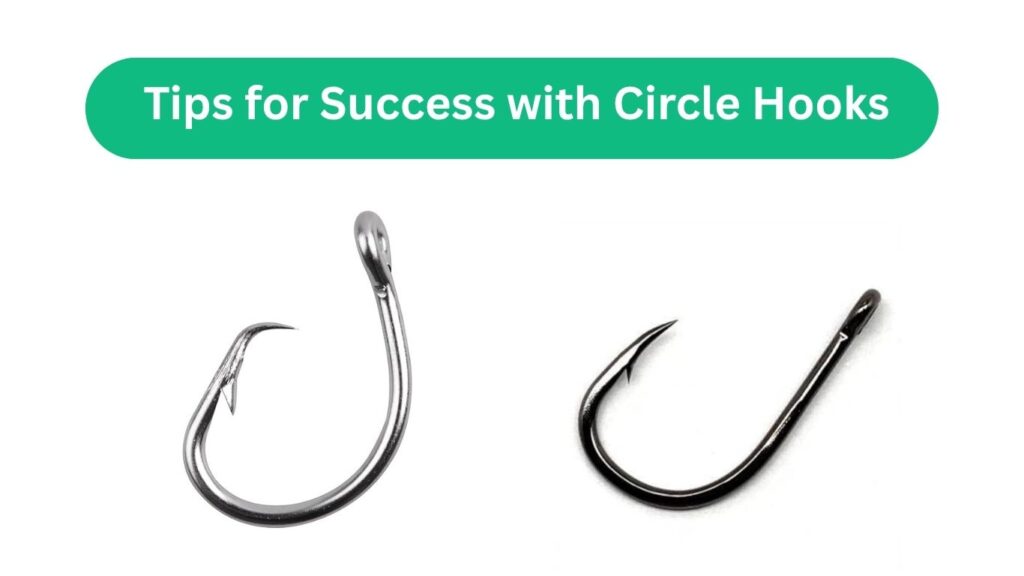
A circle hook is a round fishing hook, almost like a circle. It looks different from a normal hook. In a normal hook (called a J-hook), the point is straight. In a circle hook, the point bends inward, almost pointing back toward the hook’s eye (the loop where you tie the line).
This special shape is not just for looks. It has an important job. The inward-pointing tip helps the hook catch fish in the corner of the mouth instead of deep inside the throat or stomach. This is very good because it does not hurt the fish too much.
What Does a Circle Hook Look Like?
If you hold a circle hook in your hand, you’ll see that it is round and curved, with the point bent inward toward the shank, the straight part of the hook. It almost looks like the letter “O” or a full circle. In comparison, a J-hook has a straight point and is shaped like the letter “J,” while a circle hook truly looks like a circle.
Why Use Circle Hooks?
So, why do anglers love circle hooks? There are many good reasons. Let’s look at them one by one in easy words.
1. Safe for Fish
Circle hooks mostly catch the fish in the corner of the mouth. They do not go deep inside the stomach. This means the fish is less hurt and can live if you release it back.
2. Good for Catch-and-Release
Many people fish for fun and then let the fish go. This is called catch and release. Circle hooks are perfect for this because they do not cause too much injury.
3. Less Gut Hooking
With normal hooks, sometimes the fish swallows the hook very deeply. This is called gut hooking. It can kill the fish even if you release it. Circle hooks almost stop this problem.
4. Strong Hold
Once a circle hook sets in the corner of the mouth, it is hard for the fish to escape. The hook stays in place.
5. Easy for Beginners
You do not need to pull the rod hard to set the hook. Just keep reeling slowly. The hook sets itself. This makes it very beginner-friendly.
How Do Circle Hooks Work?
Circle hooks work in a very simple but clever way. When a fish takes the bait and begins to swim away, the design of the hook makes it move naturally. Instead of getting stuck deep inside the throat like a regular hook, the circle hook slowly slides out and moves toward the opening of the fish’s mouth.
As the fish pulls, the curved point of the hook turns and catches firmly in the corner of the mouth. This happens without the need for a hard hook set or a strong pull from the angler. One of the most important things to remember when using a circle hook is not to jerk the rod like you would with a traditional J-hook.
If you pull too hard, you might pull the hook out of the fish’s mouth completely. Instead, just keep the fishing line tight and start reeling in slowly. The unique shape of the circle hook will do the job for you, setting itself securely in the fish’s mouth with very little effort. This makes circle hooks easy to use and very effective, especially for beginners.
Types of Circle Hooks
There are different types of circle hooks, and each type has its special features that make it useful in certain fishing situations. Here are the main types you should know about:
- Inline Circle Hooks: These hooks have their point lined up straight with the shank, which is the straight part of the hook. Because of this straight alignment, inline circle hooks are very gentle on fish. They tend to hook the fish in the corner of the mouth, which causes less injury. Many fishing laws and rules in different places require anglers to use inline circle hooks to protect fish and help keep populations healthy.
- Offset Circle Hooks: In offset circle hooks, the point is bent a little to the side, instead of being perfectly straight with the shank. This small bend helps the hook catch fish faster and more often. However, the downside is that offset hooks sometimes catch the fish too deep inside their throat or stomach, which can hurt or kill the fish even if it is released. So, offset circle hooks are not allowed in some fishing areas because they are less fish-friendly.
- Barbless Circle Hooks: A barb is a small extra point on the hook that keeps the fish from slipping off. Barbless circle hooks don’t have this barb, which means they can come out more easily when you remove the hook. This makes barbless circle hooks perfect for anglers who like to practice catch-and-release fishing. Because it is easier to remove the hook, the fish spends less time out of the water and has a better chance of surviving after being released.
- Different Sizes of Circle Hooks: Circle hooks come in many sizes, from very small to very big. Choosing the right size hook depends on the type of fish you want to catch.
Big circle hooks are used for large fish like tuna, sharks, and marlin. These hooks are strong and big enough to hold heavy fish.
Small circle hooks are for smaller fish such as catfish, snapper, and bass. Using a small hook helps keep your bait looking natural and increases your chance of catching these fish.
Why Choosing the Right Circle Hook Matters
Using the right type of circle hook helps you catch fish both safely and easily. By choosing the appropriate hook, you reduce the chance of harming the fish, which protects not only the individual fish but also the environment as a whole. This careful approach means fewer injuries to fish, making catch-and-release fishing more successful.
Additionally, using the correct hook makes fishing more enjoyable because you will get more bites and lose fewer fish during your trips. Understanding the differences between inline, offset, and barbless hooks also helps you follow local fishing laws and regulations, allowing you to be a responsible and respectful angler.
When to Use Circle Hooks
Circle hooks are very versatile and can be used successfully in many different fishing situations. In saltwater fishing, they are especially popular for catching big and powerful fish like tuna, marlin, and grouper. These species often require strong, reliable hooks that can hold firmly without causing unnecessary harm, making circle hooks an excellent choice. In freshwater fishing, circle hooks work well for species such as catfish and bass, helping anglers improve their catch rates while also protecting the fish.
One of the biggest advantages of circle hooks is their effectiveness when fishing with live bait. Because of their unique shape, they hook fish properly, usually in the corner of the mouth, without letting the bait slip off too easily. This makes live bait fishing more productive and less frustrating. Furthermore, circle hooks are ideal for catch-and-release fishing.
If you plan to release the fish back into the water, using a circle hook greatly increases the fish’s chances of survival by reducing injury. Overall, whether you are fishing in freshwater or saltwater, using live bait, or practicing catch-and-release, circle hooks are a smart and responsible choice for any angler.
How to Tie a Circle Hook
Tying a circle hook properly is very important to make sure it holds well when you catch a fish. To do this, you need a strong and reliable knot that keeps the hook firmly attached to your fishing line. One of the best knots to use with circle hooks is called the Snell Knot. This knot is simple to learn and creates a strong connection that keeps the hook in the right position, helping it work as it should.
Here are easy steps to tie a Snell Knot:
- Pass the line through the hook’s eye: Take the end of your fishing line and thread it through the small loop at the top of the hook, which is called the eye. Make sure to pull enough line through so you have about six inches of extra line to work with.
- Hold the hook and the short end of the line together: Hold the hook in one hand and the short end of the fishing line you just passed through the eye in the other hand. Keep them side by side so they stay in place as you tie the knot.
- Wrap the short end around the shank: Now, take the short end of the line and wrap it tightly around the straight part of the hook, called the shank. Make sure to make about 5 to 7 neat wraps, moving down toward the hook’s bend. These wraps are what give the knot its strength.
- Put the end back through the loop: After wrapping, take the short end of the line and pass it back through the small loop that is near the hook’s eye. This step locks the wraps in place.
- Pull the knot tight: Slowly and firmly pull both ends of the line to tighten the knot. Make sure the wraps are neat and the knot is snug against the hook’s eye and shank.
- Trim the extra line: Finally, use scissors or a line cutter to trim any extra line sticking out from the knot. This keeps your setup neat and helps avoid tangles.
By following these steps, you will create a strong Snell Knot that keeps your circle hook securely attached. Practicing this knot a few times at home will make it easier to tie quickly when you’re out fishing. A well-tied Snell Knot improves your chances of landing fish and makes sure your hook works exactly as it should.
Best Baits for Circle Hooks
Circle hooks work best when paired with real, natural bait rather than artificial lures. Using natural bait helps attract fish more effectively because it looks, smells, and moves like food they would normally eat in the wild. Here are some of the best bait options you can use with circle hooks:
- Live bait: Live bait is one of the most effective choices. Small fish like minnows, shiners, or other tiny fish that are still alive make great live bait. These fish move naturally in the water, which catches the attention of bigger fish. When you hook a live bait properly, it can swim around and look like a real meal, making it very hard for fish to resist.
- Cut bait: Cut bait is made from pieces of fish, such as chunks of mackerel, herring, or other types of fish. This bait works well because the scent and oils from the fish pieces spread in the water, attracting predators from far away. Cut bait is especially useful for catching bigger fish that hunt by smell.
- Squid or shrimp: Squid and shrimp are popular bait choices, especially in saltwater fishing. They have a strong smell and texture that fish love. Many saltwater species, like snapper, grouper, and many others, are attracted to squid or shrimp. Using fresh or frozen squid or shrimp on a circle hook can greatly increase your chances of a catch.
Important tip: When using these natural baits with circle hooks, be careful not to cover the sharp point of the hook completely with bait. It’s important to leave the point exposed and sticking out so that when a fish bites, the hook can catch securely. If the hook point is hidden inside the bait, it may not hook the fish properly, causing you to lose potential catches. Keeping the hook point clear helps the circle hook work the way it’s designed and improves your fishing success.
Tips for Success with Circle Hooks
Using circle hooks can make fishing easier and more successful, but there are some important tips to follow to get the best results. Here are some simple but helpful tips that can improve your fishing experience:
- Don’t jerk the rod when you feel a bite: When a fish bites your bait, it can be exciting, but it’s important to stay calm. Instead of pulling or jerking your fishing rod quickly like you might with other hooks, just start reeling in slowly and steadily. Circle hooks work best when you keep the line tight and let the hook catch in the fish’s mouth on its own. Jerking or pulling too hard can pull the hook out before it sets properly, causing you to lose the fish.
- Use the right size hook for the fish you want to catch: Circle hooks come in many sizes, from very small to very large. Choosing the right size hook is important because a hook that is too big or too small can make it harder to catch fish. For example, small fish like bass need smaller hooks, while big fish like tuna or sharks need larger hooks. Using the right size helps the hook catch the fish securely and makes it easier for you to reel them in.
- Keep your fishing line tight at all times: When fishing with circle hooks, keeping your line tight is very important. If your line is loose, the hook might not catch in the fish’s mouth properly. By holding the line tight, you help the hook slide into the corner of the fish’s mouth, increasing your chances of a good catch. Always pay attention to your line and make sure it is not slack.
- Use strong and reliable knots like the Snell or Palomar knot: The knot you use to tie the hook to your line matters a lot. Strong knots keep the hook attached, even when you catch a big, strong fish. Two of the best knots for circle hooks are the Snell knot and the Palomar knot. Both of these knots are easy to learn and create a strong connection that won’t slip or break easily. Taking time to practice these knots before you go fishing will help you feel confident and ready.
- Hook live bait in a way that lets it move naturally: If you’re using live bait, it’s important to hook it properly so it can swim and move like it normally would. Fish are more likely to be attracted to bait that looks alive and natural. For example, when using minnows or small fish, try to hook them through the back or lips without hurting them too much. This helps the bait swim freely, making your fishing bait more tempting for bigger fish.
By following these simple tips, you can make the most of your circle hooks and have a better chance of catching fish. Remember, patience and practice are key. Keep trying, and soon you’ll notice how effective circle hooks can be.
Mistakes to Avoid
Using circle hooks correctly can make fishing easier and more successful, but there are some common mistakes that many anglers, especially beginners, sometimes make. Avoiding these mistakes will help you catch more fish and protect them better. Here are some important errors to watch out for:
- Jerking the Rod Too Hard: One of the biggest mistakes people make with circle hooks is jerking or pulling the fishing rod too hard when they feel a fish bite. Unlike regular hooks that often need a strong hook set, circle hooks work best when you don’t jerk the rod. Pulling too hard can pull the hook right out of the fish’s mouth before it has a chance to catch properly. Instead, when you feel a bite, stay calm and start reeling in the line slowly and steadily. This gentle action allows the hook to slide into the corner of the fish’s mouth and hold firmly.
- Using the Wrong Size Hook: Another common mistake is choosing a hook that is too big or too small for the fish you want to catch. If the hook is too large, small fish may not be able to bite it properly, and you could miss your chance. On the other hand, if the hook is too small for bigger fish, it may not be strong enough and could bend or break, or the fish might escape. Picking the right size circle hook is very important. Take some time to learn which hook sizes work best for the types of fish in your fishing area, and always match your hook size to your bait and target fish.
- Hiding the Hook Point Inside the Bait: Sometimes, anglers try to cover the sharp point of the hook completely with bait because they want the bait to look more natural. However, this can cause problems. If the hook point is hidden inside the bait, it won’t catch the fish properly when it bites. The fish might nibble the bait but never get hooked, leading to lost catches and frustration. Always make sure that the sharp point of the circle hook is clear and sticking out from the bait. This way, when a fish bites, the hook will be ready to catch it securely.
Circle Hooks vs. J-Hooks: Understanding the Differences
When it comes to fishing hooks, two of the most common types you will hear about are circle hooks and J-hooks. Both have their uses and work differently. Understanding the differences between these two hooks can help you choose the right one for your fishing needs. Here’s a detailed comparison of the main features:
Shape:
Circle hooks are shaped like a circle or the letter “O.” Their points curve inward toward the shank, giving them a smooth, rounded look. In contrast, J-hooks are shaped like the letter “J.” Their points stick out straight or slightly curved but do not form a full circle like the circle hooks.
Where the Hook Catches the Fish:
One of the biggest differences between these hooks is where they catch the fish. Circle hooks are designed to catch fish in the corner of the mouth. This is better for the fish because it causes less injury and makes it easier to release the fish unharmed. On the other hand, J-hooks can hook the fish anywhere, sometimes in the mouth, but often deep inside the throat or stomach, which can hurt or even kill the fish, especially if you plan to release it.
How You Set the Hook:
Setting the hook means making sure the hook catches securely in the fish’s mouth when it bites. Circle hooks work automatically when used correctly. Instead of pulling the rod hard, you simply keep the line tight and reel in steadily, allowing the hook’s shape to slide into the corner of the fish’s mouth. With J-hooks, you usually need to give a strong pull or “jerk” on the rod to force the hook into the fish’s mouth. This requires good timing and technique.
In summary, circle hooks offer a more fish-friendly and easier way to catch fish because of their round shape, hooking location, and automatic setting method. J-hooks, while still effective, need more skill to use properly and may cause more injury to fish. Choosing between the two depends on your fishing style, the type of fish you are targeting, and whether you practice catch-and-release fishing.
Catch-and-Release Fishing with Circle Hooks
If you enjoy fishing but want to practice catch-and-release, meaning you catch the fish and then release it back into the water safely, circle hooks are one of the best choices you can make. Because of their special round shape and design, circle hooks usually catch the fish in the corner of the mouth rather than deep inside the throat or stomach.
This causes much less injury to the fish, making it easier and less stressful to remove the hook quickly and carefully. When the fish is hooked in this way, it has a much better chance of surviving after being released, which helps keep fish populations healthy and supports the balance of the environment. Using circle hooks is a responsible way to enjoy fishing while protecting nature and ensuring that fish can be caught again in the future.
Laws and Rules About Circle Hook Use
In many places, the use of circle hooks is not just recommended, it is required by law to help protect fish and promote sustainable fishing. For example, some states in the U.S. have rules that make it mandatory to use circle hooks when fishing for certain species like striped bass.
These laws are designed to reduce the harm done to fish populations and support conservation efforts. In addition to legal requirements, many fishing tournaments also require participants to use circle hooks as part of their rules. This helps protect the fish caught during competitions and encourages anglers to fish in a way that is safe and respectful to wildlife.
If you plan to fish in different locations or participate in tournaments, it’s important to check the local regulations to know whether circle hooks are required. Following these laws and rules not only helps fish survive but also shows that you care about preserving fishing for future generations.
Conclusion
Circle hooks are one of the best fishing tools because their unique design makes fishing easier, safer, and more successful. They help protect fish by reducing injuries, which is great for catch-and-release fishing. Beginners find them easy to use since you just keep the line tight and reel in slowly. If you haven’t tried circle hooks yet, bring one on your next trip; you’ll likely be impressed by how effective and simple they are. Using circle hooks not only improves your catch but also helps protect fish and keep our waters healthy for the future.