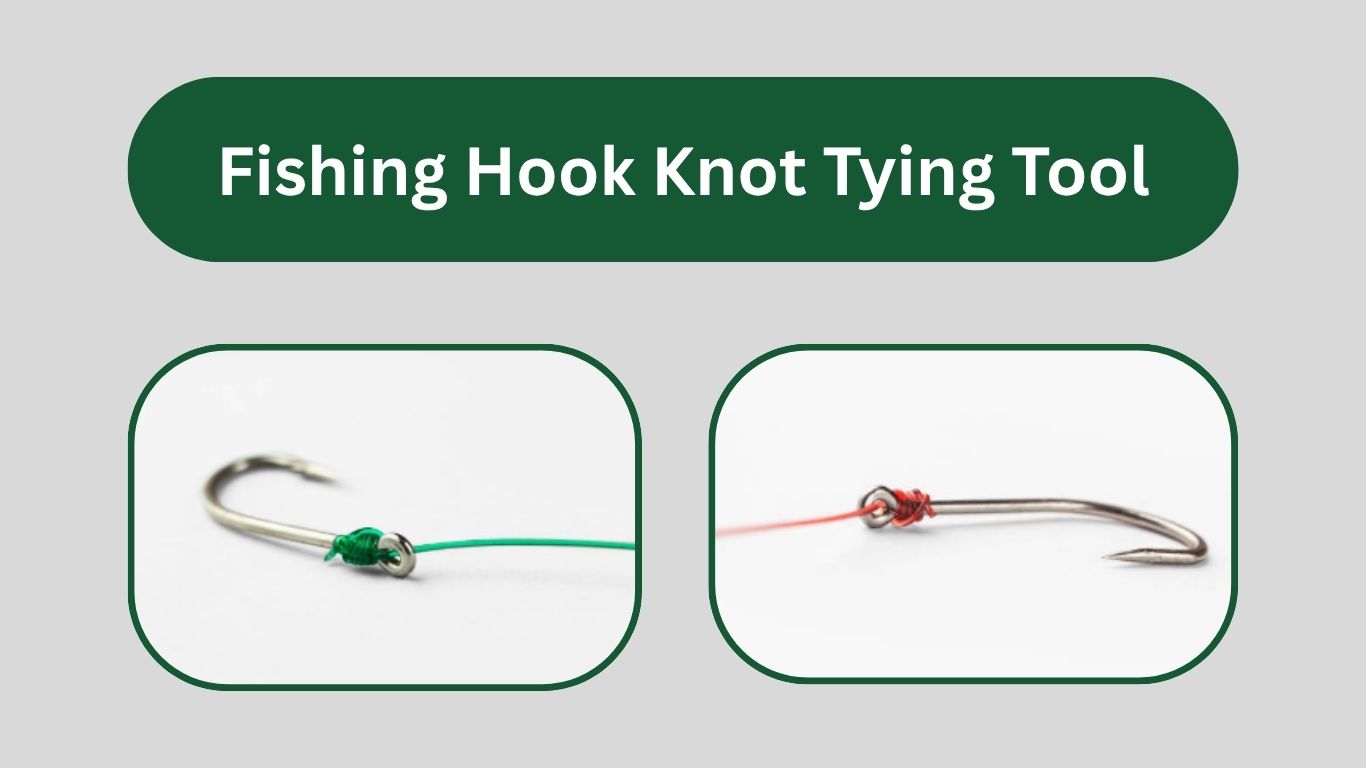
Fishing is a peaceful and exciting outdoor activity enjoyed by millions of people around the world. But one part of fishing that frustrates many anglers, especially beginners, is tying knots. A secure knot is one of the most important parts of fishing. It connects your hook to your fishing line, and if that knot fails, you could lose your bait, your hook, or even the fish you worked hard to catch. That’s why using a fishing hook knot-tying tool can be a big help.
This tool is a small but powerful gadget that helps you tie strong, neat knots quickly and easily. Whether you’re young or old, experienced or just learning, a knot-tying tool can make your fishing trips more enjoyable and stress-free. In this article, we’ll explore everything you need to know about this handy fishing gadget, what it is, how it works, why it’s useful, and how to use it properly. We’ll also look at the different types, tips for choosing the right one, and a step-by-step guide to using one with ease.
What Is a Fishing Hook Knot Tying Tool?
A fishing hook knot tying tool is a small device made to help you tie strong knots on your fishing hooks, swivels, lures, or flies. It holds your hook steady and guides your fishing line into the right position, making it easier to tie popular knots like the Improved Clinch Knot, Palomar Knot, Snell Knot, and many others. Instead of fumbling with tiny hooks and thin lines, the tool gives you a better grip and more control.
Most knot-tying tools are made from lightweight materials like plastic or aluminum, and they’re designed to be portable. Some are small enough to fit on a keychain or in your pocket. Others come in larger multi-tools with added features like hook removers, line cutters, or even split ring pliers.
This tool is especially useful if you have difficulty tying knots with your fingers, whether due to cold weather, shaky hands, poor eyesight, or a medical condition like arthritis. With a knot-tying tool, the process becomes faster, easier, and more reliable.
Why Knot-Tying Matters in Fishing
Before we dive into how the tool works, let’s take a moment to understand why knots are so important in fishing. When you cast your line into the water, your hook is often the only thing connecting you to the fish. A weak or poorly tied knot can come undone during the fight, causing you to lose the fish. Worse, it could cause injury to the fish or pollute the water with lost hooks and lines.
Strong, well-tied knots ensure that:
- Your hook stays in place.
- Your lure moves properly in the water.
- Your line doesn’t snap during a strong pull.
- You protect fish and the environment by avoiding lost gear.
So, whether you’re a weekend fisherman or a daily angler, mastering good knot-tying skills, or using a tool to help, can make your fishing more successful and enjoyable.
Parts of a Knot Tying Tool
Though designs vary slightly between brands, most knot-tying tools have a few basic parts:
1. Hook Clamp or Holder
This part holds the fishing hook firmly in place so it doesn’t move while you’re tying the knot.
2. Line Guide or Groove
Guides the fishing line around the hook in the correct position to form the knot.
3. Twisting or Spinning Mechanism
Some tools allow you to spin or twist the line smoothly around itself or the hook, which is useful for knots like the Snell Knot.
4. Loop Hook or Tuck Slot
Used to help pull the tag end of the line through the final loop of the knot.
5. Grip or Handle
This is the part you hold while tying. It provides control and balance, especially if your hands are wet or cold.
Benefits of Using a Knot-Tying Tool
You might be wondering, “Why not just tie the knot by hand?” While it’s possible, using a knot-tying tool offers many advantages, especially in challenging situations. Let’s look at some of the main benefits:
Makes Tying Knots Easier
Thin fishing line can be difficult to grip and manage. The tool holds everything steady, so you don’t need to fumble with tiny hooks.
Saves Time
Tying a knot manually can take several minutes, especially if you make a mistake. A knot-tying tool helps you tie fast, perfect knots every time.
Great for Beginners
Learning to tie knots correctly takes time and practice. This tool simplifies the process and helps new anglers gain confidence.
Ideal for Seniors or Kids
Older anglers with arthritis or weak grip strength, as well as children just learning to fish, can benefit from this tool’s support.
Reduces Mistakes
A bad knot can cause you to lose a fish. This tool helps tie knots that are more consistent, tighter, and less likely to fail.
Helpful in Cold Weather
If you’re fishing in the cold with gloves on or numb fingers, tying a hook with bare hands is difficult. The tool makes it much easier.
Knots You Can Tie with a Tool
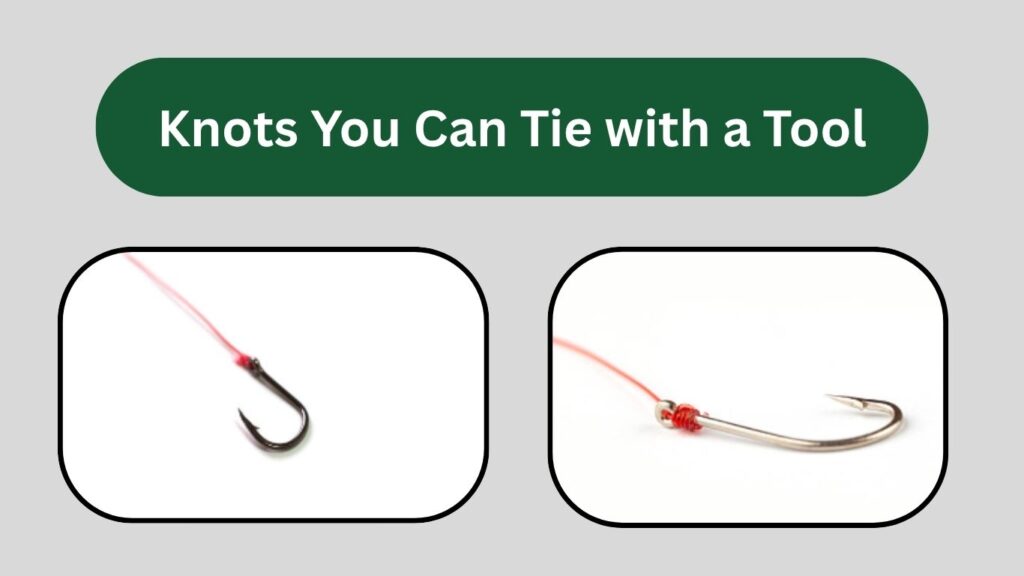
Most knot-tying tools are made to help you tie several types of common fishing knots. These tools are especially useful because they hold the hook steady and guide the line so you can focus on making clean, strong knots. While some tools are made specifically for fly fishing or saltwater fishing, many are designed for general use and support a variety of popular knots.
Here are some of the most useful knots you can tie using a knot-tying tool:
- Improved Clinch Knot –
This is one of the most popular knots used by anglers everywhere. It’s simple to tie, holds strong, and works well with many types of fishing lines and hooks. It’s great for securing a hook, swivel, or lure to your line.
- Palomar Knot –
Known for its strength and reliability, the Palomar Knot is also very easy to learn. It’s a great choice for braided line and is often used when fishing with heavier gear.
- Snell Knot –
This knot is perfect for circle hooks, which are common in catch-and-release fishing. A snell knot helps the hook set properly in the fish’s mouth, making it safer for the fish and more secure for the angler.
- Nail Knot –
This is a key knot in fly fishing. It’s used to connect the leader to the fly line, creating a smooth transition with no bulky knot that might snag. This knot can be tricky to tie by hand, so a knot tool is extremely helpful.
- Uni Knot –
A highly versatile knot that works for both joining lines and tying hooks. It’s easy to learn and very strong, making it a great all-around option for beginners.
- Loop Knot –
This knot is perfect when you want to give your lure or bait more freedom to move naturally in the water. It creates a small loop at the end of the line, allowing for better action.
Different tools support different knots, so it’s important to check the instructions or packaging that comes with the tool. Some tools even have illustrations or links to video tutorials to guide you through each knot.
How to Use a Knot Tying Tool: Step-by-Step Guide
Using a knot-tying tool may look a little confusing at first, but once you get the hang of it, the process becomes very smooth and easy. While each tool has its design, the steps below offer a general guide that works for most common models.
Step 1: Clamp the Hook
Start by inserting your hook into the tool. Most tools have a clamp or groove where the hook fits securely. Make sure the eye of the hook (the small loop at the end) is facing outward. Lock it into place if the tool has a locking mechanism. This will hold the hook steady so it doesn’t move while you’re tying the knot.
Step 2: Thread the Line
Now, take the end of your fishing line and pass it through the eye of the hook. This can be done by hand or using a built-in line threader if your tool has one. Pull enough line through the hook so you have a good amount of tag end (extra line), usually around 6 to 8 inches. This extra line will be used to wrap and form the knot.
Step 3: Wrap the Line
Hold the main line tight and begin wrapping the tag end around it and the hook shaft. For most knots, like the Improved Clinch Knot, you’ll want to wrap it about 5 to 7 times. Some tools have a spinning or twisting mechanism that helps you do this part faster and more evenly.
Step 4: Tuck the End
After wrapping, you’ll see a small loop near the eye of the hook. Take the tag end and pass it through this loop. If your tool has a small metal arm or guide slot, use it to help pull the tag end through; this saves you from pinching and fumbling with small lines.
Step 5: Tighten the Knot
Now, hold the main line and slowly pull on both the tag end and the standing line. The wraps will begin to slide and tighten down toward the hook eye. Make sure everything is neat and tightly packed. A clean knot is not only stronger but also looks better and casts smoother.
Step 6: Wet and Trim
Before pulling the knot completely tight, dip it in water or wet it with saliva. This reduces heat from friction and keeps the line from weakening. Once the knot is fully tightened, use a line cutter or scissors to trim off the extra tag end, leaving about 1/8 inch to prevent the knot from slipping.
Choosing the Right Knot-Tying Tool
There are many different knot-tying tools available, and choosing the right one depends on your fishing style, your comfort level, and the features you need. Here are some helpful things to think about before you buy one:
1. Ease of Use
Look for a tool that has clear instructions or simple steps. Some tools come with printed guides, diagrams, or even QR codes that lead to video tutorials. If you’re a beginner, choose a tool made specifically for new anglers or people with limited hand strength.
2. Material and Durability
Knot-tying tools are made from various materials. Aluminum and stainless steel tools are strong, long-lasting, and resistant to rust, great if you fish in saltwater or rain. Plastic tools are usually lighter and more affordable, but they might wear out faster or break if dropped.
3. Knot Type Compatibility
Check which knots the tool is designed for. Some are made especially for tying fly fishing knots like the nail knot, while others are focused on tying hooks for bait fishing. Make sure it supports the types of knots you use most often.
4. Extra Features
Some knot-tying tools are multi-tools that include extra functions like line cutters, hook removers, split ring openers, or even hook covers for safety. These added features can save space in your tackle box and reduce the number of tools you need to carry.
5. Size and Portability
Consider how portable you need the tool to be. Some tools are compact enough to fit on your keychain or in a shirt pocket, while others are a bit larger but easier to hold. If you have large hands or prefer a strong grip, go for a tool that’s a little bigger and easier to control.
Manual vs Automatic Knot Tying Tools
Knot-tying tools come in two main types, manual and automatic. Each has its strengths.
Manual Knot Tying Tools
These are the most common. They help guide your line and hold your hook, but you still do the main steps yourself. Manual tools are lightweight, affordable, and easy to carry. They give you full control over the knot while making it easier to tie.
Automatic Knot Tying Tools
These tools do some or most of the work for you. Some spin the line around the hook automatically, while others guide and tighten the knot at the press of a button. A few even have battery-powered motors. Automatic tools are great if you have hand problems or need to tie knots quickly, but they’re usually more expensive and slightly bulkier.
Choose based on how much help you want from the tool. Manual tools are great for learning, while automatic tools are ideal for speed and convenience.
Top Knot Tying Tool Brands
Here are a few of the most popular and trusted knot-tying tools on the market. These are often recommended by anglers of all skill levels.
- Hook-Eze Knot Tying Tool –
One of the most beginner-friendly tools. It holds the hook securely and covers the sharp end for safety. Great for kids or seniors.
- TYEPRO Knot Tying Tool –
A favorite among people with shaky hands or weak vision. It helps with threading and knot tying and works well with small hooks and fine line.
- SF Fly Fishing Tool –
Designed mainly for fly anglers. This tool is especially helpful for tying the nail knot, a common but tricky knot in fly fishing.
- Lake Products TyePro Tools –
Known for quality and durability. These tools have built-in threaders and are great for tying knots in low light or on the water.
Each of these tools has its strengths, so choose based on your fishing style, knot preference, and comfort level.
Safety Tips When Using a Knot-Tying Tool
While knot-tying tools are generally safe, it’s important to follow some basic safety practices, especially since you’ll be working with sharp hooks and cutters.
- Always make sure your hook is locked in place before you start tying. A loose hook can slip out and cause injury.
- Be careful when using line cutters or blades attached to the tool. Keep your fingers clear and cut slowly.
- Never try to remove a hook from a fish (or your hand) without the proper tool. Use pliers or a hook remover if needed.
- If your tool is made of metal, dry it off completely after fishing to avoid rust.
- Store your tool in a safe, dry place, away from kids and pets.
Safety should always come first when fishing. Using a knot-tying tool the right way helps keep your gear and your fingers safe.
Extra Tips for Better Knots
Want to make your knots even stronger and more reliable? Here are some extra tips to keep in mind when using a knot-tying tool:
- Wet the knot before pulling it tight. This reduces friction, which can damage the line or cause it to weaken.
- Pull slowly and evenly to avoid sudden snaps or uneven wraps.
- Always leave a little tag end about 1/8 inch to make sure the knot doesn’t slip or come undone.
- Practice at home using old line and hooks before your next fishing trip. Getting comfortable with the tool makes a big difference.
- Replace your line regularly. An old or sun-damaged line can break even if the knot is perfect.
A little preparation and care can lead to more secure knots and more successful fishing.
Who Should Use a Knot-Tying Tool?
Fishing knot-tying tools are useful for everyone, but they’re especially helpful for those who have trouble with hand strength, vision, or coordination. Beginners who are still learning to tie clean, strong fishing knots can benefit greatly, as these tools make the process easier and less frustrating.
Seniors or anyone with arthritis or joint problems will appreciate not having to strain their hands to grip or twist fine lines. People with vision issues who struggle to see small hooks or thin fishing lines can also tie knots more accurately with a tool. Children learning to fish can use these tools to avoid poking themselves with sharp hooks while practicing knot tying.
Anglers who fish in cold weather while wearing gloves, or those fishing from a kayak or boat in tight, unstable spaces, will find that a knot-tying tool makes tying knots quicker and safer. If tying a knot ever feels tricky, slow, or frustrating, this tool offers a simple and effective solution.
Where to Buy Knot-Tying Tools
You can buy fishing hook knot-tying tools both in stores and online, making them easy to find no matter where you are. Popular online retailers like Amazon offer a wide selection, complete with customer reviews and video demonstrations to help you choose the right tool. Stores like Bass Pro Shops and Cabela’s carry brand-name fishing gear, including high-quality and specialized knot-tying tools.
Walmart is a good place for affordable, basic options that work well for casual anglers. Local tackle shops are also a great choice if you prefer hands-on advice and want to test the tool before buying. Prices typically range from $5 to $25, depending on the brand, features, and overall quality. Some tools are also sold in multi-packs or kits that include extras like line clippers or pliers, offering added value for your money.
Final Thoughts
The fishing hook knot tying tool might be small, but it can make a huge difference in your fishing experience. From saving time to making your knots stronger and more reliable, this tool is especially helpful for beginners, seniors, or anyone who wants to fish without frustration. Tying a hook doesn’t have to be a struggle; let the tool do the hard part while you focus on enjoying the water.
Whether you’re casting off a dock, a boat, or the beach, having a knot-tying tool in your tackle box is a smart move. It helps you tie faster, fish smarter, and land more catches. So next time you’re out on the water, give one a try, you’ll be glad you did.