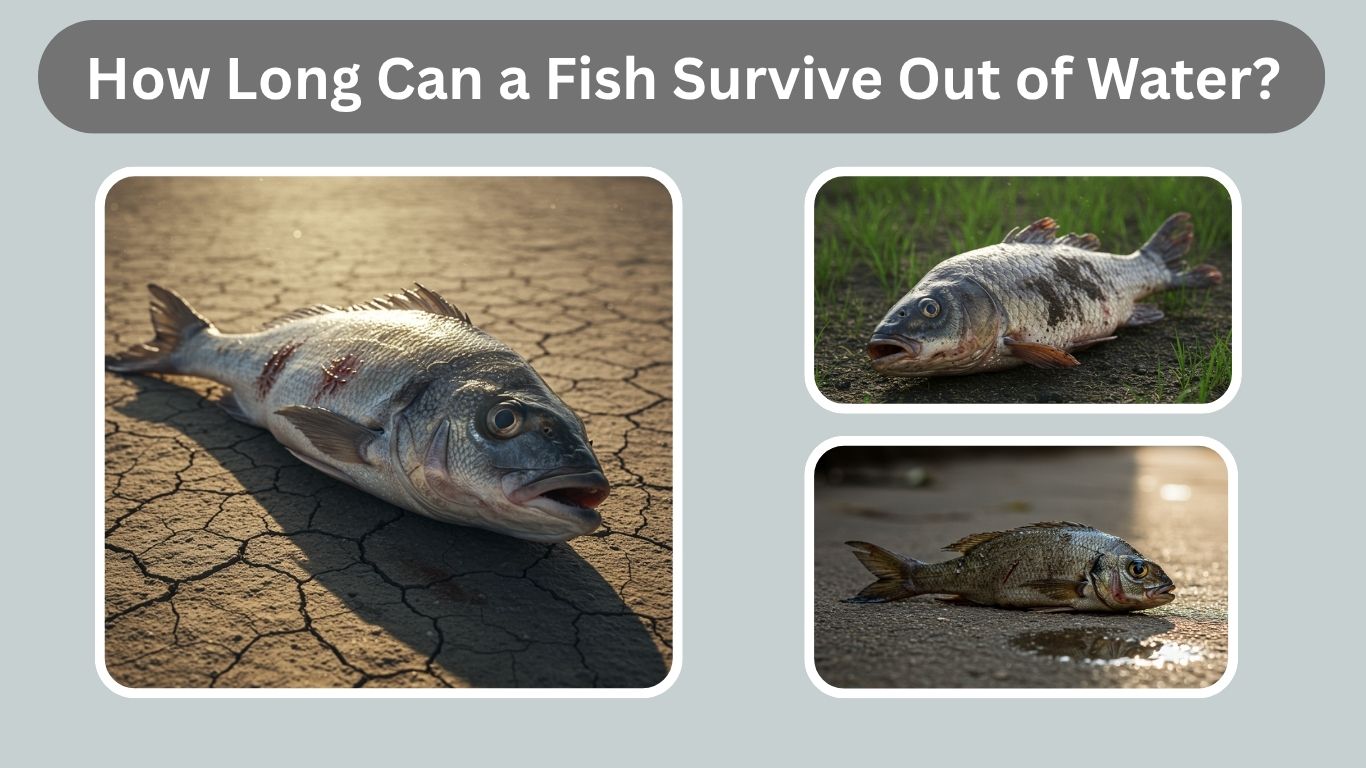
Fish live in water, and they need water to survive. Water is very important for fish because it helps them breathe and stay healthy. When fish are taken out of water, they can have a hard time living for long. You might wonder, how long can a fish survive without water?
Can a fish live outside water like a frog or a turtle? In this article, we will learn why fish need water, what happens to them when they are out of water, and how long they can live without it.
We will also talk about the different types of fish and how some special fish can survive longer outside water than others.
Knowing how long fish can survive out of water is important for people who catch fish, keep fish in tanks, or work to protect fish. It helps us treat fish better and keep them safe. Let’s dive into the world of fish and find out what makes water so important for them.
Why Do Fish Need Water?
Fish live in water, and one of the most important reasons is how they breathe. Fish have special body parts called gills. Gills work like lungs, but they get oxygen from water, not from air. When water passes over the gills, tiny blood vessels take the oxygen out of the water and send it to the fish’s body. At the same time, the fish gets rid of a gas called carbon dioxide, which it does not need.
Because fish get oxygen from water, they need to stay in water all the time to breathe. On land, there is no water flowing over their gills, so they cannot get oxygen. This is very different from humans and other animals that breathe air directly through their lungs.
Water also helps fish in other ways. It supports their bodies so they can swim easily. Fish don’t have strong bones like land animals because water holds their bodies up. Without water, their bodies can get damaged or dry out.
That is why water is very important for fish. Without it, they cannot breathe or stay healthy.
What Happens When a Fish Is Out of Water?
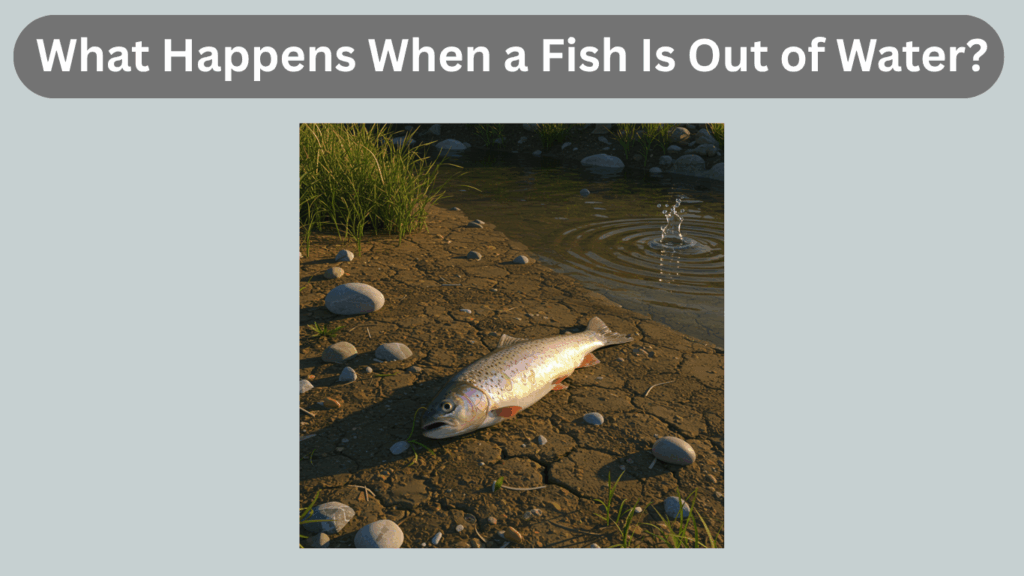
When a fish is taken out of water, many bad things start to happen quickly. The fish’s gills, which need to be wet to work, begin to dry out. Dry gills cannot take oxygen from the air like lungs do. Because of this, the fish cannot breathe properly and starts to suffocate.
The fish also loses moisture from its skin and body. Fish skin is covered in a slimy layer that protects them and keeps them moist. Outside of water, this slime dries, and the fish’s skin can crack or get hurt easily. This can cause infections or other problems.
Without oxygen, the fish becomes weak and stressed. Stress is bad for fish and can cause them to die faster. Unlike humans, fish cannot hold their breath for a long time. Their bodies are designed to get oxygen only from water.
If a fish stays out of water for too long, it will die. How long this takes depends on many things, which we will talk about next.
Factors That Affect How Long Fish Can Survive Out of Water
Not all fish are the same, and different fish can survive out of water for different lengths of time. Here are some important factors that decide how long a fish can live without water:
1. Type of Fish
- Common Fish: Most fish, like goldfish or trout, can only survive a few minutes out of water. Their gills dry quickly, and they get no oxygen.
- Air-Breathing Fish: Some fish, like lungfish and catfish, have special adaptations that allow them to breathe air for a while. These fish can survive longer out of water.
- Lungfish: Lungfish are special fish that can live out of water for days or even months by breathing air using lungs instead of gills.
2. Size and Health
Big fish with strong bodies may survive longer than small or weak fish. Healthy fish are more likely to survive stressful conditions.
3. Temperature and Humidity
Hot and dry air makes fish dry out faster, so fish cannot survive long in hot weather. Cold and humid air can help fish stay moist and survive longer outside of water.
4. How Wet the Fish Stays
If a fish is kept wet with water or a wet cloth, it can survive longer because its gills and skin stay moist.
Examples of Fish Survival Times Out of Water
Here are some examples of how long different fish can survive without water:
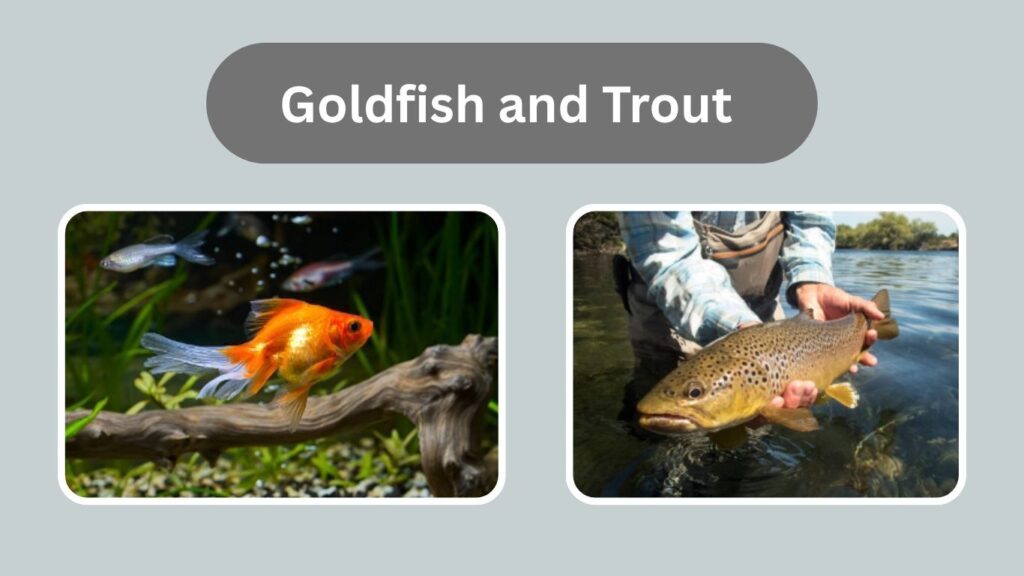
- Goldfish and Trout: These fish usually survive only 5 to 10 minutes out of water before they start dying. Their gills dry fast, and they cannot breathe air.
- Catfish: Some catfish have a type of air bladder that helps them breathe air. They can survive up to 24 hours or more if their skin stays moist.
- Lungfish: Lungfish are famous for their ability to survive outside water for very long times. In dry seasons, lungfish burrow into mud and breathe air through their lungs. They can survive several months without water.
- Eels: Some eels can breathe through their skin and survive out of water for a few hours, especially if they stay moist.
Real-Life Example
Scientists have studied lungfish and found they can survive in mud for up to four years during droughts! This is a unique ability that helps them survive in places where water disappears.
Why Fish Should Not Be Left Out of Water
Leaving fish out of water for too long is very harmful. Fish suffer from a lack of oxygen and dry skin, which causes pain and stress. Stress can weaken their immune system and make them more likely to get sick.
If fish are put back into water after being out too long, they may be too weak or injured to survive. Some fish may have permanent damage to their gills or skin.
For this reason, fish should always be handled carefully and returned to water quickly if caught or moved.
Tips for Handling Fish Safely
If you catch fish or need to move them, here are some tips to keep them safe:
- Keep Fish Wet: Always keep the fish wet by splashing water on them or placing them on a wet cloth or grass.
- Use Wet Hands: Wet your hands before touching fish to protect their slimy skin.
- Minimize Time Out of Water: Try to keep fish out of water for as short a time as possible, less than a minute if you can.
- Support the Fish’s Body: Handle fish gently and support their body well to avoid injury.
- Use Proper Nets: Use soft, wet nets to reduce harm.
- Revive Fish: If a fish looks weak after being out of water, gently hold it in water and move it slowly back and forth to help water flow over its gills. This helps the fish breathe again.
Fish need water to breathe and stay alive. Their gills only work when wet, and they get oxygen from water, not air. Most fish can survive only a few minutes out of water before they start to die, but some special fish, like lungfish, can survive for days or even months by breathing air.
How long a fish can live without water depends on many things, such as the type of fish, the air conditions, and how wet they stay. It is very important to handle fish carefully and keep them in water as much as possible to avoid harm.
By understanding how long fish can survive out of water, we can treat them better, protect their lives, and enjoy fishing or fish-keeping in a safe way. Always remember: fish belong in water, and water is their home.