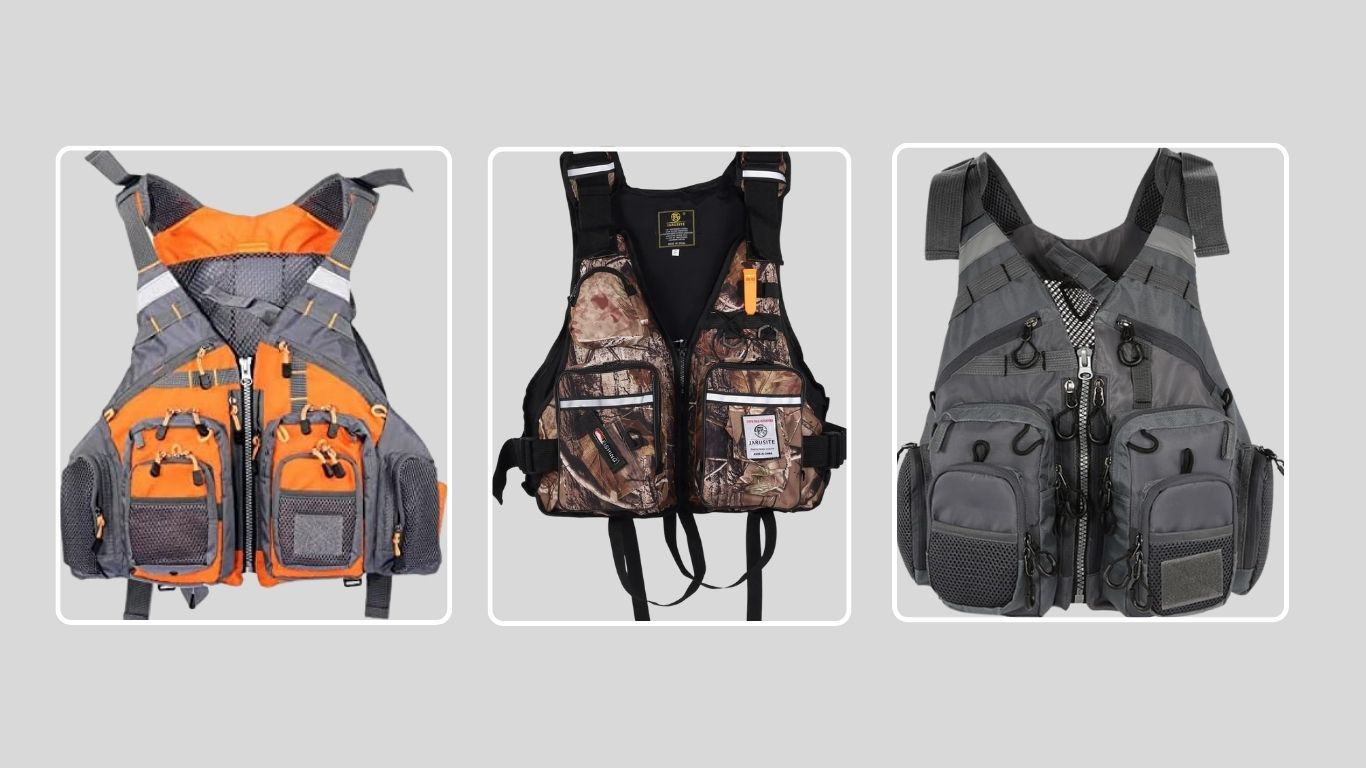
Fishing from a kayak can be thrilling, but it also comes with risks. Whether you’re navigating calm lakes or casting in flowing rivers, wearing the right life jacket isn’t optional—it’s essential. But not just any life jacket will do. A fishing-specific life vest is designed for all-day comfort, gear access, and unrestricted movement while keeping you safe in unexpected situations.
In this guide, we’ll walk you through everything you need to know before buying a life jacket for kayak fishing—from safety features and fit to the best types and brands anglers trust.
Why a Fishing-Specific Life Jacket Matters
When it comes to kayak fishing, a standard life jacket just won’t cut it. While any U.S. Coast Guard-approved PFD (Personal Flotation Device) is better than none, fishing-specific life vests offer specialized features that make your time on the water safer, more comfortable, and more productive.
Difference Between Regular and Fishing PFDs
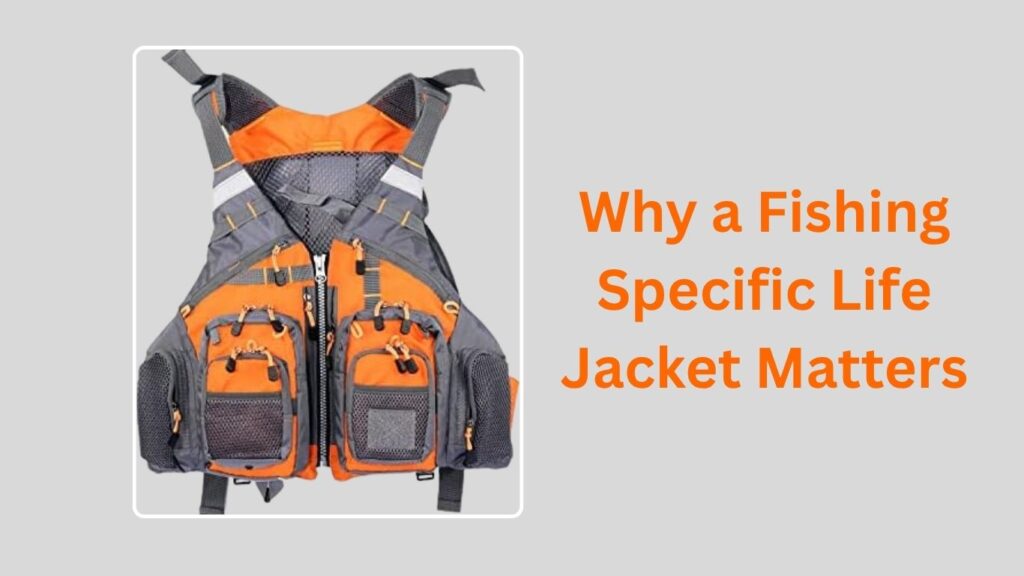
A regular life jacket is designed for one purpose: to keep you afloat during emergencies. However, fishing kayak life jackets are engineered with multiple use cases in mind—balancing flotation, comfort, and convenience. Here’s how they differ:
Mobility: Fishing PFDs are built with high-cut backs that won’t interfere with your kayak seat. This helps prevent chafing and gives your shoulders room to cast, paddle, and reel.
Storage: They usually come with multiple front pockets, loops, and attachment points for tools, flies, or tackle—essential for kayak anglers who have limited space.
Ventilation: Many are made from breathable mesh and lightweight materials to keep you cool during long fishing sessions.
Key Benefits for Kayak Anglers
- All-Day Comfort: Since you’ll be wearing your life vest for hours, comfort is key. Fishing-specific life jackets have padded shoulders, flexible designs, and adjustable straps that keep you comfortable throughout the day.
- Better Gear Access: Front-facing zippered pockets let you store small tackle items, pliers, line clippers, and even snacks. This means fewer trips to your gear crate or tackle box—saving time and keeping you more focused on fishing.
- Enhanced Safety: Built-in D-rings and loops allow you to securely clip tools or emergency whistles. Many also include reflective strips to increase your visibility in low-light conditions.
- Design Efficiency: From rod holders to hydration compatibility, fishing PFDs are packed with smart features designed for serious anglers.
Key Factors to Consider Before Buying
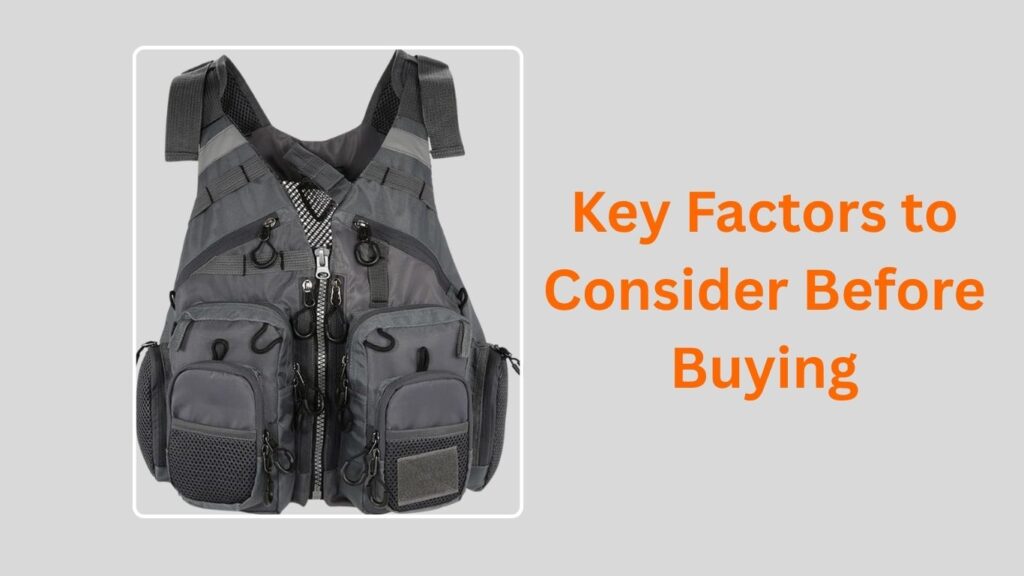
Choosing the best life jacket for kayak fishing involves more than just picking one off the shelf. You need a PFD that matches your fishing style, body type, and local conditions. Here’s what to look for before making your purchase:
Type of Life Jacket
Not all life jackets are created equal—especially for kayak fishing. In the U.S., the Coast Guard classifies PFDs into different types:
- Type III: Most common for kayak anglers. Offers freedom of movement, comfort, and is ideal for calm, inland waters.
- Type V: Often labeled “special use” life vests. These include fishing-specific designs with added features like gear storage or inflatable options.
For fishing, Type III or Type V is usually the best choice due to their mobility and comfort.
Fit and Sizing
Your life jacket should fit snugly but not restrict movement. Here’s how to ensure a proper fit:
Torso Fit: A high-back design works best with kayak seats, allowing you to lean back comfortably.
Straps: Look for multiple adjustment points—shoulders, sides, and waist—to fine-tune the fit.
Chest Size: Always check the manufacturer’s sizing chart. Don’t rely on your T-shirt size.
Mobility and Comfort
You’ll be casting, paddling, and reeling—so your life jacket needs to move with you.
- High armholes allow for full range of motion.
- Mesh backs and sides offer breathability, especially important during warm weather.
- Lightweight materials reduce fatigue during long hours on the water.
Comfort directly impacts how long you’ll wear it, so never compromise here.
Material and Durability
Fishing environments—especially saltwater—can be tough on gear. Choose a life jacket made from durable materials:
Nylon: Lightweight, quick-drying, and budget-friendly.
Neoprene: Softer and more form-fitting but can be warmer.
Saltwater-resistant fabrics: Look for corrosion-resistant zippers and fittings.
Quality materials ensure your jacket lasts multiple seasons.
Storage Options
One of the biggest advantages of fishing-specific life jackets is built-in storage. Look for:
- Zippered front pockets for lures, leaders, and small tackle.
- Attachment points or MOLLE webbing for tools like pliers or clippers.
- Rod or net holders on higher-end models.
Safety Features You Shouldn’t Ignore
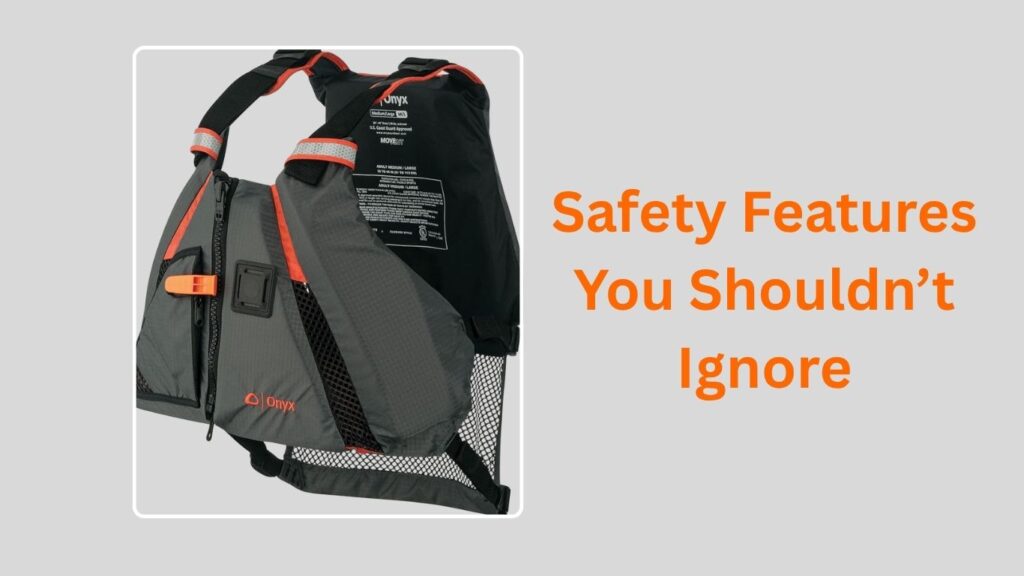
When it comes to kayak fishing, safety is not just about staying afloat—it’s also about visibility, accessibility, and preparedness for emergencies. The best fishing life jackets go beyond basic flotation by including built-in safety enhancements that can make a critical difference.
Reflective Strips and Bright Colors
Many fishing PFDs include reflective accents on the front, back, or shoulders. These reflective strips increase your visibility during low-light conditions, such as early morning outings or overcast days.
Bright color options like red, orange, or lime green can also help you stay visible to nearby boaters or rescue teams. Even if you prefer neutral tones, a small patch of color or reflective trim is a smart feature to have.
Whistle Attachment
A built-in whistle or dedicated whistle clip is a small but essential addition. If you fall into the water or need help, a whistle lets you signal for assistance without yelling. It’s a simple tool that meets U.S. Coast Guard safety standards and is often required by law.
Manual vs. Automatic Inflation
Some modern life jackets use inflatable technology instead of foam. There are two main types:
- Manual Inflation: Requires you to pull a cord to activate the CO₂ cartridge. This gives you full control but requires action in an emergency.
- Automatic Inflation: Activates when submerged in water. Ideal for paddlers who want an extra layer of protection, though it’s less common for anglers who may get wet during normal activity.
While inflatable life vests are sleek and comfortable, many kayak anglers prefer foam-based models due to their reliability, especially in fast-moving or unpredictable water.
Secure Zippers and Buckles
Don’t overlook closure systems. Look for sturdy buckles, secure zippers, and secondary safety straps that hold everything in place. A loose or broken buckle during a flip can reduce the life jacket’s effectiveness.
Emergency Accessory Loops
Some fishing vests come with dedicated loops or tabs to attach safety accessories like a knife, flashlight, or waterproof GPS device. These are especially useful when fishing in remote areas where help might be far away.
Top Brands Recommended by Kayak Anglers
Choosing a trusted brand can save you time, money, and frustration. Experienced kayak anglers often rely on specific life jacket brands known for comfort, durability, and fishing-focused features. Here are a few of the most recommended:
NRS Chinook
The NRS Chinook is one of the most popular fishing PFDs on the market—and for good reason. It’s designed specifically for kayak anglers and features:
- A high-back design that fits perfectly with most kayak seats
- Multiple zippered pockets for gear and tackle
- Adjustable shoulder and side straps for a snug fit
- D-rings and lash tabs for tool attachment
This vest is praised for comfort and storage capacity, making it ideal for long fishing trips.
Onyx Kayak Fishing Vest
A budget-friendly option that doesn’t skimp on features. The Onyx Kayak Fishing Vest is lightweight, easy to adjust, and includes:
- Four large pockets for tackle and accessories
- High foam back with mesh lower back for ventilation
- Comfortable shoulder pads and open sides for better movement
It’s a great choice for anglers looking for performance on a smaller budget.
Astral E-Ronny and Sturgeon
Astral designs vests with eco-friendly materials and high functionality. The E-Ronny and Sturgeon models are especially popular for:
- Breathable mesh backing
- Soft, non-restrictive fit
- Secure zippered pockets and gear loops
- Ergonomic cut for paddling and casting
They’re often favored by kayak anglers who want a sleek, minimalist vest with long-lasting durability.
When and Where You’ll Be Fishing
Your fishing environment should influence your choice of life jacket. Not all waters—and conditions—are the same.
Freshwater vs. Saltwater Use
If you fish in saltwater, look for corrosion-resistant materials, especially around zippers, buckles, and D-rings. Salt can wear down standard fabrics and fittings quickly. Some vests even have UV-resistant coatings to withstand the sun’s glare on open water.
In freshwater, you may not need as much rugged protection, but storage and breathability become more important—especially in warmer climates.
Hot vs. Cold Weather Considerations
In warm weather, mesh ventilation and lightweight construction keep you cool and dry. Look for breathable materials and open-side designs that promote airflow.
In colder environments, choose a vest that allows layering underneath without restricting movement. Insulated models aren’t common, so ensure the jacket fits comfortably over a thermal base layer or jacket.
Long Trips vs. Quick Sessions
For quick, casual trips, a lightweight vest with basic pockets might be enough. But for all-day or multi-day fishing excursions, go for a high-capacity life jacket with multiple storage options, tool attachments, and all-day comfort padding.
Inflatable vs. Foam Life Jackets
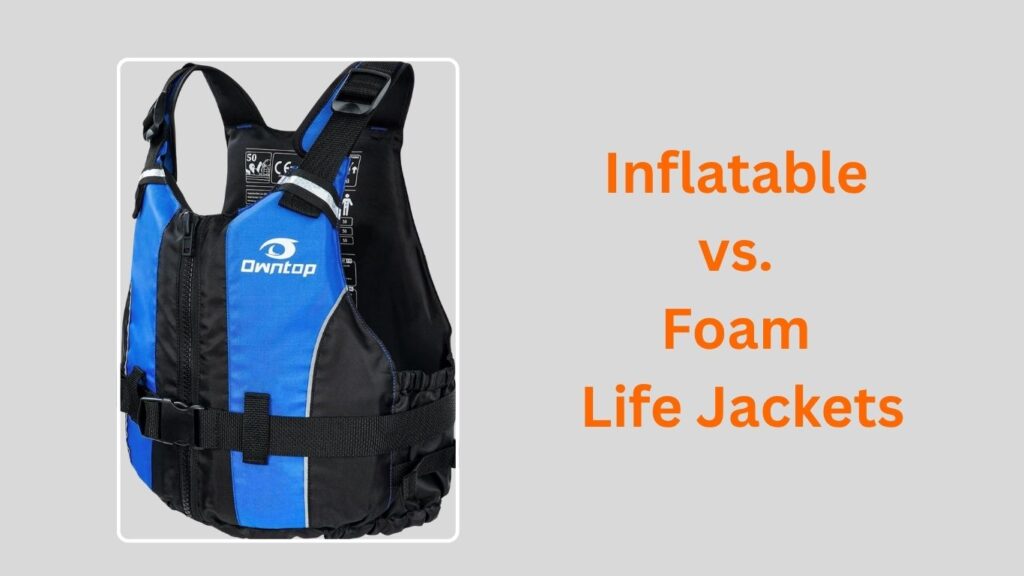
Both inflatable and foam life jackets are suitable for kayak fishing, but they serve different needs. Understanding the pros and cons of each helps you choose the right one for your safety and comfort.
Foam Life Jackets
These are the most common and reliable option for kayak anglers. Foam life vests provide constant buoyancy without needing activation.
Advantages:
- No manual or automatic inflation needed
- Very durable and dependable
- Often include pockets, tool loops, and reflective strips
- Ideal for rough conditions or cold water
Disadvantages:
- Bulkier than inflatable models
- Can be warmer in hot climates
Foam PFDs are recommended for beginners and serious anglers who may face unpredictable conditions or who want gear storage built-in.
Inflatable Life Jackets
Inflatables are sleek and comfortable but require manual or automatic inflation.
Advantages:
- Lightweight and low-profile
- Great for hot weather and long hours
- Easy to wear over any clothing
Disadvantages:
- Require CO₂ cartridge replacement
- Not ideal for rough or rocky waters
- May not activate in all emergencies (especially manual versions)
Inflatables are better for calm, warm-weather fishing and experienced paddlers who prefer maximum mobility.
FAQs
Here are detailed answers to the most common questions anglers ask when choosing a life jacket for fishing from a kayak:
Can I use a boating life jacket for kayak fishing?
Technically, yes—but it’s not ideal. Boating life jackets are often bulkier and not designed for seated paddling or constant casting. Fishing-specific PFDs offer better mobility, comfort, and storage options tailored to kayak anglers.
Are inflatable life vests safe for kayak fishing?
They can be safe when used correctly, especially in calm waters and warm climates. However, they require manual activation or automatic inflation. In rough or cold conditions, foam vests are more reliable since they provide constant buoyancy without activation.
What size life jacket do I need for kayaking?
Size is typically based on chest measurement, not weight or height. Measure your chest at its widest point and consult the brand’s sizing chart. A proper fit should feel snug but not restrictive, and the vest shouldn’t ride up when you lift your arms or sit.
How should a kayak fishing PFD fit?
It should fit snug across the chest and torso with no loose gaps. High-back panels should align with your kayak seat, and the armholes should be large enough to allow full movement for paddling and casting. Always test the fit while seated.
Do kayak fishing vests expire?
Foam life jackets don’t technically expire, but they can lose buoyancy over time. If the material feels brittle, thin, or cracked, it’s time to replace it. Inflatable vests have components like CO₂ cartridges that should be replaced regularly according to the manufacturer’s guidelines.