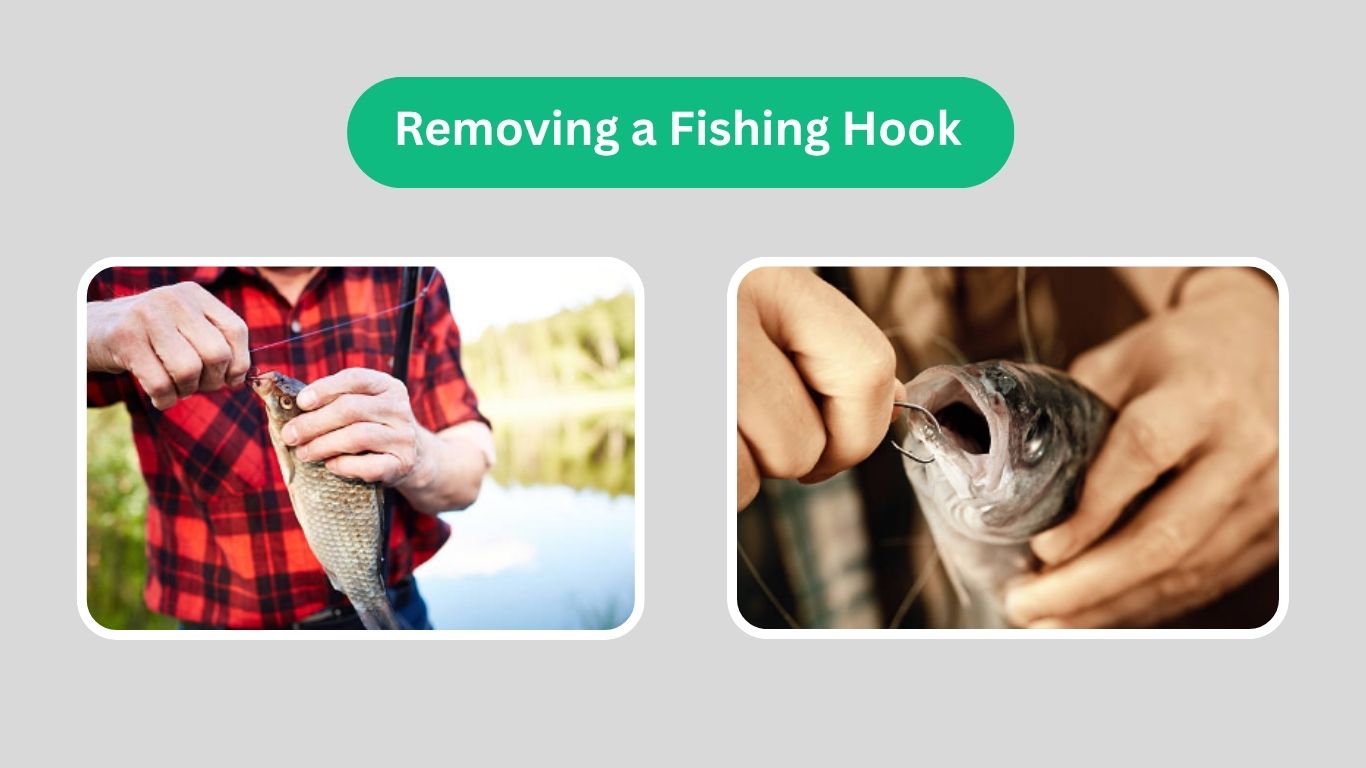
Fishing is an amazing hobby that brings peace, excitement, and a chance to catch delicious fish. But sometimes, accidents happen. One common problem for anglers is a fishing hook getting stuck, either in a fish, your clothes, or even your skin. If you don’t know the right way to remove a hook, you can hurt yourself or the fish badly. That’s why it is very important to learn how to remove a fishing hook safely.
This guide will teach you everything in simple and easy words so you can remove a fishing hook without fear. We will go through all the steps slowly, explain what tools you need, and give you different methods for removing hooks from fish and humans. By the end of this guide, you will feel confident and ready to handle this situation like a pro.
Why Is It Important to Learn Hook Removal?
Fishing hooks are small but very sharp, and they are specially designed to catch and hold fish securely. Because of this design, they can easily stick deep into soft tissue, whether it’s the fish’s mouth or your finger. If you try to pull a hook out the wrong way, you can cause serious damage.
For example, pulling too hard can tear the fish’s mouth, which makes it harder for the fish to survive if you plan to release it back into the water. You can also injure yourself badly, leading to pain, bleeding, and even the risk of infection. In moments of panic, many people pull the hook harder, which only makes the situation worse.
That’s why it is so important to stay calm and follow the correct steps. Knowing the right way to remove a hook will save you from unnecessary pain and will also help keep the fish safe, especially if you practice catch-and-release fishing.
Understanding the Fishing Hook
Before removing a hook, you need to understand its parts. A fishing hook is not just a simple piece of metal. It has different parts:
- Eye – The round hole where you tie the fishing line.
- Shank – The straight part between the eye and the bend.
- Bend – The curved part of the hook.
- Point – The sharp tip that goes inside the fish or skin.
- Barb – A tiny spike near the point that keeps the hook from coming out easily.
The barb is what makes hook removal tricky. The barb is designed to stop the hook from slipping out of the fish’s mouth, but it also means you can’t just pull the hook out without causing damage. That’s why most methods focus on dealing with the barb first.
Common Situations When Hooks Get Stuck
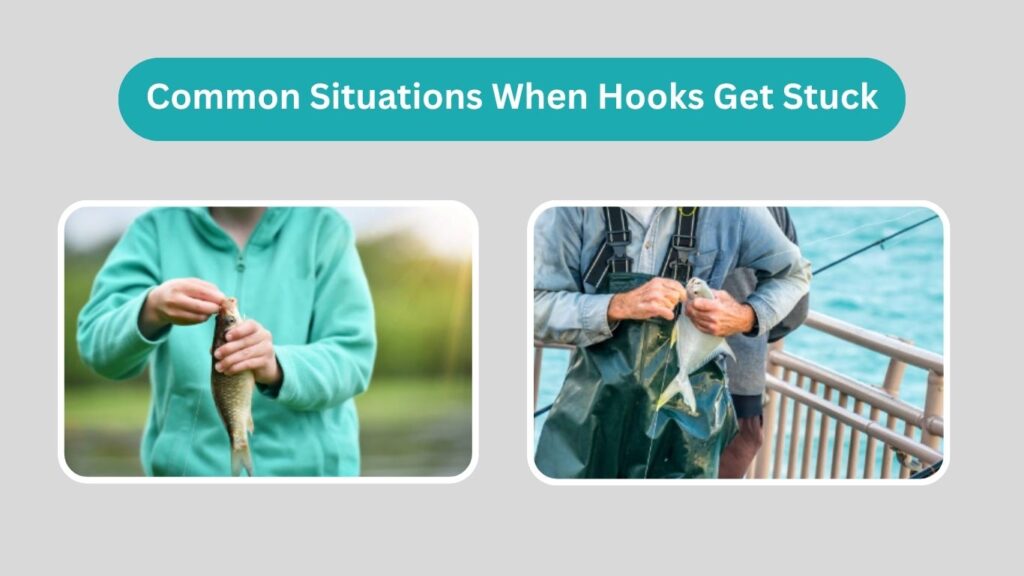
- Hook in a Fish’s Mouth
This is the most common situation. When you catch a fish, the hook is usually inside its lip or mouth. You need to remove it carefully so the fish stays alive if you plan to release it. - Hook in Clothes or Gear
Sometimes, while casting or reeling, the hook can get stuck in your shirt, pants, or fishing bag. This is not painful, but it can ruin your clothes if you pull hard. - Hook in Human Skin
This is the scariest situation. A sharp hook can pierce your finger, hand, arm, or even face if you are not careful. In this case, you must stay calm and use the right method to remove it safely.
Things You Need Before Removing a Hook
Before you try to remove a fishing hook, it’s important to have the right tools ready. These tools will make the job much easier and safer for you.
First, keep a pair of fishing pliers. They help you grip the hook firmly and twist it out without using your fingers. Next, have wire cutters on hand. These are useful if you need to cut the barb or even the hook itself when it’s stuck too deep.
Wearing gloves is also a good idea because they protect your hands from getting cut or poked by the sharp hook.
You should also have disinfectant or antiseptic wipes to clean the area around the wound or the hook before and after removal. This helps prevent infection. If the hook is stuck in your skin, keep some bandages ready to cover the wound after you take it out.
Lastly, don’t forget eye protection like glasses, because sometimes the hook can pop out suddenly and hit your eyes. Having these tools prepared will make the whole process safer and smoother.
Safety Tips Before You Start
When you find yourself with a fishing hook stuck, the most important thing is to stay calm. Panicking will only make the situation worse and increase the chances of injury. Before you try to pull the hook out, take a moment to understand exactly where the barb is located so you don’t pull blindly and cause more damage.
If the hook is stuck in your skin, it’s very important to clean the area carefully with an antiseptic wipe to reduce the risk of infection. Remember, there is no need to rush; taking your time and moving slowly and steadily is the key to safely removing the hook without causing extra harm.
Step-by-Step Guide to Remove a Hook from a Fish
When you catch a fish, it’s very important to take your time and remove the hook carefully. Doing this properly helps in two big ways: it keeps the fish from getting hurt too much, and it also keeps you safe from getting poked by sharp teeth or fins.
Here are three simple methods you can use to take the hook out, depending on how the hook is stuck.
Method 1: Back Out the Hook
This method works best when the hook is not stuck very deep in the fish’s mouth.
First, hold the fish gently but firmly so it doesn’t slip away or get injured further. Then, use your fishing pliers to grab the hook close to the curved part called the bend. Next, gently push the hook a little bit forward, the way it went in, to loosen the small barb that holds it in place.
After that, slowly pull the hook backward, the same way it came in, until it slides out of the fish’s mouth. If you see the fish is bleeding, try to release it back into the water quickly so it can recover and swim away safely.
Method 2: Twist and Remove
If the hook has gone a bit deeper into the fish’s mouth, you can use the twist method.
Hold the fish carefully so it doesn’t flop around and hurt itself or you. Grab the hook with your pliers, near the bend, just like before. Instead of pulling straight out, gently twist the hook in the same direction it went in.
While twisting, slowly pull the hook out. The twisting helps the barb slide out without tearing too much of the fish’s mouth. Be careful to do this slowly and gently to avoid hurting the fish.
Method 3: Cut the Barb
Sometimes, the hook is stuck so deep that it won’t come out easily. In this case, you can cut off the barb to make removal easier.
Take your wire cutters and carefully cut off the small barb on the hook or even the point if needed. Once the barb is cut off, the hook will slide out much more easily because nothing is holding it back.
After removing the hook, release the fish gently and quickly to reduce its stress and help it swim away healthy. Using these methods will help you take care of the fish and yourself during your fishing trips. Always be gentle, patient, and calm when handling fish and hooks.
Step-by-Step Guide to Remove a Hook from Skin
Getting a fishing hook stuck in your skin can happen to anyone, and it can be scary. The first thing you need to do is check how deep the hook is stuck. If the hook is very close to your eye or stuck very deep inside your skin, you should not try to remove it yourself.
Instead, go to a doctor right away. Also, if the hook is rusty or dirty, you might need a tetanus shot later, so keep an eye on that. If the hook is in a safe place and not too deep, you can try to remove it yourself using one of the following methods.
Method 1: Backing Out Method
This method works best when the hook is only shallowly stuck and the barb is not fully inside your skin.
First, clean the area around the hook carefully using antiseptic wipes or disinfectant to avoid infection. Then, use pliers to hold the hook firmly close to the bent part. Slowly and gently pull the hook backward the same way it went in.
Pulling it out carefully can help avoid tearing your skin. If the pulling causes too much pain or if you feel the barb is still stuck deep, stop immediately. Trying to force it can cause more injury, so in that case, try a different method or seek medical help.
Method 2: String-Yank Method
This method is popular with many anglers because it is fast and often works well.
Take a strong piece of fishing line or string and wrap it tightly around the curved bend of the hook. While doing this, press down gently on the straight part of the hook (called the shank) to help free the barb from under your skin.
Then, hold the string tightly and pull it sharply and quickly in the opposite direction from where the hook entered your skin. The sudden pull usually makes the hook pop out easily. Be sure to do this in a controlled way so you don’t hurt yourself further.
Method 3: Push-Through Method
Use this method only when the hook is stuck deep and the barb is fully inside your skin.
Push the hook gently forward, pushing it through the skin until the sharp barb comes out the other side. This may hurt a little, but it is safer than pulling the barb back through the skin. Once the barb is visible outside the skin, use wire cutters to carefully cut off the barb.
After cutting the barb, pull the rest of the hook back out through the original entry hole. This method helps reduce skin damage because the barb won’t catch inside when you pull the hook out.
What to Do After Removing the Hook
For Fish:
If you want to release the fish back into the water, do it as quickly as possible to reduce stress. Gently hold the fish in the water until it starts swimming on its own and can swim away safely. Try not to touch the fish’s gills or remove too much of its natural slime because both help keep the fish healthy and protect it from sickness.
For Humans:
After removing a hook from your skin, clean the wound carefully using antiseptic to kill any germs. Then put some antibiotic cream on the wound and cover it with a clean bandage to keep it protected. Keep an eye on the area for signs of infection like redness, swelling, or pus. If you haven’t had a tetanus shot in a while, it’s a good idea to get one to prevent serious infections. Taking these simple steps will help your wound heal quickly and stay safe.
How to Prevent Hook Accidents
- One of the best ways to avoid getting hurt by fishing hooks is to use barbless hooks. These hooks don’t have the small sharp barb that holds the hook tightly in place.
Because of this, barbless hooks are much easier to remove from both fish and your skin if you get stuck. This makes fishing safer and less painful for everyone.
- Another important step is to always wear protective gear like gloves and glasses. Gloves protect your hands from sharp hooks and fish fins, while glasses protect your eyes from accidental pokes. Wearing these can prevent many common fishing injuries.
- When you are casting your line, be very careful and always look around to make sure no one is standing too close behind you. Hooks can fly unexpectedly when you cast, and you don’t want to accidentally catch a friend or yourself.
- Finally, when handling a fish, stay calm and gentle. If a fish struggles a lot, it might thrash and push the hook into your hand or fingers. Holding the fish firmly but gently helps keep it still, so you can safely remove the hook without getting hurt.
- By following these simple steps, you can enjoy fishing while keeping yourself and others safe from hook accidents.
Final Thoughts
Fishing is a fun and relaxing activity that many people enjoy, but it’s important to remember that accidents can happen at any time. Getting a hook stuck in your skin or a fish can be scary, especially if you don’t know what to do. The good news is that with the right knowledge and the proper tools, you can handle these situations safely and confidently.
The most important thing is to stay calm. Panicking can make things worse, so take a deep breath and focus on what you need to do. Next, always use the right method to remove the hook. Whether you’re working with a fish or dealing with a hook in your skin, following the correct steps will help prevent injuries and reduce pain.
It’s also very helpful to keep a basic first aid kit ready whenever you go fishing. Having disinfectant, bandages, and pliers nearby means you can act quickly if a hook gets stuck.
By staying calm, using the right techniques, and being prepared, you can protect both yourself and the fish. This will make your fishing trips safer and much more enjoyable. Remember, a little care and knowledge go a long way in making sure everyone has a good time on the water.