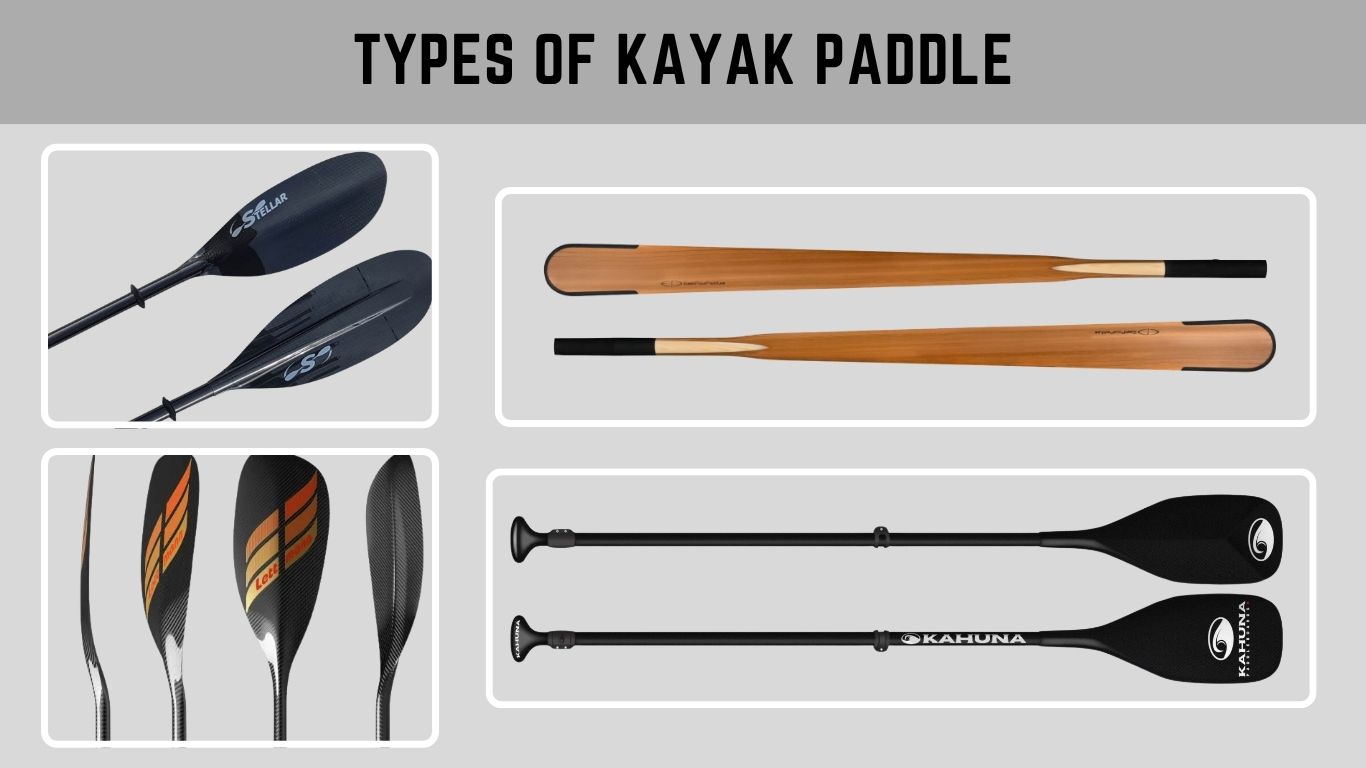
Whether you’re gliding across a quiet lake or navigating wild rapids, the right kayak paddle can make all the difference. From blade shape to shaft design, each type serves a unique purpose. In this guide, we’ll break down 21 different types of kayak paddles—highlighting their strengths, ideal use, and who they’re best for—so you can pick the perfect match for your paddling style.
1. Asymmetrical Dihedral Blade Paddle
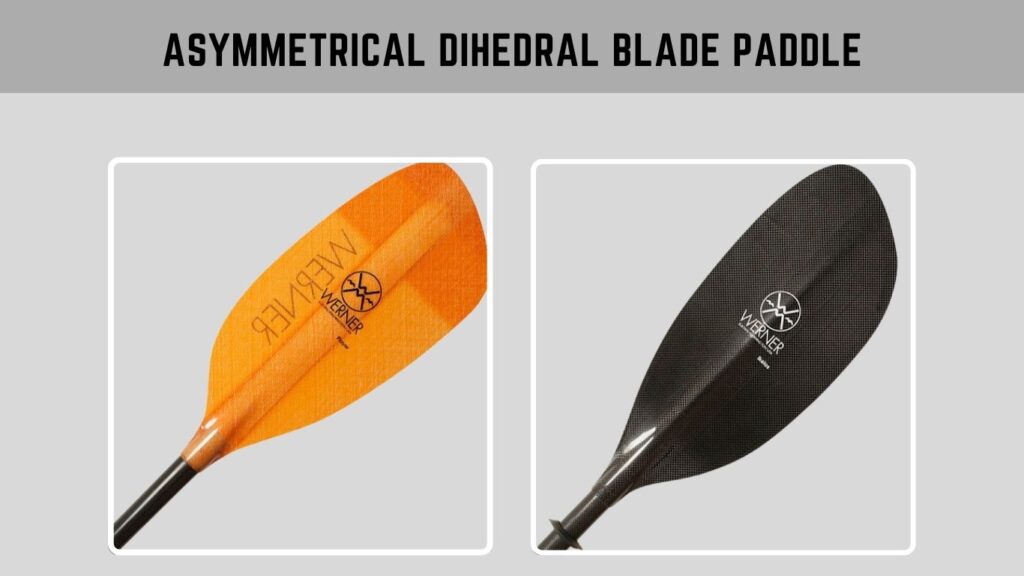
An asymmetrical dihedral blade is engineered for smooth, efficient paddling. Its unique shape features a center ridge (dihedral) and uneven blade sides, allowing water to flow evenly and reducing flutter. This makes it ideal for recreational and touring kayakers who value comfort and control over brute force.
Blade Performance & Shape
This blade has a curved design with a dihedral center, guiding water smoothly. Its asymmetrical form ensures consistent, stable strokes — especially beneficial for low-angle paddling on calm waters.
Weight & Handling Balance
The paddle usually comes in fiberglass or carbon options, offering a lightweight feel. Its even weight distribution reduces wrist fatigue and supports extended use, making it easy to maneuver over long distances.
Ideal Use & Purpose
Designed for relaxed, low-impact paddling, this blade type excels in lakes, bays, and flat rivers. It’s perfect for beginners and touring kayakers who want smooth motion with minimal effort.
Best Fit For
- Recreational kayakers
- Long-distance tourers
- Sit-in or sit-on-top kayaks
- Inflatable kayaks for casual trips
- Paddlers with wrist or shoulder concerns
Suitability in Real Scenarios
When covering miles on a calm lake or drifting along a scenic river, this paddle shines. It offers a predictable feel and forgiving power output — perfect for slow, steady exploration without exhausting the paddler.
2. Symmetrical Blade Paddle
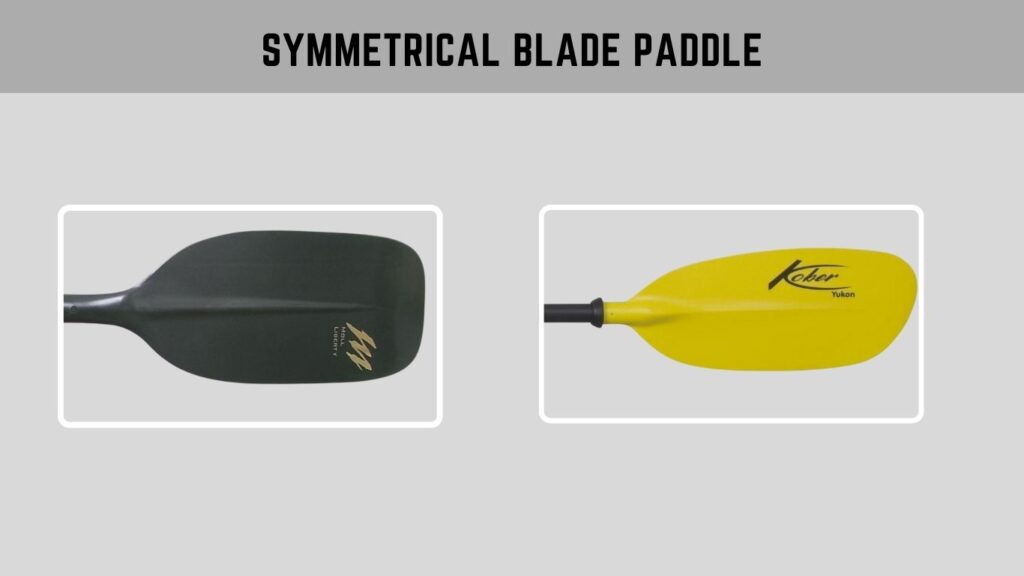
Symmetrical blade paddles have identical sides and no central dihedral ridge, offering a simple and traditional design. They’re favored in whitewater and beginner paddling for their versatility and ease of blade orientation.
Blade Performance & Shape
These blades are flat and mirror each other, making it easy to switch paddle sides quickly. Their simplicity makes them forgiving for those still learning stroke control.
Weight & Handling Balance
Typically made from plastic or aluminum, they’re slightly heavier than advanced paddles but balanced enough for short recreational trips.
Ideal Use & Purpose
Great for learning paddle control, quick side-switching, or navigating through narrow areas. Especially useful in whitewater or short, active paddling sessions.
Best Fit For
- Beginners
- Whitewater kayakers
- Rental and training centers
- Recreational sit-on-top kayaks
- Paddlers who prefer simplicity over efficiency
Suitability in Real Scenarios
Perfect for short bursts of paddling, quick direction changes, or teaching environments. Best used in environments where agility matters more than distance.
3. Greenland Paddle
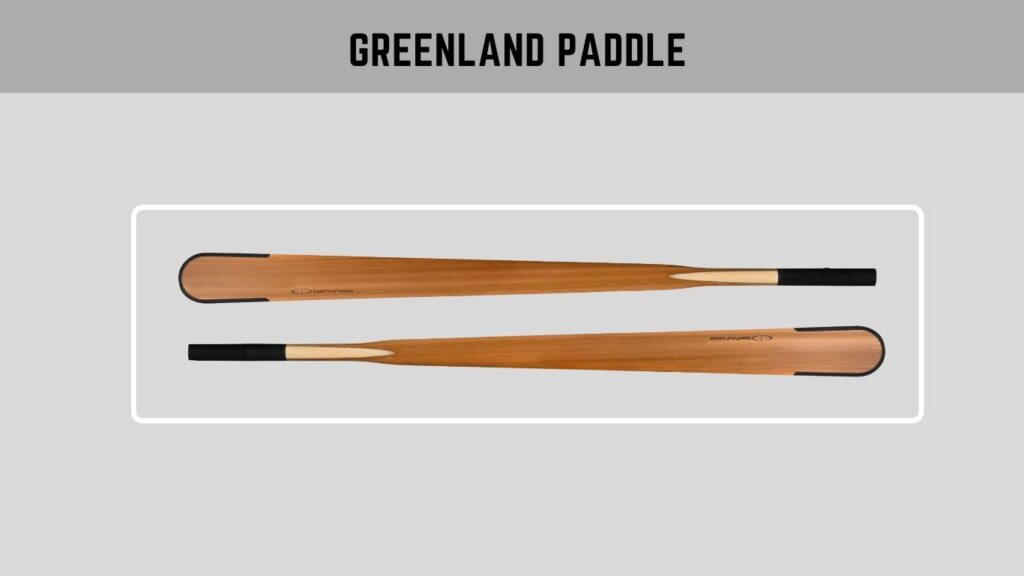
The Greenland paddle features a long, narrow wooden blade traditionally used by Arctic kayakers. It’s known for silent strokes, low-angle paddling, and a natural feel in the water.
Blade Performance & Shape
Its slim profile cuts through water with little resistance, reducing fatigue. The lack of a wide blade promotes control and rhythm over brute force.
Weight & Handling Balance
Usually handcrafted from lightweight wood like cedar. The weight is distributed evenly across the long shaft, offering a smooth swing and comfortable grip.
Ideal Use & Purpose
This paddle suits long-distance touring and quiet exploration. Its efficiency becomes noticeable over time, especially when covering miles at a relaxed pace.
Best Fit For
- Sea kayakers
- Minimalist paddlers
- Touring in calm or open waters
- Those seeking a traditional paddling experience
- Paddlers with joint or shoulder sensitivity
Suitability in Real Scenarios
Ideal for extended day trips or silent gliding across open water, where energy conservation and a relaxed stroke rhythm are key.
4. High-Angle Paddle
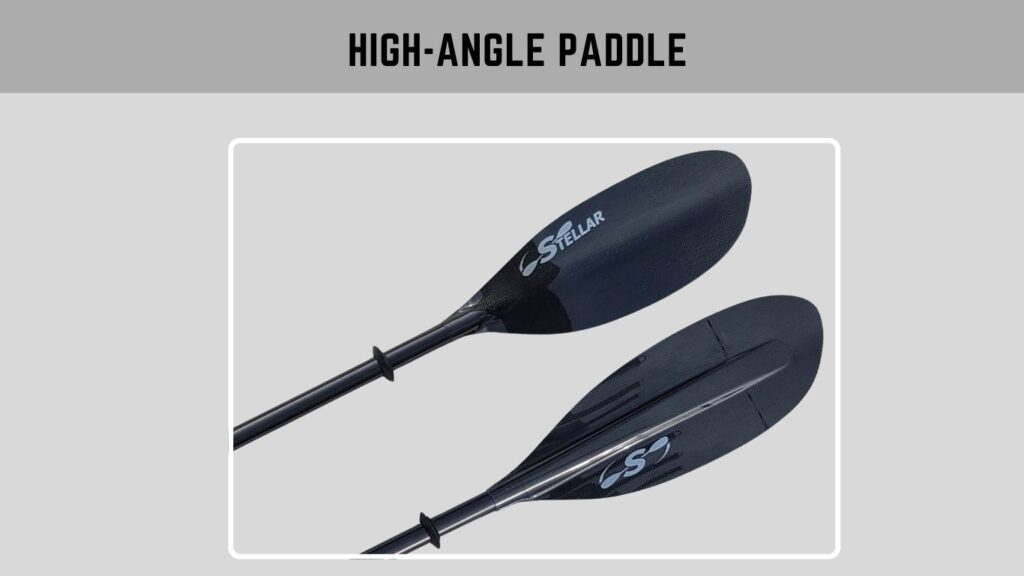
High-angle paddles are designed for aggressive, powerful strokes with the paddle shaft held more vertically. This style generates more speed and control, making it popular among fitness paddlers and those navigating currents or wind.
Blade Performance & Shape
Blades are shorter and wider to catch more water per stroke. Their design supports fast, strong paddling with maximum propulsion and precise maneuvering.
Weight & Handling Balance
Often made from lightweight materials like carbon or fiberglass to offset the energy demands. These paddles are engineered for strength without adding fatigue.
Ideal Use & Purpose
Perfect for paddlers who need more power — such as those dealing with wind, current, or heavy gear. Also suits competitive or fitness paddling.
Best Fit For
- Advanced paddlers
- Fitness kayaking
- River and coastal kayaking
- Kayaks loaded with gear
- Touring in rougher waters
Suitability in Real Scenarios
Useful when battling headwinds, powering through currents, or needing quick turns. It gives strong paddlers the leverage and momentum needed for challenging waters.
5. Low-Angle Paddle
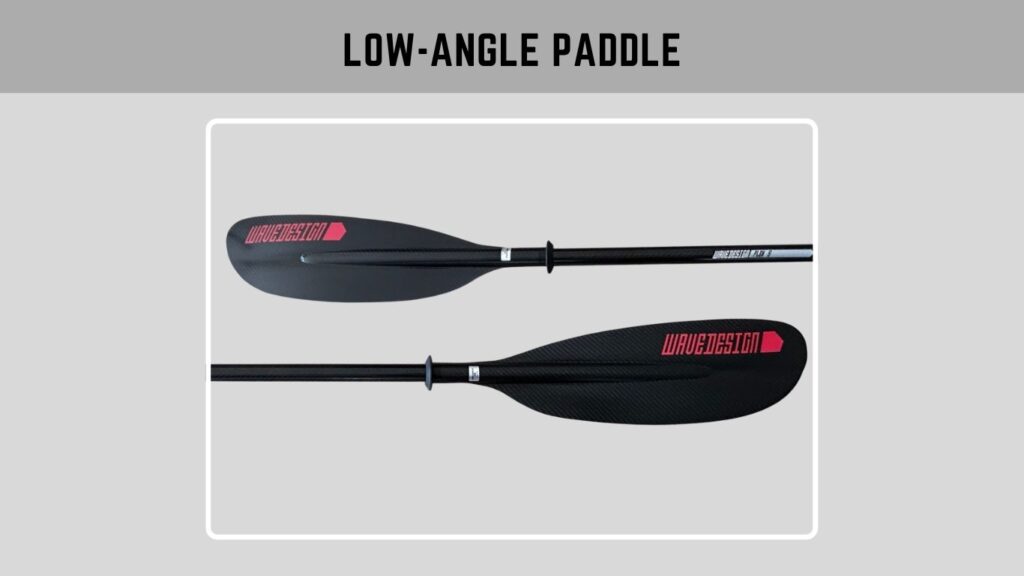
Low-angle paddles are designed for relaxed paddling with the shaft held closer to the surface. This style emphasizes endurance, comfort, and efficiency over long distances.
Blade Performance & Shape
The blades are longer and narrower, producing less drag and allowing smooth, gentle strokes. They minimize strain on the shoulders and joints.
Weight & Handling Balance
Balanced with lightweight shafts, they’re crafted for steady paddling without fatigue. Great for maintaining a consistent rhythm across hours of use.
Ideal Use & Purpose
Best for recreational or touring kayakers focused on distance, relaxation, or wildlife observation. Ideal for flatwater conditions and scenic paddles.
Best Fit For
- Beginners and casual paddlers
- Lake or flatwater explorers
- Long-distance touring
- Seniors or those with joint concerns
- Kayakers who value endurance over speed
Suitability in Real Scenarios
A go-to for slow rivers, calm lakes, or day-long excursions. Keeps your stroke light, your arms fresh, and your paddling peaceful.
6. Wing Paddle
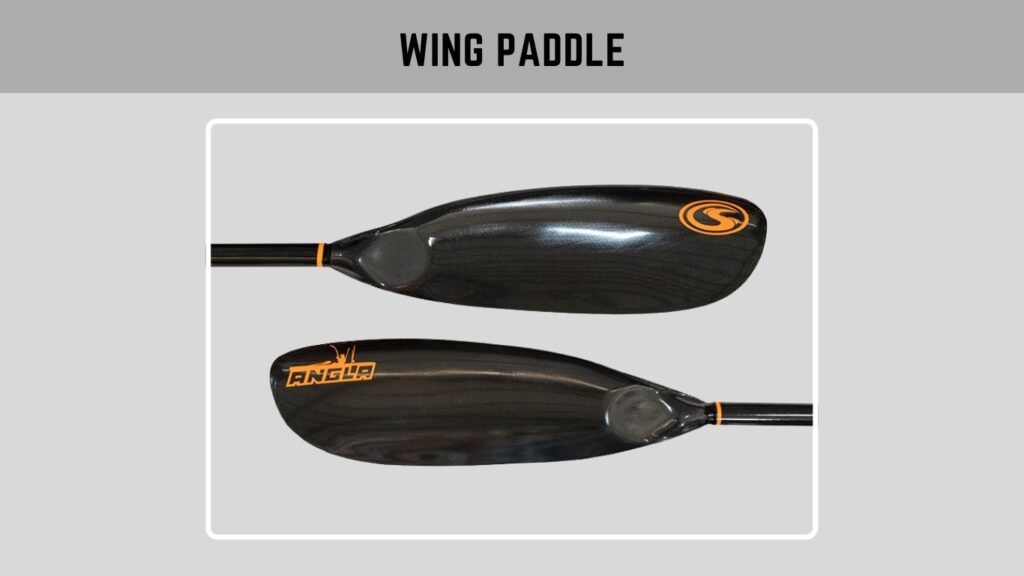
The wing paddle is designed for speed and efficiency, primarily used in competitive kayaking. Its unique spoon-shaped blade “grabs” the water and provides powerful forward thrust with each stroke.
Blade Performance & Shape
Curved like a wing, the blade redirects water outward during the stroke, increasing lift and propulsion. It demands precise technique but rewards with unmatched speed.
Weight & Handling Balance
Constructed from ultra-light carbon fiber for optimal performance. These paddles are stiff and well-balanced to deliver immediate response with each movement.
Ideal Use & Purpose
Built for racing and fitness paddling. Not ideal for casual kayakers due to the learning curve and intense stroke mechanics.
Best Fit For
- Competitive kayakers
- Sprint or marathon racers
- Advanced paddlers with technical skills
- Kayakers on training programs
- Fitness-focused paddling on flatwater
Suitability in Real Scenarios
Perfect for flatwater racing or high-speed training. When every second counts, this paddle transforms energy into maximum forward motion.
7. Bent Shaft Paddle
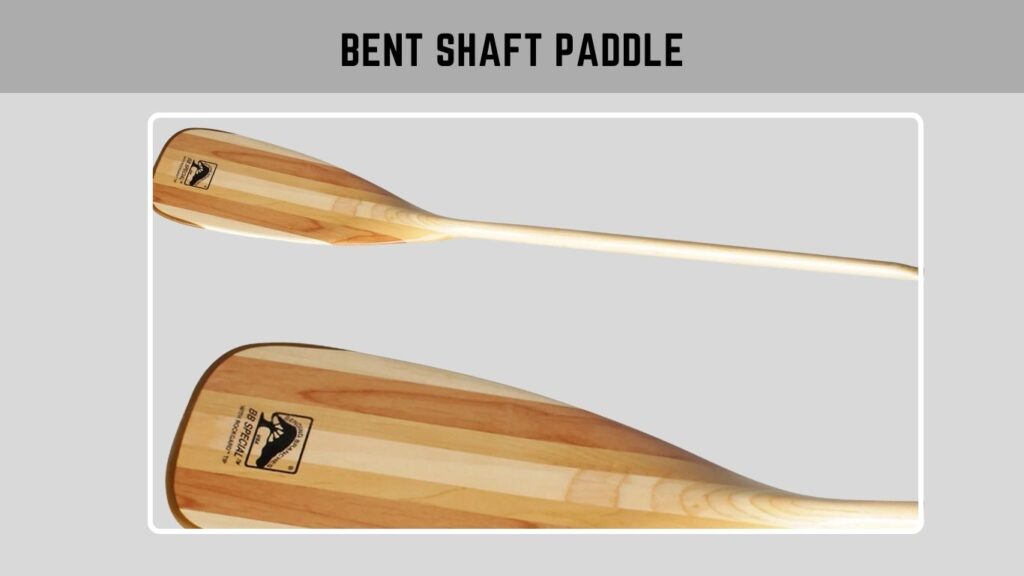
A bent shaft paddle features a slight curve in the shaft that aligns better with the natural angle of your wrist, helping reduce joint strain during long paddles.
Blade Performance & Shape
Often paired with high-performance blades, the shaft’s ergonomic bend keeps wrists in a more neutral, natural position throughout the stroke.
Weight & Handling Balance
Generally made from fiberglass or carbon, these paddles offer a lightweight, balanced feel. The bend adds comfort without compromising power.
Ideal Use & Purpose
Ideal for paddlers with wrist or shoulder issues, or anyone who paddles long distances and wants to reduce repetitive strain.
Best Fit For
- Long-distance touring
- Kayakers with joint sensitivities
- Recreational or performance paddlers
- Those upgrading from straight shafts
- Flatwater and mild river conditions
Suitability in Real Scenarios
Excellent for multi-hour paddles where joint fatigue builds up. The ergonomic design helps maintain efficiency while protecting your wrists.
8. Straight Shaft Paddle
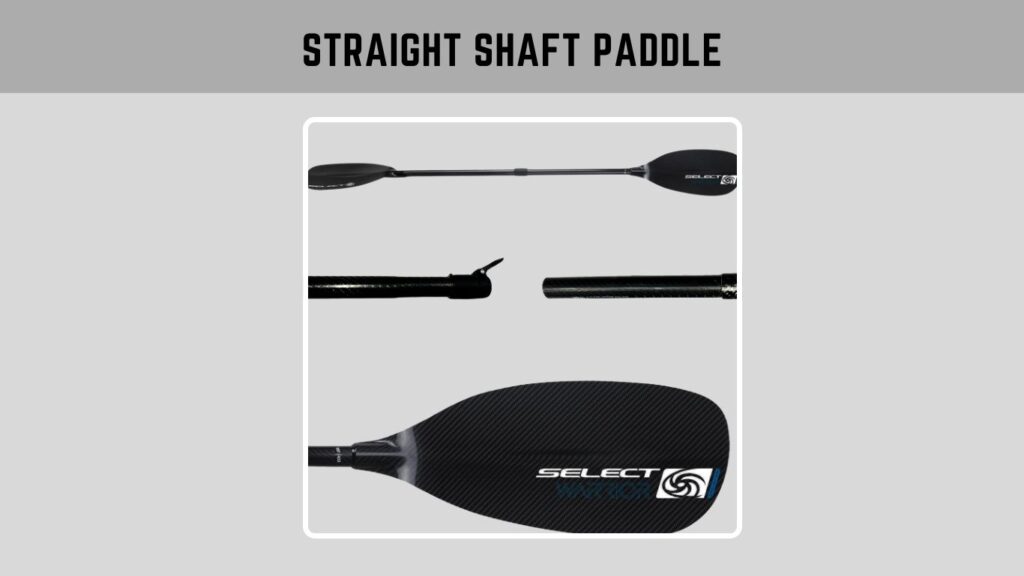
The straight shaft paddle is the most traditional and commonly used shaft type. It offers a simple, lightweight design that provides direct power transfer and is easy to maneuver for paddlers of all skill levels.
Blade Performance & Shape
Can be paired with various blade shapes, offering flexibility for different kayaking styles. The straight design allows free hand placement, making it adaptable.
Weight & Handling Balance
Lightweight versions are available in aluminum, fiberglass, and carbon fiber. The balance depends on blade size and material but generally provides a clean, controlled stroke.
Ideal Use & Purpose
Great for beginners and those who prefer simplicity. It’s also preferred in whitewater kayaking for its responsiveness and quick-hand adjustments.
Best Fit For
- Beginners
- Whitewater kayakers
- Recreational users
- Paddlers who prioritize affordability
- Those switching grip positions often
Suitability in Real Scenarios
Ideal for varied conditions and skill levels. Whether on calm lakes or rough rapids, its versatility and affordability make it a reliable choice.
9. Adjustable-Length Paddle
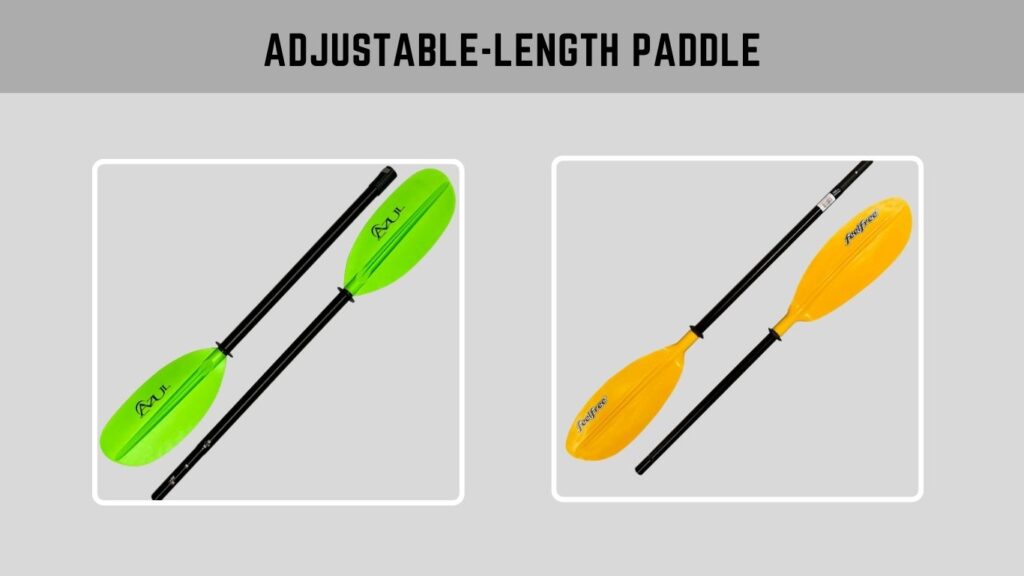
Adjustable-length paddles allow you to modify shaft length to match different kayak widths, paddling styles, or personal preferences — ideal for people who share gear or use different boats.
Blade Performance & Shape
Usually paired with touring or recreational blades. The adjustability doesn’t compromise blade performance but allows better tuning for stroke efficiency.
Weight & Handling Balance
Slightly heavier due to the adjustment mechanism, but high-end models use carbon or lightweight alloys to minimize the difference.
Ideal Use & Purpose
Perfect for paddlers who use different kayaks or need compact storage. Also useful in changing water conditions or when switching between high and low-angle paddling.
Best Fit For
- Multi-kayak owners
- Travelers or backpackers
- Shared-use situations
- Adjustable-height seating setups
- Recreational to intermediate users
Suitability in Real Scenarios
Ideal for those who need flexibility on the water — whether adjusting for seat height, switching from sea kayak to inflatable, or packing gear for a trip.
10. Feathered Paddle
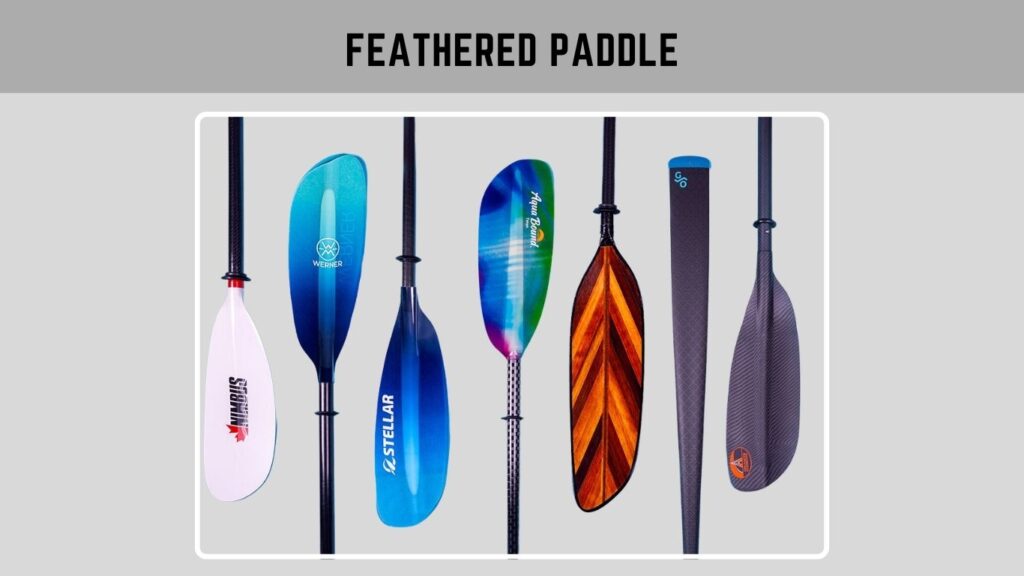
Feathered paddles have blades set at an offset angle to each other, reducing wind resistance during the recovery phase of each stroke. This design is especially useful in windy or open-water conditions.
Blade Performance & Shape
Any blade type can be feathered. The angled configuration cuts through the air more efficiently, reducing drag and strain over long distances.
Weight & Handling Balance
Often comes with adjustable ferrules to fine-tune feathering angle. High-quality models maintain good balance despite the added joint mechanism.
Ideal Use & Purpose
Great for touring or ocean paddling where wind resistance can slow down performance. Also beneficial for those looking to fine-tune their stroke mechanics.
Best Fit For
- Long-distance tourers
- Windy or open-water conditions
- Advanced paddlers
- Sea kayakers
- Paddlers seeking efficiency and speed
Suitability in Real Scenarios
Perfect when paddling against the wind or covering long distances. The reduced resistance can significantly ease the workload and improve endurance.
11. Unfeathered Paddle
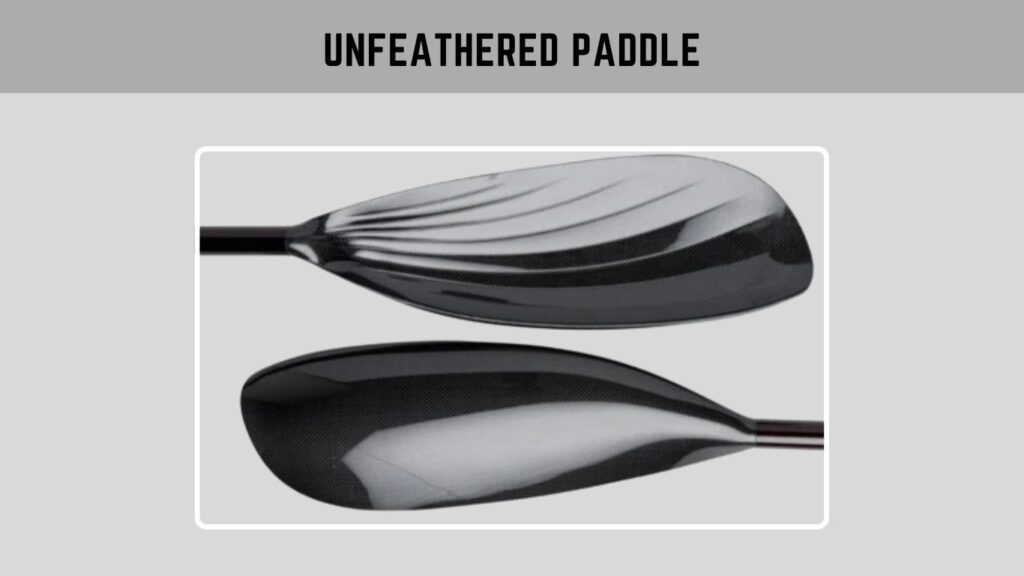
An unfeathered paddle features blades aligned at the same angle, providing a more natural and symmetrical feel for the wrists — often preferred by beginners.
Blade Performance & Shape
Blades move through the air at the same angle, which may increase wind resistance but simplifies stroke learning and muscle memory development.
Weight & Handling Balance
Simpler construction often means lighter weight and fewer mechanical parts. Balance depends on blade design and material but generally favors ease of use.
Ideal Use & Purpose
Ideal for calm waters and beginners who want a straightforward experience without needing to adjust feathering angles.
Best Fit For
- Beginners
- Recreational lake paddlers
- Training environments
- Calm and indoor water use
- Users prioritizing comfort over speed
Suitability in Real Scenarios
Great for casual paddling where conditions are mild. Offers comfort, simplicity, and ease of learning, especially during early kayaking experiences.
12. Touring Paddle
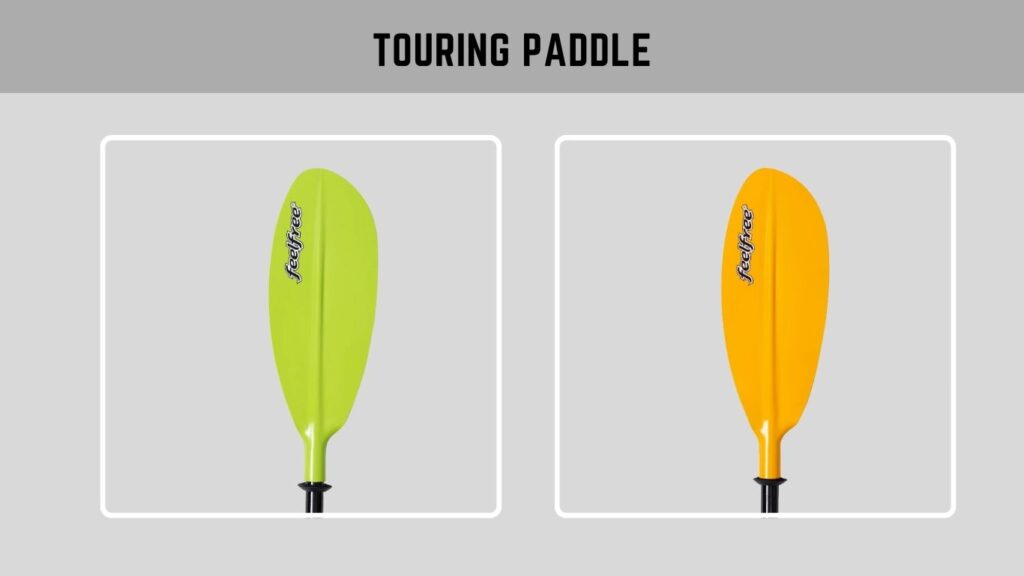
Touring paddles are designed for long-distance kayaking, offering a balance of power and efficiency. These paddles focus on comfort, smooth strokes, and minimizing fatigue over hours of paddling.
Blade Performance & Shape
Usually features asymmetrical, dihedral blades for controlled strokes. Blade size leans toward medium for a blend of power and endurance.
Weight & Handling Balance
Made from lightweight materials like fiberglass or carbon. Balanced for steady paddling and reduced shoulder strain during long journeys.
Ideal Use & Purpose
Best for kayaking on lakes, slow rivers, and coastal waters. Designed to support hours of consistent paddling without overwhelming the user.
Best Fit For
- Long-distance explorers
- Sea and lake tourers
- Intermediate to advanced paddlers
- Paddlers who carry gear
- Those prioritizing comfort over power
Suitability in Real Scenarios
Ideal for multi-day trips, scenic lake paddling, or covering 10+ miles a day. Its comfort-first approach makes it a favorite for extended water adventures.
13. Whitewater Paddle
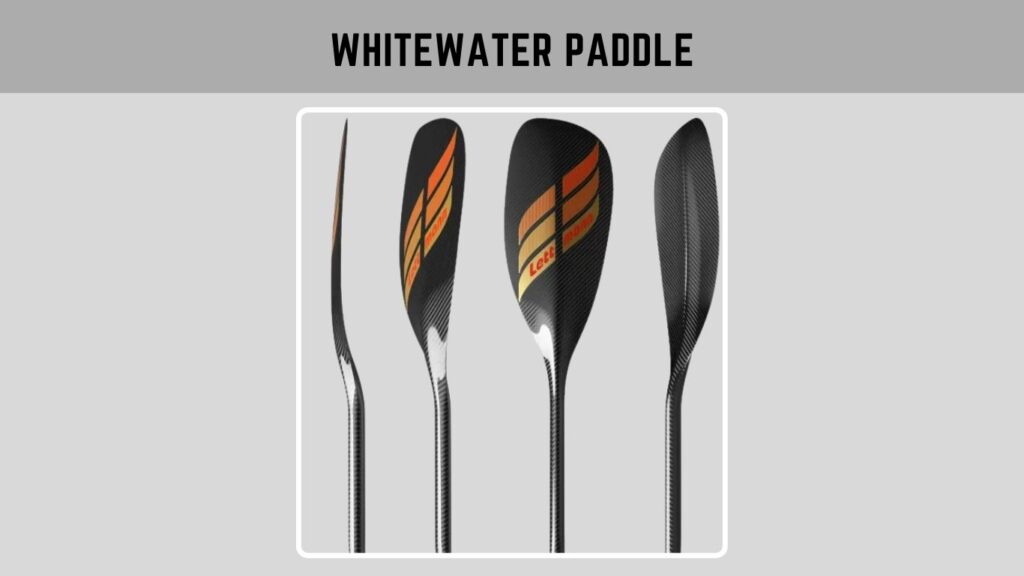
Whitewater paddles are built tough to handle fast-moving rivers, rocks, and tight turns. They’re short, sturdy, and optimized for quick, powerful strokes.
Blade Performance & Shape
Typically features large, symmetrical blades for immediate power. Designed to provide control and fast acceleration in turbulent water.
Weight & Handling Balance
Constructed from strong materials like reinforced fiberglass or carbon. Balanced for quick reaction time and durability in extreme conditions.
Ideal Use & Purpose
Engineered for rapids, drops, and technical river runs. Offers full control and resilience under pressure.
Best Fit For
- Whitewater kayakers
- River runners
- Advanced paddlers
- Kayakers navigating rapids or obstacles
- Those needing fast response and durability
Suitability in Real Scenarios
Perfect for maneuvering through Class III+ rapids, tight canyon runs, or playing in fast currents. Built for durability and instant power.
14. Recreational Paddle
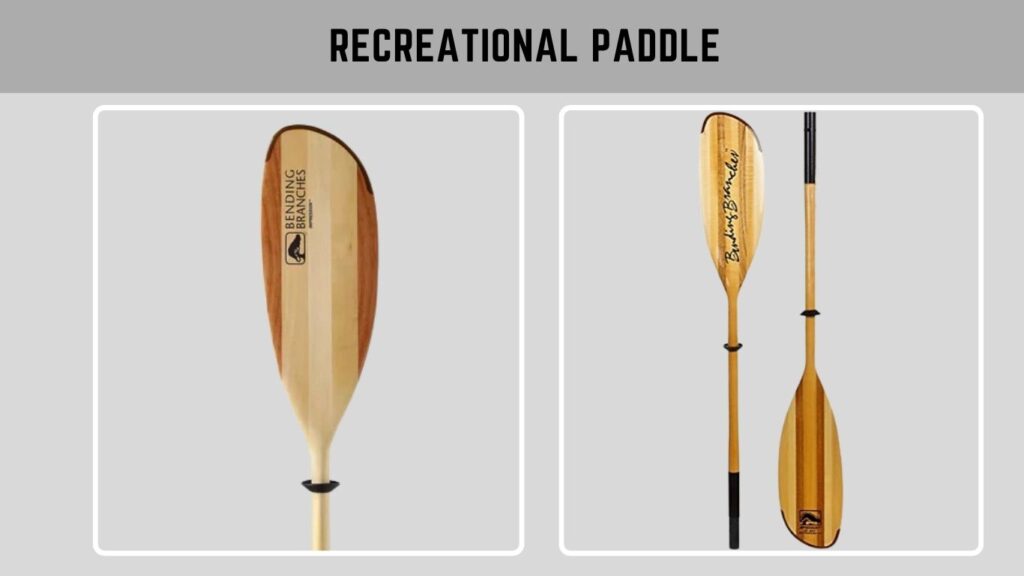
Recreational paddles are designed for casual kayaking on calm waters. They offer ease of use, affordability, and comfort — ideal for beginners or short-distance paddlers.
Blade Performance & Shape
Usually has a symmetrical or slightly asymmetrical blade. Designed for smooth, low-power strokes and easy handling.
Weight & Handling Balance
Often made of aluminum or plastic, making them slightly heavier but very durable. Balanced for occasional, short-use sessions.
Ideal Use & Purpose
Perfect for short trips, rentals, or family outings on lakes and slow rivers. Not meant for long-distance or high-speed paddling.
Best Fit For
- Beginners
- Weekend paddlers
- Rental and resort users
- Calm lakes and ponds
- Families or kids using kayaks
Suitability in Real Scenarios
Great for 1–2 hour trips on still water. Provides basic performance with minimal learning curve — ideal for relaxed paddling experiences.
15. Fishing Kayak Paddle
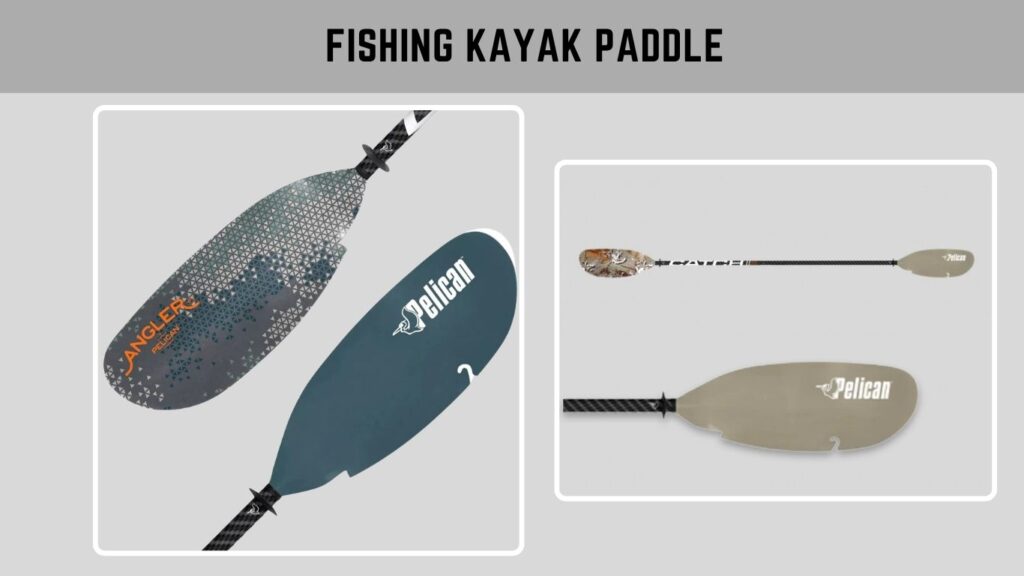
Fishing kayak paddles are made with angler-specific features like built-in measuring tape, hook retrieval notches, and longer lengths to accommodate wider kayaks.
Blade Performance & Shape
Blades are wide for better maneuvering and positioning. Often reinforced to push off obstacles or bottom structures when needed.
Weight & Handling Balance
Comes in mid- to lightweight materials like fiberglass or composite. Balanced for paddling between casts with minimal fatigue.
Ideal Use & Purpose
Engineered for anglers who need to paddle quietly, control position, and use the paddle for more than just paddling.
Best Fit For
- Kayak anglers
- Wide or sit-on-top fishing kayaks
- Shallow or weed-filled waters
- Anglers needing quick repositioning
- Recreational paddlers who fish occasionally
Suitability in Real Scenarios
Ideal when sneaking up on fish, adjusting kayak angle mid-cast, or navigating narrow, obstacle-filled fishing zones. Combines utility and comfort.
16. Racing Paddle
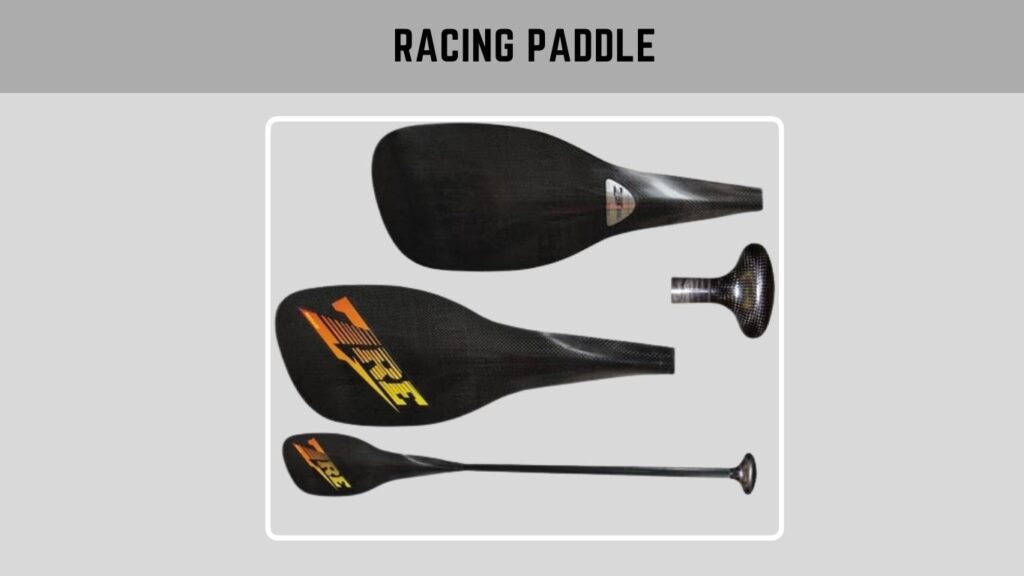
Racing paddles are optimized for speed, acceleration, and performance under competitive conditions. These paddles are ultra-light and designed for maximum power transfer with every stroke.
Blade Performance & Shape
Blades are stiff, narrow, and aggressive — often wing-shaped — to generate lift and forward propulsion. Every element is tailored for sprint efficiency.
Weight & Handling Balance
Constructed from high-grade carbon fiber for the lightest possible weight. Balanced perfectly to reduce arm fatigue while maximizing cadence and control.
Ideal Use & Purpose
Designed for flatwater sprint or marathon competitions. Meant to deliver peak performance under pressure.
Best Fit For
- Professional racers
- Sprint or marathon competitions
- Advanced paddlers
- Kayak trainers or athletes
- Fitness-focused paddling
Suitability in Real Scenarios
Used in time trials, Olympic-style sprint events, and long-distance racing. Every stroke is about speed, rhythm, and precise paddle control.
17. Inflatable Kayak Paddle
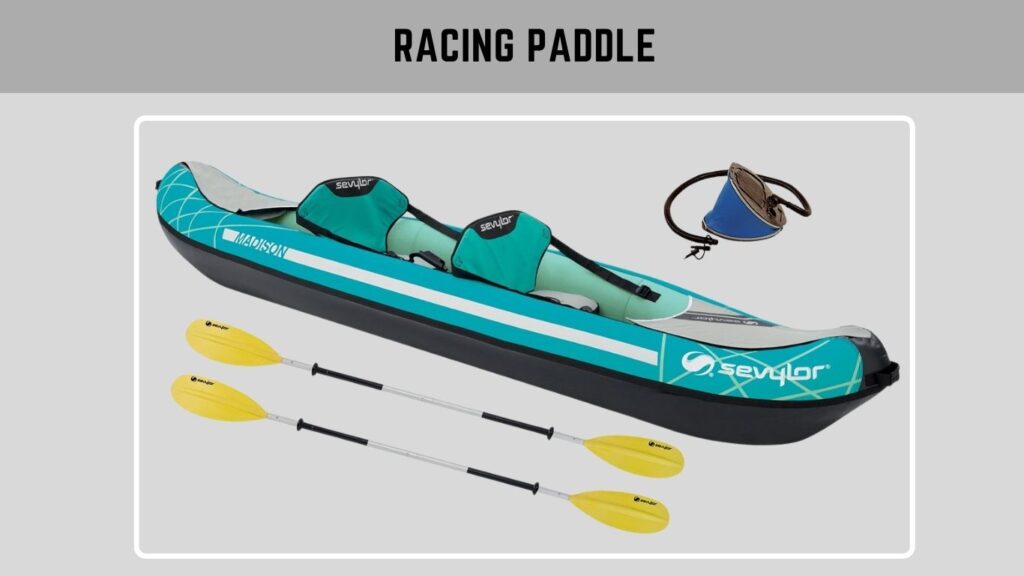
Inflatable kayak paddles are compact, lightweight, and often collapsible — ideal for travel or use with inflatable boats. Their design emphasizes portability and versatility.
Blade Performance & Shape
Blades are medium-sized and shaped for low to moderate effort. Prioritizes basic maneuvering and packability over performance.
Weight & Handling Balance
Typically made of plastic or aluminum. While not the lightest, their collapsible design offsets bulkiness and adds convenience.
Ideal Use & Purpose
Suited for inflatable or foldable kayaks where space-saving is essential. Great for short trips or as a backup paddle.
Best Fit For
- Inflatable kayak users
- Campers and travelers
- Beginners needing a simple option
- Occasional paddlers
- People needing a portable backup
Suitability in Real Scenarios
Best for casual day trips, camping excursions, or emergency paddles. Easy to pack and carry, especially when storage is limited.
18. Carbon Fiber Paddle
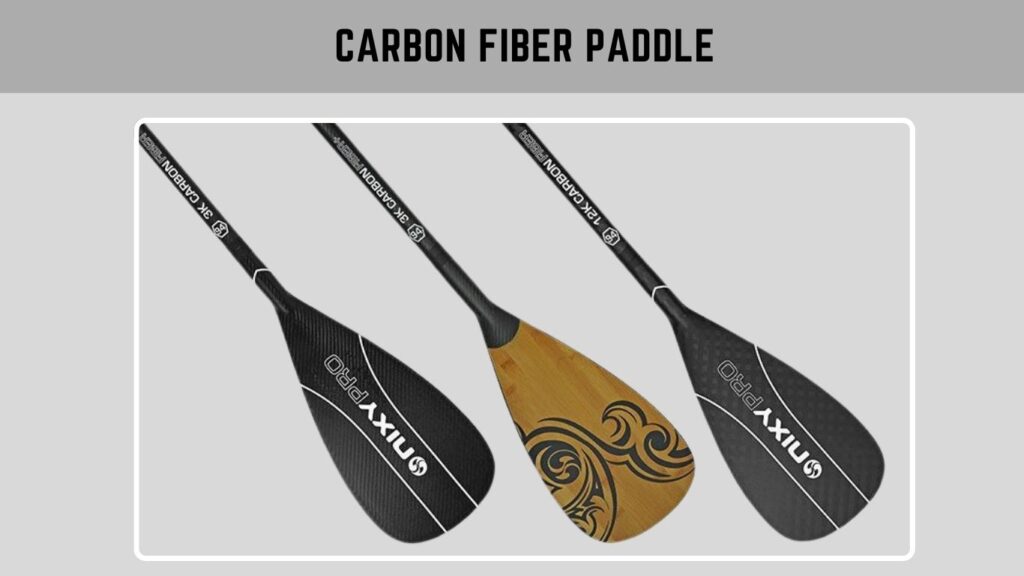
Carbon fiber paddles are premium-grade paddles designed for high performance. They are exceptionally lightweight and stiff, making them ideal for serious kayakers who prioritize efficiency and speed.
Blade Performance & Shape
Often paired with high-angle or touring blades. The stiffness of carbon fiber ensures that every stroke transfers maximum energy without blade flex.
Weight & Handling Balance
Extremely lightweight, reducing arm and shoulder fatigue. Balanced perfectly for long-distance efficiency and fast-paced paddling.
Ideal Use & Purpose
Ideal for experienced paddlers, racers, or long-distance tourers who need ultra-light gear for endurance and speed.
Best Fit For
- Competitive racers
- Advanced tourers
- Long expedition paddlers
- Fitness kayakers
- Paddlers who value top-tier gear
Suitability in Real Scenarios
Perfect for high-speed paddling, marathon events, or long-haul sea kayaking where weight reduction and power transfer are critical.
19. Fiberglass Paddle
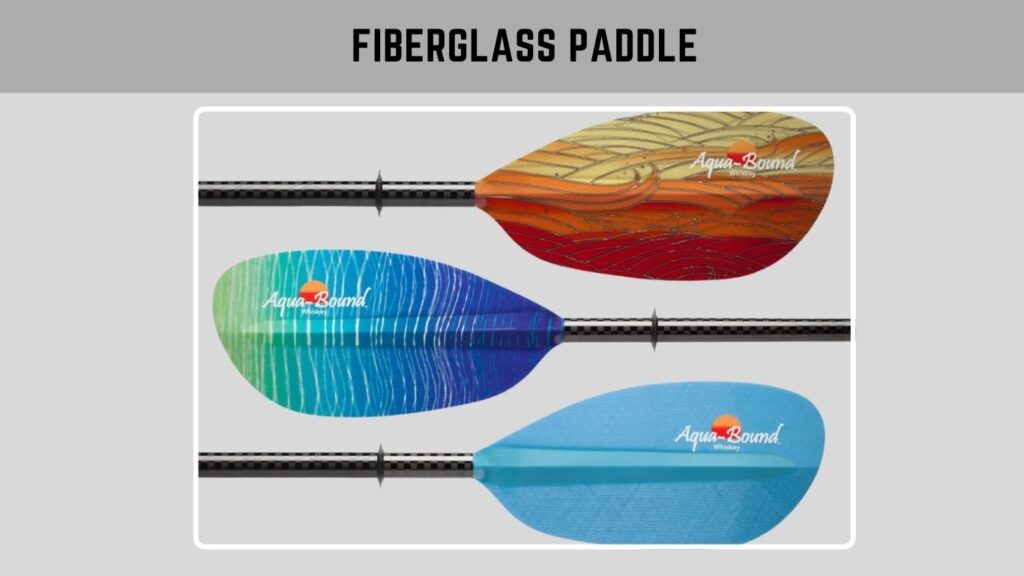
Fiberglass paddles offer a middle ground between performance and price. They are lighter and more flexible than aluminum paddles but more affordable than carbon options.
Blade Performance & Shape
Commonly comes with touring-style blades. Flexibility in fiberglass slightly reduces impact on joints while still offering good stroke power.
Weight & Handling Balance
Lightweight and well-balanced, though slightly heavier than carbon. Flexibility adds comfort for multi-hour paddles.
Ideal Use & Purpose
Great for intermediate paddlers or anyone wanting to upgrade from entry-level paddles without jumping to premium gear.
Best Fit For
- Recreational tourers
- Intermediate kayakers
- Multi-hour paddlers
- Those wanting a step up from aluminum
- Flatwater or mild river explorers
Suitability in Real Scenarios
Ideal for weekend trips, casual tours, or daily lake paddling. Offers a great mix of comfort, control, and value for money.
20. Aluminum Shaft Paddle
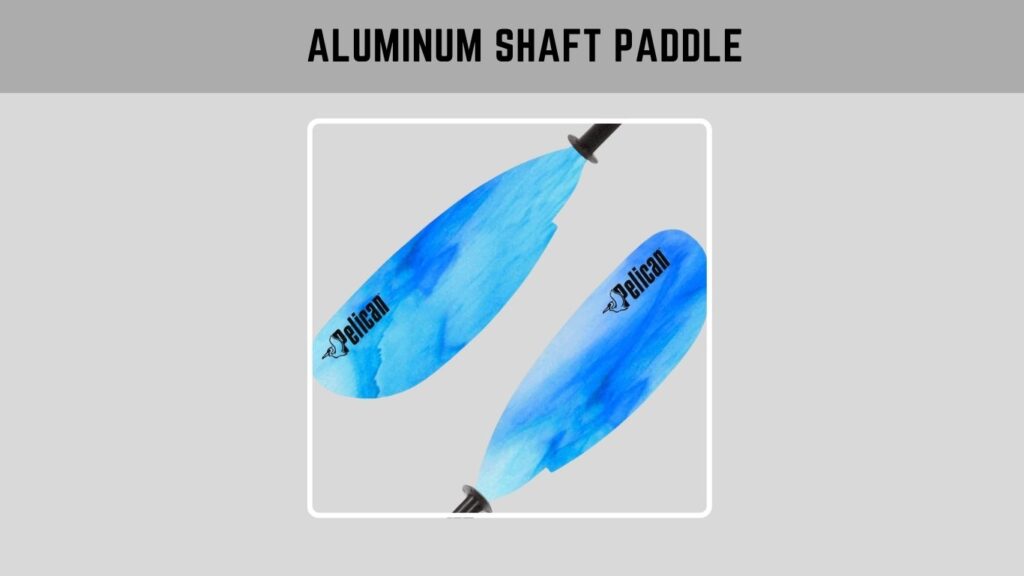
Aluminum shaft paddles are budget-friendly and durable, often included with beginner or rental kayaks. They’re heavier than composite options but highly resistant to impact and wear.
Blade Performance & Shape
Usually paired with plastic blades, often symmetrical or slightly asymmetrical. Functional for basic paddling, but less efficient for long distances.
Weight & Handling Balance
Heavier than fiberglass or carbon, which can cause fatigue over time. However, the weight adds durability and resistance to rough handling.
Ideal Use & Purpose
Best for beginners, rentals, and occasional paddlers who need a tough, affordable paddle.
Best Fit For
- New kayakers
- Kayak rental companies
- Short recreational outings
- Budget-conscious buyers
- Paddlers in shallow or rocky areas
Suitability in Real Scenarios
Great for short sessions or rugged environments where durability matters more than performance. A practical choice for learning or casual fun.
21. Composite Paddle
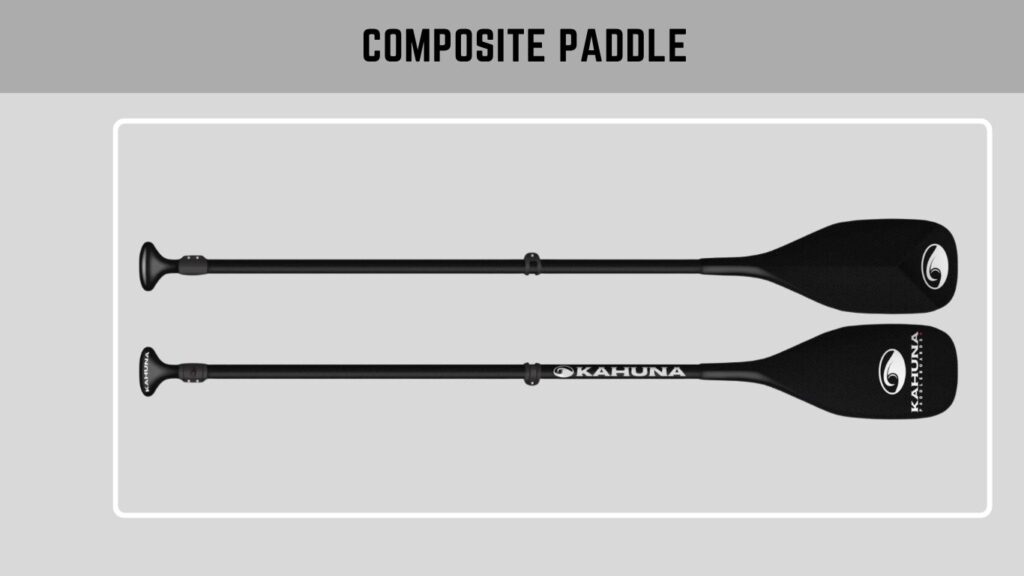
Composite paddles combine materials like fiberglass, carbon, and nylon to balance durability, weight, and cost. They offer better performance than aluminum without the premium price of full carbon.
Blade Performance & Shape
Can support high or low-angle paddling. Blade stiffness and shape depend on the mix of materials but often aim for efficient, all-around use.
Weight & Handling Balance
Lighter than aluminum but not as light as pure carbon. Typically well-balanced, giving paddlers a comfortable feel during long sessions.
Ideal Use & Purpose
Excellent for intermediate users who want to upgrade from basic paddles without overspending. Versatile across different water types.
Best Fit For
- Recreational and touring kayakers
- Intermediate paddlers
- Casual long-distance use
- Paddlers looking for a value-performance balance
- Those seeking a lightweight feel without full carbon pricing
Suitability in Real Scenarios
Ideal for extended day trips or scenic tours where weight and durability both matter. A reliable, mid-range paddle that fits most kayaking needs.
FAQs
What is the difference between high-angle and low-angle paddles?
High-angle paddles are used with a more vertical stroke and provide more power, ideal for speed or rough water. Low-angle paddles use a relaxed, horizontal stroke, perfect for long-distance or recreational paddling.
Is a carbon fiber paddle worth the extra cost?
Yes, if you paddle frequently or over long distances. Carbon fiber paddles are lightweight and reduce fatigue, offering better performance and comfort over time.
What size kayak paddle should I choose?
It depends on your height, kayak width, and paddling style. Taller paddlers and wider kayaks usually need longer paddles. Many brands offer sizing charts for guidance.
Can I use the same paddle for different types of kayaks?
Adjustable or all-purpose paddles can work across multiple kayak types, but specialized paddles (like racing or whitewater paddles) are designed for specific conditions.
What’s the benefit of a bent shaft paddle?
Bent shaft paddles reduce strain on your wrists and arms by keeping them in a more ergonomic position. They’re especially helpful for long-distance or frequent paddlers.