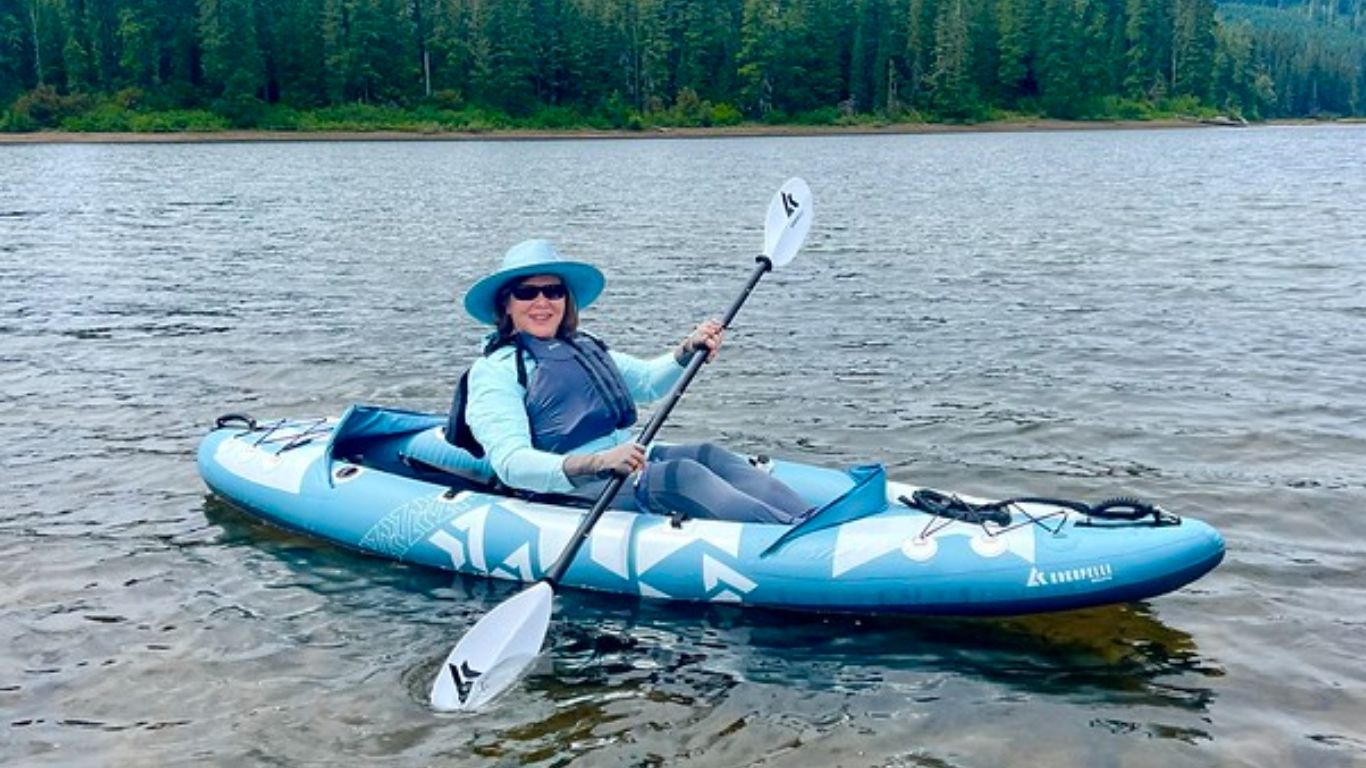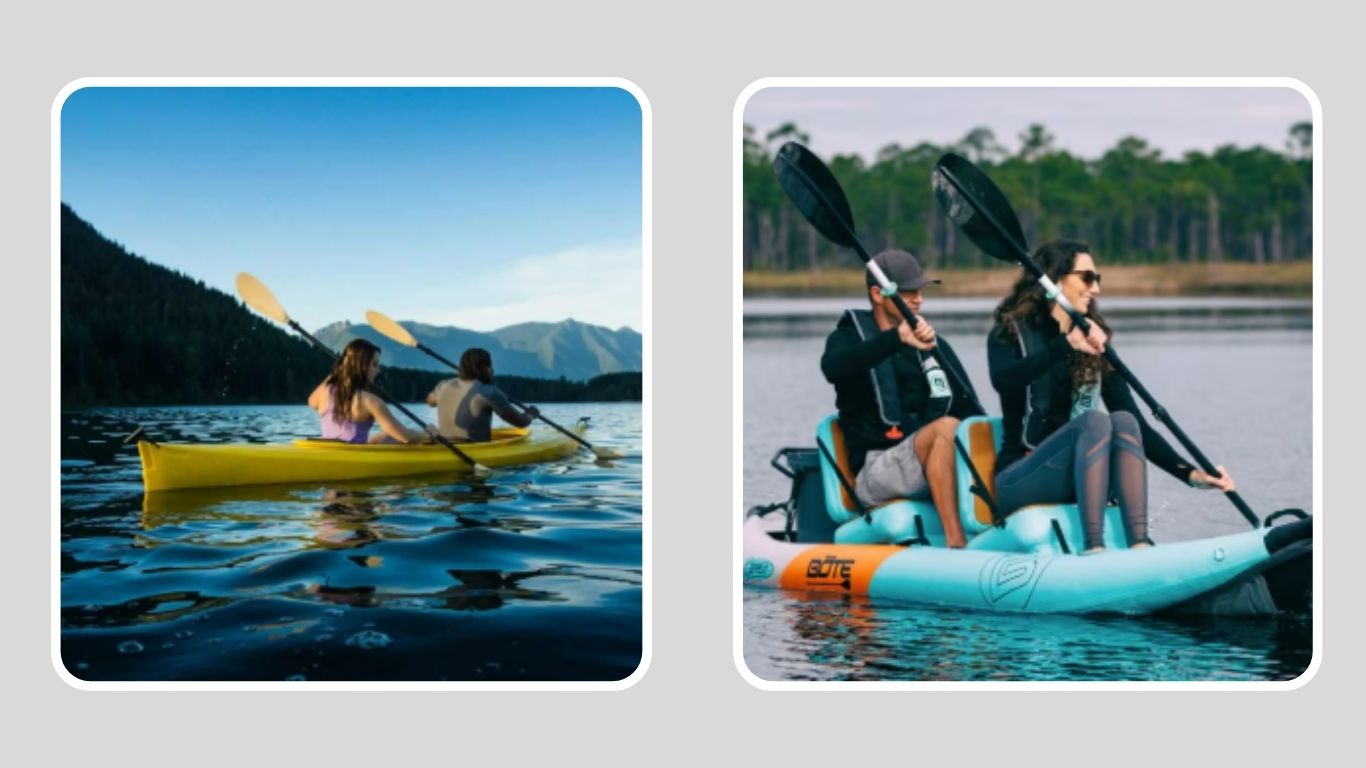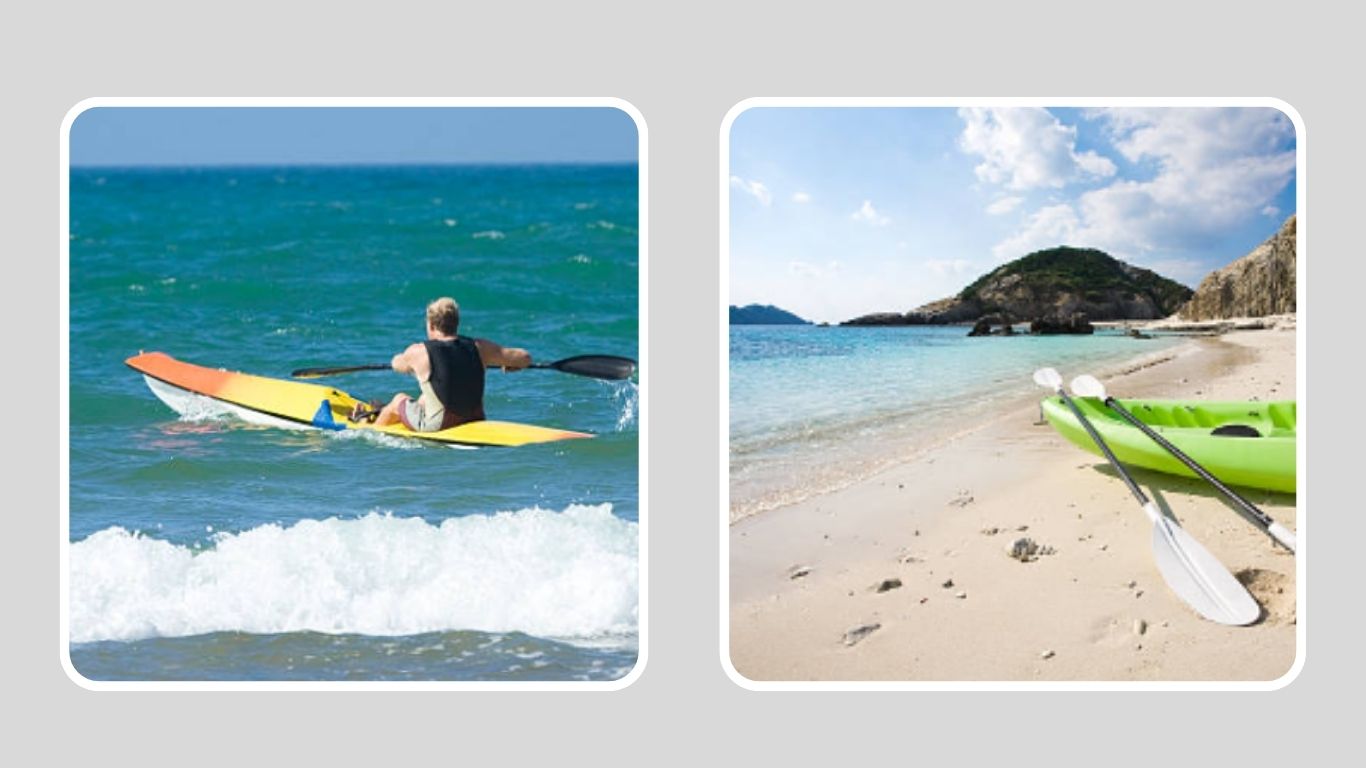
Sea kayaking is a thrilling way to explore oceans, bays, and coastal waterways while staying close to nature. Unlike regular kayaks, sea kayaks are specially designed for open water, offering stability, speed, and storage for longer trips. Whether you’re a beginner or an adventure seeker, understanding what makes a sea kayak unique is essential for safety, comfort, and enjoyment. This guide will introduce you to the features, types, gear, and skills needed to get started with sea kayaking confidently.
Definition of a Sea Kayak
A sea kayak is a specialized type of kayak designed for paddling in open water, such as oceans, seas, and large lakes. Unlike recreational kayaks or whitewater kayaks, which are often short, wide, and focused on stability in calm water or fast-moving rivers, sea kayaks are longer and narrower. This design allows them to glide efficiently over waves and cover longer distances with less effort, making them ideal for both day trips and extended excursions.
Most sea kayaks feature a closed cockpit, which helps prevent water from entering the boat while paddling through waves or rough conditions. Many also include storage compartments or hatches, allowing paddlers to carry essential gear, food, and safety equipment for multi-day trips. The hull design is often sleek and smooth, focusing on speed, tracking (the ability to move straight), and stability, even in choppy waters.
Sea kayaks are built to handle varied water conditions. They can manage small waves near the shore as well as larger swells in open water. Some models also include rudder or skeg systems, which assist in steering and maintaining a straight course, especially when paddling in windy or tidal conditions. Additionally, sea kayaks are constructed from durable materials such as plastic, fiberglass, or composite materials, balancing weight, strength, and performance.
For paddlers, a sea kayak offers a combination of efficiency, safety, and versatility. They allow adventurers to explore coastlines, islands, and waterways that might be difficult or impossible to reach with other types of kayaks. Their design also makes them suitable for a range of activities, from casual day trips to long-distance expeditions, wildlife watching, and even overnight camping trips on the water.
In essence, a sea kayak is more than just a boat; it’s a tool that extends a paddler’s reach, allowing them to experience the beauty and freedom of open water with confidence and comfort. Understanding its features, design, and purpose is essential for anyone looking to start sea kayaking safely and enjoyably.
History of Sea Kayaking
The history of sea kayaking dates back thousands of years, with its roots in the Arctic regions, where indigenous peoples such as the Inuit, Aleut, and Greenlandic communities developed the earliest kayaks. These original kayaks were essential tools for survival, designed primarily for hunting and transportation across icy waters. They were made from lightweight wooden frames covered with animal skins, allowing hunters to move silently and efficiently while fishing or hunting seals, walrus, and other marine animals.
The design of these traditional kayaks was remarkably advanced for its time. Their long, narrow shape allowed for speed and maneuverability, while the enclosed cockpit protected the paddler from cold water. Inuit hunters often customized their kayaks to fit their body size and intended purpose, balancing stability, speed, and stealth. This careful attention to design is still evident in modern sea kayaks, which prioritize efficiency and safety on open water.
European explorers and adventurers in the 18th and 19th centuries first encountered these kayaks during expeditions to the Arctic. Fascinated by their effectiveness in harsh conditions, they adapted and studied the designs, eventually inspiring recreational use in other parts of the world. In the 20th century, kayaks evolved from practical hunting vessels to tools for sport, adventure, and leisure. Manufacturers began using modern materials such as fiberglass, plastic, and composite materials, which made kayaks more durable, lightweight, and accessible to a broader audience.
Sea kayaking as a recreational activity gained popularity in the mid-20th century, particularly in coastal regions of Europe and North America. Pioneers of the sport began exploring long-distance coastal routes, islands, and bays, pushing the limits of what kayaks could achieve. Today, sea kayaking is both a popular outdoor recreational activity and a professional sport, with enthusiasts exploring remote coastlines, participating in guided expeditions, and even racing in competitive events.
Modern sea kayaks still reflect the ingenuity of their ancestors, combining centuries of design knowledge with contemporary materials and technology. The history of sea kayaking reminds paddlers that this activity is not only about adventure and fitness but also about connecting with a tradition that values craftsmanship, skill, and harmony with nature. Understanding this rich history helps beginners appreciate the versatility and importance of the sea kayak while inspiring them to explore the water responsibly.
Key Features of a Sea Kayak

Sea kayaks are carefully designed to handle open water conditions, long trips, and changing weather. Their unique features set them apart from recreational or whitewater kayaks, making them ideal for paddlers who want efficiency, comfort, and safety. Understanding these features is essential for anyone starting in sea kayaking.
1. Length and Width
Sea kayaks are generally longer than other kayaks, often ranging from 12 to 18 feet. The increased length allows the kayak to glide smoothly across water and maintain a straight course, known as “tracking.” They are also narrower than recreational kayaks, which reduces water resistance and increases speed. While the narrow design may feel less stable at first, it provides better performance in waves and long-distance paddling.
2. Hull Design
The hull, or bottom of the kayak, plays a major role in stability and speed. There are two main types of hulls:
- Displacement Hulls: Most common in sea kayaks, these hulls cut through water efficiently and are excellent for long-distance paddling. They provide stability in rough water while maintaining good speed.
- Planing Hulls: Found in surf or coastal kayaks, these are wider and flatter, allowing for faster turning and maneuverability on waves.
3. Cockpit Types
Sea kayaks usually have a closed cockpit, where the paddler sits inside the kayak with a spray skirt to prevent water from entering. This design protects against waves and keeps the paddler dry. Some models offer a sit-on-top style, which is easier for beginners and more convenient in warm weather but offers less protection in rough water.
4. Deck Features and Storage
Most sea kayaks come with deck hatches, bungee cords, and storage compartments. These features allow paddlers to carry essential gear, such as food, camping supplies, dry bags, or safety equipment. Deck lines provide secure handholds for re-entry or self-rescue if the kayak flips.
5. Rudder or Skeg Systems
Many sea kayaks include a rudder or skeg to improve steering and tracking.
- A rudder is controlled by foot pedals and helps turn the kayak more easily.
- A skeg is a retractable fin under the hull that stabilizes the kayak in windy conditions and helps it move straight without constant correction.
6. Materials
Sea kayaks are made from various materials, each with pros and cons:
- Plastic (polyethylene): Durable and impact-resistant, ideal for beginners and rugged use.
- Fiberglass: Lightweight and fast, but more fragile than plastic.
- Composite materials (Kevlar, carbon fiber): Extremely lightweight and efficient, perfect for long trips or performance paddling, but expensive and less forgiving on rocks.
7. Safety and Comfort Features
Sea kayaks often include additional features for safety and comfort:
- Bulkheads: Internal compartments that provide flotation in case of a capsize.
- Adjustable seats and foot braces: Improve paddling efficiency and reduce fatigue.
- Spray skirts: Keep water out of the cockpit in rough seas or rain.
In summary, the design of a sea kayak balances speed, stability, storage, and safety. Each feature, from hull shape to rudder systems, plays a role in making sea kayaking both efficient and enjoyable. Knowing these features helps paddlers choose the right kayak for their experience level and the type of water they plan to explore.
Types of Sea Kayaks
Sea kayaks come in a variety of types, each designed to suit different paddling styles, water conditions, and skill levels. Understanding the different types helps beginners choose the right kayak for their needs and ensures safety, comfort, and enjoyment on the water.
1. Recreational Sea Kayaks
Recreational sea kayaks are designed for beginners or casual paddlers. They are typically shorter and wider than touring kayaks, providing extra stability and easier handling. These kayaks are ideal for calm coastal waters, bays, and lakes. They often have simple storage options and are easier to maneuver, making them a great choice for those who want to enjoy short trips without extensive training.
2. Touring or Expedition Kayaks
Touring or expedition kayaks are built for long-distance trips and multi-day adventures. They are longer, narrower, and more streamlined than recreational kayaks, which allows them to glide efficiently over long stretches of open water. These kayaks include ample storage compartments for gear, food, and camping equipment. They may also feature advanced rudder or skeg systems to maintain a straight course in windy conditions. Expedition kayaks are best suited for paddlers with some experience who want to explore distant coastlines or embark on extended journeys.
3. Surf or Coastal Kayaks
Surf or coastal kayaks are designed for paddling near the shore, handling waves, and navigating dynamic water conditions. They often have planing hulls, which allow for quick turns and better control in surf. These kayaks are usually shorter than expedition kayaks and offer excellent maneuverability, making them perfect for adventurous paddlers who enjoy riding waves or exploring rocky coastal areas.
4. Folding Kayaks
Folding kayaks are portable kayaks that can be disassembled and packed for easy transportation and storage. They are made with a collapsible frame and durable fabric, offering the stability and performance of a traditional sea kayak while being lightweight and compact. Folding kayaks are ideal for travelers or those with limited storage space, allowing paddlers to explore remote locations without needing a roof rack or trailer.
5. Sit-On-Top Sea Kayaks
While most sea kayaks have a closed cockpit, sit-on-top models are gaining popularity, especially in warm climates or calm waters. They are easy to get on and off, making them beginner-friendly and convenient for recreational paddling, snorkeling, or fishing. However, sit-on-top kayaks provide less protection from waves and spray, so they are best suited for calmer conditions.
6. Hybrid Sea Kayaks
Some modern sea kayaks combine features from different types to offer versatility. For example, hybrid kayaks may have the storage and tracking of a touring kayak with the stability of a recreational model. These kayaks are designed to handle a variety of conditions, making them a good choice for paddlers who want one kayak for multiple purposes.
In essence, the type of sea kayak you choose depends on your experience level, paddling goals, and the water conditions you plan to explore. Beginners may start with a stable recreational or sit-on-top kayak, while more experienced paddlers can enjoy the speed, storage, and efficiency of touring or expedition kayaks. Understanding these types ensures a safer and more enjoyable sea kayaking experience.
Advantages of Using a Sea Kayak
Sea kayaks offer a range of benefits that make them unique compared to other types of kayaks. Designed for open water and long-distance travel, they combine stability, efficiency, and safety, giving paddlers the freedom to explore coastlines, bays, and islands that may otherwise be inaccessible. Understanding the advantages of using a sea kayak can help beginners see why this type of kayak is the preferred choice for adventure seekers, explorers, and recreational paddlers alike.
1. Stability and Safety in Open Water
One of the main advantages of a sea kayak is its stability, even in rough or choppy water. The long and narrow hull is designed to track straight, reducing the need for constant adjustments while paddling. Many sea kayaks also feature rudders or skegs, which help maintain direction in windy or tidal conditions. This stability not only makes paddling easier but also enhances safety, as paddlers are less likely to capsize when navigating waves or currents. Bulkheads and sealed compartments add flotation, meaning even in the unlikely event of a capsize, the kayak will remain buoyant and help protect the paddler.
2. Efficiency for Long-Distance Paddling
Sea kayaks are built for efficiency, allowing paddlers to cover long distances with less effort. Their streamlined shape reduces water resistance, helping the kayak glide smoothly over the surface. This efficiency is particularly important for multi-day trips, where conserving energy is essential. The longer hulls allow for better tracking, so the kayak maintains a straight path, reducing fatigue from constant steering corrections. This makes sea kayaking ideal for exploring coastlines, islands, and open water expanses without exhausting the paddler.
3. Ample Storage for Gear
Unlike recreational kayaks, sea kayaks often come with storage compartments, hatches, and deck lines, allowing paddlers to carry essential equipment, food, and safety gear. This makes them perfect for day trips, overnight adventures, or extended expeditions. Dry bags can be stowed safely inside the kayak, keeping personal belongings protected from water. The storage capacity allows paddlers to bring camping gear, extra clothing, or even photography equipment, opening up opportunities for adventure and exploration that would be difficult with smaller kayaks.
4. Versatility in Different Water Conditions
Sea kayaks are designed to handle a wide variety of water conditions, from calm bays and lakes to waves and open ocean swells. Their hull design and stability features allow paddlers to navigate safely through tides, currents, and wind. This versatility makes them suitable for all kinds of paddlers, whether someone wants a peaceful day on calm water or a challenging adventure through coastal waves. The ability to adapt to different conditions gives paddlers confidence and expands the range of places they can explore.
5. Connection with Nature
Another advantage of sea kayaking is the unique opportunity it offers to connect with nature. Being low on the water and moving quietly allows paddlers to observe wildlife, explore hidden coves, and enjoy scenic coastlines in ways that larger boats cannot. Sea kayaks provide a sense of freedom and intimacy with the environment, allowing for peaceful exploration, photography, or simply enjoying the rhythm of paddling in sync with the waves.
6. Physical and Mental Benefits
Paddling a sea kayak provides excellent full-body exercise, strengthening the arms, shoulders, core, and back muscles. It also improves cardiovascular fitness and endurance. Beyond the physical benefits, sea kayaking can reduce stress, improve focus, and promote mindfulness. Being out on open water, surrounded by nature, offers a calming and rejuvenating experience that benefits both body and mind.
7. Skill Development and Adventure
Using a sea kayak encourages skill development, including navigation, self-rescue techniques, and water-reading abilities. Paddlers learn to read waves, currents, and weather, building confidence and problem-solving skills. Sea kayaking also opens the door to adventure, from exploring remote coastlines and islands to undertaking long-distance expeditions. The challenges of sea kayaking foster resilience, awareness, and a deeper appreciation for the water.
In summary, the advantages of sea kayaking go far beyond simple transportation on water. Sea kayaks combine stability, efficiency, storage, versatility, and connection with nature to create a safe, enjoyable, and adventurous experience. Whether paddling for relaxation, exercise, or exploration, sea kayaks provide a unique way to enjoy the water while developing skills, confidence, and a deeper connection to the natural world.
Sea Kayak vs. Other Kayaks
Sea kayaks are specifically designed for open water, long-distance paddling, and carrying gear, making them quite different from other types of kayaks. Understanding these differences is important for beginners who want to choose the right kayak for their needs, stay safe, and enjoy their time on the water.
1. Sea Kayaks vs. Recreational Kayaks
Recreational kayaks are typically shorter, wider, and more stable, making them ideal for calm lakes, slow rivers, or short trips near the shore. They are beginner-friendly and easy to maneuver, but are less efficient for long distances or rough waters. Sea kayaks, on the other hand, are longer and narrower, allowing them to glide smoothly over waves and cover more distance with less effort. They are equipped with storage hatches, rudders or skegs, and bulkheads, making them suitable for longer trips, carrying gear, and handling wind or currents.
2. Sea Kayaks vs. Whitewater Kayaks
Whitewater kayaks are designed for fast-moving rivers, rapids, and obstacles. They are short, highly maneuverable, and built to withstand impacts with rocks. Stability in whitewater kayaks is often secondary to agility. Sea kayaks, in contrast, prioritize tracking, speed, and stability in open water rather than maneuvering tight rapids. They are not suited for intense river rapids but excel in coastal or open water conditions where smooth gliding, storage, and safety are more important.
3. Sea Kayaks vs. Fishing Kayaks
Fishing kayaks are usually wider and more stable to allow paddlers to fish comfortably, often while standing. They include rod holders, tackle storage, and sometimes pedal-driven systems. While fishing kayaks are excellent for fishing and calm waters, they are slower and less efficient in open water or rough seas. Sea kayaks, although narrower and less stable for standing, are faster, more efficient, and capable of handling waves, tides, and long journeys, making them a better choice for coastal exploration and multi-day trips.
4. Sea Kayaks vs. Sit-On-Top Kayaks
Sit-on-top kayaks are open and easy to get on and off, ideal for beginners, warm weather, and calm water conditions. They provide convenience but offer less protection from waves and spray. Sea kayaks with closed cockpits protect paddlers from water, cold, and rough conditions, making them safer and more suitable for extended trips or challenging waters. Sit-on-top kayaks are best for casual paddling, while sea kayaks offer more versatility for serious exploration.
5. Key Takeaways
The main differences between sea kayaks and other kayaks lie in their length, width, hull design, storage, and water-handling ability. Sea kayaks are longer, narrower, and built to handle open water, waves, and longer journeys, while other kayaks prioritize stability, maneuverability, or convenience depending on their purpose. Choosing the right kayak depends on the paddler’s goals, experience level, and water conditions. Beginners planning to explore coastal waters or go on multi-day trips will find sea kayaks more suitable, while casual paddlers or those focused on rivers, lakes, or fishing may prefer other types.
Essential Gear for Sea Kayaking
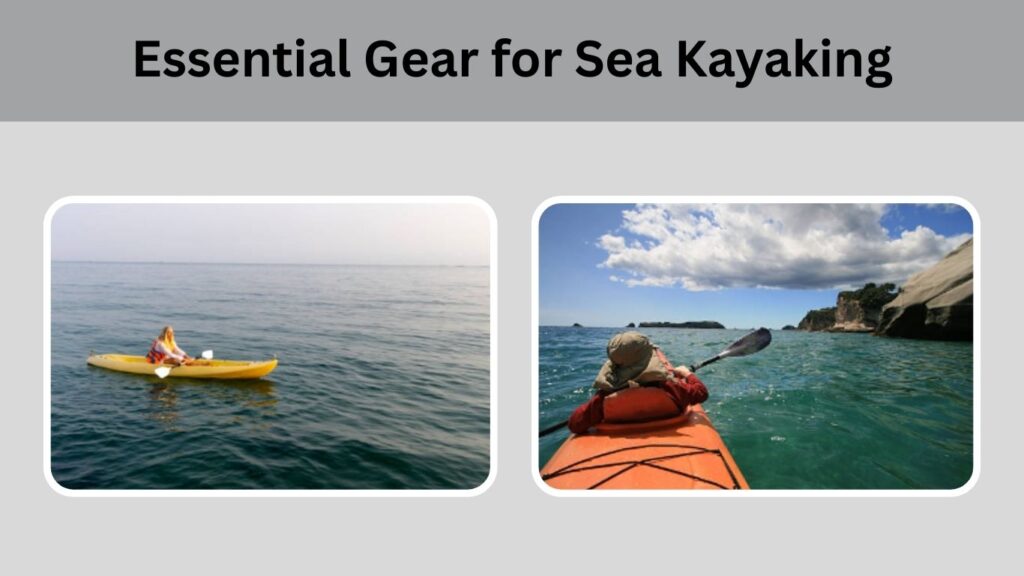
Sea kayaking requires more than just a kayak; having the right gear ensures safety, comfort, and efficiency. Proper equipment prepares paddlers for changing weather, waves, and long-distance trips. Here’s a more detailed and expanded list of essential gear for sea kayaking:
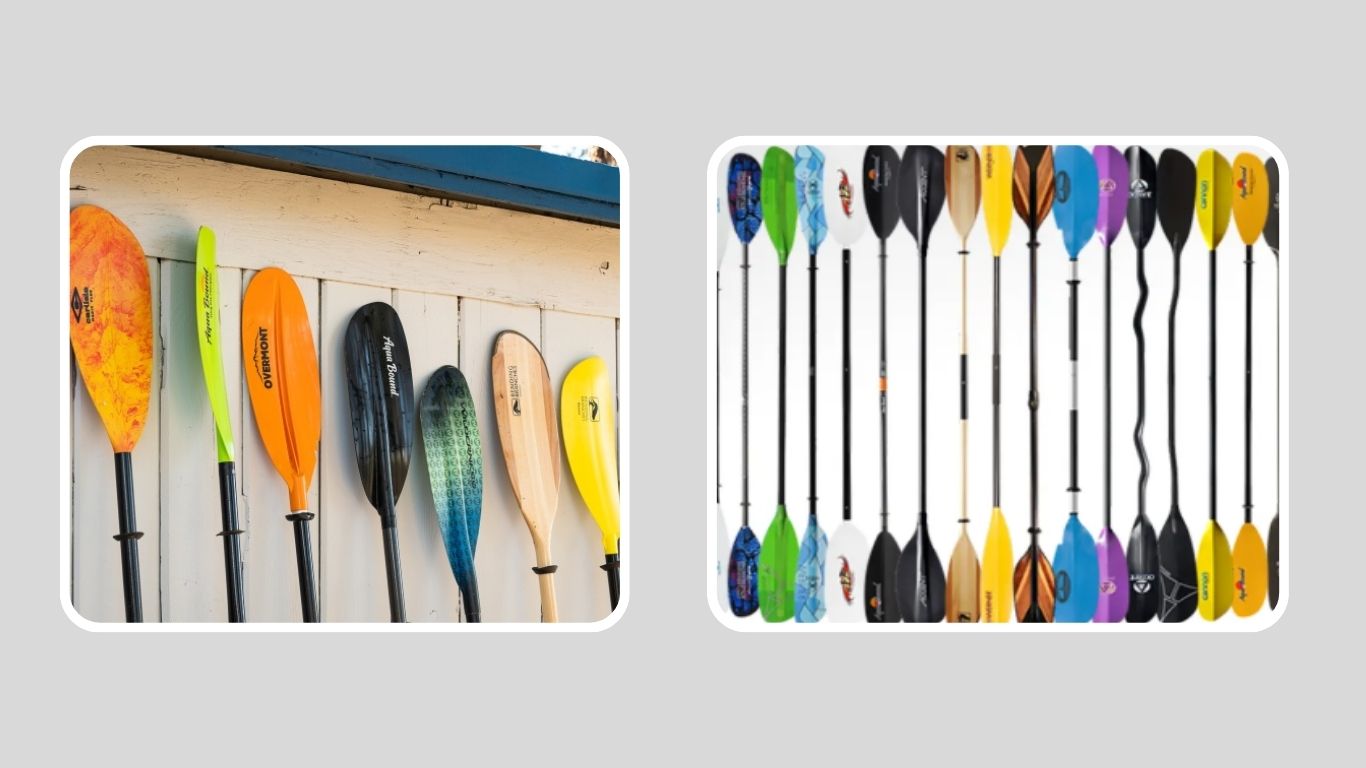
1. Paddle Types
- Choose the right length for your kayak and body size.
- Blade shape matters: asymmetrical blades reduce flutter, while symmetrical blades give smoother strokes.
- Materials: carbon fiber (lightweight, performance), fiberglass (durable, mid-weight), aluminum (affordable, heavier).
- Adjustable paddles allow you to change length or feathering for comfort and efficiency.
2. Personal Flotation Device (PFD)
- A properly fitting life jacket is essential for every paddler.
- PFDs designed for kayaking allow freedom of movement and come with pockets for gear or safety tools.
- Always wear a PFD, even in calm conditions.
3. Spray Skirts and Protective Clothing
- Spray skirts prevent water from entering the cockpit, keeping you dry and warm.
- Wetsuits or dry suits help maintain body temperature in cold water.
- Waterproof jackets and pants protect against wind and spray.
- Layered clothing allows adjustment for temperature changes during long trips.
4. Navigation Tools
- Compasses and maps are reliable for traditional navigation.
- GPS devices or smartphone apps help track routes and locations.
- Knowledge of tides, currents, and wind conditions is essential for planning trips.
5. Safety Equipment
- A bilge pump for removing water from the kayak.
- Paddle float for self-rescue after a capsize.
- Whistle or signaling mirror to attract attention if needed.
- Emergency flares for offshore visibility.
- First aid kit for minor injuries.
- VHF radio or communication device for remote areas.
6. Dry Bags and Storage Solutions
- Keep clothing, electronics, and food dry and safe.
- Use deck lines or bungees to secure gear.
- Storage hatches in the kayak provide space for long trips and multi-day expeditions.
7. Footwear
- Neoprene booties, water shoes, or sandals with good grip protect feet from rocks and slippery surfaces.
- Footwear also helps when launching or landing the kayak in shallow or rocky areas.
8. Sun Protection and Hydration
- Sunglasses with straps prevent glare and protect the eyes.
- Sunscreen and a hat reduce UV exposure.
- Water bottles or hydration packs ensure you stay hydrated during long paddling trips.
9. Communication and Emergency Gear
- Carry a mobile phone in a waterproof case for emergencies.
- Two-way radios or satellite devices are recommended for remote locations.
- Personal locator beacons (PLBs) increase safety in case of severe emergencies.
10. Optional Gear for Comfort and Activities
- Seat cushions or back supports for long-distance comfort.
- Camera or binoculars for observing wildlife or landscapes.
- Fishing gear or snorkel equipment for multi-purpose trips.
- Extra clothing layers for unpredictable weather conditions.
Having the right gear makes sea kayaking safer, more comfortable, and enjoyable. Each piece, from paddles and PFDs to navigation tools and emergency equipment, plays a vital role in ensuring a successful trip, whether it’s a short day paddle or a multi-day coastal expedition.
Skills Needed for Sea Kayaking
Sea kayaking is more than just paddling; it requires a combination of physical skills, knowledge, and safety awareness to navigate open water effectively. Developing these skills ensures paddlers can handle waves, currents, and unexpected situations while enjoying their time on the water. Here’s a detailed breakdown of the essential skills needed for sea kayaking:
1. Basic Paddling Techniques
- Forward stroke: The most common stroke to move the kayak efficiently. Proper technique involves rotating the torso rather than just using the arms.
- Reverse stroke: Helps slow down or move the kayak backward.
- Sweep stroke: Used to turn the kayak quickly and smoothly.
- Draw stroke: Allows lateral movement to get closer to objects or shorelines.
2. Steering with Rudder or Skeg
- Learn to use a rudder with foot pedals to maintain direction, especially in windy or tidal conditions.
- Skeg deployment helps with tracking straight, reducing fatigue from constant steering corrections.
- Understanding when to rely on natural paddling strokes versus these aids is essential for efficiency.
3. Self-Rescue Techniques
- Wet exit: Safely leaving the kayak if it capsizes.
- Re-entry: Getting back into the kayak from the water using techniques like paddle float or assisted re-entry.
- Practicing these skills in calm water builds confidence and ensures safety in emergencies.
4. Reading Water Conditions
- Learn to identify waves, tides, and currents to plan your route effectively.
- Recognize hazards, such as rocks, floating debris, and strong offshore winds.
- Understand how wind and tide affect paddling speed and direction.
5. Navigation Skills
- Use a compass and maps to plot a course, especially in unfamiliar areas.
- GPS devices can help track location, but paddlers should know traditional navigation as a backup.
- Learn to plan trips according to daylight, tides, and weather conditions for safety.
6. Weather Awareness
- Understanding weather forecasts and recognizing changing conditions on the water.
- Knowing the signs of approaching storms or sudden wind changes is critical for safety.
- Ability to adjust your route or return to shore quickly when necessary.
7. Fitness and Endurance
- Paddling a sea kayak requires core strength, arm and shoulder endurance, and leg engagement for foot braces.
- Regular exercise improves stamina for long trips and reduces fatigue.
- Proper posture and paddling technique also prevent injuries during extended journeys.
8. Emergency Preparedness
- Carrying and knowing how to use safety equipment like whistles, flares, and bilge pumps.
- Understanding basic first aid for minor injuries or emergencies.
- Developing a trip plan and letting someone know your route before heading out.
9. Environmental Awareness
- Respecting wildlife and natural habitats while paddling.
- Understanding leave-no-trace principles for camping or beach landings.
- Awareness of tides, currents, and sensitive areas to minimize impact.
10. Group Paddling Skills
- Communicating effectively with paddling partners.
- Keeping pace with the group and ensuring everyone’s safety.
- Performing assisted rescues if a paddler capsizes.
Mastering these skills ensures a safe, efficient, and enjoyable sea kayaking experience. Beginners should start in calm waters, gradually practicing these skills before venturing into open seas or longer expeditions. Over time, paddlers gain confidence, develop endurance, and enjoy the freedom of exploring coastlines and open water safely.
Safety Considerations
Safety is the most important aspect of sea kayaking, as open water environments can be unpredictable, with rapidly changing weather, waves, and currents. Even experienced paddlers must remain vigilant and well-prepared. One of the most crucial safety measures is wearing a properly fitted personal flotation device (PFD), which keeps you buoyant in case of a capsize or accidental fall into the water. Modern PFDs allow freedom of movement and often include pockets for carrying small gear or safety tools.
Before heading out, it is essential to check weather and water conditions, including wind speed, tides, and wave patterns, as conditions can change quickly. Kayaking in extreme weather or strong offshore winds should be avoided, and trips should always be planned with safety in mind. Mapping out your route in advance, identifying potential landing points, and informing a friend, family member, or local authority about your plan ensures someone knows your expected return time. Carrying a GPS or a map and compass is recommended for navigation and tracking your location.
Paddlers should know their limits and only tackle conditions suitable to their skill level. Beginners should start in calm waters before moving to open seas, stronger currents, or rough waves, and solo paddling in unfamiliar areas should generally be avoided. Proper safety equipment is also essential, including a bilge pump, paddle float, whistle, signaling mirror, emergency flares, a first aid kit, and a communication device such as a waterproof phone or VHF radio. Deck lines should be in place for self-rescue or assisting others.
Learning self-rescue and assisted rescue techniques, such as wet exits, re-entries, and paddle float rescues, is critical, and practicing these skills in calm water builds confidence and preparedness. Staying visible is equally important; wearing bright-colored clothing, attaching reflective tape or flags to your kayak, and using lights or strobes in low-light conditions help prevent collisions and ensure you can be seen.
Paddlers must also avoid hazards such as rocks, fast-moving tides, strong currents, and submerged obstacles, and maintain a safe distance from larger boats, shipping lanes, or restricted areas. Reading water patterns to anticipate waves, rip currents, or tide changes improves safety on the water. Staying hydrated and protected from the sun is vital; bring plenty of water, wear sunscreen, sunglasses, a hat, and dress in layers to maintain a comfortable body temperature in varying conditions.
Finally, environmental awareness should never be overlooked. Respect wildlife, avoid disturbing nesting areas, and follow leave-no-trace principles when landing on beaches or camping. Being aware of tidal zones and sensitive ecosystems minimizes environmental impact and preserves natural areas for future paddlers. By following these safety considerations, paddlers can reduce risks, enjoy sea kayaking with confidence, and ensure that even small mistakes do not escalate into serious problems. Preparedness, vigilance, and respect for the environment are key to a safe and rewarding sea kayaking experience.
Maintenance of a Sea Kayak
Proper maintenance is essential to keep a sea kayak in top condition, ensuring safety, performance, and longevity. Regular care prevents damage from saltwater, UV exposure, and rough handling while making each paddling trip more enjoyable. Here’s a detailed guide on how to maintain a sea kayak:
1. Cleaning After Each Use
- Rinse your kayak with freshwater after every trip, especially after paddling in saltwater or muddy areas.
- Remove sand, dirt, and debris from the hull, deck, and cockpit.
- Use a mild soap if needed, but avoid harsh chemicals that can damage the kayak’s material.
2. Inspect for Damage
- Check the hull for cracks, scratches, or dents.
- Examine deck fittings, rudder or skeg systems, and hatch seals for wear or looseness.
- Inspect the cockpit rim and spray skirt for tears or damage.
- Address minor repairs immediately to prevent further damage.
3. Protect Against UV Damage
- Prolonged sun exposure can weaken materials and fade colors.
- Store your kayak in a shaded area or cover it with a UV-resistant tarp.
- Applying a UV protectant spray to the kayak’s surface can extend its lifespan.
4. Storage Tips
- Store your kayak off the ground using racks, wall mounts, or ceiling hoists.
- Avoid leaning it on one side for long periods, as this can deform the hull.
- If storing outside, ensure it is covered and secured to protect against the weather and wind.
5. Maintenance of Moving Parts
- Lubricate rudder or skeg mechanisms to ensure smooth operation.
- Check foot braces and seat adjustments for proper function.
- Make sure deck lines and bungee cords are secure and replace them if frayed.
6. Gear and Accessories Care
- Rinse and dry paddles, spray skirts, and PFDs after each trip.
- Inspect dry bags and hatches to ensure they are watertight.
- Store accessories in a dry, ventilated area to prevent mold and mildew.
7. Periodic Deep Cleaning
- Every few months, perform a more thorough cleaning, including hatches, compartments, and hardware.
- Remove stubborn stains or algae growth using a soft brush and mild cleaner.
- Check for signs of material fatigue, especially in older kayaks.
8. Winterizing or Long-Term Storage
- If storing for a season, clean and dry the kayak completely to prevent mold and mildew.
- Store indoors if possible, or use weatherproof covers outdoors.
- Remove or secure movable parts like rudders, skegs, or detachable seats.
9. Transport Care
- Use proper roof racks, padding, and straps when transporting your kayak.
- Avoid dragging the kayak on rough surfaces to prevent scratches or structural damage.
- Secure it properly to prevent shifting or falling during transport.
10. Regular Safety Checks
- Before each trip, inspect hull integrity, gear, and safety equipment.
- Replace worn-out lines, damaged hatches, or faulty rudder/skeg systems promptly.
- Routine checks reduce the risk of failure during paddling and increase confidence on the water.
Consistent maintenance ensures your sea kayak remains safe, efficient, and enjoyable for years. Treating your kayak with care protects your investment and helps you focus on exploring, learning, and enjoying the water without unexpected problems.
Popular Sea Kayaking Destinations
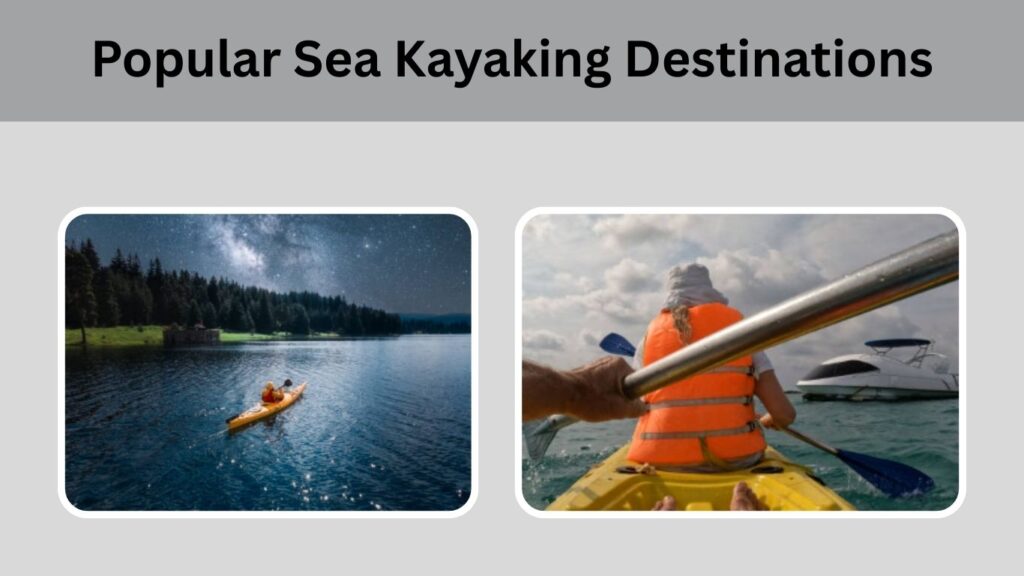
Sea kayaking opens the door to exploring stunning coastlines, remote islands, and pristine waterways that are often inaccessible by larger boats. From calm bays to challenging ocean routes, paddlers can find adventures suited to all skill levels. Here’s a detailed guide to some popular sea kayaking destinations around the world:
1. Pacific Northwest, USA
- Location: Washington and Oregon coastlines, Puget Sound, San Juan Islands.
- Highlights: Dramatic cliffs, dense forests, and abundant wildlife, including orcas, seals, and bald eagles.
- Best For: Beginners and intermediate paddlers who enjoy scenic coastal routes with opportunities for wildlife spotting.
- Tips: Be aware of tides and currents; local guided tours provide safety and navigation assistance.
2. Norwegian Fjords, Norway
- Location: Western Norway, including Geirangerfjord and Nærøyfjord.
- Highlights: Cliffs, waterfalls, glaciers, and remote villages.
- Best For: Experienced paddlers seeking breathtaking scenery and cold-water paddling challenges.
- Tips: Prepare for cold water; layered clothing and wetsuits are essential. Guided tours are recommended for safety.
3. Great Barrier Reef, Australia
- Location: Queensland, along the northeastern coast of Australia.
- Highlights: Coral reefs, clear turquoise waters, and abundant marine life, including turtles, rays, and tropical fish.
- Best For: Beginners and intermediate paddlers interested in snorkeling, wildlife observation, and warm water conditions.
- Tips: Be mindful of tides, currents, and marine life regulations. Use reef-safe sunscreen.
4. Bay of Islands, New Zealand
- Location: North Island, New Zealand.
- Highlights: 144 islands, sandy beaches, caves, and clear waters.
- Best For: Paddlers of all levels; calm waters and stunning scenery make it beginner-friendly.
- Tips: Plan routes according to weather; explore caves and secluded beaches safely.
5. Dalmatian Coast, Croatia
- Location: Adriatic Sea, along Croatia’s coastline.
- Highlights: Historic towns, crystal-clear waters, hidden coves, and islands.
- Best For: Beginners and intermediate paddlers seeking scenic coastal tours and cultural exploration.
- Tips: Avoid high tourist seasons for a quieter experience. Be cautious of boat traffic near popular towns.
6. Sea of Cortez, Mexico
- Location: Baja California Peninsula.
- Highlights: Vibrant marine life, including sea lions, dolphins, and whales; warm desert climate.
- Best For: Intermediate to advanced paddlers who want wildlife encounters and longer expedition routes.
- Tips: Carry plenty of water and sun protection; check tides for safe landings.
7. Tasmania, Australia
- Location: Southern coast of Tasmania.
- Highlights: Rugged wilderness, secluded beaches, and diverse wildlife.
- Best For: Experienced paddlers seeking adventure and challenging coastal conditions.
- Tips: Weather can change rapidly; proper planning and survival gear are crucial.
8. Vancouver Island, Canada
- Location: Western Canada, off the coast of British Columbia.
- Highlights: Dense forests, marine wildlife, and quiet bays.
- Best For: Paddlers looking for a mix of calm waters and open sea exploration.
- Tips: Check tides, currents, and weather; guided tours can enhance safety.
9. Alaska’s Inside Passage, USA
- Location: Southeastern Alaska coastline.
- Highlights: Glaciers, fjords, wildlife including bears, whales, and eagles.
- Best For: Experienced paddlers seeking adventure in remote, cold-water conditions.
- Tips: Cold-water gear and knowledge of tides, weather, and wildlife safety are essential.
10. Greek Islands, Mediterranean
- Location: Cyclades, Dodecanese, and Ionian islands.
- Highlights: Clear waters, sandy beaches, and ancient ruins.
- Best For: Beginners and intermediate paddlers looking for scenic paddling with warm weather.
- Tips: Summer can be crowded; plan routes early in the morning for calm conditions and fewer boats.
Sea kayaking destinations offer a variety of experiences, from calm, beginner-friendly waters to challenging, remote expeditions. Choosing a destination depends on skill level, climate preference, and desired scenery. Exploring these locations allows paddlers to combine adventure, nature, and culture in a unique and immersive way.
Final Thoughts
Sea kayaking is a unique way to explore waterways, connect with nature, and enjoy adventure. With the right kayak, essential gear, and safety knowledge, paddlers can navigate calm bays, coastal waters, or challenging open seas. Beginners should start slowly, practice basic skills, and gradually tackle longer trips. Proper preparation, maintenance, and respect for the environment ensure a safe and enjoyable experience. Beyond fitness and skill, sea kayaking offers freedom, mindfulness, and unforgettable moments on the water for paddlers of all levels.